Review · MEXICO CITY
Mexico City: Mexican Salsas Cooking Class and Market Tour
Mexico City knows how to make a meal into a lesson, and this one begins with a market walk before you pick up a knife. You’ll taste native-corn quesadillas, raw cacao, unusual insects, seasonal fruit, and handmade ice cream, then return to Aura Cocina Mexicana to prepare 10 Mexican salsas.
I like the small group, limited to seven people, and the way you can set your own spice level. I also like that the class teaches methods, not just recipes: you’ll roast, fry, cook, or make each salsa raw. The main drawback is that the four-and-a-half-hour session is not suitable for children under 12, people with nut allergies, or anyone with mobility impairments.
Key points to know before booking
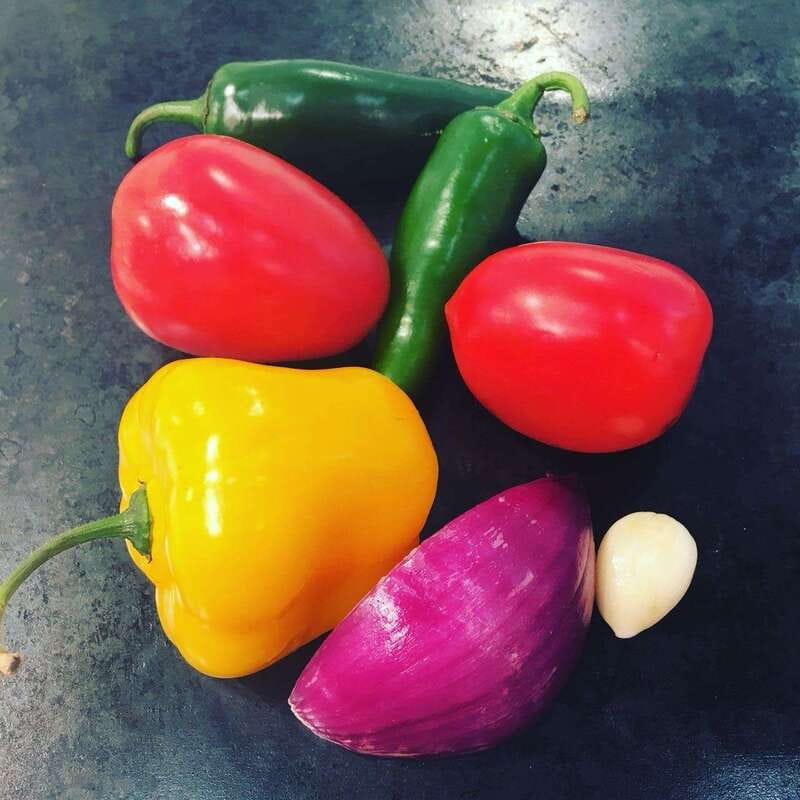
- Ten salsas, ten different techniques: Make guacamole, molcajete sauce, green sauce, ranchera, fruit-based sauces, habanero sauce, chipotle, and more.
- Mercado de Medellín adds real local context: Taste ingredients where they are sold, including native fruit, Oaxaca chocolate, chiles, and edible insects.
- A compact class keeps things personal: The group is limited to seven, with instruction in English or Spanish.
- Your meal is built around the sauces: Pair them with tacos and fillings such as cochinita pibil, cecina, mushrooms, cactus, eggs, and quesadillas.
- The meeting point takes care: Look for Aura Cocina Mexicana’s blue shopfront at Medellín 191A, since the street numbers do not rise in order.
- The price includes the full food program: At $186 per person, ingredients, lunch, recipes, beer, mezcal, the market tour, and the chef guide are covered.
Starting with agua fresca in Roma Norte
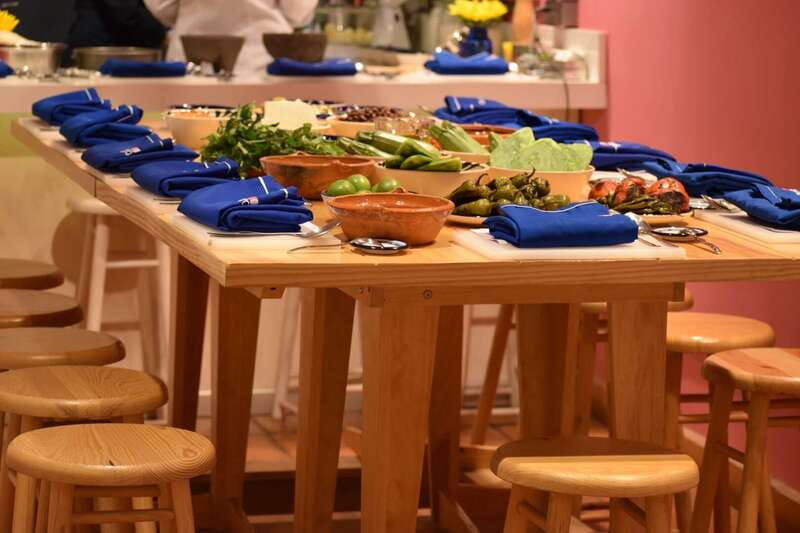
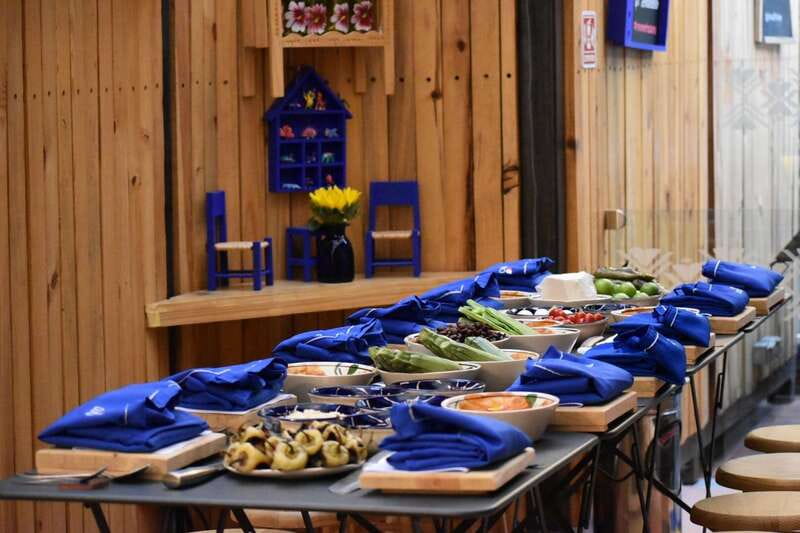
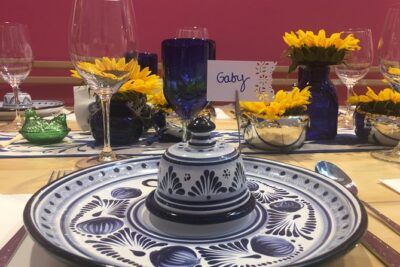
Your morning or afternoon begins at Aura Cocina Mexicana, a contemporary cooking studio on Medellín Street in Roma Norte. The welcome is simple and useful: an agua fresca, followed by coffee made from selected Mexican beans or a special infusion while the chef sets the stage.
This opening matters because Mexican cooking can seem familiar until you learn how much depends on local ingredients and preparation. The chef explains the background of Mexican food before the group heads to the market, giving you a better sense of why corn, chiles, beans, cacao, and native fruits matter beyond their flavor.
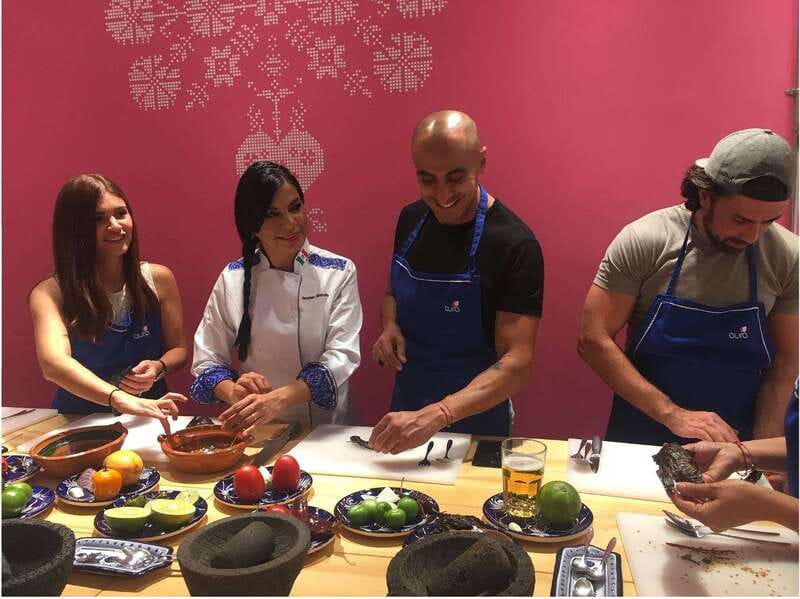
The kitchen has a polished, stylish feel, but the food lesson remains practical. This is not a formal demonstration where you sit quietly and watch a professional do all the work. You should expect to take part, ask questions, and get your hands involved once the class begins.
The staff members named in connection with this class include Pame, Lorena, and Krystel. Pame is especially associated with chile and salsa instruction, including adjusting heat to suit each person. Lorena has led the full market-to-kitchen format, while Krystel has taught the history, techniques, and pairings. Your instructor will depend on the date, but the format is designed around personal guidance.
More Market Tour Cooking Classes in Mexico
- Puerto Vallarta Cooking Class Experience with Market Tour
★ 5.0 · 698 reviews - Mexican Cooking Class with Food Market Visit in Mexico City
★ 5.0 · 506 reviews - Flavors of Oaxaca: Cooking Class with No Set Menu and Local Market Tour
★ 4.5 · 333 reviews
Mercado de Medellín, where ingredients make sense
The walk to Mercado de Medellín shifts the experience from a pretty cooking studio to everyday Mexico City food culture. The market is in the Roma area and gives you a chance to see ingredients in their normal setting, rather than laid out only for a class.
The first strong stop is an organic tortillería. Here you taste quesadillas made with native corn and see the traditional nixtamalization process. That process is one of the keys to understanding Mexican corn: the grain is treated before it becomes masa, which changes its texture and makes it suitable for tortillas and other foods.
This is the kind of detail that improves your cooking later. You are not simply told that corn is important. You see how it becomes the foundation of a dish, then taste the difference in a warm quesadilla.
At the chile stand, the focus turns to variety. Mexican food is not based on one generic idea of a hot pepper. Different chiles bring different levels of heat, sweetness, smoke, fruit, and depth. The salsa class puts that lesson to work, so pay attention to which chiles are used for which style of sauce.
Cacao, insects, fruit, and ice cream
The market tastings keep moving across Mexico’s unusual food range. You’ll try 100 percent raw cacao and handmade chocolate from Oaxaca. Raw cacao is intense and less sweet than the chocolate most people know, so this stop helps separate the flavor of the bean from the sugar and dairy added later.
Then come the insects. You may taste crickets, chicatana, which are flying ants, and chinicuil, a type of worm. This is not a stunt added for shock. Insects have a place in Mexican food traditions, and tasting them gives you a more honest look at the ingredients used across the country.
Still, you do not have to treat this stop like a dare. If insects are outside your comfort zone, the market includes plenty of other tastings. The experience also features seasonal native fruits such as mamey, chicozapote, and tuna, followed by handmade ice cream.
Those fruits are worth your attention. Mamey is creamy and distinctive, chicozapote is sweet and unfamiliar to many visitors, and tuna refers to the fruit of the prickly pear cactus. Since fruit availability changes, the exact selection may vary. The point is to taste Mexican produce in several forms, from fresh fruit to dessert.
Making ten salsas in one small kitchen
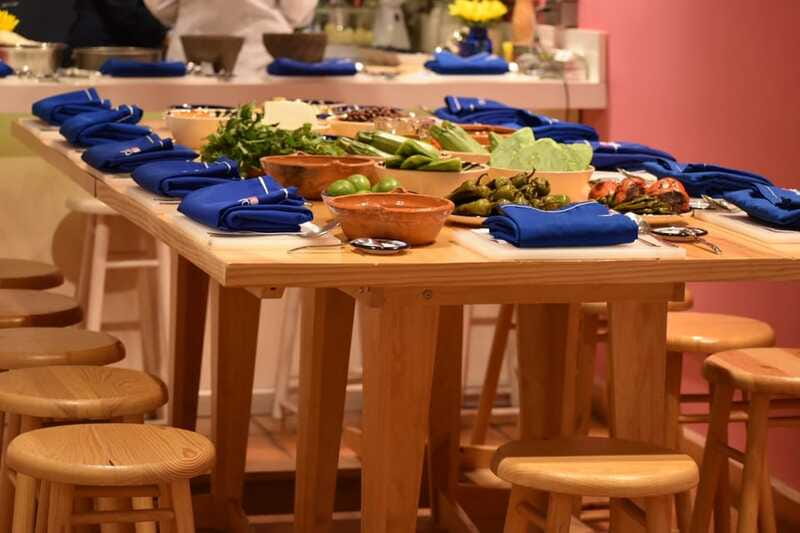
Back at the studio, you move into the hands-on portion. Ten salsas may sound like too much for one class, but each one shows a different approach.
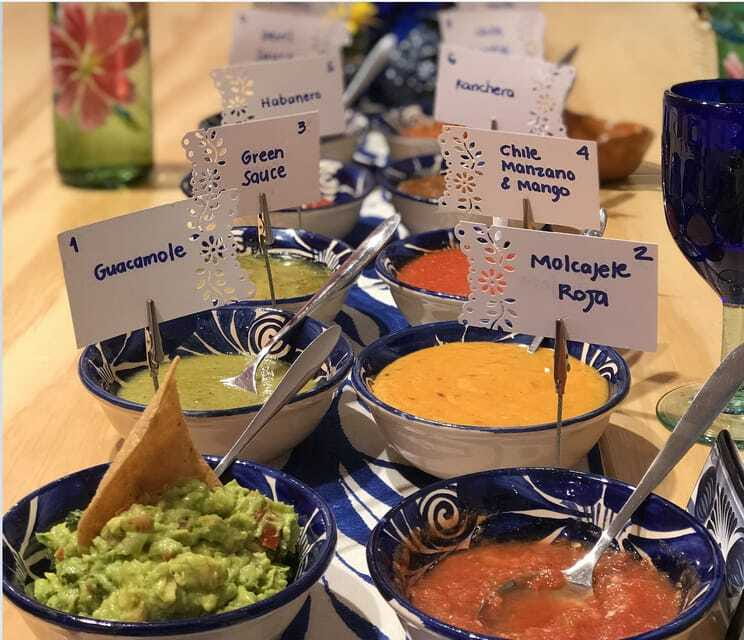
You’ll prepare:
- Traditional guacamole
- Red molcajete sauce
- Green sauce
- Ranchera sauce
- Mango and chile manzano sauce
- Habanero sauce
- Devil’s sauce
- Chile morita with nuts sauce
- Chipotle sauce
- Salsa borracha, or drunken sauce
The list gives you a useful spread. Some sauces are raw, some are roasted, some are cooked, and others are fried. That variety is more valuable than learning ten versions of the same tomato-and-chile mixture.
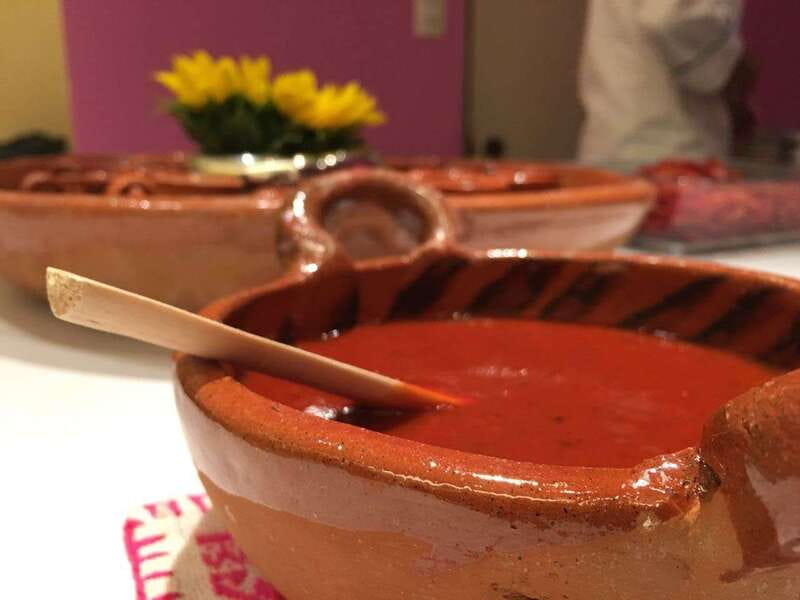
The red molcajete sauce gives you a chance to work with a classic grinding method. The green sauce and ranchera sauce show how familiar ingredients can produce different results. Mango with chile manzano brings fruit and heat together, while the habanero and devil’s sauces move toward a sharper, hotter profile.
The chile morita with nuts sauce and the chipotle sauce add smoke and depth. Salsa borracha brings a different flavor profile again. The class is not simply about memorizing ingredient lists. It helps you notice how roasting changes a chile, how raw ingredients keep their freshness, and how cooking softens or combines flavors.
A particularly useful feature is the spice adjustment. You can choose your own heat level, and the chef can adapt the sauces to match. That makes the class friendlier to people who enjoy Mexican flavors but do not want every salsa to burn. It also helps you learn that chile heat is only one part of the final taste.
More Market Tour Cooking Classes in Mexico City
- Essence of Mexico: Authentic Mexican Cooking Class & Market Tour
★ 5.0 · 289 reviews - Mexico City: Authentic Mexican Cooking Class & Market Tour
★ 4.7 · 39 reviews - Mexican Street Tacos Hands-on Cooking Class and Market Tour
★ 5.0 · 37 reviews - Coyocán: Market Tour and Cooking Class
★ 5.0 · 23 reviews
Tacos are the test of every salsa
After the cooking, you sit down to eat the sauces with street-food-style tacos and other small dishes. Fillings include cochinita pibil, cecina, roasted potatoes, scrambled eggs, sautéed mushrooms, cactus leaves, zucchini, fried beans, and quesadillas.
This pairing is one of the strongest parts of the format. A salsa can taste excellent from a spoon but behave differently with meat, eggs, vegetables, or beans. Trying the sauces with several fillings shows you which ones work best with rich pork, salty beef, mild potatoes, earthy mushrooms, or crisp cactus.
Cochinita pibil gives the sauces a rich pork base, while cecina brings a saltier meat option. The vegetables and eggs keep the meal from feeling like a single heavy plate. Fried beans and quesadillas are especially useful for tasting sauces without competing flavors.
You will also have agua fresca, artisanal mezcal, and Mexican craft beer. Beer can cool the heat and refresh your palate. Mezcal brings a smoky character, so it may change your sense of how a salsa tastes. Drink at your own pace, since the class includes several food and beverage elements over a long session.
What the $186 price really covers
At $186 per person, this is not a budget cooking class. The price makes more sense if you want a full food outing rather than a short lesson.
You are paying for four and a half hours, a professional chef guide, a market tour, all cooking ingredients, lunch, printed recipes, beer, and mezcal. The small group, capped at seven, also matters. You should receive more direct attention than in a large demonstration, especially when you are working with chiles and several cooking methods.
The printed recipes add value after you return home. Ten sauces give you a real collection to practice, and the class teaches enough variation to help you change the heat or ingredients later.
The weaker value comes if you mainly want a quick market visit or a basic taco lunch. You are paying for the long format, the teaching, the tastings, and the range of drinks. If you do not cook, dislike spicy food, or prefer a sightseeing tour with little hands-on work, this may feel expensive.
For a serious food-focused half day in Mexico City, the package is easier to justify. You get a meal, a market visit, cultural context, and recipes you can use again.
Practical details that affect your day
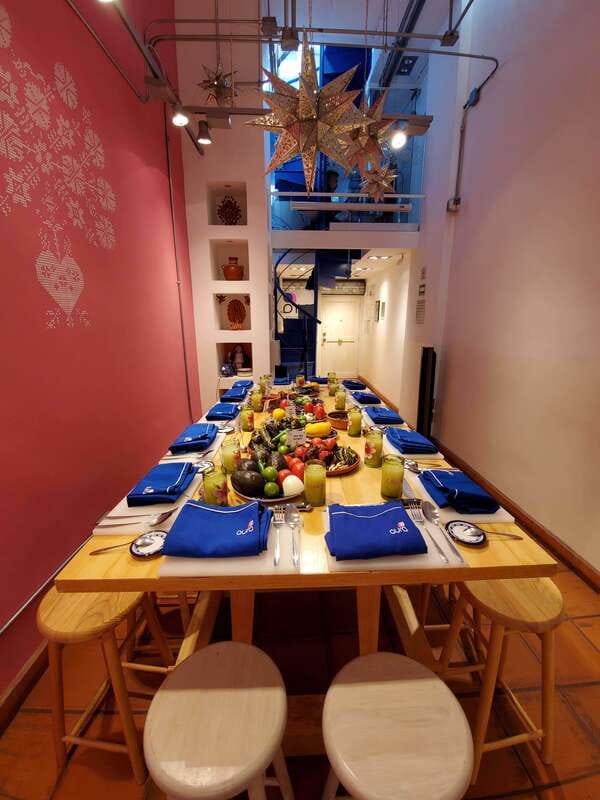
Plan to wear comfortable clothes and shoes. You will walk through the market and spend time working in the kitchen. An apron is provided, so you do not need to bring one.
The meeting point is on Medellín Street between Chiapas Street and Tapachula Street. Look for the blue Aura Cocina Mexicana shopfront at Medellín 191A. The house numbers do not ascend in order, so use the shopfront and the cross streets rather than relying on the number alone.
There is no hotel pickup or drop-off. You need to make your own way to the studio.
The class runs for 4.5 hours, with starting times based on availability. It is offered in English and Spanish. The small-group size is limited to seven people, a useful detail if you want a class where the chef can adjust spice levels and answer questions.
The activity is not suitable for children under 12, people with nut allergies, or people with mobility impairments. The nut allergy restriction matters because one of the planned salsas includes nuts, and the market portion includes walking and tasting stops.
You can cancel up to 24 hours before the activity for a full refund. A reserve-now, pay-later option is also available, which helps if your Mexico City schedule is still shifting.
Who will enjoy this class most
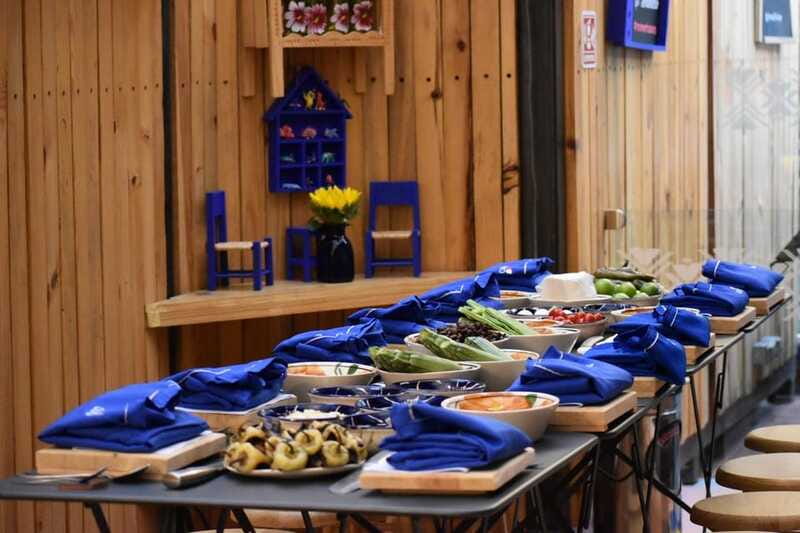
I would choose this for someone who sees food as one of the best ways to understand a city. You do not need advanced cooking skills. The class is built to give you confidence, and the chef guides you through several methods without requiring professional technique.
It is a good fit for couples, friends, and solo visitors who like meeting a small group around a table. The limited size should make it easier to ask about ingredients, compare spice levels, and get help during the cooking.
It also suits anyone who wants more than the standard tacos-and-tequila outing. The nixtamalization lesson, chile tasting, Oaxaca cacao, insects, native fruit, and salsa techniques offer more substance than a simple meal.
I would think twice if you dislike market walking, cannot eat nuts, want a child-friendly activity, or are uncomfortable with strong chiles. The class does allow spice adjustments, but the subject is still Mexican salsa, and heat is part of the lesson.
Should you book Mexican Salsas Cooking Class and Market Tour?
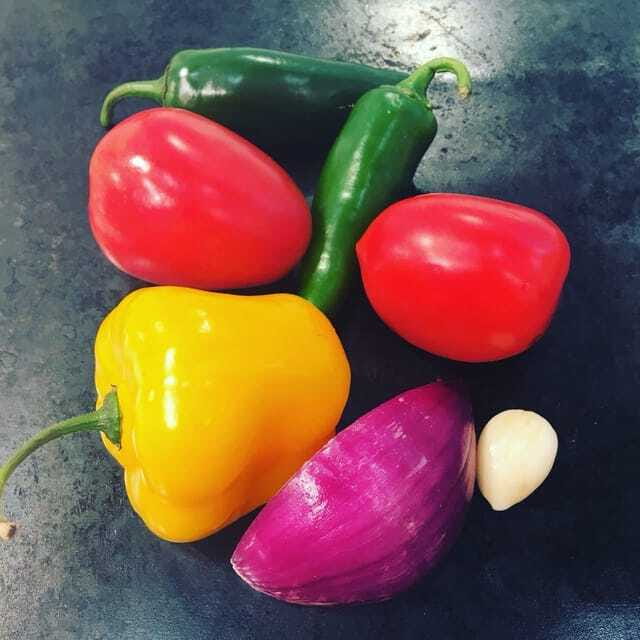
Book it if you want a hands-on food day with a clear beginning, middle, and end: agua fresca and cultural background, Mercado de Medellín tastings, then ten salsas and a taco meal.
The strongest reasons are the small group, the useful variety of techniques, the chance to control the heat, and the recipes you take home. Pame, Lorena, and Krystel have each been associated with the warm, personal teaching style that makes this class work.
Skip it if you want a cheap lunch, a short market stop, or a tour without alcohol or spicy food. At $186, it is a considered purchase, but the price covers a full 4.5-hour program rather than a single cooking demonstration. For food-focused visitors who want practical skills and a closer look at Mexican ingredients, I would put this high on the list.
FAQ
Where does the cooking class meet?
Meet at Aura Cocina Mexicana, Medellín 191A, on Medellín Street between Chiapas Street and Tapachula Street in Roma Norte. Look for the blue shopfront because the street numbers do not ascend in order.
How long does the experience last?
The activity lasts 4.5 hours. Starting times vary, so check availability when booking.
Is the class offered in English?
Yes. The instructor can teach in English or Spanish.
How many people are in the group?
The group is limited to seven participants.
What food and drinks are included?
The experience includes lunch, tacos and appetizers, agua fresca, artisanal mezcal, Mexican craft beer, all cooking ingredients, and tastings during the market visit.
Do I need to bring an apron?
No. An apron is provided. You should bring comfortable clothes and comfortable shoes.
Is the activity suitable for children or people with nut allergies?
No. It is not suitable for children under 12 or people with nut allergies. It is also not suitable for people with mobility impairments.
More Shopping Trips in Mexico
- Taste of the Yucatan: Merida Cooking Class and Market Visit
★ 5.0 · 291 reviews - Private Market Tour & Cooking Class in Puerto Vallarta with Manu
★ 5.0 · 241 reviews - Mexican Cooking Class with fresh Local Market ingredients selection and transpor
★ 4.5 · 238 reviews - Cancún: Cooking Class and Optional Local Market Tour
★ 4.5 · 127 reviews
More Mexican Cooking Classes in Mexico
- Cabo San Lucas Mexican Cooking Class Experience and Local Markets
★ 5.0 · 915 reviews - Mexican Cooking from Scratch in a Local Home in Tulum
★ 5.0 · 585 reviews - Authentic Mexican Legacy Cooking Class in Cabo San Lucas
★ 5.0 · 530 reviews - Playa del Carmen Mexican Cooking Class
★ 5.0 · 306 reviews
Just added around Mexico
- Mexico City: Street Taco Cooking Class & Market Tour★ 5.0 · 12 reviews
- Mexico City: Mexican Cooking Class★ 4.8 · 85 reviews
- Mérida: Flavors of Yucatan Cooking Class & Market Tour★ 5.0 · 5 reviews
- Mérida Cooking Class, taste of Yucatan★ 4.9 · 82 reviews
- Market tour, cooking class & three-course Mexican feast★ 4.4 · 17 reviews
- Los Cabos: Azteca Cactus Taco Farm to Table Cooking Class★ 5.0 · 9 reviews
- Authentic Mexican Salsas Workshop★ 3.9 · 7 reviews
- Valle de Guadalupe: Mexican Cooking at Hacienda Eco-Domes★ 5.0 · 11 reviews
Mexican Cooking Classes, compared.
Cabo San Lucas Mexican Cooking Class Experience and Local Markets
Read our review →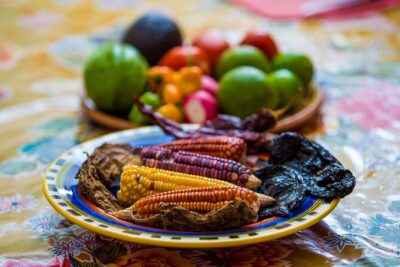
Mexican Cooking from Scratch in a Local Home in Tulum
Read our review →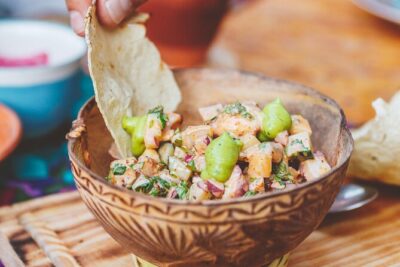
Mexican Cooking Class with Food Market Visit in Mexico City
Read our review →
Essence of Mexico: Authentic Mexican Cooking Class & Market Tour
Read our review →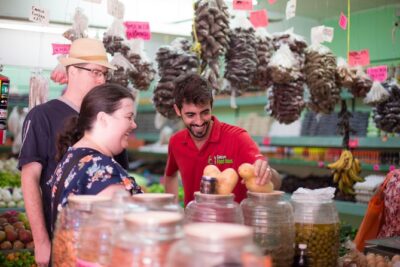
Mexican Cooking Class with fresh Local Market ingredients selection and transpor
Read our review →