
Review · MEXICO CITY
Muchos moles: Multi-variety mole cooking class and feast
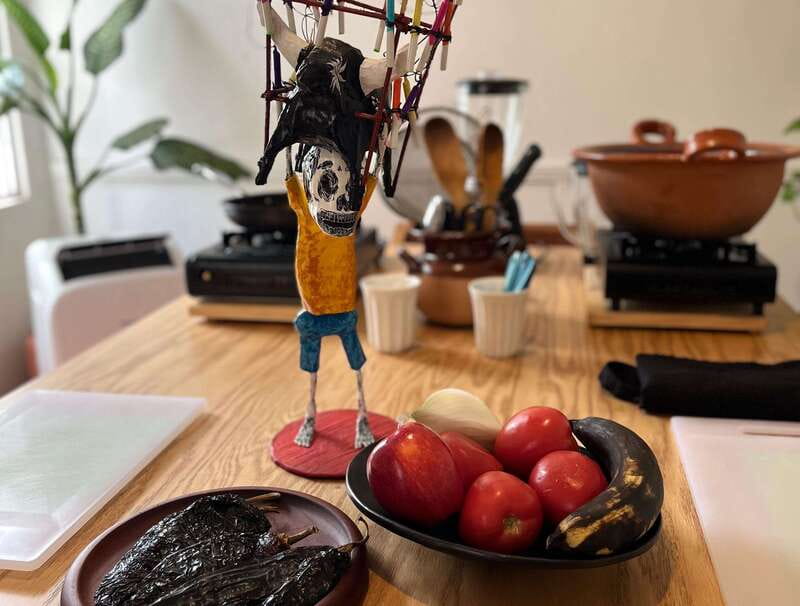
Mexico’s famous mole is not one sauce. It is a whole family of dishes, and this four-hour class gives you a tasty lesson in that variety. At Jim’s home in Condesa, you’ll prepare manchamanteles with pineapple and plantain and a fresh green mole, then make the corn tortillas needed to scoop up every bit.
I like two things here. First, the class shows you moles that you may not find on a standard restaurant menu. Second, the meal feels like a relaxed dinner party, with local dinnerware, Mexican drinks, and Jim’s patient explanations. The main consideration is the setting: the class takes place in a home without an elevator, and two cats live there.
Key points to know before booking
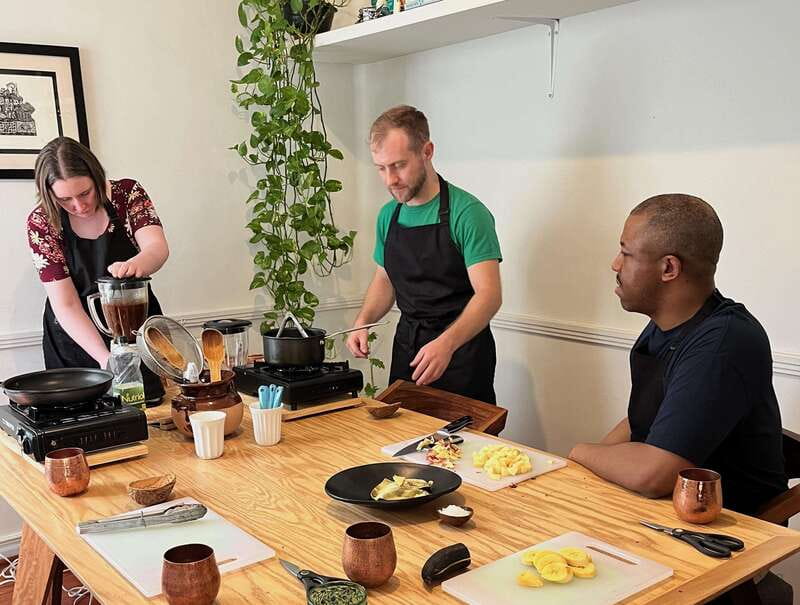
- Two very different moles: Compare the sweet, fruity manchamanteles with a lighter green mole made from crisp green leaves.
- A meal you help create: You prepare both sauces and fresh corn tortillas before sitting down to eat.
- Jim leads the class: He explains ingredients, origins, and cooking methods in English or Spanish.
- A small, social setting: Private and small-group options make this more personal than a large cooking school.
- Local details beyond the food: Jim uses locally made dinnerware and can point you toward Mexican artisans.
- Plan around the home setting: There is no elevator, and cats are present even though they are kept away from the cooking area.
Why this class is about mole, not just dinner
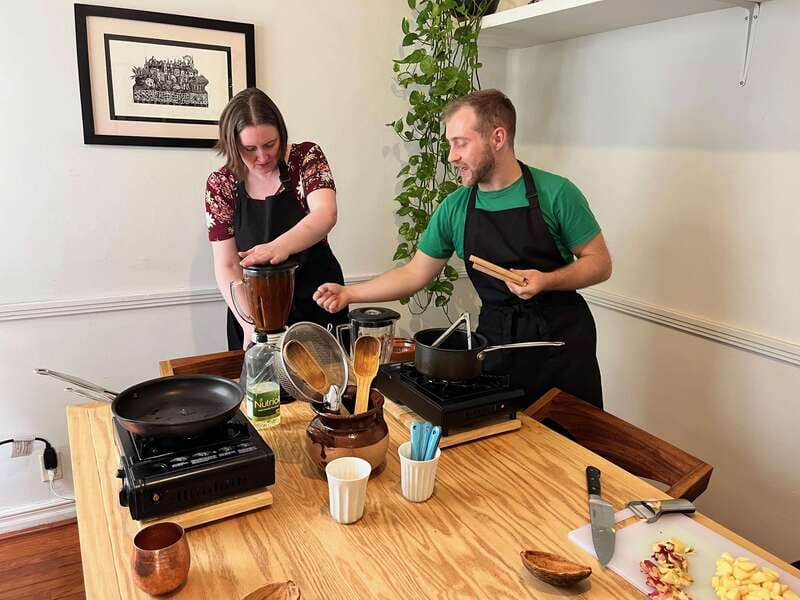
Many Mexican cooking classes give you a familiar plate and a recipe to take home. This one takes a more interesting route. It uses two moles that share some basic ideas but taste very different, so you can see how broad the category really is.
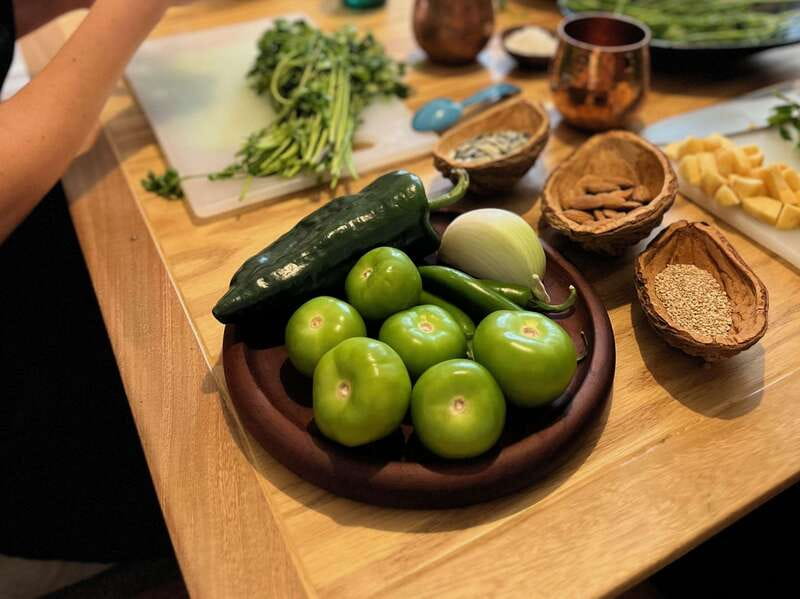
Manchamanteles is related to the better-known mole poblano. Instead of getting its sweetness mainly from chocolate, it uses generous pieces of pineapple and plantain. That gives the sauce a fruity character and makes it a useful choice for anyone who wants to understand how Mexican cooking handles sweet and savory flavors together.
The green mole offers a clear contrast. Its base of fresh green leaves keeps it brighter and lighter than darker, heavier mole sauces. I like this pairing because it turns the meal into a comparison. You are not simply learning one recipe. You are tasting two different answers to the same question: what can mole be?
The class also includes tortillas, an important detail. Mole is not only about the sauce. A warm corn tortilla gives you a practical way to eat it and helps make the finished meal feel complete. You will prepare the tortillas yourself rather than treating them as an afterthought.
More Mexican Cooking Classes in Mexico:
- Cabo San Lucas Mexican Cooking Class Experience and Local Markets
★ 5.0 · 915 reviews - Mexican Cooking from Scratch in a Local Home in Tulum
★ 5.0 · 585 reviews - Authentic Mexican Legacy Cooking Class in Cabo San Lucas
★ 5.0 · 530 reviews
Arriving at Jim’s Condesa home
The class takes place in a beautiful home in Condesa, rather than in a formal restaurant or commercial kitchen. That changes the mood right away. You are there for a shared meal as much as for instruction, and the smaller setting allows Jim to spend time answering questions and guiding each person through the work.
The exact meeting point can vary by the option you book, so check your confirmation carefully. The experience is described as taking place in Condesa, while the wider activity information identifies the State of Mexico and Mexico City cooking program. Do not assume every booking option begins at the same address.
Jim teaches in English and Spanish. His approach is patient, and he explains the role of each ingredient instead of rushing you toward the final plate. That matters if you have little cooking experience. You do not need to arrive as a confident home cook, because the work is shared and each person can contribute at a comfortable level.
The atmosphere is casual. You should expect a personal home setting rather than polished hotel facilities. Two cats live in the house, although they are kept out of the cooking area. People with severe allergies should take this seriously and contact the provider before booking. Allergy pills are available, but that should not replace your own medical precautions.
The first two hours: learning how mole changes
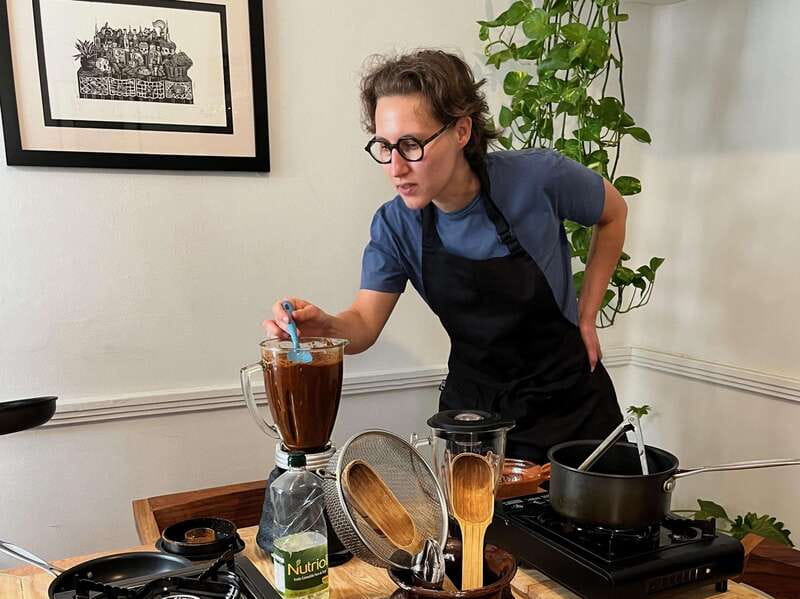
The cooking portion takes about two hours before the meal begins. Early in the class, Jim introduces the range of Mexican moles and explains how ingredients and methods change from one version to another.
This is where the class earns much of its value. If you have only tasted a dark mole in a restaurant, you may think of mole as thick, sweet, brown, and complicated. Jim’s examples show a wider picture. The sauces can be fruit-forward, green, fresh, heavy, light, spicy, or layered with many kinds of flavor.
You will work through the ingredients for the two selected moles. The class is hands-on, but it is not described as a timed professional kitchen session. You can expect instruction and support as you prepare each part. Jim’s teaching style is particularly useful for people who want to understand why a dish works, not only copy a list of steps.
The class also gives you a chance to ask about Mexican produce and cooking traditions as you go. Jim is enthusiastic about local ingredients and Mexican craftwork, so the conversation can extend beyond the recipes. If you are interested in buying handmade dinnerware or finding local artisans, ask him for names and suggestions.
Manchamanteles with pineapple and plantain
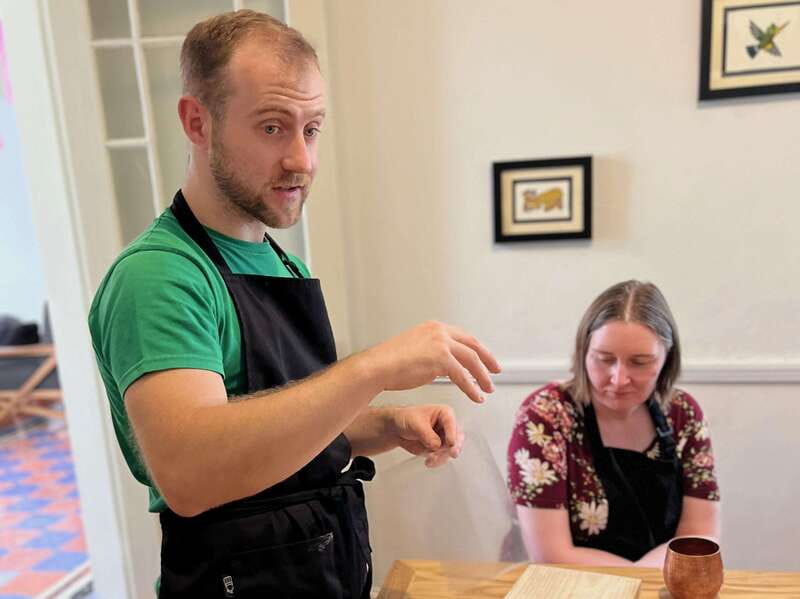
Manchamanteles is the more dramatic of the two dishes. It shares ingredients and techniques with mole poblano, but pineapple and plantain bring a different kind of sweetness. The fruit is not just decoration placed on top at the end. It is part of what gives the dish its identity.
I like this choice for a cooking class because it helps you notice balance. The sauce has to support fruit without becoming a dessert. The cooking process brings together savory ingredients and sweet chunks, creating a dish that can feel festive without relying on the familiar chocolate profile many people expect from mole poblano.
You will make this mole from scratch, with all ingredients supplied. The specific ingredient list is not provided in advance, so anyone with allergies or strong dislikes should answer the provider’s dietary questions after booking. Most dietary needs can be accommodated, but strict Kosher preparation is not available.
For home cooks, this is also the recipe with the most obvious potential for adaptation. After the class, you can see how fruit changes the mood of a sauce and consider using the same idea with other seasonal ingredients. The emailed recipes make that experiment easier once you are back home.
More Hands-On Workshops in Mexico:
- Puerto Vallarta Cooking Class Experience with Market Tour
★ 5.0 · 698 reviews - Mexican Cooking Class with Food Market Visit in Mexico City
★ 5.0 · 506 reviews - Authentic Mayan Cooking Class in Cozumel
★ 5.0 · 344 reviews - Flavors of Oaxaca: Cooking Class with No Set Menu and Local Market Tour
★ 4.5 · 333 reviews
Green mole for a fresher second course
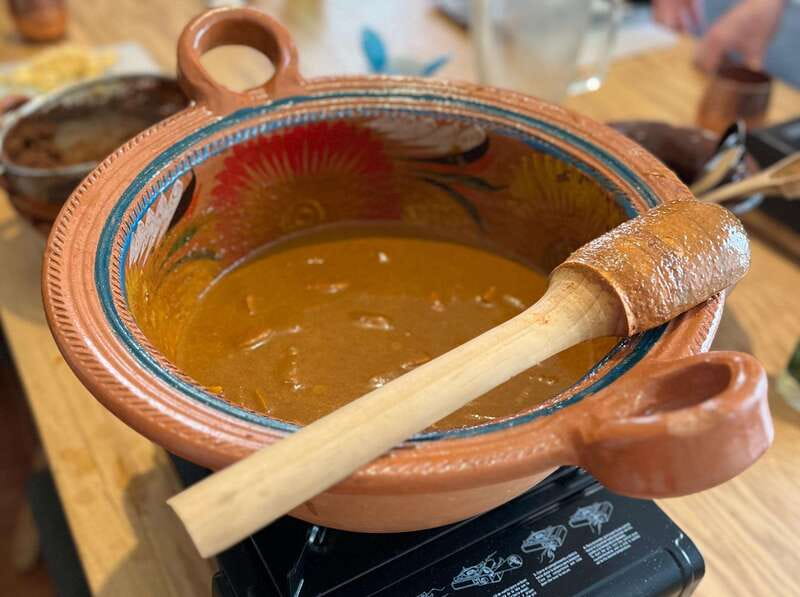
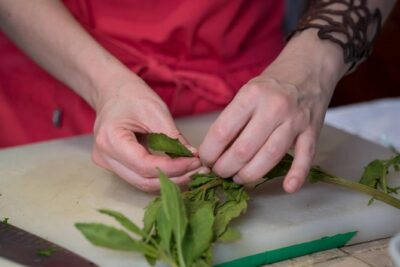
The green mole provides a welcome change after the fruitier, fuller manchamanteles. Its base of crisp green leaves gives it a more refreshing quality. The point is not that one is better than the other. The contrast lets you taste how a different color and ingredient base can change the entire meal.
This may be the most useful dish for people who find darker moles too rich. It offers a lighter direction without abandoning the central idea of a complex Mexican sauce. You can pay attention to how the green ingredients affect aroma, texture, and the way the mole works with a tortilla.
The class is well suited to mixed groups with different tastes because the two sauces are not carbon copies. One person may prefer the tropical sweetness of pineapple and plantain, while another may reach first for the fresher green mole. You get both rather than having to choose before you understand them.
Making tortillas and setting the table
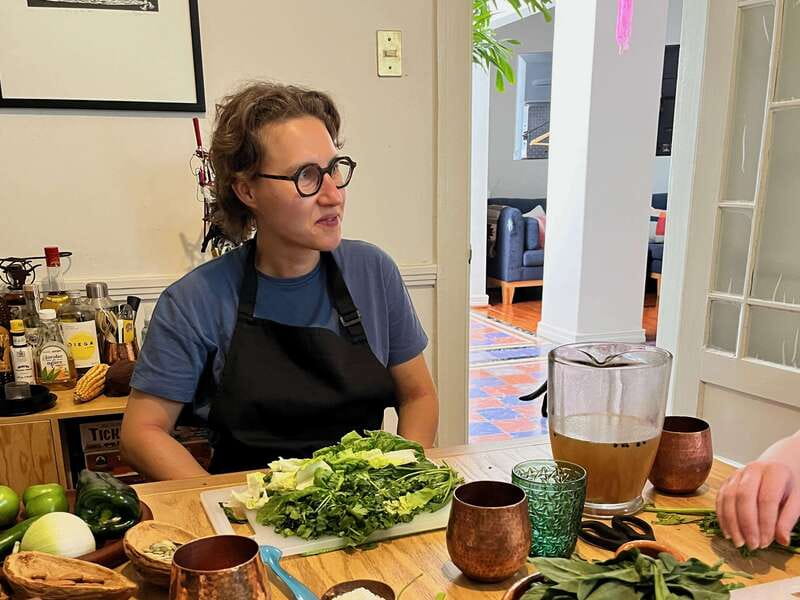
Fresh tortillas are an important part of the rhythm of the class. They give you another hands-on task and keep the meal connected to the cooking rather than separating preparation from eating.
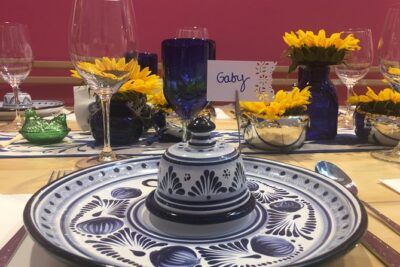
After the cooking, you help set the table with locally made Mexican dinnerware. This detail adds character without turning the meal into a formal performance. The table is meant to be picture-friendly, but the practical point is more important: the food is served in a setting that reflects Mexican craft and home hospitality.
I appreciate that the dinnerware is part of the conversation. Jim is happy to explain where some of the pieces came from and identify artisans. That gives you a small way to connect food with other parts of Mexican culture, and it may help if you want to buy something made locally during your stay.
The meal, drinks, and the social side
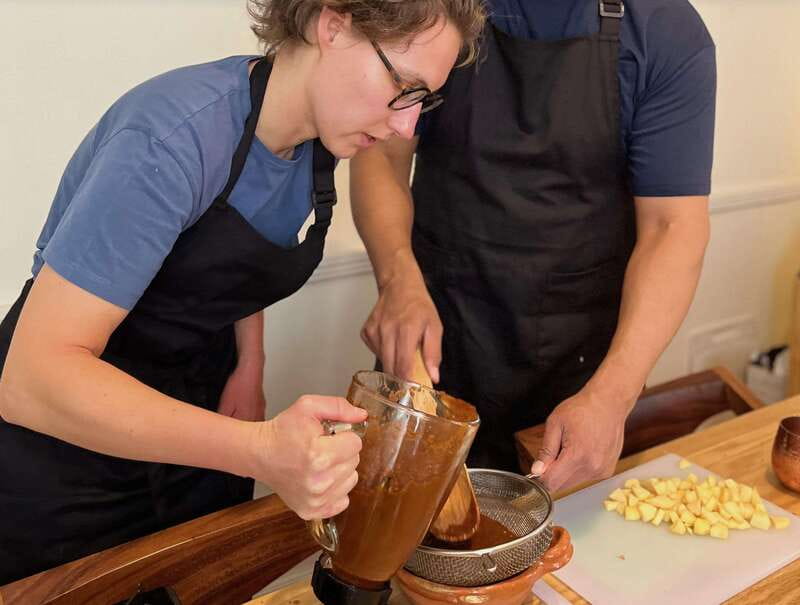
Once the food is ready, you sit down to eat the two moles with the tortillas you made. Mexican beer, wine, and soft drinks are included, so you do not need to arrange drinks separately.
The social tone is a major part of the experience. It feels closer to a dinner party with cooking lessons than to a classroom with a meal tacked on at the end. That is good news if you enjoy talking with a host and other people at the table. It may be less appealing if you want a quiet, highly structured demonstration with little group interaction.
The class can be private or arranged for a small group. A small group is a useful middle ground. You get more personal attention than at a large school, but you still have the chance to share the meal with others. If you are booking for a couple, family, or a group of friends, ask which format is available for your date.
The full duration is four hours. That is long enough for cooking, conversation, and a proper meal, so leave room in your schedule afterward. This is not a quick activity you can squeeze between two tightly timed attractions.
What the $130 price buys you
At $130 per person, this is not the cheapest way to eat Mexican food. It is also more than the cost of buying ingredients for a simple home meal. The value depends on what you want from the afternoon.
You are paying for four hours of instruction and conversation, all ingredients for two moles and tortillas, Mexican beer, wine and soft drinks, the meal itself, and recipes sent by email afterward. You also get Jim’s guidance on Mexican ingredients, local crafts, and the differences between mole styles.
I think the price makes the most sense for someone who values access and context. If you only want to taste mole, a restaurant meal will cost less. If you want to understand how the sauces come together and leave with recipes you can use, the class offers more.
One important price note is easy to miss. The same experience may cost less when booked through the Martaja website. Compare the direct price before paying, especially if you are flexible about where you book. The activity allows you to reserve now and pay later, and cancellation is free up to 24 hours before the start time, which gives you some useful flexibility.
Who will enjoy this most
I would choose this class if you:
- Enjoy food and want to learn rather than simply eat.
- Have little or a lot of cooking experience and like a relaxed pace.
- Want to see moles beyond the most familiar dark versions.
- Prefer small groups or private activities.
- Like meeting a host in a home setting.
- Care about local ingredients and Mexican-made crafts.
- Want recipes to take home after the meal.
It is also a good fit for a couple or small group looking for an afternoon with conversation and a substantial meal. Families may enjoy the hands-on format, though the provider does not give a specific child age policy, so ask before booking if that matters to you.
I would hesitate if you have severe cat allergies, require strict Kosher preparation, or need an elevator. Wheelchair users have attended in the past, but the building has no elevator, so confirm that the access arrangements suit you before booking.
Practical details worth knowing
The class is offered in English and Spanish. Dietary needs are usually accommodated, but the provider contacts you after booking to ask what you can and cannot eat. Reply promptly, especially if you have allergies or medical dietary restrictions.
The meeting point may vary according to the option you choose. Read the booking details closely rather than relying only on the general Condesa location.
The experience has a five-star rating from five verified bookings, with especially strong praise for Jim’s patience, clear explanations, cooking knowledge, and friendly hosting. The repeated theme is not fancy technique or formal presentation. It is the easy atmosphere, the unusual mole variety, and the feeling that everyone has something useful to do in the kitchen.
Should you book Muchos moles?
Book it if you want a personal Mexican food experience with real participation, two contrasting sauces, and a meal that continues the lesson at the table. The fruity manchamanteles and fresh green mole make this more interesting than a standard one-dish cooking class, while the small home setting keeps the mood relaxed.
Skip it if you are looking for a budget meal, a commercial cooking school, or a completely cat-free and elevator-equipped venue. For most food-focused visitors who can manage the home setting, the chance to understand Mexico’s broad mole tradition is the main reason to reserve.
FAQ
How long does the Muchos moles class last?
The class lasts four hours, including cooking, tortilla preparation, conversation, and the meal.
What dishes will I prepare?
You will prepare two kinds of mole from scratch: manchamanteles with pineapple and plantain, and a green mole. You will also make fresh corn tortillas.
Are drinks included?
Yes. Mexican beer, wine, and soft drinks are included.
Will I receive the recipes afterward?
Yes. The recipes are sent by email after the class.
Is the class offered in English?
Yes. Instruction is available in English and Spanish.
Can dietary requirements be accommodated?
Most dietary requirements can be accommodated. The provider contacts you after booking to ask about your needs, but strict Kosher preparation is not possible.
Is the class accessible for wheelchair users?
Wheelchair users have attended before, but the building does not have an elevator. Confirm that the specific access arrangements work for you before booking.
Are private bookings available?
Yes. Private and small-group options are available. The meeting point may vary depending on the option booked.
Just added around Mexico
- PDC Traditional Mexican Cooking Experience★ 5.0 · 6 reviews
- Oaxaca: Vegetarian Cooking Class★ 4.8 · 139 reviews
- Oaxaca: Traditional Oaxacan Cooking Class★ 5.0 · 17 reviews
- Oaxaca: Cooking Class with No Set Menu &Local Market Tour★ 5.0 · 7 reviews
- Oaxaca: Traditional Oaxacan Food Cooking Class★ 5.0 · 10 reviews
- Oaxaca: Oaxacan Mole Workshop with a Traditional Cook★ 4.7 · 158 reviews
- Oaxaca: Traditional Oaxacan Cooking Class with Market Visit★ 4.9 · 80 reviews
- Oaxaca: 10 Mexican Salsas Cooking Class with Taco Tasting★ 4.8 · 11 reviews
Mexican Cooking Classes, compared.
Cabo San Lucas Mexican Cooking Class Experience and Local Markets
Read our review →
Mexican Cooking from Scratch in a Local Home in Tulum
Read our review →
Mexican Cooking Class with Food Market Visit in Mexico City
Read our review →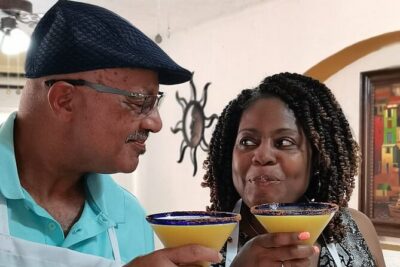
Essence of Mexico: Authentic Mexican Cooking Class & Market Tour
Read our review →
Mexican Cooking Class with fresh Local Market ingredients selection and transpor
Read our review →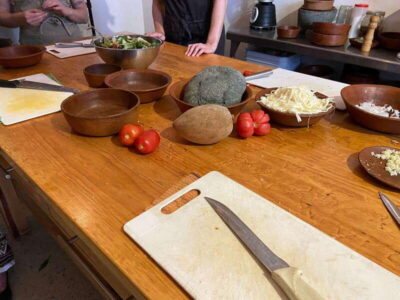
Oaxaca: Oaxacan Mole Workshop with a Traditional Cook
Read our review →Browse the lists this tour appears in