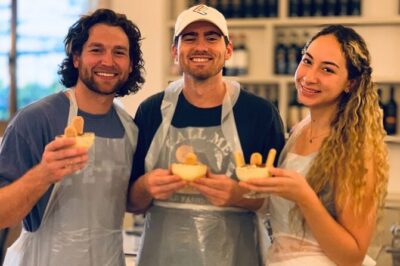
Review · ROME
Rome: Pizza and Gelato Cooking Class with Wine
Rome: Pizza and Gelato Cooking Class with Wine
Rome’s best souvenirs do not always fit in your suitcase. This three-hour class puts you to work on pizza dough, supplì, and gelato, then gives you time to sit down and enjoy what you made. Chefs including Max, Marco, Alessandro, and Jacopo lead the sessions in English, with a relaxed style that suits beginners and families.
I like two things here. First, the class covers more than pizza, so you get a taste of Roman street food and dessert as well. Second, the small group of no more than 12 leaves room for personal help, and some sessions have had as few as five or eight people. The main drawback is dietary: it is not suitable for celiac disease, and gluten-free cooking is not offered.
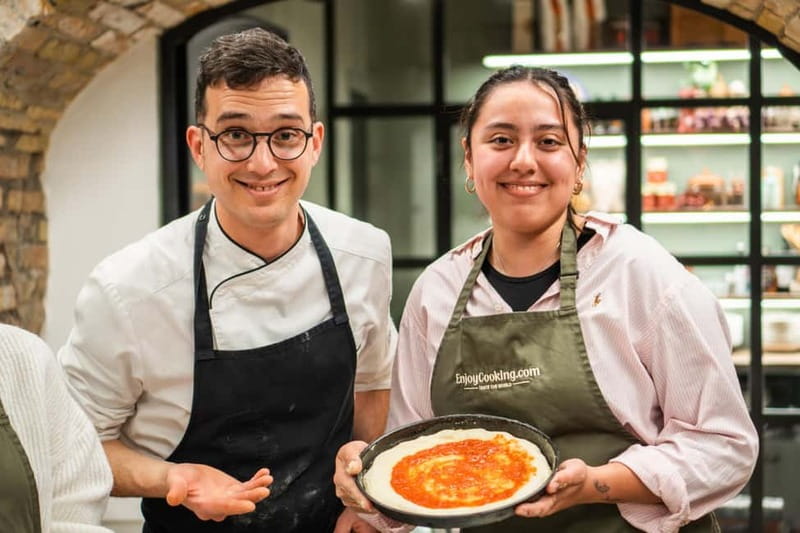
- Roman pizza from scratch: Knead, shape, sauce, top, and bake your own pizza with guidance from the chef.
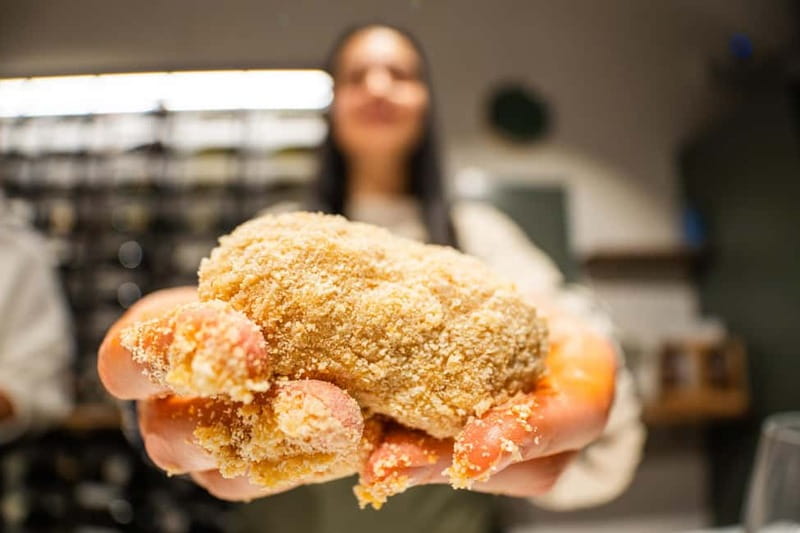
- Supplì with a mozzarella center: Learn how Rome turns rice, cheese, and seasoning into a crisp golden croquette.
- Gelato made in class: Work with fresh, seasonal ingredients and learn how creamy Italian gelato gets its texture.
- Wine served throughout: Fine Italian wine flows during the cooking and meal, with coffee and nonalcoholic drinks also available.
- Recipes for home: Take away a recipe booklet, and in some sessions, a completion certificate as well.
- A social three hours: You cook and eat with the group rather than working at a private table.
What the three-hour class is really like
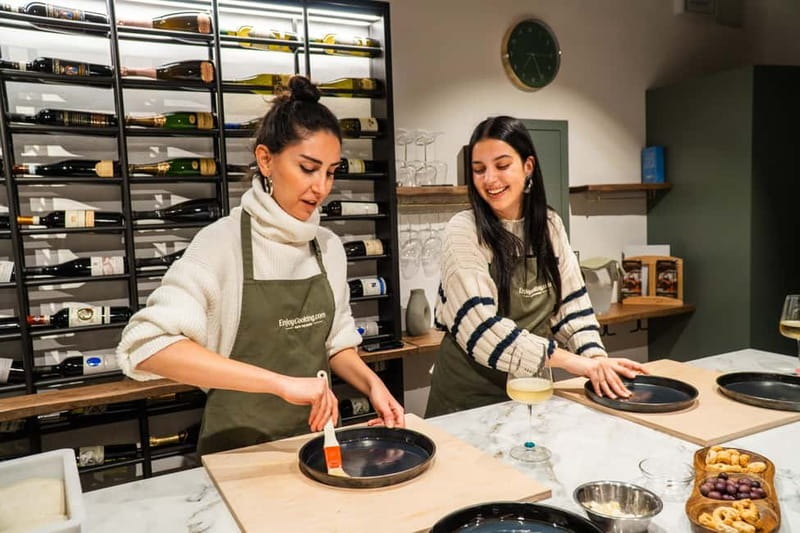
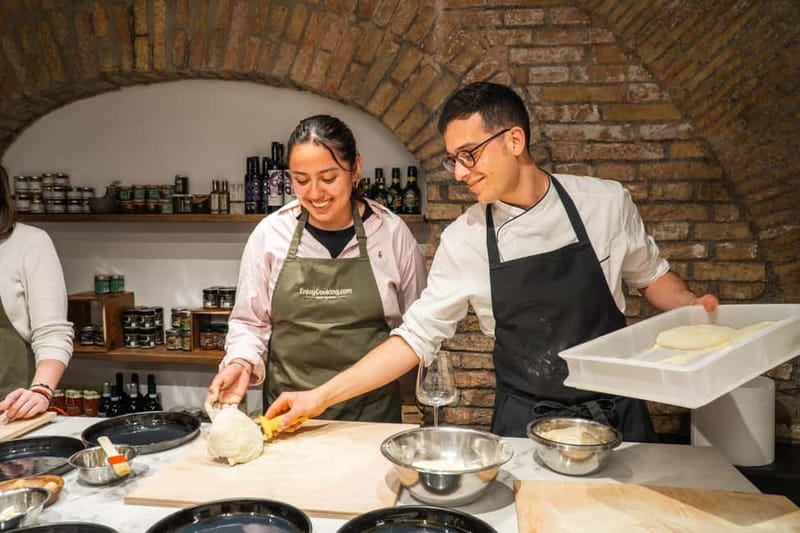
This is a hands-on meal rather than a demonstration where you sit back and watch. You tie on an apron, follow the chef’s instructions, and share the kitchen work with the rest of the group.
The order may vary, but the experience generally moves through three dishes: pizza, supplì, and gelato. Snacks accompany the cooking, and wine is available as you work. At the end, you gather around the table to eat the food prepared during the class.
That structure gives the evening a natural rhythm. You begin with practical work, pause for explanations and conversation, then finish with a proper meal. I like this more than a class that rushes straight to the table because you get a clearer sense of how each dish comes together.
The class is conducted in English. The chef names can vary, but Max, Marco, Alessandro, and Jacopo have led sessions. The tone described by the experience is friendly and patient, with plenty of room for questions. That matters if you are new to cooking, bringing teenagers, or simply want more than a recipe card and a quick tasting.
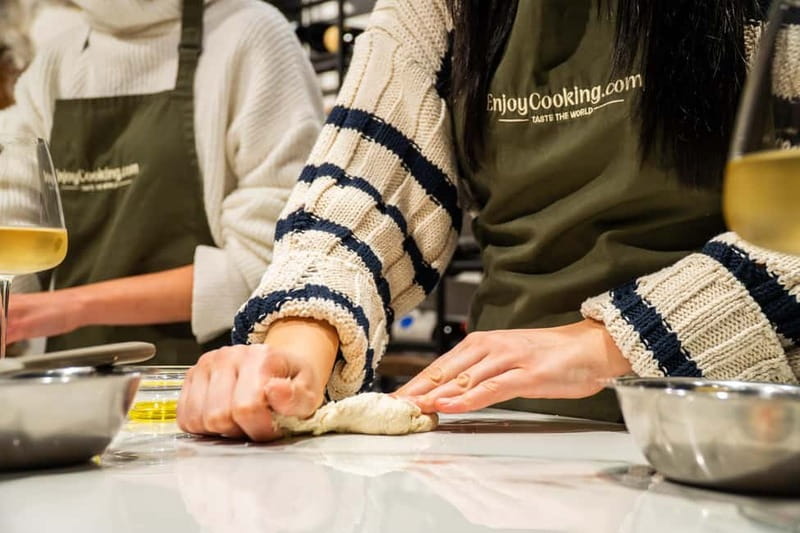
Kneading dough for Roman-style pizza
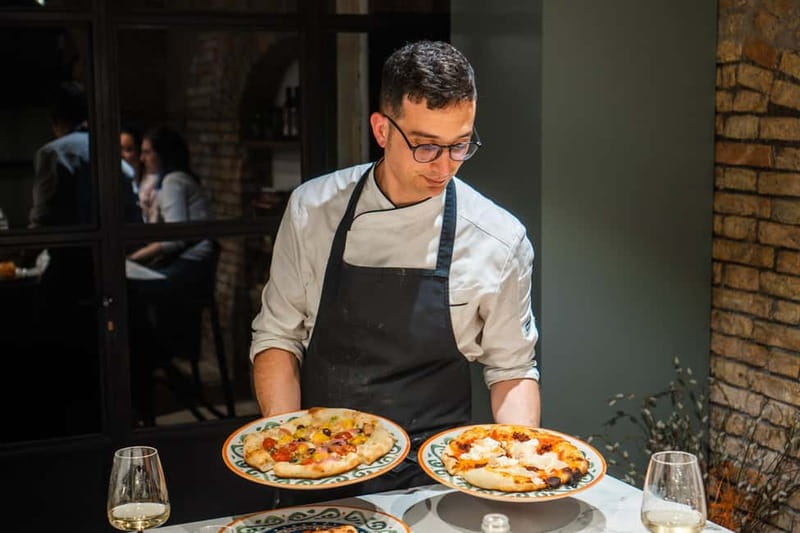
Pizza is the heart of the class. You start with the dough, learning how to handle it rather than merely adding toppings to a prepared base.
The chef guides you through kneading and shaping, then explains how sauce, toppings, and balance affect the final result. This is useful because pizza looks simple, but small changes in dough handling and topping quantities can make a big difference.
You will not be left to guess how much flour or sauce to use. The class is designed to give you personal guidance at each stage, and the small group helps the chef keep an eye on everyone’s work.
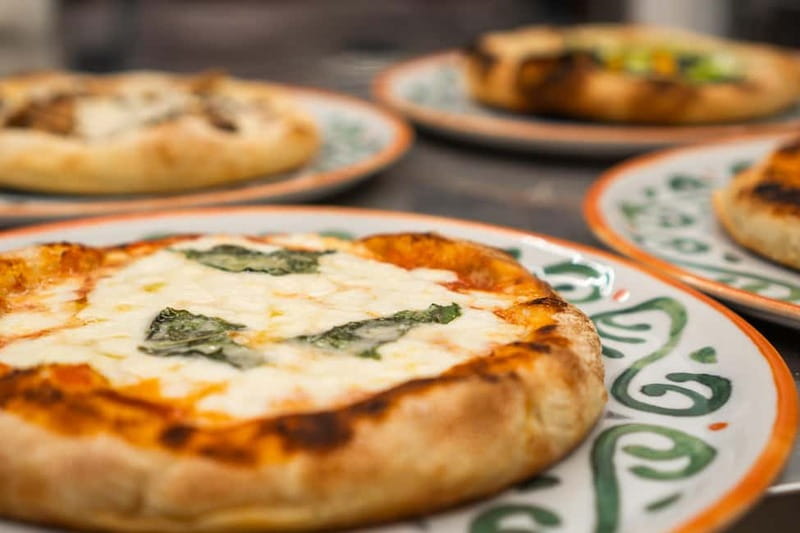
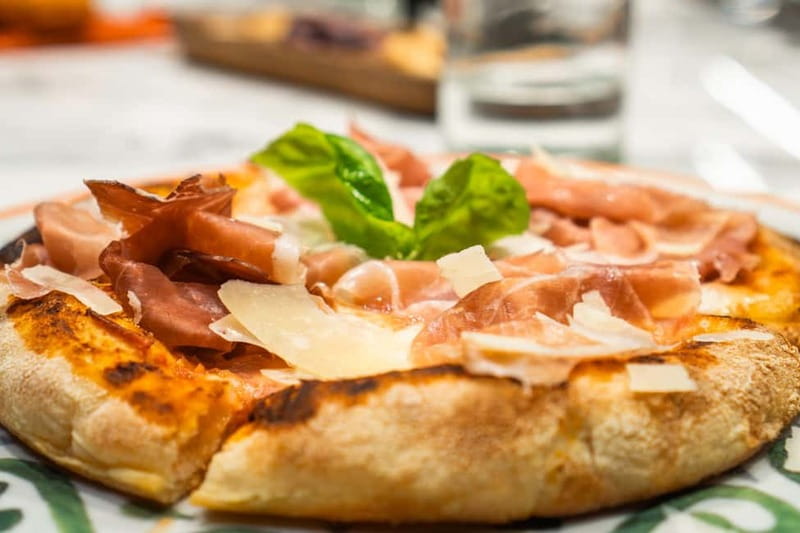
The practical reward comes at the end, when your pizza is baked and served. Several classes have been praised for producing pizza that held its own against the many pizzerias people try during a stay in Rome. I would not treat that as a guarantee, since ovens, ingredients, and individual cooking skills vary, but it is a good sign that the lesson is not just a novelty.
If you enjoy cooking, pay attention to the dough lesson and ask questions. That is the part most likely to be useful at home. If you are less confident in the kitchen, do not worry about making a perfect circle. The point is to learn the method and enjoy the process.
More Cooking Classes with Wine Tasting in Italy
- Rome: Pasta Making Class with Wine, Limoncello, and Dessert
★ 4.9 · 3,177 reviews - Fettuccine & Tiramisù: Cooking Class with Wine & Limoncello
★ 4.9 · 2,103 reviews - Pasta Making & Wine Tasting with Dinner in Frascati from Rome
★ 5.0 · 1,326 reviews
Making supplì, Rome’s crisp rice croquettes
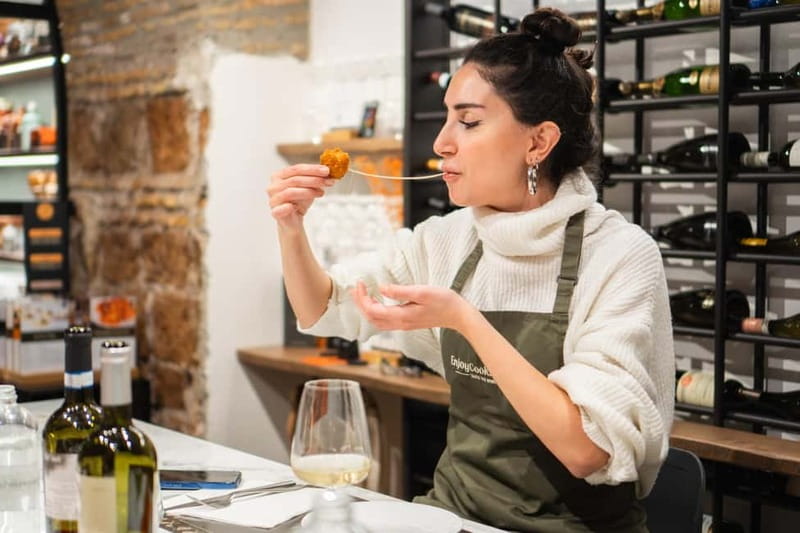
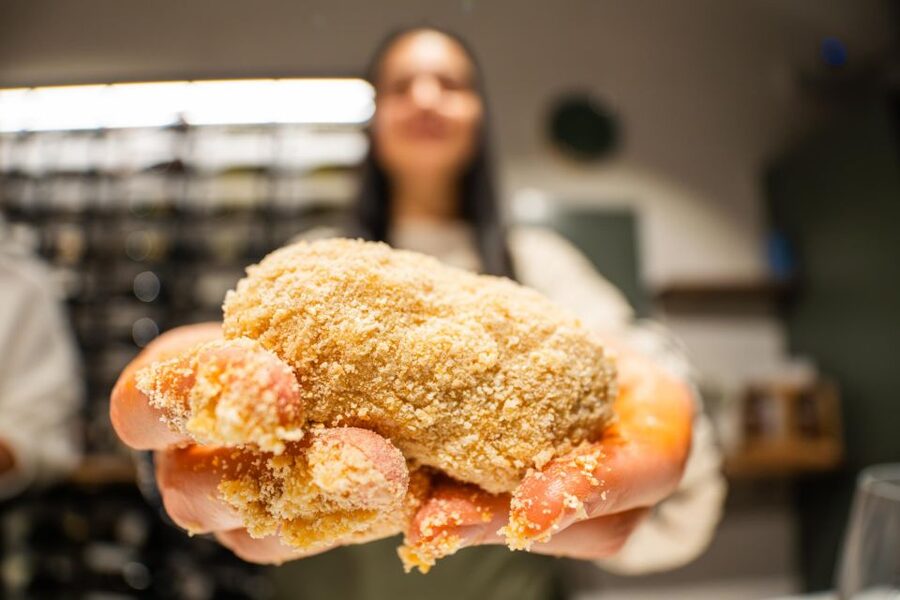
Supplì are a particularly good reason to choose this class over a basic pizza lesson. These Roman rice croquettes are filled with mozzarella, coated for a crisp exterior, and cooked until the center becomes hot and soft.
The class explains how to get the contrast right: a golden outside, seasoned rice, and a gooey cheese center. You learn to shape the croquettes and understand the steps behind their texture.
This is also the dish that gives the class a stronger Roman identity. Pizza is famous everywhere, but supplì are closely tied to the city’s casual food culture. Making them yourself helps you recognize what to order later at a Roman takeaway or pizzeria.
Supplì can be a little fiddly, especially if you are cooking with children or have never shaped filled croquettes. That is where the chef’s help matters. You are working with a group, so you may share parts of the preparation rather than preparing every single element alone. One person who expected an individual workstation initially found the shared setup unfamiliar, but settled into it and had a good time.
That is worth keeping in mind. This is a social cooking class, not a private lesson where each person produces a separate three-course meal from start to finish.
Gelato with seasonal ingredients
The dessert portion brings gelato into the lesson. You work with fresh, seasonal ingredients and learn how the mixture becomes creamy rather than icy.
The exact flavors can vary, so do not book this expecting one specific gelato combination. The focus is on the balance of ingredients and the method. The class information also refers to a savory gelato element, which adds a more unusual twist than a standard sweet dessert lesson.
I like having gelato included because it rounds out the meal. You begin with dough, move to a savory rice dish, and finish with something cold and creamy. It also gives you a chance to see that Italian cooking is not only about a few famous recipes. Texture and proportion matter just as much as the ingredient list.
The dessert is made during the class and eaten afterward with the rest of the meal. If you have children in your group, this is likely to be one of the most appealing stages, though young cooks will still need to follow the chef’s instructions around kitchen equipment and hot food.
Wine, snacks, and the meal at the end
Wine is free-flowing throughout the experience. That can make the class feel more like a Roman dinner with a cooking lesson built in, rather than a formal course.
You can choose how much you drink. Coffee and nonalcoholic drinks are included as well, so the experience is not built around alcohol alone. Snacks are served while you cook, which helps take the edge off your appetite before the pizza, supplì, and gelato are ready.
The final meal is the payoff. You sit with the group and eat the food you helped prepare. That simple detail changes the mood of the class. You are not just watching a chef plate food for you; you are tasting the results of your own work.
I would plan this as an evening activity if possible, since wine, conversation, and the shared meal suit a relaxed end to the day. Afternoon sessions are also available, depending on the booking time. Since the class lasts three hours, leave enough space around it rather than trying to fit a major sightseeing visit immediately afterward.
More Cooking Classes with Wine Tasting in Rome
- Rome Cooking Class: Make Pasta, Dine & Drink Wine With Local Chef
★ 5.0 · 1,263 reviews - Rome: Combo Pizza and Pasta Cooking Class with Wine
★ 4.6 · 1,180 reviews - Rome: Pasta Making with Wine Tasting and Dinner in Frascati
★ 4.9 · 979 reviews - Rome: Pizza & Tiramisu Class with Free Flowing Fine Wine
★ 5.0 · 973 reviews
The chefs and the value of a small group
The named chefs associated with the classes include Max, Marco, Alessandro, and Jacopo. Their approach may differ slightly, but the core experience stays the same: English instruction, practical guidance, and food prepared by the group.
Max has been praised for explaining each stage clearly, giving cooking tips beyond the three main dishes, and working patiently with first-time cooks. Marco has been described as energetic and good with adults, teenagers, and younger children. Alessandro’s sessions have been noted for a relaxed atmosphere and generous wine service. Jacopo has also been praised for his teaching and for keeping the class enjoyable.
I would not choose your date based on one chef alone, since the instructor depends on the session. The important point is that several chefs lead the experience, and the class is designed around direct contact rather than a large lecture.
The maximum group size is 12. That is small enough for the chef to correct your dough technique, answer questions, and help with supplì shaping. Some sessions have been much smaller, including groups of five, eight, or ten. A very small class can feel nearly private, but you should book with the expectation that you may share preparation and kitchen space with other people.
That shared setup is part of the appeal. You meet people over flour, rice, wine, and dessert. If you want a quiet meal with no social element, this may not be your best choice.
Location, timing, and planning your day
The meeting point can vary according to the option booked, and the activity ends back at the meeting point. Check the exact location before booking and allow time to reach it, especially if you are coming from a museum or a dinner reservation.
Some sessions have been described as close to major Roman sights, including the Colosseum. That can make the class easy to pair with sightseeing, and an evening session may give you the chance to see the Colosseum lit up afterward. Still, do not assume every available option uses the same location. The meeting point information for your chosen time is the detail that matters.
The duration is three hours. That is long enough to teach several dishes without turning the class into a full-day commitment. It also makes the experience workable during a short Rome visit, especially if you book it on a day with fewer scheduled sights.
Starting times vary. I would avoid booking it too tightly against a timed attraction because cooking classes can be sociable and the final meal is part of the experience. Give yourself a cushion for getting there and for enjoying the food at the end.
Price and what you receive for $112.15
At $112.15 per person, this is not the cheapest way to eat pizza in Rome. You could order pizza, supplì, gelato, and wine for less at casual restaurants.
The price makes more sense when you count what is included: three hours of instruction, personal guidance, snacks, pizza, supplì, gelato, free-flowing Italian wine, coffee, nonalcoholic drinks, and a recipe booklet. You are paying for the activity as much as the meal.
I see the strongest value for people who want a social experience and plan to use the recipes again. The booklet turns the class into something you can continue at home, and several dishes are practical enough for a future pizza night or family meal.
The value is weaker if you mainly want a quick dinner or already know how to make pizza and filled rice croquettes. It is also less useful if you do not drink wine, though the class includes nonalcoholic options and the food remains the main point.
Free cancellation is available up to 24 hours before the experience for a full refund, and you can reserve now and pay later. Those policies help if your Rome schedule is still changing.
Dietary restrictions and who should skip it
The important warning is gluten. Gluten-free options are not offered, and the class is not recommended for people with celiac disease. Traces of gluten and nuts may also be present.
You should report dietary needs when booking. The organizers can accommodate some special requirements, but severe gluten or nut allergies make this a poor choice. Do not rely on removing one ingredient at the table. Flour is central to the pizza lesson, and cross-contact is possible.
For everyone else, the class suits a wide range of cooking levels. Beginners receive guidance, while experienced cooks can ask about dough, sauces, gelato texture, and other Italian recipes. It also works well for families, provided children are comfortable taking part in a shared kitchen setting.
Couples, friends, solo visitors, and families can all fit in. The group format means a solo booking does not leave you eating alone, while a family can make the activity feel more memorable than another restaurant meal.
What to bring and how to get the most from it
Wear clothes you can cook in and avoid planning a formal dinner immediately afterward. Flour, sauce, and cooking work are part of the fun, so comfort matters more than looking polished.
Come ready to participate. The best part is not simply eating the finished dishes. Knead the dough yourself, ask how the chef balances the sauce, watch the supplì technique closely, and take notes in the recipe booklet.
If you are cooking with children, let them take part in shaping dough or assembling toppings while the chef manages the more technical steps. The classes have accommodated younger participants, and the relaxed format can work well for families.
I would also keep your wine intake in check until the cooking is finished. Free-flowing wine is a pleasant extra, but you will get more from the lesson if you can still follow the dough and supplì instructions.
Should you book this Roman cooking class?
I would book it if you want an evening built around food, conversation, and practical skills rather than another sightseeing stop. The combination of pizza, Roman supplì, gelato, wine, and a small English-speaking group gives you a fuller taste of Rome than a standard pizza-making session.
I would skip it if you need a gluten-free class, prefer private instruction, or mainly want an inexpensive meal. For everyone else, especially families and people who enjoy cooking, the three-hour format offers a good balance of learning and eating. The recipe booklet means the experience can continue after Rome, which is the best kind of souvenir.
FAQ
How long does the Rome pizza and gelato class last?
The class lasts three hours. Check availability for the starting times offered on your chosen date.
What food will I make?
You will make pizza from scratch, Roman supplì, and gelato. The class covers dough, sauces, toppings, crispy rice croquettes with mozzarella, and creamy gelato made with seasonal ingredients.
Is wine included?
Yes. Free-flowing Italian wine is included during the class and meal. Coffee and nonalcoholic drinks are also included.
Is the class taught in English?
Yes. The instructor language is English. Chefs who have led sessions include Max, Marco, Alessandro, and Jacopo.
How large is the group?
The maximum group size is 12 people. Some sessions may be smaller, and the experience is designed to provide personal guidance in an intimate setting.
Is the class suitable for people with celiac disease or severe allergies?
No. The class is not recommended for people with celiac disease, and gluten-free options are not available. Traces of gluten and nuts may be present. Tell the organizers about dietary needs and severe allergies when booking.
Where does the class start and finish?
The meeting point can vary depending on the option booked. The activity ends back at the meeting point, so check the exact location for your selected session.
More Pizza Making Classes in Rome
- Rome: Traditional Pizza Cooking Class near Piazza Navona
★ 4.7 · 1,241 reviews - Pizza Cooking Class in Rome – Near Piazza Navona
★ 5.0 · 1,001 reviews - Rome Cooking Class: Make Pizza and Pasta with Wine & Dessert
★ 4.5 · 651 reviews - Rome: Pizza Making Class Small Group Experience
★ 5.0 · 487 reviews
More Dessert Classes in Rome
- 3 in 1 Cooking Class near Navona: Fettuccine, Ravioli & Tiramisu
★ 5.0 · 7,376 reviews - Rome: 3-in-1 Fettuccine, Ravioli, and Tiramisu Cooking Class
★ 4.9 · 2,704 reviews - Rome: Pasta & Tiramisu Cooking Class near the Spanish Steps
★ 4.8 · 1,395 reviews - Cooking Class in the Heart of Rome: Pizza and Tiramisu Making
★ 5.0 · 1,330 reviews
Just added around Rome
- Testaccio: Home Cooking Cacio e Pepe, Amatriciana, Carbonara★ 4.9 · 57 reviews
- Super Fun Pasta and Gelato Cooking Class by the Vatican★ 5.0 · 6 reviews
- Spritz and Spaghetti Traditional Cooking Class in Rome★ 4.9 · 30 reviews
- Rome: Vatican Food Tours, Cooking classes & Free Tours★ 4.9 · 11 reviews
- ROME:Hands-On Lasagna & Marsala Tiramisu Cooking Experience”★ 5.0 · 3 reviews
- Rome: Traditional Pasta and Tiramisu Cooking Class★ 5.0 · 4 reviews
- Rome: Small Group Pasta cooking class near Piazza Navona★ 4.9 · 8 reviews
- Rome: Trastevere Pasta Making Class★ 4.9 · 33 reviews
Pizza Making Classes, compared.
Naples: Pizza-Making Workshop with Drink and Appetizer
Read our review →
Authentic Pizza Making Class in Naples with Appetizers and Drink
Read our review →
Florence Cooking Class The Art of Making Gelato & Authentic Pizza
Read our review →
Cooking Class in the Heart of Rome: Pizza and Tiramisu Making
Read our review →
Rome: Traditional Pizza Cooking Class near Piazza Navona
Read our review →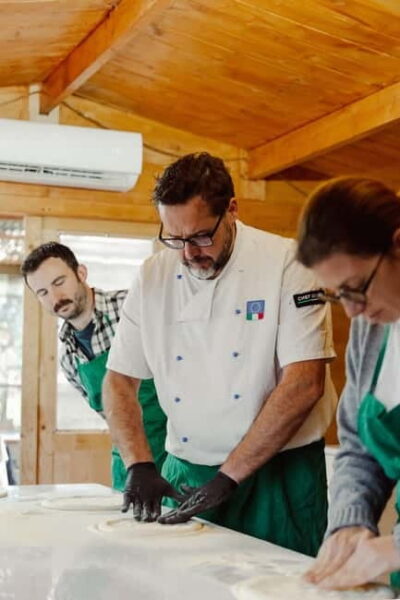
Rome: Combo Pizza and Pasta Cooking Class with Wine
Read our review →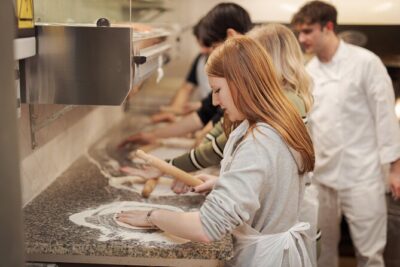
Pizza Cooking Class in Rome – Near Piazza Navona
Read our review →