
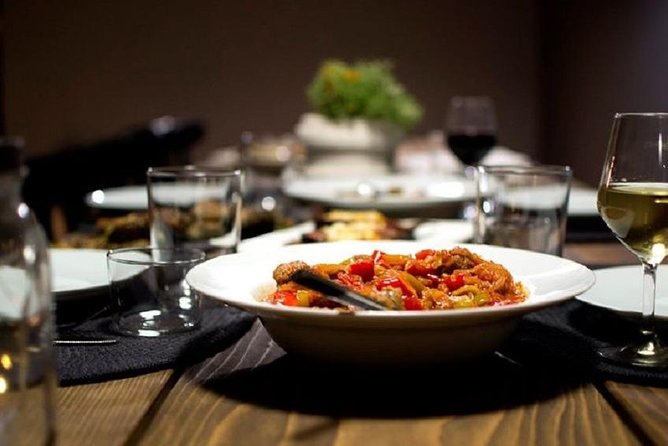
Review · ATHENS
Traditional Greek cooking class and lunch or dinner with an Acropolis view
The best part of this Athens cooking class is that you do not just watch someone make Greek food. You mix, shape, season, bake, and then sit down to eat the full meal. The menu usually covers at least six dishes, including two starters, a pie, salad, main course, and dessert.
I like the from-scratch phyllo lesson, which turns a seemingly tricky Greek skill into something you can try at home. I also like the friendly, social setup led by Marilena and her team, with wine and traditional spirits served as you cook and dine.
The main caution is practical: the class takes place in a top-floor studio that can be hard to find, and one report described the room as uncomfortably warm. The Acropolis view may also depend on where you are standing, so book this for the cooking and meal first, not for a guaranteed panorama.
Key points at a glance

- Six or more Greek dishes: Prepare a full meal, from tzatziki and salad to pie, main course, and dessert.
- Phyllo made by hand: Everyone takes part in key techniques, including making dough from scratch.
- Marilena leads the kitchen: Her teaching style is friendly, patient, and practical, with assistants helping keep the workspace in order.
- A shared meal follows: Sit down with the group to eat what you prepared, accompanied by Greek wine and traditional spirits.
- Seasonal menus matter: Choices can include moussaka, pastitsio, dolmadakia, chicken, gemista, baklava rolls, or winter dishes.
- Recipes go home with you: The complete menu is sent by email, making this more useful than a one-time meal.
Cooking Greek food instead of simply eating it
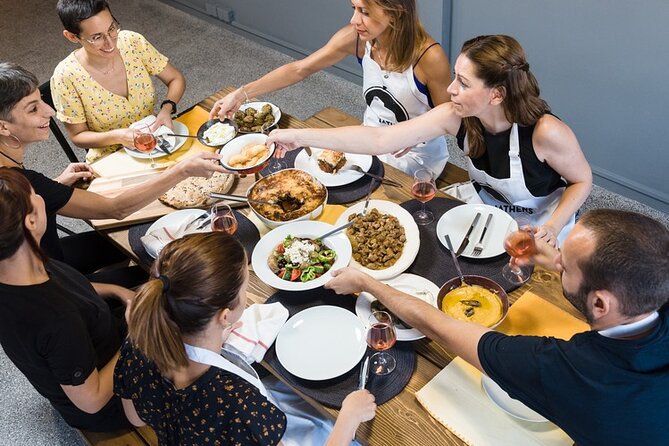
Athens has no shortage of good places to eat, but a cooking class gives you something a restaurant cannot. You learn why a dish works, handle the ingredients yourself, and leave with recipes rather than only a full stomach.
This three-hour class is built around a traditional Greek dinner. You prepare two appetizers, a Greek pie, salad, a main dish, and dessert. The exact menu changes with the season and available ingredients, so you should think of the class as a Greek cooking format rather than a fixed set menu.
The kitchen has a home-style feel. That matters because Greek food is often less about complicated restaurant technique and more about good produce, sensible seasoning, patient cooking, and food shared around a table. The instruction is casual but active. You are expected to participate, not stand at the edge with a glass of wine while someone else does the work.
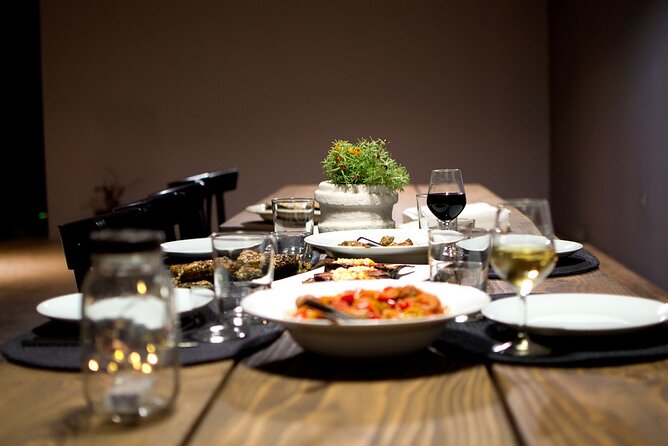
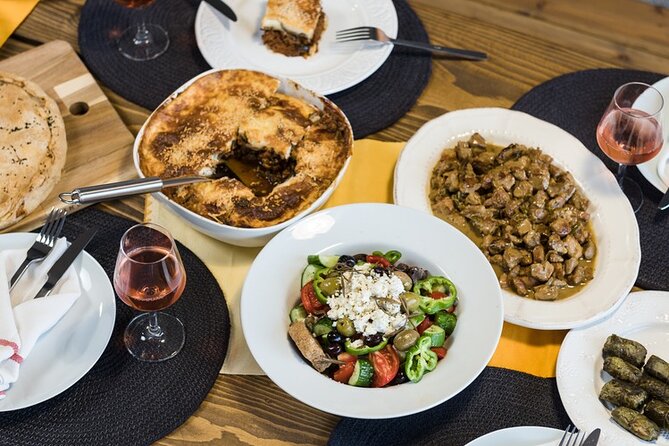
At the end, the class turns into lunch or dinner. You eat the dishes as a group and talk over Greek wine and spirits. This social finish is a big part of the appeal. It gives you time to taste the results while the food is fresh, compare techniques with other people at the table, and ask questions that may not come up during the busy preparation.
More Greek Cooking Classes in Greece:
- Greek Cuisine Cooking Class in Santorini with Recipes and Wine
★ 5.0 · 969 reviews - Greek Cooking Class in Athens Including Rooftop Dinner with Acropolis View
★ 5.0 · 826 reviews - Greek Small-Group Athens Cooking Class & Dinner
★ 5.0 · 574 reviews
What you actually prepare in the three hours
The class covers a lot in a short time, but the work is organized around the key steps of each dish. Ingredients may be measured and prepared in advance, while you handle the important tasks yourself. This keeps the class moving without turning it into a demonstration.
A typical menu may begin with tzatziki, made from Greek yogurt, garlic, dill, and cucumber. It is a simple dish, but it teaches the balance of cool yogurt, fresh herbs, garlic, and moisture. It is also one of the easiest recipes to repeat at home.
You may then prepare a cheese pie or spinach pie. This is where the phyllo work becomes the star. The dough is made from scratch and rolled thin, with fillings such as kaseri, manouri, spinach, leeks, and herbs. Everyone takes part in the important dough-making technique.
If you have always assumed that homemade phyllo is too difficult, this is a useful chance to see the process broken down into manageable steps. The dough needs care and patience, but the lesson is designed to make it feel possible. The finished pie also gives you an immediate reward for the effort.
Other possible starters include peppers filled with cheese or dolmadakia, grape leaves stuffed with rice and herbs. These dishes show two different sides of Greek home cooking: simple filling and baking in one case, careful rolling and seasoning in the other.
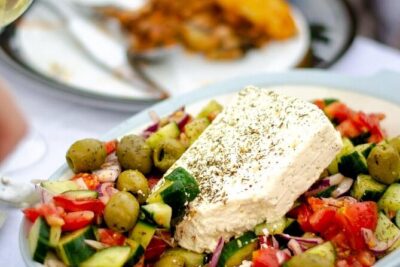
The Greek salad is not treated as an afterthought. Tomatoes, cucumbers, peppers, Kalamata olives, capers, and xinomizithra may all appear, depending on the menu. A cooking class gives you a better feel for proportions and texture than a restaurant order does, especially when the ingredients are fresh and the salad is assembled just before eating.
For the main course, you might prepare moussaka, pastitsio, soutzoukaki, gemista, or chicken cooked lemonato or youvetsi style. Moussaka brings together eggplant, tomato-based meat sauce, and béchamel. One menu also includes a chicken dish with tomato sauce.
Winter classes can feature pork shoulder braised with leeks and celery, served with avgolemono sauce. You may also find youvarlakia, a soup with meatballs, rice, herbs, and egg-lemon sauce, or traditional egg-lemon chicken soup. These seasonal choices are a strength, since they connect the class to the food Greeks actually cook at that time of year.
Dessert may be baklava rolls, Greek yogurt mousse, or loukoumades in winter. The menu is substantial, so arrive hungry. This is not a light tasting with one small sample of each dish. You prepare and eat a full meal.
The phyllo lesson is the practical highlight
Many cooking classes focus on recipes you can follow once, then forget. The phyllo lesson has more lasting value because it teaches a technique that can be used for both sweet and savory pies.
You will see how the dough is mixed, handled, and rolled until it becomes thin. The class gives everyone a chance to work with the dough, rather than leaving the most important part to the chef. That hands-on approach makes the lesson less intimidating.
The exact result depends on your group and the day’s menu, but the cheese and spinach pies are especially useful choices for home cooks. You can adapt the filling, use seasonal greens, and make a dish large enough for a family meal or dinner party.
The same applies to tzatziki, Greek salad, and the baked main dishes. They are traditional recipes, but they are not presented as museum pieces. You are shown food that can be made again with a bit of patience and ordinary kitchen skill.
Marilena’s teaching style and the group atmosphere
Marilena is the named chef associated with many classes, and the teaching style is warm, funny, and patient. The class is designed to feel like cooking in someone’s home, rather than attending a formal culinary school lesson.
That does not mean the instruction is loose or vague. You are guided through the sequence, shown what to do, and given help when a technique needs correcting. The cooking moves at a steady pace, with assistants helping clean up and keep the workspace organized.
The maximum group size is 16 people. That is large enough to make the meal social, but small enough for the class to feel like a shared table rather than a theater demonstration. Your exact level of individual attention will depend on the group, but the format gives you repeated chances to work directly with the food.
This is also a good activity for meeting people. The final meal naturally brings the group together, and the wine makes conversation easier. If you are traveling alone, you can expect the social part to be built into the experience rather than left to chance.
The class welcomes people aged 12 and older. It should suit families with older children, couples, friends, and solo visitors who enjoy food and do not mind sharing a kitchen with strangers.
More Lunch Experiences in Greece:
- Santorini: Cooking Class with Lunch and Wine Tasting
★ 4.8 · 289 reviews - Half-Day Greek Cooking Class of Zakynthian Culture with Lunch
★ 5.0 · 215 reviews - Oia: Greek Cooking Class and Lunch with a Local Grandmother
★ 4.9 · 208 reviews - Rhodes Wine & Food Tour: 10 Meal Course Lunch, Wine Tasting, Cooking Class
★ 5.0 · 109 reviews
Seasonal food makes the menu less predictable
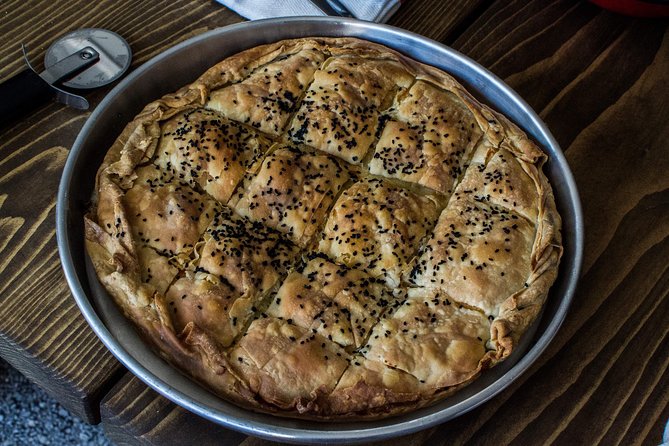
The menu changes according to seasonality. That is a positive sign for the cooking itself, but it means you should not book expecting one guaranteed dish unless you contact the provider after booking.
If you have your heart set on moussaka, spinach pie, baklava, or another particular item, send an email after making the reservation. The provider asks participants to mention special dietary needs and menu preferences in advance.
Possible dietary adjustments have been handled during classes, including a last-minute milk allergy accommodation. Still, do not rely on a same-day request. Tell the team early so they can plan safely and explain what can be changed.
Seasonal changes also give repeat visitors a reason to return. A summer menu may feel different from a winter class featuring pork with leeks, youvarlakia, or egg-lemon soup. You may not get every item listed in the sample menu, but you are more likely to get food suited to the time of year.
The Acropolis view comes with a small qualification
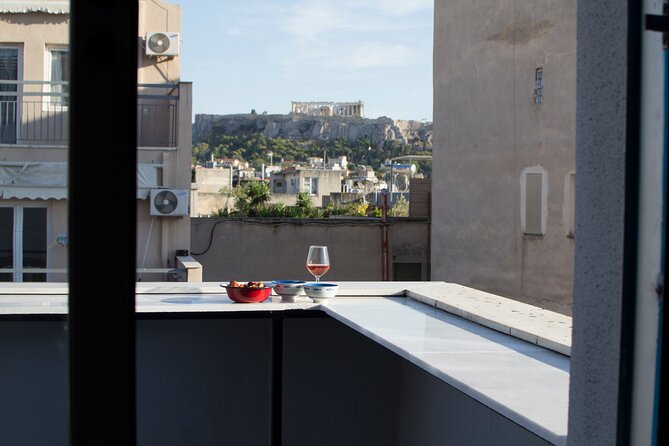
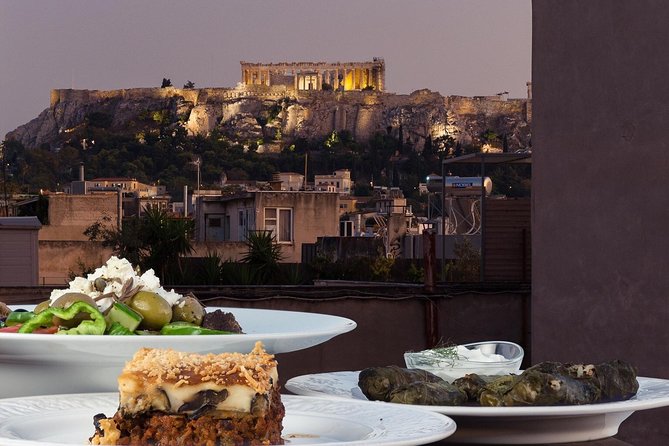
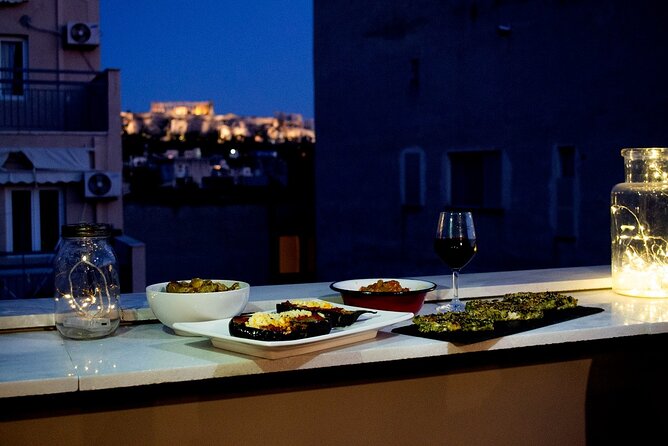
The experience is marketed with an Acropolis view, and some participants have enjoyed seeing the monument from the studio. But the view should not be treated as the main attraction.
The cooking takes place inside, and your position in the room affects what you can see. During the busiest parts of the class, your hands will be in the dough, salad, or sink rather than raised toward the windows. If you are booking mainly for photographs, this may disappoint.
The studio is on the top floor, and finding it can take a little effort. Look for the CookinAthens sign on the side of the building, and arrive about 10 minutes early. Directions with the floor and building information are sent before the class, but allowing extra time is still smart.
Classes start on time. Athens streets and public transport can be unpredictable, so do not arrive at the last minute. The meeting point is CookinAthens, Evripidou 90, Athens 105 53, and the activity ends there.
Is $114.93 good value?
At $114.93 per person, this costs more than ordering a Greek meal, but the comparison is not quite fair. You are paying for three hours of instruction, a full meal, ingredients, wine, traditional spirits, and recipes you can use later.
The food portion alone is not the only value. The class teaches dough-making, filling, seasoning, baking, and the sequence needed to bring several dishes together. You also receive two glasses of Greek wine or traditional spirits, according to the included information.
I consider the price fair for people who will actually take part. If you only want to eat Greek food with a view, a restaurant will give you more control over the menu and probably a quieter meal. If you enjoy cooking and want a social activity, this class offers much more than lunch.
The recipes sent by email add useful value. You can recreate the meal at home, invite friends over, and put the phyllo technique to work again. That makes the class a souvenir with practical use, not just another photograph from Athens.
Who should book this class
You should book if you like cooking, want a break from sightseeing, and enjoy meeting people around a table. It works particularly well for couples, families with children aged 12 and older, friends, and solo visitors who want a structured social activity.
It is also a good choice early in your Athens stay. Learning the names and flavors of familiar dishes can help you read menus for the rest of the trip. After making tzatziki, dolmadakia, moussaka, or baklava yourself, you will have a better sense of what you are ordering in a taverna.
You may want to skip it if you dislike group activities, have limited mobility that makes a top-floor studio difficult, or want a quiet meal with a fixed menu. The class is active and social. You will spend time standing, preparing food, and working at the pace of the group.
The warm-weather concern is worth noting. The studio has air conditioning, but one account described the room as hot and uncomfortable. Athens summers can be intense, so dress lightly and keep your expectations focused on the cooking rather than a perfectly cool kitchen.
Booking and cancellation details
The experience is offered in English, accepts mobile tickets, and confirms at the time of booking. Service animals are allowed, and the meeting point is near public transportation.
You can cancel for a full refund up to 24 hours before the start time. Cancellations or changes made less than 24 hours before the class are not refunded, and no-shows are not refunded for any reason.
The class requires a minimum number of participants. If the provider cancels because that minimum is not reached, you are offered another date or experience, or a full refund.
Should you book it?
Book this class if you want to cook, not just eat. The hands-on phyllo lesson, full six-dish meal, friendly instruction from Marilena and her team, and recipes sent afterward make it a useful and memorable Athens activity.
Book early if your schedule is fixed, since the class is often reserved well ahead of time. Contact the provider after booking with allergies, dietary needs, or a dish you especially want to prepare.
Just arrive early, bring an appetite, and treat the Acropolis view as a pleasant extra. The real reward is sitting down with a group to eat food you helped make, then taking the recipes home for your own Greek night.
FAQ
How long does the Greek cooking class last?
The class and lunch or dinner last about three hours.
Where does the activity begin and end?
It begins at CookinAthens, Evripidou 90, Athens 105 53, Greece, and ends back at the same meeting point.
What language is the class offered in?
The class is offered in English.
How many dishes will I prepare?
You will prepare a menu of at least six Greek dishes, including two appetizers, a Greek pie, Greek salad, a main course, and dessert.
Will I make phyllo dough from scratch?
Yes. Making dough from scratch is one of the key techniques, and all participants take part in important parts of the process.
What food might be on the menu?
Possible dishes include tzatziki, cheese or spinach pie, stuffed peppers, dolmadakia, Greek salad, moussaka, pastitsio, soutzoukaki, gemista, chicken, seasonal winter dishes, and Greek desserts.
Does the menu stay the same all year?
No. The menu changes with the season and ingredient availability.
Can I request a specific dish or report a dietary need?
Yes. You should provide dietary information after booking and contact the provider if you especially want to prepare a particular dish.
Are drinks included?
Yes. Greek wine and traditional spirits are included, with two glasses per person listed in the activity details.
What age is suitable for the class?
Participants aged 12 and older are welcome.
Do I receive the recipes afterward?
Yes. The recipes for the dishes prepared in class are sent to your email after the experience.
More Dining Experiences in Greece
- Rome: Pasta Making with Wine Tasting and Dinner in Frascati
★ 4.9 · 979 reviews - Palermo: Pizza and Gelato Cooking Class with Dinner and Wine
★ 4.9 · 951 reviews - Seville: Spanish Cooking Class with Dinner
★ 4.9 · 900 reviews - Tuscan Cooking Class and Dinner in Florence
★ 4.5 · 732 reviews
More Dinner Experiences in Greece
- Athens: Greek Cooking Class & Dinner on a Rooftop
★ 5.0 · 383 reviews - Athens: Greek Cuisine Cooking Class and 3-Course Dinner
★ 4.8 · 270 reviews - Thessaloniki: Cooking & Dining Experience with Greek Family
★ 4.9 · 85 reviews - Pasta Making & Wine Tasting with Dinner in Frascati from Rome
★ 5.0 · 1,326 reviews
Just added around Greece
- Thessaloniki: Cooking & Dining Experience with Greek Family★ 4.9 · 85 reviews
- 5 Hours Private Cooking Classes in Langadas Thessalonikis★ 5.0 · 14 reviews
- Cook & Dine With a Local Greek Family in Thessaloniki★ 5.0 · 26 reviews
- Thessaloniki: Greek Cooking Class, Market visit and Lunch★ 5.0 · 15 reviews
- Rhodes: Cooking Lesson and Wine Tasting with Lunch★ 4.9 · 93 reviews
- Tasting Rhodes: Cooking Class, Wine Tasting & more in an Authentic Greek village★ 5.0 · 66 reviews
- Rhodes Wine & Food Tour: 10 Meal Course Lunch, Wine Tasting, Cooking Class★ 5.0 · 109 reviews
- Cooking Classes in Mykonos Greece★ 5.0 · 180 reviews
Greek Cooking Classes, compared.
Greek Cuisine Cooking Class in Santorini with Recipes and Wine
Read our review →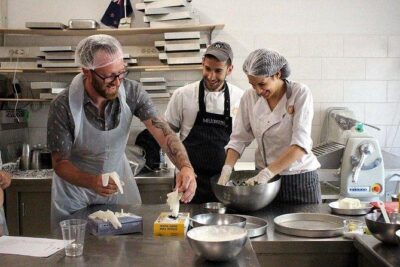
Greek Cooking Class in Athens Including Rooftop Dinner with Acropolis View
Read our review →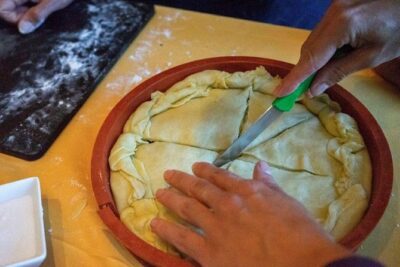
Greek Small-Group Athens Cooking Class & Dinner
Read our review →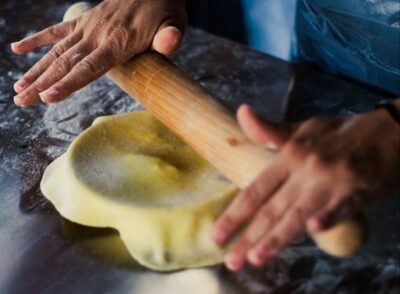
Athens: Greek Cooking Class & Dinner on a Rooftop
Read our review →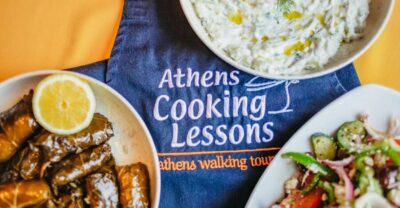
Athens: Greek Cuisine Cooking Class and 3-Course Dinner
Read our review →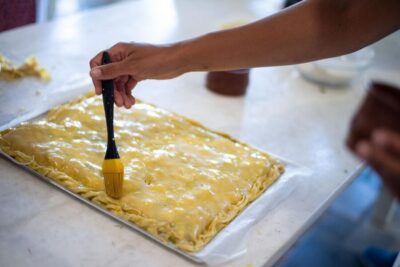
Greek Cooking Class with a Local Chef, Wine, & Meal in Drios
Read our review →
Half-Day Greek Cooking Class of Zakynthian Culture with Lunch
Read our review →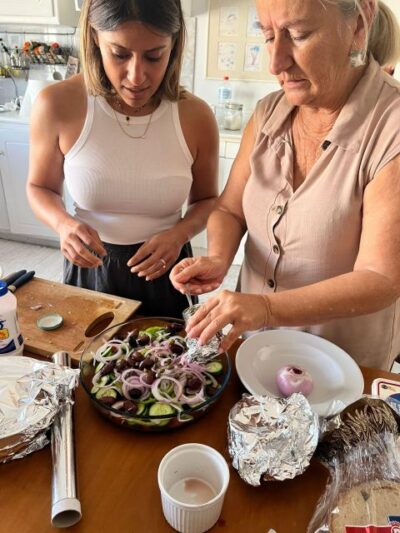
Oia: Greek Cooking Class and Lunch with a Local Grandmother
Read our review →Browse the lists this tour appears in