
Review · GREEK
Traditional Greek Cooking Class @ Lefkada Micro Farm
The best part of this Lefkada cooking class happens before anyone picks up a knife. You start in the soil, learning how the farm works and harvesting seasonal ingredients before cooking them in an open-air kitchen. Andreas leads the visit with his mother and a chef, bringing a personal, family feel to the afternoon.
I like the small maximum group of 10, which gives this four-hour visit room to feel calm rather than rushed. I also like the focus on bread, vegetables, goat cheese, sheep’s yogurt, oregano, and olive oil, all handled with simple Greek methods. The main consideration is that this is as much a farm and slow-living visit as it is a technical cooking lesson. If you want a fast class packed with complicated recipes, this may feel too gentle.
Key points to know before you book
- Andreas leads a personal farm visit: You’ll learn about regenerative farming and walk through Lefkada Micro Farm before cooking.
- The meal is strongly plant-focused: Expect bread, tzatziki, Greek salad, and briam made with farm vegetables.
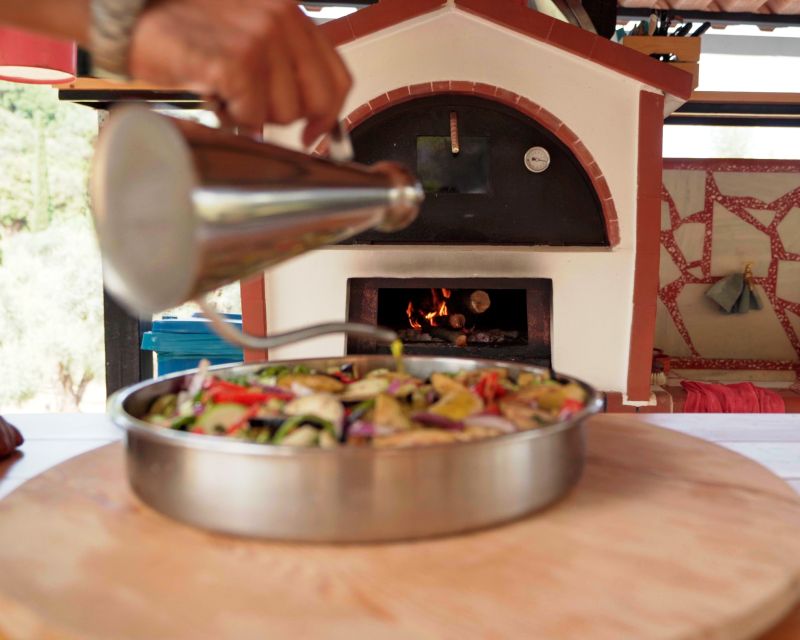
- Cooking happens in a wood-burning oven: The pace is traditional, patient, and tied to the farm setting.
- The group is capped at 10 people: That helps keep the class social and hands-on.
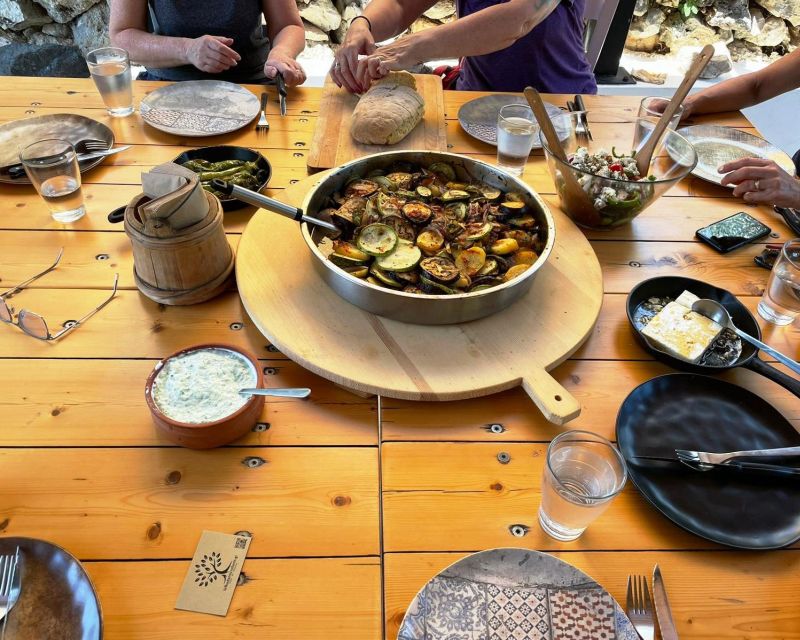
- The meal ends at the Farmer’s Table: You eat what you helped prepare, with the farm’s produce at the center.
- Weather matters: The activity requires good weather, so a poor-weather cancellation may mean a new date or a full refund.
A farm visit before the cooking begins
Lefkada Micro Farm sits along the road from Nidri toward Vavkeri, at E.O. Nydriou Vavkeris Rachi, Nidri 311 00. The visit begins and ends at the farm, so you need to arrange your own way there and back.
The first stop is described as an open-air museum, which gives you a useful clue about the tone. You are not simply shown a kitchen and handed a recipe sheet. The farm itself is part of the lesson. You’ll hear about regenerative farming practices, see how the land is cared for, and gather seasonal organic ingredients for the meal.
That farming focus is valuable because Greek cooking is often at its best when the food is treated simply. A ripe tomato, good olive oil, fresh oregano, and a little salt do not need much help. The class links that idea to the way food is grown, not just the way it is prepared.
Andreas is the named host, and the visit includes his mother and a chef. That combination gives the day a more personal character than a standard demonstration. You may also arrive early enough to feed the animals, as one couple did, and receive coffee, fresh fruit, and cakes before the farm tour. Those extras are not listed as guaranteed parts of every visit, so treat them as possible touches rather than promised inclusions.
The small group limit matters here. With no more than 10 people, the farm walk should be easier to follow, and you have a better chance to take part rather than simply watch someone else work. Still, the exact balance between farm talk, preparation, and hands-on cooking can vary with the group.
More Farm Cooking Classes in Greece
- Naxos Perivoli Farm Experience & Wood-fire Cooking Class
★ 5.0 · 339 reviews - Melanes: Naxos Perivoli Farm & Cooking Class with Wood Fire
★ 5.0 · 177 reviews - Santorini Family Farm Food & Wine Tour with Cooking Class
★ 5.0 · 107 reviews
Learning the slow rhythm of Greek cooking
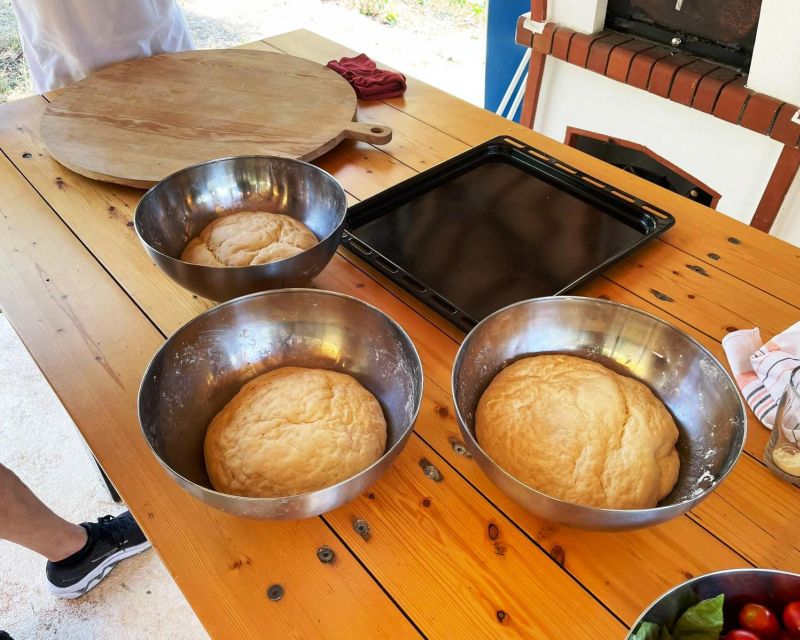
The class takes place in an open-air kitchen. That setting suits the subject. Greek home cooking is rarely about showing off knife skills or building complicated sauces. It is about good ingredients, careful timing, and knowing when to leave food alone.
You’ll prepare a meal built around traditional basics:
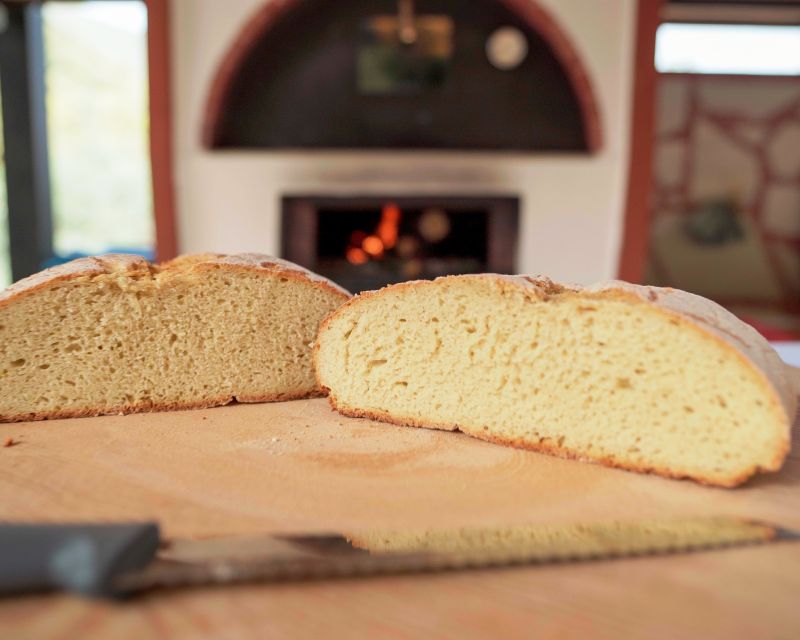
- Bread baked in the wood-burning oven
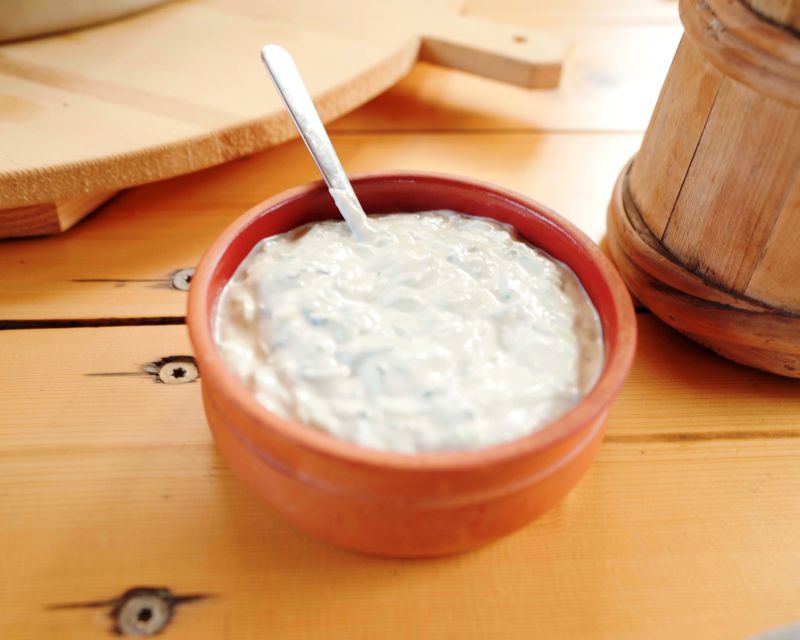
- Tzatziki with farm vegetables and sheep’s yogurt
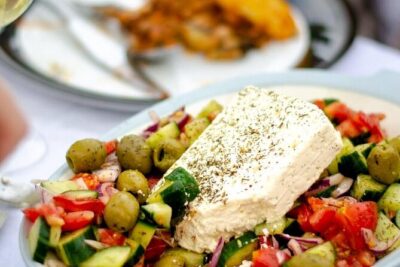
- Greek salad with farm vegetables, goat cheese, oregano, and the farm’s extra virgin olive oil
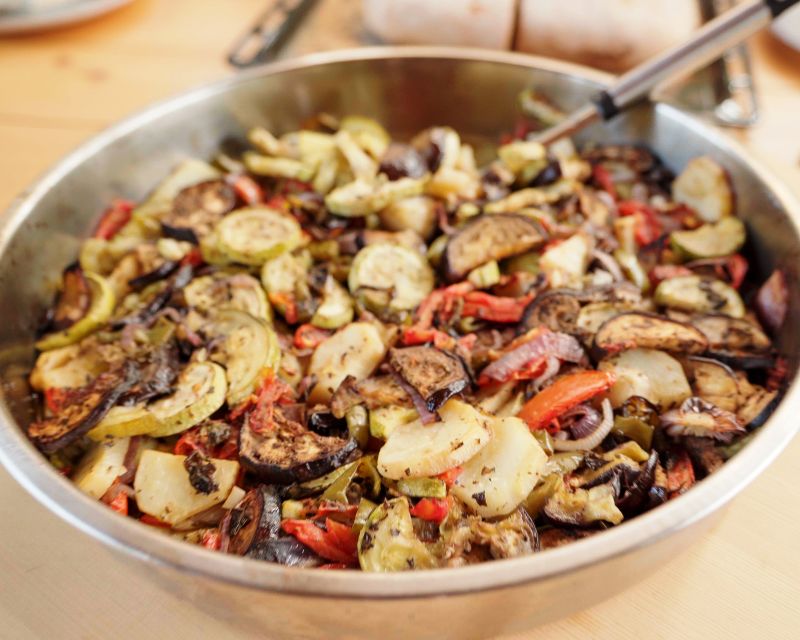
- Briam, a mixed vegetable dish roasted in the wood-burning oven
This menu gives you a useful introduction to everyday Greek flavors. Tzatziki brings cool yogurt and vegetables to the table. Greek salad shows how much depends on the quality of the produce and oil. Briam, with its mixed vegetables roasted slowly, demonstrates how a simple dish can become the main event.
The bread is especially important. Baking it in a wood-burning oven connects the class to an older style of cooking, where heat, timing, and patience matter more than pressing a button. You may not leave with professional baking skills, but you will understand why traditional ovens give a meal a different pace and feel.
The class also highlights the farm’s original extra virgin olive oil. You’ll taste it with fresh vegetables rather than treating it as a minor ingredient. This is one of the most useful lessons in Mediterranean cooking: the oil is part of the flavor, not just something used to stop food sticking to a pan.
The class appears designed for shared preparation rather than a private chef demonstration. You’ll make the dishes as a group, which makes the experience social and practical. The tradeoff is that you may not personally handle every stage of every recipe. If you want to take home a precise written method for each dish, ask about that before booking, since no recipe booklet or formal cooking materials are specified.
What the four-hour schedule means
Four hours is long enough for the farm visit, ingredient gathering, cooking, and meal without turning the day into a quick photo stop. It also reflects the class’s slow-living theme. The food is not rushed from garden to plate.
The likely flow begins with an introduction to the farm and its growing methods. From there, you’ll harvest ingredients, move to the open-air kitchen, prepare the menu, and wait for the wood-burning oven to do its work. The final stage is the shared meal at the Farmer’s Table.
That structure makes the day feel like one connected story. The vegetables are not anonymous ingredients brought in from elsewhere. You see where they come from, help gather them, and then eat them. I find that connection more memorable than a class that begins with premeasured bowls on a counter.
At the same time, the four-hour length may feel slow if you want to fit several major sights into the same afternoon. This is not a quick activity to squeeze between a beach visit and dinner. Plan it as a half-day commitment, especially because the meeting point is outside Nidri proper.
The experience is offered in English. A mobile ticket is available, which makes arrival simpler, but you should still check the meeting point carefully before setting out. The listed start and end point are both Lefkada Micro Farm.
The menu: simple food, strong ingredients
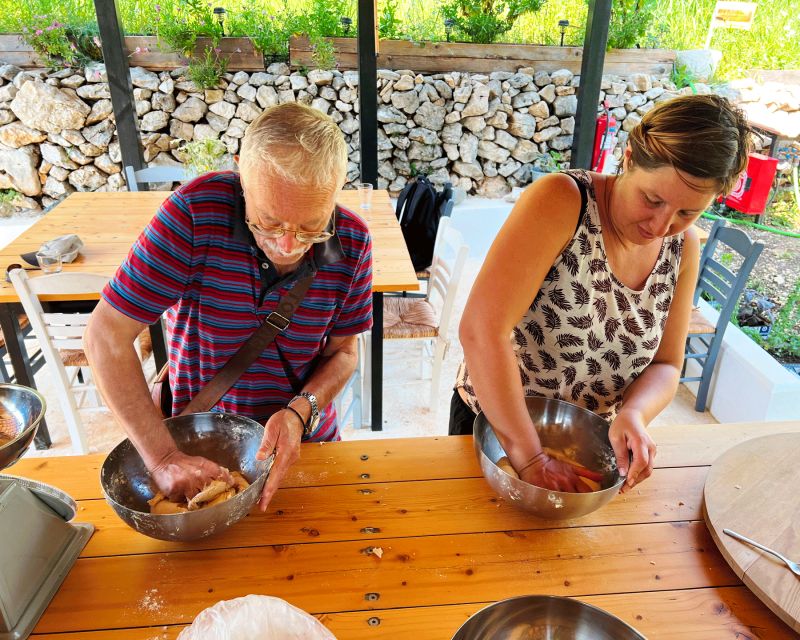
The menu is modest, and that is part of its appeal. You are not preparing a long parade of dishes. Instead, the class concentrates on a few familiar Greek foods and shows how freshness does most of the work.
The bread comes first as a foundation for the table. Fresh bread also gives the group something to share while the rest of the meal comes together.
Tzatziki adds a cool, creamy element, made with sheep’s yogurt and farm-to-table vegetables. That detail is worth noting if you are used to supermarket-style tzatziki made with standard cow’s yogurt. The flavor and texture may be different, and the dish fits the farm’s emphasis on local ingredients.
The Greek salad combines vegetables, goat cheese, oregano, and the farm’s extra virgin olive oil. This is a straightforward dish, but it is also a good test of the produce. There is nowhere for poor ingredients to hide under a complicated dressing.
Briam is the main dish, made from mixed vegetables and roasted in the wood-burning oven. It is a natural choice for this setting because it rewards patient cooking. The vegetables soften and take on the flavor of the oven, while the oil and herbs tie the dish together.
The menu is best suited to people who enjoy vegetables and Mediterranean flavors. No meat or fish course is listed. If you are hoping to learn dishes from across the full range of Greek cooking, you may find the menu narrow. If you want a close look at how a Greek farm turns its own produce into lunch, the focus works well.
More Greek Cooking Classes in Greece:
- Greek Cuisine Cooking Class in Santorini with Recipes and Wine
★ 5.0 · 969 reviews - Greek Cooking Class in Athens Including Rooftop Dinner with Acropolis View
★ 5.0 · 826 reviews - Greek Small-Group Athens Cooking Class & Dinner
★ 5.0 · 574 reviews - Athens: Greek Cooking Class & Dinner on a Rooftop
★ 5.0 · 383 reviews
Eating at the Farmer’s Table
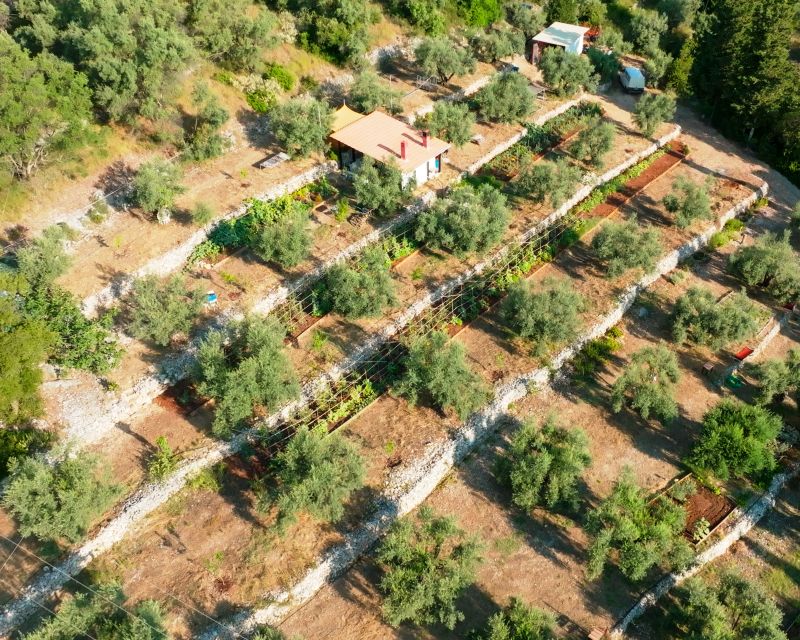
After the cooking, everyone sits down to eat the meal together. This final stage is more than a reward for finishing the recipes. It brings the class back to the farm’s central idea: food connects people to place and to each other.
The Farmer’s Table also helps the visit feel less like a commercial class and more like a shared family meal. Andreas, his mother, and the chef are part of that atmosphere. The setting encourages conversation and gives you time to think about what you have just done, rather than rushing straight to the next activity.
The strongest praise for this experience centers on the food and the people leading it. One couple described the time as relaxed and fun, while another found Andreas’s passion for the environment clear from the start. The most enthusiastic response concerned the taste of the meal, especially the produce grown with care on the farm.
That enthusiasm makes sense, but I would keep expectations sensible. Farm-fresh ingredients can make a simple meal taste remarkable, yet the experience is not built around restaurant-style presentation. You are coming for honest food, shared work, and a clearer sense of how Greek cooking begins in the garden.
Is $152.58 a fair price?
At $152.58 per person, this is not a budget lunch. The value depends on what you want from a cooking class.
You are paying for roughly four hours, a small group, a farm visit, ingredient harvesting, instruction, food, and the chance to eat the finished meal. The price also covers a particular setting and point of view: regenerative farming, seasonal produce, traditional oven cooking, and a family-run table.
If you compare it only with the cost of a Greek meal in a taverna, the price is high. A restaurant gives you food with no work required. This class gives you a farm visit and a hands-on activity along with lunch.
I think the price makes more sense for someone who values the full half-day outing. You are not just learning how to stir tzatziki or chop vegetables. You are spending time at the source of the ingredients and seeing how the food moves from soil to table.
The small group limit strengthens the value. Ten people is enough for a lively table but small enough to avoid the feeling of a large coach group. Still, no private group is promised, and you should not assume that you will receive individual instruction throughout the entire class.
Who will enjoy this most?
I would choose this experience if you like food with a clear sense of place. It suits couples, families, and small groups who enjoy cooking together and do not need constant action.
It is also a good match for anyone curious about sustainable farming. The regenerative approach is not a side note. It shapes the farm visit and gives the meal a wider purpose.
You may especially like it if you want a break from Lefkada’s beaches and sightseeing. The class offers a slower afternoon built around soil, vegetables, an oven, and conversation.
I would think twice if your main goal is to master advanced Greek techniques, cook several meat dishes, or receive a formal culinary qualification. The food is simple by design, and the teaching seems aimed at connection and confidence rather than professional training.
People with food allergies or dietary restrictions should tell the farm in advance. Service animals are allowed. The activity is offered in English, and confirmation is normally provided at booking, though bookings made within 10 hours of the start time are confirmed as soon as possible subject to availability.
Weather, cancellation, and practical planning
The class requires good weather, which matters because much of the visit takes place outdoors. If poor weather forces a cancellation, you’ll be offered another date or a full refund.
You can cancel for a full refund if you do so at least 24 hours before the start time. Cancellations or changes made inside that window are not accepted for a refund. The cut-off follows local time in Greece.
The experience is usually booked about 15 days ahead. That is a useful planning guide, especially if you are visiting Lefkada during a busy period. A small group limit can fill faster than a large sightseeing tour.
Before booking, check three things: that the farm location works with your transport plans, that the vegetable-focused menu suits you, and that you can spare the full four hours. Those points matter more than any minor detail.
Should you book the Lefkada Micro Farm class?
Book it if you want to understand Greek food through the farm that grows it. The combination of regenerative agriculture, seasonal harvesting, a wood-burning oven, and a shared meal gives the visit a clear purpose.
I especially like the human scale of the day. Andreas, his mother, and the chef create a setting that feels personal, while the group limit keeps the activity from becoming a production line. The food is basic in the best sense, with vegetables, yogurt, cheese, herbs, bread, and olive oil doing the work.
Skip it if you want a fast, technical cooking lesson or a menu centered on meat and seafood. For everyone else, this is a thoughtful half-day choice in Lefkada, particularly if you want to slow down and taste how much good farming can bring to an ordinary Greek meal.
FAQ
Where does the cooking class take place?
It takes place at Lefkada Micro Farm, at E.O. Nydriou Vavkeris Rachi, Nidri 311 00, Greece.
How long does the experience last?
The activity lasts approximately four hours.
Where does the activity end?
It ends back at Lefkada Micro Farm, the same location where it starts.
What language is the class offered in?
The experience is offered in English.
How many people can join the class?
The maximum group size is 10 people.
What food will be prepared?
The menu includes bread baked in a wood-burning oven, tzatziki, Greek salad, and briam made with mixed vegetables.
Is the menu vegetarian?
The listed menu is vegetable-focused and includes bread, yogurt, goat cheese, and olive oil. No meat or fish dish is listed.
Can I report an allergy or dietary restriction?
Yes. You should let the farm know about allergies or dietary restrictions.
Are service animals allowed?
Yes, service animals are allowed.
What happens if bad weather cancels the activity?
Because the experience requires good weather, you’ll be offered a different date or a full refund if it is canceled for that reason.
Can I cancel for a full refund?
Yes. You can receive a full refund if you cancel at least 24 hours before the experience starts.
More Hands-On Workshops in Greece
- Athens: Classic Cooking Class with Market Visit and Wine
★ 5.0 · 1,101 reviews - Athens: Food Market Visit and Cooking Class with Wine
★ 4.9 · 1,087 reviews - Naxos: Half-Day Cooking Class at Basiliko Family Tavern
★ 5.0 · 887 reviews - Chania: Authentic Cooking Class in the White Mountains
★ 4.9 · 529 reviews
Just added around Greece
- Phyllo Pies Baking Class @ Lefkada Micro Farm★ 4.5 · 10 reviews
- Private Greek Cooking Class in Kos with Lunch★ 5.0 · 26 reviews
- Cooking Class & Private Dining with Head Chef in Kalamata Messinia, Greece!★ 5.0 · 7 reviews
- Village cooking class in an Agritourism Unit in Arcadia, Greece!★ 5.0 · 4 reviews
- Ioannina Food & Culture Tour with Cooking Lesson★ 5.0 · 5 reviews
- Zagori Adventure Off-Road & Cooking Experience★ 5.0 · 5 reviews
- Ios: Cooking Experience with Cheese and Wine Tasting★ 5.0 · 6 reviews
- Cretan Flavors – Cooking Lessons and Wine Olive Oil Tasting★ 5.0 · 9 reviews
Greek Cooking Classes, compared.
Greek Cuisine Cooking Class in Santorini with Recipes and Wine
Read our review →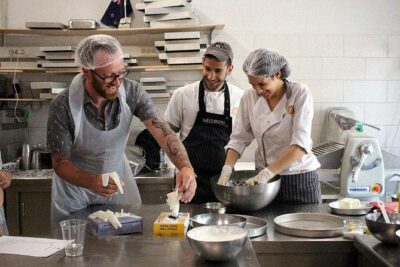
Greek Cooking Class in Athens Including Rooftop Dinner with Acropolis View
Read our review →
Greek Small-Group Athens Cooking Class & Dinner
Read our review →
Athens: Greek Cooking Class & Dinner on a Rooftop
Read our review →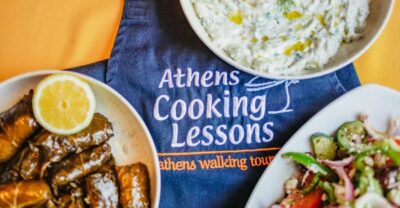
Athens: Greek Cuisine Cooking Class and 3-Course Dinner
Read our review →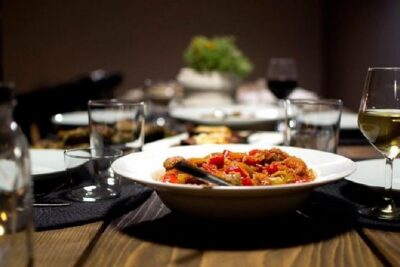
Traditional Greek cooking class and lunch or dinner with an Acropolis view
Read our review →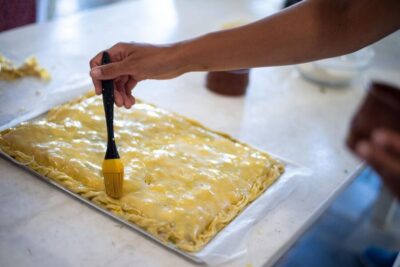
Greek Cooking Class with a Local Chef, Wine, & Meal in Drios
Read our review →
Half-Day Greek Cooking Class of Zakynthian Culture with Lunch
Read our review →Browse the lists this tour appears in