
Review · HUE
Hue: Traditional Vietnamese Cooking Class
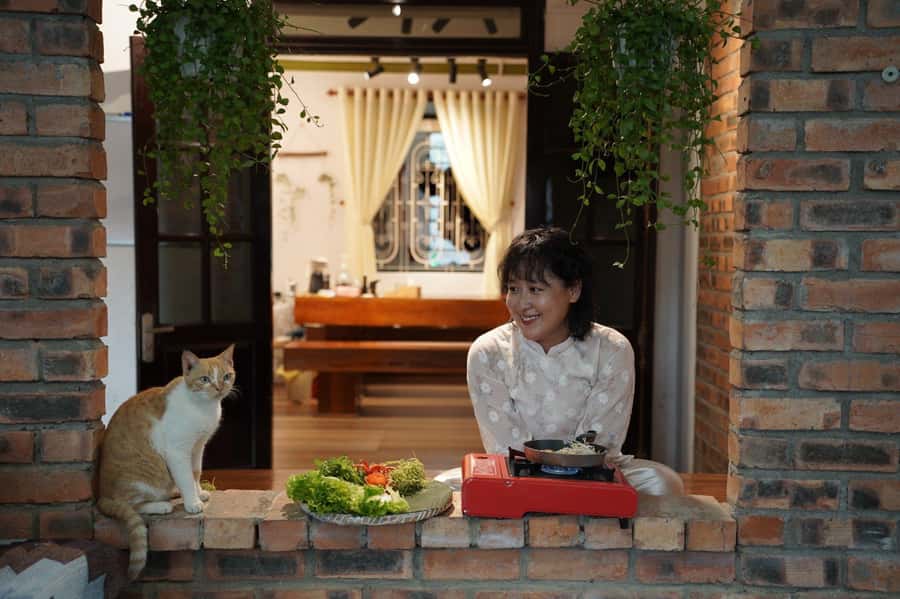
Hue’s food tells a different story from the dishes you find elsewhere in Vietnam. This class gives you a hands-on way to meet that food, from spicy Bun Bo Hue to chewy tapioca dumplings steamed in banana leaves. You cook five dishes and brew a royal herbal tea, then sit down to eat the results.
I like the small limit of six people and the choice between vegetarian and non-vegetarian menus. I also like that the chef explains how Hue cooking differs from food in other parts of Vietnam, rather than simply handing you a recipe. The one drawback is the location: you’ll need to walk about 50 meters down an alley from Hoàng Quốc Việt Street, and it is a short ride from the main tourist area.
Key points to know before you book
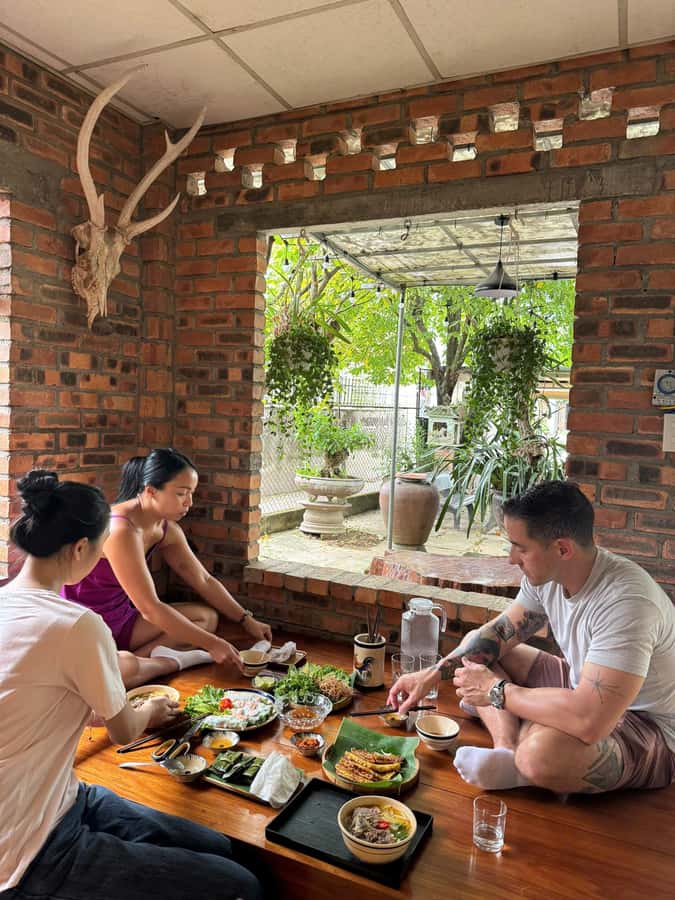
- Five Hue dishes from scratch: Prepare Bun Bo Hue, Banh Xeo, fresh spring rolls, Banh Bot Loc, seasonal fruit, and royal herbal tea.
- A true small-group class: The maximum group size is six, and some sessions may feel almost private.
- Two menus available: Choose vegetarian dishes or the traditional menu with beef, shrimp, and pork.
- A quiet garden setting: The class takes place down an alley at the Huế Experience signboard, away from busy streets.
- Local stories with every dish: The chef explains family methods, regional differences, and the balance behind central Vietnamese cooking.
- Good value at $35: Ingredients, equipment, apron, water, recipes, instruction, tea, and the full meal are included.
What makes this Hue cooking class different
Many cooking classes in Vietnam focus on familiar national favorites. This one puts Hue at the center. That matters because Hue cuisine has its own style, shaped by the former imperial court and by the food traditions of central Vietnam.
You’ll work with dishes that show different sides of Hue cooking. Bun Bo Hue brings a spicy beef broth and fresh herbs. Banh Xeo gives you a crisp pancake with a savory filling. Banh Bot Loc adds a chewy texture that is quite different from the more familiar rice paper rolls.
The class lasts 150 minutes, which gives you enough time to cook several dishes without turning the session into a rushed race through a recipe book. You’ll have an English-speaking instructor, all ingredients and equipment, and a printed recipe card to take home.
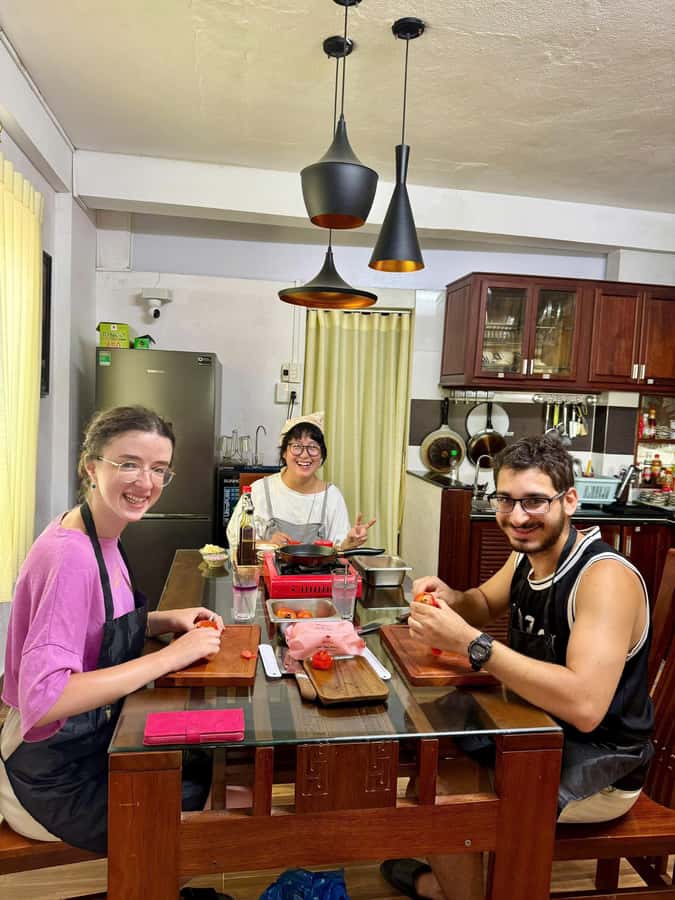
I especially like the balance between cooking and eating. You are not simply shown how a dish is made and then handed a small sample. You prepare the food interactively, then sit down to enjoy the full meal in a cozy garden space.
More Vietnamese Cooking Classes in Vietnam:
- Cooking Class Hoi An:Local Market, Basket Boat, Fishing & Cooking
★ 5.0 · 3,660 reviews - From Hoi An: Market Tour, Basket Boat Ride and Cooking Class
★ 4.8 · 2,208 reviews - Hoi An: Basket Boat with Lantern-Making & Cooking Class Tour
★ 4.9 · 1,444 reviews
Finding the kitchen on Hoàng Quốc Việt Street
The meeting point is easy to describe once you know what to look for. Enter alley number 1 on Hoàng Quốc Việt Street and walk about 50 meters. The Huế Experience signboard marks the spot.
The kitchen is not presented as a large restaurant or a polished cooking school. It is a cozy local space with a garden, which gives the class a more personal feel. That setting is part of the appeal, though you should allow a little extra time to find the alley if you do not know the area.
The class is located a little beyond the main tourist zone. A short and inexpensive ride from central Hue should make the trip simple, but this is not a class you can count on stumbling across while walking between the Citadel and the river.
The space is wheelchair accessible according to the activity information. Since the meeting point involves an alley, you may still want to confirm the exact access details when booking if you have specific mobility needs.
Starting with Hue’s flavors and cooking methods
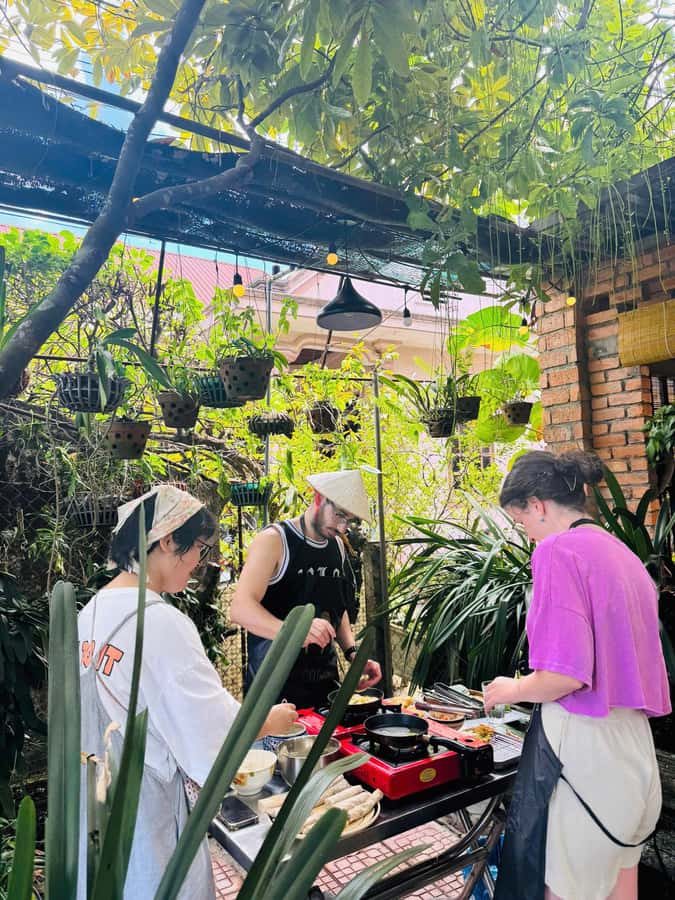
The chef begins by introducing the dishes and the ingredients already prepared for you. This is a useful setup for a 150-minute session. You can focus on cooking techniques and local food traditions instead of spending the first hour washing, chopping, and measuring.
The instructor guides you step by step in English. Duck and Uyen are among the instructors associated with the class, and the teaching style is friendly and relaxed. The tone matters here. Cooking several unfamiliar dishes can feel awkward if the class is too formal, but the small group allows the chef to help each person directly.
You’ll also hear why the dishes matter in Hue and how local methods differ from those used in other parts of Vietnam. That regional comparison is one of the most useful parts of the class. A recipe card can tell you how much of an ingredient to use, but it cannot always explain why the dish tastes different in Hue.
The chef also shares family recipes and tips passed down through generations. These stories help connect each recipe to daily cooking, rather than treating Hue food as something found only on a restaurant menu.
Making Bun Bo Hue, the class centerpiece
Bun Bo Hue is likely to be the dish you remember most. This spicy beef noodle soup is one of Hue’s best-known specialties, served with fresh herbs and a strongly seasoned broth.
The class teaches you how the dish is built rather than presenting it as a finished bowl. You’ll work through the components under the chef’s direction, then taste the finished soup as part of your meal.
That hands-on approach is useful because Bun Bo Hue can seem difficult to recreate at home. The broth, seasoning, noodles, and herbs must work together. You may not leave ready to reproduce every detail perfectly, but you will understand the structure of the dish and the flavors you need to look for.
If you choose the vegetarian menu, the soup uses a mushroom broth with tofu and vegan sausage. This is not simply the meat dish with the beef removed. The vegetarian version has its own ingredients and gives you a practical way to experience the same Hue style without meat.
More Hands-On Workshops in Vietnam:
- Hanoi Cooking Class: Culture, Local Market & Meaning CSR Impact
★ 5.0 · 5,147 reviews - 5 Traditional Dishes Hanoi Cooking Class with Market Trip
★ 5.0 · 4,890 reviews - Hoi An Cooking Class(Market,BasketBoat Crabfishing&Cooking Class)
★ 5.0 · 3,386 reviews - Cai Be Mekong Delta Tour: Cooking Class, Cycling & Craft Villages
★ 5.0 · 1,881 reviews
Folding Banh Bot Loc in banana leaves
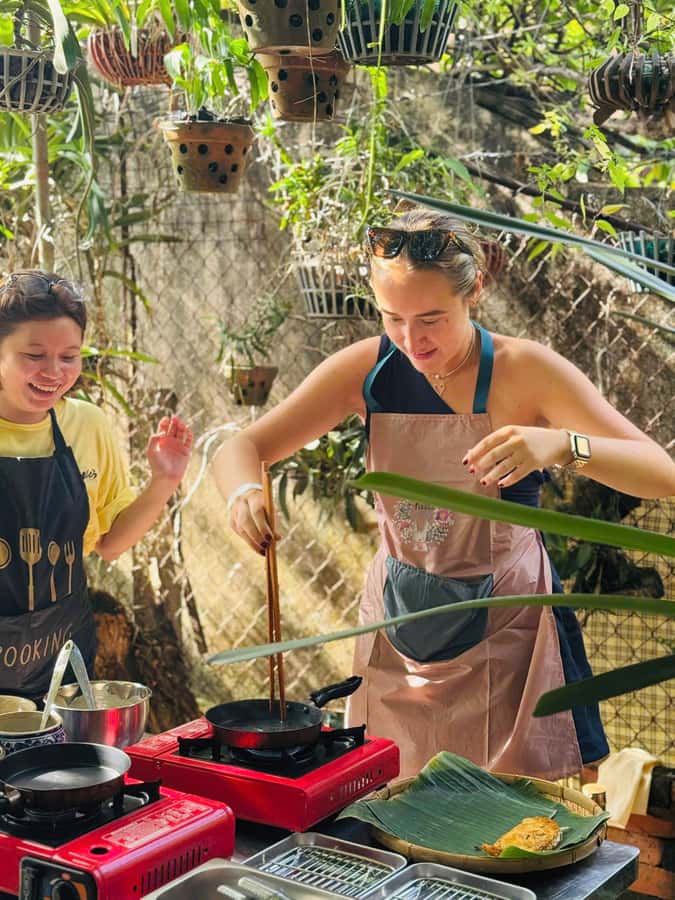
Banh Bot Loc is a chewy tapioca dumpling traditionally filled with shrimp and pork. The dumplings are steamed in banana leaves, giving this part of the class a different rhythm from the soup and pancake.
You’ll learn how the dough and filling come together, then prepare the dumplings for steaming. The texture is the main attraction. If you normally prefer crisp or soft rice-based dishes, the springy tapioca wrapper offers something new.
The vegetarian version, Banh Bot Loc Chay, uses wood ear mushrooms and mung beans inside the banana leaf dumplings. It keeps the shape and method of the traditional dish while changing the filling.
This is also one of the class’s more distinctive dishes. Fresh spring rolls and Vietnamese pancakes are common on cooking-class menus around the country. Banh Bot Loc feels more closely tied to Hue.
Crisp Banh Xeo and fresh spring rolls
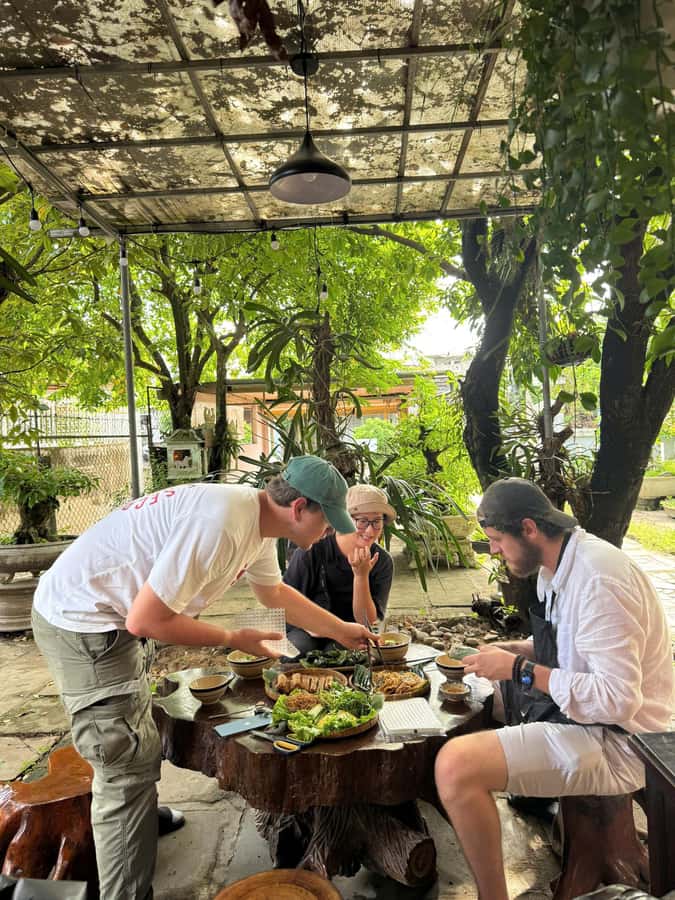
Banh Xeo is the lively part of the menu. These Vietnamese pancakes are cooked until crisp, then filled with shrimp and pork, herbs, and other ingredients before being served with dipping sauce.
The goal is not just to make a pancake. You’ll learn how to get the batter crisp and how to combine it with the filling and herbs. A particularly crisp result is possible when the cooking heat and timing are right, so this dish gives you a clear lesson in texture.
The vegetarian Banh Xeo replaces the meat and seafood with mushrooms, bean sprouts, and carrots. It comes with a vegan dipping sauce. This option should suit vegetarians who want a complete dish rather than a plate of vegetables added at the last moment.
Fresh spring rolls bring a cooler, lighter contrast to the hot pancake and spicy noodle soup. You’ll prepare rolls with pork and shrimp on the non-vegetarian menu, or tofu and vegetables on the vegetarian menu.
Rolling them yourself can be a little messy, but that is part of the fun. You’ll see how the fillings, herbs, and dipping sauce balance one another. The rolls also give you a useful technique to repeat at home because they require less cooking than the other dishes.
Brewing Hue’s royal herbal tea
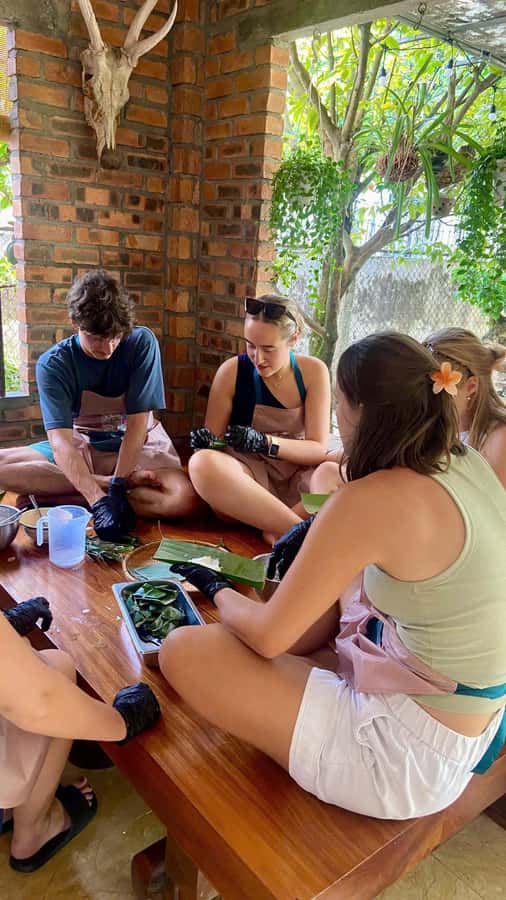
The tea session gives the class a quieter finish. You’ll learn to brew Hue’s royal herbal tea, a fragrant drink linked to the city’s imperial traditions.
The tea is served after the cooking, along with the meal you have prepared. It works well as a change of pace after several savory dishes. The session also adds cultural context that you would miss in a class focused only on fast, practical recipes.
You’ll have drinking water throughout the class, and the tea is part of the included experience rather than an optional extra. The herbal drink may appeal especially to you if you enjoy learning about local drinks as well as local food.
Seasonal fruit completes the menu. The fruit plate is simple, but it helps round out a very filling meal. You’ll have tasted spicy soup, steamed dumplings, crisp pancakes, spring rolls, fruit, and tea within one sitting.
Choosing between the two menus
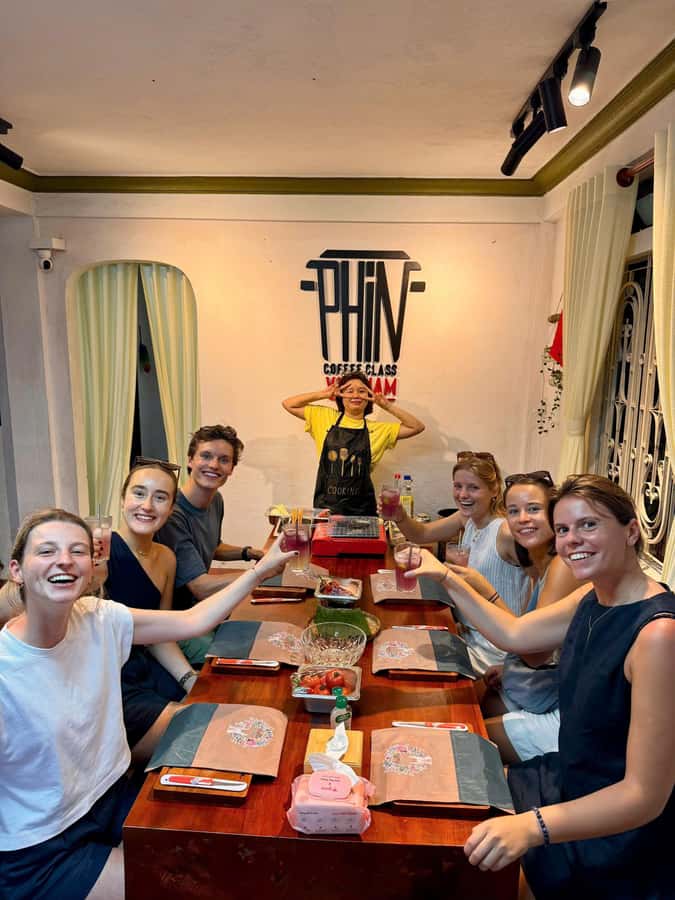
The non-vegetarian menu includes beef in the Bun Bo Hue, shrimp and pork in the Banh Bot Loc, and pork and shrimp in the fresh spring rolls and Banh Xeo. It is the best choice if you want to sample the classic versions of these Hue dishes.
The vegetarian menu includes mushroom broth, tofu, vegan sausage, wood ear mushrooms, mung beans, mushrooms, bean sprouts, carrots, and vegetables. The class treats vegetarian cooking as a full menu, not as an afterthought.
Seasonal ingredients may affect the exact details of the meal. That is normal for a local cooking class, and it can be a plus if you like food that changes with what is available.
If you are booking for a mixed group, the choice of menus makes the class easier to arrange. You should still state your preference when booking so the kitchen can prepare the right ingredients.
Why the six-person limit matters
The maximum group size is six. That is small enough for the chef to watch your technique, answer questions, and explain the dishes without shouting across a crowded room.
Some sessions may have only two people. That can turn the class into a near-private lesson, though you should not book on the assumption that this will always happen.
A small group also suits couples, solo visitors, and families who want a quieter activity. You will have more room to ask about ingredients and local food customs than you would in a large class.
The tradeoff is that the atmosphere may depend on the people who book that day. A small group can be warm and social, but it does not provide the energy of a large food tour.
What $35 gets you
At $35 per person, the value comes from the number of things bundled into the session. You get five dishes, a herbal tea brewing lesson, ingredients, equipment, an apron, drinking water, instruction, cultural explanations, a recipe card, and the full meal.
The meal alone would make up part of the cost, especially since you are tasting several Hue specialties. Add the local instruction and the chance to ask questions, and the price is reasonable for a 150-minute activity.
It is also good value if you care about taking something home beyond memories. The recipe card gives you a starting point, while the cooking practice helps you understand the feel of the dishes.
I would not choose this class only to save money on lunch. A restaurant meal will be faster and may cost less. Choose it because you want to spend time learning how the meal is made and why the dishes belong to Hue.
Who should book this class
I would recommend it to food lovers, curious first-time visitors to Vietnam, and anyone who likes small-group activities. It is also a good choice for people who want a break from sightseeing at the Citadel, tombs, and pagodas.
Vegetarians have a strong reason to consider it because the alternative menu includes separate versions of the main dishes. Couples may find the small setting especially appealing, while solo visitors can expect a friendly format with plenty of direct instruction.
The class is less suitable if you want a quick demonstration with no participation. You will be expected to cook, assemble, and taste the food. It may also be a poor fit if you are looking for a broad street-food tour, since the focus stays on preparing a set Hue menu in one kitchen.
Book with enough room in your day for the full 150 minutes. You can cancel up to 24 hours in advance for a full refund, and the reserve-now, pay-later option makes it easier to hold a place while your Hue plans take shape.
Should you book it?
Book this Hue cooking class if you want regional food, personal instruction, and a meal you help create. The strongest reasons are the small group, the choice of vegetarian menu, the Hue-specific dishes, and the royal herbal tea session.
The main caution is location. You will need to find the alley on Hoàng Quốc Việt Street and arrange a short ride from the main tourist area. If that small extra effort does not bother you, the quiet garden setting is part of the reward.
For $35, this is a well-priced way to spend two and a half hours with local food. I would choose it over a generic Vietnamese cooking class if your time in Hue is limited and you want to understand what makes central Vietnamese cuisine different.
FAQ
How long does the Hue cooking class last?
The class lasts 150 minutes, or two and a half hours.
How many people can join the class?
The class is limited to six participants.
Is a vegetarian menu available?
Yes. The vegetarian menu includes vegetarian Bun Bo Hue, Banh Bot Loc Chay with wood ear mushrooms and mung beans, tofu and vegetable spring rolls, vegetarian Banh Xeo, seasonal fruit, and royal herbal tea.
What dishes are included in the non-vegetarian menu?
The non-vegetarian menu includes Bun Bo Hue, Banh Bot Loc with shrimp and pork, fresh spring rolls with pork and shrimp, Banh Xeo with shrimp and pork, seasonal fruit, and royal herbal tea.
Where is the meeting point?
Enter alley number 1 on Hoàng Quốc Việt Street and walk about 50 meters. The Huế Experience signboard marks the meeting point.
Is the class taught in English?
Yes. The instructor teaches in English, and the activity is wheelchair accessible.
Just added around Vietnam
- Full-Day Experience in Mekong Cycling and Authentic Home Cooking★ 5.0 · 89 reviews
- Biking and Cooking Class in Can Tho Rural★ 5.0 · 5 reviews
- Can Tho Cooking Class in the countryside – Vegetarian available★ 5.0 · 10 reviews
- Cooking, Farming and Waterfall In Vietnam Countryside★ 3.0 · 6 reviews
- Cooking class & Vibrant Market by Scooter/Tuktuk (Half-Day)★ 5.0 · 55 reviews
- Top Home Cooking Class with Stunning River View AC Kitchen★ 5.0 · 25 reviews
- Tam Coc Cooking Class with Unique Experience★ 4.3 · 13 reviews
- Street Food Walking Tour with a Cooking Instructor★ 5.0 · 5 reviews
Vietnamese Cooking Classes, compared.
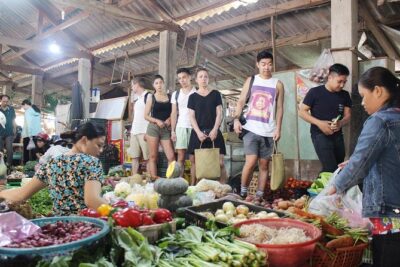
Cooking Class Hoi An:Local Market, Basket Boat, Fishing & Cooking
Read our review →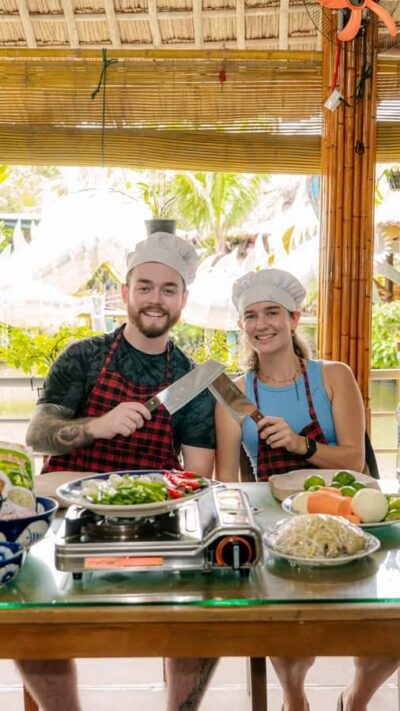
Hoi An: Market Tour, Basket Boat Ride and Cooking Class
Read our review →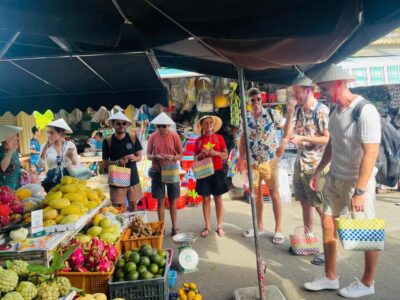
Hoi An: Basket Boat with Lantern-Making & Cooking Class Tour
Read our review →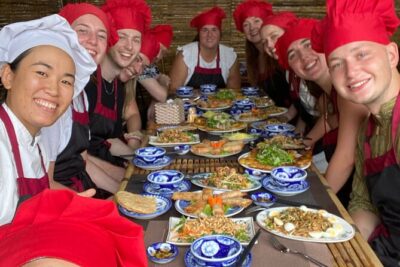
Hoi An Cooking Class(Local market,Basket Boat,Fishing & Cooking)
Read our review →
Hoi An: Basket Boat Ride, Cooking Class by Hangcoconut
Read our review →
Vietnamese Food Cooking Class in Hanoi with Market Experience
Read our review →
Hoi An Eco Tour Cooking Class & Fishing (Local market,basket boat,learn cooking)
Read our review →
Traditional Cooking Class with Basket Boat Ride and market Tour
Read our review →Browse the lists this tour appears in