
Review · MEXICAN
PDC Traditional Mexican Cooking Experience
Mexican food changes from region to region, and this hands-on cooking class uses that variety as its starting point. With Francisco leading the lesson, you prepare aguas frescas, antojitos, and several traditional dishes rather than stopping at the usual guacamole and salsa.
I like two things here: the class takes place in a working restaurant kitchen, and the menu reaches into dishes such as tamales, chiles rellenos, pipian, mole, and a seafood-and-meat molcajete. The small group, capped at 12 people, also gives Francisco and his assistants time to guide you through the work.
The main consideration is that the menu changes from one class to another, so you may not get every dish described in the sample menu. Seafood options such as red snapper or lobster can also cost extra, and the activity starts promptly at 9 a.m.
Key points to know before booking
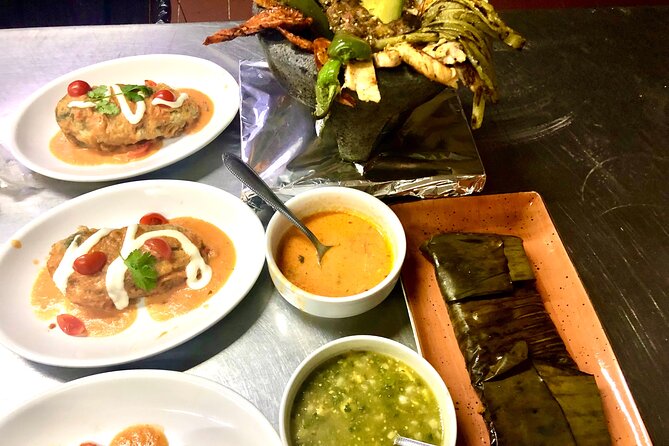
- Traditional dishes, not a basic tourist menu: You may prepare tamales, chiles rellenos, pipian, mole, or a Cielo, Mar y Tierra molcajete with octopus, shrimp, flank steak, and chicken.
- Francisco leads the class: His assistants, including Liliana and another Francisco, help with preparation, cleanup, timing, and refreshments.
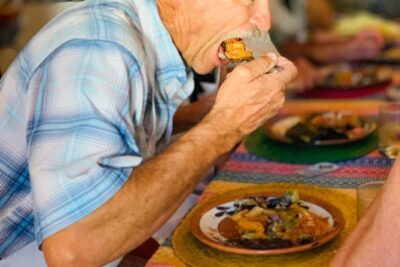
- A real restaurant kitchen: You cook in a large professional kitchen, then eat the food with the team.
- Small-group setting: The class accepts no more than 12 people, which matters when you need help with unfamiliar techniques.
- Three and a half hours of food and culture: The session begins with an introduction to Mexican cuisine and ends with a shared meal.
- Simple meeting point: Meet at Town Hall Plaza on Calle 8 Norte in Playa del Carmen at 9 a.m., and return there at the end.
What this Playa del Carmen cooking class is really about
This is less a quick recipe demonstration and more a guided introduction to the way Mexican cooking is built. Corn, chili peppers, fresh produce, seafood, meats, and Spanish and pre-Hispanic influences all appear in the food.
Francisco begins with a short explanation of Mexican cuisine and its regional identities. That context helps you understand why Mexican food does not have one single flavor profile. A dish from the Yucatán, Oaxaca, Puebla, or the northern states can use different ingredients and methods, even when the names sound familiar.
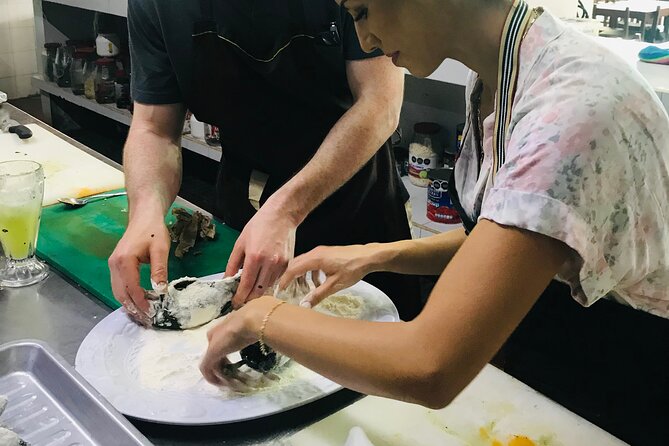
You then move into preparation. All equipment and ingredients are supplied, so you do not need to shop for special chilies, cookware, or hard-to-find staples. You can focus on the work itself, which is useful if you are new to Mexican cooking or simply want to spend a morning doing something more active than sightseeing.
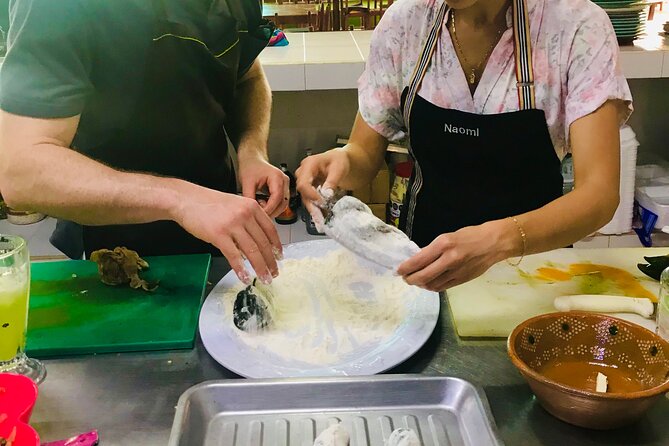
The format suits people who like to ask questions and handle the food themselves. You are not only watching a chef plate a finished dish. You help prepare several parts of the meal, with Francisco and his assistants keeping the process moving.
More Mexican Cooking Classes in Mexico:
- Cabo San Lucas Mexican Cooking Class Experience and Local Markets
★ 5.0 · 915 reviews - Mexican Cooking from Scratch in a Local Home in Tulum
★ 5.0 · 585 reviews - Authentic Mexican Legacy Cooking Class in Cabo San Lucas
★ 5.0 · 530 reviews
Meeting Francisco at Town Hall Plaza
The class begins at 9 a.m. at Town Hall Plaza, Calle 8 Norte, in the Gonzalo Guerrero area of Playa del Carmen. The meeting point is near public transportation, and the activity ends back at the same location.
That central start makes the class fairly easy to fit into a Playa del Carmen stay. You do not need to build a separate day around distant transport, though you should allow enough time to reach the plaza before the 9 a.m. start. The experience lasts about three hours and 30 minutes, so you should be finished around lunchtime.
A morning cooking class also makes practical sense in a hot coastal town. You get the active part of your day done before the afternoon, then have the rest of the day open for the beach, a walk along Quinta Avenida, or a slower lunch later if the cooking meal leaves you full.
The meeting point is listed as Town Hall Plaza, not as a hotel pickup. If you are staying outside central Playa del Carmen, confirm your own route to the plaza before booking.
Aguas frescas and the first taste of Mexico
One of the first food activities is preparing aguas frescas, traditional fruit-based refreshments. These drinks are not just a small extra. They show how Mexican cooking uses fruit, herbs, water, and sweetness to make something refreshing without relying on packaged drinks.
The class provides refreshments while you cook. One especially useful detail is the mention of a mint-flavored fruit drink, which gives you a good idea of the kind of flavor combination you may encounter. The drinks also help during a long kitchen session, especially in Playa del Carmen’s warm climate.
Next come the antojitos mexicanos. These are small Mexican foods tied to both pre-Hispanic ingredients and Spanish influence. The class presents them as fusion-flavored dishes, giving you an early look at how Mexican food developed through contact between different cultures.
This part of the class should appeal to anyone who enjoys small plates and snack foods. It also gives you a chance to learn techniques before moving to the larger main dishes. The exact antojitos are not specified, so you should expect the selection to vary.
Preparing several dishes instead of one
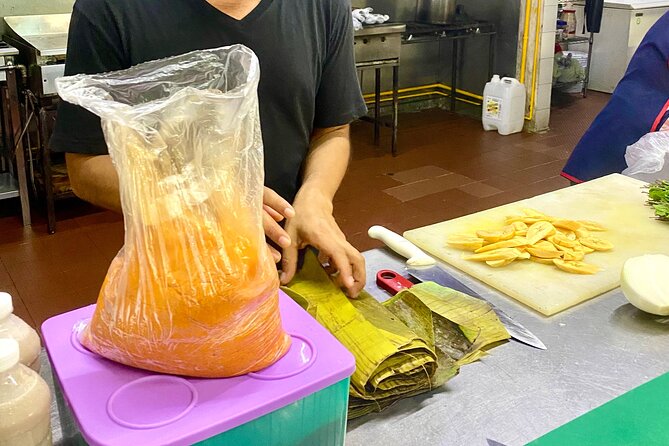
The class promises three varieties of traditional dishes, though the exact lineup can change. The sample choices include chiles rellenos, pipian, mole, and a Cielo, Mar y Tierra molcajete.
That variety is one of the strongest reasons to choose this experience. A cooking class focused on one dish can teach you a specific recipe well, but this format gives you a wider look at Mexican ingredients and methods. You may work with sauces, stuffed vegetables, grilled items, seafood, meat, side dishes, and drinks during the same morning.
A few more cooking classes around Mexico worth a look
- Puerto Vallarta Cooking Class Experience with Market Tour
★ 5.0 · 698 reviews - Mexican Cooking Class with Food Market Visit in Mexico City
★ 5.0 · 506 reviews - Authentic Mayan Cooking Class in Cozumel
★ 5.0 · 344 reviews - Flavors of Oaxaca: Cooking Class with No Set Menu and Local Market Tour
★ 4.5 · 333 reviews
Chiles rellenos
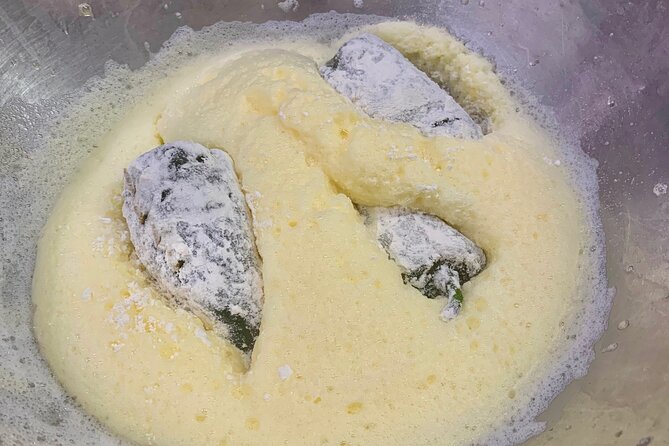
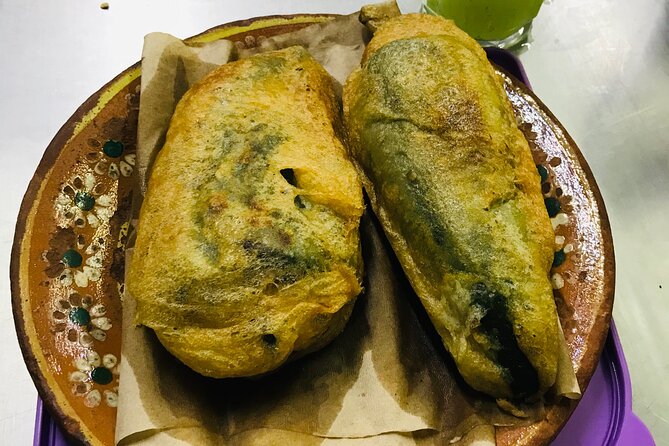
Chiles rellenos are stuffed peppers, usually prepared with a filling and a coating or sauce. They are a useful dish for learning how Mexican cooks balance the heat of a chili with savory fillings and rich sauces.
If you are not used to working with chili peppers, Francisco’s guidance matters. The information provided does not specify the exact pepper or filling used on the day, so ask about the ingredients if you have a low tolerance for heat or any food restrictions.
Pipian and mole
Pipian and mole are sauce-based dishes with layered seasoning. The menu may include one or both, but no fixed recipe is promised for every session.
These dishes are valuable for a home cook because they show that Mexican food is not only about adding heat. Texture, spices, chilies, and other ingredients work together to create a sauce with depth and balance. You may not recreate the entire process at home on your first try, but you will leave with a clearer sense of how these sauces fit into a meal.
Cielo, Mar y Tierra molcajete
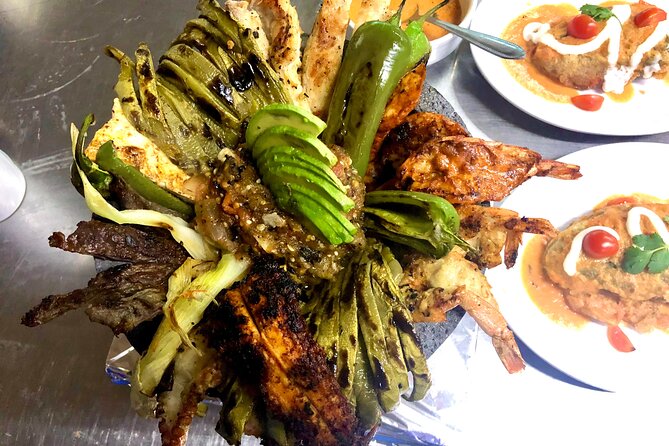
The Cielo, Mar y Tierra molcajete is the most distinctive option in the sample menu. It combines octopus, shrimp, flank steak, and chicken in a volcanic rock mortar, bringing seafood and land-based meats together in one dramatic dish.
The name translates roughly to sky, sea, and land, and the ingredients follow that idea. It is a good choice for people who want something beyond standard tacos or enchiladas. It is also the option most likely to interest seafood lovers, though the inclusion of several meats means it is not a seafood-only dish.
Red snapper or lobster may be available for an additional charge, depending on your choice. Since the menu and surcharge are not fixed here, ask for the current extra cost before selecting either option.
The tamale lesson may be the morning’s best surprise
Tamales receive special attention in the experience feedback, and that makes sense. They are often misunderstood by people who have only tried mass-produced versions, while a fresh tamale can have a very different texture and flavor.
The class has included tamales as part of the cooking session, and the process changed one participant’s view of the dish. That is a useful clue for anyone who thinks they do not like tamales. You may find that the texture, seasoning, and freshness make more difference than expected.
Tamales also give you a direct connection to the use of corn in Mexican cooking. Corn is not just a side ingredient here. It is one of the foundations of the cuisine, and tamales show how it can become a complete meal when combined with fillings and careful preparation.
The exact tamale recipe is not guaranteed for every class, so treat it as a possible highlight rather than a fixed promise. If tamales are your main reason for booking, ask the provider whether they are planned for your date.
Why the restaurant kitchen makes a difference
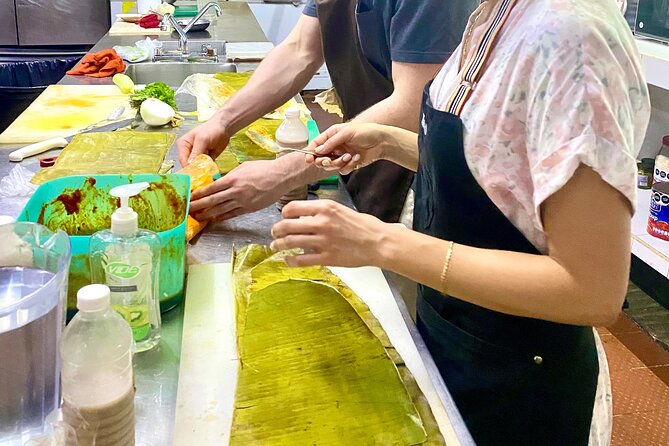
Cooking in a large restaurant kitchen gives the class more working space than a small home kitchen might provide. It also means you are preparing food in an environment built for professional service, with assistants helping keep ingredients, dishes, and work areas organized.
Liliana and another assistant named Francisco help with the class. Their role is practical. They prepare other components, keep the group supplied, help with cleanup, and watch the cooking so you can concentrate on your own task.
That support matters in a class with several dishes. Without help, a complicated menu could become a long wait between steps. Here, the staff can keep one dish moving while you work on another, which helps explain how the class covers drinks, starters, main courses, and sides in roughly three and a half hours.
The restaurant setting may feel less intimate than cooking in a private home. If you want a quiet one-on-one lesson, this is not that type of experience. If you prefer a working kitchen with a small team and a clear division of tasks, it should fit well.
Eating the meal with the people who prepared it
After the cooking is finished, you sit down and taste the food. The meal may be accompanied by a flavored Mexican wine from a selected winery or another drink of your choice, along with the aguas frescas served during the class.
This shared meal is an important part of the experience. You get to compare the finished dishes with the ingredients and methods you just used. It also gives the class a social quality, since you are eating with the cooking team rather than simply collecting a recipe and leaving.
Leftovers may be packed for you if you want them. That is a useful benefit after a large meal, though it depends on how much food remains and what can be safely stored.
I would think of the meal as the payoff for the work, not as a restaurant replacement. You are there to cook, learn, and eat what the group prepares. The menu is not presented as an à la carte choice, and it may change from one class to the next.
The small group and teaching style
The maximum group size is 12 people. That is small enough for a more personal class, though the experience will feel different with two participants than with a full group.
Francisco’s teaching style is described as friendly and informative, with explanations about Mexican culture and cuisine woven into the cooking. He also gives participants room to take part rather than handling every step himself.
The assistants help make the class feel organized. They keep ingredients ready, maintain a clean work area, and make sure the group stays hydrated. That behind-the-scenes work is easy to overlook, but it makes a difference when several dishes are being prepared at once.
The class is offered in English. If you want to learn food vocabulary in Spanish, you may pick up some terms along the way, but the stated teaching language is English.
Who should book this experience
I would recommend this class to you if you enjoy food with a cultural story and want to do more than take pictures of a finished plate. It is especially well suited to:
- Couples or friends looking for a shared morning activity
- Home cooks who want traditional Mexican recipes
- People who like small groups and hands-on instruction
- Seafood lovers interested in octopus, shrimp, and molcajete cooking
- Anyone curious about corn, chilies, tamales, pipian, or mole
- Visitors who want a structured activity near central Playa del Carmen
Families may also enjoy it, but the available information does not give a minimum age or child policy. Ask before booking if children will be part of your group.
You should think twice if you need a guaranteed menu, dislike seafood or chili peppers, or want a short demonstration with very little participation. The class is built around cooking several dishes, so it is a poor fit for anyone seeking a quick meal.
Value, timing, and practical limits
No tour price is provided here, so I cannot judge the exact dollar value. The better way to assess it is to compare what is included: about three and a half hours of instruction, all cooking equipment, all ingredients, refreshments, several dishes, and the meal you prepare.
If the class price is close to what you would pay for a good restaurant lunch plus a short cooking lesson, the number of dishes and the small group make it a reasonable use of a morning. The value is strongest if you plan to use the techniques at home or care about the cultural background behind the food.
Extra charges can apply for red snapper or lobster. Ask about those costs before you choose them, especially if you are comparing this class with another food experience in Playa del Carmen.
The class has a 4.4 rating from seven published ratings, with several very positive accounts praising Francisco, Liliana, the assistants, the authentic dishes, and the friendly atmosphere. The sample size is small, so I would use that as a helpful signal rather than a guarantee that every session will feel identical.
Free cancellation is available if you cancel at least 24 hours before the 9 a.m. start time. Changes or cancellations made inside that window are not accepted for a refund. The activity is confirmed at booking, uses a mobile ticket, and is limited to 12 people.
Should you book the PDC Traditional Mexican Cooking Experience?
Book it if you want a real kitchen session with traditional dishes, a meal at the end, and a guide who explains the food as you work. The strongest reasons are the small group, the range of possible recipes, and the chance to prepare food such as tamales, mole, chiles rellenos, or a Cielo, Mar y Tierra molcajete.
Before paying, confirm the menu for your date, ask about seafood surcharges, and check whether the recipes suit your dietary needs. If you want a fixed dish list or a polished chef demonstration, choose another format. If you want to roll up your sleeves and understand Mexican food through its ingredients and techniques, this is a solid Playa del Carmen morning.
FAQ
How long does the cooking experience last?
The activity lasts approximately three hours and 30 minutes.
Where does the class begin?
It begins at Town Hall Plaza, Calle 8 Norte, Gonzalo Guerrero, 77710 Playa del Carmen, Quintana Roo, Mexico.
What time does the experience start?
The stated start time is 9 a.m.
Where does the activity end?
The activity ends back at the meeting point at Town Hall Plaza.
Is cooking equipment provided?
Yes. All needed cooking equipment and ingredients are provided for the lesson.
What food might be prepared?
The sample menu includes aguas frescas, antojitos mexicanos, chiles rellenos, pipian, mole, tamales, and a Cielo, Mar y Tierra molcajete with octopus, shrimp, flank steak, and chicken. The main dishes can vary.
Can I cancel for a full refund?
Yes, if you cancel at least 24 hours before the experience start time. Cancellations or changes made less than 24 hours before the start are not accepted for a refund.
Just added around Mexico
- Mexican Cooking Class and Tequila Tasting★ 5.0 · 4 reviews
- Authentic Cooking Class in Puerto Vallarta with Local Chef, Manu★ 5.0 · 90 reviews
- Cook Like a Local: Vallarta Market & Cooking Experience★ 5.0 · 18 reviews
- Market Visit and Mexican Cooking Class★ 5.0 · 4 reviews
- Mexico on Your Plate: Hands-On Cooking Experience★ 5.0 · 55 reviews
- Mexican Cooking Experience & Unlimited Margaritas★ 5.0 · 131 reviews
- Private Mexican Cooking Class & Tequila Cocktail at Tanya’s Home★ 5.0 · 12 reviews
- Authentic Mexican Cooking Class in Playa del Carmen★ 5.0 · 34 reviews
Mexican Cooking Classes, compared.
Cabo San Lucas Mexican Cooking Class Experience and Local Markets
Read our review →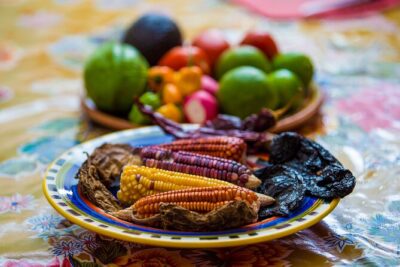
Mexican Cooking from Scratch in a Local Home in Tulum
Read our review →
Mexican Cooking Class with Food Market Visit in Mexico City
Read our review →
Essence of Mexico: Authentic Mexican Cooking Class & Market Tour
Read our review →
Mexican Cooking Class with fresh Local Market ingredients selection and transpor
Read our review →
Oaxaca: Oaxacan Mole Workshop with a Traditional Cook
Read our review →Browse the lists this tour appears in