
Review · MEXICAN
Private Mexican Cooking Class with Licensed Chef
The best part of this San Miguel experience is that you do not simply watch a chef plate dinner. Chef David Jahnke puts you to work, explains why Mexican cooking works, and connects each ingredient to the long journey of food across Mexico and the world. You may prepare tortilla soup, enchiladas verdes, Veracruz-style snapper, and buñuelos, or choose four different dishes from his menu.
I like the freedom to shape the meal around your interests and diet. I also like that the class ends with usable recipes and practical skills, from handling dried chiles to building a broth. The main consideration is timing: David may spend a substantial part of the opening session on food history and instruction, so this suits curious cooks more than anyone seeking a quick lunch.
Key points to know before booking
- Four dishes, one private class: Your group cooks and eats four recipes during the roughly three-hour session.
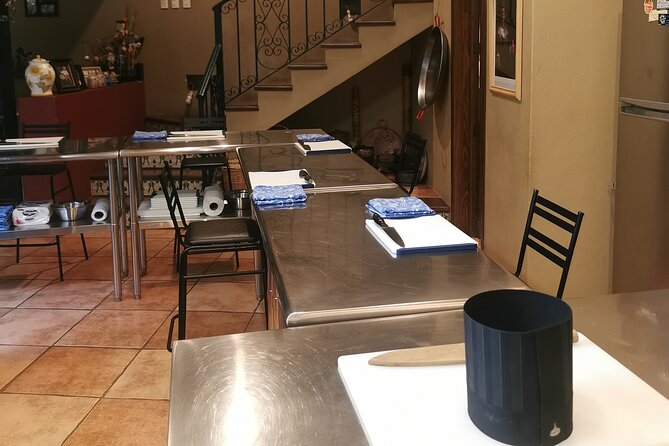
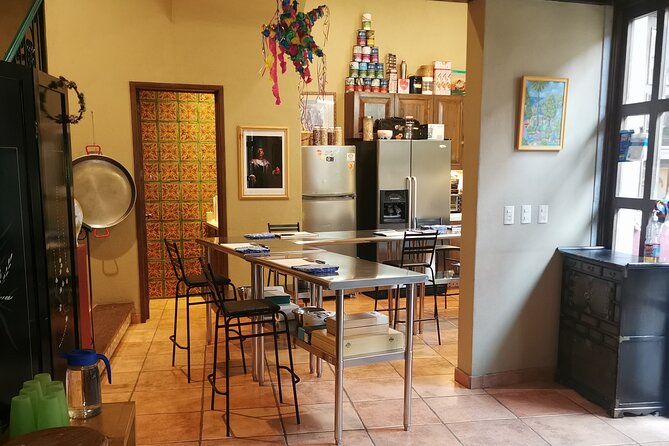
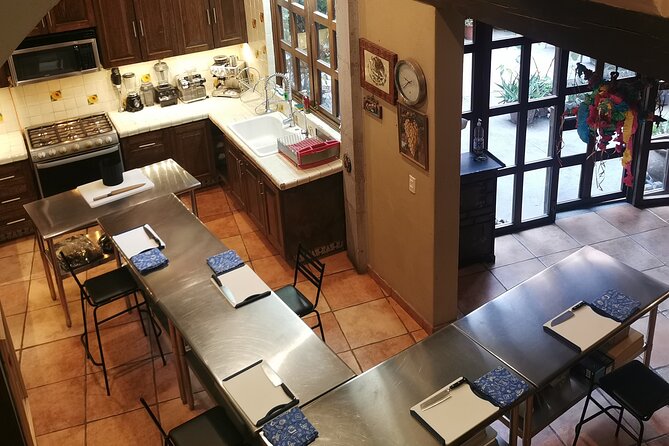
- Chef David teaches from his home kitchen: The setting is personal rather than a large commercial cooking school.
- You can help choose the menu: Options include vegan, vegetarian, gluten-free, pescetarian, and other dietary adaptations.
- The opening lesson matters: Expect food history, ingredient context, nutrition notes, and technique before the meal comes together.
- The food is plentiful: Plan this as lunch, not a light tasting. You may leave too full for dinner.
- The class is practical: David sends the recipes afterward, giving you a real chance to repeat the dishes at home.
What this San Miguel cooking class is really about
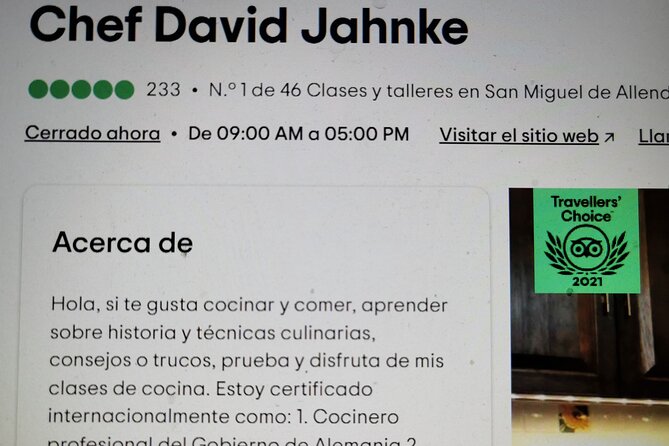
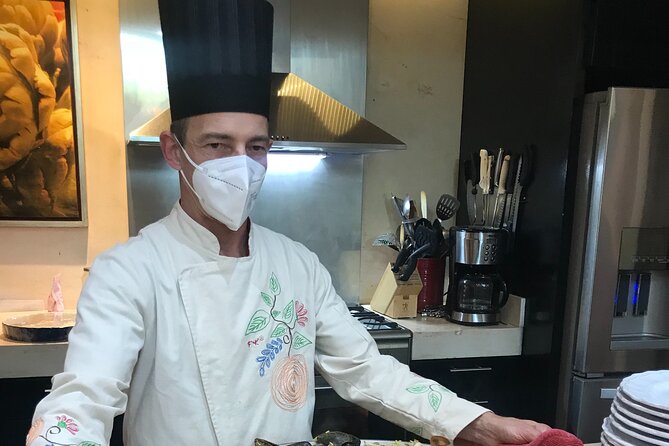
This is a private Mexican cooking lesson led by Chef David Jahnke, a German-born chef who has worked internationally for 34 years. His credentials are unusually broad: he is certified as a professional cook by the German government, a chef educator by the World Association of Chefs, a gastronomy graduate certified by Mexico’s Secretary of Education, and a Maitre Cuisinier through a French culinary association.
Those titles matter less than how the class is used. David teaches in a way that combines food preparation with cultural context. You learn what an ingredient does, how a technique developed, and why a dish belongs to a particular Mexican tradition. If you enjoy asking why a sauce is built in a certain order, this approach will reward you.
The class takes place at Chef David Jahnke Cooking Classes School at C. Del Tesoro 23 in the San Antonio area of San Miguel de Allende. It runs Monday through Saturday from 11 a.m. to 2 p.m., and the experience returns to the same meeting point.
More Mexican Cooking Classes in Mexico:
- Cabo San Lucas Mexican Cooking Class Experience and Local Markets
★ 5.0 · 915 reviews - Mexican Cooking from Scratch in a Local Home in Tulum
★ 5.0 · 585 reviews - Authentic Mexican Legacy Cooking Class in Cabo San Lucas
★ 5.0 · 530 reviews
Your first hour: ingredients, history, and a plan
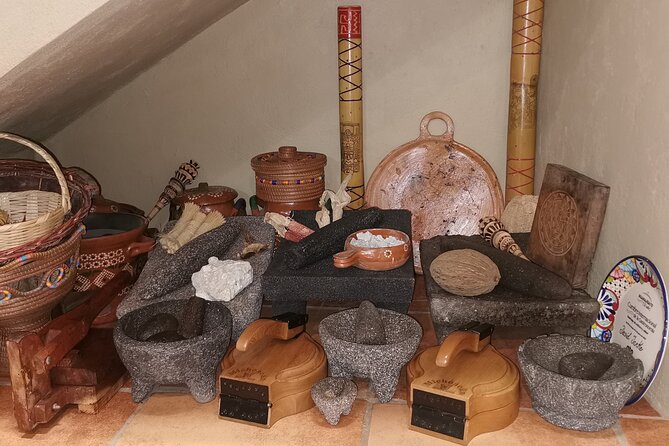
Do not expect to start chopping the moment you arrive. The class often opens with a substantial explanation of Mexican agriculture, food traditions, and the movement of ingredients between cultures. Past sessions have included discussion of dried chiles such as serrano, guajillo, and ancho, along with traditional cooking tools and indigenous ingredients.
I see this as a strength, but it is also the clearest issue to consider. If you want immediate hands-on work, the introduction may feel long. If you want to understand how Mexican food developed, it gives the rest of the meal more meaning.
David also works with you to choose the four recipes. The sample menu is not fixed. After booking, you receive a broad list of possible dishes and can select a combination that suits your group. That makes this a better fit for repeat cooks, families with mixed tastes, and anyone managing food restrictions.
Dietary flexibility includes vegan, vegetarian, gluten-free, pescetarian, and other adjustments. You should communicate your needs when arranging the menu rather than waiting until class time. The ability to select dishes ahead of time is especially useful for a private group where one person may not eat chicken, another may avoid dairy, and someone else wants seafood.
Hands-on cooking or a chef-led demonstration
You can choose between hands-on cooking and a demonstration format. The hands-on option is the better value for most people because you practice the knife work, preparation, cooking, and assembly yourself. A demonstration may suit you if you want to focus on watching, taking notes, or letting the chef handle more of the technical work.
The class is organized around four dishes, not one recipe repeated in several forms. That gives you a useful range of skills. You may work with broth, corn tortillas, tomatillo sauce, fish, banana leaves, dried chiles, fresh herbs, fruit, and piloncillo sugar in a single afternoon.
The preparation is set up in stages, with ingredients ready for the workstations. David explains each part before you proceed, then shows how the finished food should be presented. This keeps the class moving while still giving you a chance to handle the food.
A solo participant can get direct attention, while couples and families can divide the preparation. A private group also means you do not have to follow a stranger’s menu or pace. The tradeoff is that the experience depends heavily on your group’s interest. Four people who want to cook will get more from it than four people who only want a meal.
The sample menu: four very different Mexican dishes
The sample menu gives you a good sense of the class’s range. It begins with Sopa de Tortilla, also called Aztec or Mexican tortilla soup. The base is a chicken and tomato broth, served with fried pasilla chile, corn chips, avocado, cream, and fresh ranchero cheese.
This dish is useful for learning balance. The broth brings warmth, while the chile, cream, avocado, and crisp tortilla pieces add different textures and levels of richness. You can see how a simple soup becomes a complete dish through toppings and contrast.
The first main course is enchiladas verdes. Chicken-filled corn tortillas are covered with a green tomatillo and chile sauce, then finished with lettuce, avocado, Mexican cream, and fresh ranchero cheese. The lesson here is not just rolling tortillas. You learn how the sauce controls the character of the dish and how toppings add freshness to a warm, filling meal.
The second main course is pescado a la Veracruzana, a Veracruz-style snapper filet. The fish is steamed inside a banana leaf and served with a tomato sauce containing olives, capers, bell peppers, onion, and other ingredients.
This is the menu’s clearest example of Mexico’s layered food culture. The dish brings together seafood, tomato, briny olives and capers, vegetables, and a cooking method that protects the fish’s moisture. It also gives you a technique you can adapt to other fish at home.
Dessert is buñuelos, Mexican fritters served with a syrup made from piloncillo, guava, citrus, anise, cinnamon, vanilla, and other flavors. This is a useful reminder that Mexican desserts are not limited to chocolate or custard. Piloncillo gives the syrup a deep sweetness, while fruit, spice, and citrus keep it from tasting flat.
You are not required to choose this exact menu. Other classes have included ceviche al estilo Acapulco, mole poblano, and chocolate flan. The ability to select four dishes is one of the strongest reasons to book this rather than a standard fixed-menu lesson.
More Hands-On Workshops in Mexico:
- Puerto Vallarta Cooking Class Experience with Market Tour
★ 5.0 · 698 reviews - Mexican Cooking Class with Food Market Visit in Mexico City
★ 5.0 · 506 reviews - Authentic Mayan Cooking Class in Cozumel
★ 5.0 · 344 reviews - Flavors of Oaxaca: Cooking Class with No Set Menu and Local Market Tour
★ 4.5 · 333 reviews
Learning the why behind Mexican food
David’s teaching goes beyond saying add this ingredient and stir. He explains the reason for the method, the history of ingredients, and the way food traditions changed over time. He also brings in nutritional information and healthy cooking ideas.
That broader lesson is why this feels more like a culinary course than a restaurant meal. You may learn how different dried chiles affect a dish, why a sauce needs a particular base, or how a traditional ingredient fits into a modern kitchen. You also get useful knife skills and preparation methods that apply outside Mexican cooking.
The class can be especially rewarding if you have cooked before but want to improve your instincts. You will not become David’s equal in three hours, but you can leave with better control of seasoning, texture, preparation order, and presentation.
One unusual feature is David’s garden, which has been used as a source of ingredients during class. The exact garden activity can vary, so do not book solely for that detail. Still, it adds a direct connection between the food on the counter and the place where some ingredients grow.
Eating what you prepare
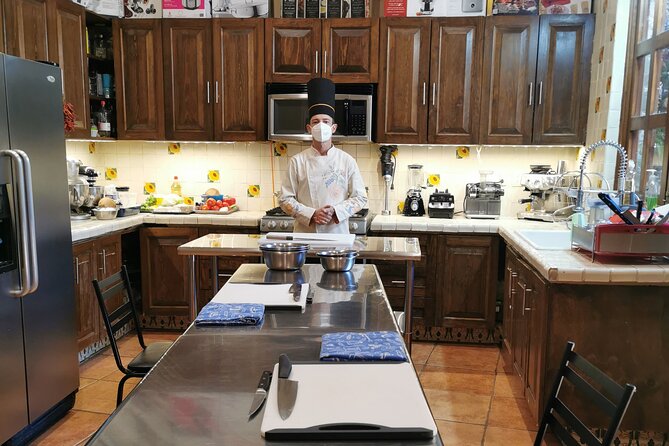
The meal is served as the four dishes are completed. This is not a tasting menu with tiny portions. You eat the food made during the class, and the combination of soup, two main courses, and dessert can be substantial.
Plan your day accordingly. If you schedule this from 11 a.m. to 2 p.m., it functions as a full lunch and may carry you into the evening. Some participants have found the portions more than they could finish, so avoid booking a major dinner immediately afterward.
One point needs clear explanation: this is not a take-home meal service. You prepare and eat the food during the class. If you expected containers of the finished dishes to carry away, you may be disappointed. The take-home benefit is the instruction and the recipes, not leftovers.
David follows up by sending the recipes from the session. That makes the class more useful than a meal you remember vaguely after returning home. You can shop for the ingredients, recreate one dish at a time, and use the methods in other recipes.
Price, value, and who gets the most from it
At $147 per person, this is not a budget lunch. It is fair value if you treat it as a private lesson, a substantial meal, and a cultural activity in one package. You receive about three hours with a professionally certified chef, four dishes, menu flexibility, and recipes for later use.
The price makes less sense if you mainly want to eat Mexican food without cooking. San Miguel has many places to dine for less, and this experience asks you to spend time preparing the meal. You are paying for access to David’s instruction and attention, not only for the ingredients.
I would especially recommend it to people who:
- Enjoy cooking or want to build confidence in the kitchen
- Like food history and cultural context
- Want recipes they can recreate at home
- Have dietary restrictions that make fixed menus difficult
- Are traveling as a family or private group
- Prefer a personal class to a large group demonstration
It may be less suitable for anyone who dislikes kitchen work, needs a fast meal, or expects to take prepared food away. The private format helps keep the class personal, but the session still follows a teaching rhythm and cannot be rushed without losing much of its value.
Practical details for planning your afternoon
The meeting point is C. Del Tesoro 23 in San Antonio, San Miguel de Allende. The location is near public transportation, and the activity ends back at the same point. The class is offered in English.
A mobile ticket is provided, and confirmation arrives at booking. Since the class is offered Monday through Saturday from 11 a.m. to 2 p.m., you can place it into a morning or afternoon sightseeing plan, but allow room for the meal to run its full course.
The experience is private, so only your group participates. This is a major advantage if you want to select all four dishes around your own tastes. It also means you should book early if your dates are fixed. The experience is often reserved about 39 days ahead.
Free cancellation is available until 24 hours before the start time for a full refund. Cancellations or changes made inside that window are not accepted for a refund, and the cut-off follows local San Miguel time.
Should you book Chef David’s class?
Book it if you want to understand Mexican food, not simply sample it. The strongest parts are David’s teaching, the choice of four dishes, the cultural explanation, and the recipes sent afterward.
I would choose the hands-on format and select a menu with different techniques, such as soup, a chile-based dish, seafood, and dessert. Tell David about dietary needs early, and do not plan a large dinner after the class.
Skip it if your main goal is a quick meal or a take-home feast. For curious cooks, food lovers, and families who want one substantial San Miguel experience, the $147 price buys far more than lunch: it gives you a set of skills and dishes you can carry into your own kitchen.
FAQ
Where does the cooking class take place?
The class takes place at Chef David Jahnke Cooking Classes School, C. Del Tesoro 23, San Antonio, 37750 San Miguel de Allende, Guanajuato, Mexico.
How long does the experience last?
The class lasts approximately three hours, from 11 a.m. to 2 p.m.
Which days is the class offered?
It is offered Monday through Saturday.
Is the class taught in English?
Yes. The experience is offered in English.
Is this a private activity?
Yes. Only your group participates.
How many dishes do you prepare?
You prepare four dishes or recipes during the class.
Can I choose the dishes?
Yes. You can cook the sample menu or choose four dishes from a larger selection provided after booking.
Can the menu accommodate dietary restrictions?
Yes. Vegan, vegetarian, gluten-free, pescetarian, and other dietary options are available.
Do I take the food home afterward?
The food prepared during class is eaten during the experience. Recipes are sent afterward so you can recreate the dishes at home.
Just added around Mexico
- State-of-the-art Mexican cooking classes★ 5.0 · 52 reviews
- Private Pre-Hispanic Cooking Class with a Mexican Grandmother★ 5.0 · 29 reviews
- Cook & Dine | Make Authentic Mexican Mole and Salsas in San Miguel de Allende★ 5.0 · 113 reviews
- Cooking classes + margaritas and mezcal tasting★ 4.5 · 29 reviews
- Tamales or chiles rellenos cooking class,tequila & Mezcal tasting★ 5.0 · 17 reviews
- Farm to Table Cooking Experience in San Miguel★ 5.0 · 4 reviews
- Mexican Cooking Class and Tequila Tasting★ 5.0 · 4 reviews
- Authentic Cooking Class in Puerto Vallarta with Local Chef, Manu★ 5.0 · 90 reviews
Mexican Cooking Classes, compared.
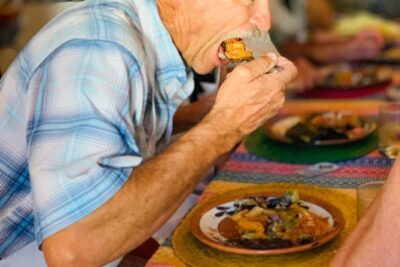
Cabo San Lucas Mexican Cooking Class Experience and Local Markets
Read our review →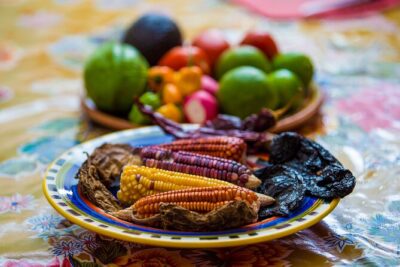
Mexican Cooking from Scratch in a Local Home in Tulum
Read our review →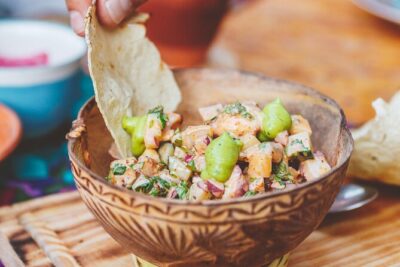
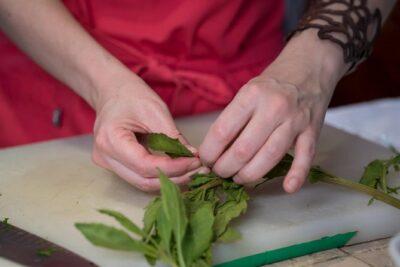
Mexican Cooking Class with Food Market Visit in Mexico City
Read our review →
Essence of Mexico: Authentic Mexican Cooking Class & Market Tour
Read our review →
Mexican Cooking Class with fresh Local Market ingredients selection and transpor
Read our review →
Oaxaca: Oaxacan Mole Workshop with a Traditional Cook
Read our review →Browse the lists this tour appears in