
Review · MADRID
Spanish Cooking Class Paella Tapas and Sangria in Madrid
The best part of this Madrid cooking class is that you do not just watch a chef work. You shop for ingredients on the morning session, prepare the food in pairs, and sit down to eat what you made. I like the small maximum of 12 people, which gives the chef room to help without turning the class into a stage show.
I also like the choice between a paella-focused morning and a tapas-focused evening. The main thing to check before booking is the menu: the two sessions are different, and the evening tapas class does not automatically include paella. That small detail has confused some people.
Key points at a glance
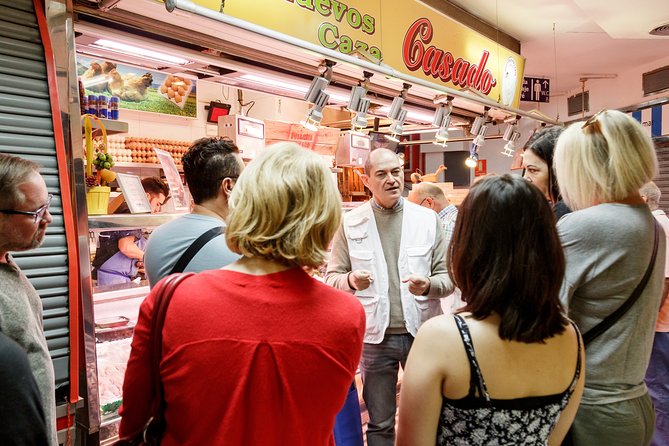
- Morning market visit: Walk to a local market with the chef, learn about Spanish ingredients, and help choose what goes into the meal.
- Two distinct menus: Morning classes center on paella, gazpacho, and sangria; evening classes focus on tapas, dessert, and sangria.
- Real hands-on cooking: You work in pairs and prepare the dishes rather than simply watching a demonstration.
- A social meal afterward: Sit down with the group to eat, compare travel stories, and enjoy the food and drinks included in the class.
- Named local instructors: Angel, Teresa, Elisa, and Eduardo are among the chefs who have led sessions, each bringing a friendly, practical teaching style.
- Useful take-home souvenir: The recipe booklet lets you try the dishes again after your trip.
Cooking Spanish food instead of just eating it
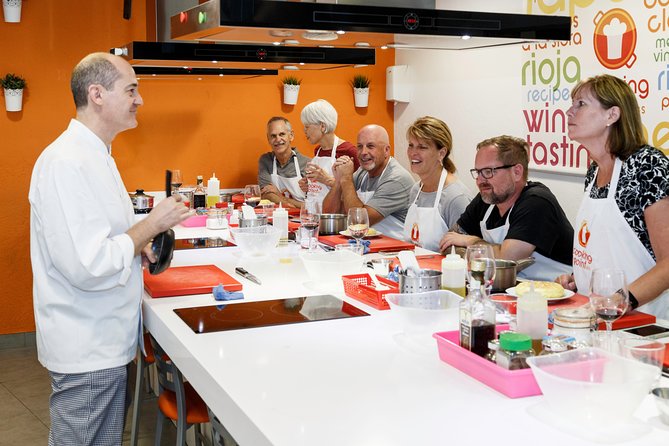
Madrid is full of places to order tapas, but a cooking class gives you a better sense of how the food comes together. Here, you work under the direction of an English-speaking local chef and prepare a meal from scratch with your classmates.
The class lasts about four hours and begins at Cooking Point, at Calle de Moratín 11 in central Madrid. It ends at the same location, so you do not need to arrange a second meeting point or find your way back after dinner.
The group can include up to 12 people. That is large enough for a social atmosphere but still small enough for the chef to circulate and answer questions. You work in pairs, and if you arrive alone, the class matches you with a cooking partner.
That format matters. A cooking class can be disappointing when the chef handles every important step while you stand nearby. This one is designed to give you jobs to do, with the chef stepping in to guide the timing and technique. You should expect a working kitchen, shared tasks, and a meal that depends partly on your own attention.
More Paella and Spanish Classes in Spain:
- Barcelona: Paella Cooking Experience & Boqueria Market Tour
★ 4.8 · 3,661 reviews - Barcelona Paella Cooking Class with Market Visit, Tapas & Sangria
★ 5.0 · 2,531 reviews - Barcelona Interactive Spanish Cooking Experience
★ 4.5 · 2,155 reviews
Choose paella in the morning or tapas at night
The menu depends on the session you book, so read the option carefully before paying.
The morning paella class includes paella, gazpacho, and sangria. The class also includes a visit to a local market to buy fresh ingredients. That market walk adds a useful local angle because you are not only told what goes into the food. You see the ingredients, hear about Spanish shopping habits, and help make choices before returning to the kitchen.
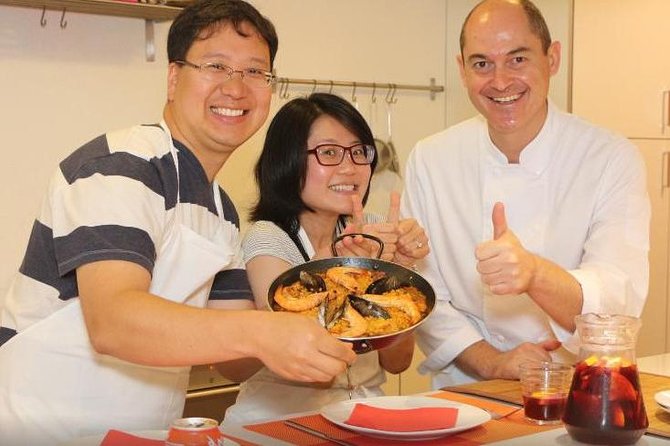
The paella class may suit you best if you want one famous Spanish dish to take home and repeat. The instruction covers the preparation and cooking process, and the chef explains different types of paella and the background of the dish. You also prepare gazpacho, a cool vegetable soup that is simple enough to recreate in your own kitchen.
The evening tapas class has a broader menu. It can include Spanish potato omelet, garlic shrimp, chorizo in cider, patatas bravas, tomato bread with ham, crema Catalana, and sangria. You will not necessarily prepare every dish listed in every session, but this is the option for you if small plates and variety appeal more than one large rice dish.
A practical warning: the tapas and paella sessions are separate experiences. If you want to make paella, choose the morning paella option. Do not assume the evening tapas class will include it.
The market walk gives the morning class extra value
The market visit is one of the strongest reasons to choose the morning session. The chef explains local produce, seafood, meat, and everyday Spanish eating habits while you shop for the ingredients used in class.
Angel has been praised for explaining how foods are sourced and eaten in Spain. Eduardo has also guided shoppers through the market, discussing the origins and flavors of the food before letting the group help choose ingredients. These details turn a standard cooking lesson into a short food-and-culture outing.
The walk is especially useful if you are staying in the neighborhood. It helps you recognize the sort of market that locals use and gives you a practical look at ingredients you may have already seen on restaurant menus.
There is one limitation: the market visit is specifically listed as a bonus for the morning class. If you book the evening tapas session, you should not expect the same shopping walk. The evening option puts its time into preparing and eating the tapas menu instead.
What the four-hour class feels like
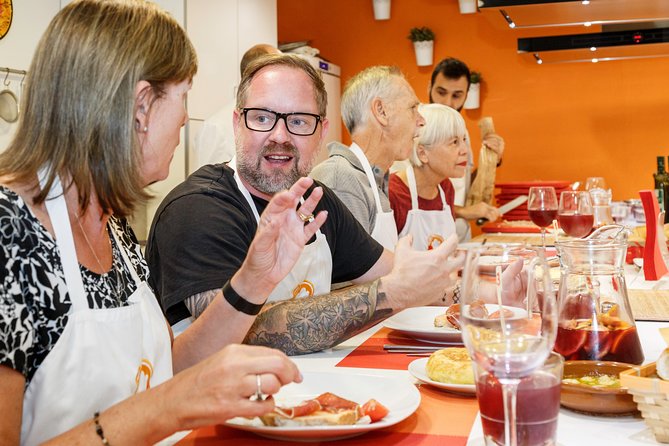
At the start, the chef explains the plan, assigns partners, and lays out the work. You then prepare the menu with guidance from the instructor. The class is intended for beginners, but people with more cooking experience can still learn new methods and ask questions.
The chefs most often praised for their teaching are Angel, Teresa, Elisa, and Eduardo. Their styles differ, but the pattern is clear: friendly instruction, clear directions, humor, and patience. Teresa is described as particularly energetic and good at keeping a group organized. Elisa brings humor and cultural context. Angel is known for explaining the food while keeping everyone involved. Eduardo is noted for a calm approach and a very clean kitchen.
The work is practical. You may chop, stir, season, assemble, or help with several dishes. The chef provides guidance but does not simply take over. That balance is important for anyone who wants to return home able to make the recipes rather than only remember watching them.
The class also leaves room for conversation. The chef discusses Spanish cuisine, local eating habits, and the origins of particular dishes. You can ask questions as you work, which makes the lesson feel more natural than a formal lecture.
More Hands-On Workshops in Spain:
- Paella Cooking Class, Wine Tasting & Central Market in Valencia
★ 5.0 · 1,150 reviews - Paella Cooking Class in Madrid with Bottomless Wine Pairing
★ 5.0 · 985 reviews - Seville: Spanish Cooking Class with Dinner
★ 4.9 · 900 reviews - Valencian paella cooking class, tapas and visit to Ruzafa market.
★ 5.0 · 828 reviews
The food you make and eat
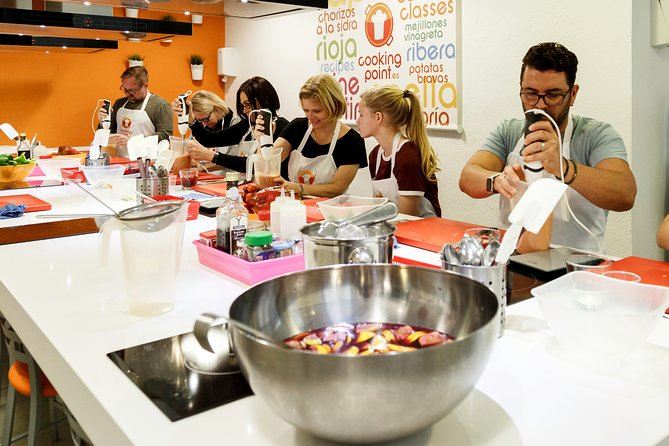
The meal is the reward at the end, and the portions appear generous enough that some people have taken leftovers home. The cooking finishes with everyone sitting down together to eat what the group has prepared.
In the morning, expect the paella to be the center of the meal. Gazpacho adds a fresh starter, and sangria gives the class its social Spanish touch. The result is a substantial lunch rather than a quick tasting.
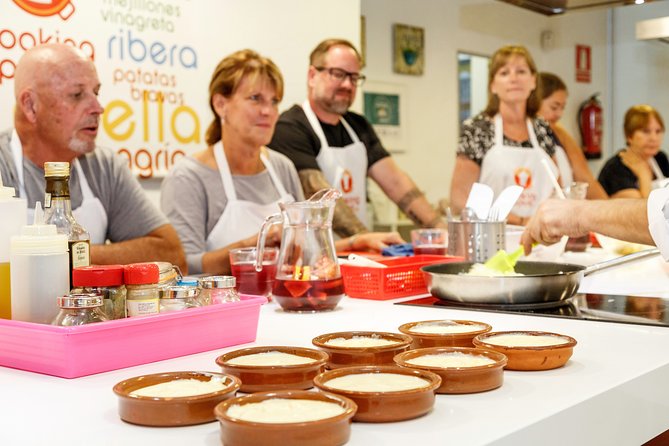
The evening menu offers more variety. A Spanish potato omelet brings eggs and potatoes together in a classic home-style dish. Garlic shrimp and chorizo in cider add stronger flavors, while patatas bravas provide one of the familiar bar snacks you are likely to see around Madrid. Tomato bread with ham is simple but useful to learn because it shows how a few good ingredients can make a satisfying tapa.
Crema Catalana provides dessert. It is a nice change from a class that ends with only savory dishes, though the menu can vary, so you should treat the sample list as a guide rather than a guarantee.
Sangria is included with the class. The minimum drinking age is 18. If anyone in your group does not drink alcohol, you should raise that when booking and confirm what alternatives are available.
Dietary needs and family suitability
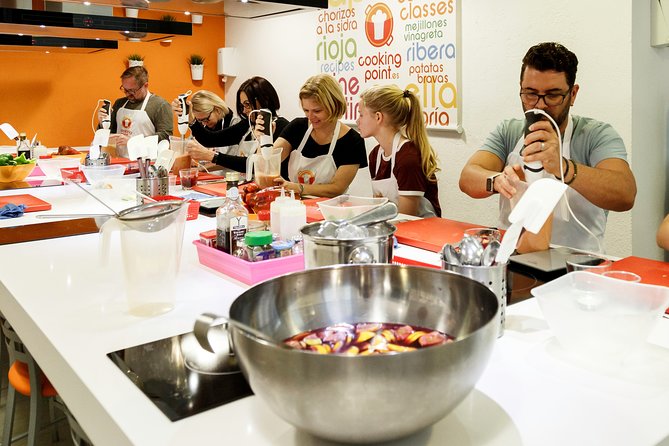
The provider says dietary requirements can be accommodated, provided you mention them when booking. This is important because the class involves a shared menu and several dishes with common allergens or animal products.
Do not wait until you arrive to explain a restriction. Send the information at booking so the kitchen can plan the ingredients and pairings. The supplied information does not list specific substitutions, so you should ask directly if your needs are detailed or severe.
This is also a good family activity. Children have taken part successfully, including a six-year-old in an evening class. Still, the experience is a real cooking session with knives, hot pans, and food preparation, so an adult should stay responsible for young children.
The class can work well for mixed skill levels. Beginners receive step-by-step help, while confident cooks can focus on technique and ask more detailed questions. You do not need to arrive as an expert.
What makes the group size and setting matter
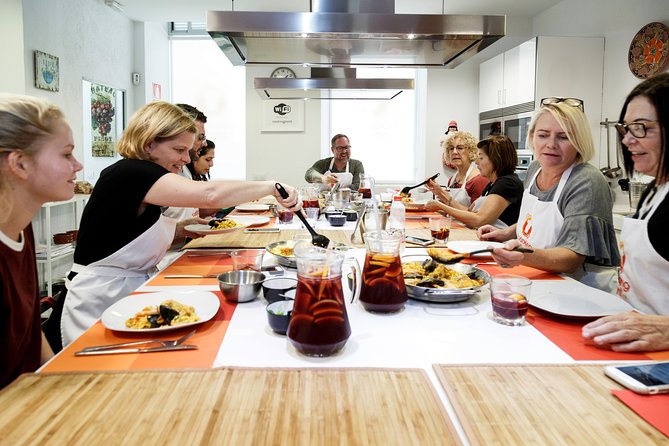
A maximum of 12 participants is a useful limit for this kind of activity. Cooking becomes frustrating when too many people crowd around one work surface or wait for a turn. With a smaller group, you are more likely to have a direct exchange with the chef and a meaningful job during each stage.
The pair system also helps keep the class moving. You share tasks with one other person rather than trying to manage every recipe alone. If you are traveling solo, being matched with a partner keeps you from being left on the sidelines.
The social side is part of the value. After the cooking, you eat with the class and trade stories about your trip. That can be a pleasant way to meet people, though it also means this is not a private dining experience for couples seeking a quiet meal.
Is $102.79 a fair price?
At $102.79 per person, this is not a budget meal. You are paying for about four hours of instruction, the food and drinks, a local chef, the morning market walk when applicable, and the recipe booklet.
The value is strongest if you take part fully. You are not just buying dinner. You are getting a guided food experience, a market visit in the morning, cooking practice, cultural explanations, and a meal that can be quite substantial. If you are already planning to eat tapas and drink sangria in Madrid, the class combines that expense with a useful skill.
The price is less compelling if you mainly want a quick taste or a polished cooking demonstration. This experience takes half a day, and the meal depends on group work. You should book it because you want to cook, not because you want someone else to prepare everything for you.
It is wise to reserve ahead. The experience is booked, on average, 37 days before the date, and the small group can fill. Confirmation is provided at booking unless you reserve within one day of the start time, in which case it is subject to availability.
Location, transport, and timing
The meeting point is Cooking Point at Calle de Moratín 11, in Madrid’s Centro district. The location is near public transportation, but hotel pickup and drop-off are not included.
Plan to reach the address on your own and allow extra time to find the cooking school. The activity begins and ends there, which makes the return simple after the meal. You should also think about the timing of your other plans. A four-hour morning class occupies a large part of the day, while the evening session will affect your dinner schedule.
The mobile ticket is convenient, but you still need to check the meeting instructions and arrive at the stated time. A cooking class cannot easily wait for late arrivals once the group has started chopping and preparing.
Who should book this Madrid class?
I would choose this experience if you enjoy food, want to meet people, and prefer active sightseeing to simply sitting at a restaurant. It is especially well suited to couples, families with older children, solo visitors comfortable working with a partner, and friends who like to cook together.
Choose the morning paella class if the market walk and one classic Spanish dish are your priorities. Choose the evening tapas class if you want several small plates, dessert, and a livelier dinner-style gathering.
You may want a different activity if you need a private lesson, dislike shared cooking spaces, or want a guaranteed fixed menu with no group participation. The class is friendly and well organized, but it is still a group experience.
Free cancellation is available up to 24 hours before the start time for a full refund. Changes or cancellations made less than 24 hours before the activity are not accepted or refunded, so check your schedule before booking.
Should you book it?
Yes, if you want to understand Spanish food by preparing it yourself. The market visit, hands-on work, generous meal, friendly chefs, and recipe booklet give the morning paella session particularly good value.
The evening tapas class is also a strong choice, but only if you want tapas rather than paella. Read the menu option carefully, mention dietary needs in advance, and arrive ready to work. For a half-day in central Madrid, this is a practical and sociable way to turn a meal into a skill you can take home.
FAQ
Where does the Madrid cooking class begin and end?
The class begins at Cooking Point, Calle de Moratín 11, Centro, 28014 Madrid, Spain. It ends back at the same meeting point.
How long does the experience last?
The cooking class lasts about four hours.
Is the class offered in English?
Yes. An English-speaking local chef leads the class.
What is the difference between the morning and evening classes?
The morning class focuses on paella, gazpacho, and sangria, and includes a local market visit. The evening class focuses on tapas such as Spanish potato omelet, garlic shrimp, chorizo in cider, patatas bravas, tomato bread with ham, crema Catalana, and sangria.
Does the tapas class include paella?
The listed menus are separate. The morning session is the paella class, while the evening session is the tapas class. Choose the morning option if making paella is important to you.
Is the market visit included?
The market visit is included with the morning class. It is described as a shopping visit for fresh ingredients before cooking.
Can dietary requirements be accommodated?
Yes. Dietary needs can be accommodated, but you must advise the provider when booking.
Is sangria included, and what is the minimum drinking age?
Drinks, including sangria, are included. The minimum drinking age is 18.
Can I cancel for a refund?
You can cancel up to 24 hours before the experience start time for a full refund. Cancellations or changes made less than 24 hours before the start time are not accepted or refunded.
Just added around Spain
- Basque Pintxos and Tapas Cooking Class in Bilbao★ 5.0 · 73 reviews
- Paella and Burnt Basque Cheesecake Cooking Class (in Bilbao)★ 5.0 · 46 reviews
- Small-group Immersive Basque Cooking Class in Bilbao with Open Bar★ 5.0 · 65 reviews
- Pintxos and Tapas Cooking Class in Bilbao★ 5.0 · 38 reviews
- Private Authentic Paella Cooking Class in Barcelona with Josh★ 5.0 · 3 reviews
- Private Barcelona Market Tour & Paella Cooking Class with Josh★ 5.0 · 4 reviews
- Rooftop Paella Seafood Cooking Class Experience in Barcelona★ 5.0 · 59 reviews
- Premium Cooking Class in Designer Loft: Paella & Spanish Tapas★ 5.0 · 18 reviews
Spanish & Paella Cooking Classes, compared.
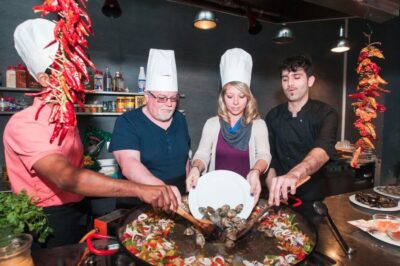
Barcelona: Paella Cooking Experience & Boqueria Market Tour
Read our review →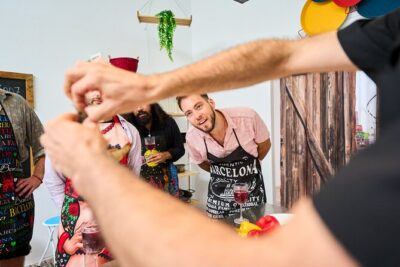
Barcelona Paella Cooking Class with Market Visit, Tapas & Sangria
Read our review →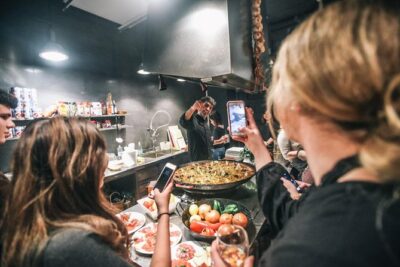
Barcelona Interactive Spanish Cooking Experience
Read our review →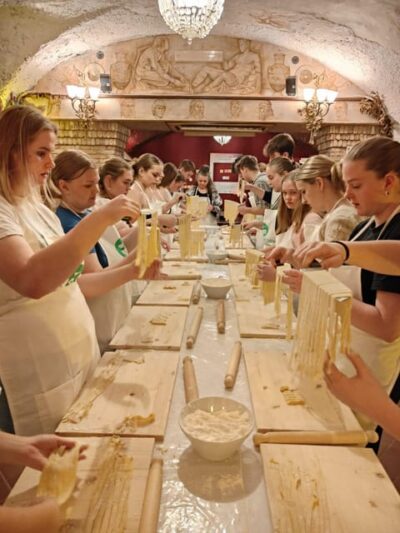
Rome: Pasta & Tiramisu Cooking Class near the Spanish Steps
Read our review →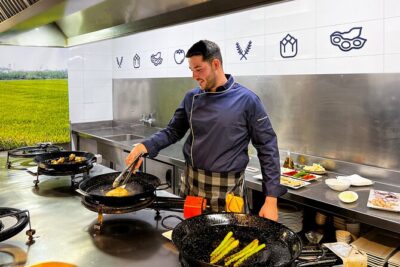
Paella Cooking Class, Wine Tasting & Central Market in Valencia
Read our review →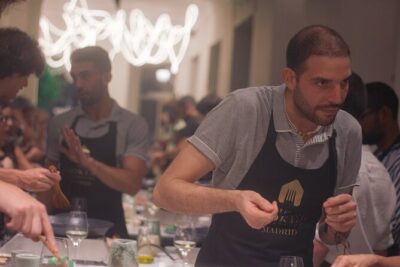
Paella Cooking Class in Madrid with Bottomless Wine Pairing
Read our review →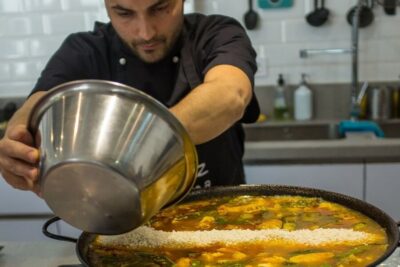
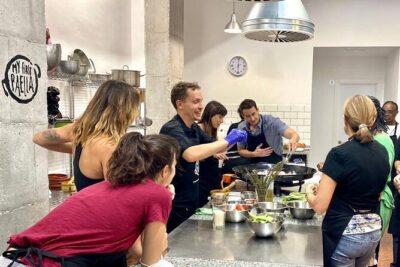
Valencian paella cooking class, tapas and visit to Ruzafa market.
Read our review →Browse the lists this tour appears in