Review · THESSALONIKI
Thessaloniki: Greek Cooking Class, Market Visit and Lunch
Thessaloniki’s best food lesson starts before anyone turns on a stove. You begin at Kapani Market, tasting Greek olives and choosing vegetables with your guide, then cook dishes such as tzatziki, dolmadakia, Greek salad, stuffed peppers and tomatoes, and chocolate salami. I like the market-first approach, and I like that lunch is made by you and served in a traditional tavern. The main consideration is that the cooking may feel fairly simple rather than like an advanced pastry or filo-dough class.
I also like the personal touch. Maria has been praised for making people feel at ease, explaining the origins of ingredients, and sharing a window into daily Greek life. Depending on the date, you may instead meet Ellie, another friendly local guide. The 3.5-hour format is long enough for a proper meal but short enough to fit beside Thessaloniki sightseeing.
Key points to know before booking
- Kapani comes first: Shop for vegetables among the stalls used for everyday grocery shopping, with an olive tasting to get the morning started.
- The menu is classic Greek comfort food: Expect tzatziki, dolmadakia, Greek salad, stuffed vegetables, and chocolate salami.
- You eat what you prepare: The finished dishes become your lunch in a traditional tavern in central Thessaloniki.
- Maria is a standout guide: Her clear explanations, kindness, and easy manner have earned especially warm praise.
- Modiano adds another food stop: You visit the market and taste local cheese as part of the culinary walk.
- It suits curious beginners best: The recipes are approachable, though experienced cooks may want more technical work.
A market morning instead of a standard cooking class
Many cooking classes begin with a recipe sheet and a counter full of measured ingredients. This one begins in the middle of Thessaloniki, at Aristotelous Square, before taking you into the city’s food markets.
That choice matters. You do not simply hear that Greek cooking uses fresh vegetables, olives, yogurt, herbs, and cheese. You see the ingredients where local shoppers buy them, compare what is available, and help decide what will go into your meal.
The meeting point is in front of the Electra Palace Hotel on Aristotelous Square. From there, the activity moves toward Kapani Market. The meeting location is central and easy to identify, but you should arrive ready for a walking portion before the cooking starts.
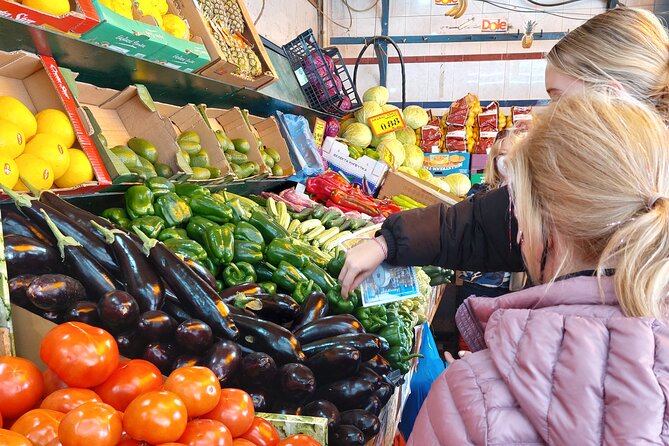
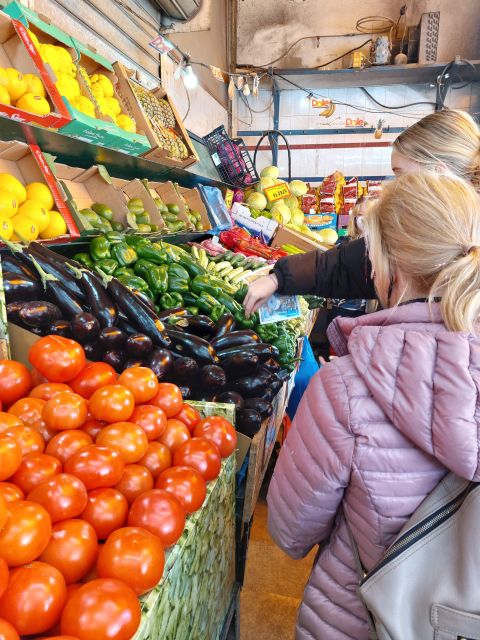
At Kapani Market, the focus is practical rather than staged. This is Thessaloniki’s central market, where locals shop for daily food. Your guide helps select the vegetables needed for the class, and you begin with a quick tasting of fresh Greek olives.
That opening taste is small but useful. Olives are not just a garnish in Greek food. Their salt, bitterness, and texture help explain why simple Greek dishes can have such a strong flavor. If you are new to Greek olive varieties, this gives you a direct introduction before you start preparing lunch.
More Market Tour Cooking Classes in Greece
- Athens: Classic Cooking Class with Market Visit and Wine
★ 5.0 · 1,101 reviews - Athens: Food Market Visit and Cooking Class with Wine
★ 4.9 · 1,087 reviews - Athens Market Tour and Cooking Class in a Beautiful Garden
★ 5.0 · 122 reviews
Kapani Market and the ingredients behind lunch
The market visit gives the cooking class a sense of place. You are not working with anonymous produce bought in advance by an instructor. You see the ingredients in their usual setting and learn how they fit into everyday Greek meals.
Your guide helps choose vegetables for dishes such as stuffed peppers and tomatoes. This also makes the class feel less rigid. The meal is based on traditional recipes, but the market visit connects those recipes to what is fresh and available.
Do not expect a long, free period to shop on your own. The market visit is part of a guided itinerary, so the emphasis is on learning, tasting, and gathering ingredients for the meal. If you want a serious shopping trip for spices or packaged foods, allow separate time in Thessaloniki.
The market is also useful for travelers who want more than a restaurant meal. A plate of stuffed vegetables tells you something about Greek cooking. Seeing the vegetables selected for the dish, then helping prepare them, gives you a better sense of how the food reaches the table.
Modiano Market and a taste of local cheese
The experience also includes a visit to Modiano Market, with a taste of local cheese. This adds another layer to the food story, since Greek cooking depends on more than vegetables and olive oil.
The cheese tasting is brief, but it gives you a chance to compare another everyday ingredient before lunch. It also breaks up the market route and keeps the experience from feeling like a single stop followed by a long kitchen session.
The available details do not specify the exact cheese served, so do not book this expecting a formal cheese seminar. Think of it as a useful taste along the way, part of a broader introduction to Thessaloniki’s food culture.
Kapani and Modiano serve different purposes in the outing. Kapani is tied closely to the vegetables and ingredients used in the recipes. Modiano adds another market setting and a local cheese sample. Together, they make the cooking feel connected to the city rather than separated from it.
Cooking Greek staples with a local instructor
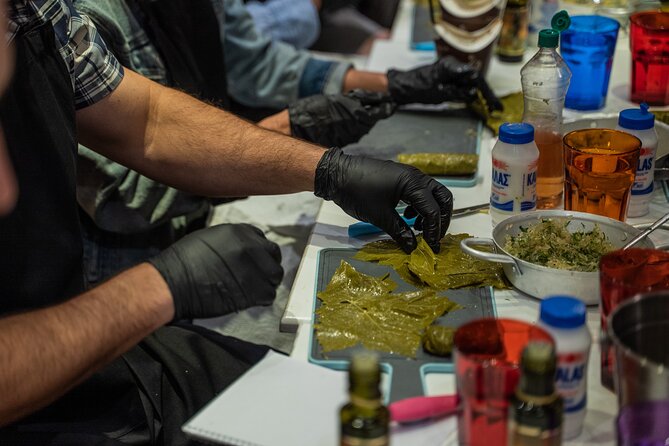
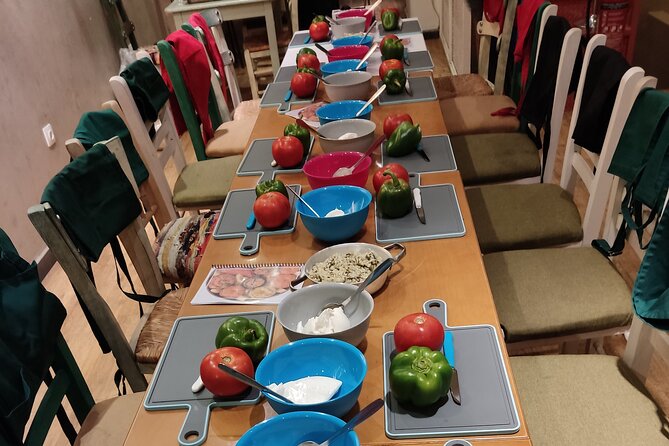
After shopping, you work with a professional cook and facilitator to prepare the meal. The listed dishes are familiar Greek favorites, but the value is in learning how they are assembled and served.
You prepare tzatziki, the cool dip made with yogurt, cucumber, and garlic. It is a good beginner recipe because the ingredient list is short, yet small changes in balance can affect the result. You get a practical lesson in how creamy yogurt, crisp cucumber, and sharp garlic work together.
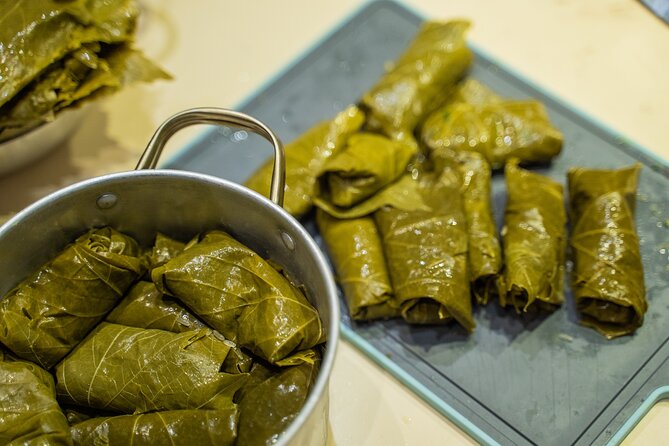
Dolmadakia, or stuffed vine leaves, provide a more traditional dish. The preparation gives you a glimpse of the care involved in wrapping and filling small portions. You should not expect a highly technical restaurant kitchen lesson, but you will leave with a recipe and a better understanding of the dish.
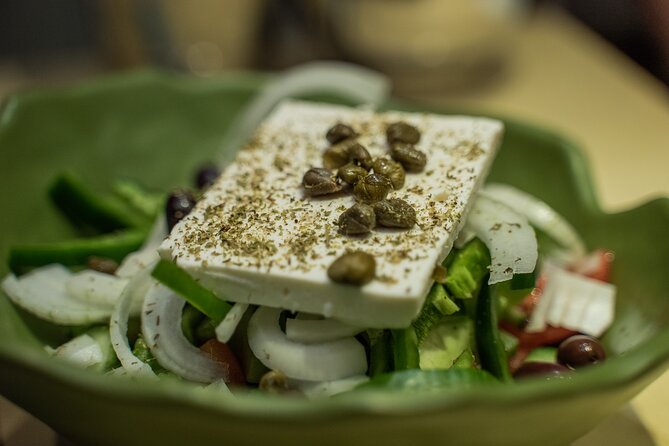
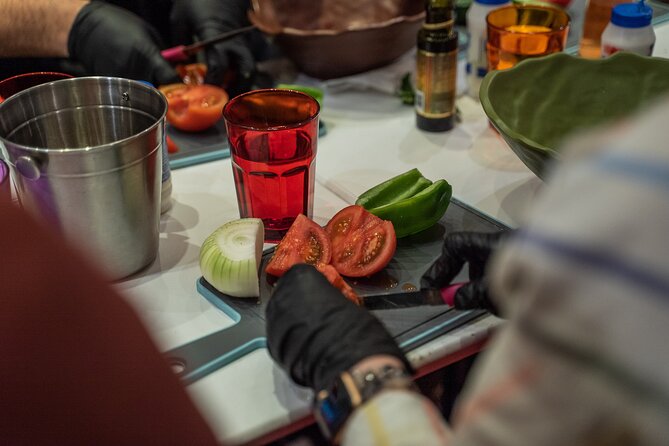
Greek salad keeps the menu fresh and straightforward. Its appeal is not complexity. It depends on good produce and a sensible balance of ingredients. Because you have just visited the market, this salad also makes a clear link between the shopping and the meal.
Stuffed peppers and tomatoes give the class a more substantial main course. These are the kind of dishes that show how Greek home cooking can turn vegetables into a filling meal. The recipes are traditional and accessible, which makes them useful for home cooks who want something they can attempt after returning home.
Dessert is chocolate salami. Despite its name, this is not a meat dish. It is a chocolate-based sweet shaped to resemble salami, and it provides a playful finish to a menu otherwise centered on vegetables, yogurt, cheese, and savory fillings.
More Greek Cooking Classes in Greece:
- Greek Cuisine Cooking Class in Santorini with Recipes and Wine
★ 5.0 · 969 reviews - Greek Cooking Class in Athens Including Rooftop Dinner with Acropolis View
★ 5.0 · 826 reviews - Greek Small-Group Athens Cooking Class & Dinner
★ 5.0 · 574 reviews - Athens: Greek Cooking Class & Dinner on a Rooftop
★ 5.0 · 383 reviews
How hands-on is the cooking?
The class is designed for participation, but the exact amount of hands-on work can vary. You will prepare the listed food with guidance from the cook, yet one past participant wanted more direct cooking time and a more complex menu, perhaps involving filo dough.
That is the clearest limitation to keep in mind. If you already cook often, you may find tzatziki, salad, and stuffed vegetables fairly manageable. The class is better suited to learning traditional combinations, practicing basic preparation, and sharing a meal than to mastering advanced knife skills or professional kitchen technique.
For beginners, this is likely a strength. The recipes are approachable, and the instructor can explain the ingredients and methods without making the session intimidating. Maria, in particular, has been praised for her kind manner and for helping people feel comfortable.
The guide’s role is not limited to cooking instructions. Maria has also explained the origins of ingredients and recipes, giving the class a wider connection to Greek daily life. Ellie has been described as personable and well informed about the area, adding comments about local points of interest during the market walk.
Guide assignments can change, so you should not assume Maria will lead every date. If the guide is important to your decision, check the booking details when selecting your time.
Lunch in a traditional Thessaloniki tavern
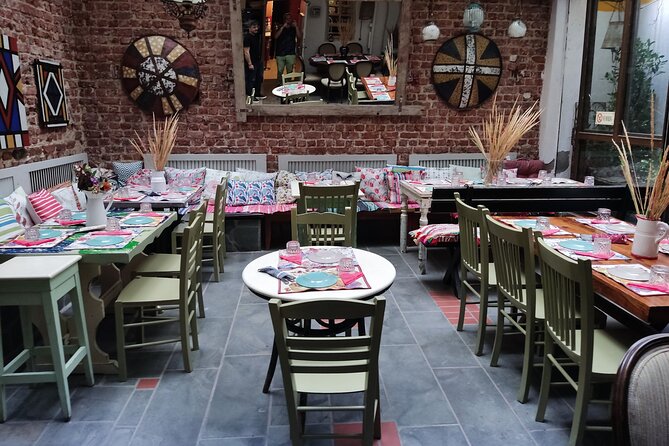
The reward for the market walk and preparation is a sit-down meal in a traditional tavern in the heart of Thessaloniki. You eat the appetizers, salad, main courses, and dessert that you helped make.
This is more satisfying than receiving a plate at the end of a demonstration. You can connect each dish with the work behind it, from selecting the vegetables to preparing the fillings and mixing the sauces.
The meal is also a social part of the experience. Cooking with other people and then eating together gives the class an easy rhythm. It is not simply a lesson followed by a quick snack.
Past feedback has been especially strong on the food and the tavern service. The restaurant staff have been described as attentive and friendly, and the meal itself has received very high praise. That matters because a cooking class can be enjoyable even when the final food is ordinary. Here, the meal is treated as a central part of the outing.
The setting is described as beautiful and traditional, but the supplied details do not name the tavern or provide a sample dining room description. Expect a local-style setting in central Thessaloniki, not a formal restaurant tasting menu.
What the $108 price covers
At $108 per person, this is not the cheapest way to eat lunch in Thessaloniki. You can find a meal for much less, and a market visit on your own costs little beyond what you choose to buy.
The price makes more sense when you count the full package. You receive a guided walk through two central food markets, olive and cheese tastings, help selecting ingredients, instruction from a professional cook, the prepared meal, and dessert. You are paying for access, guidance, and participation, not just food.
I think the value is strongest if you want context with your meal. A restaurant can serve you tzatziki and stuffed vegetables, but it will not usually show you how the ingredients were selected or give you a chance to prepare them yourself.
The value is weaker for advanced cooks seeking difficult techniques. The menu is traditional and appealing, but it is not presented as an expert-level workshop. The earlier request for more filo-dough work is useful guidance: choose this for local food and a friendly lesson, not for a demanding culinary course.
The three-and-a-half-hour length helps justify the cost. You have time for markets, cooking, and lunch without giving up an entire day of sightseeing. It works well on a morning or midday schedule, though you should check the available starting times before planning other activities.
Who will enjoy this experience most?
I would recommend this class to first-time visitors who want an easy introduction to Thessaloniki’s food culture. It is also a good choice for couples, families, and small groups who enjoy doing something together rather than sitting through a standard sightseeing talk.
It suits people who like to eat local food but do not need advanced instruction. You get familiar recipes, a market connection, and a finished meal in one compact outing.
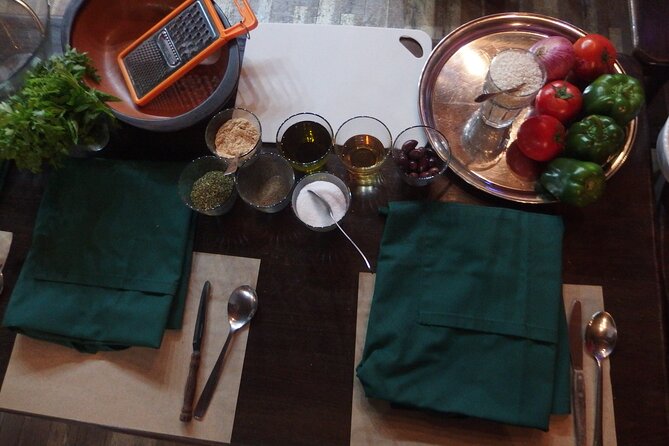
It is also useful for anyone who wants practical recipes to recreate at home. Tzatziki, Greek salad, stuffed vegetables, dolmadakia, and chocolate salami give you a varied set of ideas, from a simple dip to a more involved stuffed dish.
I would think twice if your main goal is a chef-school experience. The class may not provide enough demanding, hands-on technique for an experienced home cook. You may also prefer a different activity if you dislike markets, shared cooking, or a fixed menu.
The English-language format is clear from the activity details, and the guide leads the experience in English. The available information does not list other languages, so English is the safe choice for communication.
Timing, meeting point, and cancellation
The activity lasts 3.5 hours and begins at Aristotelous Square, in front of the Electra Palace Hotel. Since the route includes market visits before the cooking, wear comfortable shoes and arrive ready to walk through busy food-shopping areas.
The starting time varies, so check the available options for your date. The activity offers free cancellation up to 24 hours in advance for a full refund, and you can reserve now while paying later. Those terms are useful if your Thessaloniki schedule is still shifting.
No separate transportation is listed. Plan to meet at the square and follow the guide through the central market area and onward to the cooking venue.
Should you book this Greek cooking class?
Book it if you want a friendly, food-centered morning that connects Thessaloniki’s markets with a proper lunch. The strongest parts are the Kapani shopping visit, the chance to choose ingredients, Maria’s warm teaching style when she leads the class, and the pleasure of eating food you helped prepare.
Skip it if you want advanced technique, a long filo-dough workshop, or a purely self-directed market tour. At $108, the class earns its price through the combination of guiding, tastings, instruction, and lunch. For a first Greek food lesson, that is a fair package. For an experienced cook, the appeal is more about local context and company than culinary challenge.
FAQ
Where does the cooking class meet?
You meet in Aristotelous Square, in front of the Electra Palace Hotel.
How long does the experience last?
The activity lasts 3.5 hours.
What language is the tour conducted in?
The live tour guide conducts the experience in English.
Which markets are included?
The experience includes Kapani Market, Thessaloniki’s central market, and Modiano Market.
What food will I prepare?
You prepare tzatziki, stuffed vine leaves called dolmadakia, Greek salad, stuffed peppers and tomatoes, and chocolate salami for dessert.
Is lunch included?
Yes. You eat the appetizers, salad, main courses, and dessert you prepare in a traditional tavern in central Thessaloniki.
Who guides the experience?
The activity is led by a professional cook and facilitator. Guides associated with the experience include Maria and Ellie, depending on the date.
Can I cancel for a refund?
Yes. You can cancel up to 24 hours in advance for a full refund. You can also reserve now and pay later.
More Shopping Trips in Greece
- Cooking Class in Athens with Shopping in Central Market & Lunch
★ 5.0 · 55 reviews - Athens: Cooking Class, Market Visit & Lunch at Local Tavern
★ 4.9 · 27 reviews - Thessaloniki: Greek Cooking Class, Market visit and Lunch
★ 5.0 · 15 reviews - Athens Market Tour and Cooking Class in a Beautiful Garden
★ 5.0 · 8 reviews
More Lunch Experiences in Greece
- Santorini: Cooking Class with Lunch and Wine Tasting
★ 4.8 · 289 reviews - Traditional Greek cooking class and lunch or dinner with an Acropolis view
★ 5.0 · 250 reviews - Half-Day Greek Cooking Class of Zakynthian Culture with Lunch
★ 5.0 · 215 reviews - Oia: Greek Cooking Class and Lunch with a Local Grandmother
★ 4.9 · 208 reviews
Just added around Greece
- Thessaloniki:Greek Cooking Class and Meal at a Farm A★ 4.9 · 8 reviews
- Thessaloniki: Authentic Greek Cooking Classes★ 5.0 · 6 reviews
- Special Cretan Cooking Class at Archanes (Transfer Optional)★ 4.8 · 6 reviews
- Chania Sourdough Bread Class – Olive Oil Tasting★ 5.0 · 6 reviews
- Souvlaki Cooking Class with Locals – Transfer Included★ 4.8 · 6 reviews
- Skiathos: Dog Shelter Visit, Hike & Cooking Class with Lunch★ 4.7 · 40 reviews
- Savor Rhodes: 11-Dish Wine Pairing and Cooking Adventure★ 4.4 · 12 reviews
- Santorini: Greek Cooking Class with Wine Tasting★ 5.0 · 7 reviews
Greek Cooking Classes, compared.
Greek Cuisine Cooking Class in Santorini with Recipes and Wine
Read our review →
Greek Cooking Class in Athens Including Rooftop Dinner with Acropolis View
Read our review →
Greek Small-Group Athens Cooking Class & Dinner
Read our review →
Athens: Greek Cooking Class & Dinner on a Rooftop
Read our review →
Athens: Greek Cuisine Cooking Class and 3-Course Dinner
Read our review →
Traditional Greek cooking class and lunch or dinner with an Acropolis view
Read our review →
Greek Cooking Class with a Local Chef, Wine, & Meal in Drios
Read our review →