
Review · GREECE
Phyllo Pie Baking Class @ Lefkada Micro Farm
The most appealing part of this four-hour class is that you do not simply watch someone make Greek pie. You knead and stretch the phyllo yourself, gather greens and herbs from the farm garden, then bake your work in a traditional wood-burning oven. The result is a hands-on taste of rural Greek cooking rather than a polished restaurant demonstration.
I like the 100-year-old family recipes and the calm pace at the Farmer’s Table, where the group shares the meal after baking. I also like that the recipes are practical enough to repeat at home, with simple dough, seasonal fillings, olive oil, and familiar tools. The main consideration is the price: at $123 per person, this is best for visitors who want a full food experience, not just a quick cooking lesson.
Key points to know before booking
- Roll real phyllo from scratch: Learn the rustic, thick-crust style common in the Greek countryside.
- Pick ingredients from the garden: Seasonal greens and herbs go straight into the pies.
- Use the farm’s own olive oil: The class cooks with Lefkada Micro Farm’s extra virgin olive oil.
- Bake in a wood-burning oven: Your pies gain the texture and character of traditional country baking.
- Share a farm meal afterward: The class ends at a communal Farmer’s Table, not with a hurried taste.
- Keep the group small: A maximum of 10 participants gives the lesson a personal feel.
Why this class is different from a standard cooking demonstration
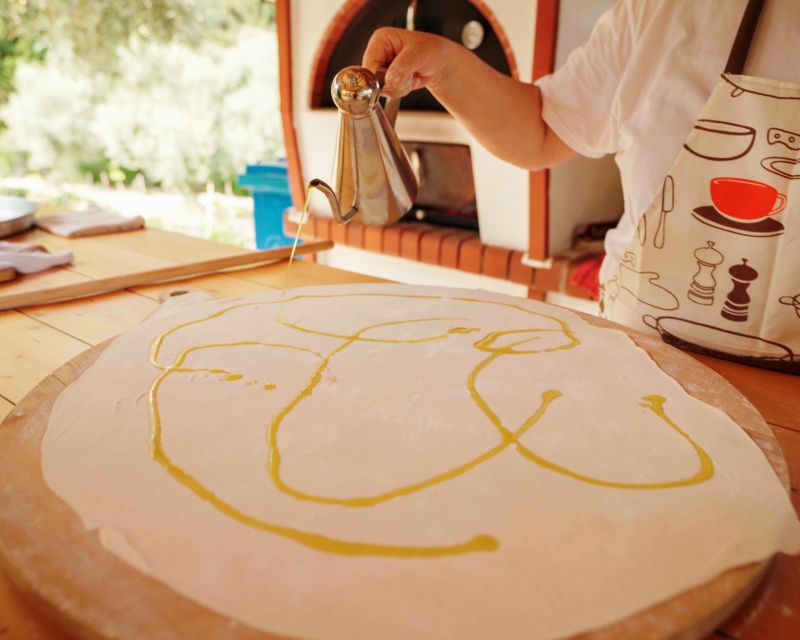
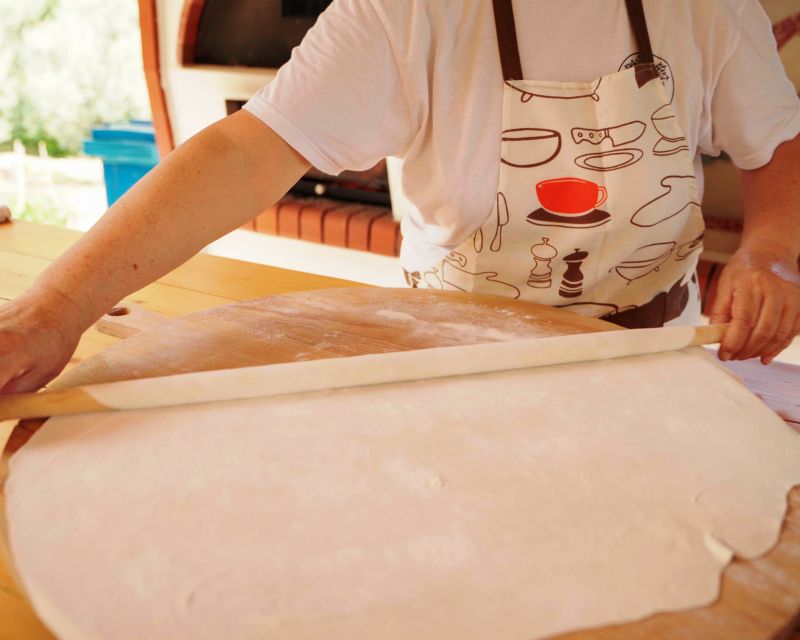
Many cooking classes give you a seat, a sample, and a recipe sheet. This one asks you to work with the dough. That matters because phyllo looks simple on the plate, but the feel of the dough is the real lesson. You learn how to knead, roll, stretch, oil, and fill it instead of treating it as a ready-made ingredient.
The style here is deliberately rustic. This is not about producing perfectly uniform pastry. The farm focuses on the thick, crunchy, country-style crust used in traditional Greek homes. Your finished pie may look a little uneven, which is part of the charm and also proof that you made it by hand.
I find the approach especially useful for home cooks. The class keeps the methods straightforward, and the recipes rely on ingredients you can understand and adapt. You leave with more than a pleasant meal. You leave knowing how the dough should feel and how a simple filling can turn it into a substantial dish.
The setting also changes the mood. You begin with the garden, move to an open-air kitchen, and finish at a shared table. The whole sequence gives the class a clear connection between soil, ingredients, cooking, and eating.
More Farm Cooking Classes in Greece
- Naxos Perivoli Farm Experience & Wood-fire Cooking Class
★ 5.0 · 339 reviews - Melanes: Naxos Perivoli Farm & Cooking Class with Wood Fire
★ 5.0 · 177 reviews - Santorini Family Farm Food & Wine Tour with Cooking Class
★ 5.0 · 107 reviews
Starting in the garden with seasonal greens
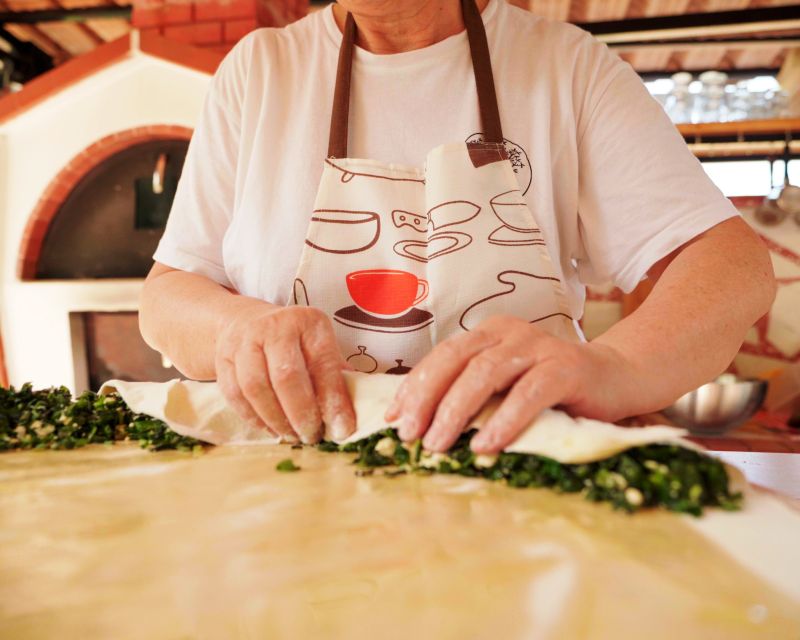
The first part of the experience takes you through the organic garden. You harvest seasonal greens and herbs for the pies, an important step because Greek countryside cooking often depends on what is available rather than on a fixed shopping list.
The garden visit should help you understand the filling before you make it. Greens are not an abstract ingredient here. You see where they grow, select them, and carry them back to the kitchen. That simple process gives the meal a strong sense of place.
The exact harvest will depend on the season. That is worth keeping in mind if you prefer a fixed menu. You can expect the class to be shaped by what is growing, rather than by a year-round list of identical ingredients.
This part is also a good reason to choose the class over a city cooking studio. The farm adds context without turning the activity into a formal history lesson. You are working with food at its source, then using it in a recipe passed through the family for generations.
Learning the family phyllo method
Back in the open-air kitchen, you learn the basic dough technique. The family has kept these recipes for around 100 years, and the class presents them in a way meant for regular home kitchens.
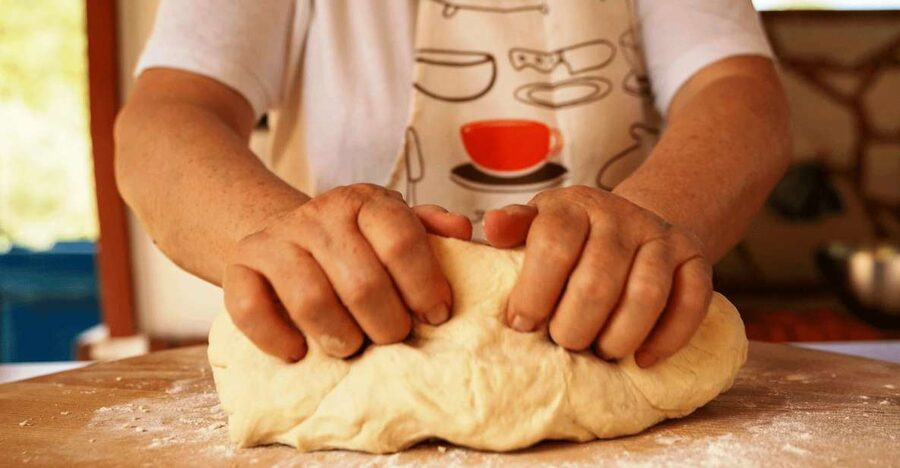
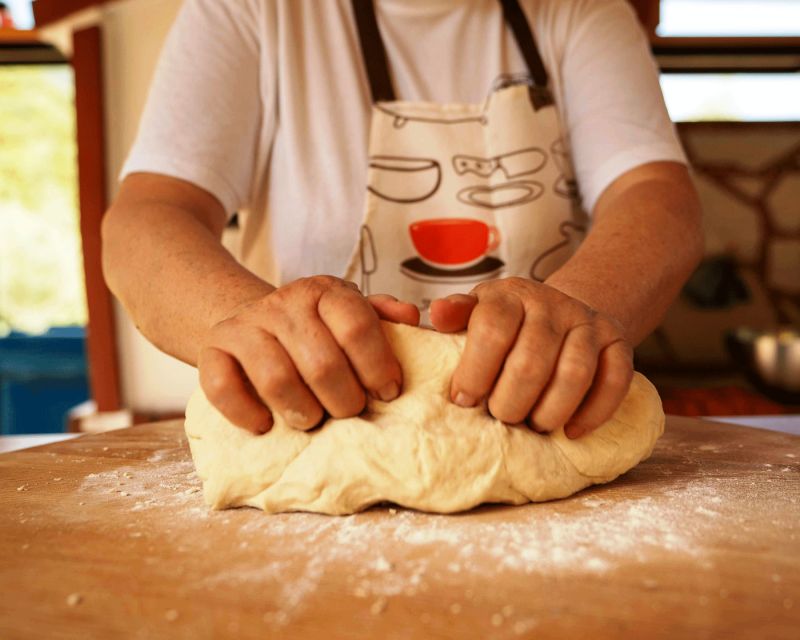
You will work with the dough by kneading and stretching it. The texture is different from the thin, packaged phyllo you might buy at a supermarket. This version is described as golden, rustic, crunchy, and thicker, with enough body to hold hearty fillings.
The lesson is likely to suit beginners because the method is presented as easy to knead and stretch. Still, expect to use your hands and pay attention. The dough needs care, and the class is more rewarding if you accept that your first pastry may not look perfect.
The farm uses its own Selection extra virgin olive oil. Oil is central to the process, both for handling the dough and for adding flavor. You also receive cooking utensils and an apron, so the practical side is covered during the class.
I would pay close attention to how the instructor handles the dough, how much oil is used, and how the filling is spread. Those small movements are often harder to understand from a written recipe. English is the teaching language, which makes the instructions accessible to English-speaking participants.
Four fillings, from wild greens to baklava
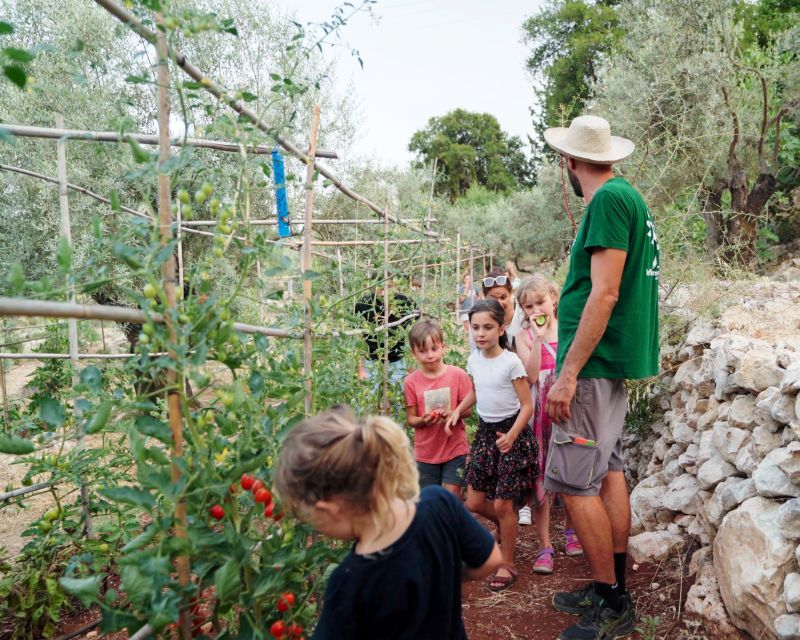
The class includes several recipes, giving you a broad look at Greek baking rather than a single savory pie. The listed options are:
- Wild greens and feta
- Goat cheese, sun-dried tomatoes, olives, and oregano
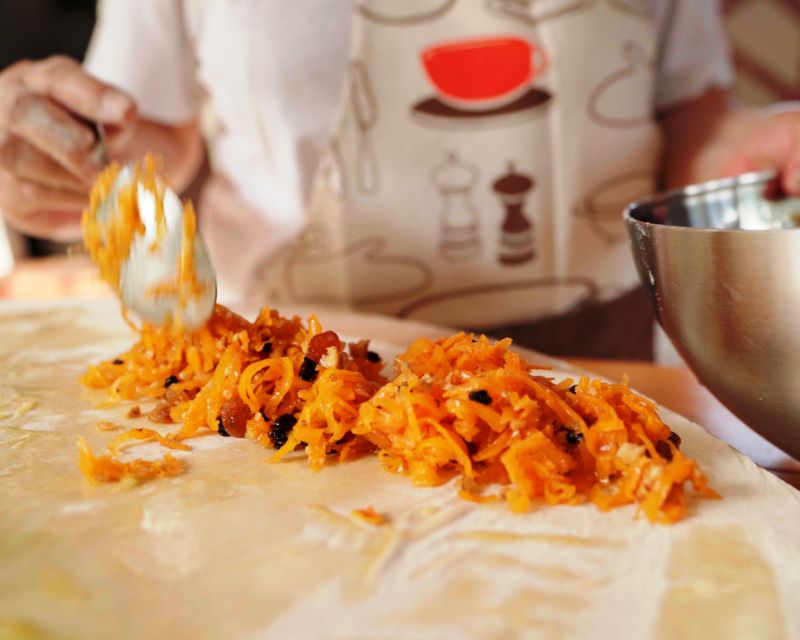
- Pumpkin with walnuts, cinnamon, and raisins
- Baklava with honey, cinnamon, and walnuts
The wild greens and feta pie is the clearest expression of the garden-to-table idea. It pairs the seasonal harvest with salty cheese and a sturdy pastry shell. This is the filling I would watch most closely if you want to recreate the farm experience at home.
The goat cheese pie takes the class in a different direction. Sun-dried tomatoes, olives, and oregano bring stronger Mediterranean flavors, while the cheese gives the filling weight. It should appeal to you if you like savory pies with plenty of character.
Pumpkin with walnuts, cinnamon, and raisins shows that phyllo is not limited to greens and cheese. The sweet filling has a warm, home-style profile and makes the class feel more like a family baking session than a technical pastry course.
Baklava provides the final sweet note. Honey, cinnamon, and walnuts are familiar ingredients, but handling them inside homemade pastry gives you a useful comparison with the savory pies. You get to see how the same basic dough can carry both a meal and a dessert.
The menu is generous for a four-hour class, but the exact balance of dishes and hands-on tasks is not specified. If you have a favorite recipe among the four, ask the instructor at the start how the session will be divided.
More Baking Classes in Greece:
- From Mykonos: Mykonian Farm Baking Class with Brunch
★ 4.7 · 29 reviews - Lisbon: Pastel de Nata Baking Class
★ 4.9 · 2,106 reviews - Group Tour: Garni, Symphony of Stones, Geghard, Lavash Baking
★ 5.0 · 1,042 reviews - Paris Croissant Small-Group Baking Class with a Chef
★ 5.0 · 910 reviews
Baking with olive oil and a wood-burning oven
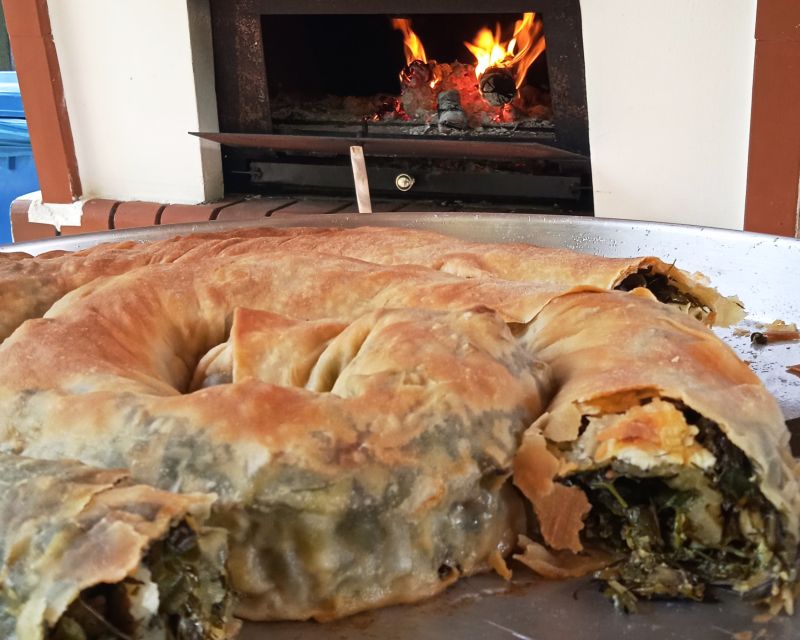
The wood-burning oven is one of the strongest features of the class. It gives the baking stage a traditional feel and helps explain why the crust is central to the meal.
You should expect the oven to be part of the process rather than a quick final step. Once the pies are prepared, they bake while the group gathers nearby. The oven adds a sense of occasion, but it also means the class follows the rhythm of cooking rather than a rigid minute-by-minute schedule.
The farm’s own extra virgin olive oil matters here, too. It connects the pastry to the property and gives the dough a local ingredient with a clear role. The experience is not built around expensive equipment or rare products. It shows how a few well-chosen basics can produce a satisfying dish.
There is a practical lesson in this. You may not have a wood-burning oven at home, but the dough and filling methods remain useful. You can take the recipes back to a standard kitchen and adapt the baking stage to your own equipment.
Sharing the meal at the Farmer’s Table
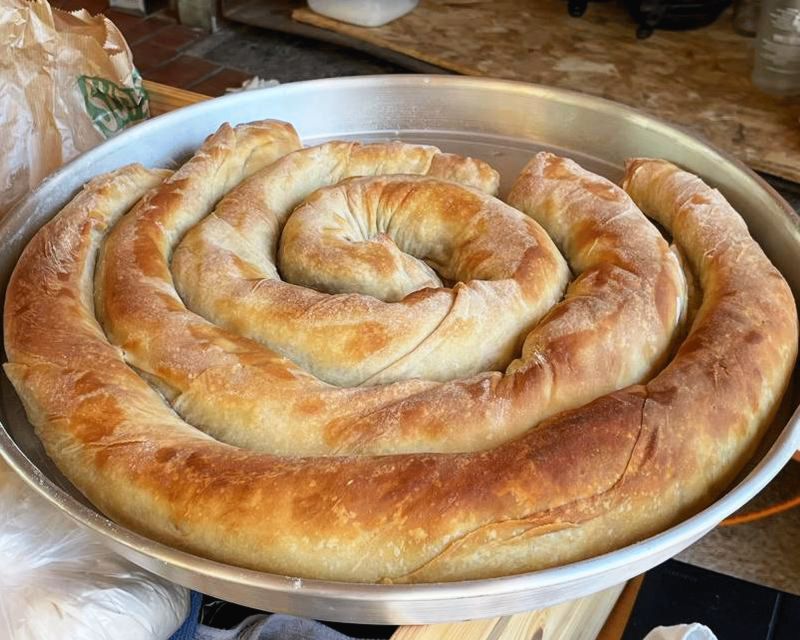
As the pies bake, the group sits at the big Farmer’s Table to eat together. This is not just a tasting at the end of class. It is the point where the work becomes a shared meal.
I like this part because it gives the four hours a natural finish. You have harvested ingredients, shaped dough, prepared fillings, and waited for the oven. Sitting down together makes the class feel complete and gives you time to enjoy the results without rushing to the next activity.
The peaceful farm setting is a major part of the appeal. If you want a break from packed sightseeing days, this offers a slower block of time built around food and conversation. The class has been praised for its calm atmosphere, and that quality is worth considering when you plan your day.
The shared table may not suit you if you prefer a private lesson or a quick departure after cooking. The group size is limited to 10, so it remains small, but it is still a social activity. You should book it expecting to eat with other participants.
Is $123 a fair price?
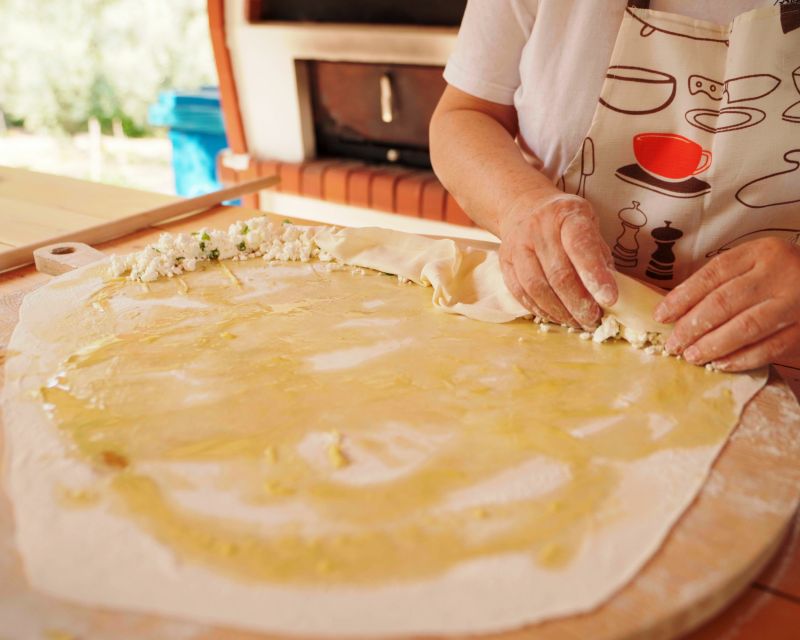
At $123 per person, this is not a budget meal or a basic kitchen lesson. The value comes from the full four-hour format and the number of elements included: garden harvesting, hands-on pastry work, several fillings, farm olive oil, wood-fired baking, utensils, an apron, and a shared meal.
I would consider the price reasonable if you place a high value on local food traditions and active participation. You are paying for time, instruction, ingredients, and the setting, not only for the food on your plate.
The class is less compelling if your main goal is to eat cheaply or learn one fast recipe. A shorter market visit or a restaurant meal would cost less and require less time. This experience earns its price by making the cooking itself the main event.
The small group helps support the value. With no more than 10 people, you have a better chance to receive help with the dough and ask questions. The class is still large enough for a communal table, but not so large that it feels like a stage show.
Who will enjoy this four-hour farm class?
This is a good choice for you if you enjoy hands-on food activities, want a quieter day in western Greece, or like taking practical recipes home. It should work well for beginners because the dough technique is presented in a simple, approachable way.
Families and couples may enjoy the shared meal, while solo participants can expect a social setting without committing to a large group. The English-language instruction makes it suitable for English-speaking visitors.
Food-focused visitors will get the most from the class, especially those interested in Greek home cooking rather than restaurant presentation. It also suits anyone who wants to understand how greens, herbs, olive oil, pastry, and a wood-burning oven fit together in one meal.
You should think twice if you have strong food allergies or dietary restrictions. The farm asks you to provide that information in advance, but the available recipes include dairy, goat cheese, feta, walnuts, honey, and other ingredients. Confirm what can be adjusted before you reserve.
The activity is wheelchair accessible, which is useful to know when comparing farm experiences. The supplied information does not give further details about the exact routes or kitchen layout, so you should contact the provider with specific access questions.
Practical details for planning your day
Plan on four hours from start to finish. Starting times vary, so check availability before building the rest of your day around it.
English is the teaching language. Cooking utensils and an apron are included, which keeps the packing list simple. You should still notify the farm about allergies or dietary restrictions before arrival.
The maximum group size is 10. That limit is one reason to reserve ahead, particularly if you want a specific date or are traveling as a small party.
The booking terms are flexible. You can cancel up to 24 hours before the activity for a full refund, and you can reserve now while paying later. These options help if your western Greece plans are still shifting.
Should you book the Lefkada Micro Farm class?
Book it if you want to spend half a day making food, not merely photographing it. The strongest reasons are the garden harvest, the family phyllo method, the wood-burning oven, and the quiet meal at the Farmer’s Table.
I would especially recommend it to visitors who value authentic cooking, small groups, and recipes they can use again. The five-star response for the peaceful farm setting and cooking class fits the experience’s main appeal: it gives you a calm, useful, and tasty break from sightseeing.
Skip it if $123 feels high for a meal, if you dislike group activities, or if you need a tightly timed excursion. For everyone else, this is a thoughtful way to spend four hours in western Greece, with a full stomach and a new pastry skill at the end.
FAQ
How long does the phyllo pie class last?
The experience lasts four hours.
How much does the class cost?
The price is $123 per person.
What language is the class taught in?
The instructor teaches in English.
How many people can join the class?
The class is limited to 10 participants.
Is the activity wheelchair accessible?
Yes, the activity is listed as wheelchair accessible.
Can I cancel for a full refund?
Yes. You can cancel up to 24 hours in advance for a full refund. You can also reserve now and pay later.
More Hands-On Workshops in Greece
- Athens: Classic Cooking Class with Market Visit and Wine
★ 5.0 · 1,101 reviews - Athens: Food Market Visit and Cooking Class with Wine
★ 4.9 · 1,087 reviews - Greek Cuisine Cooking Class in Santorini with Recipes and Wine
★ 5.0 · 969 reviews - Naxos: Half-Day Cooking Class at Basiliko Family Tavern
★ 5.0 · 887 reviews
Just added around Greece
- Kourounochori, Naxos : Gregory’s Traditional Cooking Class★ 5.0 · 24 reviews
- Kos Cooking Classes by Mama Contessa★ 4.6 · 17 reviews
- Kavala: Eat and Cook like a Local | Food Tour and Workshop★ 5.0 · 8 reviews
- Kalamata: Farm-to-Table Experience with Cooking★ 5.0 · 4 reviews
- Heraklion: Cretan Cooking Lesson with Lunch in Arolithos★ 4.9 · 54 reviews
- Rethymno: Authentic Cooking Class with a Local★ 4.8 · 23 reviews
- Greek Phyllo and Pie Cooking Class in Athens★ 5.0 · 4 reviews
- Greek Cuisine Cooking Class in Santorini★ 4.2 · 5 reviews
Baking & Bread Classes, compared.
Group Tour: Garni, Symphony of Stones, Geghard, Lavash Baking
Read our review →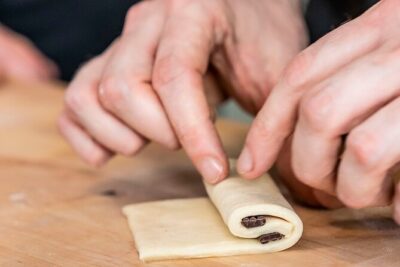
Paris Croissant Small-Group Baking Class with a Chef
Read our review →
Garni & Geghard Small-Group Day Trip with Lavash Baking
Read our review →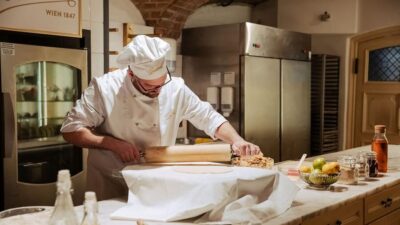
Vienna: Gerstner KuK Hofzuckerbäcker Baking Show & Tasting
Read our review →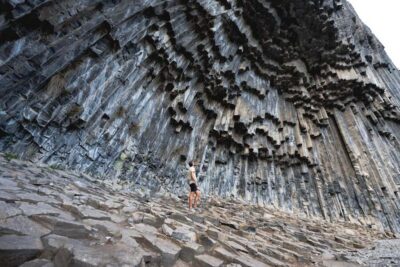
Yerevan: Garni, Geghard, Symphony of Stones & Lavash Baking
Read our review →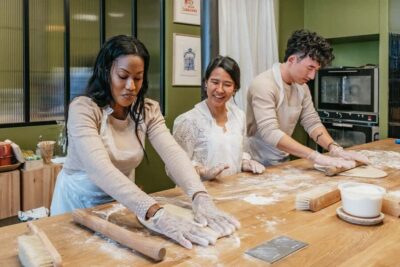
Paris: French Croissant Baking Class with a Chef
Read our review →
Laugarvatn Fontana: Geothermal Bread-Baking Experience
Read our review →Browse the lists this tour appears in