
Review · PARIS
Paris: French Croissant Baking Class with a Chef
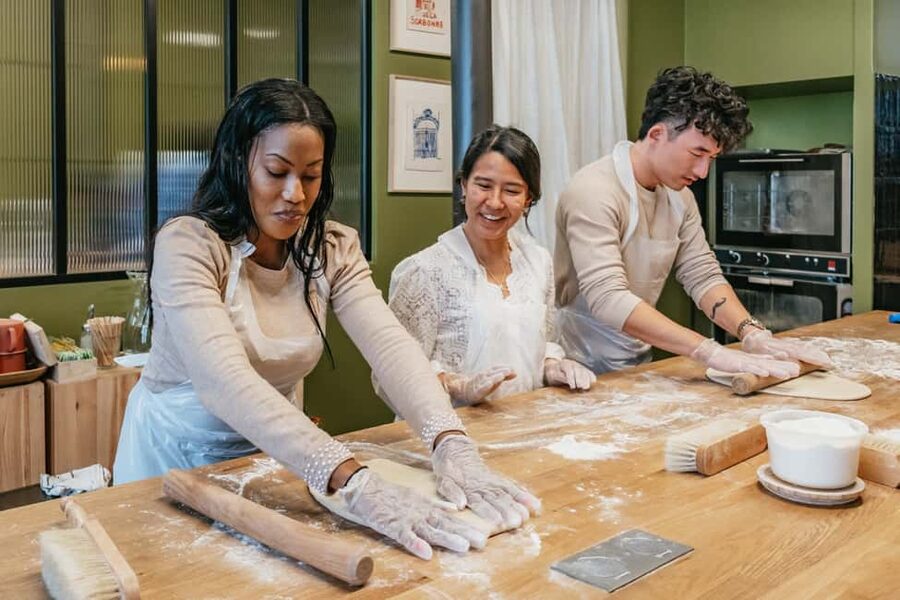
The best part of this Paris class is that you do not simply watch a chef fold dough. You work through the process yourself, from buttery pastry to shaped croissants, pain au chocolat, and cinnamon swirls. The class takes place at Maison Fleuret, a polished pastry school on the Left Bank, with instruction in English.
I like the small groups of up to eight, which give the chef time to correct your technique. I also like the practical payoff: you leave with pastries to eat and a recipe you can try at home. The main drawback is the price, $159 per person, and croissant dough is a slow, butter-heavy project that cannot be mastered in a quick demonstration.
Key points to know before booking
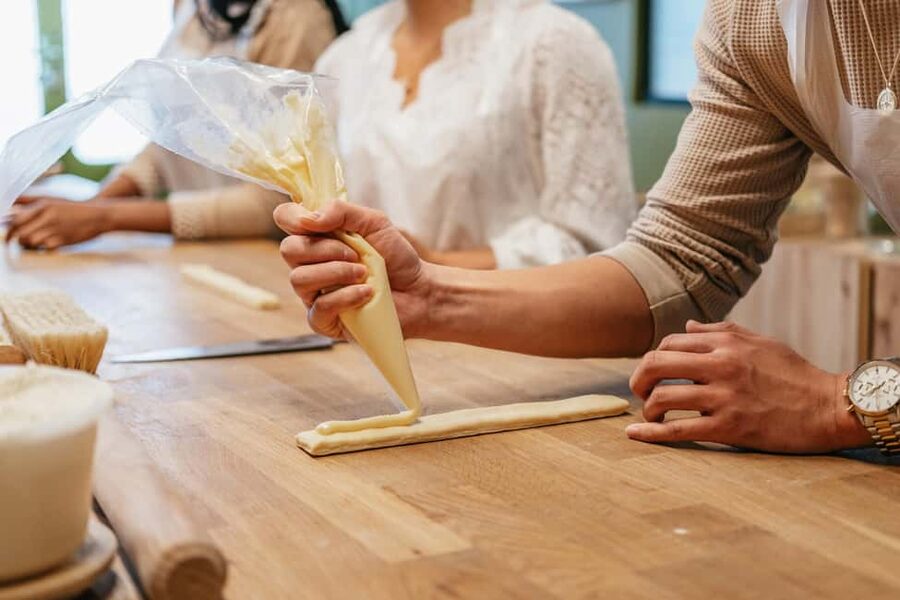
- You make several pastries: Plain croissants, pain au chocolat, and cinnamon swirls are part of the hands-on session.
- The class lasts 150 minutes: Plan on two and a half hours at Maison Fleuret, plus time to reach the Left Bank meeting point.
- The teaching is in English: Instructors include chefs such as Felix, Guillaume, Alice, Erika, Ke, and Manel.
- You work in a small group: The maximum is eight participants, though families may work in pairs and a larger family may need to split up.
- You take food home: The class produces enough pastries to provide breakfast or snacks for the next few days, according to several participants.
- It works well in bad weather: The indoor setting makes this a useful rainy-morning activity in Paris.
What happens at Maison Fleuret on the Left Bank
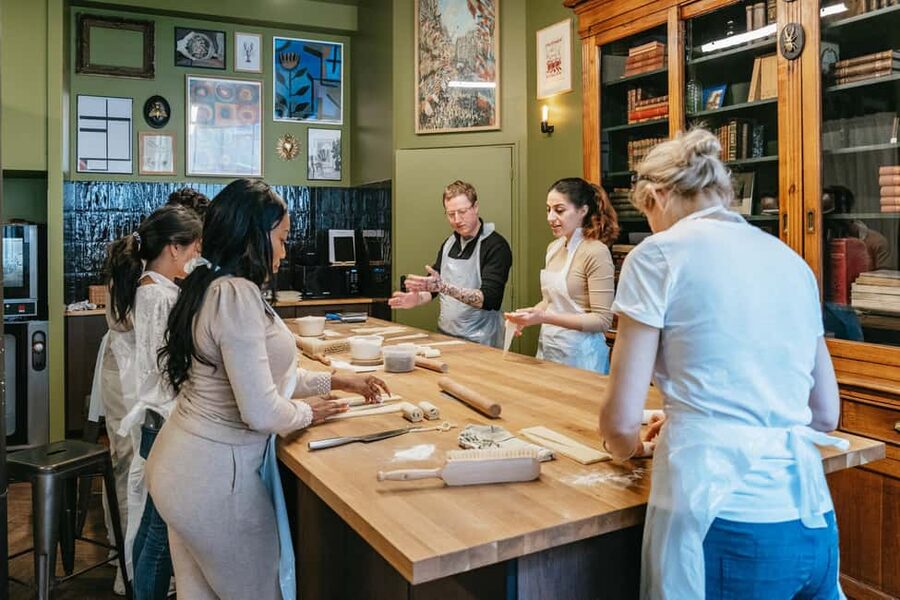
You meet at Maison Fleuret, at 3 Rue des 3 Portes. The class begins and ends at this address, so there is no hotel pickup or drop-off. The school is on the Left Bank, in an area close to Notre Dame according to the information provided, making it easy to pair with time around the Seine and central Paris.
The studio is designed to feel more like a traditional French home than a stark professional kitchen. That matters here. You are not only learning a recipe; you are spending a morning in a setting built around French domestic cooking, conversation, and the pleasure of sharing food.
The class is limited to eight people. That is a useful size for a technique-heavy pastry lesson. Croissants demand close attention to dough thickness, butter placement, folding, and shaping. A very large class would make it harder to get help when the dough starts fighting back.
You may work in pairs. That can be a friendly arrangement for couples and families, but it is worth knowing before you book. One family of five found that one person had to work with someone from another group. If everyone in your party wants an entirely separate baking station, this may not be the right format.
More Baking Classes in France
- Paris Croissant Small-Group Baking Class with a Chef
★ 5.0 · 910 reviews - Paris: Baking Insider Experience
★ 4.7 · 397 reviews - Paris Macarons Small-Group Baking Class with a Chef
★ 5.0 · 316 reviews
Learning the difficult part: laminated dough
The heart of the class is the croissant dough. You learn how to create the layers of dough and butter that give a proper croissant its crisp outside and soft, airy center. The class focuses on the practical skills needed to handle puff pastry, rather than treating the process as a magic trick performed by a chef.
This is where the instructor matters most. Croissant dough can seem simple on paper, but small errors affect the final result. The chefs show you how to work the dough and shape the pastries, then offer help as you go. Guillaume received particular praise for explaining each step clearly and patiently, while Felix was described as both serious about the craft and playful in the classroom.
The teaching style appears to vary a little by instructor, but the shared pattern is clear: expect active guidance rather than a lecture. Alice, Erika, Ke, Lauren, Lyndsey, Leslie, and Manel are among the instructors named by participants, along with Felix and Guillaume. The class is designed for beginners, including people who arrive with little or no baking experience.
You should still keep your expectations sensible. Two and a half hours can teach you the method and give you a successful first attempt, but it cannot replace practice. The value is that you leave knowing what the dough should feel like, how the pastries are formed, and where a home batch can go wrong.
Plain croissants, pain au chocolat, and cinnamon swirls
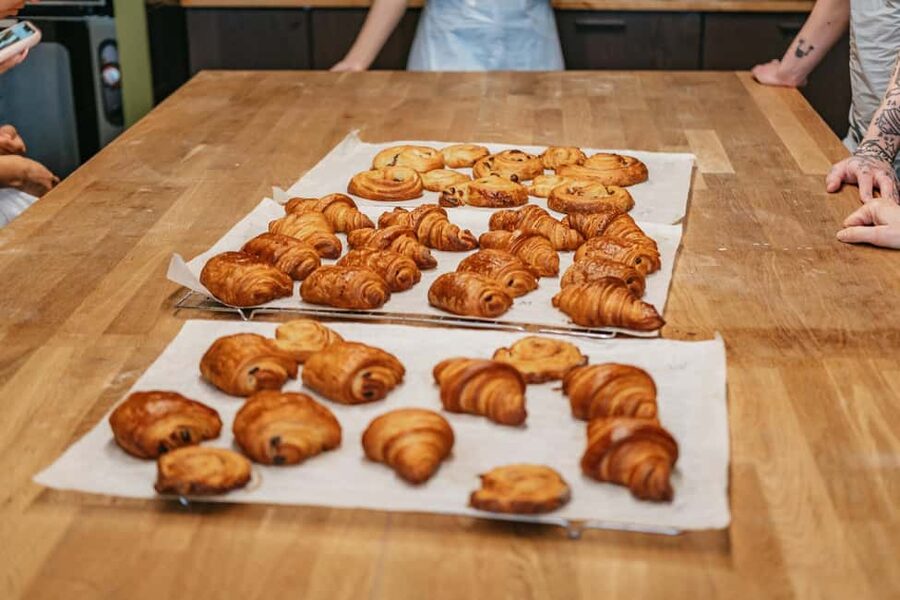
The class is not limited to one plain croissant. You also learn how to make chocolate-filled pastries, usually called pain au chocolat, along with chocolate snails and cinnamon swirls. This gives you more than one finished shape to practice and makes the baking session feel generous for the price.
The pain au chocolat is a particular highlight. Several participants described the pastries as delicious straight from the oven, and one family said the class produced the best pain au chocolat they had tasted. That fresh-from-the-oven moment is part of the appeal: the food is not an abstract exercise, but your reward at the end of the work.
You may also receive extra pastries made by the chef during the session. One participant noted that the instructor offered fresh croissants when the group wanted to save its own pastries for later. The exact amount can vary, but you should expect to leave with a substantial quantity. Several people used their pastries as breakfast during the next few days.
The recipes are sent afterward, which makes the experience more useful than a one-time cooking activity. One practical caution is worth noting: a participant found that the later recipe did not use exactly the same ingredients as those used in class. If you plan to recreate the pastries at home, pay close attention to the chef’s method during the session and compare the recipe with your notes.
Why the French pastry background adds value
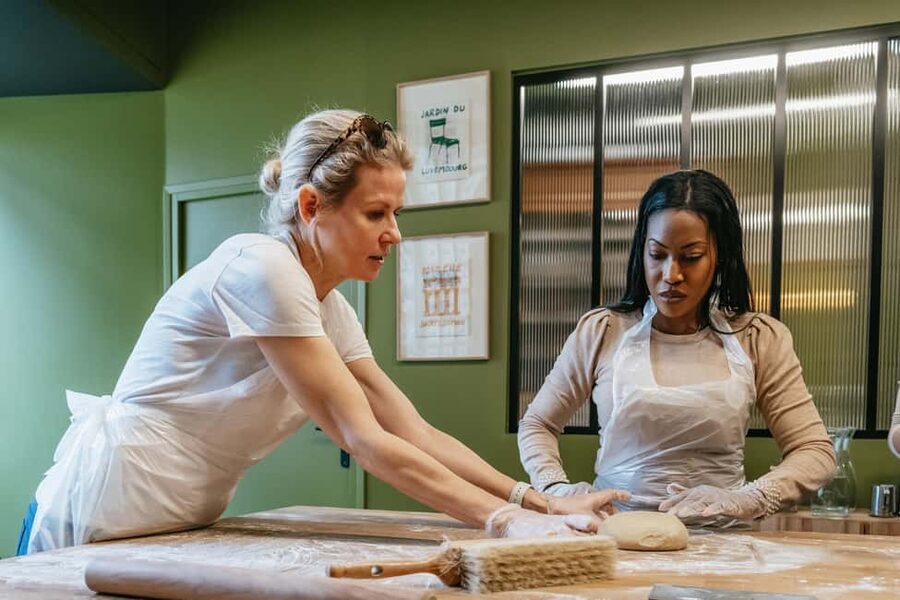
The class also explains how the croissant became popular with Parisians and the French in the early 20th century. This is not a full food-history course, but the background gives the pastry a place in French daily life.
You also hear about the broader French approach to food and the art of living. That can sound grand for a baking lesson, but it fits the setting. In France, the pleasure of a pastry is tied to timing, craft, shared conversation, and taking care with ordinary meals. Making croissants gives you a direct way to understand that culture through your hands and appetite.
I like this part because it keeps the class from becoming a purely technical workshop. You learn why the pastry matters, then make one yourself. Afterward, a visit to a neighborhood bakery can feel different because you have a better sense of the work behind the display case.
More Baking Classes in Paris
- Paris: Macaron Baking Class for Families and Kids
★ 4.7 · 270 reviews - Paris: Macaron Baking Class in Central Paris
★ 5.0 · 208 reviews - Paris Baking Insider Experience near Notre-Dame
★ 5.0 · 206 reviews - Paris: Croissant Baking Class with a Chef
★ 5.0 · 201 reviews
The chefs make the difference
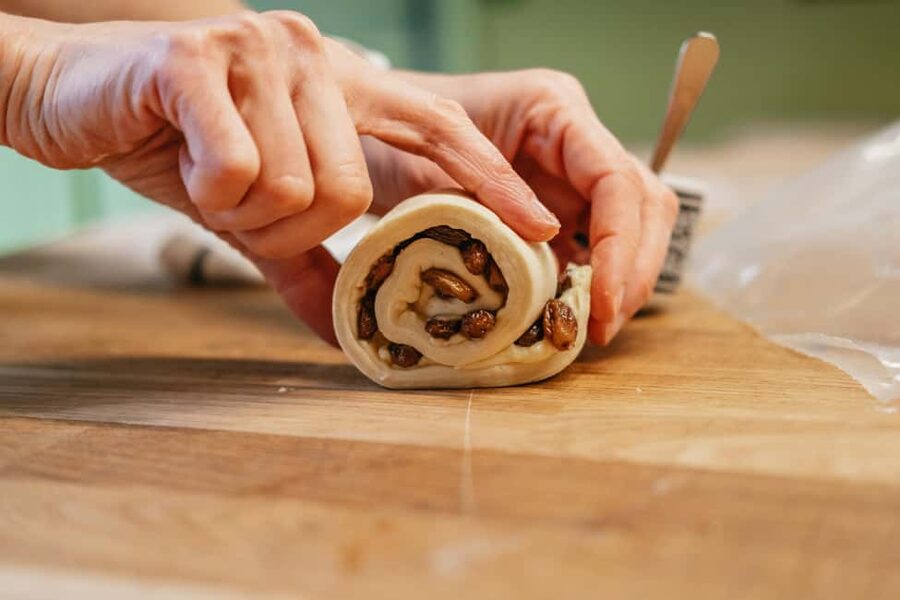
The strongest feature of this experience is the instruction. A number of chefs are named, and the teaching can vary by session, but the descriptions consistently point to patient, friendly guidance.
Guillaume is a good fit if you want careful explanations and a steady pace. Felix brings a mix of precision and humor. Erika was praised for helping beginners feel comfortable, while Alice was described as encouraging and playful. Manel was noted for making even inexperienced cooks feel capable.
The class also seems to suit families with older children and teenagers. Children aged 11 and 12 enjoyed the activity, and a 14-year-old took part successfully. Teenagers who are not interested in another museum or walking tour may find the hands-on format more engaging.
The welcoming tone can matter for families with different needs. One parent described the chef as patient and supportive when a young participant lost interest in continuing. That does not guarantee every child will enjoy two and a half hours of pastry work, but it suggests the instructors are used to adjusting their approach.
The class may also be a pleasant way to meet other people. You exchange tips with fellow bakers, and the small group gives the morning a social feel without turning it into a crowded demonstration.
Is $159 a fair price?
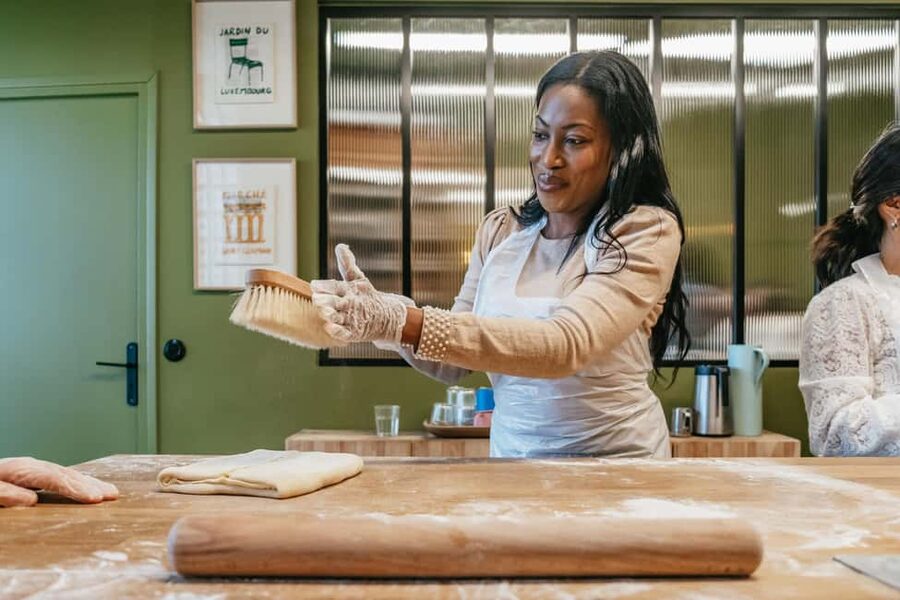
At $159 per person, this is not a budget breakfast. You can buy excellent croissants in Paris for far less, so the price only makes sense if you want the lesson, the time with a chef, the equipment, and the social experience.
The value improves if you consider what is included. You receive a 150-minute cooking class, use of the baking equipment, instruction from a chef, several pastries, and recipes for home use. You also avoid having to buy ingredients and equipment for a single attempt in your own kitchen.
The food itself is only one part of the purchase. You are paying to understand a demanding French technique and to spend part of your Paris visit doing something rather than simply looking at something. For a serious home baker, the class may be especially worthwhile because it addresses the exact process that can be difficult to learn from a recipe alone.
For a family, the cost adds up quickly. A family of five would spend $795 before any other expenses. I would choose this for a birthday treat, a special morning, or a family with a real interest in baking, not as an automatic choice for every Paris itinerary.
When to schedule the class
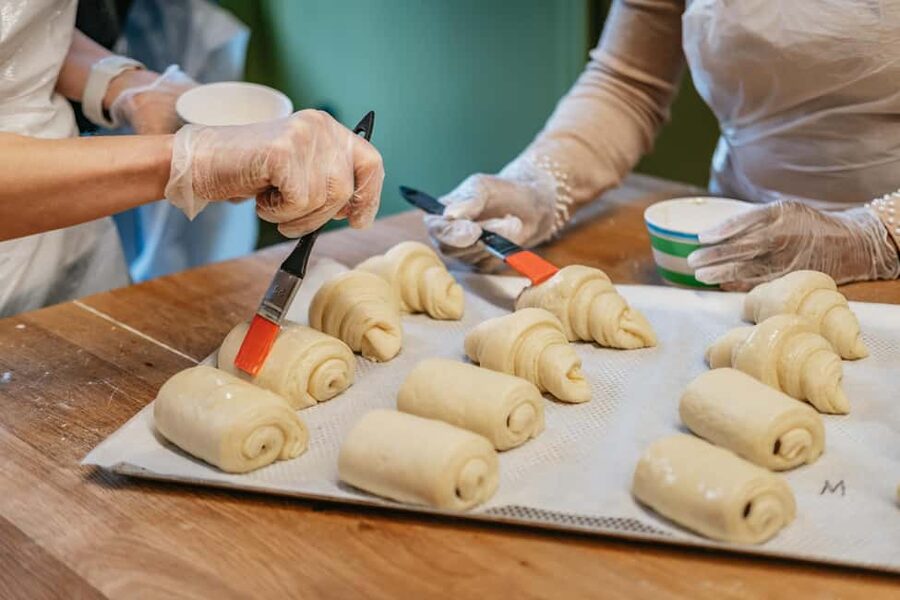
The class is a strong rainy-day option. Several participants chose it for a wet morning and found that the indoor setting made the weather irrelevant. It is also a useful activity early in your Paris stay because you can use the pastries as breakfast later in the trip.
A morning booking may be the most practical choice if you want fresh food afterward, but starting times vary, so check the available schedule before planning the rest of your day. Allow extra time to reach 3 Rue des 3 Portes, especially if you are crossing Paris by Metro.
You do not need to arrange transport from your hotel. The meeting point is fixed, and the class returns there. If you are planning a visit to Notre Dame or other Left Bank sights, the location makes it easy to connect the baking class with sightseeing.
The activity is listed as wheelchair accessible. If you have specific access needs, confirm the details when booking, since the available information does not describe the room layout or equipment setup.
Who will enjoy this Paris baking class?
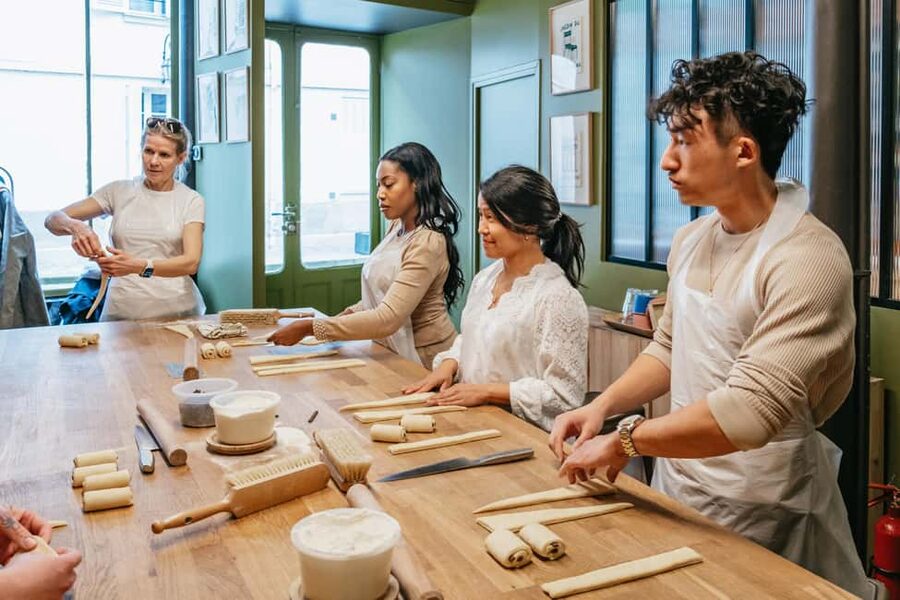
I would recommend it most strongly to:
- Couples who want a shared activity beyond museums and monuments
- Families with older children or teenagers
- Home bakers who want to improve their croissant technique
- Visitors looking for an indoor activity on a rainy day
- Food lovers who want to take part in French cooking rather than only eat it
- Anyone who likes the idea of bringing a useful skill home from a trip
I would be more cautious if you want a quiet, polished tasting with little hands-on work. This is a working class. You handle dough, follow instructions, and spend time shaping pastries. It is also not the best value for someone who only wants to eat a croissant, since Paris offers cheaper ways to do that.
The English instruction is a major advantage for international visitors. You can ask questions and follow the chef’s explanations without having to rely on gestures or translation. The small group helps, but the class still has a set pace, so tell the instructor if you need a step repeated.
Practical details before you book
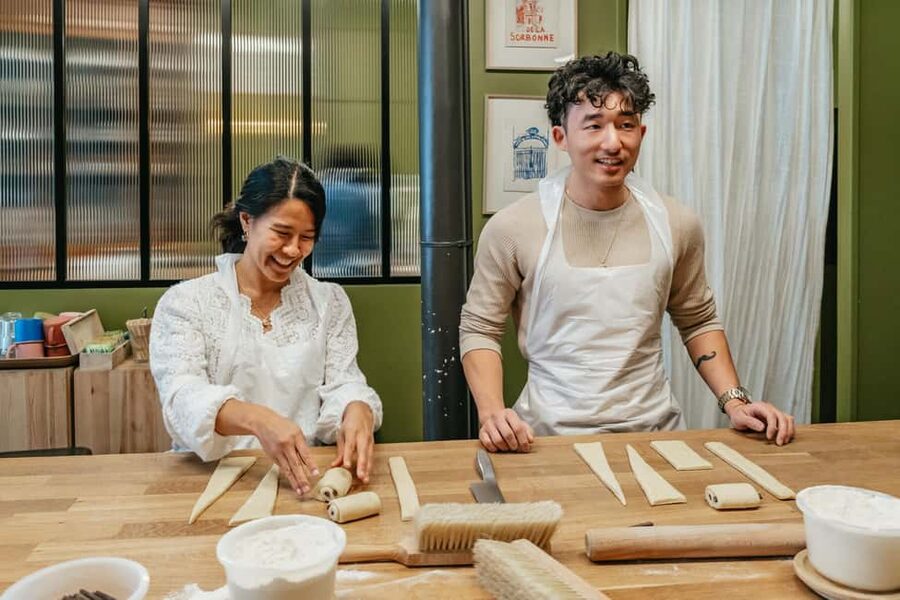
The activity lasts 150 minutes and is led in English. Cooking equipment and the chef instructor are included, while hotel transportation is not.
You can cancel up to 24 hours before the start time for a full refund. The reserve-now, pay-later option lets you hold a place without paying immediately, which is useful while you are still arranging your Paris schedule.
The school welcomes a maximum of eight participants. Since pairs may share the work, decide ahead of time whether that arrangement suits your group. If you are traveling with an uneven number of people, be prepared for someone to pair with another participant.
Wear something comfortable for a hands-on kitchen session. The supplied information does not specify a dress code, drinks, or the exact quantity of pastries, so do not rely on coffee or water being part of the experience. One person specifically noted that drinks were not offered in the same way as in other classes.
Should you book the Maison Fleuret croissant class?
Book it if you want more than a pastry tasting. The strongest reasons are the small group, patient chef instruction, range of pastries, and the chance to recreate the experience at home. You can also turn the class into a useful part of your itinerary by scheduling it on your first or second day and saving the pastries for later breakfasts.
Skip it if $159 feels high for a cooking activity or if you would rather spend your Paris morning in a bakery, market, or museum. Croissants are inexpensive to buy, and a single class will not make you a professional baker.
For food-focused visitors, families with teenagers, and anyone who enjoys learning by doing, this is a well-supported choice. The class gives you a story to take home, not just a box of pastries: you learn why the dough behaves as it does, how the shapes are formed, and how much butter goes into that crisp French breakfast staple.
FAQ
Where does the croissant class take place?
The class takes place at Maison Fleuret, at 3 Rue des 3 Portes on the Left Bank in Paris.
How long does the activity last?
The cooking class lasts 150 minutes, or two and a half hours.
What pastries will I make?
You can expect to make plain French croissants, pain au chocolat, and cinnamon swirls. The class also discusses chocolate snails.
Is the class taught in English?
Yes. The listed instruction language is English.
How many people are in the group?
The group is limited to eight participants.
Do I work alone or with a partner?
Participants may work in pairs. If you are part of a larger family or group, one person may need to work with someone outside your party.
Is equipment provided?
Yes. Cooking equipment and a chef instructor are included.
Is hotel transportation included?
No. Hotel pickup and drop-off are not included. You make your own way to 3 Rue des 3 Portes.
Can I cancel for a refund?
Yes. You can cancel up to 24 hours in advance for a full refund. The reserve-now, pay-later option allows you to book without paying immediately.
More Hands-On Workshops in Paris
- Paris Cooking Class and Lunch with Wine plus Market Visit Option
★ 5.0 · 1,024 reviews - Paris Cooking Class: Learn How to Make Macarons
★ 5.0 · 634 reviews - Paris: French Macaron Culinary Class with a Chef
★ 4.9 · 591 reviews - Paris Evening Cooking Class French Dinner and Market Visit Option
★ 5.0 · 430 reviews
Just added around Paris
- Paris: Montmartre Macaron Baking Workshop★ 4.9 · 143 reviews
- Paris: Macarons Cooking Class with Pâtisserie Chef Noémie★ 4.8 · 179 reviews
- Paris: Hands-On Small Group Cooking Class★ 4.9 · 19 reviews
- Paris: Millefeuille baking class with a chef★ 5.0 · 5 reviews
- Paris: Macaron Baking Class★ 4.4 · 26 reviews
- Paris: Evening Cooking Class with Optional Market Visit★ 4.8 · 19 reviews
- Paris: Lemon Tart Baking Class with a Pastry Chef★ 5.0 · 4 reviews
- Paris: French Pastry and Baking Workshop★ 4.1 · 12 reviews
Baking & Bread Classes, compared.

Group Tour: Garni, Symphony of Stones, Geghard, Lavash Baking
Read our review →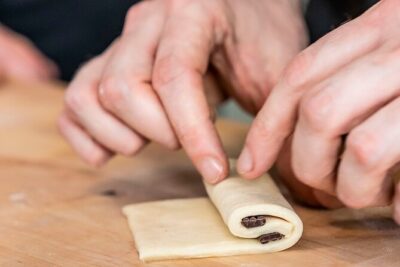
Paris Croissant Small-Group Baking Class with a Chef
Read our review →
Garni & Geghard Small-Group Day Trip with Lavash Baking
Read our review →
Vienna: Gerstner KuK Hofzuckerbäcker Baking Show & Tasting
Read our review →
Yerevan: Garni, Geghard, Symphony of Stones & Lavash Baking
Read our review →
Laugarvatn Fontana: Geothermal Bread-Baking Experience
Read our review →Yerevan: Garni, Geghard, Symphony of Stones & Lavash Baking
Read our review →Browse the lists this tour appears in