
Review · PARIS
Paris: Baking Insider Experience
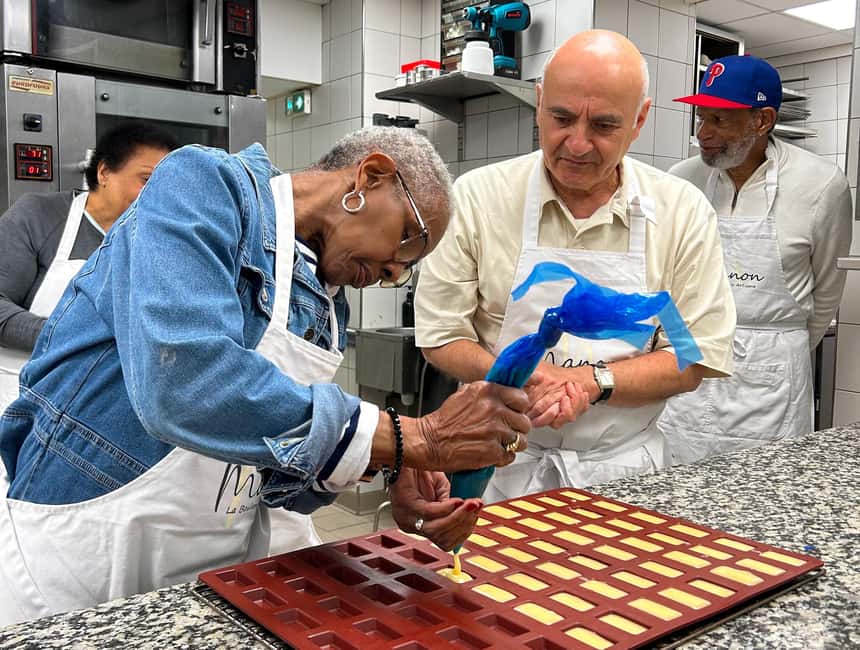
French baking becomes far more interesting when you step behind the counter of a real Paris bakery. In this small two-hour class, you shape baguettes, work with croissant dough, make small cakes, and taste the difference between French flours, yeast, and sourdough. I like the working-bakery setting and the chance to take home much of what you make.
I also like the small groups of eight or fewer. Guides such as Priya, Salome, Pierre, Nisha, and Valentina have been praised for patient instruction, humor, and personal attention. The main drawback is time: croissant dough needs long resting periods, so you may roll it without tasting the finished croissant.
Key points
- Real bakery access: Learn in an operating Paris bakery rather than a classroom built only for demonstrations.
- Hands-on techniques: Shape baguettes, handle bread dough, roll croissants, and prepare financiers or other small cakes.
- Personal instruction: Groups are limited to eight, and some sessions may be much smaller.
- Useful baking lessons: Compare flour, yeast, and sourdough, then learn how shaping affects the final loaf.
- Food to take home: Most sessions send you away with bread, rolls, cakes, or other items you helped prepare.
- Plan for stairs: The bakery is reached by 15 steps to the second floor, with no elevator, and you must stand for much of the class.
Inside a working Paris bakery
The best part of this experience is the setting. You are not simply seated at a counter while a baker performs every task. You work inside one of two traditional Paris bakeries, where the normal business of baking continues around you.
That matters. You can see the difference between a lesson designed for tourists and the practical rhythm of a neighborhood boulangerie. The bakery staff may be preparing bread and pastries for sale while you learn, giving the session a useful sense of place.
Your English-speaking guide introduces the bakery and explains what you will make. The exact order can vary, since dough needs time and the bakery’s workday does not stop for the class. You might begin with a pastry tasting, move to bread shaping, then return to croissant dough or small cakes.
I would arrive ready to stand, listen, touch the dough, and move around a working space. This is not a polished pastry-school setup. That makes it more memorable, but it also means the room can feel tight and the pace may depend on what is happening in the bakery.
More Baking Classes in France
- Paris Croissant Small-Group Baking Class with a Chef
★ 5.0 · 910 reviews - Paris: French Croissant Baking Class with a Chef
★ 4.9 · 712 reviews - Paris Macarons Small-Group Baking Class with a Chef
★ 5.0 · 316 reviews
Your first lesson: flour, yeast, and French bread
Before you shape a loaf, you learn what makes bread different. The guide explains the role of flour, yeast, and sourdough, along with the basic choices that affect taste and texture.
This is useful even if you bake at home only occasionally. You begin to understand why two baguettes can look similar but taste quite different. The lesson also gives you language and confidence for visiting Paris bakeries later in your trip.
The guide then demonstrates how to work with bread dough. You learn how to handle it without crushing its structure, how to portion it, and how to shape a baguette. Shaping is more than decoration. The way you stretch and seal the dough affects the loaf’s form and how it bakes.
You may also prepare a round roll or a bread bowl, depending on the session. Several classes included more than one bread item, which gives you a better feel for how the same basic dough can be formed in different ways.
The best approach is to focus on technique rather than perfect appearance. Your first baguette may not look like the bakery’s, and that is part of the fun. The guide is there to show you how to improve the shape and explain what went wrong.
Baguette shaping and the pleasure of fresh bread
The baguette portion is one of the most satisfying parts of the class because you can see results quickly. You shape the dough, help prepare it for baking, and later taste the finished bread.
Several sessions provided warm bread at the end, along with other baked goods. That changes the lesson from a demonstration into a proper food experience. You do not simply hear how bread works. You feel the dough, watch it bake, and judge the crust and crumb with your own taste buds.
The guide may also explain how French bakeries sell and label different breads. This gives you a better eye for the variety behind the familiar word baguette. You leave with a clearer sense of why one loaf might be lighter, denser, chewier, or more flavorful than another.
If you plan to visit bakeries after the class, pay attention to those differences. Look beyond the famous name and notice shape, crust, color, and texture. The class gives you a practical way to think about bread instead of treating every loaf as the same.
Croissant dough and the limits of a two-hour class
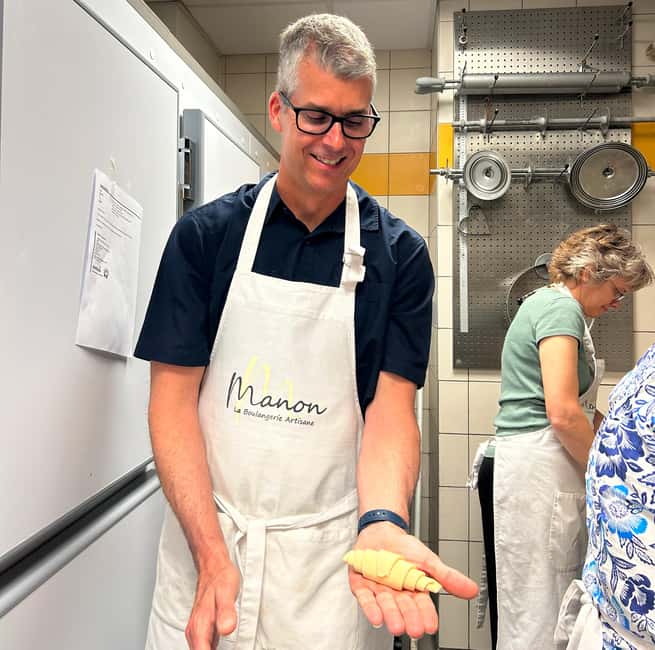
Croissants require a different set of skills. You learn about laminated dough, the process of layering butter and dough through repeated rolling and folding. This is the technique that creates the flaky structure associated with a proper croissant.
You may roll and shape croissant dough during the session. Some classes also allow you to prepare other pastry items while the dough rests. The guide explains why timing matters and why the dough cannot simply be rushed from mixing bowl to oven.
Here is the main limitation: two hours is not long enough to complete every stage of a croissant from start to finish. Some people were able to make croissants but could not take the finished ones home because the dough required more time. If tasting your own completed croissant is your main goal, ask about the specific session before booking.
Still, the lesson has real value. You learn a technique that many home bakers find difficult, and you see why professional pastry work depends on patience and careful handling. The guide may also show you how the dough should look and feel at different points.
I would treat the croissant section as a practical introduction, not a full pastry apprenticeship. You get the important idea of lamination and shaping, but you should not expect to finish a complete batch within the scheduled two hours.
More Baking Classes in Paris
- Paris: Macaron Baking Class for Families and Kids
★ 4.7 · 270 reviews - Paris: Macaron Baking Class in Central Paris
★ 5.0 · 208 reviews - Paris Baking Insider Experience near Notre-Dame
★ 5.0 · 206 reviews - Paris: Croissant Baking Class with a Chef
★ 5.0 · 201 reviews
Financiers, rolls, and the sweet side of the class
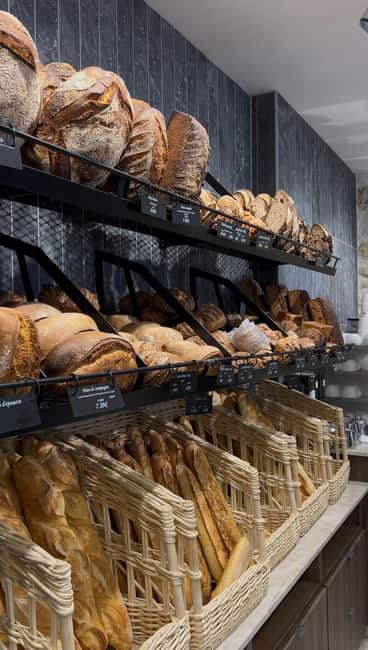
The class is not limited to bread. Many sessions included financiers, small French almond cakes, along with rolls and other sweet or savory items.
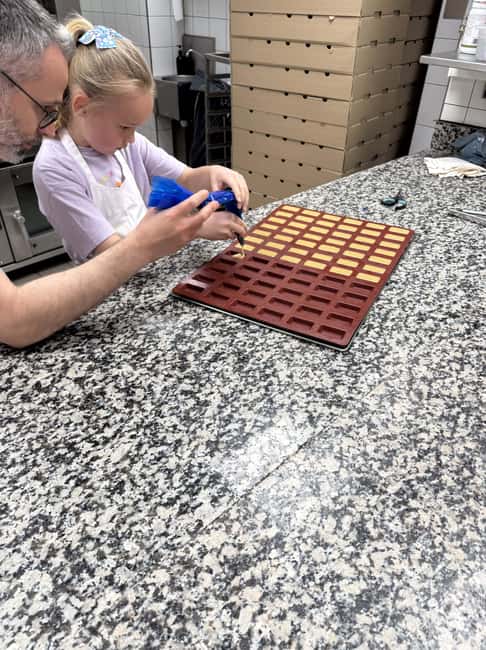
Financiers are a good choice for a short class. They can be prepared and baked within a more manageable period than laminated pastry, and they show how French baking uses texture and flavor in a small package. You may also get to shape or decorate your own version.
The mix of sweet and savory work keeps the class moving. Bread teaches you about fermentation and structure. Cakes show you how a different mixture behaves in the oven. Croissants add butter, folding, and precision.
You also taste along the way. These tastings are not just snacks. They help you understand how flavor influences what you create. Comparing a plain bread with a pastry or cake makes the technical explanations easier to remember.
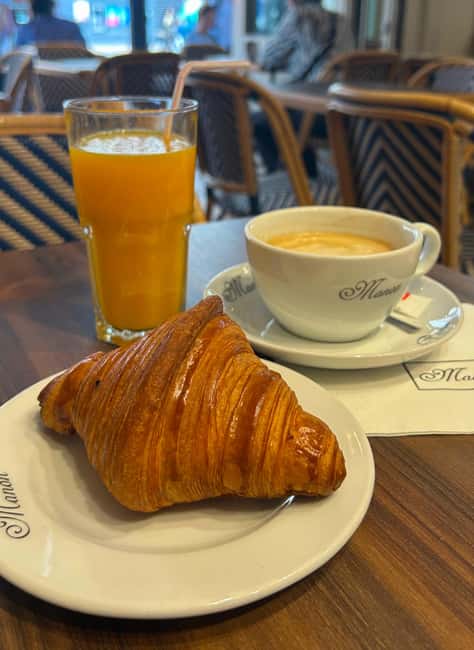
Some sessions began with coffee and pastries from the bakery, and several included a drink. These extras can vary by session, so I would not book solely for a promised beverage. The dependable value is the hands-on lesson and the food connected to it.
Your guide makes the difference
A small class gives the guide room to adjust the lesson. If your group has never baked before, the instructor can slow down and show each movement. If you already bake, you can ask more detailed questions about dough, flour, or shaping.
The instructors named in the experience include Priya, Salome, Pierre, Nisha, Valentina, Martin, Igor, Jessica, Clara, David, and Valerie. You cannot necessarily choose a particular guide, but the feedback points to a consistent strength: the instructors are patient, lively, and willing to help.
Priya has been praised for clear explanations and kindness, including in a one-person session. Salome brought humor and strong knowledge of baguettes and croissants. Pierre was noted for making both adults and children feel welcome, while Nisha was described as patient and attentive during hands-on work.
David added useful cultural advice about French bakery manners and everyday behavior. That kind of guidance can be valuable during a first Paris visit. You learn not only how bread is made, but also how a local bakery operates and how to feel more comfortable using one.
The group limit is eight, but you may find yourself in a smaller class. One session had just one participant, while others had four, five, six, or eight people. A smaller group means more chances to handle the dough and ask questions. A full group can still work well, but you may wait briefly while the guide helps someone else.
What you take home after the baking
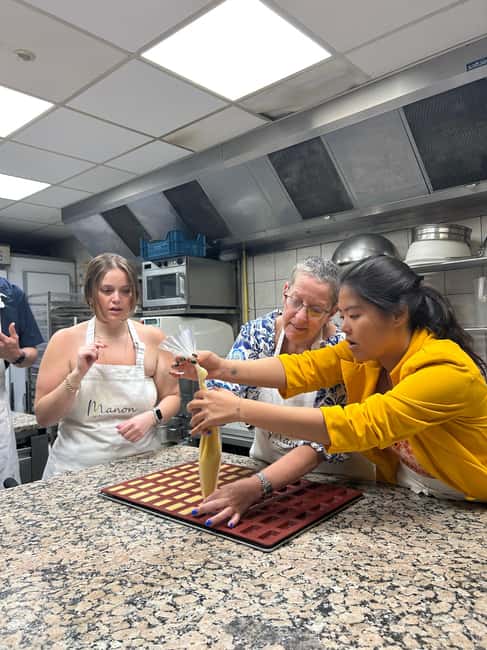
One of the strongest reasons to book this class is the food you leave with. Depending on the session, you might take home baguettes, rolls, bread bowls, financiers, or other baked items.
The amount can be generous. Some families left with a full bag of bread and small cakes, while others took home several bakery items to enjoy later in the day. That makes the experience feel less like a demonstration and more like a meal project you helped create.
Do not assume every item will come home with you. Croissants are the main exception because they may need more time to finish. Ask the guide what will be ready to take away on your date.
Plan your day around the food. You may want to arrive hungry, but do not schedule a large meal immediately afterward. Fresh bread and pastries can add up quickly, especially when you also receive tastings from the bakery.
If you are flying home soon, the bread can travel reasonably well for a short period. One participant took bread home before a flight and found it still good on the second or third day. That is a useful option for a final-day Paris activity, though you should pack it carefully and follow your airline’s rules for food.
Is $106 a fair price?
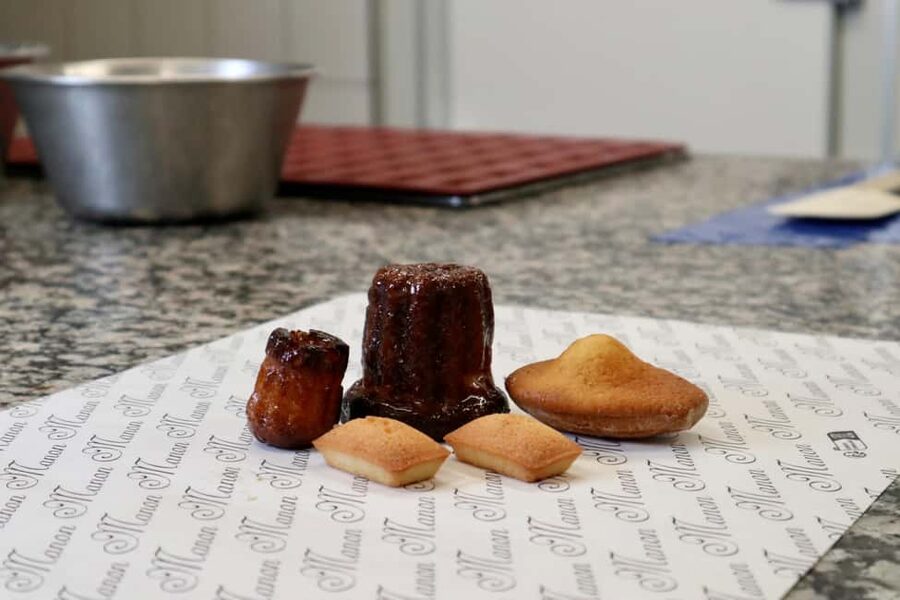
At $106 per person, this is not a cheap bakery visit. You are paying more than you would for a baguette, pastry, and coffee in Paris.
The comparison is not quite fair, though. The fee covers two hours of instruction, an English-speaking guide, tastings, access to a working bakery, and hands-on preparation. You also leave with baked goods in many sessions. If your group would otherwise pay for a separate pastry class and a bakery tour, the price becomes easier to justify.
The value is strongest for people who care about the process. If you only want to eat a croissant, buy one from a bakery and spend the remaining money elsewhere. If you want to understand how French bread is shaped, why laminated dough takes time, and how a neighborhood bakery functions, the class offers more.
A family can also get good value from it because adults and older children participate together. You are paying for a shared activity, not just food. The class gives you something to talk about and a skill you can try again at home.
Who should book this class?
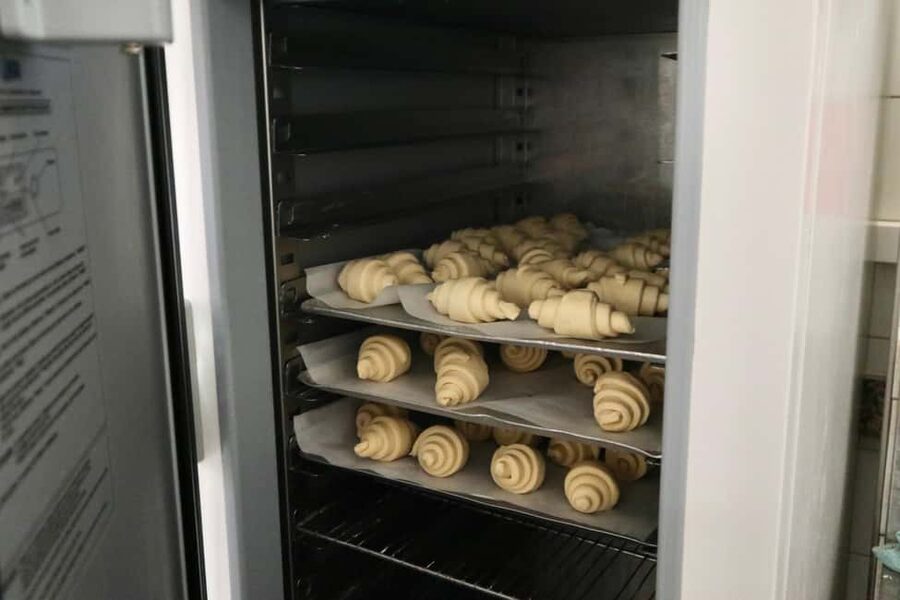
I would recommend it to first-time bakers, curious home cooks, families with school-age children, couples, solo visitors, and people who have already seen the major Paris sights.
It works especially well for repeat visitors. You may have already visited the Eiffel Tower, the Louvre, and several famous churches. Spending two hours in a working bakery gives you a different view of daily Paris life.
Children can join with an adult, and the hands-on work has suited children around ages 9 and 11. Children under five may attend free, but they cannot take part in the baking because of safety concerns. The experience is not suitable for children under five as an active class.
You should also be comfortable standing for an extended period. The bakery is on the second floor, reached by 15 steps, and there is no elevator. The narrow stairs and active bakery space make this unsuitable for wheelchair users and difficult for anyone with reduced mobility.
Practical timing and booking advice
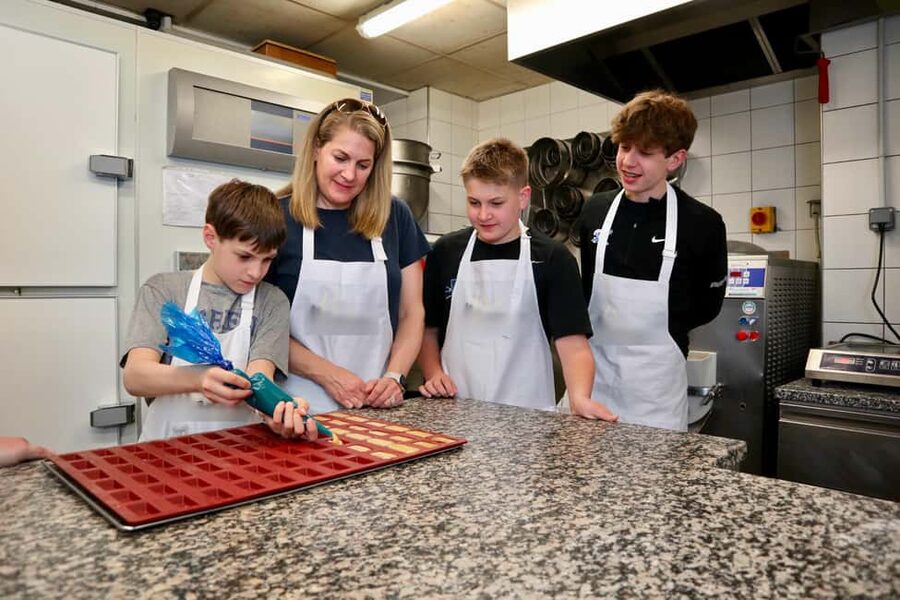
The duration is two hours, but the working-bakery format means the exact order may change. Meeting points vary by the option you book, so check your confirmation closely rather than relying on a general Paris map pin.
The class is offered in English with a live guide. Groups are limited to eight, and sessions may be smaller. If personal instruction matters to you, choose a time with availability rather than waiting until the last minute.
You can cancel up to 24 hours before the activity for a full refund, and the reserve-now, pay-later option gives you some flexibility while your Paris plans are still changing.
I would avoid scheduling this immediately before a formal dinner or another standing activity. Give yourself time to carry the baked goods, eat a little, and enjoy the result. The experience is relaxed, but it is still active work in a bakery.
Should you book the Paris Baking Insider Experience?
Book it if you want a practical look at French food culture, not just another tasting stop. The working bakery, small group, friendly instructors, and take-home bread give the class more substance than a simple pastry demonstration.
Skip it if you dislike standing, cannot manage stairs, or mainly want to eat a finished croissant made entirely during the session. The two-hour schedule cannot cover every stage of laminated pastry.
For most people who enjoy food and want a hands-on Paris memory, I think the experience is worth the $106. You learn enough to notice better bread during the rest of your trip, and you may return home with the confidence to shape a baguette or bake financiers yourself.
FAQ
How long does the Paris Baking Insider Experience last?
The experience lasts two hours. Starting times vary, so check availability for the date you want.
How many people are in each group?
The class is limited to eight participants. Some sessions may have fewer people, including very small groups or even one participant.
What will I learn to make?
You may prepare baguettes, rolls, bread bowls, financiers, croissants, and other sweet or savory items. The exact combination can vary by session.
Can I take the baked goods home?
In many sessions, you take home bread, rolls, financiers, and other items you help make. Croissants may not be ready to take home because the dough requires more time.
Is the activity suitable for children?
Children may attend with an adult. Children under five can join free, but they cannot take part in the hands-on baking for safety reasons.
Is the bakery accessible for wheelchair users?
No. You must climb 15 steps to reach the second-floor bakery, and there is no elevator. The class also requires standing for an extended period.
Just added around Paris
- Paris: Montmartre Macaron Baking Workshop★ 4.9 · 143 reviews
- Paris: Macarons Cooking Class with Pâtisserie Chef Noémie★ 4.8 · 179 reviews
- Paris: Hands-On Small Group Cooking Class★ 4.9 · 19 reviews
- Paris: Millefeuille baking class with a chef★ 5.0 · 5 reviews
- Paris: Macaron Baking Class★ 4.4 · 26 reviews
- Paris: Evening Cooking Class with Optional Market Visit★ 4.8 · 19 reviews
- Paris: Lemon Tart Baking Class with a Pastry Chef★ 5.0 · 4 reviews
- Paris: French Pastry and Baking Workshop★ 4.1 · 12 reviews
Baking & Bread Classes, compared.

Group Tour: Garni, Symphony of Stones, Geghard, Lavash Baking
Read our review →
Paris Croissant Small-Group Baking Class with a Chef
Read our review →
Garni & Geghard Small-Group Day Trip with Lavash Baking
Read our review →
Vienna: Gerstner KuK Hofzuckerbäcker Baking Show & Tasting
Read our review →
Yerevan: Garni, Geghard, Symphony of Stones & Lavash Baking
Read our review →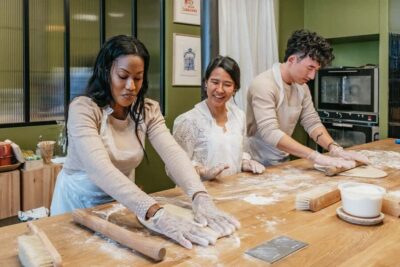
Paris: French Croissant Baking Class with a Chef
Read our review →
Laugarvatn Fontana: Geothermal Bread-Baking Experience
Read our review →Browse the lists this tour appears in