
Review · ITALY
Messina: Pasta & Tiramisu Cooking Class at a Local’s Home
Messina’s best food lesson may happen far from a restaurant kitchen. In a local home, you’ll roll sfoglia, the thin sheet of fresh pasta, shape two pasta dishes, and finish with tiramisu. The work is hands-on, practical, and followed by a meal of what you made.
I like the friendly aperitivo of prosecco and nibbles, which gives you an easy start before the flour hits the table. I also like that the class uses family recipes and local hosts through Cesarine, giving the meal a personal touch that a standard cooking school often lacks.
The main consideration is the private-home setting. You do not receive the full address until after booking, and the class is not suitable for wheelchair users. Share your allergies, food intolerances, hotel neighborhood, and planned transport when you reserve.
Key points at a glance
- Roll sfoglia by hand: Learn the basic technique behind fresh Italian pasta, not just how to boil a packet.
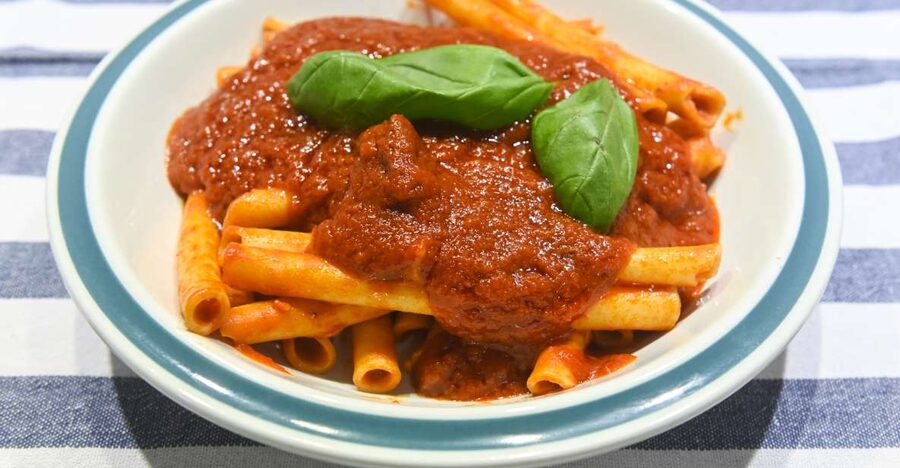
- Make two pasta types: You prepare two classic pasta recipes from scratch and eat both afterward.
- Start with an aperitivo: Prosecco and snacks provide a relaxed introduction to the host and the class.
- Finish with tiramisu: The dessert lesson rounds out a full Italian meal.
- Meet a Cesarine home cook: Hosts such as Giusy open their homes and share recipes from family cookbooks.
- Allow three hours: The pace leaves time for cooking, conversation, and tasting with wine, water, and coffee.
A cooking class inside a Messina home
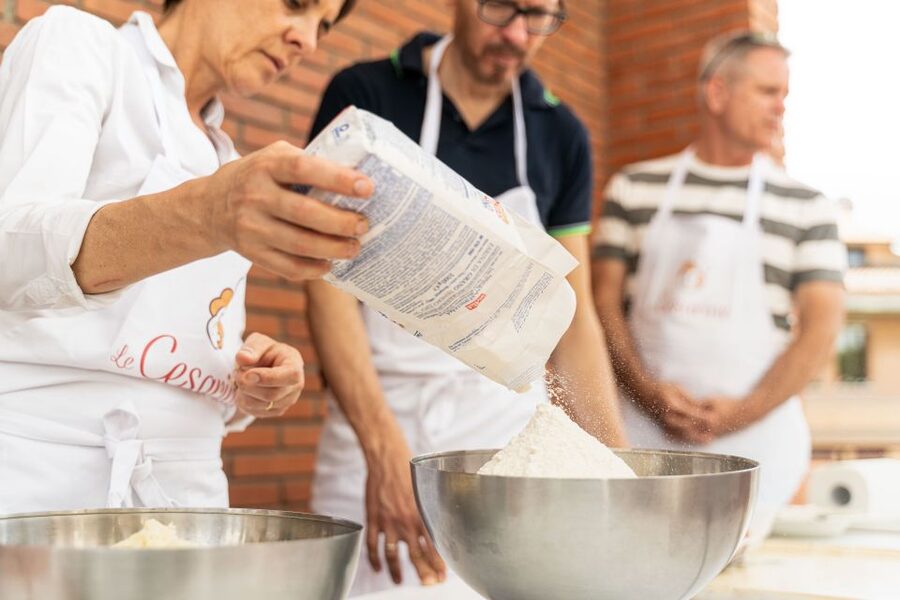
This is a food lesson with a human scale. Rather than sitting in a large demonstration kitchen, you enter a local home and work beside a Cesarine host. The address stays private until you book, so you should think of this as a hosted household visit rather than a public venue with a fixed storefront.
Cesarine is a network of home cooks operating in more than 500 Italian cities. The appeal is simple: your host teaches recipes connected to family cooking and regional traditions, then serves the food at the same table. In Messina, that can give your meal a stronger local character than a class built around generic Italian dishes.
The host speaks Italian and English. That matters during pasta making, where small physical details are easier to understand when someone can show you the movement and explain what to watch for. Some bookings have been hosted by Giusy, who made visitors feel comfortable and guided them through two pasta recipes and tiramisu.
You should still keep expectations sensible. A home kitchen is not necessarily designed for a large class or a polished restaurant presentation. The reward is the personal setting, while the tradeoff is that the exact home, host, and kitchen details are not known until after you reserve.
More Pasta Making Classes in Italy:
- Florence: Pasta Cooking Class with Unlimited Wine
★ 4.9 · 10,285 reviews - 3 in 1 Cooking Class near Navona: Fettuccine, Ravioli & Tiramisu
★ 5.0 · 7,376 reviews - Florence: Pasta & Tiramisu Cooking Class with Unlimited Wine
★ 4.9 · 6,708 reviews
Prosecco and snacks before the flour
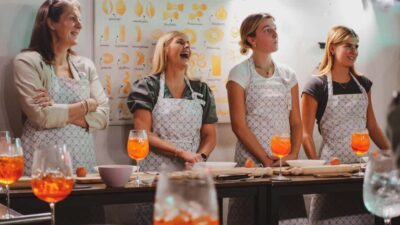
The class begins with an Italian aperitivo, a small pre-meal ritual that helps everyone settle in. You receive prosecco and nibbles, giving you time to meet your host and get comfortable before starting the cooking work.
I like this opening because it removes the pressure of arriving at once and being handed a recipe. It also reflects how Italians often treat food as a social event, not simply fuel between sightseeing stops. The snacks are included, along with water, wine, and coffee later in the meal.
Do not expect the aperitivo to be a full lunch. Its job is to warm up your appetite and the conversation. The main meal comes after you have prepared the pasta and dessert.
This opening also helps if you are joining with someone who is less interested in cooking than you are. They can take part in the social side while still watching the techniques and sharing the final meal.
Rolling sfoglia from scratch
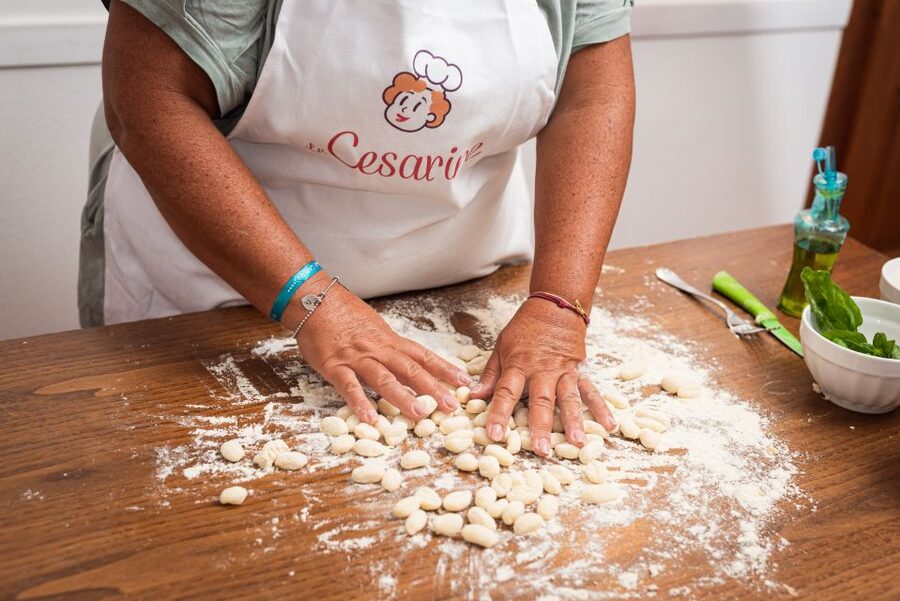
The central skill is making sfoglia by hand. Sfoglia is the fresh pasta sheet that becomes the base for many pasta shapes. Rolling it properly takes more than simply flattening dough, and a local cook can show you how the texture and thickness should change as you work.
This is the part where you gain a useful kitchen skill rather than just a recipe. You learn to handle the dough, roll it, and prepare it for shaping. The class is designed to be hands-on, so you should expect to participate rather than watch the host do everything.
The description promises two iconic pasta types, prepared from scratch. The precise shapes are not specified in advance, so do not book expecting a particular form such as ravioli or tagliatelle. That uncertainty is worth noting, but it also allows the host to teach dishes from a personal or regional recipe collection.
I would pay close attention to the host’s advice about dough consistency and rolling. Those are the details most likely to help when you try fresh pasta at home. A recipe card can tell you ingredient amounts, but it cannot easily show when dough feels ready.
Two pasta recipes, then the best kind of lesson
After the sfoglia work, you prepare two different pasta dishes. The point is not simply to produce two plates of food. You get to see how one basic fresh-pasta method can lead to different shapes and finished recipes.
That makes the class useful for home cooks at different levels. If you are new to pasta, you get an introduction to dough and shaping. If you already cook, the local host’s method and family recipes may give you new ideas for sauces, proportions, or presentation.
The class is especially good for couples, families, or friends who want an activity that gives them something to talk about afterward. One booking included a mother and daughter who enjoyed making both pasta dishes and tiramisu together. The shared work gives the experience a natural rhythm, with plenty of chances to help one another.
The meal afterward is important. You are not preparing food simply to have it taken away by a chef. You taste the two pasta recipes you made, which lets you judge the texture and seasoning while the lesson is still fresh in your mind.
More Dessert Classes in Italy:
- Rome: Pasta Making Class with Wine, Limoncello, and Dessert
★ 4.9 · 3,177 reviews - Rome: 3-in-1 Fettuccine, Ravioli, and Tiramisu Cooking Class
★ 4.9 · 2,704 reviews - Florence: Cooking Class Pasta & Tiramisu Making Unlimited Wine
★ 5.0 · 2,234 reviews - Fettuccine & Tiramisù: Cooking Class with Wine & Limoncello
★ 4.9 · 2,103 reviews
Tiramisu finishes the cooking lesson
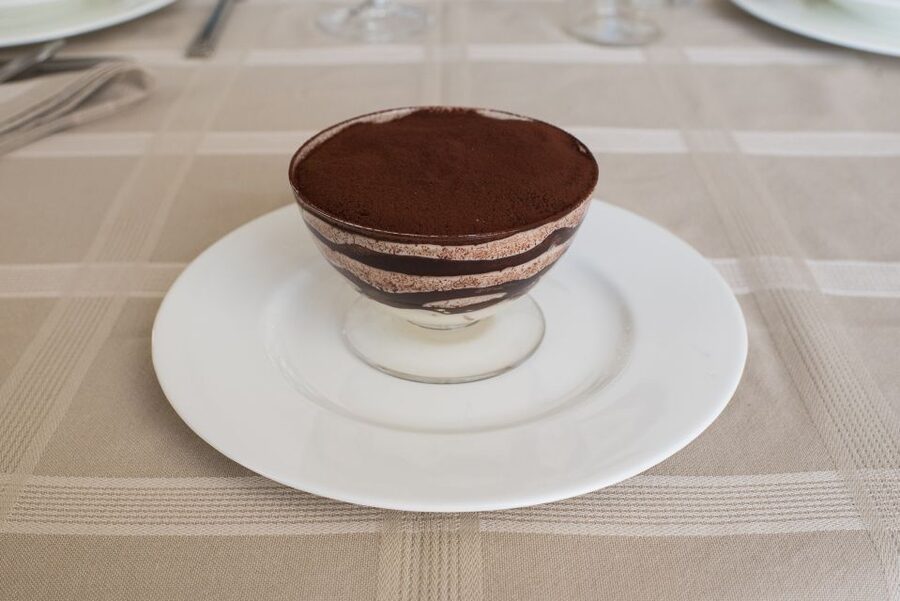
The dessert portion covers classic tiramisu. It is a smart choice for this type of class because it adds a different set of kitchen skills after the pasta work. You move from dough and shaping to assembling a familiar Italian dessert.
The available information does not specify every ingredient, technique, or presentation detail, so you should not assume the host will teach a particular regional variation. You will, however, make tiramisu as part of the class and eat it afterward.
I like having dessert included because it turns the session into a complete meal. Pasta alone would make a useful workshop, but pasta plus tiramisu gives you a fuller picture of an Italian table, from aperitivo through dessert.
It also provides a welcome change of pace. After concentrating on sfoglia, you get another task with a different texture and rhythm. The tiramisu becomes the sweet finish to a meal you helped create from beginning to end.
Sitting down to eat your own work
Once the cooking is finished, you sit down to taste the two pasta recipes and tiramisu. Beverages include water, wine, and coffee, in addition to the prosecco and snacks served earlier.
This shared meal is where the home setting earns its keep. In a restaurant, you can order excellent pasta, but you do not see the preparation or share the kitchen process with the cook. Here, the food carries a memory of the work you did together.
You should expect a relaxed meal rather than a rushed tasting. The total session lasts three hours, which gives room for instruction, preparation, eating, and conversation. The exact timing depends on the host and start time, so check availability before choosing a slot.
The strongest part of the meal is likely the sense of achievement. Fresh pasta can seem intimidating, but once you have rolled and shaped it yourself, the dish becomes easier to understand. The tiramisu adds a final reward without requiring another stop in a restaurant.
What the $112.15 price includes
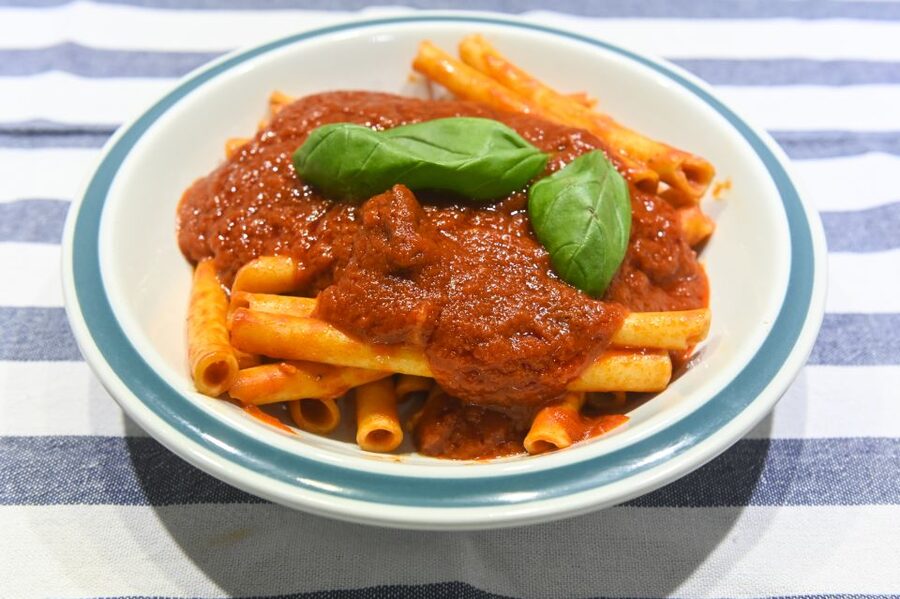
At $112.15 per person, this is not the cheapest way to eat pasta in Messina. You could order a plate of pasta for much less. The value comes from the three-hour lesson, the ingredients, the aperitivo, the meal, the drinks, and the personal setting.
The price includes the pasta and tiramisu-making class, tasting of both pasta recipes and tiramisu, prosecco and nibbles, water, wine, coffee, and local taxes. That is a broader package than a short demonstration followed by a small sample.
I would consider it good value if you want an activity as well as lunch or dinner. You are paying for instruction and social time, not just calories. It is less compelling if your priority is simply finding the lowest-cost meal in Messina or if you prefer a formal culinary school with a fixed menu and published kitchen facilities.
The value also depends on how much you will use the skills later. If you enjoy cooking at home, learning to roll sfoglia can justify part of the cost long after your Sicily trip. If you rarely cook, the memory of making the meal may be the main return.
Timing, meeting details, and getting ready
The class lasts three hours, but start times vary. Check available times before booking, then plan the rest of your Messina day around that window. Cooking is a poor activity to squeeze between two fixed appointments.
The class takes place in a local home, and the full address is provided only after booking for privacy reasons. You should not expect to meet at a public landmark or a standard cooking-school address.
Cesarine asks for useful information before matching you with a host. Give them your food allergies and intolerances, the neighborhood where you are staying, and how you plan to reach the home. Once they have those details, they send the host’s name, telephone number, and full address.
That arrangement can be convenient because the host may be matched with your location and needs. It also means you should pay attention to follow-up messages after booking. Keep the host’s contact details available on the day, particularly if you are unfamiliar with the part of Messina where the home is located.
The experience is offered in Italian and English. It is not suitable for wheelchair users, so anyone with mobility concerns should check carefully before paying.
Who will enjoy this Messina food experience
I would choose this class if you want a personal food activity, enjoy meeting local people, or would like a break from churches, museums, and city walks. It suits couples and families particularly well because the work is shared and the final meal gives everyone something to discuss.
It is also a good option for a rainy day or for an evening when you want more than a restaurant reservation. The three-hour length gives the activity enough substance to feel like a real part of your Sicily visit.
Food-focused visitors will get the most from it, especially if fresh pasta is new to you. The class also suits an experienced home cook who wants to compare techniques and learn recipes connected to a Sicilian host’s family cooking.
I would hesitate if you need a fully accessible venue, require a precise address well in advance, or dislike eating in private homes. You may also want another option if you need to know the exact pasta shapes before booking, since only two iconic types are promised, not their names.
Booking advice for a smoother class
Bring an appetite, but do not arrive expecting the aperitivo to replace the meal. Prosecco and snacks are only the opening, with the pasta and tiramisu served later.
Tell the booking team about every food intolerance or allergy. Do not wait until you arrive at the home. The host needs that information to prepare a suitable experience.
Think about transport before the day of the class. Since the home address arrives after booking, allow time to find the location and contact the host if needed. Your neighborhood and transport plan are specifically requested for the host match.
The cancellation policy is practical: you can cancel up to 24 hours in advance for a full refund. You can also reserve now and pay later, which helps if your Messina schedule is still changing.
Should you book this class?
Book it if you want to make food, not merely eat it. The combination of hand-rolled sfoglia, two pasta recipes, tiramisu, prosecco, and a shared meal gives you a full three-hour taste of Italian home cooking.
The strongest reasons to go are the personal setting, the practical pasta lesson, and the chance to eat what you prepared. The main cautions are the undisclosed address before booking, the private-home format, the unknown pasta shapes, and the lack of wheelchair access.
At $112.15, I would call it a worthwhile splurge for food lovers, families, and anyone wanting a social activity in Messina. If you prefer a predictable venue or only want an inexpensive meal, spend your money at a restaurant instead.
FAQ
How long does the Messina cooking class last?
The class lasts three hours. Check availability for the starting times offered on your date.
Where does the cooking class take place?
The class takes place in a local host’s home in Messina. For privacy, you receive the full address after booking.
What food will I make?
You will learn to roll sfoglia by hand, prepare two different iconic pasta types, and make tiramisu. You will taste all three dishes afterward.
What drinks and food are included?
The experience includes an Italian aperitivo with prosecco and nibbles, plus water, wine, and coffee. Local taxes are also included.
What languages does the host speak?
The class is offered in Italian and English.
Can I cancel for a refund?
Yes. You can cancel up to 24 hours in advance for a full refund.
Is the class suitable for wheelchair users?
No. The experience is not suitable for wheelchair users.
More Hands-On Workshops in Italy
- Florence: Pasta Cooking Class with Unlimited Wine
★ 5.0 · 6,413 reviews - Naples: Pizza-Making Workshop with Drink and Appetizer
★ 4.9 · 5,411 reviews - Cooking Class and Lunch at a Tuscan Farmhouse with Local Market Tour from Florence
★ 5.0 · 4,831 reviews - Authentic Pizza Making Class in Naples with Appetizers and Drink
★ 5.0 · 3,178 reviews
Just added around Italy
- Monopoli: Parco Rurale Guided Tour with Pasta-Making Lab★ 4.9 · 13 reviews
- Montepulciano: Pasta-Making Class with Tasting and Wine★ 4.7 · 39 reviews
- Montone: Pasta Making and Dinner at Cardaneto Castle★ 5.0 · 4 reviews
- Modena: Private Pasta-Making Class at a Local’s Home★ 4.3 · 3 reviews
- Modena: Home Cooking Class Tagliatelle and Ragu and Tiramisu★ 5.0 · 23 reviews
- Milazzo: Sicilian Pasta Making Class with Dinner★ 5.0 · 5 reviews
- Rome Pizza & Gelato Cooking Class★ 4.6 · 49 reviews
- Milan: Private Cooking Class at a Local’s Home★ 5.0 · 9 reviews
Pasta Making Classes, compared.
Florence: Pasta Cooking Class with Unlimited Wine
Read our review →
3 in 1 Cooking Class near Navona: Fettuccine, Ravioli & Tiramisu
Read our review →
Rome: Pasta Making Class with Wine, Limoncello, and Dessert
Read our review →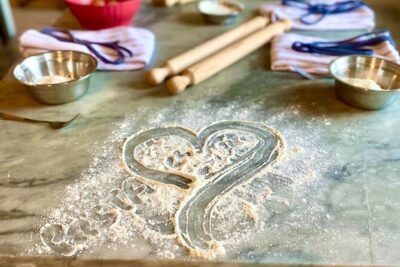
Rome Cooking Class: Make Pasta and 3 Spritz Cocktails
Read our review →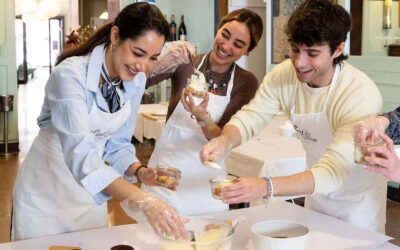
Rome: 3-in-1 Fettuccine, Ravioli, and Tiramisu Cooking Class
Read our review →
Rome: Fettuccine Pasta Cooking Class in Rome’s City Center
Read our review →Browse the lists this tour appears in