
Review · ITALY
Olbia: Sardinian Pasta-Making Guided Workshop
Sardinia’s food culture makes the most sense when you see it as part of daily life, not as a list of dishes on a restaurant menu. At this 3.5-hour workshop near Olbia, you work semolina and water into several old-style pasta shapes, visit a small winery, and sit down to a full Gallura meal in a country house.
I like two things right away. First, Simonetta does not stop at showing you how to make pasta. She connects cooking with Sardinian family life, village customs, wine, and the island’s famous longevity. Second, the meal gives the class a proper finish, with homemade pasta, local dishes, bread, wine, and regional digestives. The main consideration is transport: hotel pickup and drop-off are not included, so you need to reach the country house yourself.
Key Points Before You Book
- Learn four types of pasta: The class focuses on traditional Sardinian shapes made with simple ingredients and old-fashioned tools.
- Meet Simonetta at her country home: Her warm, personal teaching style is a major part of the experience.
- Visit a working wine cellar: You learn about Sardinian wine and taste it alongside the meal.
- Eat a full Gallura meal: Expect several courses, homemade bread, wine, desserts, and local digestives.
- See more than a kitchen: A collection of rare food products and traditional work tools adds a strong cultural side.
- Plan your own transport: The meeting point is a country house, and the activity returns there at the end.
Why This Is More Than a Standard Cooking Class
Many pasta classes teach a recipe, let you eat it, and send you on your way. This one takes a broader view. The pasta is the hands-on center, but the real subject is Sardinian life: how food was made, how work was shared, how wine was produced, and how traditions passed from one generation to the next.
That makes the experience a good fit if you want context with your meal. You are not simply learning a kitchen technique. You are hearing stories about domestic work, village customs, and the food habits linked with Sardinia’s Blue Zone reputation and long-lived residents.
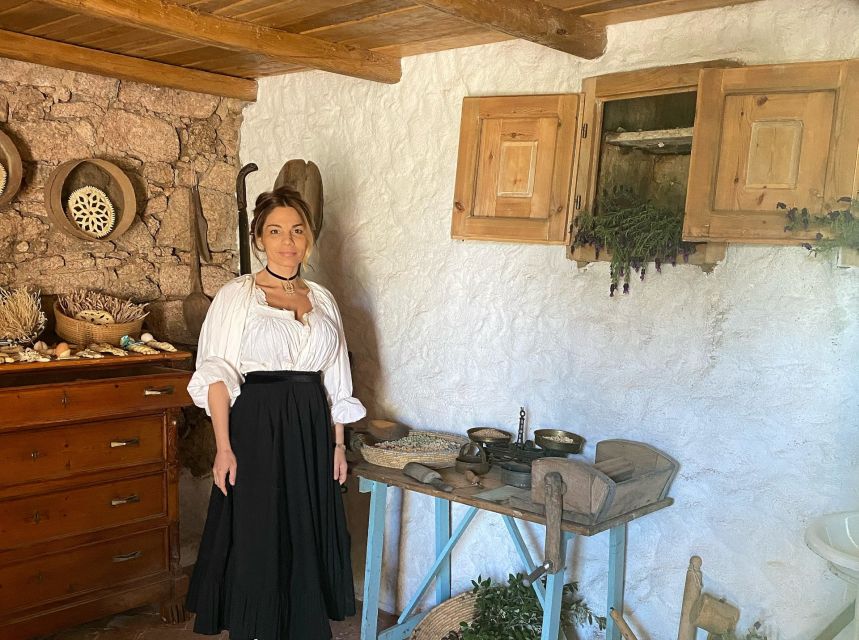
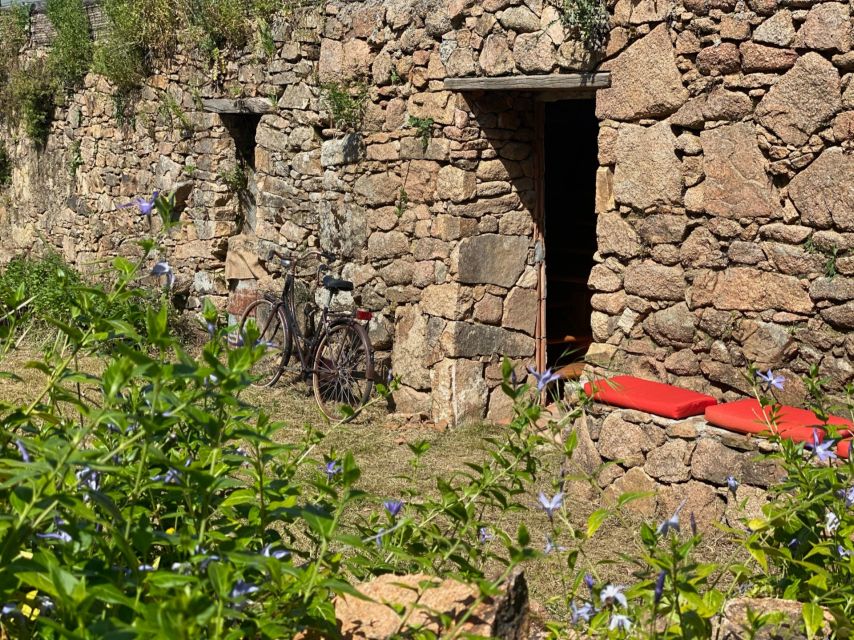
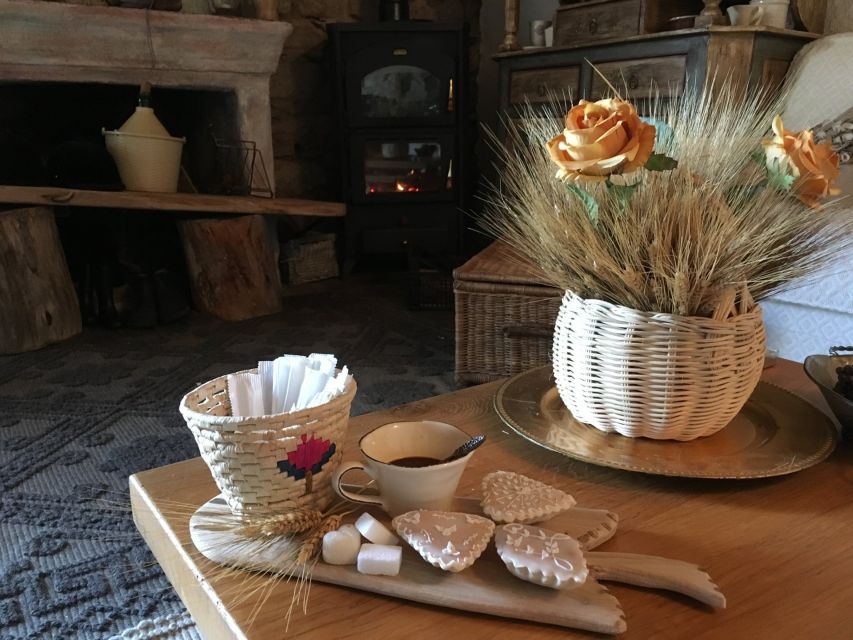
The setting matters, too. You meet at a country house in a small Gallura village area near Olbia rather than at a large culinary school. The atmosphere is intended to feel old and lived-in, with a display of tools used in Sardinian arts and a collection of unusual regional food products. It gives the class a stronger sense of place than a polished city-center venue would.
Still, the experience depends on enjoying conversation and a relaxed pace. If you want a quick demonstration followed by a short tasting, this may feel too long. The whole point is the social meal and the stories around it.
More Pasta Making Classes in Italy:
- Florence: Pasta Cooking Class with Unlimited Wine
★ 4.9 · 10,285 reviews - 3 in 1 Cooking Class near Navona: Fettuccine, Ravioli & Tiramisu
★ 5.0 · 7,376 reviews - Florence: Pasta & Tiramisu Cooking Class with Unlimited Wine
★ 4.9 · 6,708 reviews
Starting With Sardinian Pasta and Everyday Life
The class begins with either a breakfast-style welcome or a welcome drink, depending on the scheduled format. Simonetta introduces Sardinian lifestyle and older household tasks before moving into the pasta work.
The basic mixture is wonderfully plain: water and semolina. From that, you shape pasta connected with different parts of Sardinia. The equipment is provided, and the instruction is designed for beginners rather than trained cooks. You should expect to work with your hands, watch Simonetta demonstrate, and then copy the shapes yourself.
Several people who took the class learned four different pastas, which is a useful detail when comparing this with shorter pasta lessons. You get variety instead of repeating one shape for the whole session. The different forms also help show how Sardinian food traditions vary from one area to another.
This is not the kind of class where perfection matters. Your pasta may not look exactly like Simonetta’s, and that is part of the fun. The value comes from learning the method and understanding why a simple dough could support family meals for generations.
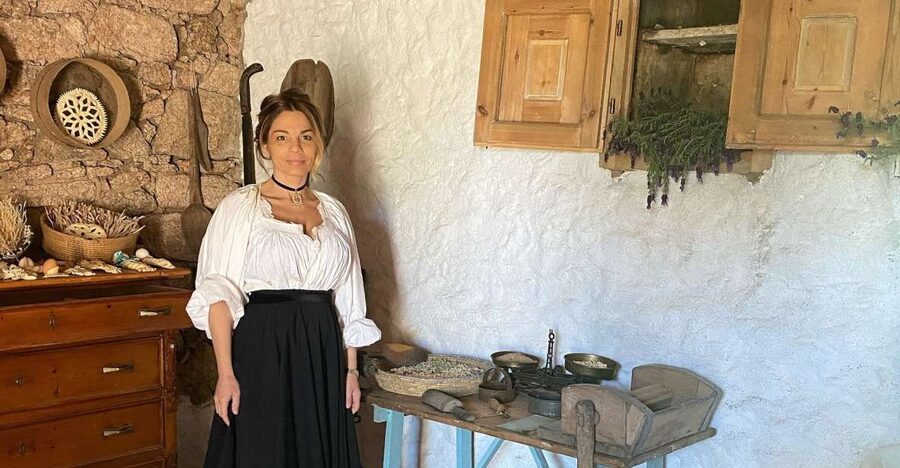
Simonetta’s role is central. She is described as a warm host, careful teacher, and passionate keeper of local traditions. That combination is important because the class includes plenty of cultural explanation. You are not left alone at a worktable with a recipe sheet.
The Wine Stop in a Small Gallura Cellar
After the pasta work, the experience moves into the village for a visit to a small winery. The focus is on how Sardinian wine is made, including older methods of production, rather than on a formal tasting with a long technical lecture.
You get to notice the wine’s aromas, taste its flavor, and look at its color. Those simple steps make the visit accessible even if you do not know much about wine. The point is to connect the drink with local work and local meals.
The wine is served with the food later, so this section does not feel tacked on. It helps you understand why wine belongs at the table in Sardinia, not just in a glass at the end of a guided tour.
Keep in mind that this is a small winery visit, not a large commercial estate tour. If you are looking for a broad selection of labels or an advanced tasting, the format may seem modest. If you want to see a local-scale operation and understand the role of wine in village life, it should fit well.
A Walk Through Sardinian Food and Work Traditions
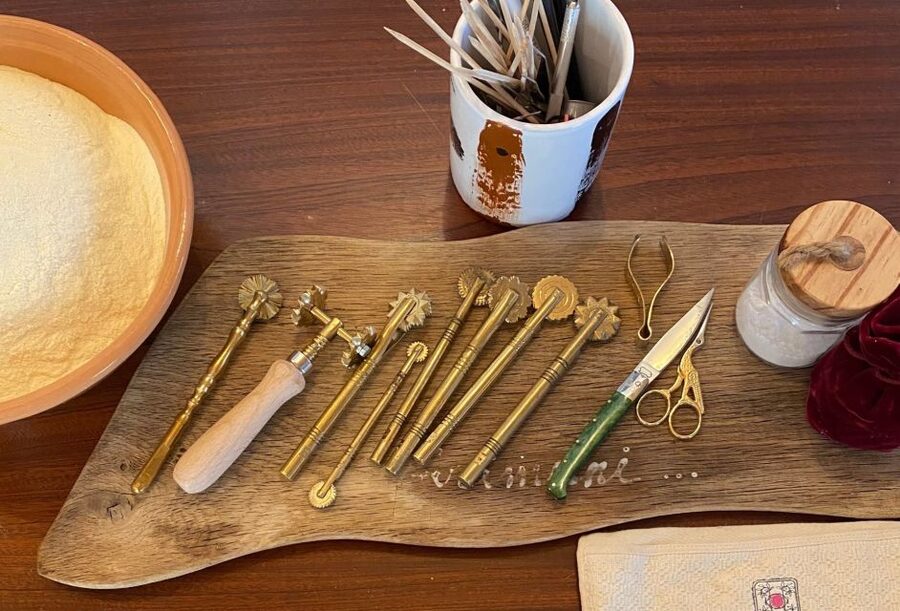
The exhibition adds an unusual cultural layer. You see rare Sardinian gastronomic products along with tools connected to traditional work across the island.
This part helps place the pasta in a bigger setting. Food was once tied closely to seasonal labor, household skills, and the tools people had at hand. Seeing those objects makes the class feel less like a modern activity created for visitors and more like a lesson in how older Sardinian homes functioned.
The exhibition is also useful if someone in your group is less interested in cooking. One person can focus on the pasta while another pays closer attention to the objects, products, and stories. The activity has several entry points, so it works for families and mixed-interest groups.
The supplied details do not give the exact size or layout of the exhibition, so you should not expect a full museum visit. Think of it as a compact collection within the country-house experience. Its strength is the personal explanation that brings the objects to life.
More Hands-On Workshops in Italy:
- Florence: Pasta Cooking Class with Unlimited Wine
★ 5.0 · 6,413 reviews - Naples: Pizza-Making Workshop with Drink and Appetizer
★ 4.9 · 5,411 reviews - Cooking Class and Lunch at a Tuscan Farmhouse with Local Market Tour from Florence
★ 5.0 · 4,831 reviews - Authentic Pizza Making Class in Naples with Appetizers and Drink
★ 5.0 · 3,178 reviews
The Gallura Meal Is the Main Payoff
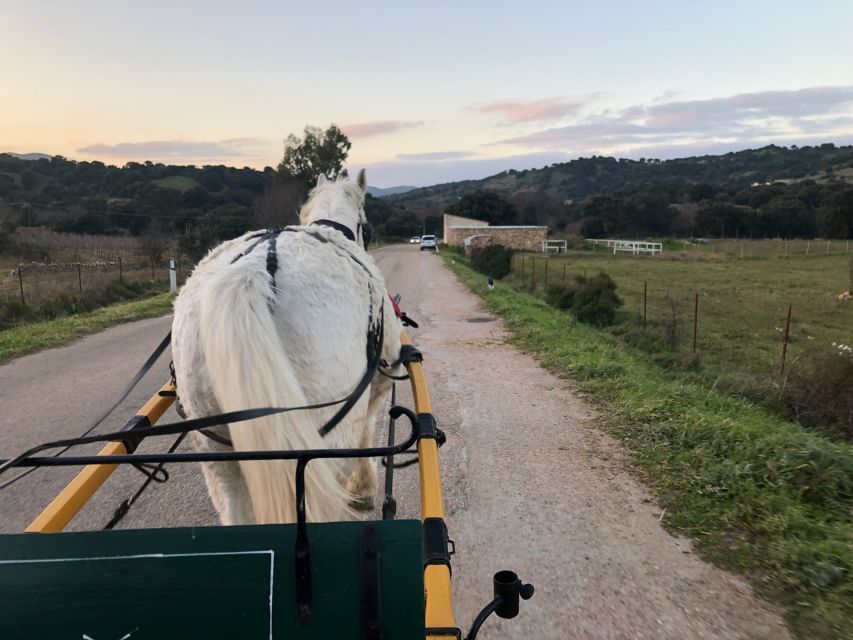
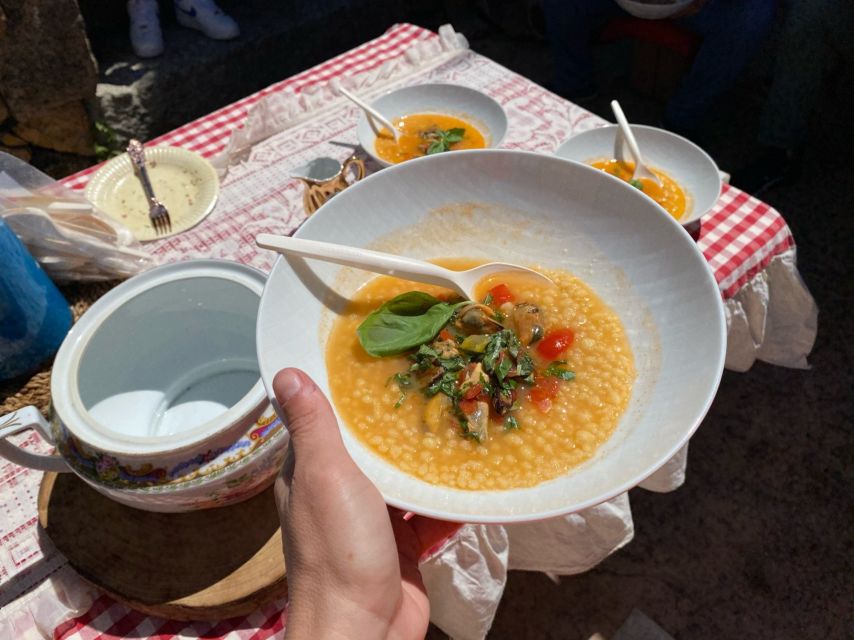
The meal is not a small sample after class. It is described as a full lunch or dinner with several courses from Gallura and wider Sardinian tradition.
You can expect a progression from appetizers to a first course, followed by desserts, homemade breads, local wine, and regional digestives. The pasta you prepared forms part of the meal, which gives the cooking lesson a satisfying purpose. You make something, then eat it at the same table.
The food may also include vegetables from Simonetta’s garden, depending on what is being prepared. That detail adds to the feeling of a home meal rather than a restaurant performance. Some participants were even given takeaway portions, although you should not assume this is guaranteed every time.
I especially like the balance between the pasta and the additional dishes. You are not asked to make the entire meal yourself, so you can concentrate on learning while still tasting a broader range of Sardinian cooking.
The generous meal is also why the price needs to be judged as more than a cooking lesson. At $181.82 per person, you are paying for about three and a half hours of instruction, a village tour, a winery visit, a cultural exhibition, a welcome drink, and a complete lunch or dinner. It is not a low-cost food demonstration, but it offers much more than pasta-making alone.
For someone who values a personal home setting and a full meal, the package can make sense. If you only want to learn one inexpensive pasta recipe, you will find cheaper options elsewhere.
What Makes Simonetta’s Hosting Important
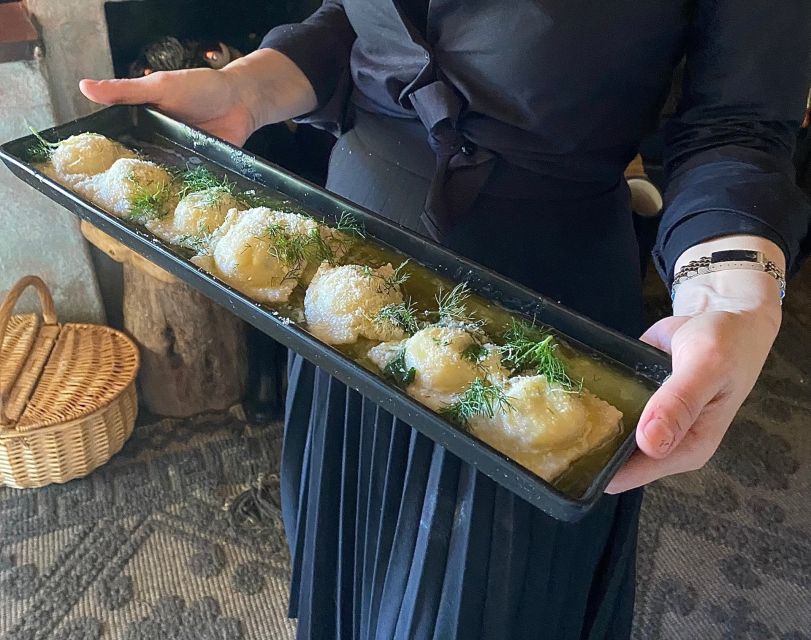
Simonetta is repeatedly praised for her kindness, flexibility, and ability to make the activity feel personal. She has adjusted timing for at least one group that needed to catch a boat excursion later in the day. That does not mean schedule changes are always possible, but it is worth asking early if your day is tight.
Her hosting style also seems to extend beyond the formal program. She has offered local suggestions for time in Olbia and welcomed people into her home in a way that feels more like a family gathering than a commercial class.
That personal approach is a major strength, but it comes with a practical tradeoff. This is not a completely anonymous or standardized food experience. The tone depends on the guide and the group. You should arrive ready to listen, ask questions, and share a meal rather than rush through a checklist.
English and Italian are offered. If you are comfortable with either language, the cultural explanations should be easy to follow. If your group needs another language, this activity is not listed as a match.
Timing, Transport, and Accessibility
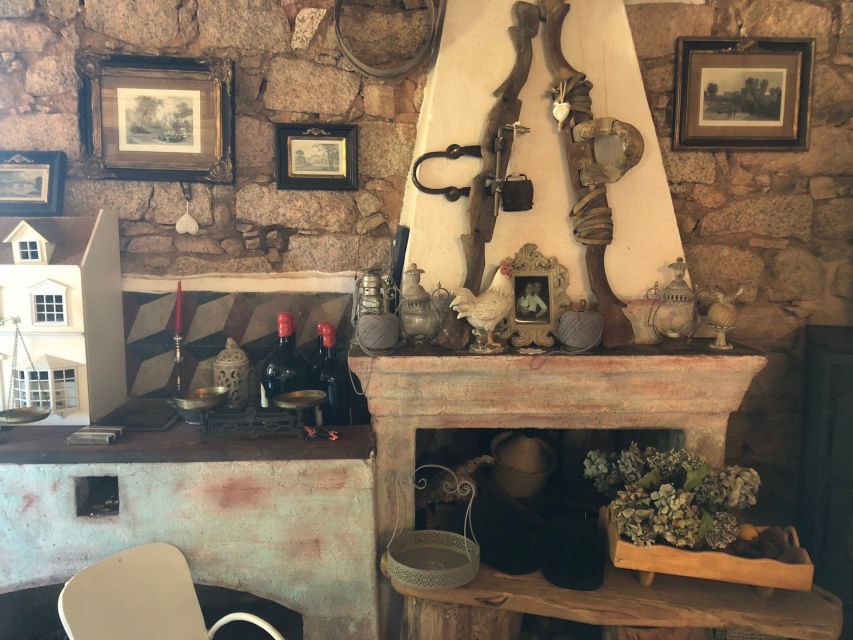
The duration is 3.5 hours, with starting times shown according to availability. The activity begins and ends at the country-house meeting point. Since hotel transportation is not included, check the exact location and plan how you will get there before booking.
This is especially important if you are staying in Olbia without a car or trying to fit the class between ferry and boat plans. The experience is in the territory of Olbia, but that does not mean it begins in the center of town.
The activity is listed as wheelchair accessible. Pets are allowed if they have a muzzle and leash, while small pets only need a leash. These rules are clear, but you should still confirm that the country house and your specific needs are a good match before arrival.
The booking terms are flexible: you can cancel up to 24 hours in advance for a full refund, and you can reserve now while paying later. The tour is confirmed once at least two people have booked, so solo visitors should keep that condition in mind.
Who Will Get the Most From This Experience
I would choose this workshop for:
- Couples who want a relaxed food experience with wine and conversation
- Families looking for an activity that combines cooking, culture, and a full meal
- First-time visitors who want more context about Sardinia than a restaurant can provide
- Food lovers who enjoy handmade pasta and traditional home cooking
- People staying near Olbia who can arrange their own transport
- Anyone interested in Sardinia’s lifestyle and longevity traditions
It may be less suitable if you dislike group meals, have very limited time, or want a highly technical cooking course. The focus is cultural and social, not professional chef training.
Special dietary needs should be raised at least one day in advance using the contact number on your booking voucher. The program specifically asks you to do this for intolerances or special requests. Do not wait until you arrive, since the meal is built around several prepared courses.
How This Compares With a Restaurant Meal
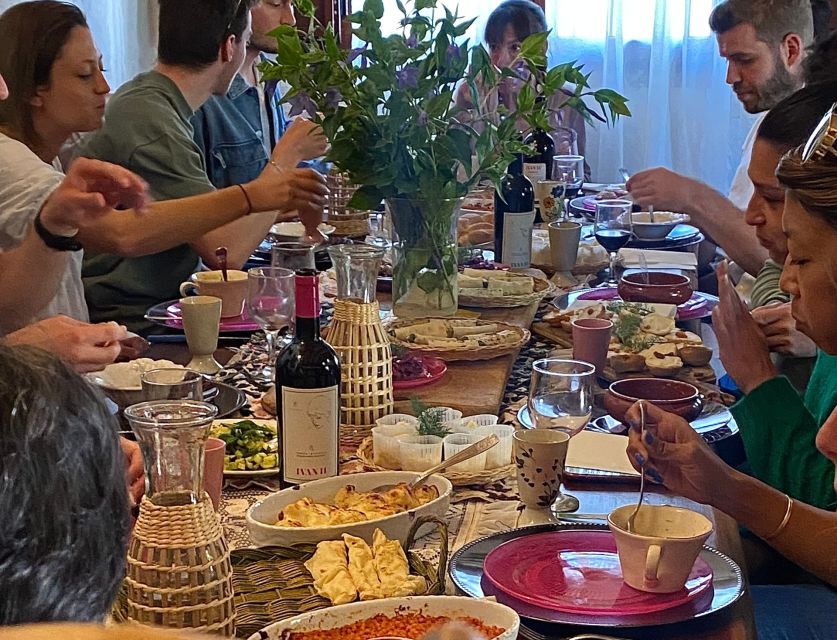
A restaurant lets you sample Sardinian food with little effort. This workshop asks more of you, but gives more back. You learn how the pasta is shaped, hear why food matters in local life, see traditional tools, and share a meal in a private country setting.
It also gives you a better chance to ask direct questions. You can ask Simonetta about ingredients, customs, family traditions, or wine as the activity unfolds. That personal exchange is difficult to get during a normal dinner.
The drawback is that the experience takes half a day and costs more than simply ordering a plate of pasta. You are paying for time, teaching, access to a home setting, and the full cultural program. For many people, that is the point. For others, a market visit and restaurant meal may offer better value.
Should You Book the Olbia Pasta Workshop?
Book it if you want a personal Sardinian food experience, not just a cooking lesson. The strongest reasons are Simonetta’s warm teaching, the chance to make several pasta shapes, the small winery visit, and the substantial Gallura meal that follows.
I would be particularly keen to book this early in a Sardinia trip. The class can help you understand later meals, wines, breads, and village traditions. It also gives you a local contact who may offer useful suggestions for your time around Olbia.
Before paying, confirm the meeting point, starting time, and transport plan. Ask about dietary needs at least a day ahead. If those details work, the $181.82 price is reasonable for a 3.5-hour experience that combines instruction, food, wine, history, and genuine time with a local host.
FAQ
Where does the Sardinian pasta workshop take place?
The meeting point is a country house in a small village area of Gallura, in the territory of Olbia. The activity ends back at the same meeting point.
How long does the activity last?
The workshop lasts 3.5 hours. Starting times depend on availability when you book.
What languages are available?
The live guide is available in Italian and English.
Is lunch or dinner included?
Yes. The activity includes either lunch or dinner, depending on the scheduled format.
What food will be served?
The meal includes traditional Sardinian and Gallura dishes, appetizers, a first course, desserts, homemade bread, wine from the winery, and typical local digestives.
Do I make the pasta myself?
Yes. You take part in a fresh pasta class using the necessary equipment. The workshop covers pasta made with water and semolina, including several traditional shapes.
Is wine tasting included?
Yes. The experience includes a visit to the winery and wine tasting.
Is transportation from my hotel included?
No. Hotel pickup and drop-off are not included. You must arrange your own way to the country-house meeting point.
Is the activity wheelchair accessible?
Yes. The activity is listed as wheelchair accessible.
Can I bring a pet?
Pets are allowed with a muzzle and leash. Small pets only need a leash.
What if I have a food intolerance or special request?
Contact the number on your booking voucher at least one day before the activity. This gives the host time to address your request.
Is the tour guaranteed to run?
The tour is confirmed when at least two people have booked.
Can I cancel the booking?
You can cancel up to 24 hours in advance for a full refund. You can also reserve now and pay later.
Just added around Italy
- Olbia: cooking class on real pasta carbonara★ 4.2 · 17 reviews
- Noto: Farm to Fork in Sicily – Cooking Class in a Farm★ 5.0 · 15 reviews
- Naples: Pizza Making Class with Neapolitan Chef and drink★ 4.6 · 25 reviews
- Naples: 3 Recipes Cooking Class at Local’s Home★ 4.8 · 5 reviews
- Naples: Small Group Pizza Making with Drink Included★ 5.0 · 39 reviews
- Naples: Pizza making class with a local pizza chef★ 4.8 · 4 reviews
- Master Authentic Neapolitan Pizza & Tiramisu at Home★ 4.8 · 75 reviews
- Naples: Pasta and Gelato Cooking Class★ 4.9 · 8 reviews
Pasta Making Classes, compared.
Florence: Pasta Cooking Class with Unlimited Wine
Read our review →
3 in 1 Cooking Class near Navona: Fettuccine, Ravioli & Tiramisu
Read our review →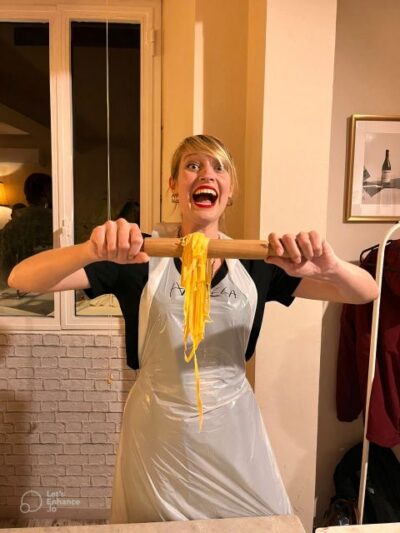
Rome: Pasta Making Class with Wine, Limoncello, and Dessert
Read our review →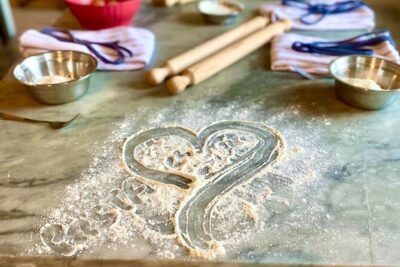
Rome Cooking Class: Make Pasta and 3 Spritz Cocktails
Read our review →
Rome: 3-in-1 Fettuccine, Ravioli, and Tiramisu Cooking Class
Read our review →
Rome: Fettuccine Pasta Cooking Class in Rome’s City Center
Read our review →Browse the lists this tour appears in