
Review · ITALY
Olbia: Traditional Pasta-Making Guided Workshop
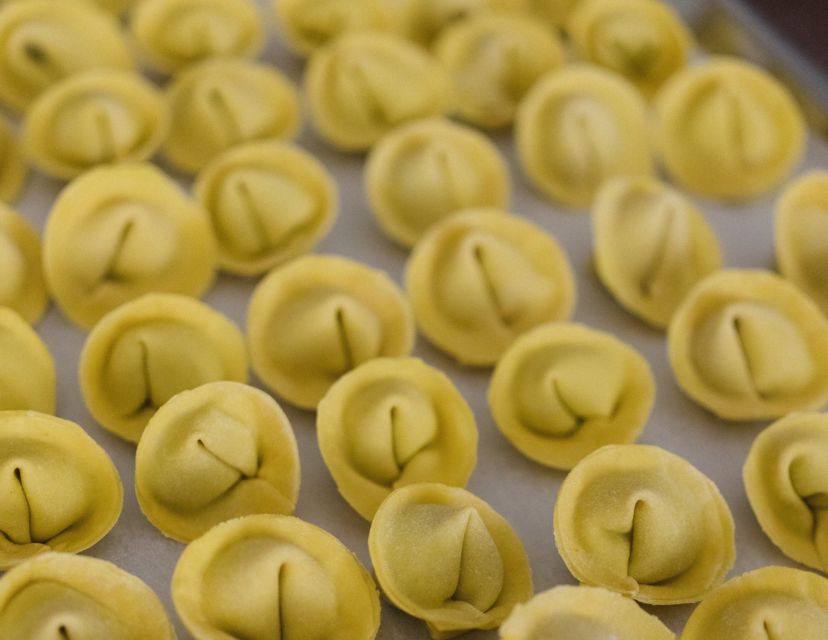
The best part of this Olbia workshop is that you do not simply watch a cook prepare Sardinian food. You put your hands in the dough, shape several traditional pastas, and then eat what you made. Malloreddus, culurgiones, and ravioli each bring a different technique and story to the table.
I like the patient, practical teaching, including tips you can use at home, and the generous tasting that follows. You get about two and a half hours of cooking, then roughly an hour with your pasta, wine, fruit, traditional sweets, coffee, and digestives. The main drawback is the price, $114.42 per person, which is a serious splurge if you only want a quick cooking lesson.
Key points to know before booking
- Three Sardinian pasta styles: Learn to make malloreddus, culurgiones, and ravioli, with fillings adjusted to the season.
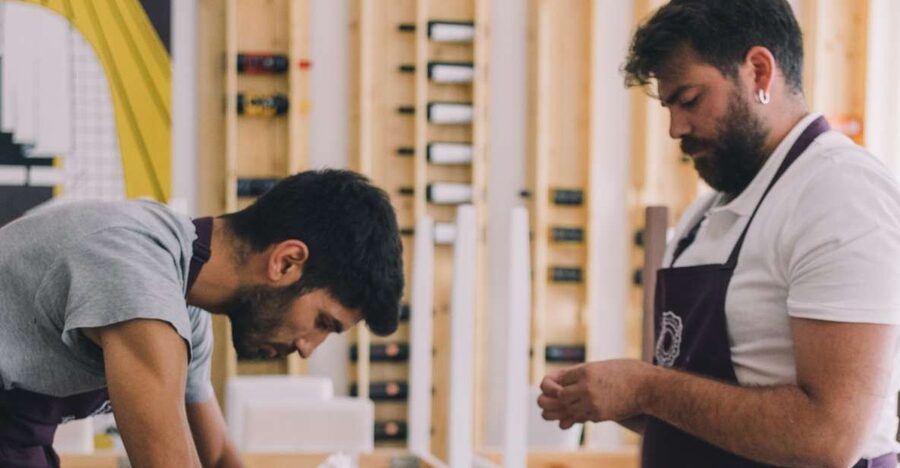
- Hands-on from start to finish: You mix dough, prepare fillings, and shape the pasta rather than sitting through a demonstration.
- Isabella may be your guide: One particularly praised session was led by Isabella, who helped participants patiently through each step.
- A full food experience: The workshop ends with a meal of your handmade pasta, wine, water, fruit, sweets, coffee, and digestives.
- Useful for mixed diets: Vegetarian and lactose-free alternatives are available if you contact the provider as soon as possible.
- Four hours in one place: The activity starts and ends at Rosinita, Experience Local Food, with no transport between stops.
Why this pasta class works well in Olbia
Sardinia has plenty of food worth learning about, but pasta gives you a direct way into the island’s cooking. The dough is simple in principle, usually built around semolina flour and water, yet the shapes and fillings carry local character.
This is especially useful if your time in Sardinia is split between beaches, archaeological sites, and short drives around the northeast. A four-hour class gives you a slower break from sightseeing without asking you to spend a full day away from Olbia.
I like the balance here. You spend the first part learning with your hands, not just listening to a guide explain ingredients. Then you sit down to eat the results in a relaxed meal. That second part matters because it lets you understand how the pasta is meant to taste, not only how it is made.
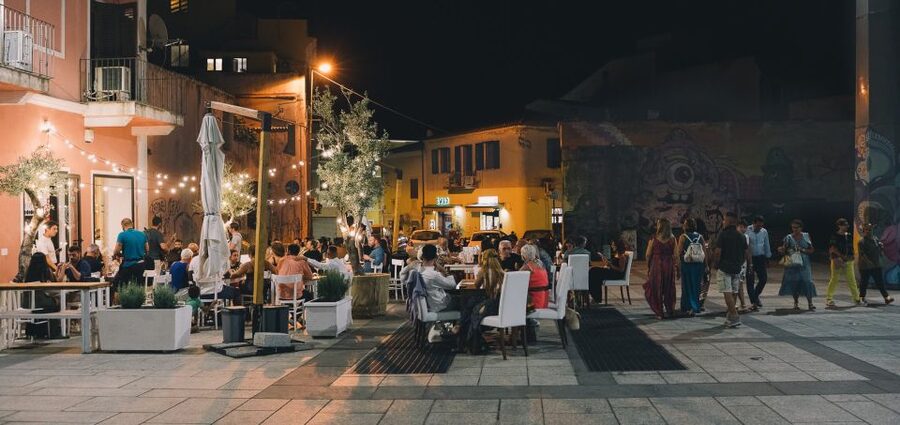
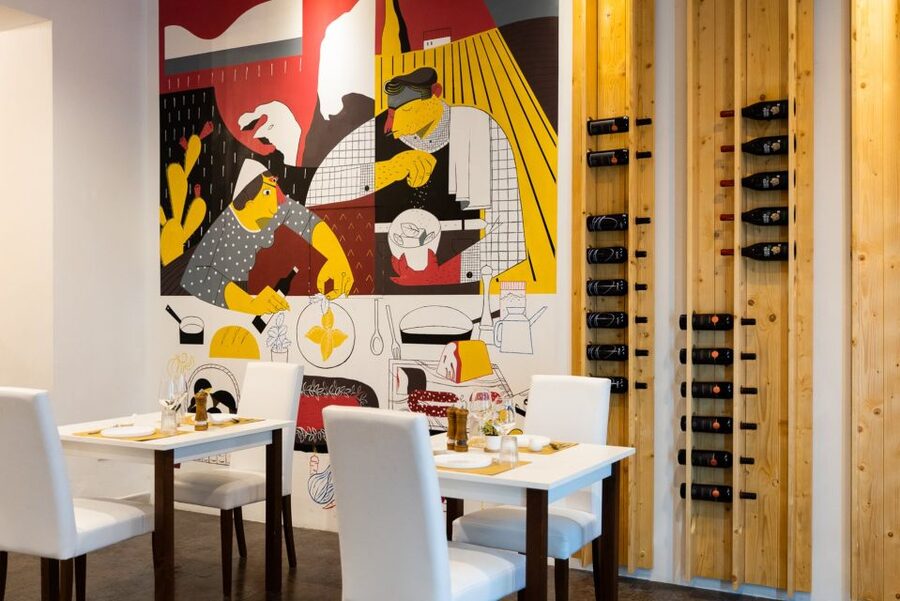
The setting is Rosinita, Experience Local Food, and the activity returns there at the end. Since no transfers are included or needed, you should plan to reach the meeting point on your own. Check the available starting times before you book, since the schedule can affect how easily the class fits around lunch or dinner plans.
More Pasta Making Classes in Italy:
- Florence: Pasta Cooking Class with Unlimited Wine
★ 4.9 · 10,285 reviews - 3 in 1 Cooking Class near Navona: Fettuccine, Ravioli & Tiramisu
★ 5.0 · 7,376 reviews - Florence: Pasta & Tiramisu Cooking Class with Unlimited Wine
★ 4.9 · 6,708 reviews
Mixing dough and shaping three Sardinian pastas
The cooking workshop lasts about two and a half hours. Your guide leads you through traditional homemade pasta, with the exact fillings depending on the season. That seasonal element is useful: it connects the class to what is actually being cooked in Sardinia rather than locking the lesson into one fixed recipe.
You may work with three familiar but distinct forms:
- Malloreddus: These are small, striped shells, also called gnocchetti. They are made from semolina flour and water, then shaped so sauces can cling to their ridges. A classic serving uses meat sauce and grated Sardinian pecorino, though other sauces and condiments are possible.
- Culurgiones: These stuffed pasta parcels come from Ogliastra in central eastern Sardinia. The traditional filling combines potatoes, pecorino cheese, and mint. Their folded edge is part of the challenge, and likely one of the more memorable skills from the class.
- Ravioli: Sardinian ravioli can use a sweet and sour ricotta filling. The mix of sweet and salty flavors makes these different from the standard savory ravioli you may have prepared elsewhere.
The lesson is not only about getting a perfect shape. You will also hear the stories and small curiosities tied to each pasta. That context makes the work more meaningful, especially when three shapes use related ingredients but produce very different dishes.
One practical point: do not expect every filling to be identical at every session. The available ingredients change with the season, so the class may offer variations within the traditional framework.
A patient lesson for first-time pasta makers
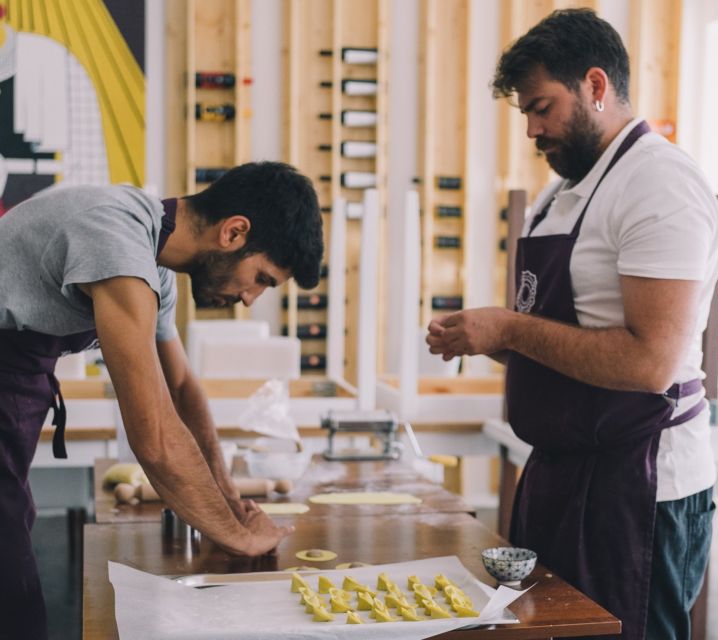
You do not need to arrive with cooking experience. The class is designed around guidance, teaching materials, and repeated practice. One session was praised for its patient help, and Isabella was singled out as a warm and effective teacher.
That patience is important when you are working with stuffed pasta. Dough can be too dry, fillings can be too generous, and folded edges can open if you rush. A good guide can show you how to correct those problems before they affect the final dish.
The workshop also suits families and friends because the work is social and tactile. You can divide tasks, compare shapes, and laugh at the less-than-perfect pieces without losing the point of the lesson. The description specifically invites families and friends, and the relaxed format makes more sense for a small group than for someone seeking a formal chef-training course.
You should also come with realistic expectations. This is a guided food activity, not a professional culinary qualification. You will learn useful methods and recipes, but the value comes from doing the work and sharing the meal, not from leaving with a long technical syllabus.
What makes malloreddus worth learning
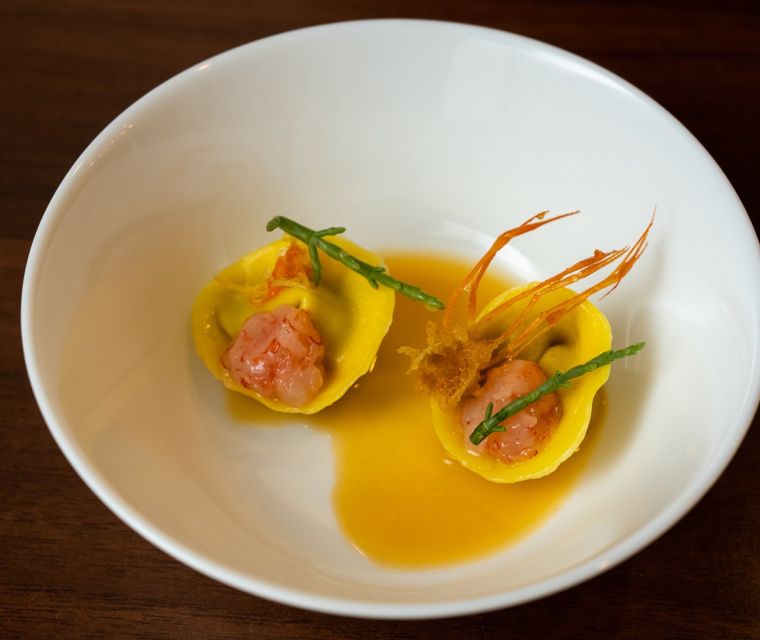
Malloreddus may look simple, but the ridges are the key. They give sauce more surface area to cling to, which is why these little shell-like pieces work well with a hearty meat sauce or a strong local cheese.
The dough uses semolina flour and water, ingredients that are easy to understand and potentially easy to find at home. That makes malloreddus one of the most practical takeaways from the class. You are not learning a dish that depends entirely on rare equipment or hard-to-find products.
The shaping also gives you a quick sense of progress. Once you understand the motion, you can produce several pieces in a row. Your results may not look identical, but that is part of handmade pasta. The lesson helps you see how texture and shape affect the finished meal.
If you prefer filled pasta, malloreddus may seem less exciting than culurgiones or ravioli. Its strength is different: it is a sturdy, adaptable pasta that can become part of your regular cooking at home.
More Hands-On Workshops in Italy:
- Florence: Pasta Cooking Class with Unlimited Wine
★ 5.0 · 6,413 reviews - Naples: Pizza-Making Workshop with Drink and Appetizer
★ 4.9 · 5,411 reviews - Cooking Class and Lunch at a Tuscan Farmhouse with Local Market Tour from Florence
★ 5.0 · 4,831 reviews - Authentic Pizza Making Class in Naples with Appetizers and Drink
★ 5.0 · 3,178 reviews
Culurgiones and ravioli bring the local character
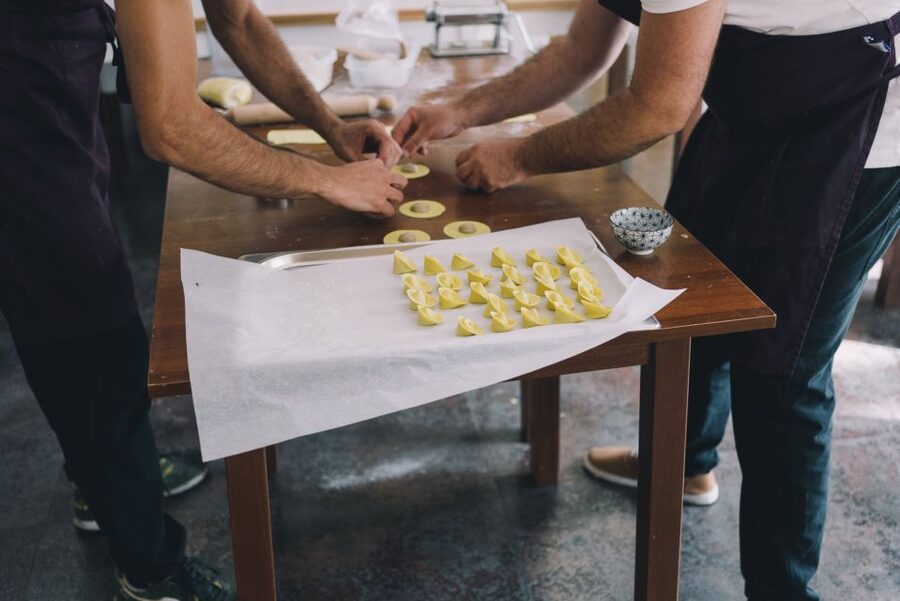
Culurgiones are likely the most distinctive pasta in the workshop. They are tied to Ogliastra and traditionally filled with potatoes, pecorino, and mint. That combination is earthy, salty, and fresh at the same time, and the folded seal gives the pasta a recognizable look.
The folding may take more attention than malloreddus. You need to contain the filling and close the edge neatly, so your guide’s demonstrations and corrections are useful. If your first pieces are uneven, do not treat that as failure. Handmade stuffed pasta often improves through repetition.
The ravioli offers a different lesson. A sweet and sour ricotta filling creates a contrast between dessert-like notes and savory pasta. It is a good reminder that Sardinian cooking does not always fit tidy categories.
The fillings can change with the season. That is good for freshness, but it also means you should not book expecting a precise ingredient list unless you confirm it in advance. If you have allergies or food restrictions, contact the telephone number on your booking voucher as soon as possible.
The meal after cooking is part of the value
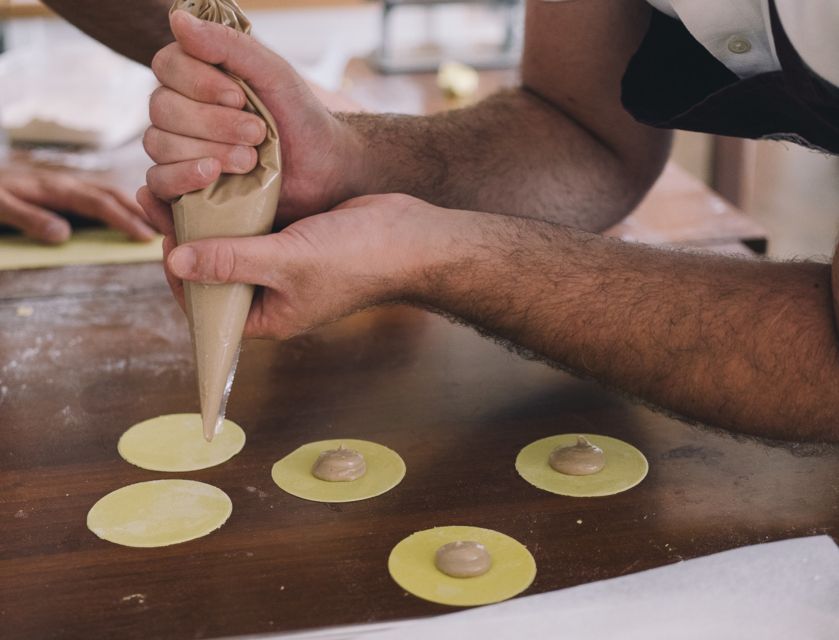
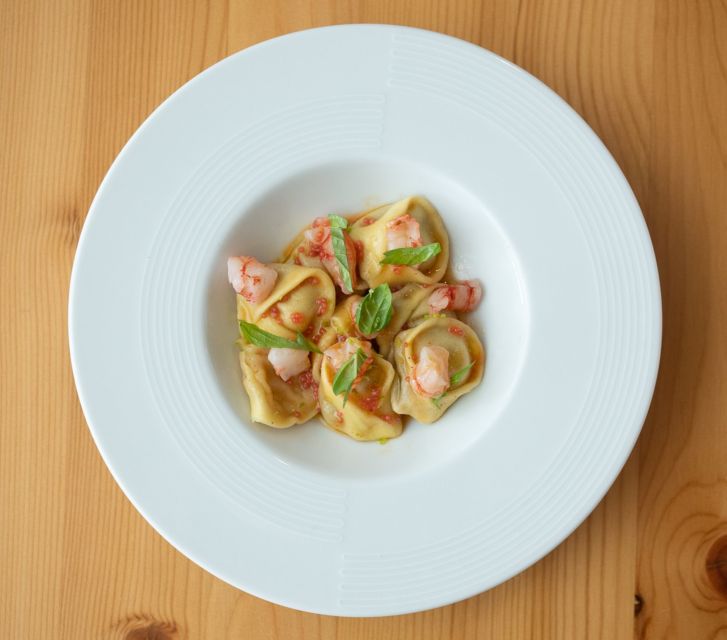
After the workshop, you eat the food you prepared. The tasting lasts about an hour and includes your handmade pasta with traditional dishes presented in a modern way, using fresh local products.
This is more than a reward at the end. Eating the pasta gives you a chance to notice whether the dough is tender, how the sauce works with each shape, and what the filling contributes. Those details are harder to understand when you only watch someone else cook.
The meal includes water, wine, fruit, traditional Sardinian sweets, digestives, and coffee. That is a broad finish for a cooking class, and it helps explain the four-hour duration and the price. You are paying for instruction, a meal, drinks, and a cultural food experience rather than only for a recipe handout.
Wine is included, so this may not suit someone avoiding alcohol unless you are comfortable skipping it. The activity does not state that you must drink, but water is also provided. Coffee and digestives extend the meal at an easy pace rather than rushing you back onto the street.
Is $114.42 a fair price?
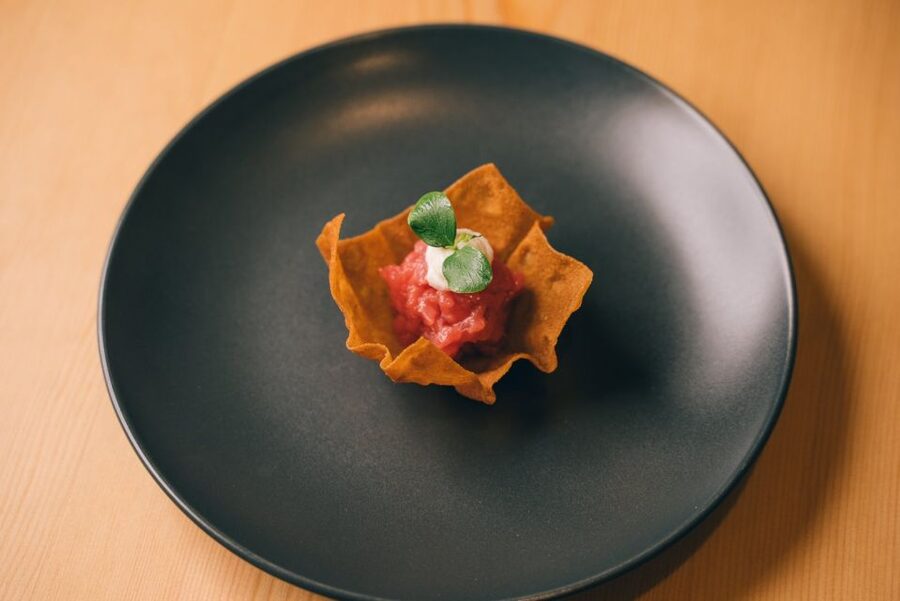
At $114.42 per person, this is not a bargain class. You should compare it with the cost of a good meal in Olbia, then add the value of four hours of instruction and hands-on access.
The price makes more sense if you want three things in one booking: local food context, practical cooking skills, and a substantial meal. It is also better value for people who enjoy taking a technique home and using it later. Malloreddus dough, stuffed pasta, and seasonal fillings give you several ideas to repeat with friends or family.
It is less compelling if you only want to taste Sardinian pasta. A restaurant meal will cost less, require less time, and let someone else handle the flour. You should also think about your schedule. Four hours is a sizeable part of an Olbia day, especially if you are trying to fit in a beach visit, a drive, or an evening reservation.
The strongest value comes from the shared experience. You are not only buying food. You are getting a guided activity that can break up several days of sightseeing and give you something concrete to remember from Sardinia.
Who should book this Olbia workshop?
I would recommend it to:
- Families looking for a hands-on activity in Sardinia
- Friends who want a social meal with a practical twist
- Couples who enjoy regional food and slow-paced experiences
- First-time pasta makers who appreciate step-by-step help
- Visitors interested in Sardinian traditions beyond restaurants
- Anyone who wants recipes and methods to try at home
It may not suit you if you dislike group cooking, avoid long meals, or want a short activity between other plans. It also may not be ideal if you need a fully specified menu in advance, since fillings vary with the season.
The class is wheelchair accessible, and Italian and English are available. Pets are not allowed. Vegetarian and lactose-free alternatives can be arranged, but you need to contact the provider early rather than waiting until the workshop begins.
Timing, language, and planning tips
The full experience lasts four hours: about two and a half hours for the pasta laboratory and about one hour for the tasting. The remaining time allows for the transition from cooking to eating, so avoid scheduling a close appointment immediately afterward.
Starting times vary. Check availability before booking, then plan your day around the class rather than assuming it will fit a fixed lunch or dinner hour.
The guide speaks Italian and English. That makes the activity accessible to English-speaking visitors, but pasta shaping is also visual and hands-on, so you will learn through demonstration as well as explanation.
Wear something comfortable for working with dough. The supplied information does not specify clothing requirements, but a practical cooking outfit makes sense for any flour-based workshop. You should also tell the provider about intolerances as early as possible, using the telephone number on your booking voucher.
The meeting point and end point are both Rosinita, Experience Local Food. There is no listed transport portion, so you should arrange your own way to the start.
Should you book this pasta class?
Book it if you want to make and eat real Sardinian pasta, not merely sample it. The combination of malloreddus, culurgiones, and ravioli gives you three useful techniques, while the long tasting turns the lesson into a full afternoon or evening.
The price is high for a cooking class, but the four-hour format, drinks, sweets, coffee, and full meal add real value. I would especially choose it for a family or group of friends, or for a rainy day when you want a break from outdoor plans.
Skip it if you are watching every euro, have little time in Olbia, or would rather spend your Sardinian food budget on several inexpensive meals. For everyone else, this is a practical and enjoyable way to connect a plate of pasta with the people, ingredients, and traditions behind it.
FAQ
Where does the pasta-making workshop take place?
The experience takes place at Rosinita, Experience Local Food, in Olbia, Sardinia.
How long does the activity last?
The full activity lasts four hours. The handmade pasta workshop takes about two and a half hours, followed by about one hour of tasting.
What types of pasta will I make?
The workshop covers traditional Sardinian pasta such as malloreddus, culurgiones, and ravioli. Fillings may vary according to the season.
Is food included after the cooking lesson?
Yes. You will taste the products prepared during the workshop, along with water, wine, fruit, traditional Sardinian sweets, digestives, and coffee.
Is the experience available in English?
Yes. The live guide speaks Italian and English.
Are vegetarian options available?
Yes. Vegetarian alternatives are available.
Can the workshop accommodate lactose-free diets?
Yes. Lactose-free alternatives are available. Contact the telephone number on your booking voucher as soon as possible to discuss intolerances.
Is the activity wheelchair accessible?
Yes, the experience is wheelchair accessible.
Are pets allowed?
No. Pets are not allowed during the activity.
Just added around Italy
- Cesarine: Home Cooking Class & Meal with a Local in Brindisi★ 5.0 · 7 reviews
- Small Group Market tour and Cooking class in Brindisi★ 4.5 · 8 reviews
- Apulian cooking class and typical dinner★ 4.5 · 5 reviews
- Dining Experience at a local’s Home in Martina Franca with Show Cooking★ 4.5 · 7 reviews
- Cooking class in a garden: handmade pasta★ 5.0 · 4 reviews
- 3 Hour Private Italian Tradition Cooking Class in Brescia★ 5.0 · 21 reviews
- Dining experience at a local’s home in Brindisi with show cooking★ 4.0 · 6 reviews
- Italian Pasta Cooking Course★ 5.0 · 27 reviews
Pasta Making Classes, compared.

Florence: Pasta Cooking Class with Unlimited Wine
Read our review →
3 in 1 Cooking Class near Navona: Fettuccine, Ravioli & Tiramisu
Read our review →
Rome: Pasta Making Class with Wine, Limoncello, and Dessert
Read our review →
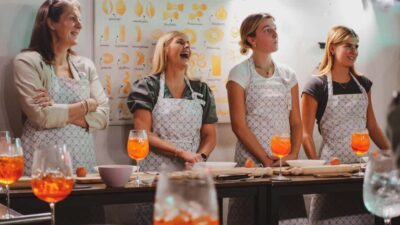
Rome Cooking Class: Make Pasta and 3 Spritz Cocktails
Read our review →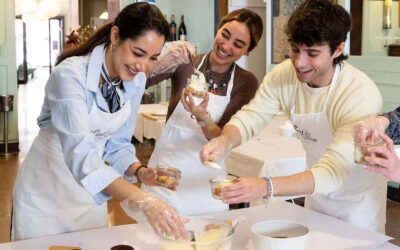
Rome: 3-in-1 Fettuccine, Ravioli, and Tiramisu Cooking Class
Read our review →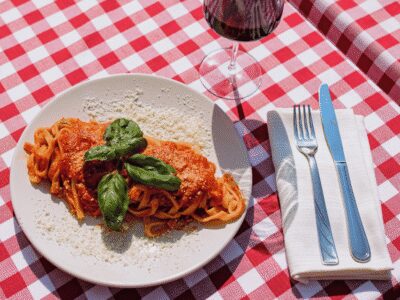
Rome: Fettuccine Pasta Cooking Class in Rome’s City Center
Read our review →Browse the lists this tour appears in