
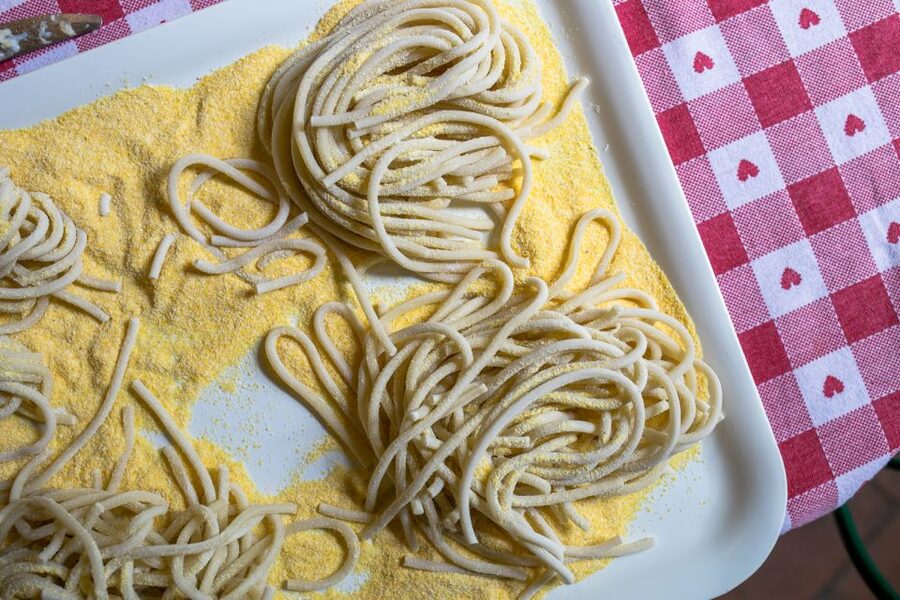
Review · ITALY
Pisa: Private Pasta-Making Class at a Local’s Home
The best part of this Pisa experience is the setting: you cook in a real local home, not a school kitchen built for tourists. I like the private group format, which gives you room to ask questions, and I like that you prepare three regional pasta dishes before sitting down to eat them with local wine.
The main thing to consider is that the host’s address is shared only after booking. That protects the family’s privacy, but it means you cannot judge the exact location in advance. A three-hour class also takes a solid part of your day, so plan around the usual 10:00 AM or 5:00 PM start.
Key points at a glance
- Three pasta recipes in one class: Learn several regional dishes instead of focusing on a single recipe.
- A private home setting: Cook with a local family rather than in a large commercial group.
- Your own workstation: Each person receives utensils and ingredients for the hands-on lesson.
- A meal at the end: Eat all three dishes you prepare with red and white local wines.
- Flexible food arrangements: Vegetarian, vegan, and gluten-free needs can be handled if requested ahead of time.
- A warm host-led visit: The class is designed around conversation, family recipes, and a shared table.
Three Tuscan Pasta Dishes, Made by You
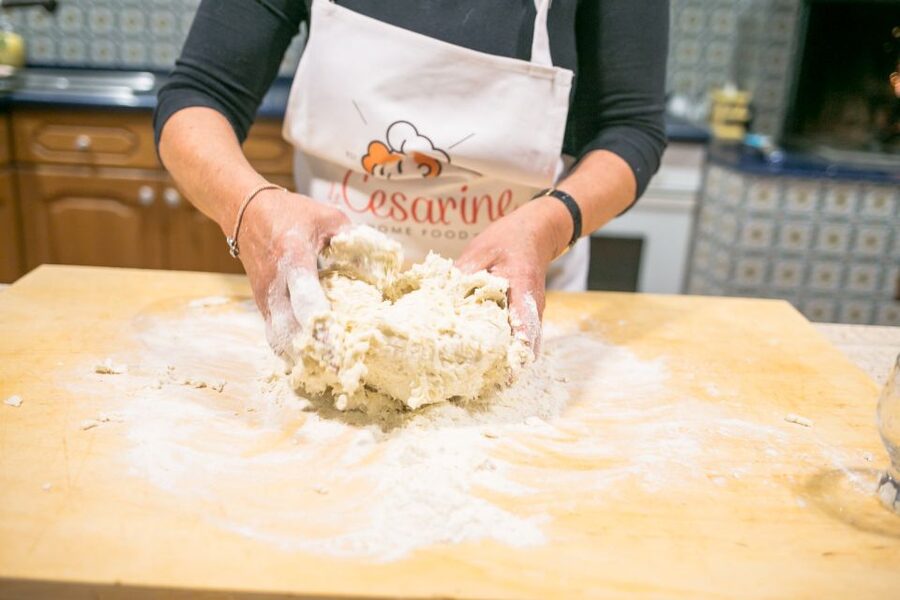
This is not a demonstration where you sit back and watch a cook do all the work. You receive your own workstation, utensils, and ingredients, then put the techniques into practice under the host’s direction.
The host teaches three authentic regional pasta recipes. The exact dishes are not specified in advance, so you should not book this expecting a particular shape, sauce, or famous Tuscan recipe. That uncertainty is part of the home-cooking feel, but it may matter if you have one dish in mind.
The lesson draws on family cookbooks and local methods. That is useful because Italian pasta is less about a secret ingredient than about small habits: how the dough feels, when to stop working it, how a sauce should cling, and how the finished dish is served.
You will have time to make mistakes and correct them. In a private group, you can ask for another explanation without holding up a room full of people. That makes this a good pick if you want more than a quick cooking demonstration.
More Pasta Making Classes in Italy:
- Florence: Pasta Cooking Class with Unlimited Wine
★ 4.9 · 10,285 reviews - 3 in 1 Cooking Class near Navona: Fettuccine, Ravioli & Tiramisu
★ 5.0 · 7,376 reviews - Florence: Pasta & Tiramisu Cooking Class with Unlimited Wine
★ 4.9 · 6,708 reviews
Why the Home Setting Matters in Pisa
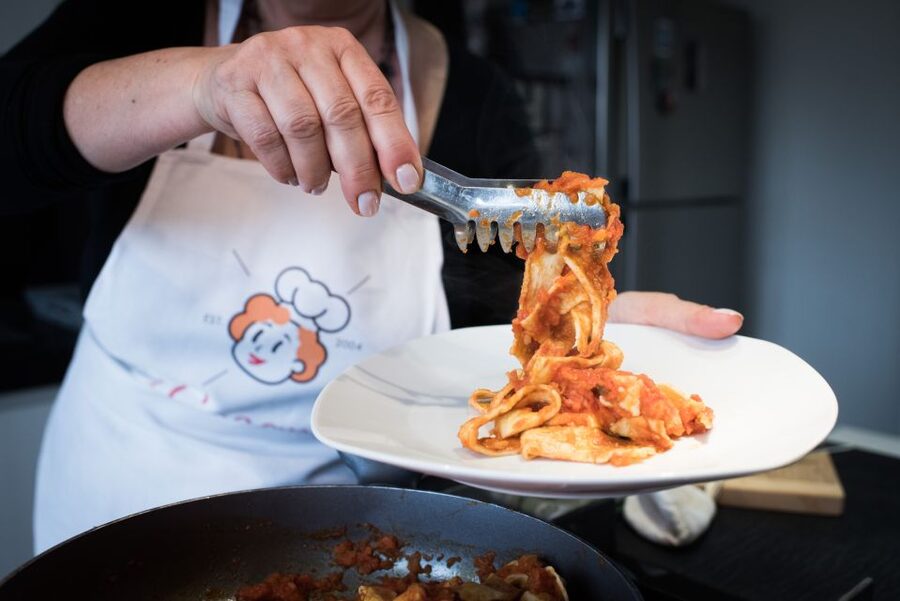
Pisa is best known for its famous leaning tower, but this class gives you a different way to spend time in the city. You enter a local family’s home and share the table as part of the activity. The address stays private until you book, and the provider then sends exact meeting instructions.
That arrangement feels more personal than meeting at a restaurant or a cooking studio. You get a closer look at how a local host presents food in a home setting, including the pace of the meal and the simple pleasure of eating together after the work is done.
The host is called a Cesarina, a certified home cook who welcomes people into a private home for food experiences. English and Italian are available, so you can follow the instructions even if your Italian is limited. The language choice also gives you a chance to practice a few food words without making communication a chore.
The private format is especially helpful for couples, families, and small groups of friends. You do not have to compete for a place at a shared work surface, and the host can respond to your pace and questions.
The Three-Hour Flow From Dough to Dinner
The class lasts three hours. Morning sessions usually begin at 10:00 AM, while afternoon sessions generally start at 5:00 PM. The provider may be flexible if you request a different time ahead of your visit.
At the start, you meet the host at the assigned home address. Because the address is sent after booking, allow time to read the instructions carefully and contact the provider if anything is unclear. The meeting point and end point are the same, so you return to where the class began.
The practical lesson comes first. You work through three pasta recipes with the host explaining the regional methods and family tips. Each recipe gives you a new chance to handle ingredients, follow a process, and see how the finished pasta changes with different preparations.
The supplied details do not set out a minute-by-minute schedule, so the pace may vary by host and group. That is worth keeping in mind. You should expect a relaxed home meal rather than a tightly timed production line.
After cooking, you sit down and taste everything you made. Water, local red and white wines, and coffee are included. The meal is not an extra restaurant stop added after the class. It is the payoff for the work you have just done.
Eating What You Made With Local Wine
I like the fact that the meal includes all three pasta dishes. You are not simply making one sample portion and then being served something unrelated. The food on the table comes from your own lesson, which makes the final tasting more satisfying and gives you a chance to compare the recipes.
Local red and white wines are served with the meal. The inclusion of both types gives the host some flexibility in pairing, though the exact wines are not listed. Water and coffee are also included, so you do not need to budget separately for the basic drinks.
The food and drink are an important part of the value. At $164.26 per person, this costs more than buying a plate of pasta in Pisa. You are paying for the private setting, instruction, ingredients, three dishes, the meal, drinks, and time with a local cook.
I would judge the price by what you want from the outing. If you only want lunch, it is expensive. If you want a cooking lesson plus a personal food experience that you can repeat at home, the cost makes more sense.
More Hands-On Workshops in Italy:
- Florence: Pasta Cooking Class with Unlimited Wine
★ 5.0 · 6,413 reviews - Naples: Pizza-Making Workshop with Drink and Appetizer
★ 4.9 · 5,411 reviews - Cooking Class and Lunch at a Tuscan Farmhouse with Local Market Tour from Florence
★ 5.0 · 4,831 reviews - Authentic Pizza Making Class in Naples with Appetizers and Drink
★ 5.0 · 3,178 reviews
What the Host Adds to the Experience
A home-cooking class depends heavily on the person leading it. The available feedback describes Maria as exceptionally kind and notes that her husband brought humor and warmth to the visit. That gives you a useful idea of the tone to expect from at least one hosting household: friendly, informal, and social.
Your host may be different, since the experience is provided by a network of certified home cooks. Still, the format encourages direct contact with the family rather than a scripted lecture. The strongest part of the visit is likely to be the conversation around the table as much as the pasta itself.
The host reveals practical tricks from family recipes, not just broad statements about Italian food. You can ask why a particular step matters, how to tell when the dough is ready, or how the dish should be served. The value lies in those small details, which are hard to pick up from a cookbook alone.
The class also works well for people who enjoy meeting locals but do not want a large social event. A private group keeps the setting focused, while the meal gives you a natural chance to talk.
Food Requirements and Group Planning
Dietary requests can be handled, including vegetarian, vegan, and gluten-free diets, but you must ask in advance. Do not wait until you arrive. Pasta recipes depend on their ingredients, and the host needs time to prepare suitable alternatives.
If one person in your group has a restriction, mention it clearly when booking. It is also sensible to confirm how the three dishes will be adjusted, since the available information confirms that requirements can be accommodated but does not list specific substitute recipes.
The activity is offered as a private group. That makes it a good choice for a family with children, a couple wanting a quiet food activity, or friends who prefer their own table. The information does not give a minimum or maximum group size, so you should check availability for your party before paying.
The class is conducted in English and Italian. If everyone in your group needs English instruction, confirm that the selected host can provide it. English is listed as an available language, but the home-cook network may include different hosts.
Timing the Class Around a Pisa Visit
The morning start at 10:00 AM works well if you want the cooking lesson to become your main midday meal. You finish back at the host’s home after three hours, with the tasting built into the visit.
The 5:00 PM start turns the class into an early evening meal. That can be a useful choice if you want to spend the earlier part of the day sightseeing. It also avoids squeezing the class between other fixed activities.
Because the cooking class is three hours long, avoid booking it too close to a train departure, museum reservation, or other timed plan. The provider may offer flexibility, but you should arrange that before the day of the class rather than count on a last-minute change.
The exact home address is not available before booking. This is a practical limitation when you plan your route. Once you receive the address, check the distance from your hotel or other Pisa plans and leave enough time to arrive without rushing.
Who Will Get the Most From This Class
I would recommend this for you if food is a major part of your trip and you want to take home a skill, not just a photograph. It suits people who enjoy hands-on activities, small groups, and long meals with conversation.
It is also a strong option for repeat visitors to Pisa. If you have already seen the tower and want a more personal activity, cooking with a local family offers a change of pace.
Families may appreciate the private format, though the supplied details do not give a child age limit. If you are booking with young children, ask the provider about suitability and workstation arrangements before confirming.
This is less suitable if you need a tightly fixed menu, a public central meeting place, or a short activity. The recipes vary, the address comes later, and three hours is a real commitment.
Booking, Price, and Cancellation
The price is $164.26 per person. That is a premium rate, but it covers much more than instruction: a private class, ingredients, utensils, three pasta dishes, wine, water, coffee, and the meal at the end.
You can reserve now and pay later, which helps if your Pisa plans are still shifting. Free cancellation is available up to 24 hours before the activity for a full refund. These terms are useful, but you should still check the final booking conditions for your selected date.
The biggest practical question is value. I would not choose this for a cheap meal. I would choose it for the combination of instruction, local contact, and a complete food experience in a private home.
Should You Book This Pasta Class?
Book it if you want an intimate Italian food experience and like the idea of preparing three dishes with a local host before sitting down to eat. The private group, home setting, included wine, and warm hosting style make it more personal than a standard cooking school.
Think twice if you need a known menu, a confirmed address before payment, or a low-cost lunch. Ask about dietary needs and timing ahead of time, then book with confidence if those details work for you. For pasta lovers, this is a good way to turn a meal in Pisa into a skill you can use long after Tuscany.
FAQ
Where does the pasta-making class take place?
The class takes place in a local family’s home in Pisa. The full address and meeting instructions are provided after booking to protect the host’s privacy.
How long does the experience last?
The cooking class lasts three hours. It begins and ends at the same meeting point.
What time does the class usually start?
The usual start times are 10:00 AM and 5:00 PM. The local provider may be flexible if you request another time in advance.
How many pasta dishes will I make?
You will learn to prepare three authentic regional pasta recipes during the lesson.
Are food and drinks included?
Yes. You taste the three pasta dishes you prepare, with water, local red and white wines, and coffee included.
Is the class private?
Yes. The experience is offered for a private group.
Which languages are available?
The class is available in English and Italian.
Can dietary requirements be accommodated?
Yes. Vegetarian, vegan, gluten-free, and other dietary requirements can be accommodated when requested in advance.
Just added around Italy
- Polignano:Pasta Cooking Class with Dinner, Wine & Limoncello★ 4.6 · 5 reviews
- Polignano a Mare: Apulian Cooking Class with Food and Drinks★ 4.8 · 159 reviews
- Bologna: Grandma’s Recipe Pasta Cooking Class★ 4.3 · 8 reviews
- Pizza Pro, a Hands-On Cooking Class Near Castel Sant Angelo★ 4.7 · 13 reviews
- Rome: Pizza Cooking Class in Piazza Navona with Drinks★ 4.7 · 133 reviews
- Pizza and Tiramisu Cooking Class with Wine in Milan★ 4.9 · 80 reviews
- Family Cooking Class: Pizza and Tiramisù from Siena★ 5.0 · 3 reviews
- Sorrento: Pizza Making Course★ 4.8 · 108 reviews
Pasta Making Classes, compared.
Florence: Pasta Cooking Class with Unlimited Wine
Read our review →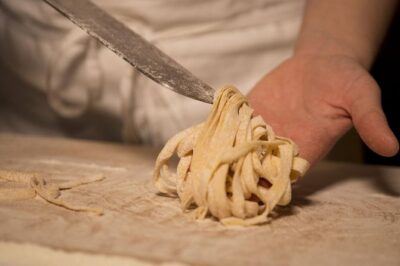
3 in 1 Cooking Class near Navona: Fettuccine, Ravioli & Tiramisu
Read our review →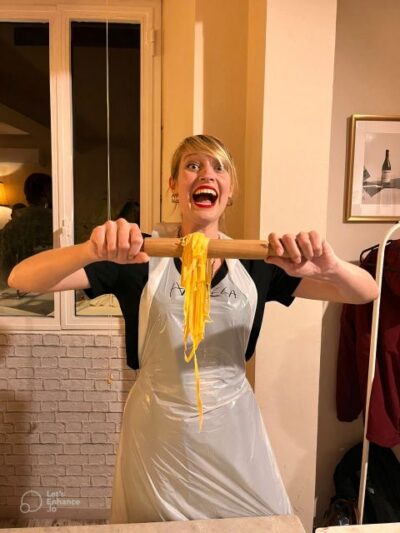
Rome: Pasta Making Class with Wine, Limoncello, and Dessert
Read our review →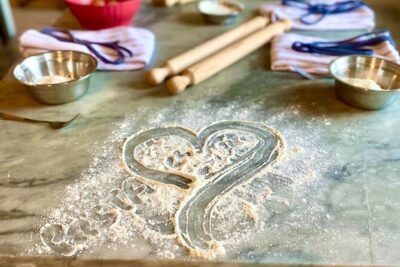
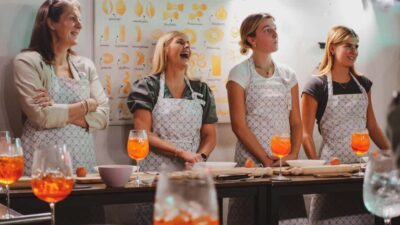
Rome Cooking Class: Make Pasta and 3 Spritz Cocktails
Read our review →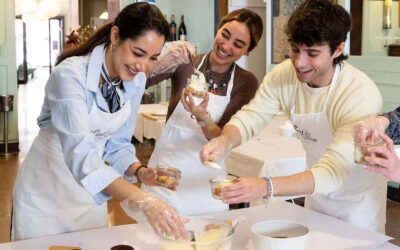
Rome: 3-in-1 Fettuccine, Ravioli, and Tiramisu Cooking Class
Read our review →
Rome: Fettuccine Pasta Cooking Class in Rome’s City Center
Read our review →Browse the lists this tour appears in