
Review · GREECE
Rethymno: Chrysoula’s Cretan Home Cooking Lessons
Cretan cooking makes the most sense when you see the ingredients, work beside the cook, and eat at the same table. At Chrysoula’s home, you may pick tomatoes, aubergines, and peppers from the family supply before turning them into dishes baked in a traditional wood oven. Chrysoula leads the class with help from Dee, and the mood is closer to a lively family meal than a formal school.
I like the fresh local produce and the generous, hands-on format. I also like that vegetarian, vegan, and allergy needs can be accommodated, including a well-received gluten-free meal. The main consideration is simple: arrive hungry, because the food, wine, and raki add up quickly.
Key points to know before booking
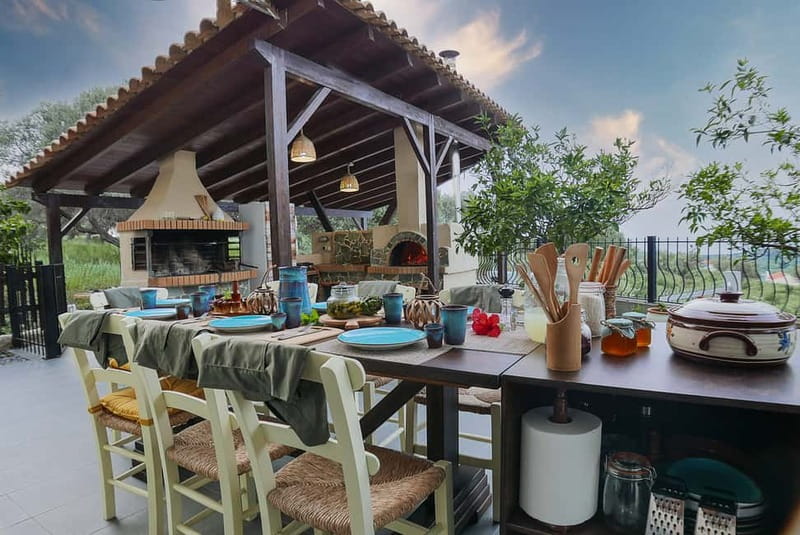
- A family kitchen with a wood oven: Cook in a home setting with ingredients from the family farm or nearby farmers.
- A full Cretan meal: Prepare a starter, main dish, and dessert, then sit down to eat with local wine and raki.
- Chrysoula and Dee lead the class: Expect clear guidance, humor, and plenty of chances to chop, mix, shape, and season.
- Good for mixed-age groups: Families with teenagers and children have enjoyed taking part together.
- Come very hungry: The portions are generous, and several people have needed no dinner afterward.
- Flexible booking: The activity lasts 3.5 hours, costs $116 per person, and allows cancellation up to 24 hours before the start for a full refund.
A Cretan meal begins at Chrysoula’s home
This experience gives you something a restaurant cannot: a look at how Cretan food fits into daily life. You are not simply handed a plate of Greek specialties. You help prepare the meal, learn why olive oil is used so freely, and watch the food cook in the wood oven.
The setting matters. The class takes place at a family home with a beautiful view and an outdoor cooking area. You might begin with Greek coffee, herbal tea, homemade lemonade, ladokouloura, olive-oil rolls, and loukoumakia. That early spread is more than a snack. It gives you time to settle in, meet the other people at the table, and begin talking with Chrysoula and Dee.
The class often brings together people from several countries. That shared table is part of the appeal, especially if you like social activities rather than a private demonstration. One family even found the class remained enjoyable during a thunderstorm, which says something about the relaxed nature of the setup. Still, the group format means you may be sharing tasks and attention with other participants rather than receiving a private lesson throughout.
More Home Cooking Classes in Greece
- Mykonos: Group Cooking Class at the Home of a Local Family
★ 5.0 · 166 reviews - Mykonos Home Cooking Class & Traditional Greek Meal with Angelina
★ 5.0 · 54 reviews - Chrysoula’s Traditional Cretan Home Cooking
★ 5.0 · 38 reviews
Picking produce and learning the Cretan approach
The ingredients are a major part of the lesson. Much of the produce comes from Chrysoula’s family farm or local farmers, with rice noted as one of the few store-bought items. You may pick homegrown tomatoes, peppers, and aubergines before using them in the meal.
That connection helps explain the food better than a list of recipes can. Cretan home cooking depends on good produce, olive oil, herbs, cheese, and simple methods. The lesson also gives you practical advice for recreating the dishes later. The techniques are accessible to beginners, so you do not need a strong cooking background to take part.
Expect Chrysoula to encourage generous seasoning and plenty of olive oil. This is not a low-fat cooking demonstration disguised as a local meal. Olive oil is central to the flavor and texture of the food, and the class treats it accordingly. If you want to copy the recipes at home, pay attention to how she judges amounts by feel rather than relying only on precise measurements.
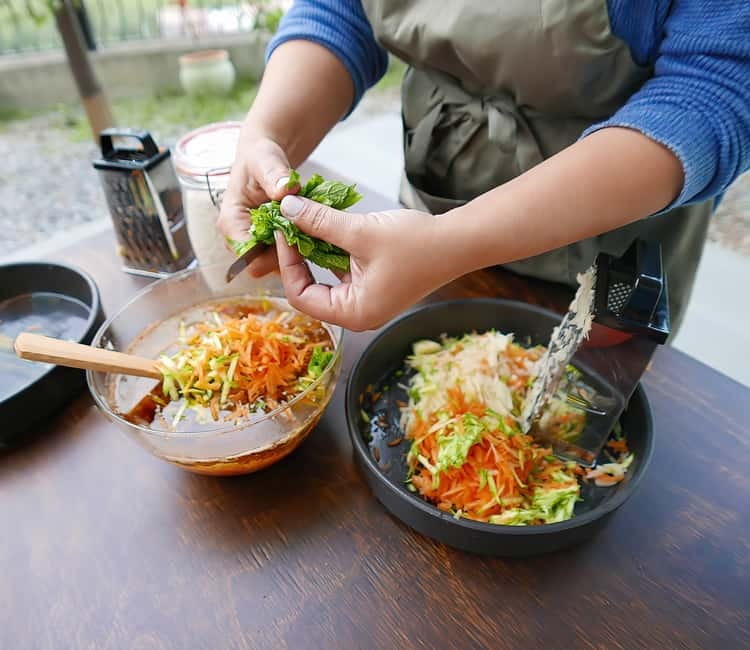
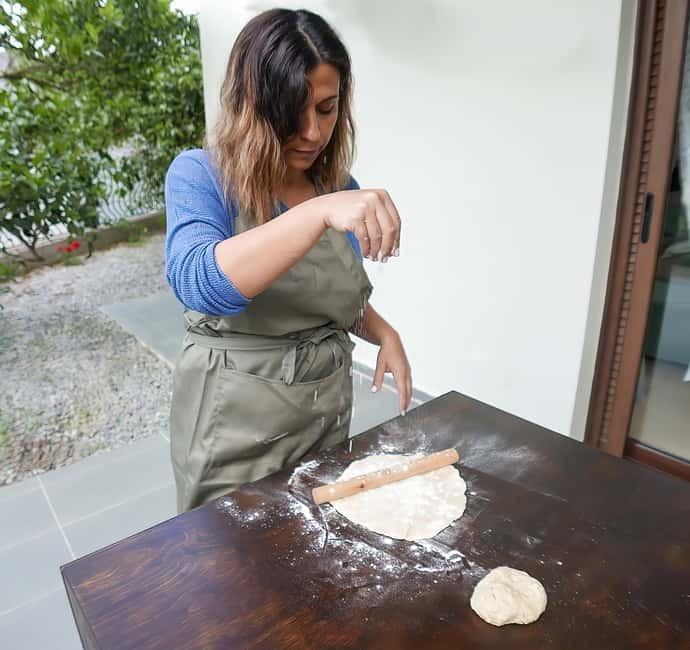
The hands-on work can include cutting, mixing, filling, shaping, and arranging. Families with teenagers have found plenty to do, and children can take part with adult help. The activity is also social, so people who enjoy chatting while they cook will get more from it than someone seeking a quiet, technical workshop.
Starters: dakos, tzatziki, and Greek salad
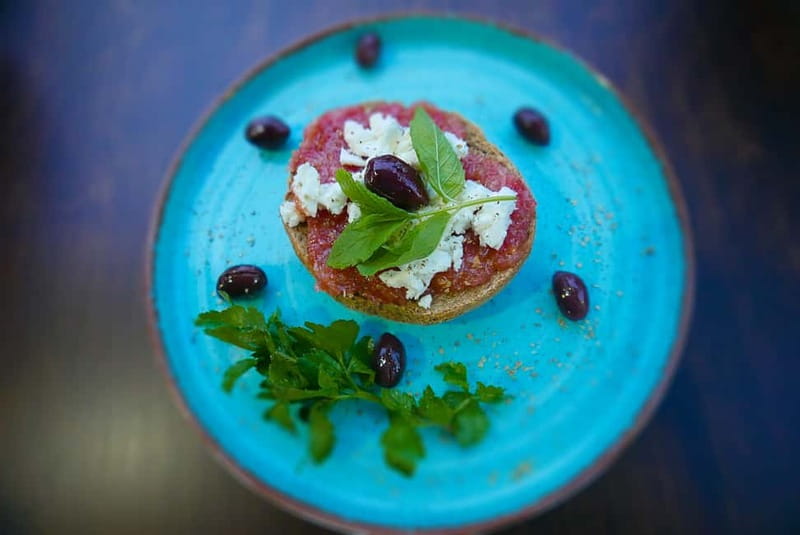
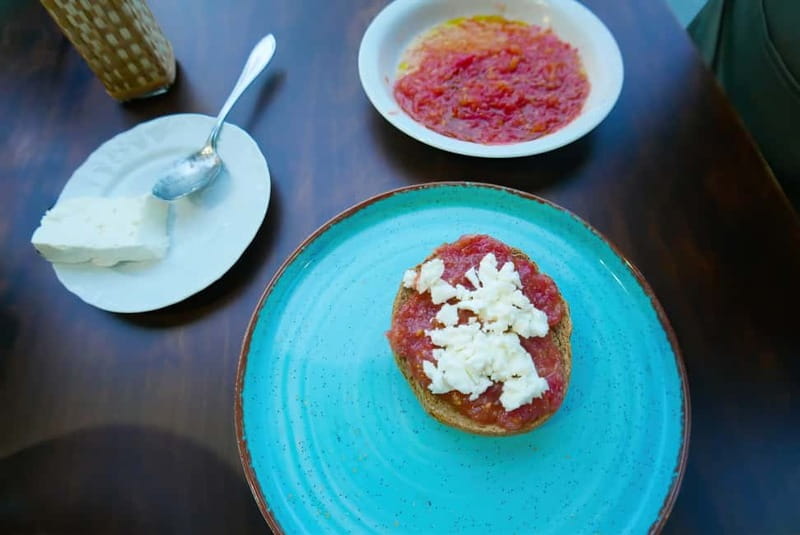
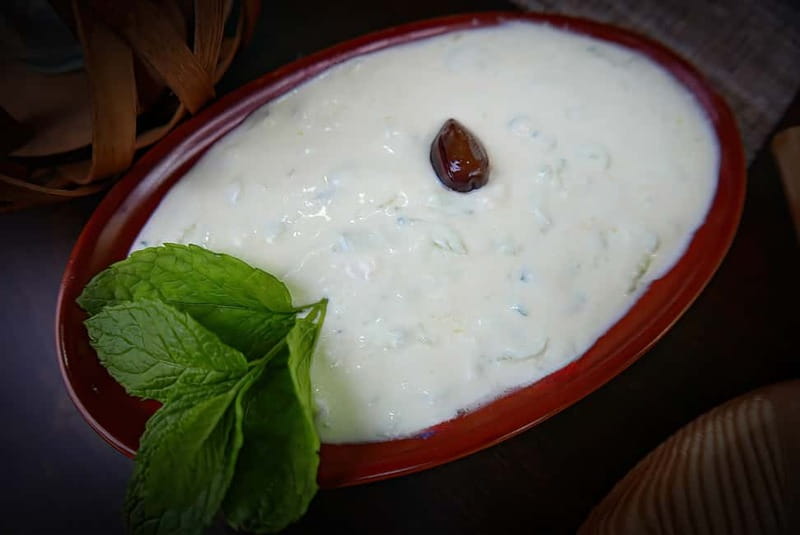
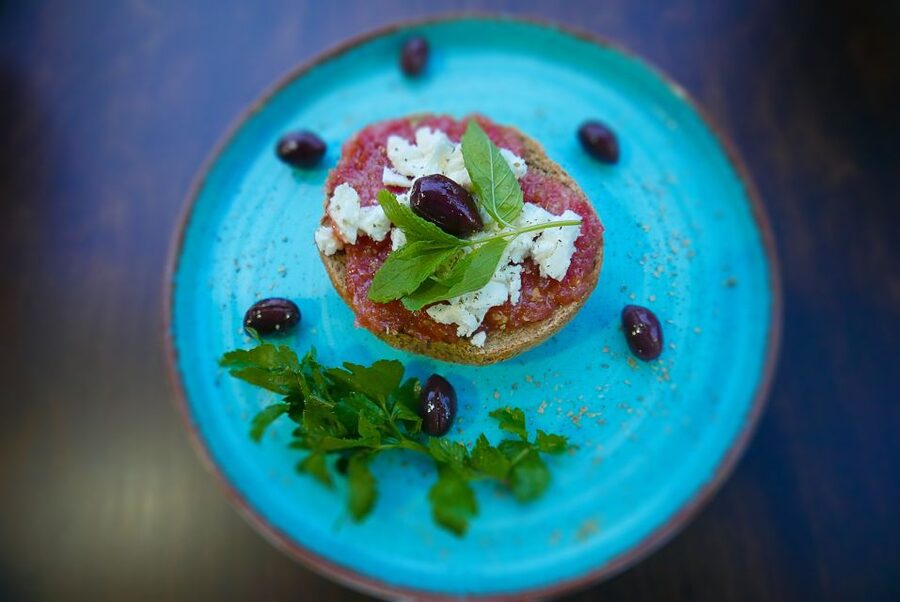
The starter section introduces several familiar Greek flavors in a homemade setting. You may prepare dakos, a Cretan dish built around tomato, cheese, olive oil, and herbs. It is a useful lesson in balance: the tomatoes bring freshness, the cheese adds salt and creaminess, and the olive oil ties everything together.
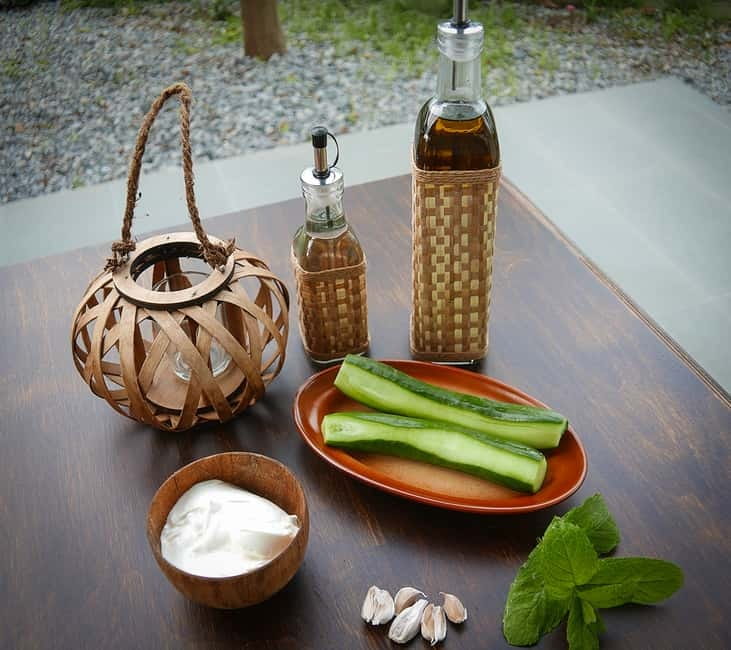
Tzatziki gives you another basic recipe worth carrying home. You learn how a famous Greek dip fits into a wider meal, rather than treating it as a side dish ordered without thought. Greek salad may also be prepared, using the kind of fresh produce that makes a simple dish work.
These recipes are good choices for beginners because they allow you to see the effect of each ingredient without complicated equipment. They also make sense as a group activity. One person can prepare vegetables while another works on the dip or assembles the dakos.
The drawback is that the menu can vary. The available vegetables, the group, and dietary needs may affect what you actually prepare. The listed examples give you a clear idea of the food style, but you should not treat them as a guaranteed fixed menu.
Main dishes from the wood oven
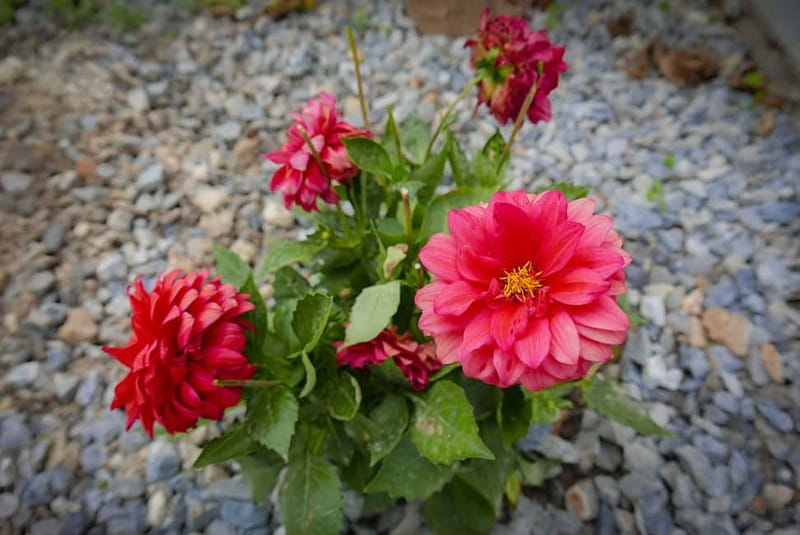
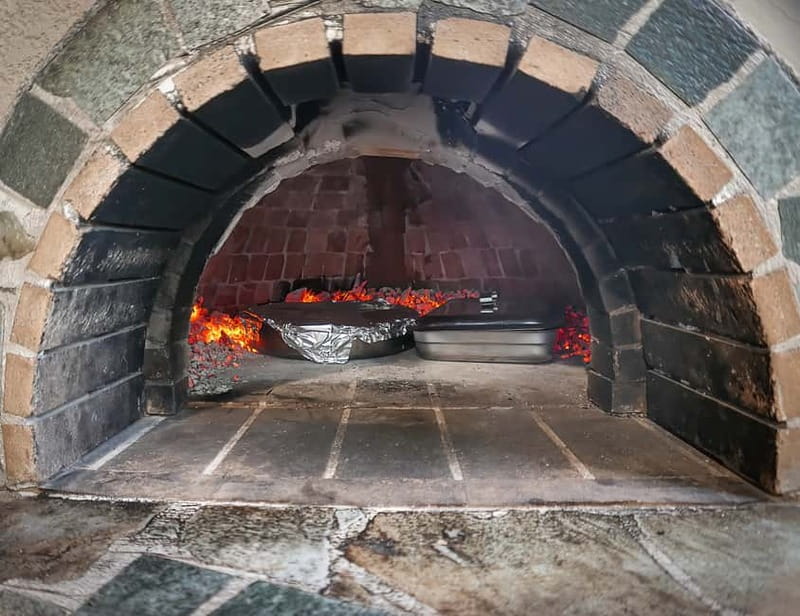
The main course is where the traditional oven becomes most useful. Possible dishes include gemista, stuffed vegetables such as tomatoes, zucchini, peppers, or vine leaves, and moussaka. The food is prepared, placed in the oven, and later served as part of the shared meal.
Moussaka was a particular favorite for several people, and it is easy to understand why. It is substantial, comforting, and well suited to a long, slow bake. You learn more than how to assemble a famous Greek dish. You see how a home cook handles vegetables, filling, olive oil, and oven heat without reducing the process to restaurant-style presentation.
Gemista offers a different lesson. Stuffing vegetables teaches you how Cretan cooking uses what is available and turns it into a complete dish. The recipes are traditional, but they are not presented as precious or difficult. Chrysoula’s approach is practical, with tips intended to help you make the food again after returning home.
This part of the class may be especially satisfying for people who like food with a sense of place. The ingredients are tied to the family farm, the oven belongs to the home setting, and the cooking method feels connected to older household routines. You get a clearer picture of Cretan food culture than you would from ordering moussaka at a city restaurant.
Same place, a different menu:
- Athens: Classic Cooking Class with Market Visit and Wine
★ 5.0 · 1,101 reviews - Athens: Food Market Visit and Cooking Class with Wine
★ 4.9 · 1,087 reviews - Greek Cuisine Cooking Class in Santorini with Recipes and Wine
★ 5.0 · 969 reviews - Naxos: Half-Day Cooking Class at Basiliko Family Tavern
★ 5.0 · 887 reviews
Dessert, wine, and the famous raki moment
Dessert can include tyropitakia, small traditional pies made with homemade cheese, local honey, and cinnamon. Homemade ice cream and seasonal fruit may also be served. The combination gives you something both familiar and distinctly tied to local ingredients.
The dessert stage is also when the raki tends to appear. Raki is a strong local spirit, and the hospitality here is generous. You may be offered local wine during the meal and raki as the class moves toward its finish. If you do not drink alcohol, the activity description does not specify alternatives, so it is sensible to ask in advance.
The food portions are not modest. People who have taken part describe leaving very full, sometimes with leftovers or an extra bottle of wine to finish later. I would avoid booking a large dinner the same evening. A light breakfast or lunch before the class makes more sense, especially since the welcome food begins before the cooking is finished.
The drinks contribute to the warm atmosphere, but they also deserve a practical warning. Raki is part of the Cretan welcome, not a harmless soft drink. Pace yourself, drink water when available, and do not plan to drive afterward.
What the teaching style is really like
Chrysoula’s role is central to the experience. She is described as warm, funny, and proud of her village and food traditions. Dee helps her lead the class, and the two create a setting where people are encouraged to talk and work together.
You should expect instruction that is informal rather than chef-school technical. The value lies in seeing how a local cook handles familiar ingredients, not in receiving a detailed culinary certificate or a tightly timed professional lesson. The recipes are approachable, and the tips focus on getting the food right at home.
That style suits most holiday cooks. You can ask questions, take part at your level, and learn through doing. It may be less suitable if you want a private, highly structured class with exact measurements, advanced knife skills, or a professional kitchen.
The class has also worked well for special dietary needs. Vegetarian options are available, and vegan and gluten-free participants have received careful attention. One teenager with celiac disease was able to eat well and considered the class a highlight. Still, you should state your needs when booking rather than waiting until you arrive.
The setting, timing, and comfort level
The activity lasts 3.5 hours, though several descriptions refer to it casually as a four-hour class. Plan on the full advertised duration and allow extra time if you have another appointment afterward. The pace includes welcoming drinks, cooking, eating, and conversation, so it is not a quick demonstration.
The home setting gives the class its character. You may cook outdoors near the wood oven, with a view from the property and room to share the meal. At the same time, this is not a polished restaurant dining room. Weather can affect the outdoor setup, although the class has continued in poor weather.
The activity is listed as wheelchair accessible. English is the stated language, and the host or greeter is English-speaking. The information provided does not spell out transport or meeting-point arrangements, so check those details before booking if you need a pickup or have mobility concerns beyond general wheelchair access.
The price is $116 per person. That is not the cheapest way to eat in Crete, but it covers instruction, a starter, a main dish, dessert, local wine, and raki. You are also paying for access to a private family setting, the hands-on cooking, and the chance to learn recipes you can use again. For anyone who values food and personal contact, the price is reasonable. If you only want a meal, a taverna will cost less and require less time.
Who will enjoy this most
I would recommend the class to food-minded people who want more than a restaurant meal. It is especially suitable for families, couples, solo visitors who enjoy meeting people, and small groups looking for a shared activity. Teenagers have enough practical work to stay involved, and children can join in with support.
It also works well near the end of a Cretan holiday. By then, you may recognize ingredients such as olive oil, tomatoes, local cheese, and herbs, and the class helps connect those flavors to everyday cooking. The recipes give you a useful souvenir that does not take up space in your luggage.
You may want to skip it if you dislike group activities, do not enjoy long meals, or have a strict food plan that cannot accommodate changing dishes. The class is generous and relaxed, but that also means it can feel less predictable than a short, private cooking lesson.
Booking is flexible. You can reserve now and pay later, and cancellation is free up to 24 hours before the activity for a full refund. Those terms help if your Crete plans are still shifting.
Should you book Chrysoula’s Cretan cooking class?
Book it if you want to cook, eat, and talk your way into Cretan food culture. The strongest reasons are the family-home setting, the wood oven, the farm-linked ingredients, and Chrysoula’s personal style. You will leave with a full stomach, several recipes, and a better sense of why simple Cretan food depends so much on fresh produce and olive oil.
Go in expecting a social, generous class rather than a precise professional workshop. Bring an appetite, allow the full 3.5 hours, mention allergies or dietary needs ahead of time, and take it easy with the raki. If that sounds like your kind of afternoon, the $116 price buys far more than lunch.
FAQ
How long does Chrysoula’s Cretan cooking class last?
The activity lasts 3.5 hours. The time includes the cooking lesson, shared meal, dessert, local wine, and raki.
How much does the experience cost?
The price is $116 per person. Cooking lessons, a starter, a main dish, dessert, local wine, and raki are included.
What food might I prepare?
Possible dishes include dakos, tzatziki, Greek salad, gemista, moussaka, tyropitakia, homemade ice cream, and seasonal fruit. The exact menu may vary.
Can dietary needs be accommodated?
The menu can be adapted for vegetarians and people with allergies. Vegan and gluten-free participants have also been accommodated. Share your needs when booking.
Is the activity conducted in English?
Yes. English is the stated language for the host or greeter and the cooking lesson.
Can I cancel the booking?
Yes. You can cancel up to 24 hours in advance for a full refund. You can also reserve now and pay later.
More Hands-On Workshops in Greece
- Greek Cooking Class in Athens Including Rooftop Dinner with Acropolis View
★ 5.0 · 826 reviews - Greek Small-Group Athens Cooking Class & Dinner
★ 5.0 · 574 reviews - Chania: Authentic Cooking Class in the White Mountains
★ 4.9 · 529 reviews - Naxos:Half-day cooking class at Basiliko
★ 5.0 · 457 reviews
Just added around Greece
- 5 Hours Private Cooking Classes in Langadas Thessalonikis★ 5.0 · 14 reviews
- Cook & Dine With a Local Greek Family in Thessaloniki★ 5.0 · 26 reviews
- Thessaloniki: Greek Cooking Class, Market visit and Lunch★ 5.0 · 15 reviews
- Thessaloniki: Cooking & Dining Experience with Greek Family★ 4.9 · 85 reviews
- Rhodes: Cooking Lesson and Wine Tasting with Lunch★ 4.9 · 93 reviews
- Tasting Rhodes: Cooking Class, Wine Tasting & more in an Authentic Greek village★ 5.0 · 66 reviews
- Rhodes Wine & Food Tour: 10 Meal Course Lunch, Wine Tasting, Cooking Class★ 5.0 · 109 reviews
- Cooking Classes in Mykonos Greece★ 5.0 · 180 reviews
Home Cooking Classes, compared.
Khmer Cooking Class at a Local’s Home in Krong Siem Reap
Read our review →
Local Home Korean Cooking Class & Market Adventure in Seoul
Read our review →
Marrakech: Moroccan Cooking Class with a Local Family
Read our review →
Mexican Cooking from Scratch in a Local Home in Tulum
Read our review →
Pastamama, Home Cooking Classes at Grace’s Home
Read our review →
Marrakech: Moroccan Cuisine Cooking Class in Local Home
Read our review →
Hoi An: Traditional Cooking Class & meal with Local Family
Read our review →
Browse the lists this tour appears in