
Review · SIEM REAP
Khmer Cooking Class at a Local’s Home in Krong Siem Reap
Khmer food makes the best kind of souvenir: one you can cook again. This three-hour class takes you from a local market to an open-air kitchen, where you choose four dishes and prepare them with close help from instructors such as Sorya, Kong, Sivorn, or Sky. You finish by eating the meal you made.
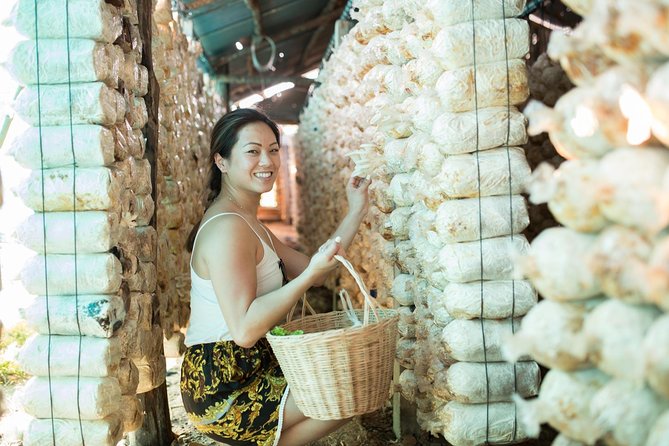
I like the small six-person limit, which keeps the class practical rather than turning it into a cooking demonstration. I also like the market and garden visits. They give you a better sense of the herbs, vegetables, fish, and other ingredients behind Cambodian food.
There is one important catch: the experience is promoted as taking place in a local home, but some sessions are held in a residential area’s shared open-air cooking space. That setting still feels local, but it is not the private home visit you may picture. The afternoon market stop can also be brief and quiet.
Key points before you book
- Choose four dishes: You select your own menu, with options such as fish amok, tom yum or tom yam soup, salads, tempura, and banana tapioca dessert.
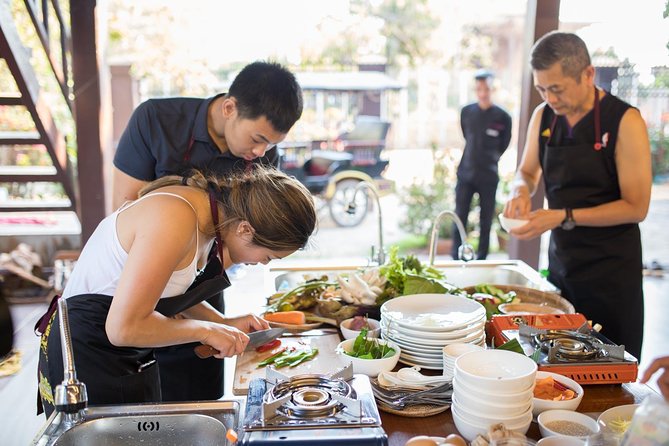
- Expect hands-on cooking: You wash, chop, season, cook, and eat the food yourself, with step-by-step help.
- Visit the market and garden: The morning outing includes a fuller market visit, while later sessions may have a shorter market stop.
- Ride by tuk-tuk: Hotel pickup and return are included, making the trip easy from central Siem Reap.
- Small groups matter: The maximum is six people, though the open-air kitchen may host several small groups at once.
- Plan for drinks: Water is provided, but beer and wine cost extra and are not included.
From Siem Reap hotel to neighborhood market
The class begins with pickup by traditional tuk-tuk. The included hotel transfer is a real convenience in Siem Reap, especially if you are staying in the central area and do not want to arrange a separate ride to an outlying neighborhood.
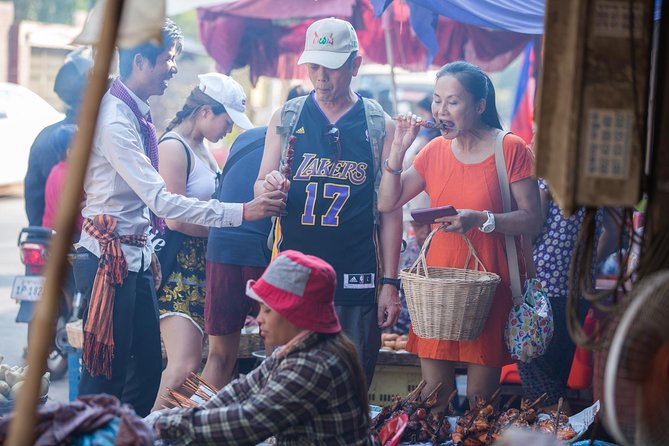
The route leads to a local market, where you meet the guide and look at the ingredients used in Khmer cooking. Sorya has been especially praised for explaining what people buy, how ingredients are used, and how the market connects with daily life. Kong also guides visitors through the stalls and explains the food with plenty of humor.
This is not a grand food tour with a long list of tastings. Think of it as a useful orientation before you start cooking. You may see fresh herbs, vegetables, meat, fish, and other ingredients that later appear on your worktable. It helps you understand why Cambodian food often tastes fresh, fragrant, and balanced rather than simply hot.
Timing matters here. The 9:30 a.m. session offers the best market experience because vendors are active and the morning shopping is part of the class flow. The 12:30 p.m. session may include a quick market visit after cooking, when the market can be quiet. A later class may still offer a look at local ingredients, but it is not the same as seeing the market at its busiest.
More Home Cooking Classes in Cambodia:
- Local Home Korean Cooking Class & Market Adventure in Seoul
★ 5.0 · 1,024 reviews - Marrakech: Moroccan Cooking Class with a Local Family
★ 4.9 · 668 reviews - Mexican Cooking from Scratch in a Local Home in Tulum
★ 5.0 · 585 reviews
Garden ingredients and the cooking site
After the market, you continue by tuk-tuk to the cooking location. The setting is described as a local home, but you should set your expectations carefully. Some sessions take place in an open tiled cooking area in a residential neighborhood, with several small groups working at the same time.
That is not a dealbreaker for me. The space remains informal and connected to local life, and the class is locally run. It simply is not a private family kitchen where you sit around a household table. If the home setting is the main reason you are booking, ask for clarification before paying.
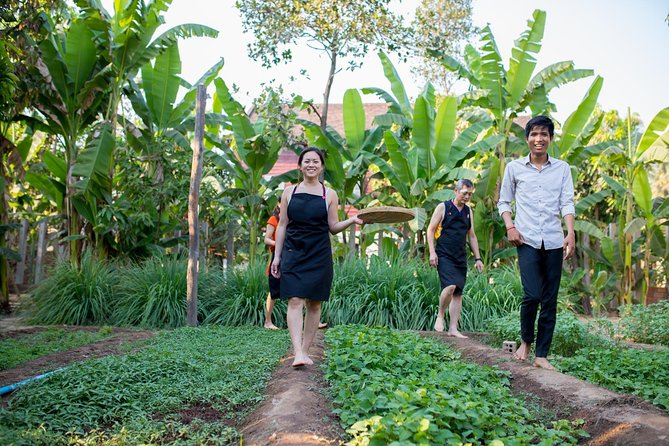
The garden is one of the more appealing parts of the visit. Fresh herbs and vegetables are grown on site, and the guides explain what is being cultivated. You may get to smell or examine ingredients before they reach the cutting board. One session also included a demonstration of how coconut milk is made, a small detail that adds useful context to familiar dishes.
The garden visit is not a separate farm tour. It is a short introduction to the ingredients and the place where you will cook. That is enough to make the food feel less abstract, especially if you are not used to identifying Southeast Asian herbs and vegetables.
Choosing four Khmer dishes
The strongest feature of the class is the menu choice. You do not all have to prepare the same fixed meal. Each person can choose four recipes, which means a couple or family can order different dishes and share a wider range of food at the end.
Possible choices include fish amok, a savory Cambodian classic cooked with coconut and spices, and tom yum or tom yam soup, known for its hot and sour flavor. Other dishes mentioned in the class include steak salad, tempura, and banana tapioca dessert. Vegetarian options are available if you request them.
This flexibility makes the $27 price more appealing. You are not just watching a chef prepare one dish. You are making a four-course meal, and the group may end up with many different plates to taste. One couple prepared eight different dishes between them, then shared the results.
The class can also adjust for dietary needs. Tell the provider about vegetarian preferences or food allergies when booking. The information provided says allowances may be possible, but you should not wait until the knives are out to mention a serious allergy.
Hands-on instruction with Kong, Sorya, Sivorn, and Sky
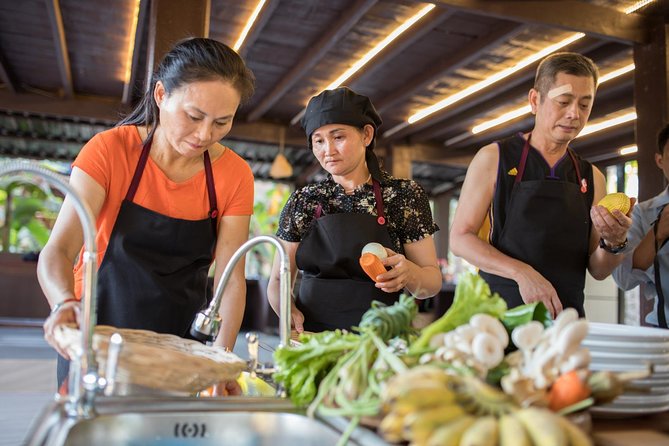
The instructors are the heart of the experience. Kong, also called King Kong in some introductions, is described as funny, patient, and helpful. Sorya is praised for clear instruction and a friendly manner. Sivorn and Sky have also led sessions, helping cooks through each stage and taking photographs along the way.
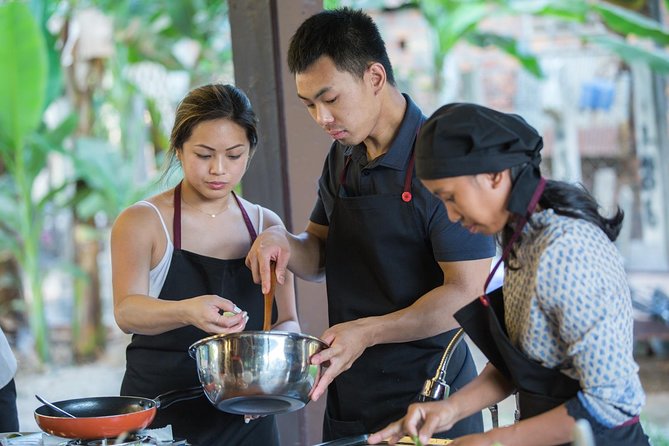
You should expect active participation rather than a lecture. You wash ingredients, prepare them, follow the recipe, and cook your own food. The instructors explain the steps, offer corrections, and keep the process moving so four dishes can be completed without the class dragging.
That balance matters. A cooking class can become frustrating when the teacher moves too fast or takes over every task. Here, the small group and roughly three-to-one instructor ratio in some sessions give you a fair chance to ask questions and handle the food yourself.
You do not need previous cooking experience. The recipes use straightforward steps and practical shortcuts, which makes them more realistic for cooking at home. If you are a serious home chef looking for advanced technique, you may find the instruction basic. For most holiday cooks, that is a benefit. You leave with recipes you can actually repeat.
The instructors also take photographs during the activity. That is useful because your hands may be covered in ingredients when the best moments happen. Just remember that the photography is an added courtesy, not the main purpose of the class.
More Hands-On Workshops in Cambodia:
- Siem Reap: Khmer Cooking Class at a Local’s Home
★ 5.0 · 1,108 reviews - Award-Winning Cooking Class Experience with Professional Teacher
★ 5.0 · 745 reviews - Khmer Cooking Class Half Day (AM or PM)
★ 5.0 · 316 reviews - Cambodian Village Cooking Class
★ 5.0 · 265 reviews
The four-course meal at the end
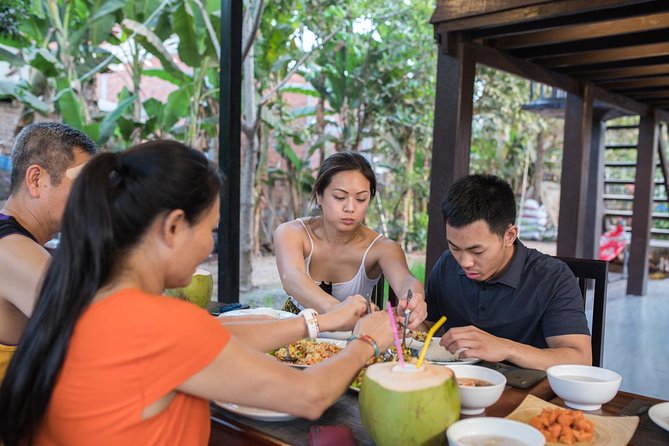
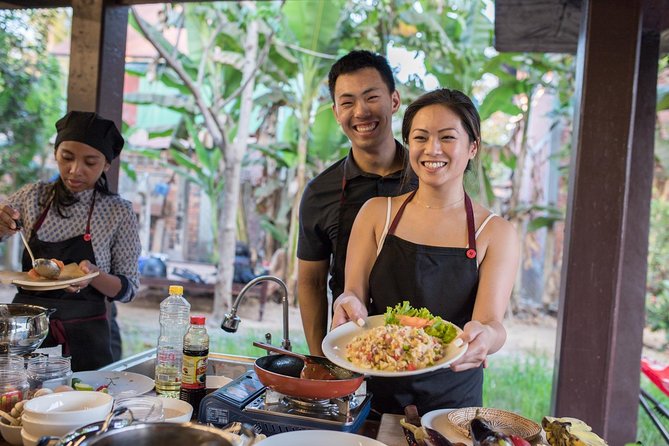
The reward comes when you sit down and eat. Since you prepared the dishes yourself, the final meal feels more satisfying than a standard restaurant lunch or dinner. You can compare the different recipes chosen by the group and see how the same herbs and spices work in different combinations.
Portions appear generous. The class includes the four-course meal you make, and several menus can produce more food than a single person can finish. That makes this a substantial meal, not a small cooking sample followed by another restaurant stop.
The food is intended to be fresh and approachable. Fish amok gives you a chance to try one of Cambodia’s best-known dishes. Tom yam brings a sharper, sourer style. Salads, fried dishes, and dessert round out the meal, so you are not eating four versions of the same curry.
Drinks are the main extra cost to remember. Beer and wine are not included. Water is available, so the advertised price remains clear, but bring some extra money if you want an alcoholic drink with lunch or dinner.
What the $27 price really includes
At $27 per person, this is good value if you want more than a meal. The cost covers tuk-tuk pickup and drop-off, a local guide, the market and garden visits, ingredients, instruction, and four dishes that you eat yourself.
A private tuk-tuk ride across town could otherwise add cost and planning. The included transport also takes away the worry of finding the cooking site in a residential area. Group discounts may be available, and the maximum size is six people, though several groups can work in the same open-air space.
The price is less attractive if you want an intimate private-home meal with no other groups around. It is also not the right choice if you only want to eat Cambodian food without spending three hours preparing it. You are paying for the activity, instruction, ingredients, and meal together.
For a couple, family, or small group, the menu choice adds value. You can sample more dishes than you would normally order at a restaurant, then take the recipes home. The class also fills a morning, afternoon, or evening without requiring a full day away from Siem Reap’s other sights.
Which session should you choose?
The available start times include morning, afternoon, and evening options. The morning session is the best pick if the market is important to you. You are more likely to see normal shopping activity, and the market visit naturally comes before the cooking.
The afternoon option works well if you want to visit Angkor or other Siem Reap sights earlier in the day. Just know that the market portion may be short or may happen after the meal, when the stalls are quieter. That is still useful, but it is a different experience.
The evening class suits you if you want to cook dinner rather than lunch. It also leaves the daytime free. Confirm the exact pickup time and market sequence when booking, since the order can vary by session.
Children must be accompanied by an adult. The hands-on format can suit families, but the cooking area requires attention around knives, hot pans, and food preparation. The operator accepts mobile tickets and confirms bookings at the time of reservation.
What could be better
The biggest weakness is the mismatch between the name and the setting. You may imagine entering a Cambodian family’s private home and cooking beside the host. In practice, you may cook in a purpose-built open-air area in a residential neighborhood, alongside other small groups.
That setup has advantages. It likely provides more room, better organization, and enough workstations for everyone to prepare four dishes. Still, anyone seeking a private household experience should know the difference before booking.
The market timing is another variable. The morning visit offers more to see. Afternoon and evening sessions may have a quieter or shorter market stop, so choose based on your priorities rather than simply selecting the cheapest or most convenient time.
The instruction is practical rather than advanced. You will learn recipes, preparation steps, and useful shortcuts, but this is not a professional culinary course. I would view that as a fair trade for a relaxed class that welcomes beginners.
Who should book this Siem Reap cooking class?
I would recommend it to first-time visitors who want a direct introduction to Cambodian food. It also suits couples and families because everyone can choose dishes and compare the results.
Vegetarians should consider it, too, as vegetarian recipes can be arranged when requested. People with food allergies should contact the provider in advance and get clear confirmation before attending.
This class is less suitable if you dislike group activities, cannot spend about three hours cooking, or want a completely private home visit. It is also not ideal if your schedule allows only a very short food stop.
The free cancellation policy gives you flexibility, provided you cancel at least 24 hours before the start time. Changes or cancellations inside that window are not refunded, so do not leave the decision until the last minute.
Should you book it?
Yes, if you want a practical, good-value way to understand Khmer food in Siem Reap. The market, garden, flexible four-dish menu, patient instruction, meal, and tuk-tuk transfers make this more useful than a standard restaurant outing.
Book the morning session if local market life matters most. Choose afternoon or evening if your sightseeing schedule comes first, but expect a quieter market stop. Go in expecting a shared open-air cooking school rather than a private family kitchen, and this becomes an easy recommendation at $27.
FAQ
How long does the Khmer cooking class last?
The experience lasts approximately three hours, including the market visit, garden introduction, cooking lesson, and meal.
How many people can join the class?
The class has a maximum of six participants. Several small groups may cook in the same open-air area.
Is hotel pickup included?
Yes. Hotel pickup and drop-off by tuk-tuk are included.
Can I choose my own dishes?
Yes. You can choose four recipes to prepare. Options can include fish amok, tom yam soup, steak salad, tempura, and banana tapioca dessert.
Are vegetarian and allergy-friendly options available?
Vegetarian and other dietary adjustments may be possible. You should tell the provider about allergies or dietary needs when booking.
Are drinks included?
The meal and ingredients are included, but beer and wine are not. Water is available.
Just added around Cambodia
- Battambang: Cooking Class and Market Touring★ 5.0 · 29 reviews
- Phnom Penh: Walking Tour, Food Tour & Sunset Cruise★ 4.9 · 4 reviews
- Siem Reap: Morning Cooking Class & Market Tour★ 5.0 · 7 reviews
- Siem Reap Khmer Cooking Class and Local Market Tour★ 4.1 · 4 reviews
- Siem Reap: Guided Day Trip to Local Village & Cooking Class★ 5.0 · 3 reviews
- Siem Reap: Half-Day Cambodian Cooking Class★ 4.9 · 6 reviews
- Phnom Penh Evening Food Tour -On Promotion Price limit Offer★ 4.9 · 17 reviews
- Siem Reap: Cambodian Desserts Cooking Lesson with Tastings★ 4.8 · 9 reviews
Home Cooking Classes, compared.
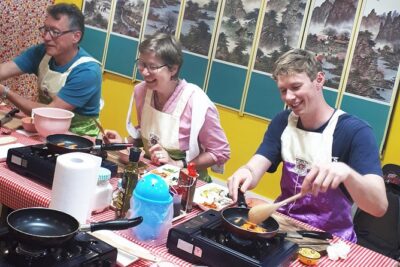
Local Home Korean Cooking Class & Market Adventure in Seoul
Read our review →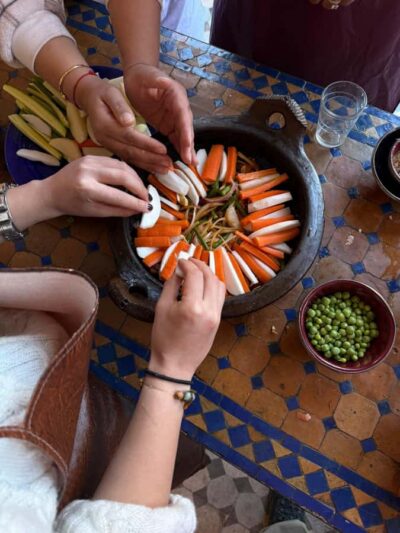
Marrakech: Moroccan Cooking Class with a Local Family
Read our review →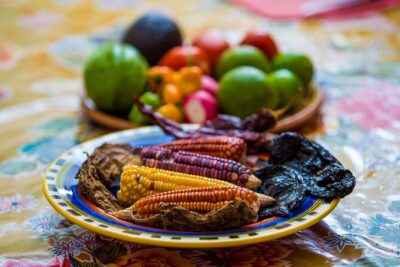
Mexican Cooking from Scratch in a Local Home in Tulum
Read our review →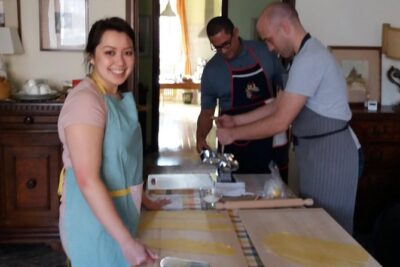
Pastamama, Home Cooking Classes at Grace’s Home
Read our review →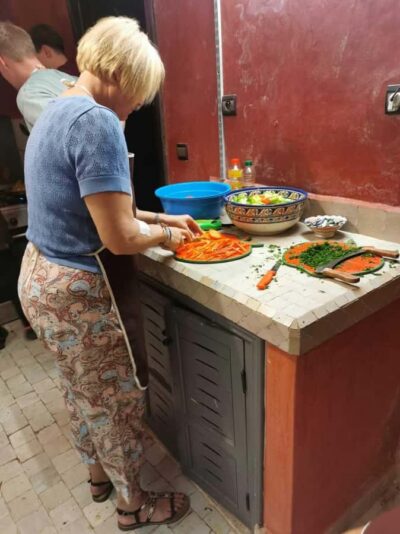
Marrakech: Moroccan Cuisine Cooking Class in Local Home
Read our review →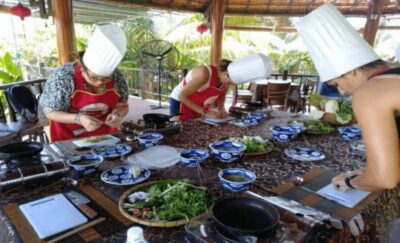
Hoi An: Traditional Cooking Class & meal with Local Family
Read our review →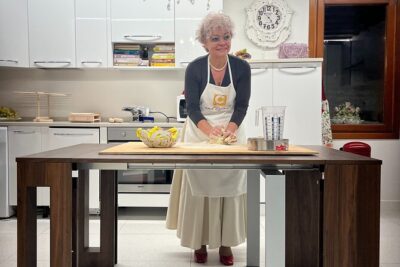
Browse the lists this tour appears in