
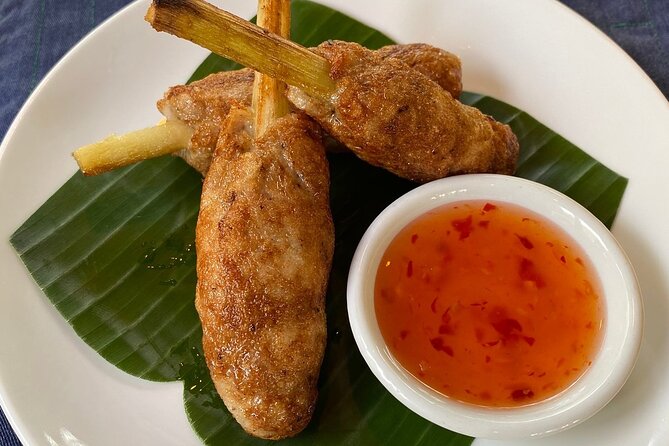
Review · SIEM REAP
Cambodian Village Cooking Class
A market visit followed by hands-on cooking in a peaceful garden pavilion makes this more than a standard kitchen class. You start at Psar Chaa, Siem Reap’s Old Market, then ride out to a rural setting where you prepare three Cambodian dishes with a local chef.
I like the way the market tour gives meaning to the ingredients before you cook, and I like that you make the food yourself rather than simply watching a demonstration. The tuk-tuk pickup, recipe book, drinks, and full meal also make $32 a strong value. The one catch is timing: if another participant arrives late, the market portion may be delayed, so punctuality matters.
Key details at a glance
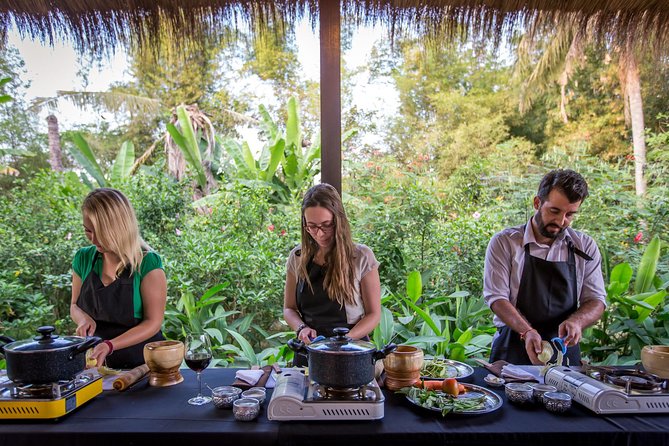
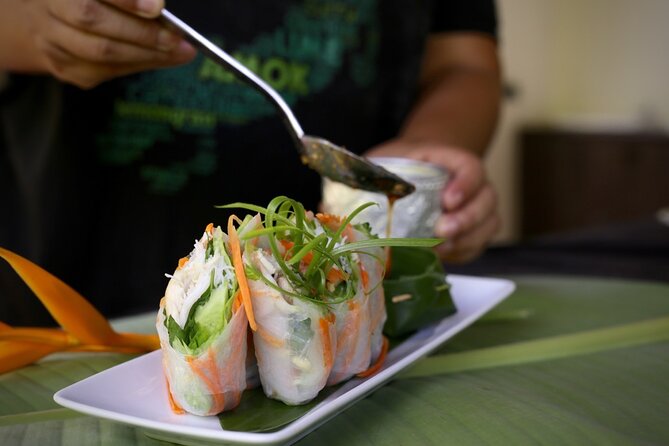
- Three dishes you prepare yourself: Fresh rice paper spring rolls, Cambodian curry, and bananas in palm sugar.
- A real market introduction: Sophia guides you through Psar Chaa, explaining local produce, fruit, herbs, meat, fish, and Cambodian cooking ingredients.
- A calm rural setting: The open-air kitchen and dining area overlook a small lake, offering a welcome change from central Siem Reap.
- Small groups capped at eight: You get direct help with preparation, knife work, seasoning, and cooking.
- Useful extras included: Tuk-tuk hotel pickup and return, bottled water, a cold towel, a local beer or soft drink, and a recipe booklet.
- Flexible food arrangements: Most dietary needs and allergies can be handled if you explain them when booking.
Why this class is different from a basic cooking demonstration
Many cooking classes are really short demonstrations where you stand behind a counter and watch someone else do the difficult work. This one is built around participation. You prepare a three-course Cambodian meal, with a chef guiding you through each step.
I like that the food is practical enough to repeat at home. Spring rolls teach assembly and handling, curry introduces the flavors and preparation of Cambodian food, and the banana dessert shows how palm sugar can turn a simple ingredient into a finished course.
The class also gives you a better sense of how Cambodian food begins. The market is not just a quick stop for photographs. It is where you see the raw materials, learn what local shoppers buy, and understand why certain herbs, fruits, vegetables, meats, and fish appear in Khmer cooking.
The experience lasts about three hours and runs in either the morning or afternoon. That makes it easy to fit around sightseeing in Siem Reap, although you should avoid placing it too close to a fixed temple visit. Tuk-tuk pickup and return are included, so you do not need to arrange your own ride to the market or the cooking site.
More Farm Cooking Classes in Cambodia
- Phnom Penh’s Hands-On Khmer Cooking Class in the Countryside
★ 5.0 · 54 reviews - Phnom Penh’s Hands-On Khmer Cooking Class in the Countryside
★ 4.9 · 33 reviews - Kampot Countryside: Authentic Khmer Cooking Class
★ 4.8 · 21 reviews
Starting at Psar Chaa, Siem Reap’s Old Market
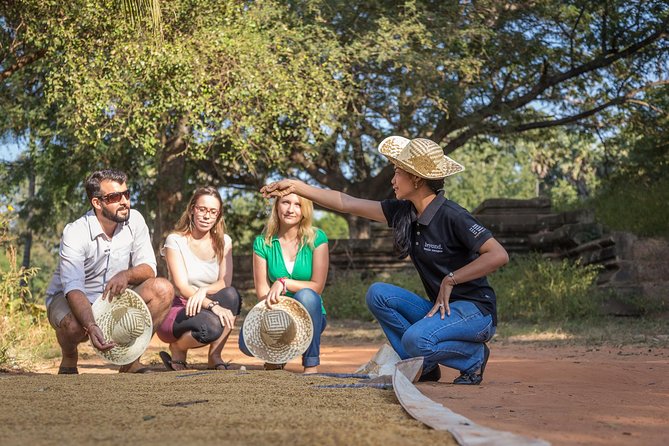
The class begins with pickup from your hotel by tuk-tuk. You then meet the guide at Psar Chaa, commonly called the Old Market, for a walk through the local food stalls.
This first section is one of the strongest parts of the experience. Sophia, one of the guides associated with the class, takes time to explain the produce and ingredients rather than rushing you through the market. You may see Cambodian fruits, herbs, vegetables, meat, and fish, along with items that may be unfamiliar if you have not spent much time in Southeast Asian markets.
You may also get to sample local delicacies during the walk. That makes the visit more useful than simply seeing food laid out on a stall. You begin to connect taste and smell with the ingredients you will later use in the kitchen.
The market is central and local in character. It is not presented as a polished food hall designed only for visitors, so it can feel busy, warm, and very much part of daily Siem Reap life. Wear comfortable shoes and expect a sensory experience, including strong food smells and wet market areas.
The market visit usually takes about 45 minutes, though the pace can vary. I recommend arriving at the meeting point on time. One reported scheduling problem involved a late couple holding up the group for nearly half an hour. The company includes pickup, but shared activities work best when everyone respects the start time.
The tuk-tuk ride into the countryside
After the market, you continue by tuk-tuk to the cooking location outside central Siem Reap. The ride is part of the appeal. You leave the traffic and commercial activity of the town and reach a quieter rural setting.
The exact route and driving time can vary because hotel pickup arrangements differ, but the tour is designed as a round trip. You do not need to book a separate taxi or worry about finding the cooking school afterward.
The tuk-tuk drivers are part of the service, and the experience includes hotel drop-off at the end. Some drivers speak excellent English, though the main instruction comes from your guide and chef.
This transport is simple rather than luxurious. A tuk-tuk is open to the air, so you will feel the heat and road conditions. That is part of getting around Siem Reap, but anyone sensitive to sun or dust should bring water, sun protection, and light clothing. Bottled water and a cold towel are supplied.
Cooking beside the lake
The class takes place in a purpose-built garden pavilion with an open-air kitchen and dining area. The setting overlooks a small lake, giving you a quiet place to work and eat after the market.
The kitchen has been described as clean, modern, and well prepared. Ingredients are ready when you arrive, and the staff guides you through the work in a clear order. Chef Sunat and chefs identified as Prey or Pry have led sessions, while Sophia has often handled the market visit and hosting. Names can vary by class, but you can expect a local guide and a chef who work closely with the group.
The small-group limit is eight people. That matters here because cooking requires individual help. You may need advice on knife technique, the right texture for a filling, the amount of seasoning, or the timing of a dish. A large class would make that harder.
The instructors are patient with beginners. You do not need professional cooking skills, and the class is suitable for people who are not confident with a knife or unfamiliar with Cambodian ingredients. You should still expect to participate rather than simply sit back.
Heat is a reasonable concern in Cambodia, especially in an open-air kitchen. The cooking area has been arranged so the heat is manageable, and the class includes drinks and a cold towel. Still, morning may be the more comfortable choice if you prefer cooler conditions.
Same place, a different menu:
- Khmer Cooking Class at a Local’s Home in Krong Siem Reap
★ 5.0 · 2,731 reviews - Siem Reap: Khmer Cooking Class at a Local’s Home
★ 5.0 · 1,108 reviews - Award-Winning Cooking Class Experience with Professional Teacher
★ 5.0 · 745 reviews - Khmer Cooking Class Half Day (AM or PM)
★ 5.0 · 316 reviews
The three-course Cambodian menu
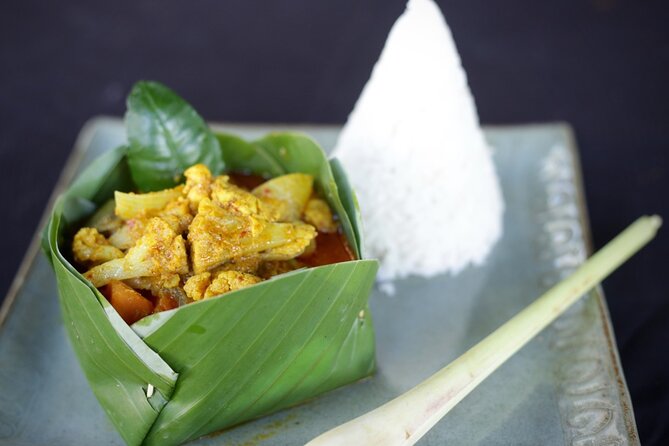
Fresh rice paper spring rolls
The spring rolls introduce a hands-on technique that is easy to remember once you have tried it. You prepare the ingredients, work with the rice paper, and learn how to assemble the rolls without tearing or overfilling them.
This is a good opening dish because it involves careful preparation but not complicated cooking. You can focus on texture, balance, and presentation. The skill also transfers well to home kitchens.
Cambodian curry
The curry is the main savory course and gives you the clearest lesson in Cambodian flavor. You work with herbs, spices, and other ingredients introduced during the market tour.
The chef explains how the ingredients are used and guides you through the method. The recipe is not simply handed to you at the end. You take part in making the dish, then eat the curry as part of the meal you prepared.
Cambodian curry is a useful contrast to the spring rolls because it requires a different set of techniques. You learn how separate ingredients develop into a finished dish rather than simply assembling a plate.
Bananas in palm sugar
Dessert is simple, local, and practical. Bananas cooked with palm sugar show how Cambodian sweets can rely on a few familiar ingredients rather than complicated pastry work.
This course is also a pleasant finish after the market and savory cooking. It is easy to remember and offers a recipe you can attempt at home without specialist equipment.
Eating the meal you prepared
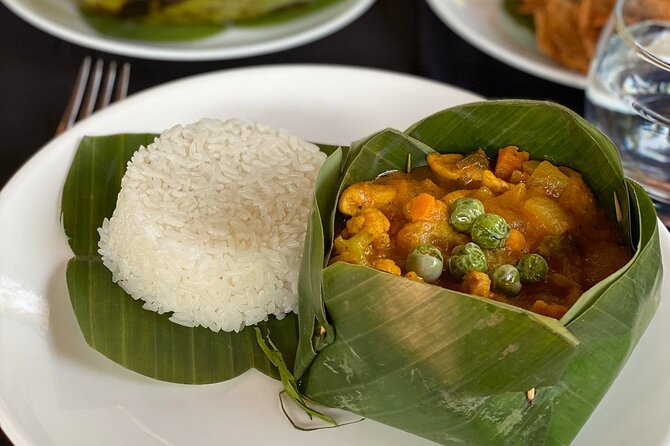
Once the three dishes are finished, you sit down and eat the meal in the lakeside setting. This is not a tasting of tiny portions. The three-course meal is included, and the point is to enjoy the results of your work.
You also receive a local beer or a soft drink, along with bottled water. The meal feels more rewarding because you have handled the ingredients and followed the cooking process yourself.
The dining area is one of the most praised elements of the experience. The lake view and garden setting provide a quiet break from the Old Market and central Siem Reap. It is a good place to slow down, especially if your sightseeing schedule has been temple-heavy.
Food presentation is handled with care, and the staff continues to look after you after the cooking ends. You should not expect a formal restaurant meal, but you can expect a relaxed lunch or dinner in a pleasant outdoor setting.
What the recipe book adds
The recipe booklet is more useful than a simple souvenir. It gives you a way to repeat the dishes after returning home, which is important because cooking classes can otherwise become pleasant memories with no practical follow-up.
The recipes cover the three dishes prepared during the class. The ingredients may require substitutions depending on where you live, but the booklet gives you a starting point for recreating the meal.
I particularly like this detail for first-time visitors to Cambodian cuisine. You leave with both a meal and a method. If you enjoyed the curry or spring rolls, you have something concrete to try in your own kitchen.
Price, group size, and overall value
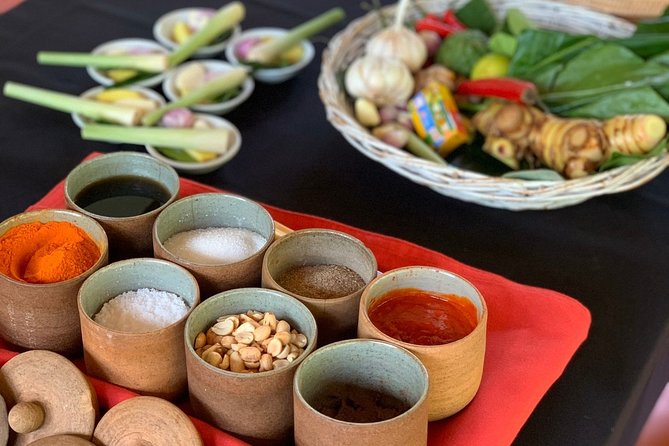
At $32 per person, the price includes the market tour, round-trip tuk-tuk transport from your hotel, a local host, the cooking lesson, three-course meal, local beer or soft drink, bottled water, cold towel, and recipe book.
That is good value for a three-hour activity. You are not paying only for instruction. You are also covering transport, a guided food market visit, ingredients, and a full meal in a scenic setting.
The small group improves the value further. A class capped at eight allows the chef to correct your technique and answer questions. If you are booking alone, the class may still operate rather than being canceled, although the exact arrangement can depend on the day.
The tour has a 4.9 rating from 265 ratings and a 99 percent recommendation rate. Those figures point to strong consistency, especially in the teaching, food, setting, and staff service. The main practical weakness is shared timing if someone arrives late.
Who should book this experience
I would choose this class if you want to understand Cambodian food through ingredients and preparation, not just eat it at a restaurant. It works particularly well for couples, families, solo visitors, and small groups who enjoy active experiences.
It is also a good choice for beginners. The instructors explain the steps and provide help, so you do not need previous cooking experience. Children and adults can take part, although the class involves knives, heat, and close attention to instructions.
Food lovers will get the most from the market portion. You can ask about unfamiliar produce and see how Cambodian households shop. The class also suits anyone with a free morning or afternoon who wants an activity that does not take a full day.
You should think twice if you dislike outdoor cooking, market environments, tuk-tuk rides, or group activities. The setting is pleasant, but it is not an air-conditioned studio. If you have allergies or dietary restrictions, provide the details at booking rather than waiting until the class begins.
Booking and cancellation details
Pickup is offered from your hotel, and the experience uses a mobile ticket. Confirmation is provided when you book. Most dietary requirements and allergies can be accommodated if you report them in advance.
Service animals are allowed, and the maximum group size is eight people. You can cancel for a full refund up to 24 hours before the local start time. Cancellations or changes made inside that 24-hour window are not refunded or accepted.
Should you book the Cambodian Village Cooking Class?
Yes, if you want a practical and good-value food experience in Siem Reap. The strongest reasons are the local market walk, direct cooking instruction, peaceful lakeside setting, and the fact that you actually eat the three dishes you prepare.
Book the morning session if heat concerns you or if you want the rest of the day free. Arrive on time, tell the company about dietary needs when booking, and bring sun protection for the tuk-tuk ride and open-air kitchen.
This will not replace a full cultural tour or a long culinary course. It does something more focused: in about three hours, you see where Cambodian ingredients are bought, learn how they are used, cook three dishes, and leave with recipes you can use at home. For $32, that is a sensible addition to a Siem Reap visit.
FAQ
How long does the Cambodian Village Cooking Class last?
The experience lasts approximately three hours and is offered in the morning or afternoon.
What dishes will I cook?
You will prepare fresh rice paper spring rolls, Cambodian curry, and bananas in palm sugar.
Is the meal included?
Yes. You eat the three-course meal you prepared during the class.
Is hotel pickup included?
Yes. Round-trip hotel pickup and drop-off by tuk-tuk are included.
Where does the market visit take place?
The market visit takes place at Psar Chaa, also known as Siem Reap’s Old Market.
How many people can join the class?
The activity has a maximum of eight participants.
Are drinks included?
Yes. Bottled water and a local beer or soft drink are included. A cold towel is also provided.
Do I receive recipes to take home?
Yes. You receive a detailed recipe book covering the dishes prepared during the class.
Can dietary requirements and allergies be accommodated?
Most dietary requirements and allergies can be accommodated. You should provide the details when booking.
What is the cancellation policy?
You receive a full refund if you cancel at least 24 hours before the local start time. Cancellations and changes made less than 24 hours before the start are not accepted or refunded.
More Hands-On Workshops in Cambodia
- Cambodian Cooking Class from Siem Reap
★ 4.9 · 190 reviews - Battambang: Cooking Class and Market Touring
★ 4.8 · 80 reviews - Battambang: Cooking Class and Market Touring
★ 5.0 · 29 reviews - Cambodian Cooking Class
★ 4.9 · 25 reviews
Just added around Cambodia
- Battambang: Cooking Class and Market Touring★ 5.0 · 29 reviews
- Phnom Penh: Walking Tour, Food Tour & Sunset Cruise★ 4.9 · 4 reviews
- Siem Reap: Morning Cooking Class & Market Tour★ 5.0 · 7 reviews
- Siem Reap: Guided Day Trip to Local Village & Cooking Class★ 5.0 · 3 reviews
- Siem Reap: Half-Day Cambodian Cooking Class★ 4.9 · 6 reviews
- Siem Reap Khmer Cooking Class and Local Market Tour★ 4.1 · 4 reviews
- Phnom Penh Evening Food Tour -On Promotion Price limit Offer★ 4.9 · 17 reviews
- Siem Reap: Cambodian Desserts Cooking Lesson with Tastings★ 4.8 · 9 reviews
Farm & Countryside Cooking Classes, compared.
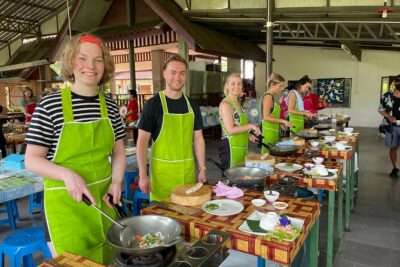
Half-Day Thai Cooking Class at Organic Farm in Chiang Mai
Read our review →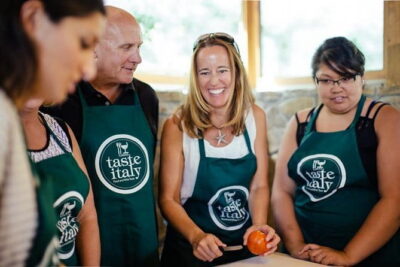
Cooking Class and Lunch at a Tuscan Farmhouse with Local Market Tour from Florence
Read our review →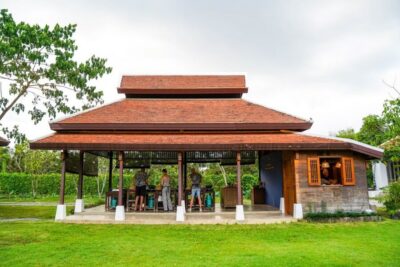
Chiang Mai: Authentic Cooking Class with Market & Farm Visit
Read our review →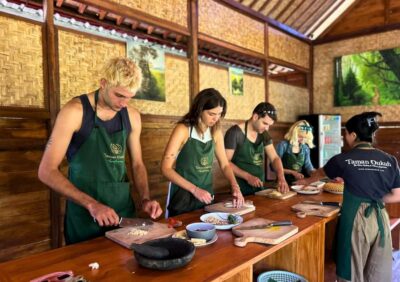
Ubud: Balinese Cooking Class at an Organic Farm
Read our review →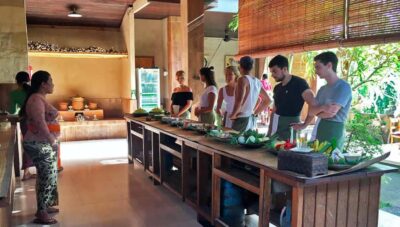
Ubud: Authentic Cooking Class in a Local Village
Read our review →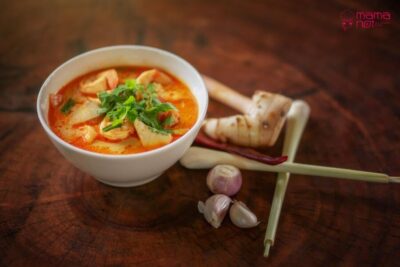
Chiang Mai: Cooking Class with Organic Farm at Mama Noi
Read our review →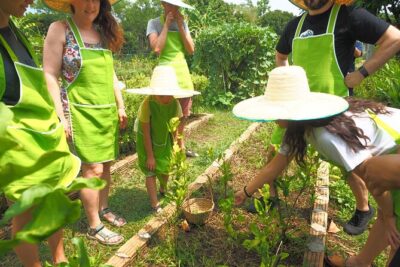
Hands-On Cooking Class & Farmhouse Tour on the Amalfi Coast
Read our review →Browse the lists this tour appears in