
Review · ROME
Rome: Homemade Pasta and Tiramisu Cooking Class
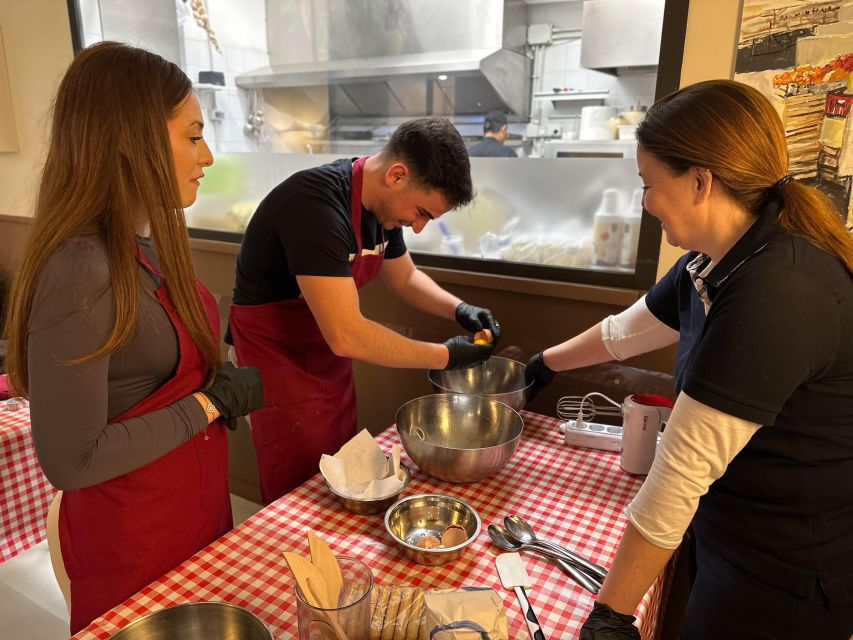
Rome’s ancient sights may get the headlines, but homemade pasta and tiramisu offer a more hands-on way to understand Italian life. At Osteria San Giorgio, you make the dough yourself, learn how pasta shapes differ, prepare a coffee-soaked dessert, then sit down to eat your work with wine.
I like two things right away: the class teaches useful skills rather than staging a quick demonstration, and it connects recipes with Roman food culture. Guides such as Christian, Luca, and Elisabetta have been praised for clear instruction and a friendly manner. The main drawback is dietary: this is not suitable for vegans or people who cannot eat gluten or lactose.
Key points to know before booking
- You make pasta from scratch: Mix flour and water, knead the dough, roll it out, and cut it by hand.
- Three Roman pasta shapes are covered: You learn the differences between pappardelle, tagliatelle, and tonnarelli.
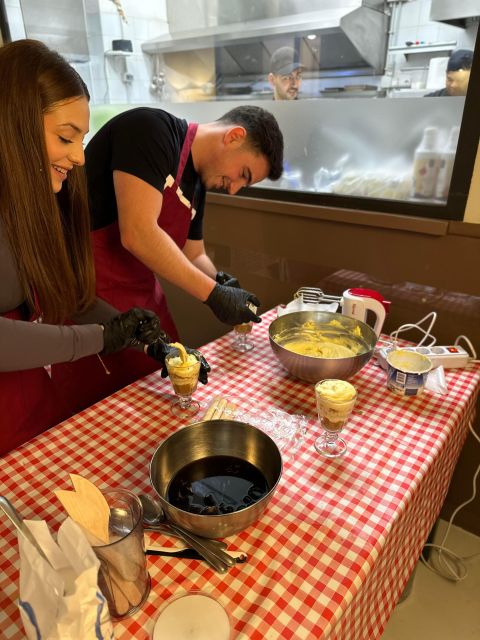
- Tiramisu is part of the meal: The class includes the classic espresso-dipped dessert, not just the main course.
- You eat what you prepare: The finished pasta and tiramisu are served at the restaurant with a glass of wine.
- English instruction keeps things simple: The class is offered in English and lasts about 2.5 hours.
- The price includes the working essentials: At $65 per person, ingredients, utensils, water, the class, and wine are included.
A Roman cooking class at Osteria San Giorgio
You meet at Osteria San Giorgio, a traditional restaurant in Rome. The setting matters here. You are not simply watching a chef perform in a separate school kitchen. You work with food in a restaurant environment, then sit down for the finished meal.
The class lasts about two and a half hours, which gives you enough time to work through each stage without turning the afternoon into a rushed flour contest. The pace should suit couples, families, and first-time cooks. Several participants have taken the class with children, and the activity is also accessible for wheelchair users.
Instruction is in English. The teachers named in past classes include Christian Simeoni, Kristian, Luca, Elisabetta, and Elisabeta. The exact instructor can vary, but the pattern is clear: expect a guide who explains the food, answers questions, and may also offer local advice about Rome and Italian cooking.
I appreciate that the class has a cultural side. You learn why ingredients matter, how Italians think about pasta, and how these dishes fit into everyday food traditions. That gives the recipes more meaning than a simple cook, eat, and leave arrangement.
More Dessert Classes in Rome
- 3 in 1 Cooking Class near Navona: Fettuccine, Ravioli & Tiramisu
★ 5.0 · 7,376 reviews - Rome: Pasta Making Class with Wine, Limoncello, and Dessert
★ 4.9 · 3,177 reviews - Rome: 3-in-1 Fettuccine, Ravioli, and Tiramisu Cooking Class
★ 4.9 · 2,704 reviews
Starting with flour, water, and pasta dough
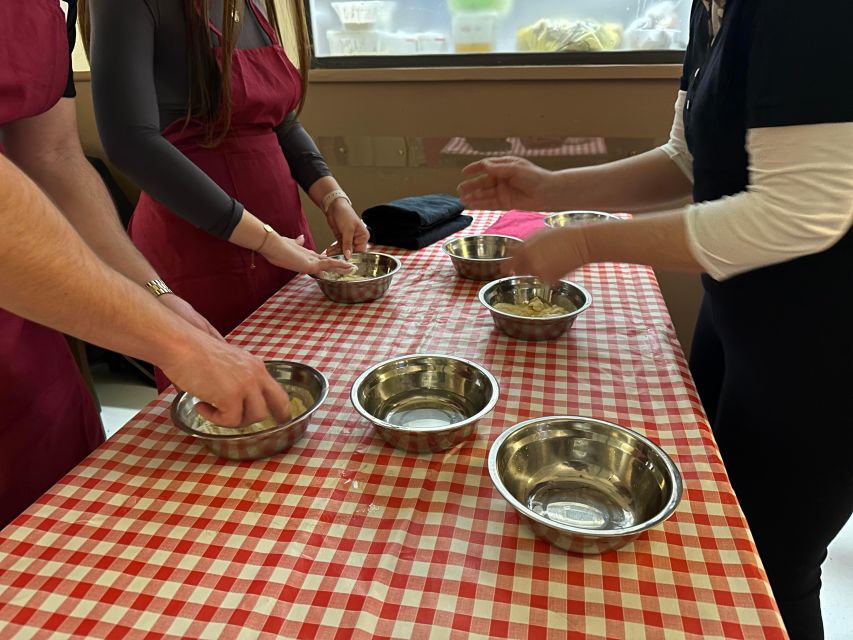
The pasta lesson begins with basic ingredients. You mix flour and water, then knead the dough by hand. It is a modest start, but this is where the useful learning happens. You can feel when dough is too dry, too wet, or not worked enough.
The instructor helps you understand the process instead of asking you to copy a fixed set of motions. You learn practical tips for choosing better ingredients, which is important when you want to repeat the recipe at home. A pasta class is only as useful as the advice you take away, and ingredient selection is one of the details that can make homemade pasta taste less ordinary.
Next comes rolling. This part calls for patience and a little elbow grease. You flatten the dough and prepare it for cutting, learning how thickness affects the final dish. The aim is not perfect restaurant speed. It is to give you enough control to make the same food in your own kitchen.
That hands-on approach is especially helpful if you have watched pasta videos but never made the dough yourself. Online instructions can show the movements, but they cannot tell you how the dough should feel. Here, you can ask questions as you work.
Pappardelle, tagliatelle, and tonnarelli
The class introduces three pasta varieties: pappardelle, tagliatelle, and tonnarelli. These are not just different names for the same noodle. Their shape and width affect how they feel on the plate and which sauces suit them best.
Pappardelle is the broadest of the three, giving you a wide ribbon with a substantial bite. Tagliatelle is narrower and more familiar to many home cooks. Tonnarelli is a thicker, square-edged pasta with more chew.
You hand-cut the pasta, which adds a pleasant bit of imperfection. The pieces may not all look factory-made, but that is part of the point. You are learning a traditional kitchen skill, not producing a packet of uniform noodles.
The instructor also explains the distinctions as you work. This is one of the class’s strongest features because you leave with a better sense of how pasta shape changes a meal. Once you know the difference, you can make more sensible choices when shopping for pasta or planning a sauce.
The lesson should be manageable for beginners. One participant arrived with a partner who had never cooked anything so complex before, yet both found the process approachable. That makes this a good pick if one person in your party cooks often and the other usually stays away from the kitchen.
Learning the tricks behind better ingredients
The class includes advice on finding premium ingredients for authentic Italian cooking. The supplied details do not specify particular brands or shops, so you should not expect a market tour or a shopping excursion. Instead, the value comes from learning what to look for when you buy ingredients yourself.
This is a small but useful part of the experience. Roman food often depends on a short ingredient list, so quality and technique matter. When there are only a few components, poor flour or a careless preparation is harder to hide.
You can also use this time to ask about cooking in Italy, local eating habits, or places to visit in Rome. Christian, in particular, has answered questions about Roman life and offered local recommendations during past classes. That informal conversation can make the class feel more personal than a tightly scripted lesson.
Do not expect the instructor to turn the session into a broad food history lecture. The focus stays on cooking. Still, the cultural explanations give you a better sense of why simple Roman dishes deserve careful treatment.
More Pasta Making Classes in Rome
- Rome Cooking Class: Make Pasta and 3 Spritz Cocktails
★ 5.0 · 2,937 reviews - Rome: Fettuccine Pasta Cooking Class in Rome’s City Center
★ 4.8 · 2,414 reviews - Fettuccine & Tiramisù: Cooking Class with Wine & Limoncello
★ 4.9 · 2,103 reviews - Pasta Cooking Class Near the Colosseum with 3 Spritz Cocktails
★ 5.0 · 1,686 reviews
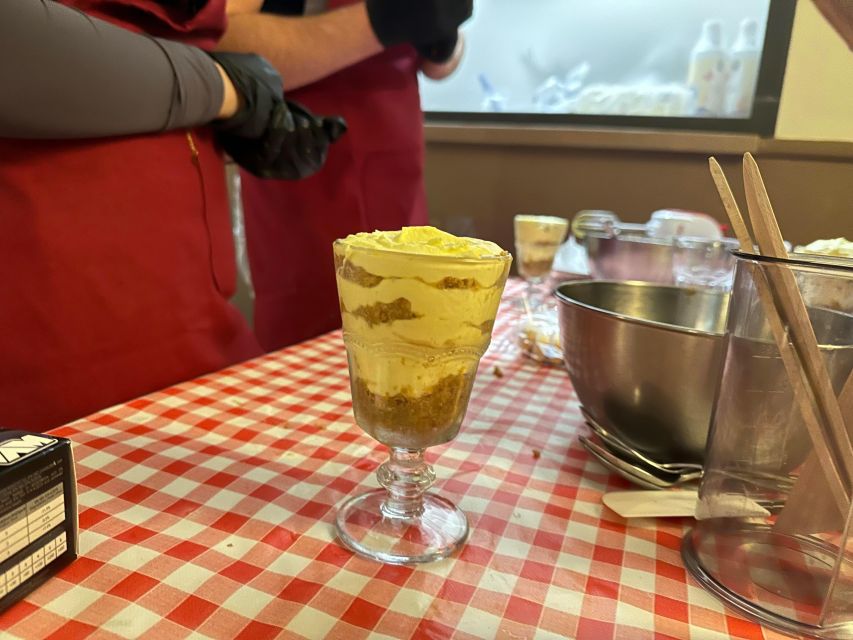
Making tiramisu with espresso and cream
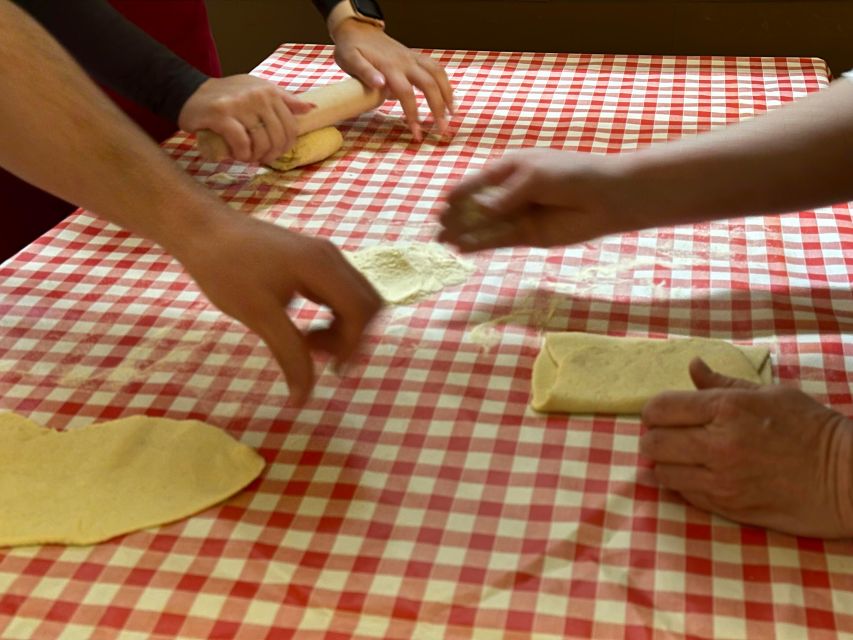
After the pasta, you prepare tiramisu. This is a smart choice for a class because it gives you a second recipe with a different set of skills. Pasta teaches dough and handwork. Tiramisu teaches balance, texture, and assembly.
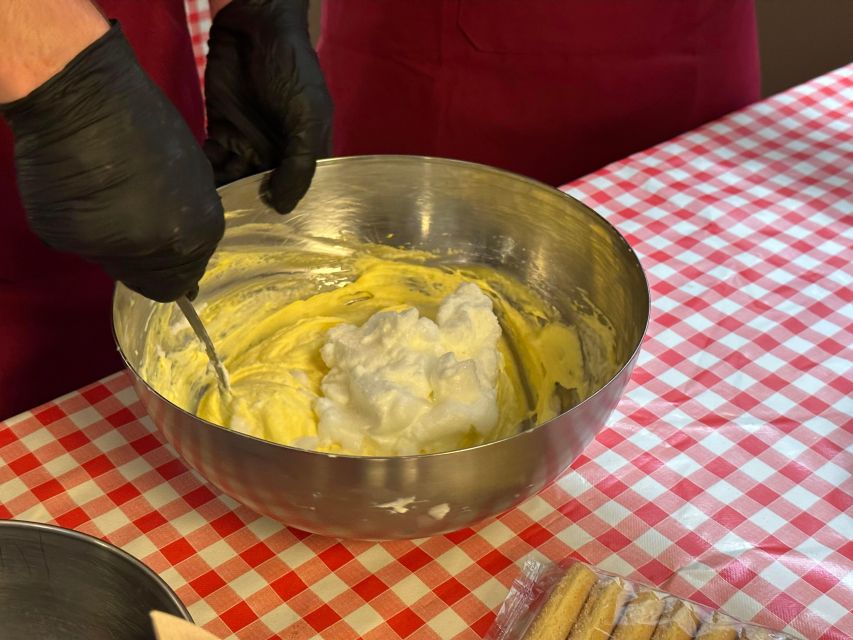
You learn how to make the classic dessert with espresso-dipped components and a creamy filling. The class presents tiramisu as straightforward rather than mysterious. That matters because many home cooks assume the dessert requires specialist equipment or advanced pastry skills.
The preparation is also a welcome change of pace after rolling and cutting pasta. You can focus on getting the texture right and understanding how the coffee element works with the creamy layers. The exact recipe details are not provided in advance, so you should think of this as a practical lesson rather than a printed formula with every measurement guaranteed.
The tiramisu is prepared during the class and served afterward. It is not a small decorative sample. You get to eat the dessert you made, which gives you a direct check on your technique.
For many people, this will be the most immediately useful recipe to take home. Tiramisu is familiar, popular, and easy to serve to family or friends. The pasta lesson is more tactile, but the dessert may be the first recipe you try again after returning home.
Sitting down to eat your own work
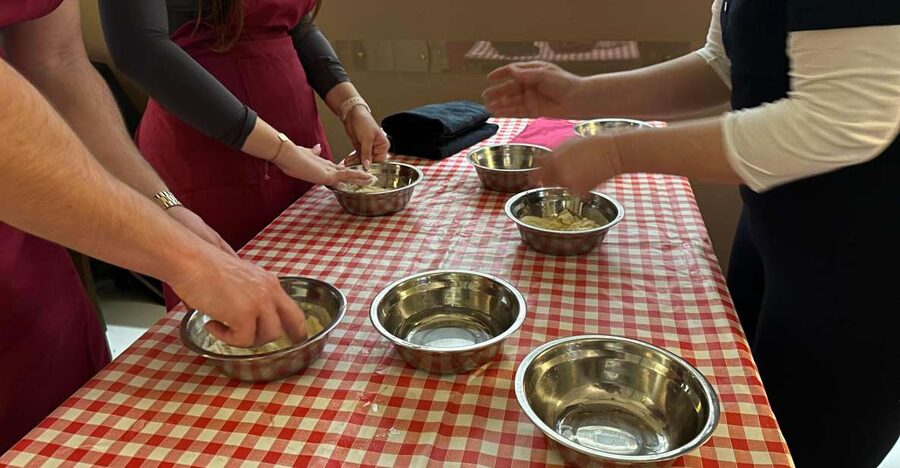
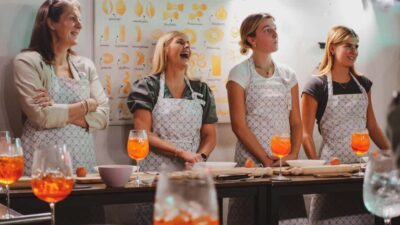
Once the cooking is finished, you eat the pasta and tiramisu at Osteria San Giorgio. A glass of wine is included, along with water. This final meal is more than a reward. It lets you taste the results while the preparation is still fresh in your mind.
The restaurant staff have been described as helpful and welcoming, and the dining portion is an important part of the value. You are not paying $65 only for a lesson. You are also receiving the ingredients, utensils, water, wine, and a prepared meal in a restaurant setting.
The wine pairing is simple, not a formal tasting. If you are looking for a serious wine lesson, this is not the right activity. If you want a pleasant drink with your homemade dinner, it completes the experience nicely.
The meal also gives you time to talk with the instructor and your companions. Past classes have included conversations about Rome, local customs, and future cooking plans. That relaxed ending helps the class feel social without making it dependent on a large group atmosphere.
One thing to keep in mind is that the kitchen is part of a working restaurant. A participant once found the attention from kitchen staff a little uncomfortable while cooking with a friend. That may not bother you, but if you prefer a fully private teaching kitchen, check the setting carefully before booking.
What the $65 price really covers
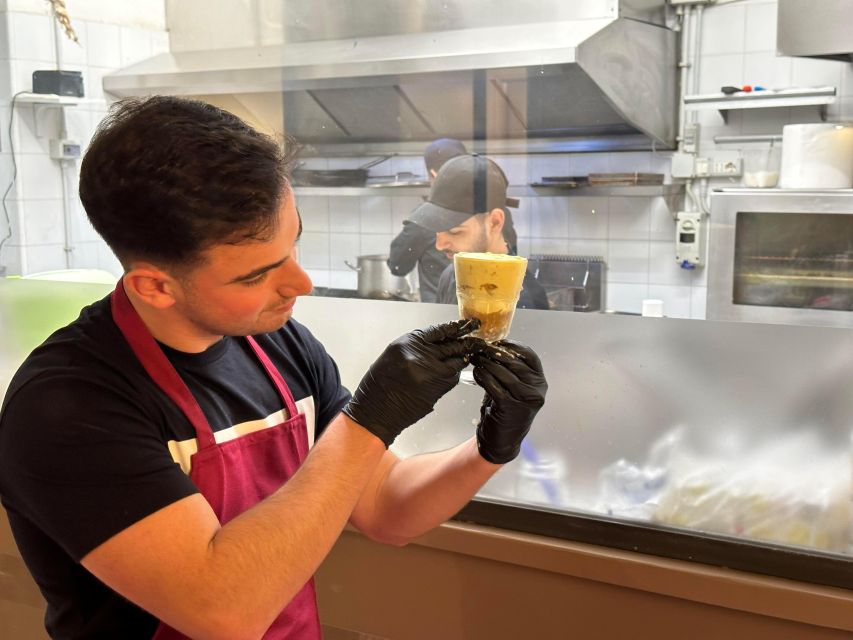
At $65 per person, this is a fair price if you value both instruction and a meal. The cost includes the cooking class, an English-speaking instructor, all ingredients and utensils, water, wine, pasta, and tiramisu. You do not need to bring cooking equipment.
The best value comes from the amount of participation. A demonstration followed by a restaurant meal could be cheaper, but it would not teach you how to knead, roll, and cut the pasta. Here, you spend much of the session doing the work yourself.
The price is less attractive if you mainly want a quick meal or a polished restaurant dinner. Homemade pasta takes time, and your portions may not look identical. You are paying for the process as much as for the food.
I would also compare the class with your schedule. At 2.5 hours, it is long enough to feel like a real activity but short enough to fit around sightseeing. You will need to reach Osteria San Giorgio for the meeting point, and starting times depend on availability. Build in enough time to arrive without turning the opening flour lesson into a sprint.
Who will enjoy this most
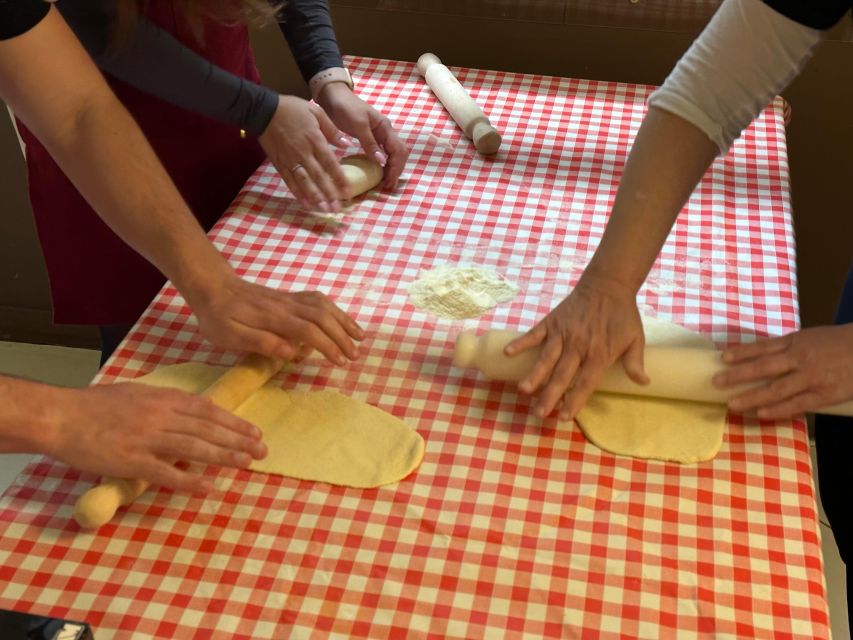
This class is a strong choice for couples who want a shared activity, families with children, and first-time cooks who want clear guidance. It also suits anyone who likes to bring home a practical skill instead of another souvenir.
You do not need advanced cooking experience. In fact, the class may be most useful if you are unsure about making pasta from scratch. The instructor can correct your technique as you go, and the recipes are designed around familiar Italian favorites.
It is also a good fit for food-minded visitors who want to understand more about Roman culture. You learn about pasta types, ingredient quality, and the place of food in Italian life while working with your hands.
This is not suitable for vegans, people with gluten intolerance, or people with lactose intolerance. The class centers on wheat-based pasta and a creamy tiramisu, so dietary substitutions should not be assumed. If someone in your group has a restriction, this is a poor match.
The activity is wheelchair accessible, which makes it easier for more people to consider. The available information does not describe the exact workspace layout, so you may want to confirm any specific access needs before booking.
Booking flexibility and practical details
You can cancel up to 24 hours before the activity for a full refund. You can also reserve now and pay later, which helps if your Rome plans are still moving around.
The class is offered in English. That removes a major barrier for many international visitors, especially when the instructor is explaining dough texture and pasta shapes. Clear language matters more here than fancy presentation.
The listed rating is 5 out of 5 from 57 reviews, and the praise is especially consistent around the instructors. Christian, Kristian, Luca, Elisabetta, and Elisabeta are described as friendly, patient, involved, and clear. Names can change with the schedule, but you can reasonably expect personal instruction rather than a silent production line.
Should you book the Rome pasta and tiramisu class?
Book it if you want to cook, not just eat. The strongest part is the practical sequence: make dough, learn the pasta shapes, prepare tiramisu, then enjoy the finished meal with wine. You leave with skills you can repeat at home and a better feel for how simple Roman food is made.
Skip it if you need a vegan, gluten-free, or lactose-free experience, or if you prefer a formal culinary school with a private teaching kitchen. It is also not the best use of time if your main goal is a quick restaurant lunch.
For most food-loving visitors, $65 is a sensible price for 2.5 hours of instruction, ingredients, a restaurant meal, dessert, and wine. I would book this as a relaxed afternoon activity, especially for a couple or family that wants one shared memory beyond Rome’s monuments.
FAQ
Where does the cooking class take place?
The class takes place at Osteria San Giorgio in Rome, which is also the meeting point.
How long does the activity last?
The cooking class lasts approximately 2.5 hours.
What pasta types will I learn to make?
You learn about pappardelle, tagliatelle, and tonnarelli, including their differences. You also mix, knead, roll, and hand-cut the dough.
Is tiramisu included?
Yes. You prepare classic tiramisu using espresso-dipped components and then eat the dessert you made.
Is food and wine included in the price?
Yes. The price includes all ingredients and utensils, water, and one glass of wine. You also eat the pasta and tiramisu prepared during the class.
Is the class taught in English?
Yes. The instructor teaches in English.
Is the activity suitable for dietary restrictions?
No. It is not suitable for vegans, people with gluten intolerance, or people with lactose intolerance.
More Hands-On Workshops in Rome
- Rome: Pasta & Tiramisu Cooking Class near the Spanish Steps
★ 4.8 · 1,395 reviews - Rome Tipsy Cooking Class: Make Pasta and Mix 3 Spritz Cocktails
★ 5.0 · 1,357 reviews - Cooking Class in the Heart of Rome: Pizza and Tiramisu Making
★ 5.0 · 1,330 reviews - Rome Cooking Class: Make Pasta, Dine & Drink Wine With Local Chef
★ 5.0 · 1,263 reviews
Just added around Rome
- Testaccio: Home Cooking Cacio e Pepe, Amatriciana, Carbonara★ 4.9 · 57 reviews
- Super Fun Pasta and Gelato Cooking Class by the Vatican★ 5.0 · 6 reviews
- Spritz and Spaghetti Traditional Cooking Class in Rome★ 4.9 · 30 reviews
- ROME:Hands-On Lasagna & Marsala Tiramisu Cooking Experience”★ 5.0 · 3 reviews
- Rome: Vatican Food Tours, Cooking classes & Free Tours★ 4.9 · 11 reviews
- Rome: Traditional Pasta and Tiramisu Cooking Class★ 5.0 · 4 reviews
- Rome: Small Group Pasta cooking class near Piazza Navona★ 4.9 · 8 reviews
- Rome: Trastevere Pasta Making Class★ 4.9 · 33 reviews
Pasta Making Classes, compared.

Florence: Pasta Cooking Class with Unlimited Wine
Read our review →
3 in 1 Cooking Class near Navona: Fettuccine, Ravioli & Tiramisu
Read our review →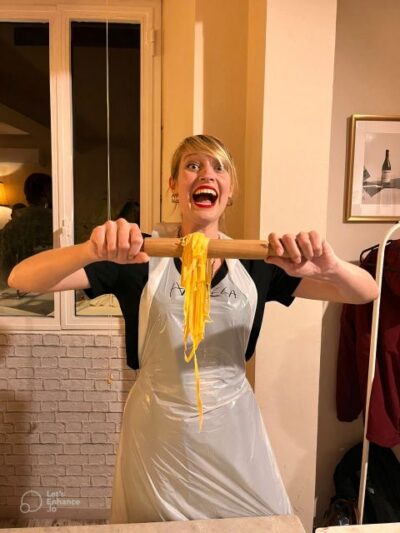
Rome: Pasta Making Class with Wine, Limoncello, and Dessert
Read our review →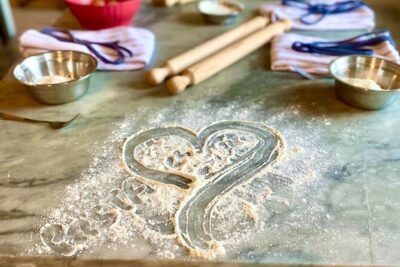
Rome Cooking Class: Make Pasta and 3 Spritz Cocktails
Read our review →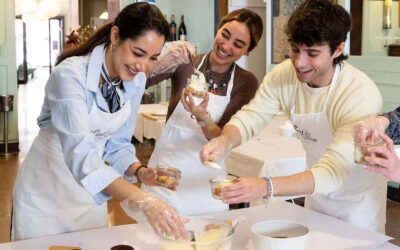
Rome: 3-in-1 Fettuccine, Ravioli, and Tiramisu Cooking Class
Read our review →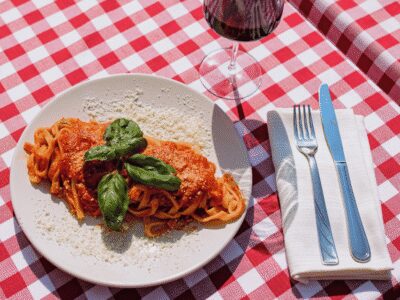
Rome: Fettuccine Pasta Cooking Class in Rome’s City Center
Read our review →Browse the lists this tour appears in