
Review · ROME
Rome: Pasta Cooking Class in a Professional Pasta Laboratory
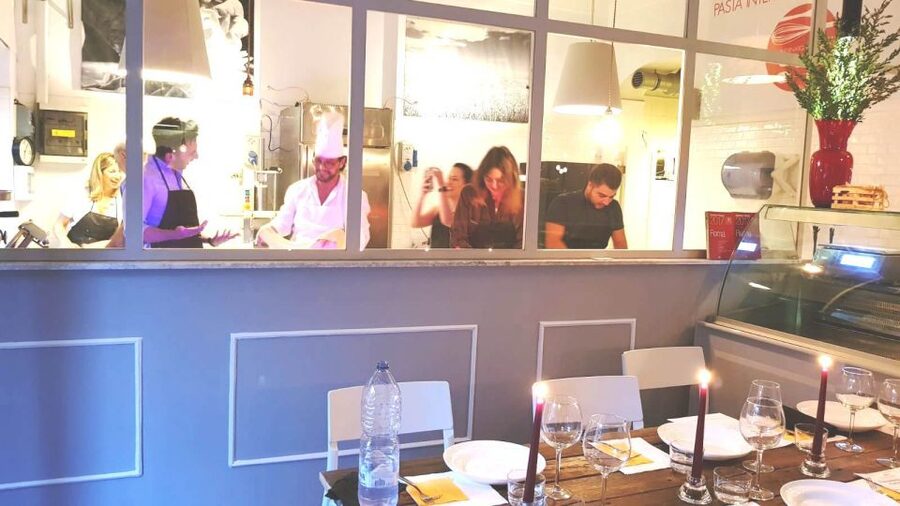
Rome has no shortage of cooking classes, but this one takes place inside a real professional pasta laboratory, not a staged home kitchen. Chef Angelo and Emanuele teach you to roll, cut, fill, and shape pasta by hand, using three different grains, including gluten-free buckwheat.
I like the small class size, capped at nine people, and the fact that you actually eat the pasta you make with sauces and Italian wine. I also like the old-school method: you work with a rolling pin rather than simply feeding dough through a machine.
The main consideration is time. Three hours sounds generous, but several pasta shapes, fillings, sauces, and a shared meal leave little room for wandering off the lesson plan. Thursday’s gnocchi session is also more of a short demonstration than a full hands-on dough workshop.
Key points at a glance
- A working pastificio: Learn inside Pastificio Faini on Via dei Latini, rather than in a generic teaching kitchen.
- Three grains: Work with Triticum Monococcum, Senatore Cappelli, and gluten-free buckwheat flour.
- Handmade technique: Roll thin sheets with a rolling pin, then cut, fill, and shape the pasta yourself.
- Roman sauces: Prepare or taste classic sauces such as carbonara, cacio e pepe, and gricia, depending on the class plan.
- A meal at the end: Sit down with the group to eat the pasta, fillings, and sauces with Italian wine and water.
- Dietary flexibility: Gluten-free participants can make their own pasta, and one pasta is made without egg for a vegan option.
Making pasta inside Pastificio Faini
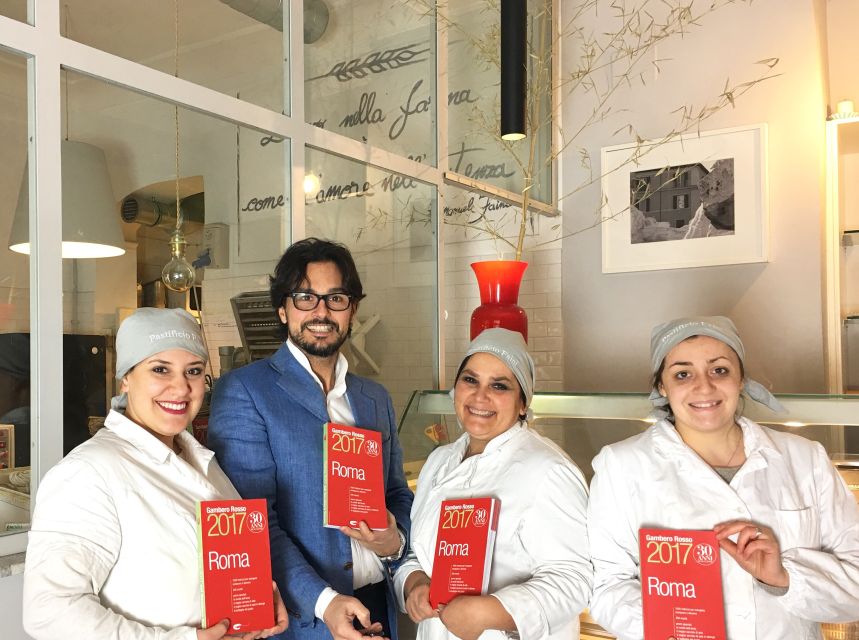
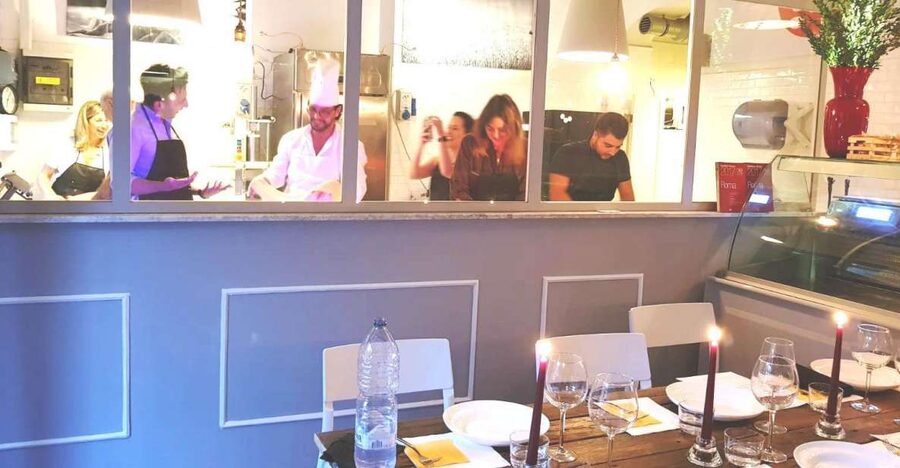
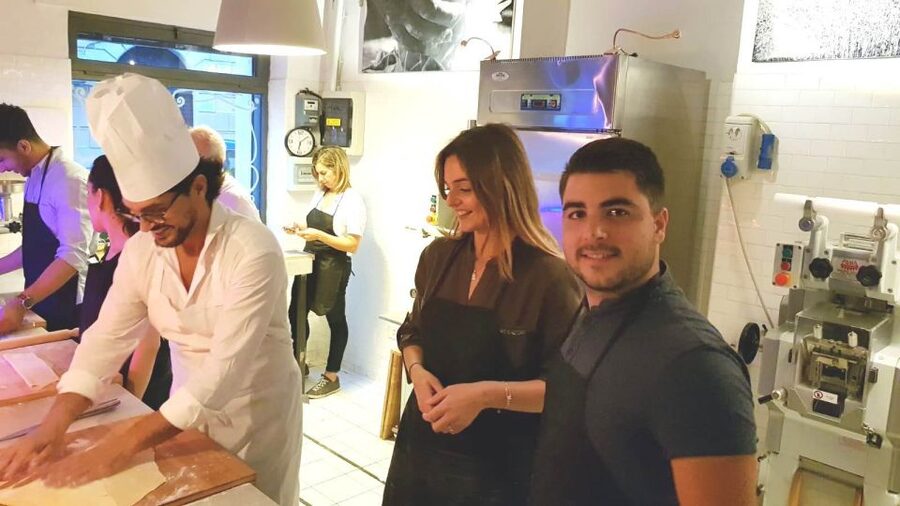
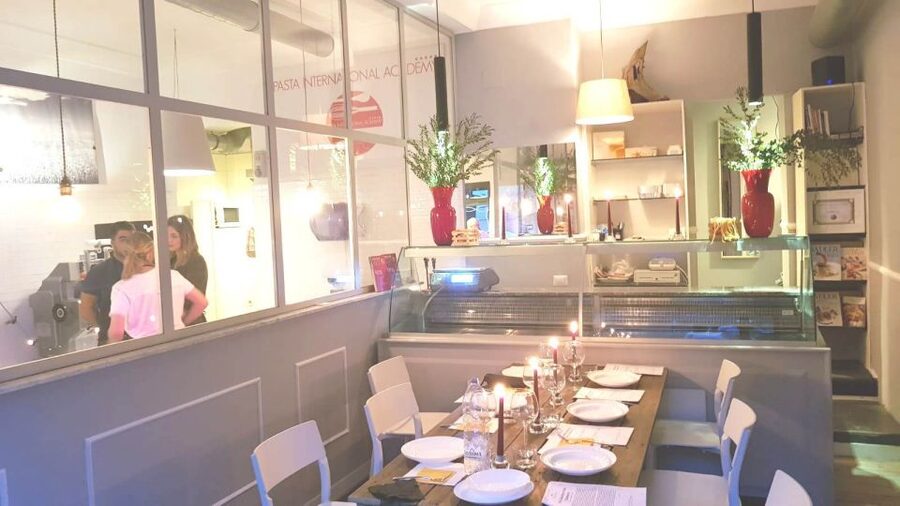
The setting is the first reason this class feels different. You meet at Pastificio Faini, 13 Via dei Latini, in Rome’s Lazio region, and spend the lesson inside a professional pasta laboratory. You are not just being shown a few tricks in a rented apartment. You are learning in a place built around pasta production.
That setting gives the class a useful sense of purpose. Flour, dough, cutting, shaping, cooking, and sauce all connect in the same room. You can see how a professional kitchen stays organized while the instructors keep the pace moving.
The class is taught in English and Italian. Chef Angelo leads the instruction, with Emanuele also teaching and helping at the worktables. Their style is practical and lively, with a demonstration first and hands-on work after. You do not need professional cooking skills. You need patience, clean hands, and a liking for pasta.
The group limit is nine participants per class. That matters here because pasta making is a tactile skill. You need someone to check the thickness of your dough, show you how to seal a raviolo, or explain why a sheet is sticking. A small group gives the instructors a fair chance to help each person.
More Pasta Making Classes in Rome
- 3 in 1 Cooking Class near Navona: Fettuccine, Ravioli & Tiramisu
★ 5.0 · 7,376 reviews - Rome: Pasta Making Class with Wine, Limoncello, and Dessert
★ 4.9 · 3,177 reviews - Rome Cooking Class: Make Pasta and 3 Spritz Cocktails
★ 5.0 · 2,937 reviews
The three grains and why they matter
One of the more unusual parts of the lesson is the use of three different grains. This is not simply an exercise in making one bowl of standard egg pasta.
The first is Triticum Monococcum, an ancient wheat considered the first cereal cultivated by humans, around 7500 BC. The second is Senatore Cappelli, a durum wheat selected by Nazareno Strampelli in 1915. It later disappeared from common use before being brought back by a small farmer.
The third flour is Grano Saraceno, or buckwheat. Despite the name, buckwheat is not wheat, and here it provides the basis for a gluten-free pasta option.
For you, the value is practical. You get to compare how different flours behave instead of treating pasta dough as a fixed formula. Some doughs need different handling, and the lesson helps you see that pasta is shaped by the grain as much as by the recipe.
The class also includes one pasta made without egg, providing a vegan option. If you have allergies or dietary needs, tell the provider in advance. Gluten-free participants can make their own pasta, and a family with a coeliac child was able to take part in the same class by working with gluten-free dough.
Rolling, cutting, and shaping by hand
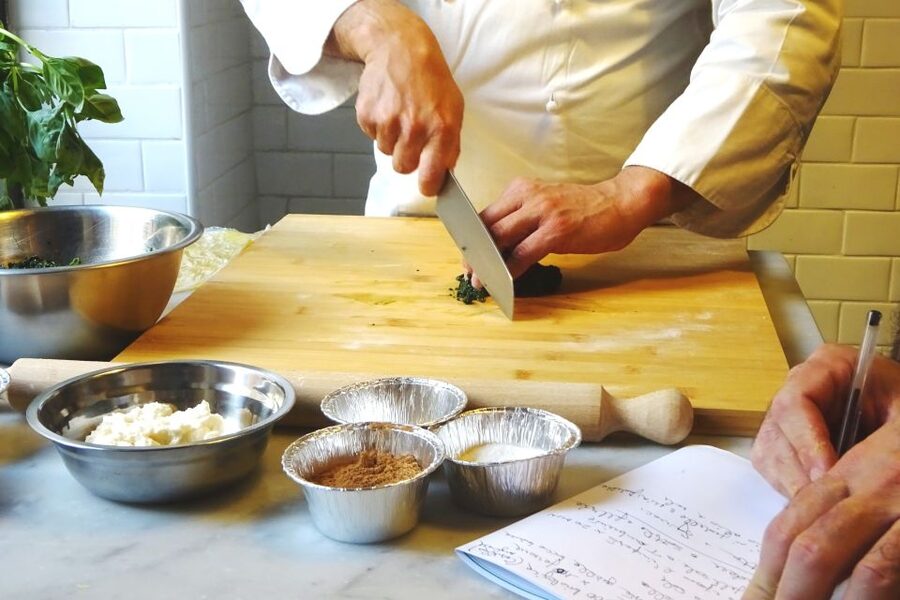
The most rewarding part is the actual work with the dough. You receive the ingredients and equipment, put on the branded chef hat and apron, and follow the instructors through the process.
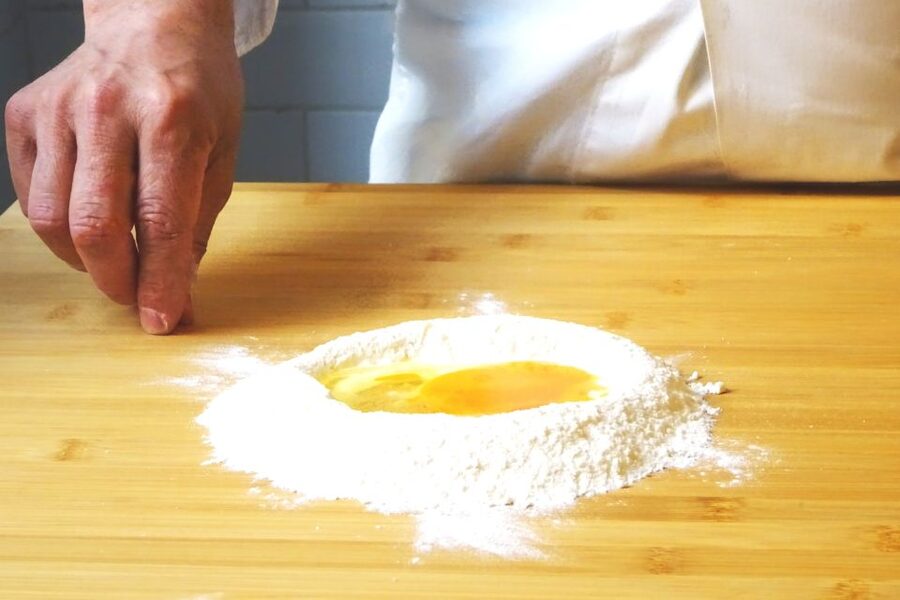
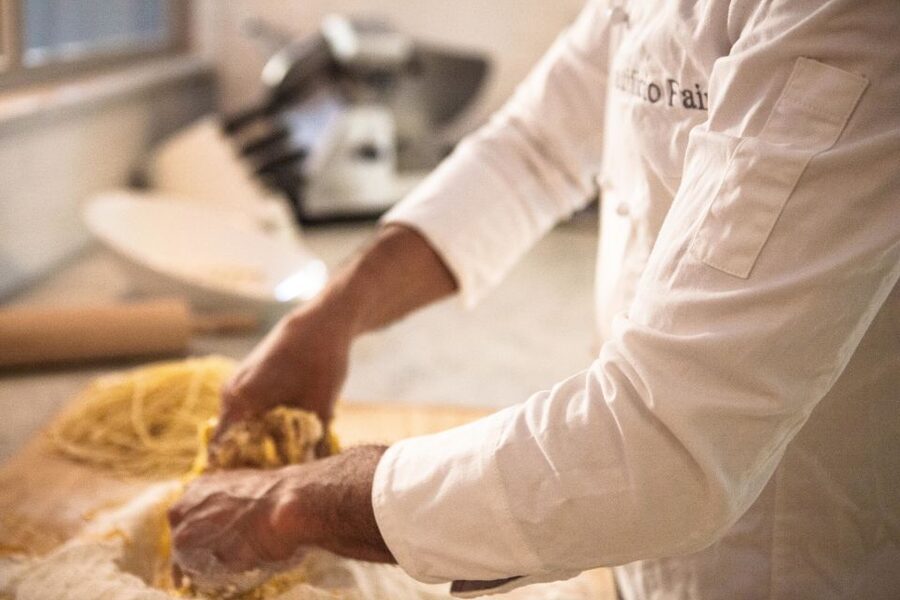
The teaching pattern is straightforward. Chef Angelo or Emanuele demonstrates a step, then you copy it at your own station. They explain how to create thin sheets of dough and help when a sheet is too thick, too dry, or difficult to handle.
This is a traditional approach. You use a rolling pin rather than relying on a pasta machine to do the hard work. That can be slower, and beginners may produce some uneven sheets at first, but it gives you a technique you can repeat at home with basic equipment.
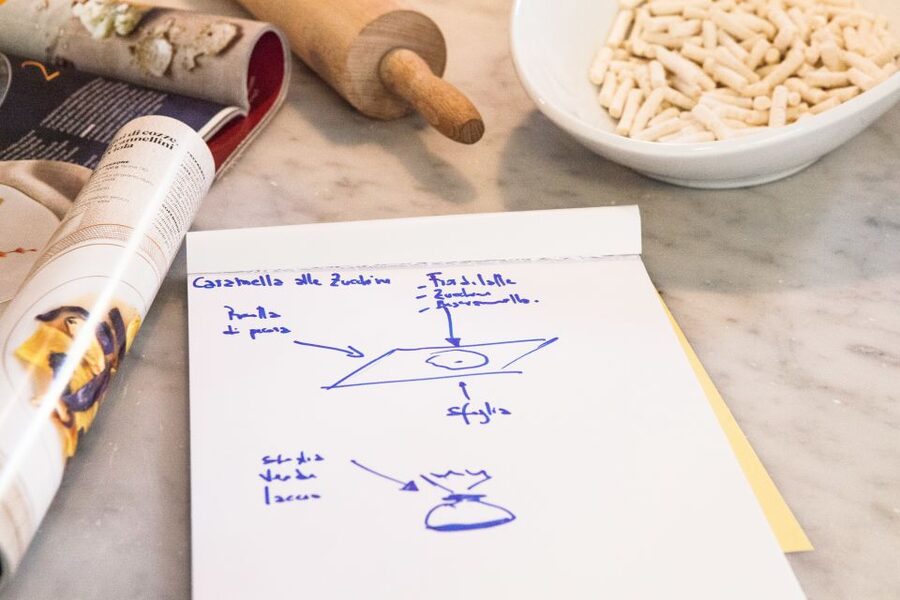
You then cut and shape the pasta. The class covers three types of ravioli, including the filling and sealing work. This is where close instruction helps. Ravioli must be sealed properly, or the filling can escape into the cooking water.
The class also covers other pasta forms. One participant specifically described making fettuccine, while the general lesson includes several handmade shapes. The exact selection can vary with the session, so you should expect a broad introduction rather than a single recipe repeated in detail.
A welcome drink is included. Before the cutting work, the instructors explain safe food-cutting procedures. That may sound like a small detail, but it keeps the class orderly and gives beginners a clear start before knives and dough enter the picture.
Ravioli fillings and Roman sauce
Pasta is only half the Roman lesson. The sauces give you the chance to understand how simple ingredients carry a dish.
The class features a typical Roman sauce such as carbonara, cacio e pepe, or gricia. These sauces are related but distinct. Carbonara depends on egg, cheese, and cured pork. Cacio e pepe is built around cheese and black pepper. Gricia uses cured pork and cheese without the egg found in carbonara.
The point is not to turn you into a restaurant chef in three hours. It is to show you how a few ingredients need careful handling. Cheese sauces can become heavy or clump if treated roughly. Pasta water matters. Timing matters. The meal at the end lets you taste the result while the method is still fresh in your mind.
Some sessions also include a simple tomato sauce, as well as the ravioli filling. You may prepare several combinations in one class, then sit down to taste the pasta and sauces together.
The transition from worktable to meal is part of the appeal. Once the cooking is finished, everyone sits down with the food, Italian wine, and water. The shared table turns a technical lesson into a social evening, but the meal remains tied to what you made with your own hands.
Wine is served with the food. One class format has wine and champagne after the knife-safety exercises, so expect the drinks to be handled with the cooking sequence in mind rather than poured freely from the first minute.
Same place, a different menu:
- Rome: 3-in-1 Fettuccine, Ravioli, and Tiramisu Cooking Class
★ 4.9 · 2,704 reviews - Rome: Fettuccine Pasta Cooking Class in Rome’s City Center
★ 4.8 · 2,414 reviews - Fettuccine & Tiramisù: Cooking Class with Wine & Limoncello
★ 4.9 · 2,103 reviews - Pasta Cooking Class Near the Colosseum with 3 Spritz Cocktails
★ 5.0 · 1,686 reviews
Thursday means gnocchi, not more pasta shapes
If you book for Thursday, the focus changes to homemade Italian gnocchi with fresh potatoes. That is a useful option for anyone who wants something beyond rolled pasta.
Gnocchi has a different texture and rhythm. Instead of stretching sheets and sealing ravioli, you work toward a soft potato dough and shape small pieces for cooking. It is an important Roman and Italian kitchen skill, but it is also easier to overwork.
You should know what kind of lesson to expect. The gnocchi portion may be a quick demonstration rather than a full opportunity to bring the dough together yourself with individual feedback. The class still includes instruction and a meal, but Thursday is not necessarily the best choice if your main goal is extensive hands-on practice with gnocchi.
For a first pasta class, I would choose the day that offers the shapes you most want to learn. Pick Thursday if potato gnocchi appeals to you. Choose another day if rolling, filling, and shaping ravioli is your priority.
What the three hours feel like
The total duration is three hours, with starting times shown when you check availability. That gives enough time for instruction, preparation, cooking, and eating, but it is not an open-ended workshop.
Expect a structured sequence:
- Welcome drink and introduction to the laboratory
- Food safety and knife-cutting guidance
- Dough work with three grains
- Rolling thin sheets with a pin
- Cutting and shaping several pasta types
- Preparing ravioli fillings and Roman-style sauces
- Cooking the pasta
- Sitting down to eat with wine and water
The pace is active. You will spend much of the class standing, handling dough, and watching the instructors work. Parents and older children can take part, but the process requires attention and some manual effort.
The lesson is designed for beginners. That is a real strength, since you are not expected to know how to judge dough by touch before you arrive. The instructors demonstrate each step and provide help at the worktables.
Still, you should not expect a long lecture on pasta history or a slow, private lesson. The small class keeps things personal, but it is still a group class. If one person needs extra help, the instructors have to divide their attention.
How much value do you get for $66.84?
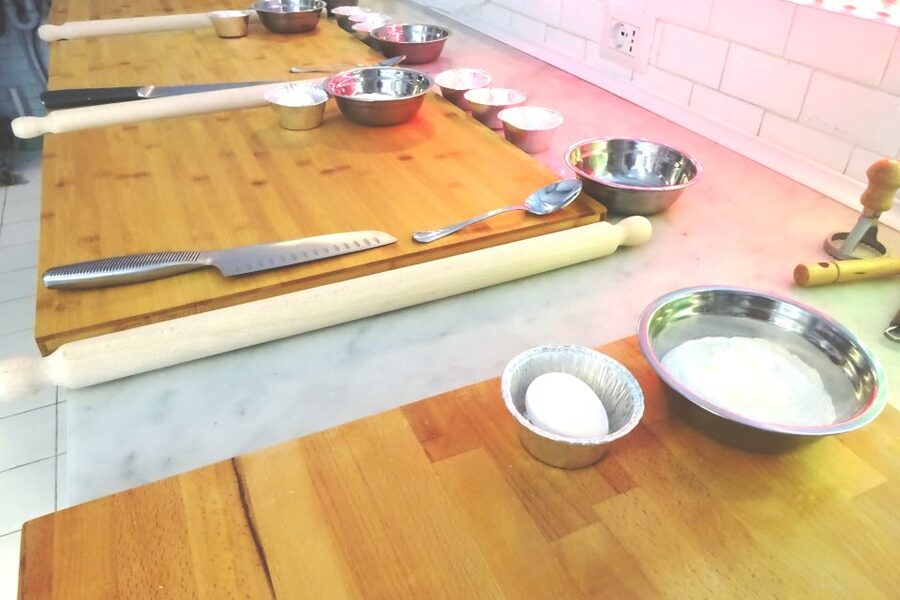
At $66.84 per person, this is not Rome’s cheapest way to eat pasta. The price makes more sense when you count what is included: three hours of instruction, ingredients, equipment, a signed chef’s hat and apron, recipes, wine, water, and a meal made during the class.
The real value is the technique. You are not simply eating a plate of pasta in a beautiful setting. You are learning how to make dough, use a rolling pin, form ravioli, prepare sauces, and repeat the process at home.
The take-home recipes also matter. A cooking class can be enjoyable for one evening and then disappear from memory. Written recipes give you a chance to recreate the meal for friends and family after returning home.
I would compare the price with the kind of class you want. If you want a polished demonstration with plenty of wine and little participation, another format may suit you better. If you want to work with your hands and leave with useful pasta skills, the fee is fair for Rome, especially with the food and drinks included.
The branded apron and chef’s hat are pleasant extras, but they are not the main reason to book. The strongest value comes from the small group, the professional workspace, and the chance to eat the finished dishes.
Who should book this class?
This is a strong choice for pasta lovers, first-time cooks, and anyone who wants a souvenir that is more useful than a photograph. You can take the method home and make pasta for family or friends.
It also suits families. A child who enjoys shaping dough can take part, and the gluten-free option makes the class more workable for a family with coeliac dietary needs. You should still report all dietary requirements before the class begins.
Couples and solo visitors can also fit in easily. The shared table encourages conversation, and the class brings together people from different countries without turning into a noisy food show.
You may want to skip it if you dislike group activities, cannot stand for much of three hours, or want a highly specialized lesson on one pasta shape. You should also choose your date carefully if gnocchi is your main interest, since the Thursday format may include only a brief hands-on portion.
The class is not built around touring Rome’s monuments. There is no sightseeing component beyond reaching the pasta laboratory on Via dei Latini. That is a benefit if you want a break from churches, ruins, and museums, but it means you should book it for the cooking itself.
Booking details worth knowing
The meeting point is Pastificio Faini at 13 Via dei Latini, Rome 00185. The activity ends back at the same location.
Classes are offered in English and Italian. The group is limited to nine participants. Pets are not allowed.
You can cancel up to 24 hours in advance for a full refund. A reserve-now, pay-later option is also available, which helps if your Rome schedule is still shifting.
Bring your appetite, but do not plan the class as a quick snack before another appointment. The three-hour format includes the lesson and the sit-down meal, so give yourself enough time to enjoy both.
Should you book the Pastificio Faini class?
Book it if you want to learn pasta by hand in a working laboratory, not just watch a chef demonstrate. Chef Angelo and Emanuele provide the step-by-step help beginners need, while the small group keeps the work personal.
The best reasons to choose it are the rolling-pin method, the three grains, the gluten-free option, and the meal at the end. The main limitation is the fixed three-hour pace, and Thursday’s gnocchi lesson may offer less hands-on practice than you expect.
For most visitors, this is a worthwhile Rome food activity, especially if you want to return home able to make ravioli, fettuccine, and Roman sauces without special professional equipment.
FAQ
Where does the pasta class take place?
The class takes place at Pastificio Faini, 13 Via dei Latini, Rome 00185.
How long does the activity last?
The class lasts three hours. Starting times are shown when you check availability.
How much does the class cost?
The listed price is $66.84 per person.
Which languages are offered?
The class is offered in English and Italian.
How many people are in each class?
The class has a limit of nine participants.
Is the class suitable for beginners?
Yes. You do not need professional skills. The instructors demonstrate each step and help participants as they work.
Can gluten-free participants take part?
Yes. Gluten-free participants can make their own pasta using buckwheat flour. You should advise the provider of dietary requirements in advance.
What happens on Thursdays?
Thursday classes include homemade Italian gnocchi made with fresh potatoes.
What is included in the price?
The price includes ingredients, equipment, recipes, a branded chef hat and apron signed by the chef, wine, and water.
Can I cancel the booking?
You can cancel up to 24 hours in advance for a full refund. A reserve-now, pay-later option is also available.
More Hands-On Workshops in Rome
- Rome: Pasta & Tiramisu Cooking Class near the Spanish Steps
★ 4.8 · 1,395 reviews - Rome Tipsy Cooking Class: Make Pasta and Mix 3 Spritz Cocktails
★ 5.0 · 1,357 reviews - Cooking Class in the Heart of Rome: Pizza and Tiramisu Making
★ 5.0 · 1,330 reviews - Rome Cooking Class: Make Pasta, Dine & Drink Wine With Local Chef
★ 5.0 · 1,263 reviews
Just added around Rome
- Rome: Pizza and Tiramisu Cooking Class Near the Colosseum★ 5.0 · 134 reviews
- Rome: Pasta Making Workshop with Lunch★ 4.8 · 11 reviews
- Gnocchi Cooking Class in Rome – Piazza Navona★ 4.6 · 75 reviews
- Rome: Pasta Cooking Class with Wine, Coffee, and Limoncello★ 5.0 · 7 reviews
- Rome: pasta and tiramisu cooking class in the city center★ 4.8 · 28 reviews
- Rome: Pasta Fettuccine, Ravioli & Tiramisu Cooking Class★ 5.0 · 6 reviews
- Rome: Hands-On Pizza Making Class near the Vatican with Wine★ 4.8 · 102 reviews
- Rome: Pasta and Tiramisu Cooking Class with Prosecco★ 5.0 · 6 reviews
Pasta Making Classes, compared.
Florence: Pasta Cooking Class with Unlimited Wine
Read our review →
3 in 1 Cooking Class near Navona: Fettuccine, Ravioli & Tiramisu
Read our review →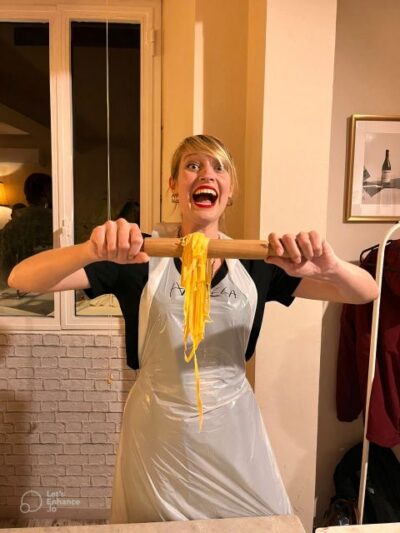
Rome: Pasta Making Class with Wine, Limoncello, and Dessert
Read our review →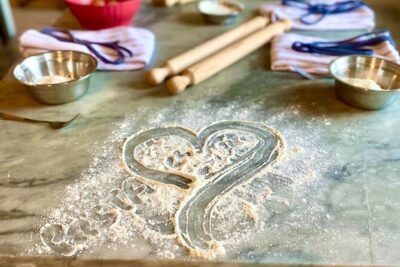
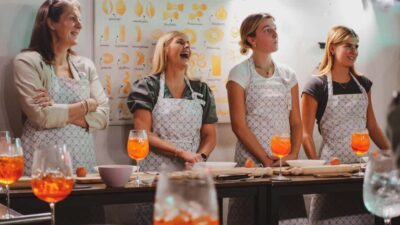
Rome Cooking Class: Make Pasta and 3 Spritz Cocktails
Read our review →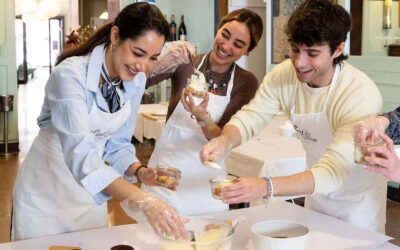
Rome: 3-in-1 Fettuccine, Ravioli, and Tiramisu Cooking Class
Read our review →
Rome: Fettuccine Pasta Cooking Class in Rome’s City Center
Read our review →Browse the lists this tour appears in