
Review · ITALY
Rome: Pasta, Ravioli, and Tiramisu Cooking Class with Wine
Fresh pasta is the main event here, but the setting gives it a Roman frame: you cook just steps from the Vatican, above Trionfale food market, with wine at your elbow. You make tiramisu, fettuccine, and ricotta ravioli from scratch rather than watching a chef do all the work.
I especially like the small-group format, which keeps the rolling, filling, and shaping manageable. I also like the friendly teaching style reported from instructors including Martina, Sam, Alesandra, Mara, Carlo, Sonia, and Giovanni. The main thing to clarify before booking is how the finished pasta is served: one class member found that the food was cooked together, so the pasta on your plate might not be only the portion you made.
Key points at a glance
- Three Roman cooking projects: Make tiramisu, fresh fettuccine, and ricotta-filled ravioli in one three-hour class.
- Aperitivo before the apron: Start with a Spritz or Prosecco, seasonal appetizers, and homemade cacio e pepe chips.
- Small enough for real help: Classes range from 2 to 14 people, with the advertised maximum listed as 12 in the inclusions.
- A meal, not just a lesson: Eat the pasta with a Roman sauce such as carbonara or cacio e pepe, plus your tiramisu and a drink.
- Above Trionfale Market: Find Pummare Restaurant at Via Andrea Doria 41m, then climb the graffiti stairs to the terrace.
- Useful for home cooks: You leave with recipes and techniques for making the dishes again at home.
A pasta class above Rome’s Trionfale Market
This class begins at Pummare Restaurant, directly above Trionfale food market and a short distance from the Vatican. The exact meeting address is Via Andrea Doria 41m. Go to the top of the graffiti-covered stairs and look for the restaurant terrace on the right. Your guide wears a chef’s jacket.
That location matters. You are not heading to a distant cooking school in an unfamiliar suburb. You can pair the class with time around Vatican City, although you should allow enough time to arrive calmly. The meeting instructions ask you to arrive 10 minutes early, and that is sensible here. The stairs and terrace can be easy to miss if you are rushing.
The class lasts three hours and runs at different starting times, depending on availability. It ends where it begins, so you do not need to arrange a return transfer. Transportation, hotel pickup, and hotel drop-off are not included.
Inside, you get an apron, cooking utensils, a personal work station, and the ingredients. The class is taught in English, which lets you focus on the techniques instead of trying to follow instructions through gestures. The group size is small, though the supplied details give slightly different limits: the inclusions say a maximum of 12 people, while the practical information says classes can range from 2 to 14. Ask about the size of your scheduled class if personal attention is important to you.
More Cooking Classes with Wine Tasting in Italy
- Florence: Pasta Cooking Class with Unlimited Wine
★ 4.9 · 10,285 reviews - Florence: Pasta & Tiramisu Cooking Class with Unlimited Wine
★ 4.9 · 6,708 reviews - Florence: Pasta Cooking Class with Unlimited Wine
★ 5.0 · 6,413 reviews
Starting with an aperitivo and cacio e pepe chips
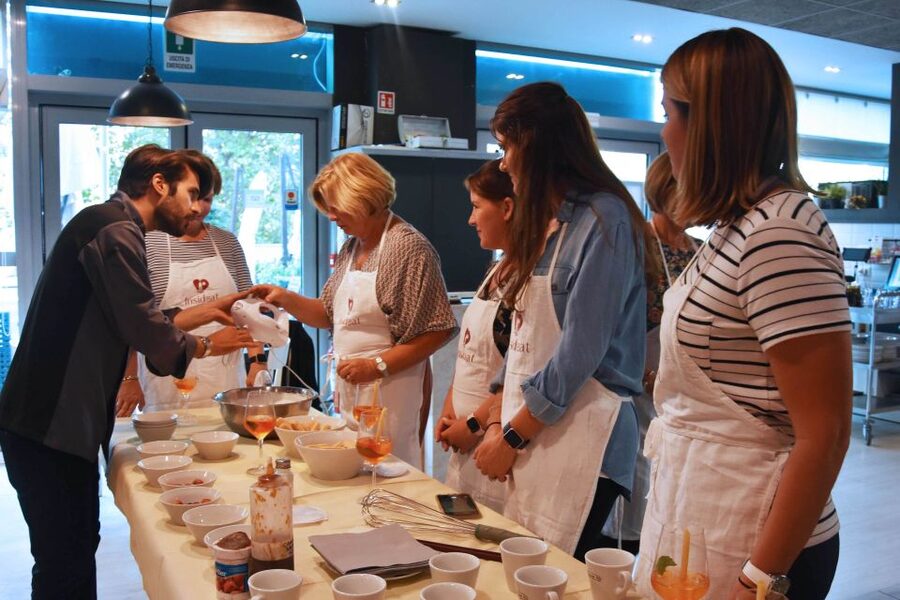
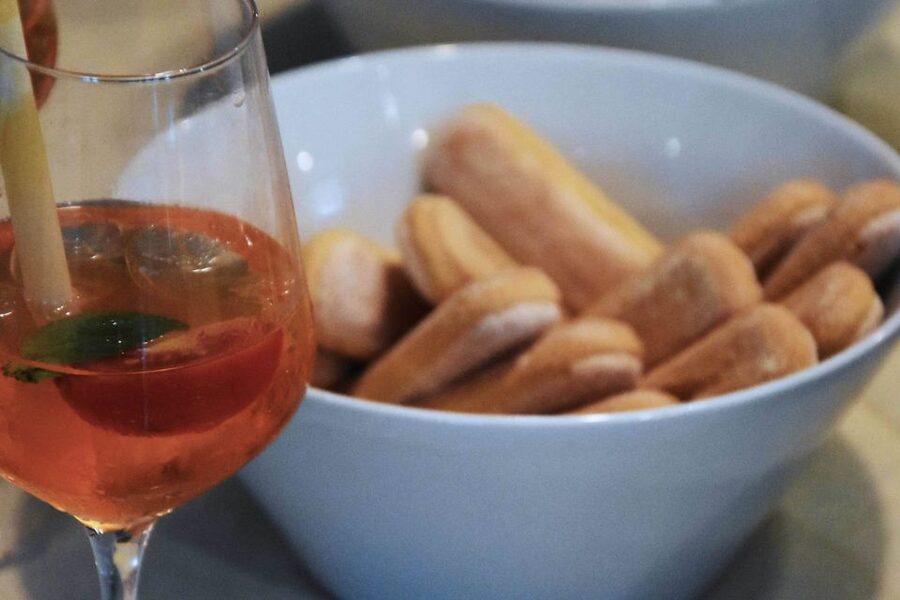
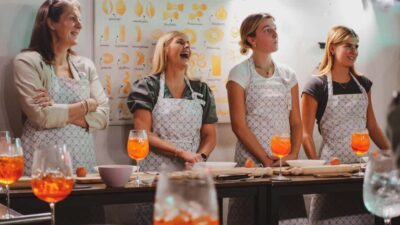
The opening is social rather than technical. You begin with a light Spritz or Prosecco, water, and a seasonal selection of appetizers. Homemade cacio e pepe chips provide a particularly Roman touch, turning the familiar pasta flavor into a crisp snack.
I like this first step because it gives you time to settle in before flour starts flying. It also helps solo visitors and couples meet the people at the other work stations. The atmosphere is intended to be warm and relaxed, not formal or chef-school serious.
There is one practical warning: you will make and eat quite a lot of food. Have a light meal beforehand, or simply arrive hungry. The aperitivo is only the beginning, followed by pasta, ravioli, tiramisu, and wine, beer, or a soft drink.
The class suits different types of groups. Families can bring children, but children must stay with an adult, and unaccompanied minors are not allowed. One family enjoyed the class with children aged 11, 13, and 15, so older children and teenagers can take part when they are ready to follow kitchen instructions.
Building tiramisu layer by layer
Tiramisu comes first in the cooking sequence. You work with ladyfingers, mascarpone, and cocoa, layering the components into the familiar coffee-flavored dessert. The attraction is not only the final taste. You get to see how a few simple ingredients become a dish that many visitors associate with Italian restaurants.
The tiramisu section is also a good warm-up. It does not require the same physical work as pasta, so you can learn the rhythm of the class before tackling dough. Your chef explains the steps and gives help as you go, making this a friendly starting point for beginners.
I would pay attention to proportions and texture here. The useful skill is learning how the layers should look and feel, not simply copying a list of ingredients. Since the class provides the recipe, you can recreate the dessert once you return home.
Dietary needs should be stated when you book. Vegetarian options are available, and the activity says vegan, vegetarian, and gluten-free needs can be accommodated. The supplied information does not specify the exact substitute ingredients or whether every menu item can be adapted, so give the provider clear details in advance rather than waiting until you arrive.
Rolling fettuccine with your own hands
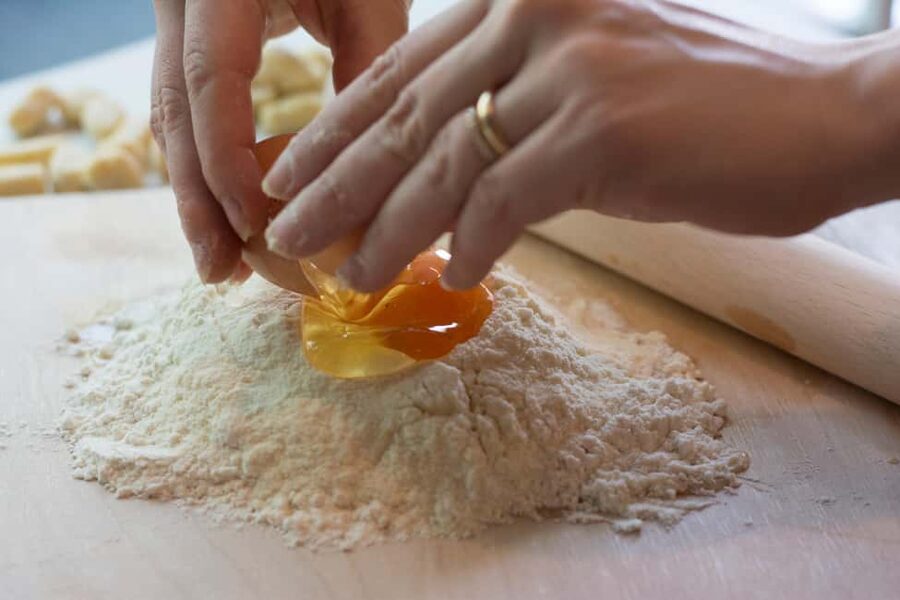
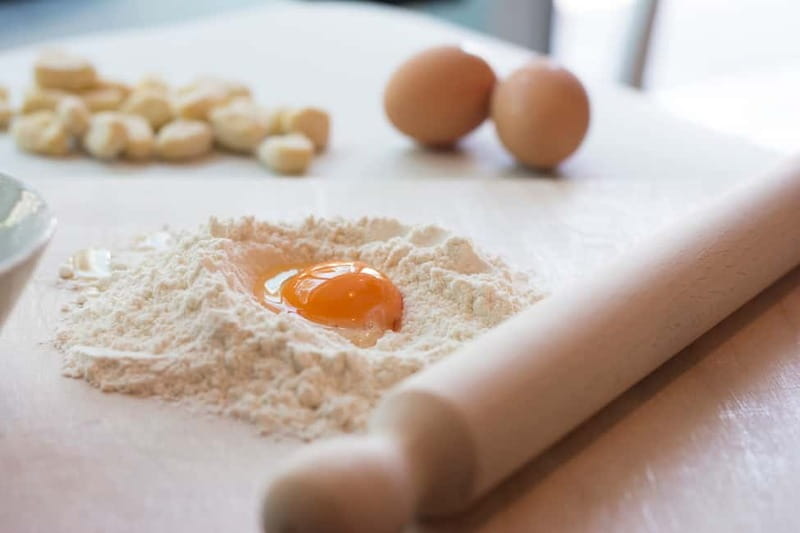
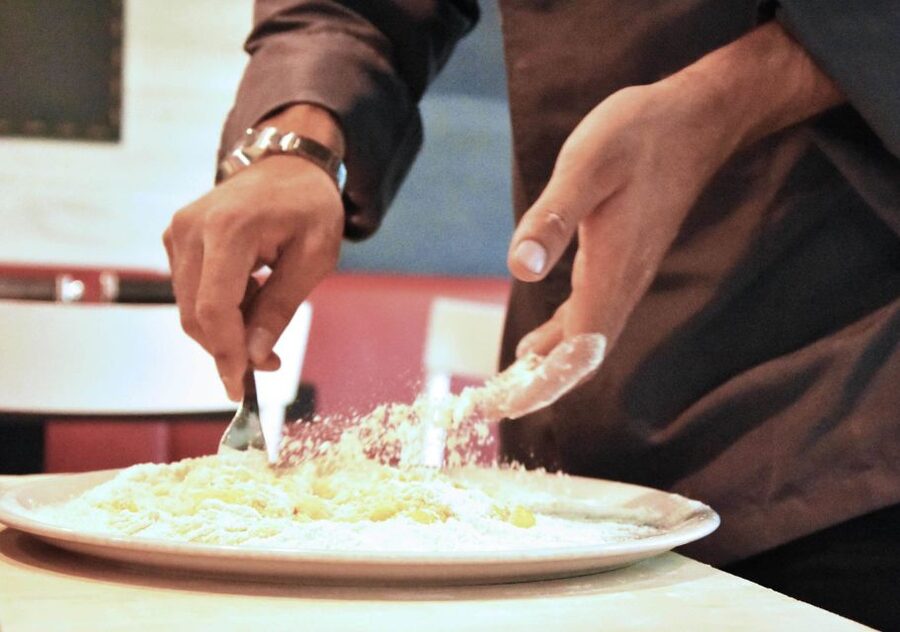
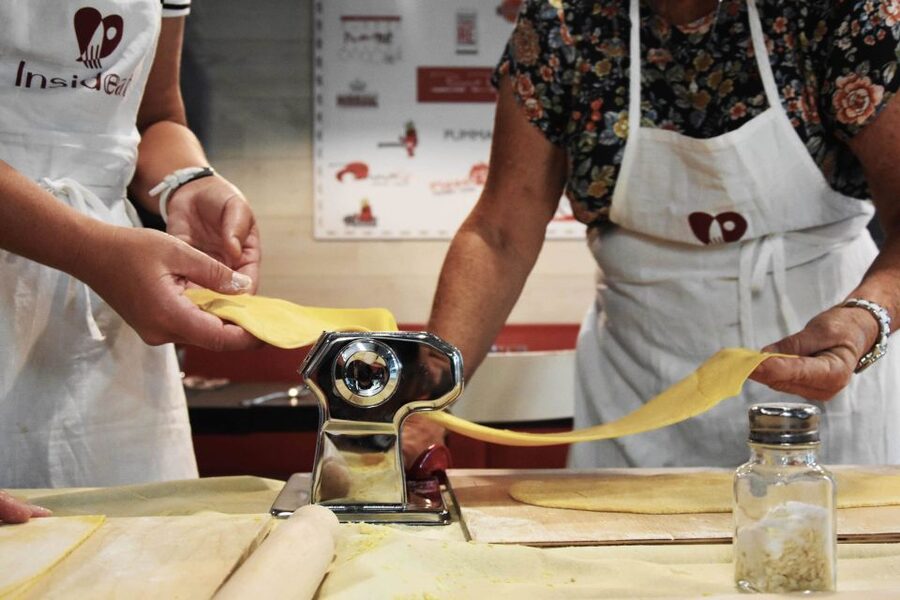
Next comes fresh pasta. You mix, roll, and shape dough into fettuccine with a rolling pin at your own station. This is the part where the class becomes properly hands-on. You are not simply watching someone turn a neat sheet of dough into ribbons. You do the work yourself, with the chef correcting your technique when needed.
For a beginner, that personal station is valuable. Pasta dough can look simple, but the thickness and handling affect the result. The instructor can show you how to roll evenly and how to shape the strands without making the process feel like an exam.
The teaching is a strong point of this experience. Sam was praised for patience and humor, while Alesandra was described as funny and helpful when explaining pasta. Mara was singled out for being educational and patient with a family group, and Giovanni was also praised as an excellent chef and instructor. The names can vary by session, but the pattern is clear: the instructor’s role is active, not decorative.
You should expect flour, repetition, and a few imperfect pieces. That is part of the value. A polished restaurant plate teaches you very little about how pasta is made. A slightly uneven first attempt gives you information you can use later.
More Pasta Making Classes in Italy:
- 3 in 1 Cooking Class near Navona: Fettuccine, Ravioli & Tiramisu
★ 5.0 · 7,376 reviews - Rome: Pasta Making Class with Wine, Limoncello, and Dessert
★ 4.9 · 3,177 reviews - Pastamania – Florence Pasta Making Class
★ 5.0 · 3,050 reviews - Rome Cooking Class: Make Pasta and 3 Spritz Cocktails
★ 5.0 · 2,937 reviews
Filling ricotta ravioli without making a mess
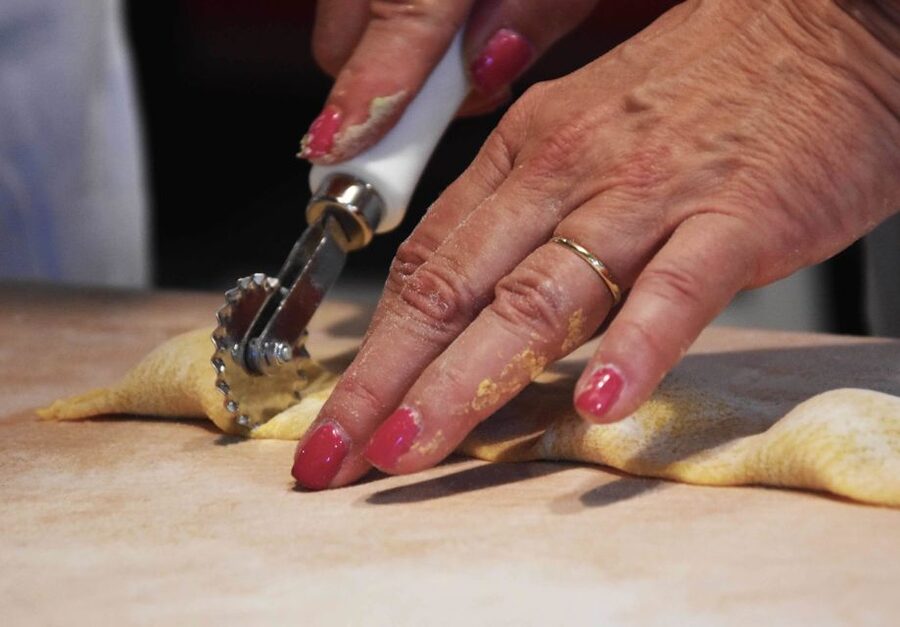
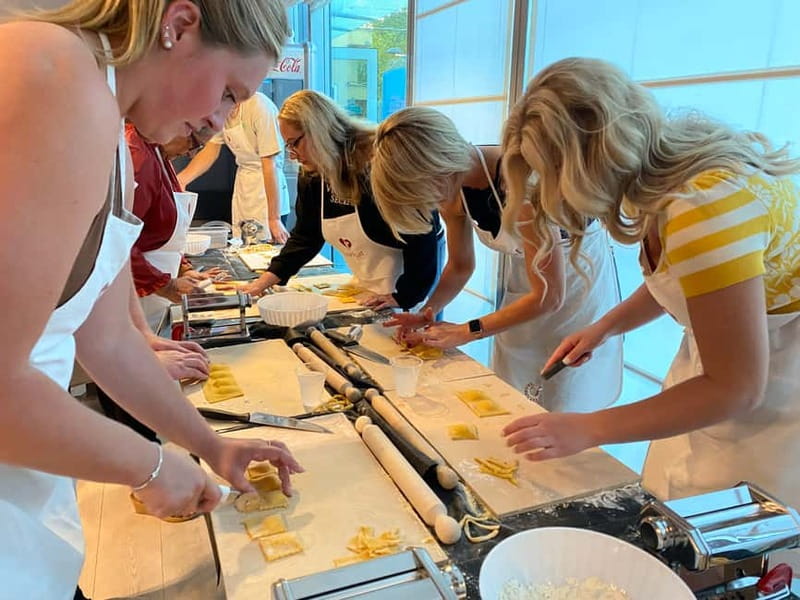
The second pasta project is ricotta-stuffed ravioli. You fill and shape the pasta, learning how much filling to use and how to seal the edges. Ravioli rewards patience. Too little filling is disappointing, while too much can make the pasta difficult to close.
This is one of the more useful parts of the class for home cooks because stuffed pasta often feels harder than ordinary noodles. The chef stays close to the group and offers guidance, so you are not left to guess how to press, cut, or seal the ravioli.
The class menu includes both fresh pasta and ravioli, giving you two distinct techniques in one sitting. Fettuccine teaches you about dough and cutting. Ravioli adds filling, sealing, and presentation. That makes the price easier to justify than a class focused on only one shape.
One point deserves clarification before you book. At least one participant expected to eat the exact pasta made at their station, but found that the class cooked the pasta together with the other participants’ portions. That may be how the session operates, and it can make serving a larger group easier. Still, if you care about eating only what you shaped, ask the provider about the cooking and serving arrangement.
There is also a reasonable food-safety concern in any communal class. Participants handle ingredients at shared stages, and one account described a child dropping dough on the floor before the cooking continued. The information does not indicate a broader hygiene problem, but you can use ordinary kitchen judgment: follow the chef’s instructions, keep your station tidy, and speak up if you have a concern.
Eating carbonara or cacio e pepe on the terrace
Once the dough has become pasta and ravioli, you sit down to eat. The finished pasta is served with a Roman sauce such as carbonara or cacio e pepe. Your meal also includes the tiramisu you prepared, along with wine, beer, or a soft drink and water.
The restaurant or outdoor terrace provides a more relaxed finish than eating over your work station. The terrace location above the market adds atmosphere, while the meal gives the class a proper ending rather than leaving you with a small sample and a recipe card.
Do not expect a private tasting menu. This is a communal cooking class, and the food may be prepared or served together. That approach works well if your priority is conversation and a shared meal. It may be less appealing if you want a precise, individual presentation or have strong preferences about which portion you eat.
The drinks are part of the value. The $91.76 price includes the aperitivo, a glass of local wine or another listed beverage, the lesson, ingredients, and the meal. For three hours near the Vatican, that is a fair package for someone who wants an activity as well as dinner. It is less attractive if you only want an inexpensive plate of pasta, since the price pays for instruction, equipment, staff time, and the social setting.
How much personal attention should you expect?
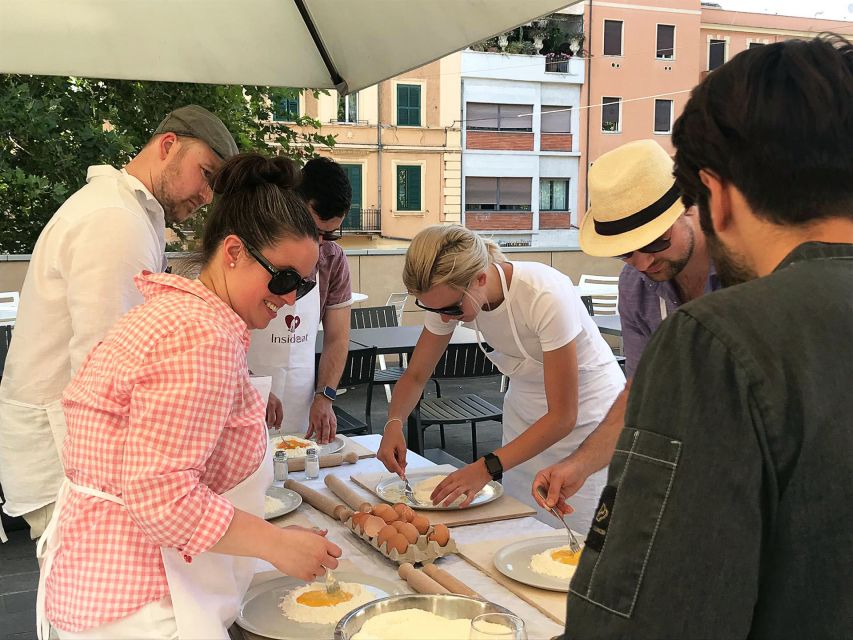
The class is designed for beginners and experienced cooks alike. You get the chef’s instructions in English, then work through each stage with help available. The strongest praise focuses on the instructors’ patience, humor, and ability to keep everyone involved.
A small class makes a real difference during pasta work. If your dough is too thick or your ravioli seal is weak, you want the chef to notice before the pasta reaches the pot. Groups from two to about 12 or 14 people can feel quite different, so I would choose a session with the smallest available group if hands-on coaching is your main reason for booking.
The class also has a social side. You may arrive alone, as a couple, or with a family and leave having shared a meal with people from several places. That is not a guarantee of instant friendship, but the structure gives you natural conversation between tasks and over dinner.
The instructors’ names vary by session. Past classes have featured Martina, Sam, Alesandra, Carlo, Mara, Sonia, Giovanni, Vincenzo, and Samuel. The important point is not to book around one specific name unless the provider confirms who will teach your date.
Who will enjoy this class most?
I would recommend it to you if you want to do something active between sightseeing stops. It works especially well for:
- First-time visitors who want a practical taste of Roman food culture
- Couples looking for a shared activity rather than another restaurant meal
- Families with older children and teenagers
- Solo visitors who like meeting people in a small group
- Beginners who want clear guidance and recipes to use at home
- Home cooks curious about fresh pasta and stuffed ravioli
You may want a different experience if you dislike group cooking, have strict expectations about hygiene in a shared kitchen, or want complete control over your own ingredients and finished plate. It is also not a good choice for someone seeking a quiet meal. The class involves talking, handling food, and working alongside other people.
Wear comfortable clothes and shoes. You do not need to bring cooking equipment, since the apron and utensils are supplied. Bring water if you like, though water is included.
The restaurant is wheelchair accessible. The meeting point does involve finding the graffiti stairs and reaching the terrace, so it is worth confirming the route with the provider if you have specific mobility needs. The supplied information identifies the venue as accessible, but does not describe the stairs or exact step-free route from the street.
Booking value, timing, and cancellation
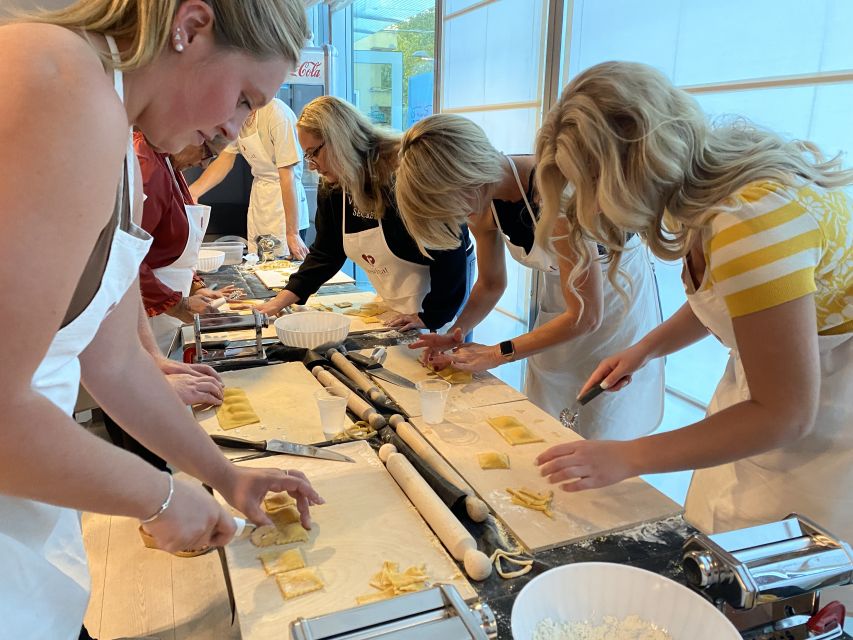
At $91.76 per person, the cost covers a three-hour English-language lesson, ingredients, an aperitivo, the pasta and tiramisu meal, a drink, utensils, an apron, and a small-group setting. I see the best value in the combination of dinner and instruction. You are not only paying to eat near the Vatican. You are paying to learn several techniques you can repeat at home.
The class also includes free cancellation up to 24 hours before the start for a full refund. You can reserve now and pay later, which is useful when your Rome schedule still depends on museum reservations or changing sightseeing plans.
Check the available start times before building the rest of your day. Arrive 10 minutes early, and save the activity provider’s phone number, +39 327 306 8995, in case a delay is unavoidable. Late arrival can be especially awkward during a hands-on lesson because the class moves through several stages.
Should you book this Rome cooking class?
Book it if you want a friendly, practical cooking session with a full meal at the end. The strongest reasons are the small-group teaching, the chance to make both fettuccine and ravioli, and the useful tiramisu recipe. The instructors appear to bring plenty of patience and humor, which matters more than fancy kitchen surroundings when you are learning dough work.
Before paying, confirm the group size, your dietary requirements, and whether portions are cooked together. If those details suit you, this is a good use of three hours near the Vatican, especially for families, couples, solo visitors, and anyone who wants to take a little piece of Roman cooking home.
FAQ
How long does the cooking class last?
The class lasts three hours. Starting times vary, so check availability for your preferred date.
Where does the class meet?
Meet at Pummare Restaurant at Via Andrea Doria 41m, above Trionfale food market. Go to the top of the graffiti stairs and look for the restaurant terrace on the right.
How early should I arrive?
Arrive 10 minutes before the scheduled start time. If you are delayed, contact the activity provider at +39 327 306 8995.
What food will I make?
You will make tiramisu, fresh fettuccine, and ricotta-stuffed ravioli. The pasta is served with a Roman sauce such as carbonara or cacio e pepe.
Are drinks included?
Yes. The experience includes a Spritz or Prosecco with seasonal appetizers at the start, plus wine, beer, or a soft drink and water with the meal.
Is the class suitable for vegetarians or people with dietary requirements?
Vegetarian options are available, and vegan, vegetarian, and gluten-free needs can be accommodated. Tell the provider about your requirements when booking.
Is the class suitable for children?
Children can attend when accompanied by an adult. Unaccompanied minors are not allowed.
Is the venue wheelchair accessible?
Yes. The restaurant is described as wheelchair accessible.
What happens if I need to cancel?
You can cancel up to 24 hours in advance for a full refund. The activity also offers a reserve-now-and-pay-later option.
More Hands-On Workshops in Italy
- Naples: Pizza-Making Workshop with Drink and Appetizer
★ 4.9 · 5,411 reviews - Cooking Class and Lunch at a Tuscan Farmhouse with Local Market Tour from Florence
★ 5.0 · 4,831 reviews - Authentic Pizza Making Class in Naples with Appetizers and Drink
★ 5.0 · 3,178 reviews - Rome: Fettuccine Pasta Cooking Class in Rome’s City Center
★ 4.8 · 2,414 reviews
More Dessert Classes in Italy
- Rome: 3-in-1 Fettuccine, Ravioli, and Tiramisu Cooking Class
★ 4.9 · 2,704 reviews - Florence: Cooking Class Pasta & Tiramisu Making Unlimited Wine
★ 5.0 · 2,234 reviews - Fettuccine & Tiramisù: Cooking Class with Wine & Limoncello
★ 4.9 · 2,103 reviews - Florence Cooking Class The Art of Making Gelato & Authentic Pizza
★ 5.0 · 2,053 reviews
Just added around Italy
- Cesarine: Home Cooking Class & Meal with a Local in Brindisi★ 5.0 · 7 reviews
- Small Group Market tour and Cooking class in Brindisi★ 4.5 · 8 reviews
- Dining Experience at a local’s Home in Martina Franca with Show Cooking★ 4.5 · 7 reviews
- Cooking class in a garden: handmade pasta★ 5.0 · 4 reviews
- Apulian cooking class and typical dinner★ 4.5 · 5 reviews
- 3 Hour Private Italian Tradition Cooking Class in Brescia★ 5.0 · 21 reviews
- Dining experience at a local’s home in Brindisi with show cooking★ 4.0 · 6 reviews
- Italian Pasta Cooking Course★ 5.0 · 27 reviews
Pasta Making Classes, compared.

Florence: Pasta Cooking Class with Unlimited Wine
Read our review →
3 in 1 Cooking Class near Navona: Fettuccine, Ravioli & Tiramisu
Read our review →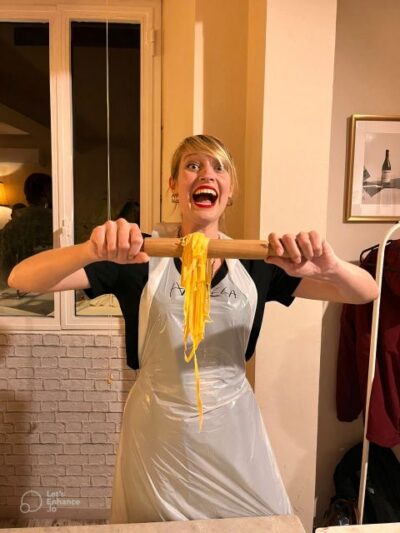
Rome: Pasta Making Class with Wine, Limoncello, and Dessert
Read our review →
Rome Cooking Class: Make Pasta and 3 Spritz Cocktails
Read our review →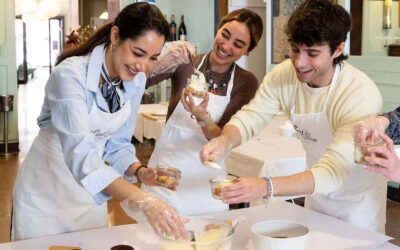
Rome: 3-in-1 Fettuccine, Ravioli, and Tiramisu Cooking Class
Read our review →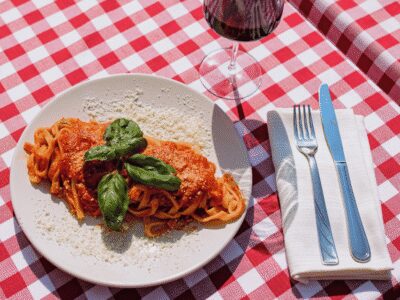
Rome: Fettuccine Pasta Cooking Class in Rome’s City Center
Read our review →Browse the lists this tour appears in