
Review · BARI
Bari: Pasta & Tiramisu Cooking Class at a Local’s Home
Fresh pasta made by hand is the heart of this Bari experience. You learn to roll sfoglia, prepare two pasta styles from scratch, and finish with tiramisu in a real local home. Fernanda, Cristiana, and Juanita are among the hosts named by visitors, and each brings her own family recipes and way of teaching.
I like the direct, practical format: you cook, eat what you make, and pick up techniques you can use at home. I also like the family setting, where a meal with a local household feels more personal than a standard cooking school. The main consideration is that the full address arrives only after booking, and the activity is not suitable for wheelchair users.
Key points
- Two pasta recipes and tiramisu: Learn to make fresh pasta and the classic coffee dessert from basic ingredients.
- A real home kitchen: Your class takes place in a Cesarine host’s home, not a restaurant or formal school.
- Hands-on instruction: You roll pasta dough by hand, prepare sauces, and help make the dishes you later eat.
- A full Italian meal: Prosecco and nibbles begin the class, followed by pasta, tiramisu, wine, water, and coffee.
- Hosts with a personal touch: Fernanda, Cristiana, and Juanita have been praised for their warm teaching and family welcome.
- Three hours well spent: The class works best for anyone who wants food, conversation, and a practical taste of Apulian life.
Starting with sfoglia in a Bari home
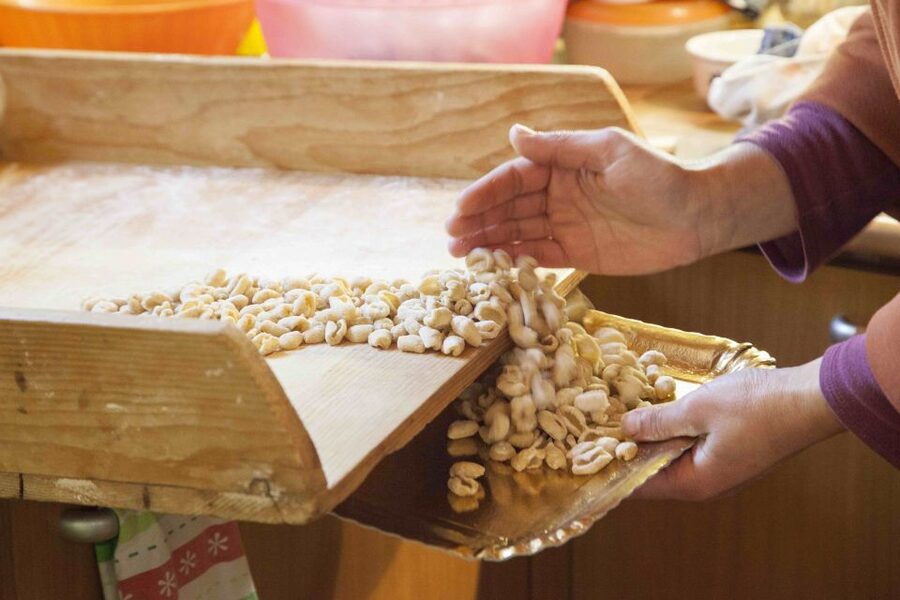
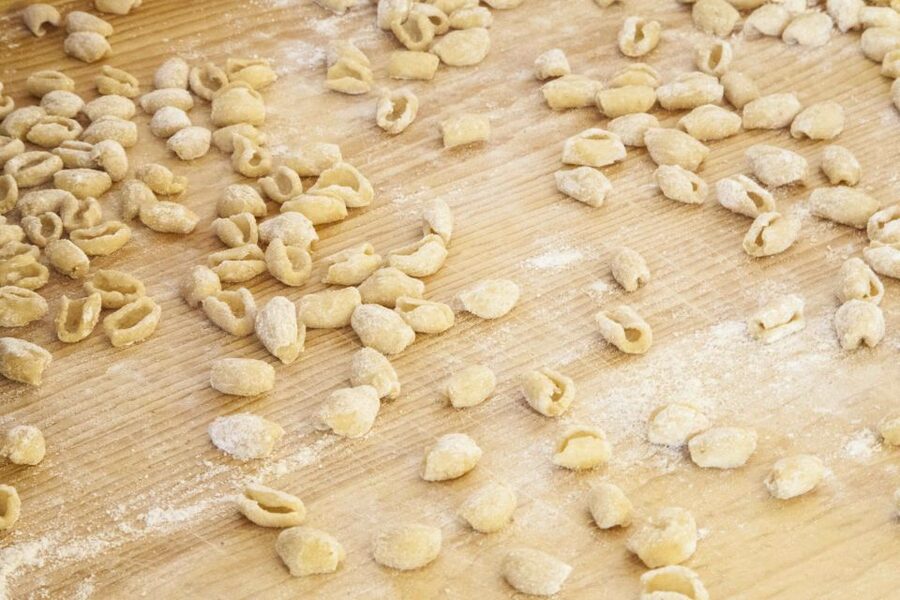
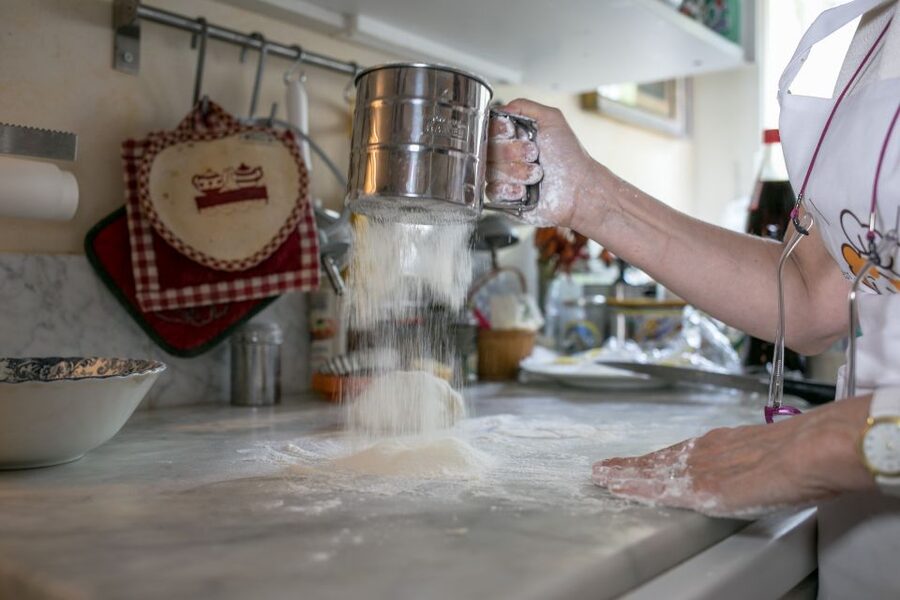
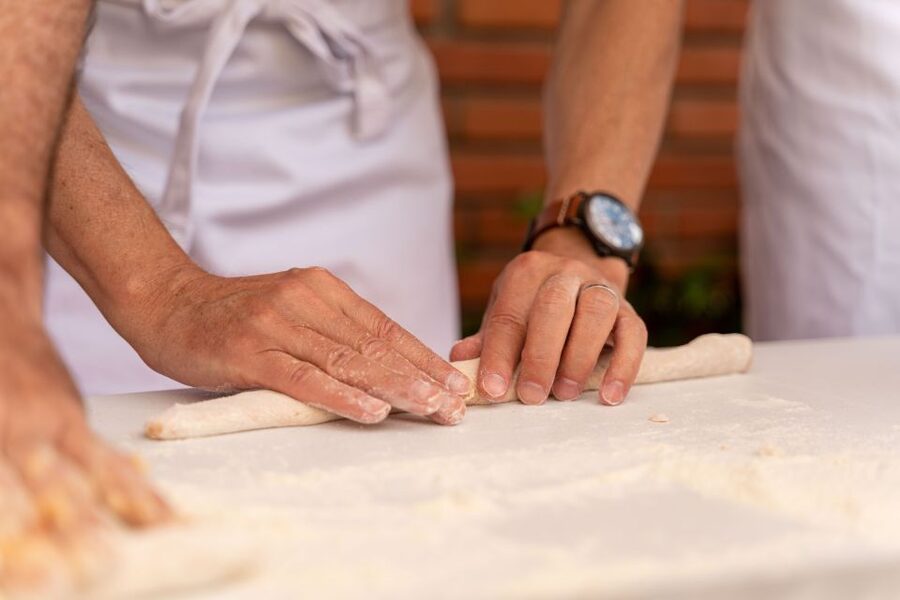
This class begins with the most useful Italian cooking lesson you can take home: how to make fresh pasta by hand. Your Cesarine host shows you how to bring the dough together, work it, and roll it into sfoglia, the thin sheet used for many pasta dishes.
The setting matters. You are not simply watching a chef behind a counter. You are working in someone’s home, using the methods passed down through a family kitchen. The host explains the process in Italian or English, then guides you as you try it yourself.
That hands-on part is important because fresh pasta looks simple until you make it. The dough needs the right feel, the rolling takes patience, and the finished pasta depends on details that are hard to learn from a recipe alone. You get to ask questions as you go, and you can see how an experienced home cook handles the dough.
The class includes two iconic pasta types. The exact shapes or recipes may vary with the host and local family cookbook. Fernanda, for example, has taught pasta made with semolina and warm water, then served with tomatoes and olive oil. One of her classes included three pasta types, even though the standard description promises two, so you may find some variation from one home to another.
More Pasta Making Classes in Italy:
- Florence: Pasta Cooking Class with Unlimited Wine
★ 4.9 · 10,285 reviews - 3 in 1 Cooking Class near Navona: Fettuccine, Ravioli & Tiramisu
★ 5.0 · 7,376 reviews - Florence: Pasta & Tiramisu Cooking Class with Unlimited Wine
★ 4.9 · 6,708 reviews
From dough to two pasta dishes
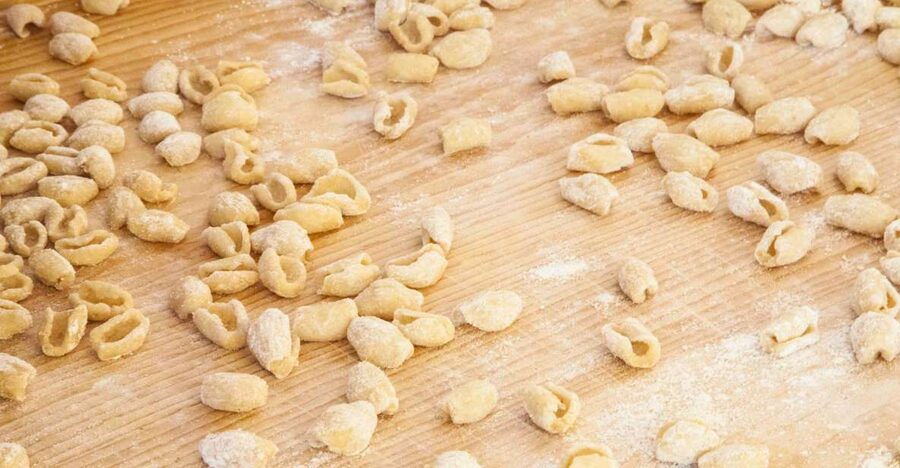
Once the pasta is shaped, the class moves into cooking and seasoning. This is where the lesson becomes a meal rather than a demonstration. You learn how the pasta is cooked, how it is paired with its sauce, and how simple ingredients can carry the dish.
The information provided does not promise a fixed menu, so you should not book expecting a particular pasta shape or sauce. That flexibility is part of the home-cooking format. Your host uses local specialties and family recipes, rather than following one identical script in every city.
For you, the benefit is a more personal lesson. A host may explain why a particular dough is made with semolina, how warm water changes the texture, or how much olive oil belongs in a tomato sauce. These are the small kitchen judgments that help you cook better later.
The drawback is that a shared class may move at a pace set by the group. If some people are new to cooking, the process can take longer. If you already make pasta often, parts of the lesson may feel basic. Still, the three-hour length gives the host enough time to teach rather than rush everyone through a quick sample.
Tiramisu before the main meal
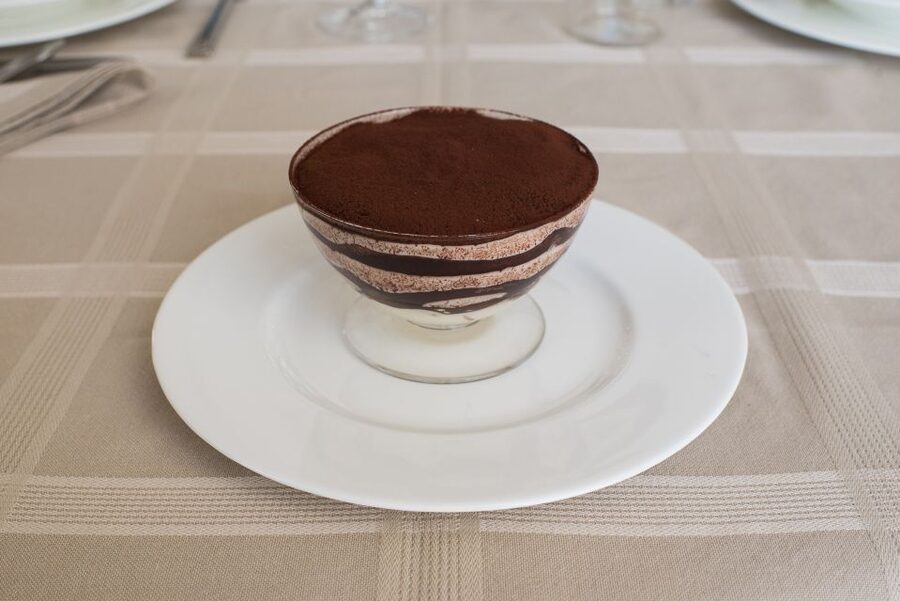
Tiramisu serves as the sweet lesson in this class. You prepare the dessert during the cooking session, then let it rest while you work on the pasta. That order makes practical sense, since tiramisu is best served after its layers have had time to come together.
You learn the steps directly from the host instead of receiving only a finished portion. The class description does not list every ingredient or method, but the focus is clear: this is a make-and-eat lesson, not just a tasting.
Tiramisu is also a good choice for a home class. It is familiar to many people, yet small changes in texture and balance can make a big difference. Your host can show you the family version and explain the process in a way that a printed menu cannot.
Several hosts have been praised for making the lesson feel easy and welcoming. Juanita, for example, has been described as gracious while teaching both fresh pasta and tiramisu. Fernanda’s class included tiramisu prepared earlier in the meal, along with pasta made by hand. These details suggest that the dessert is not an afterthought. It is one of the main skills you are there to learn.
Prosecco, nibbles, and the meal you made
The class opens with an Italian aperitivo of prosecco and small nibbles. This gives you time to meet the people cooking with you and settle into the home before the work begins.
After the pasta is ready, you sit down to eat the two recipes you prepared, followed by tiramisu. Water, local wine, and coffee are included. At $112.15 per person, the price covers more than a lesson. You are also paying for a shared meal, drinks, the host’s time, and the chance to use a local kitchen as your entry point into Apulian food culture.
I find that useful when judging the value. A cheaper pasta demonstration might teach you one dish and offer a small sample. Here, you spend three hours making several items and then eat a proper meal. The value is strongest if you care about learning techniques and meeting a local household, not simply filling up at lunchtime.
The meal also gives the class a natural finish. You can compare the dishes you made with the host’s version, ask final questions, and enjoy the food without watching the clock too closely. Wine and coffee help turn the class into a social occasion, though anyone seeking a quiet, private lesson should note that this is a shared format.
More Dessert Classes in Italy:
- Rome: Pasta Making Class with Wine, Limoncello, and Dessert
★ 4.9 · 3,177 reviews - Rome: 3-in-1 Fettuccine, Ravioli, and Tiramisu Cooking Class
★ 4.9 · 2,704 reviews - Florence: Cooking Class Pasta & Tiramisu Making Unlimited Wine
★ 5.0 · 2,234 reviews - Fettuccine & Tiramisù: Cooking Class with Wine & Limoncello
★ 4.9 · 2,103 reviews
The Cesarine home-cooking network
Cesarine is described as Italy’s oldest network of home cooks, with hosts in more than 500 cities. The name refers to a home cook, and the network is built around local people opening their homes and cooking from family recipes.
That structure gives the Bari class its character. You are not signing up for a generic Italian menu that could be taught anywhere. The host is selected to match the information you provide, including your food allergies or intolerances, the neighborhood where you are staying, and how you plan to reach the home.
You receive the host’s full address and telephone details only after booking. This protects the host’s privacy, but it also means you cannot plan your route to the exact door in advance. Send your accommodation area and transport plans when you book, or email them with your booking reference and name. The customer operations team is available seven days a week if you need help.
This arrangement is worth understanding before you reserve. The meeting point is not a public restaurant or a clearly marked tourist site. It is a private home, and the final address depends on your assigned host.
What the warmest host experiences offer
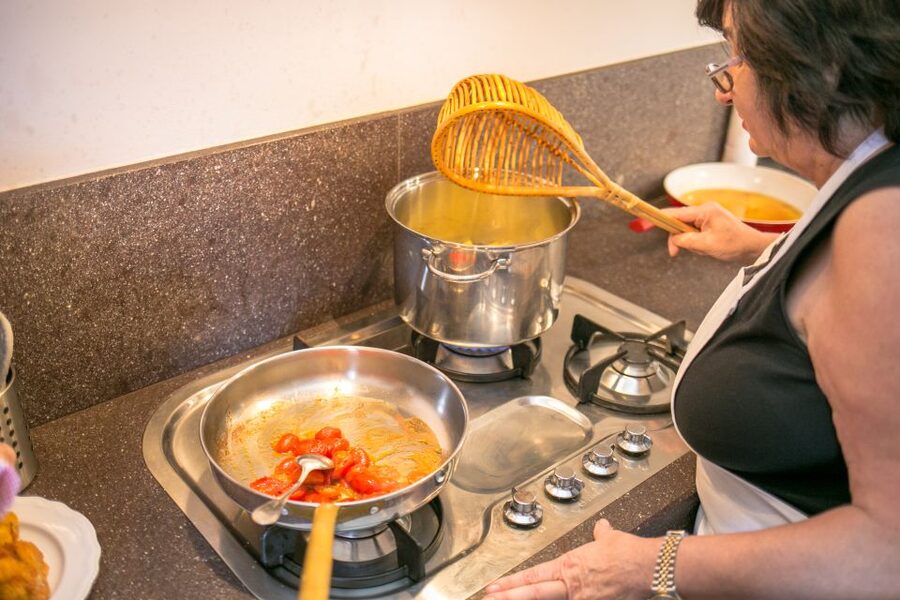
The strongest part of this activity is the welcome. Fernanda and her family have been praised for treating the cook as part of the household. Her garden supplies some ingredients, including produce used in the meal, which adds a direct connection between the kitchen and the food on the plate.
That does not mean every class will follow exactly the same pattern. Your host may have a different home, family setup, menu, and teaching rhythm. Still, the design of the experience encourages conversation and personal contact.
Cristiana has also been praised as a capable host who made the activity easy to recommend. Juanita has been described as making people feel like part of the family while teaching pasta and tiramisu. These names may help you understand the style of hosting, but you should confirm your assigned cook after booking rather than assume one particular person will lead your class.
This is especially good for solo visitors and couples who want a social meal. You share your interest in Italian cooking with other people, then sit down together to eat. Families and small groups may also like the relaxed setting, provided everyone is comfortable with the home-based format.
Timing, language, and practical limits
The activity lasts three hours, with several possible starting times shown according to availability. Since it includes an aperitivo, hands-on preparation, cooking, and a meal, it is best treated as a substantial half-day plan rather than a quick stop between sights.
The instruction is available in Italian and English. If you do not speak much Italian, you can still follow the lesson in English, while hearing the Italian names for techniques and ingredients. If you enjoy language practice, the kitchen gives you useful words in a natural setting.
You should share food allergies and intolerances at the time of booking. This is particularly important for pasta and tiramisu, since both may involve ingredients that need advance discussion. The host-matching process uses this information, but you should still communicate clearly before the class.
The activity is not suitable for wheelchair users. The private-home setting means the physical layout cannot be treated like an accessible public venue. If mobility is a concern, ask the operator about your assigned home before making plans.
Cancellation is flexible up to 24 hours in advance for a full refund, and you can reserve now while paying later. Those terms help if your Bari schedule is still changing, but the key planning step remains the same: provide your location, dietary information, and transport plan early.
Who will get the most from this class
I would choose this for you if food is one of the main reasons you came to Italy. You do not need advanced cooking skills. In fact, beginners may get the most from the clear, physical lessons on dough, shaping, and timing.
It also suits anyone who values contact with local people more than a polished restaurant setting. The home is part of the attraction. You might sit at a family table, hear stories about regional cooking, and learn why a dish is made one way in that household.
The class may be less suitable if you want a private cooking lesson with a fixed menu. It may also disappoint you if you expect a professional culinary-school kitchen or a precise list of dishes before booking. Cesarine’s strength is its personal, flexible home format, and that means some details depend on the host.
For a first visit to Bari, this can fill a useful cultural gap. You see the city through food rather than monuments alone. You leave with recipes and methods, but also with a better sense of how cooking fits into family life in Italy.
Should you book the Bari pasta and tiramisu class?
Book it if you want to do more than eat pasta in Apulia. The three-hour class gives you a practical lesson, a full meal, drinks, and time with a local home cook. The strongest reason to choose it is the mix of cooking and hospitality, especially if you are happy sharing the experience with other people.
The $112.15 price is fair for a meal plus several hours of instruction, though it is not the choice for a budget snack or a quick demonstration. Go in ready for some variation in the menu and host. Provide your dietary needs and location early, and remember that the exact private address comes after booking.
For a warm, food-centered afternoon or evening in Bari, I would book this class. Choose something else only if you need wheelchair access, a guaranteed menu, or a formal school kitchen.
FAQ
Where does the pasta and tiramisu class take place?
The class takes place in a local host’s private home in the Bari area of Apulia. The full address and host details are sent after booking for privacy reasons.
How long does the cooking class last?
The activity lasts three hours. Starting times depend on availability.
What will I learn to cook?
You learn to make two types of fresh pasta and tiramisu. The exact pasta shapes and recipes can vary by host.
Is the class hands-on?
Yes. You roll fresh pasta dough by hand, prepare the pasta recipes, and make the tiramisu with guidance from the host.
Is a meal included?
Yes. You eat the two pasta dishes and tiramisu prepared during the class.
Are drinks included?
Yes. The activity includes prosecco and nibbles for the aperitivo, along with water, wine, and coffee.
What languages are available?
Instruction is available in Italian and English.
Can I tell the host about food allergies or intolerances?
Yes. You should provide details about allergies and intolerances when booking, or email them with your booking reference and name.
Is the class wheelchair accessible?
No. The activity is listed as not suitable for wheelchair users.
Can I cancel the booking?
Yes. You can cancel up to 24 hours in advance for a full refund. You can also reserve now and pay later.
More Hands-On Workshops in Italy
- Florence: Pasta Cooking Class with Unlimited Wine
★ 5.0 · 6,413 reviews - Naples: Pizza-Making Workshop with Drink and Appetizer
★ 4.9 · 5,411 reviews - Cooking Class and Lunch at a Tuscan Farmhouse with Local Market Tour from Florence
★ 5.0 · 4,831 reviews - Authentic Pizza Making Class in Naples with Appetizers and Drink
★ 5.0 · 3,178 reviews
Just added around Italy
- Monopoli: Parco Rurale Guided Tour with Pasta-Making Lab★ 4.9 · 13 reviews
- Montepulciano: Pasta-Making Class with Tasting and Wine★ 4.7 · 39 reviews
- Montone: Pasta Making and Dinner at Cardaneto Castle★ 5.0 · 4 reviews
- Modena: Private Pasta-Making Class at a Local’s Home★ 4.3 · 3 reviews
- Modena: Home Cooking Class Tagliatelle and Ragu and Tiramisu★ 5.0 · 23 reviews
- Milazzo: Sicilian Pasta Making Class with Dinner★ 5.0 · 5 reviews
- Milan: Private Cooking Class at a Local’s Home★ 5.0 · 9 reviews
- Rome Pizza & Gelato Cooking Class★ 4.6 · 49 reviews
Pasta Making Classes, compared.
Florence: Pasta Cooking Class with Unlimited Wine
Read our review →
3 in 1 Cooking Class near Navona: Fettuccine, Ravioli & Tiramisu
Read our review →
Rome: Pasta Making Class with Wine, Limoncello, and Dessert
Read our review →
Rome Cooking Class: Make Pasta and 3 Spritz Cocktails
Read our review →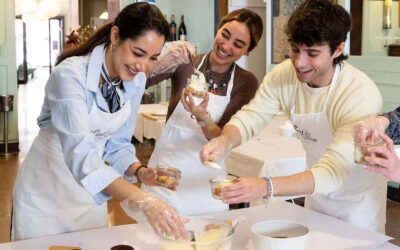
Rome: 3-in-1 Fettuccine, Ravioli, and Tiramisu Cooking Class
Read our review →
Rome: Fettuccine Pasta Cooking Class in Rome’s City Center
Read our review →Browse the lists this tour appears in