
Review · CASABLANCA
Private CousCous Cooking Class in a Traditional Family Home
The best part of this Casablanca activity is that you do not simply watch a chef prepare Moroccan food. You enter a family home, learn from Wissal and her mother, and help make the meal you later share. Traditional couscous is the main event, with mint tea and local salads filling out the lesson.
I like the personal scale and the chance to hear about Moroccan daily life while cooking. I also like that vegans and vegetarians are welcome, rather than being treated as an afterthought. The main consideration is the meeting point in Aïn Chock, which may take planning if you are staying elsewhere in Casablanca.
Key points at a glance
- A family-home setting: You cook with Wissal and her mother instead of attending a formal restaurant demonstration.
- Three Moroccan staples: The class covers traditional couscous, Moroccan mint tea, and local salads.
- A private four-hour visit: Only your group takes part, giving you room to ask questions and work at a comfortable pace.
- A shared meal afterward: You eat the couscous and salads you helped prepare, at lunch or dinner depending on your booking time.
- A personal welcome: You learn to prepare mint tea on arrival, hear stories about Moroccan customs, and receive a small local gift.
- Flexible for plant-based diners: Vegetarians and vegans can join this cooking experience.
Why a Casablanca family kitchen beats another sightseeing stop
Casablanca is often used as a starting point for Morocco, but many visitors see only its broad streets, modern districts, and headline sights before moving on. This class gives you a quieter way to understand the city. You spend roughly four hours with a local family, doing something ordinary and meaningful: preparing food and sitting down to eat it together.
That setting matters. A cooking class in a purpose-built school can teach you a recipe. A class in a family home can also show you how food fits into daily life. As you cook with Wissal and her mother, you get a closer look at household customs, Moroccan hospitality, and the small habits that do not always appear on a standard city tour.
I would choose this activity for a spare afternoon in Casablanca, especially if you have already finished a larger Morocco itinerary. It is also a good choice for an arrival or departure day when you want something engaging but do not want another long drive.
The experience has a perfect five-star rating from seven published reviews, but that is still a small sample. I would treat the rating as a useful sign of satisfaction, not a guarantee that every class will feel identical. The strongest pattern is clear, though: the warm welcome, the family contact, and the chance to leave well-fed are central to the appeal.
More Home Cooking Classes in Morocco
- Marrakech: Moroccan Cooking Class with a Local Family
★ 4.9 · 668 reviews - Marrakech: Moroccan Cuisine Cooking Class in Local Home
★ 4.8 · 508 reviews - Fez: Souk Tour and Traditional Home Cooking Class
★ 4.9 · 186 reviews
Arriving in Aïn Chock and meeting Wissal
The class begins in Aïn Chock, a district of Casablanca, and ends at the same meeting point. You receive a mobile ticket, and confirmation is provided when you book. Since the activity does not include a stated hotel pickup, check your route to Aïn Chock before the day begins.
This is the one practical weakness for some visitors. Casablanca is spread out, and the meeting point may not be close to your accommodation. If you are staying in another district, allow extra time and confirm the exact location in advance. The supplied details say the home is near public transportation, which helps, but no specific bus, tram, or train route is provided.
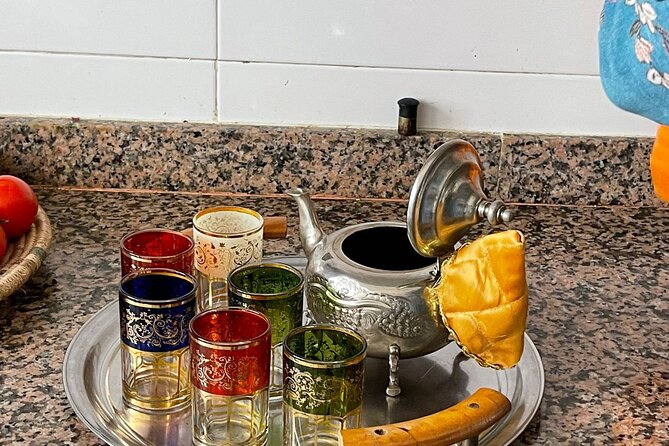
When you arrive, Wissal and her family welcome you with Moroccan mint tea. You do not just receive a glass and move on. You learn how to make it, which gives the opening a useful hands-on touch. Mint tea is a key part of Moroccan hospitality, so beginning with its preparation makes sense. It also lets you settle into the home before the main cooking starts.
Wissal is keen to speak English, which should help if you want to ask questions during the lesson. Her mother leads the cooking, and the family presents her as the best cook in the household. That mother-and-daughter team is one of the most appealing details here: one person brings family cooking experience, while the other helps guide communication.
Learning Moroccan mint tea before the main meal
Moroccan mint tea looks simple, but the preparation carries social meaning. The class gives you a chance to learn the process rather than treating the drink as a decorative welcome. You can expect to take part early in the visit and then enjoy the tea as the cooking gets under way.
This first step sets the tone for the whole class. You are not being rushed through a list of dishes. The visit is built around conversation, preparation, and shared time. If you like food classes that explain the customs around a dish, not just the measurements, this opening should suit you.
The available details do not specify the exact tea ingredients, serving style, or equipment, so I would not book this expecting a formal technical lesson in tea brewing. Think of it as an introduction to an important Moroccan tradition, taught in the same home where you will prepare the rest of the meal.
Making couscous with Wissal’s mother
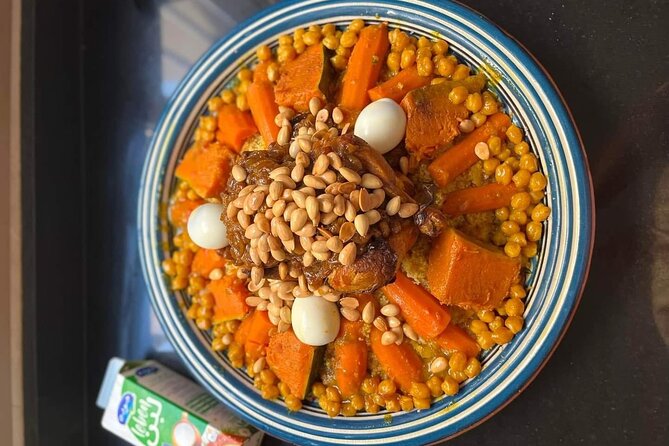
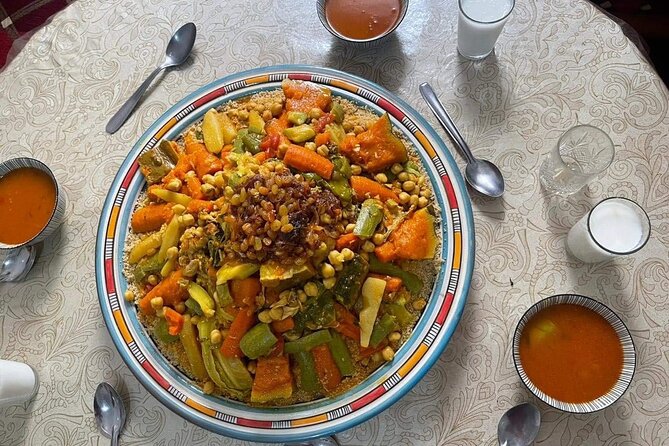
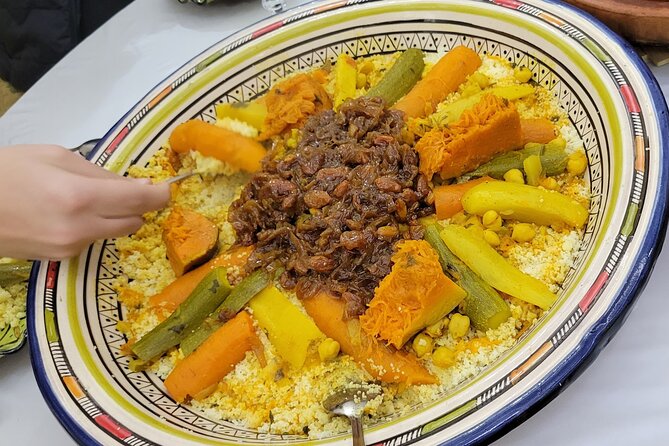
Couscous is the main reason to book this class. You learn the recipe step by step, along with the family’s tips and techniques for traditional Moroccan cooking. The emphasis is on preparation with the family, not merely watching a demonstration from the side of the kitchen.
That distinction is valuable. Couscous is familiar around the world, but the version served in a Moroccan home can reveal how the dish belongs to a wider meal and a wider routine. You learn how the ingredients come together, how the dish is handled, and how a family approaches a recipe that may have been prepared many times before.
The details do not provide a full ingredient list or say how long each stage takes. That is worth keeping in mind if you want to recreate the dish immediately at home. You should expect practical instruction, family methods, and useful kitchen advice, but not a printed cookbook unless the host provides one.
The private format improves the lesson. Only your group takes part, so you are not sharing the kitchen with a large class. You can ask Wissal to repeat a point, watch her mother’s technique more closely, or spend more time on a step that interests you. A private class is especially useful for couples, families, and small groups with different cooking experience.
The cooking also creates a natural chance to talk. Wissal and her mother share stories as you work, giving you a window into Moroccan daily life. That conversation may become the most memorable part of the afternoon, particularly if you have already seen Casablanca’s major sights and want a more personal connection to the city.
More Moroccan Cooking Classes in Morocco:
- Marrakech: Moroccan Cooking Class with Pickup
★ 4.6 · 1,862 reviews - Marrakech: Traditional Moroccan Cooking Class & Market Visit
★ 4.8 · 1,861 reviews - Marrakesh: Moroccan Dishes Cooking Class with a Local Chef
★ 5.0 · 1,615 reviews - Moroccan Cooking Class & Marrakech Market Visit with Chef Khmisa
★ 5.0 · 1,504 reviews
Preparing local salads for a lighter side
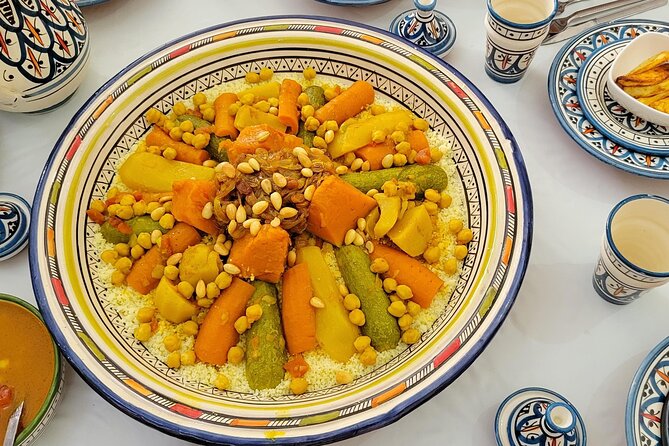
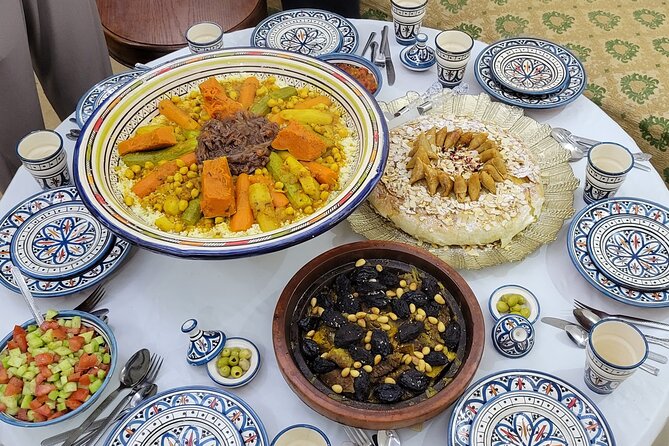
The class also includes several local salads. They give the meal color and freshness, but their larger value is variety. You are not spending four hours on one heavy main course. You learn how Moroccan food balances couscous with smaller vegetable dishes and side preparations.
The word salads can mean many things in Moroccan cooking, and the supplied information does not name the exact recipes. That uncertainty is not a serious problem, but anyone with strict dietary needs should discuss ingredients with Wissal when booking or before the class begins. The important point is that salads form a planned part of the lesson and meal, not an afterthought added for decoration.
This portion should appeal to plant-based diners. Vegan and vegetarian participants are specifically welcome, making the class a stronger option than many food activities centered on meat. Still, you should confirm the exact menu and any ingredient concerns directly with the host, since the available information does not list substitutions or allergy procedures.
Sitting down to eat what you prepared
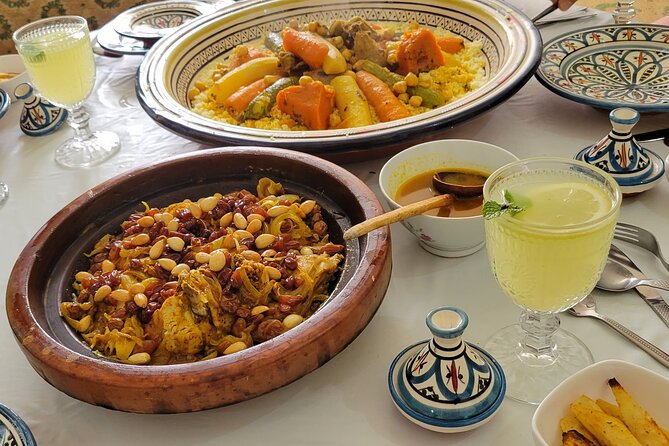
Once the tea, couscous, and salads are ready, you share lunch or dinner with the family. The meal is the natural payoff of the class. You have seen the work behind each dish, and you can taste the results while the methods are still fresh in your mind.
I like this approach more than a class that ends as soon as the last pan leaves the stove. Sitting down together gives the visit a social purpose. Food becomes a reason to talk, and the meal gives you time to ask about Moroccan customs or daily routines that came up during cooking.
The timing depends on your booking, since the experience can be arranged around lunch or dinner. The full visit lasts about four hours, so plan for a relaxed block of time rather than a quick lesson followed by another appointment. If you are fitting this between train departures, airport plans, or a fixed evening reservation, leave a cushion.
The meal also means you should arrive ready to eat, but not necessarily famished. Cooking takes time, and the early tea is part of the welcome. A relaxed appetite will serve you better than trying to rush through the lesson because you are waiting for the final dish.
The value of $70 for a private four-hour class
At $70 per person, this is not the cheapest way to eat in Casablanca. You could find a local meal for far less. The price makes more sense when you count the private instruction, the four-hour visit, the food, the shared meal, and the access to a family home.
You are paying for time and contact as much as for couscous. A short restaurant meal gives you food. This activity gives you food plus instruction, conversation, and a personal setting. For someone who values local contact, that can be a fair exchange.
The private format is important to the value calculation. Only your group participates, so you are not paying for a large group experience with limited chances to ask questions. The value improves further for two or more people who enjoy cooking together. A solo visitor may still find it worthwhile, but the per-person cost deserves a closer look.
The small local gifts at the end add a thoughtful touch, though I would not use them as the main reason to book. The lasting value is the skill, the meal, and the memory of spending time with Wissal and her mother.
Who will enjoy this Casablanca cooking class most
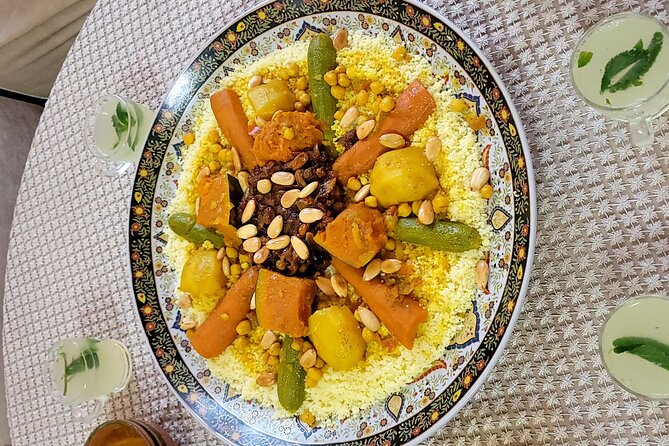
I would recommend this experience to you if you enjoy food as a way to understand a place. It suits people who prefer a real home setting to a polished cooking studio, and it gives repeat visitors a fresh way to spend time in Casablanca.
It is particularly well matched to:
- Couples looking for a personal shared activity.
- Families who want children or teens to take part in preparing food.
- Solo visitors seeking a calm afternoon with local company.
- Vegetarians and vegans who want a Moroccan meal with plant-based options.
- Food lovers interested in technique, not just eating.
- Visitors with an extra day after a larger Morocco tour.
It may be less suitable if you want a fast, highly structured demonstration, a complete recipe book, or a tour packed with sightseeing stops. The class is about cooking and conversation. It is not a substitute for a Casablanca city tour, and the Aïn Chock meeting point may be inconvenient for some hotel locations.
The home setting also requires a little flexibility. You are visiting a family, not entering a commercial test kitchen with a fixed public timetable. That is part of the charm, but it means you should be comfortable with a personal experience that may feel less formal than a professional culinary school.
Practical details before you book
The activity lasts approximately four hours and starts and ends in Aïn Chock, Casablanca. It is a private activity, and only your group participates. A mobile ticket is accepted, and confirmation arrives at booking.
The experience is near public transportation, but the supplied details do not identify the exact route. I would check the meeting address and travel time carefully, particularly if you are staying in central Casablanca or have a later train or flight.
Service animals are allowed. Vegan and vegetarian diners are welcome. For allergies or other food restrictions, contact Wissal before the class so you can clarify the menu.
You can cancel for a full refund up to 24 hours before the local start time. Cancellations or changes made within 24 hours are not refunded or accepted. That policy is fairly flexible for a planned activity, but it is worth noting if your Casablanca schedule may change.
The experience is booked, on average, 18 days ahead. That does not mean every date sells out, but it suggests that advance planning is sensible, especially if you want a particular day or meal time.
Should you book the family-home couscous class?
Book it if you want more than a restaurant meal and prefer a small, personal activity with real local contact. The combination of mint tea, couscous, salads, family conversation, and a shared meal gives you a clear sense of what your four hours will contain.
I would be most likely to choose it for an extra day in Casablanca, when a quiet cooking afternoon sounds better than another long excursion. Wissal’s warm hosting, her mother’s cooking, and the private format are the strongest reasons to go.
Skip it if your schedule is tight, if Aïn Chock is far from where you are staying, or if you want a technical cooking course with a detailed written curriculum. But if you value hospitality and home cooking, $70 buys a substantial four-hour experience rather than just a plate of couscous.
FAQ
Where does the cooking class begin?
The class begins in Aïn Chock, Casablanca, Morocco.
Where does the activity end?
The activity ends back at the meeting point in Aïn Chock.
How long does the experience last?
The experience lasts approximately four hours.
Is this a private activity?
Yes. Only your group participates in the activity.
What food will I learn to prepare?
You will learn to prepare traditional Moroccan couscous and local salads. You will also learn how to make Moroccan mint tea.
Can vegans and vegetarians take part?
Yes. Vegans and vegetarians are welcome.
Who leads the cooking class?
Wissal hosts the experience with her mother, who leads the cooking instruction. Wissal is keen to speak English.
Is public transportation available near the meeting point?
The meeting point is near public transportation, although specific routes are not provided.
Can I cancel for a full refund?
Yes. You can cancel at least 24 hours before the local start time for a full refund. Cancellations made within 24 hours are not refunded.
More Hands-On Workshops in Morocco
- Half-Day Cooking Class with Local Chef Laila in Marrakech
★ 5.0 · 952 reviews - Marrakech: Moroccan Cooking Workshop at La Maison Arabe
★ 5.0 · 446 reviews - Marrakesh cooking class with chef Hassan – Local dishes
★ 5.0 · 425 reviews - Marrakech: Tajine Cooking Class in a Traditional Riad
★ 4.8 · 424 reviews
Just added around Morocco
- Chefchaouen Cooking Class★ 5.0 · 4 reviews
- Chefchaouen Private Cooking Class with Mountain View★ 5.0 · 16 reviews
- 3-Hour Cooking Class overlooking the Blue City★ 5.0 · 36 reviews
- Moroccan Cooking Class with a Local Family & Market Visit★ 5.0 · 16 reviews
- Private Tagine Cooking Class in Chefchaouen with Lunch★ 5.0 · 5 reviews
- 3 Hours Bread Making/passetrie in Chefchaouen★ 5.0 · 3 reviews
- Market Tour & Moroccan Cooking Class in Casablanca with Transfers★ 5.0 · 18 reviews
- Private Market Tour & Cooking Class in Casablanca with Transfers★ 5.0 · 20 reviews
Moroccan Cooking Classes, compared.
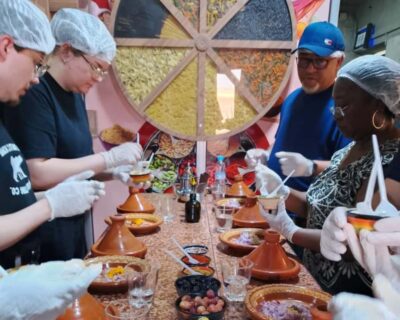
Marrakech: Moroccan Cooking Class with Pickup
Read our review →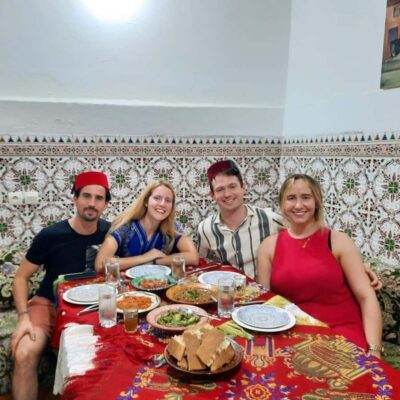
Marrakech: Traditional Moroccan Cooking Class & Market Visit
Read our review →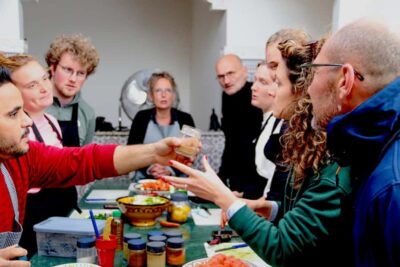
Marrakesh: Moroccan Dishes Cooking Class with a Local Chef
Read our review →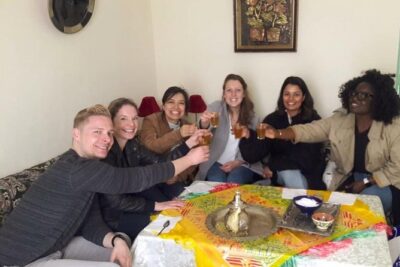
Moroccan Cooking Class & Marrakech Market Visit with Chef Khmisa
Read our review →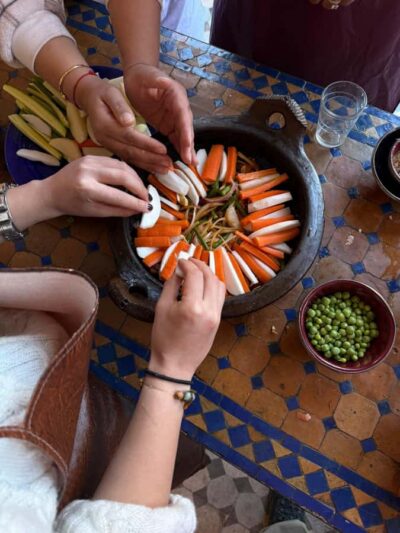
Marrakech: Moroccan Cooking Class with a Local Family
Read our review →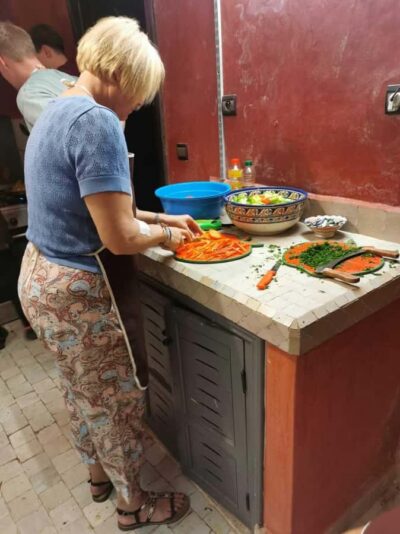
Marrakech: Moroccan Cuisine Cooking Class in Local Home
Read our review →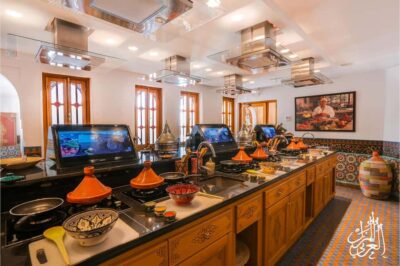
Marrakech: Moroccan Cooking Workshop at La Maison Arabe
Read our review →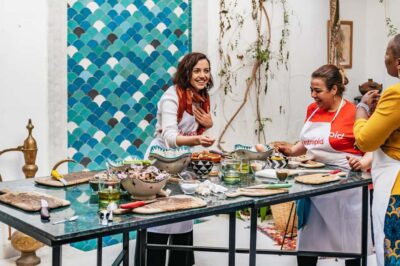
Marrakech: Tajine Cooking Class in a Traditional Riad
Read our review →Browse the lists this tour appears in