
Review · MARRAKECH
Marrakech: Moroccan Cooking Workshop at La Maison Arabe
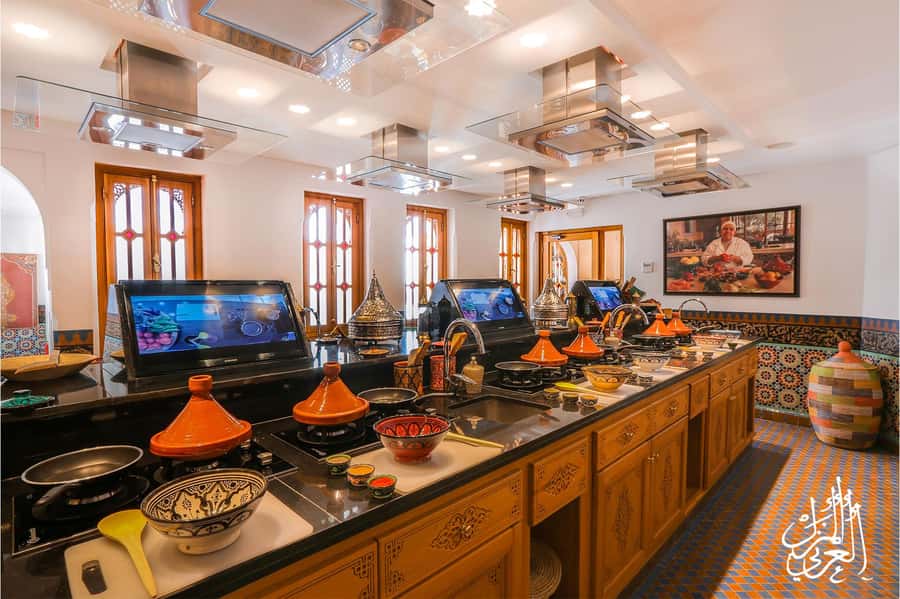
Marrakech’s La Maison Arabe cooking workshop puts you at your own station, where you chop, season, stir, and cook a traditional Moroccan dish before sitting down to eat it. The class is led by a dada, a traditional Moroccan cook, with translation in Arabic, English, or French.
I like the small-group, hands-on format and the spotless, modern kitchen. I also like the tea ceremony and flatbread demonstration, which turn a simple recipe lesson into a window on Moroccan food culture. The main drawback is that the three-hour class costs more than some cooking lessons in Marrakech, and the one-hour option gives you only a taste of the wider program.
Key points at a glance
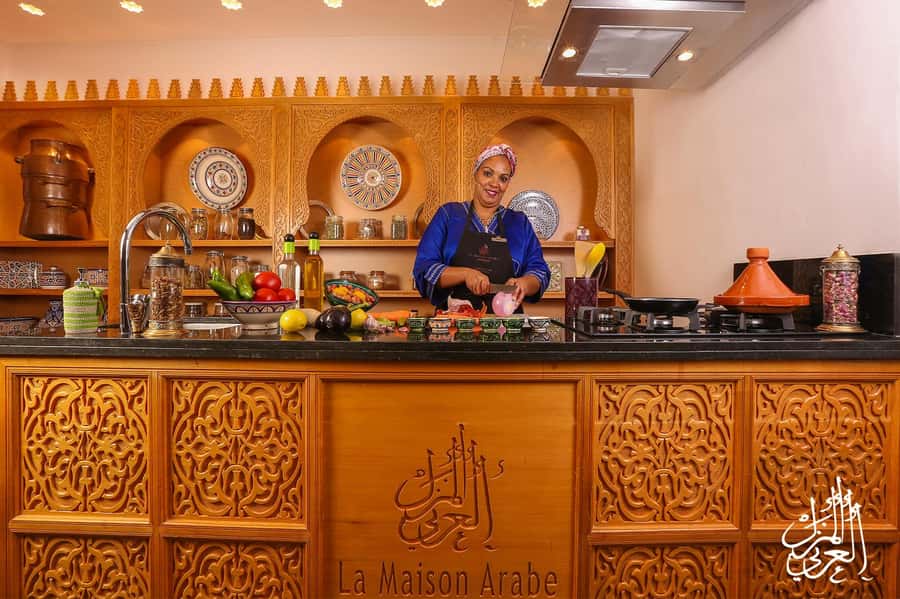
- Your own cooking station: You do the chopping and preparation yourself instead of watching a chef work from across the room.
- Two useful formats: Pick the one-hour express class for a quick tagine lesson, or the three-hour session for starters, a main course, dessert, bread, and tea.
- Traditional instruction: A dada leads the cooking, with live translation in Arabic, English, or French.
- Food and culture together: Expect a tea ceremony, Moroccan cooking background, flatbread making, and a meal built from your own work.
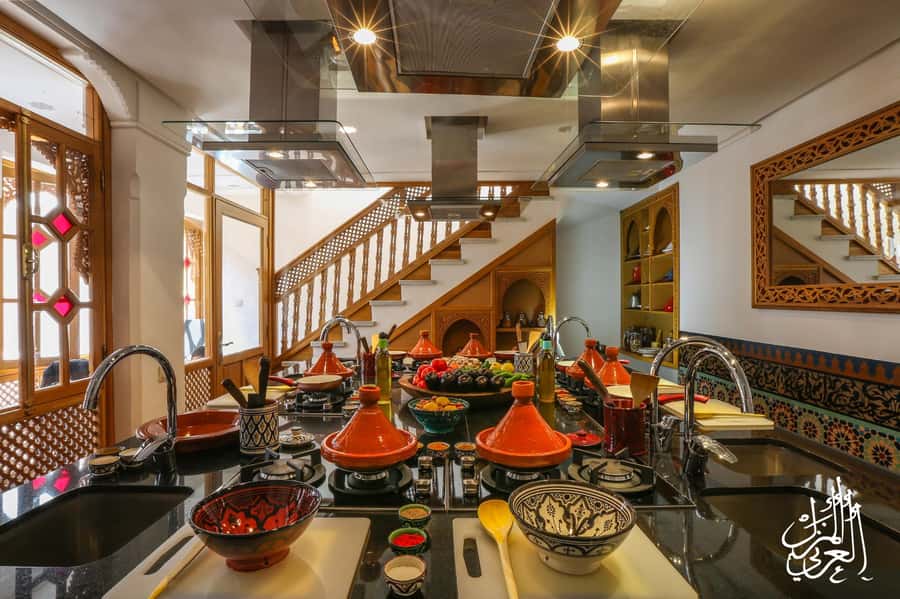
- A polished setting: The workshop near La Maison Arabe uses clean facilities, fresh local ingredients, and modern equipment.
- A small parting gift: Several sessions finish with a small tagine or another thoughtful gift, though the exact gift is not guaranteed.
Starting at La Maison Arabe near the medina
You meet at the front desk of La Maison Arabe, a convenient point near Marrakech’s medina. That location matters. You do not need to arrange transport to a remote cooking school, and the class can fit neatly between time in the souks, a visit to the Secret Garden, or an afternoon at your riad.
The workshop may take place at the cooking school near the hotel or at the property’s secret gardens, depending on the session. Either way, you should expect a purpose-built space rather than a cramped home kitchen. The facilities have individual workstations, modern equipment, and ingredients prepared for hands-on cooking.
Bring water and wear comfortable clothes. Drinks are not included, and the activity is not designed for children under 12 or wheelchair users. Transportation to and from attractions is also not included, so plan your own way to the meeting point.
More Moroccan Cooking Classes in Marrakesh:
- Marrakech: Moroccan Cooking Class with Pickup
★ 4.6 · 1,862 reviews - Marrakech: Traditional Moroccan Cooking Class & Market Visit
★ 4.8 · 1,861 reviews - Marrakesh: Moroccan Dishes Cooking Class with a Local Chef
★ 5.0 · 1,615 reviews
The one-hour express class
The express option is built around a traditional Moroccan dish, most often a chicken tagine in the sessions described. You get into the cooking quickly, which makes this a good choice if your Marrakech schedule is tight or you want an introduction without giving up half a day.
The class is still interactive. You are not simply shown a finished dish and handed a recipe. You work at your station, follow the teacher’s instructions, and prepare the food that you later eat. The process is designed for ordinary home cooks, so you do not need professional kitchen skills.
The shorter class can include a taste of Moroccan tea and an explanation of local cooking customs, but the main focus is the central dish. It does not offer the full range of the longer class. If you want several courses, bread making, dessert, and more background about Moroccan food, choose the three-hour session.
I see the express class as a strong fit for solo visitors, couples with a packed itinerary, and anyone who wants a practical introduction to tagine. It is also useful if you have already taken a food tour and want to spend your time actually cooking rather than walking and sampling.
The three-hour class, from starters to dessert
The longer workshop gives the experience room to breathe. The exact order can vary, but the program includes starters, tagine or couscous, dessert, handmade bread, a tea ceremony, and tasting. You do not cook continuously for three hours. There are demonstrations, explanations, preparation time, and a sit-down meal at the end.
That slower rhythm is one of the best reasons to choose it. You can ask questions about spices, Moroccan food customs, and the role of tea while the dada and translator guide you through each stage. The class has enough time to explain not just what to do, but why certain ingredients and methods matter.
You may prepare two appetizers and a main course, then receive dessert and bread as part of the meal. The food is served after the cooking, so you get a proper chance to enjoy the results with the rest of the group. Some sessions allow plenty of time to linger over the meal and conversation rather than rushing everyone out the door.
For most people, the three-hour option is the fuller experience. It costs more than a short class, but the extra time buys more food, more instruction, and more cultural context. If Moroccan cooking is a major reason for your visit, I would choose this version.
Cooking beside a dada
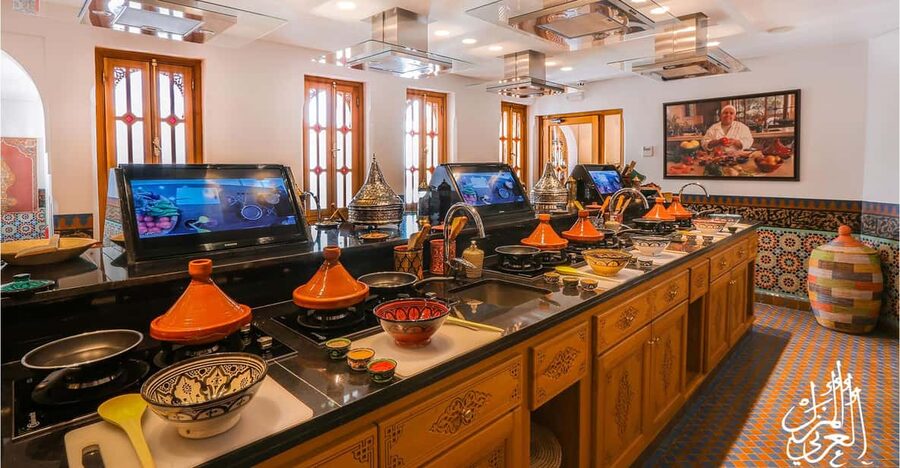
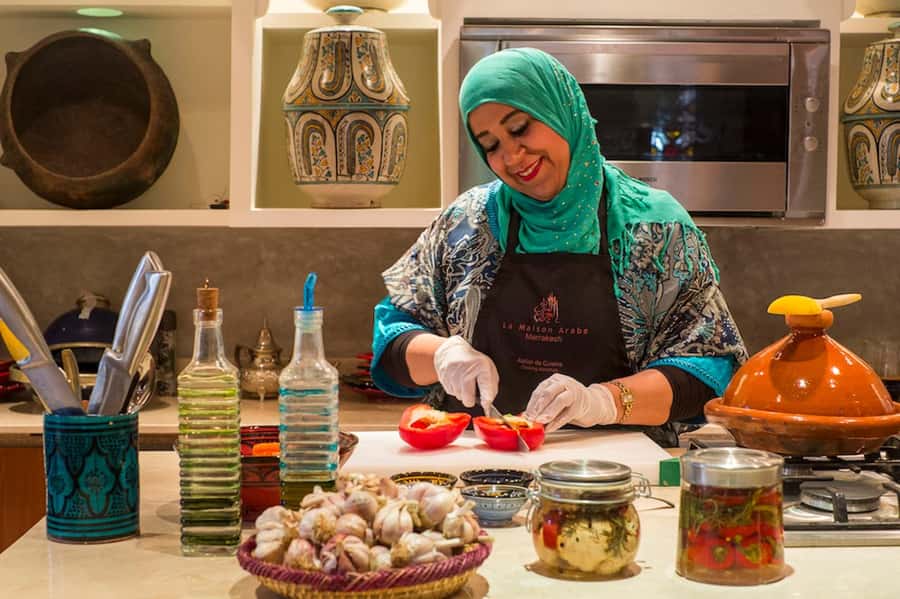
The central figure is the dada, a traditional Moroccan cook. This is more interesting than a generic demonstration by a restaurant chef because the instruction is tied to everyday Moroccan cooking traditions. The teacher shows you the practical details, while a translator makes the lesson accessible to English and French speakers.
Instructors named in the sessions include Hayat, Wafa, Sanaa, Fatiha, Rokaya, Hasna, Habiba, and Mohammed. The teaching style can vary by person, but the consistent strength is clear instruction and a warm, patient approach. The class is meant to include beginners, and the cooking steps are explained in a way that ordinary home cooks can follow.
Translation is live, not just printed on a card. That helps when you want to ask about an ingredient, clarify a technique, or connect the recipe to Moroccan customs. The language options are Arabic, English, and French.
The workshop also works well for mixed-language groups. One session included French speakers with English translation, allowing everyone to keep up. If you have detailed dietary questions, ask the instructor at the start rather than waiting until the cooking begins.
More Hands-On Workshops in Marrakesh:
- Marrakech: Moroccan Cooking Class with a Local Family
★ 4.9 · 668 reviews - Marrakech: Moroccan Cuisine Cooking Class in Local Home
★ 4.8 · 508 reviews - Marrakech: Tajine Cooking Class in a Traditional Riad
★ 4.8 · 424 reviews - Marrakech: Moroccan Cooking Class with Market Visit and Meal
★ 4.9 · 347 reviews
Tagine, couscous, and the value of doing it yourself
Tagine is the star of many sessions. The cone-shaped cooking vessel is not only a serving piece. It helps cook the dish gently, and learning to prepare one gives you a recipe you can try at home. The ingredients are fresh and local, and the stations let you handle the process from preparation to final tasting.
There is a satisfying difference between ordering tagine in a restaurant and making one yourself. You notice how much of the flavor comes from careful seasoning, patient cooking, and a few well-chosen ingredients. The class makes the dish feel manageable rather than mysterious.
The longer class may focus on tagine or couscous, while the express class centers on a single traditional dish. The exact menu can vary, so do not book expecting one fixed recipe every time. The central promise is a Moroccan cooking lesson and a meal, not a guaranteed list of specific ingredients.
The modern equipment is useful without making the class feel industrial. You get the comfort of a clean, organized kitchen while learning traditional methods. That balance helps first-time cooks, older participants, and people who want to recreate the dish in their own kitchen.
Tea ceremony and flatbread demonstration
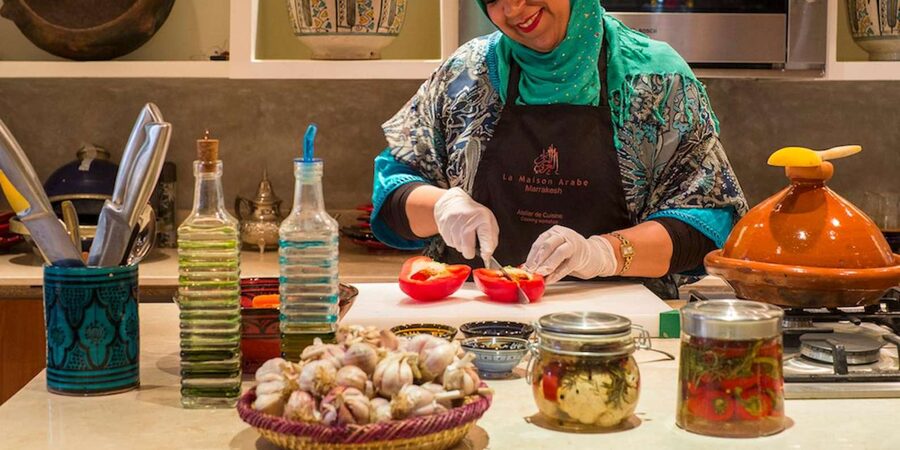
The tea ceremony adds a cultural layer that many short cooking classes leave out. You are shown the Moroccan tea ritual, including the way tea is prepared and served. It is not just a drink between cooking steps. It gives the group a shared pause and opens the door to questions about Moroccan hospitality and daily life.
The flatbread demonstration works in the same way. You see a basic staple being made, then enjoy handmade bread with the meal. It is a small detail, but it helps explain how Moroccan food is built around shared dishes, bread, and tea rather than a single plated course.
Afternoon tea and food tasting are included. Drinks beyond the included tea are not, so bring water and do not expect an open bar or separate beverage package. The activity information also lists lunch and live entertainment among the inclusions, though the main focus remains cooking, tea, and the meal you prepare.
Eating what you cooked
The best moment comes at the table. After the chopping, stirring, and waiting, you eat the tagine or other dishes prepared during the session. That meal gives the class a clear payoff and lets you compare techniques with the rest of the group.
The shared meal also adds a social side. The workshop suits couples, families with older children, friends, colleagues, and solo visitors who enjoy meeting people over food. The group setting is intimate enough for conversation, but you still have your own workstation and a real task to complete.
The food is generally the part people remember most, especially the tagine. The result can feel surprisingly good for a beginner because the recipe is broken into simple steps. You also leave with a recipe, making it possible to attempt the dish at home.
Some sessions end with a small tagine or another gift. That is a pleasant extra, but I would treat it as a bonus rather than a guaranteed part of every booking. The real souvenir is the recipe and the confidence to make it again.
Is $35 a good value?
At $35 per person, the express class is reasonably priced for a guided activity that includes instruction, ingredients, tea, tasting, and the meal you prepare. You also get a modern cooking space and an organized experience near the medina.
The three-hour option deserves a closer look because the price is higher than some Marrakech cooking classes. Still, value is not only about the cheapest ticket. Here you receive individual work space, fresh ingredients, translation, several food elements, demonstrations, a sit-down meal, and time with the cooking team.
I would compare the price with what you want from the class. If you only want to learn one tagine recipe, the one-hour session is the sensible buy. If you want a fuller food experience with several dishes, tea, bread, and dessert, the longer class is easier to justify.
The polished setting also matters. Cheaper lessons may offer a more informal home-style atmosphere, which some people prefer. La Maison Arabe gives you comfort, organization, and reliable equipment. You pay for that structure.
Who should book this workshop?
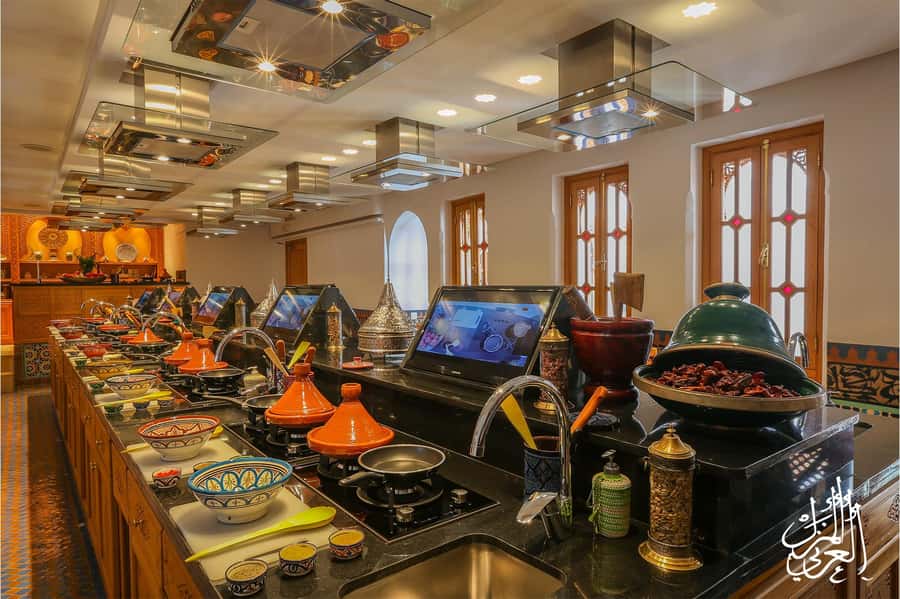
I would recommend it to first-time visitors who want more than a restaurant meal. It is also a good fit for anyone who enjoys practical activities, food-focused sightseeing, or recipes they can take home.
The class suits beginners particularly well. You do not need previous cooking experience, and the teachers explain the process clearly. It can also work for older participants, provided they can use the kitchen safely and do not need wheelchair access.
Families should note the minimum age of 12. A 12-year-old has enjoyed the activity alongside an older adult, so the age range can work well for a mixed-generation group. Children under 12 cannot join.
Solo visitors can choose the express class without feeling that they need a large party to make it worthwhile. Couples and groups may prefer the three-hour session because the shared meal gives everyone more time together.
What to know before you book
Choose your duration carefully. The one-hour class is not a shortened version of every part of the three-hour program. It focuses on a central dish, while the longer session adds starters, dessert, bread, tea ceremony, and more cultural explanation.
Check the starting time when you book because the activity runs from one to three hours depending on the option. Meet at the front desk of La Maison Arabe, and allow enough time to find the property in the medina area.
The activity offers free cancellation up to 24 hours before the start time. You can also reserve now and pay later, which helps if your Marrakech schedule is still shifting.
The workshop is not wheelchair accessible, and children under 12 are not allowed. Since transportation is not provided, arrange your own route to La Maison Arabe. Comfortable clothing is the practical choice, and water is worth carrying.
Should you book it?
Book the one-hour class if you want a compact, tasty introduction to Moroccan cooking and a tagine you can prepare without sacrificing your afternoon. It is the better choice for a tight itinerary.
Book the three-hour version if you want the full food and culture lesson. The extra courses, tea ritual, bread demonstration, dessert, and relaxed meal make it more than a basic recipe class.
I would choose La Maison Arabe for its clean individual stations, clear multilingual teaching, traditional dada-led instruction, and the chance to eat what you make. Skip it only if you dislike group activities, need wheelchair access, or want the cheapest possible cooking lesson in Marrakech.
FAQ
Where does the cooking workshop meet?
The meeting point is the front desk of La Maison Arabe in Marrakech.
How long does the activity last?
You can choose a one-hour express workshop or a three-hour cooking workshop.
What languages are available?
Instruction and translation are available in Arabic, English, and French.
What do I cook in the one-hour class?
The express class focuses on preparing a traditional Moroccan dish, commonly a chicken tagine in the sessions described.
What is included in the three-hour class?
The longer class includes starters, tagine or couscous, dessert, a tea ceremony, flatbread making, and a meal featuring the prepared food.
Do I get to eat the food I prepare?
Yes. Food tasting and a meal are included, and you eat the dishes prepared during the class.
Are drinks included?
Afternoon tea is included, but other drinks are not included. Bring water if needed.
Is the workshop suitable for children?
The activity is not suitable for children under 12.
Is the cooking school wheelchair accessible?
No. The activity is not suitable for wheelchair users.
Can I cancel for a full refund?
Yes. You can cancel up to 24 hours in advance for a full refund. You can also reserve now and pay later.
Just added around Marrakesh
- Marrakech: 3-Hour Open-Air Moroccan Cooking Course★ 4.9 · 74 reviews
- Moroccan Food Cooking Class with a Local Chef in Marrakech★ 4.7 · 90 reviews
- Edgy 8 Dish Private, Fusion Cooking Class, Menu Plan, Market★ 4.9 · 31 reviews
- Moroccan cooking class in Marrakech with berber chef★ 5.0 · 16 reviews
- Marrakesh: Private Cooking Class & Local Market Shopping★ 4.7 · 15 reviews
- Marrakech: Moroccan Cooking Class for vegetarians and vegan★ 4.9 · 156 reviews
- Marrakech: Moroccan Cooking Class with Amazing Local Chef!★ 4.9 · 100 reviews
- Marrakech: Moroccan Cooking Class with Local Chef★ 4.6 · 87 reviews
Moroccan Cooking Classes, compared.
Marrakech: Moroccan Cooking Class with Pickup
Read our review →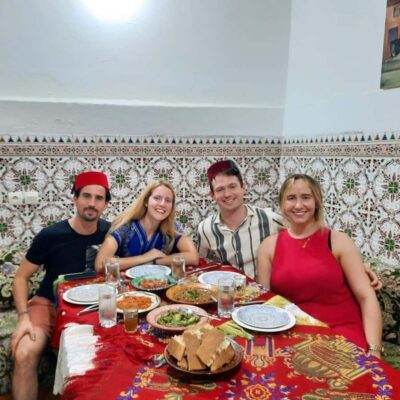
Marrakech: Traditional Moroccan Cooking Class & Market Visit
Read our review →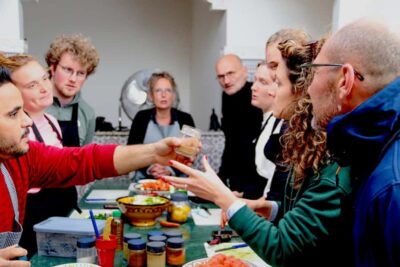
Marrakesh: Moroccan Dishes Cooking Class with a Local Chef
Read our review →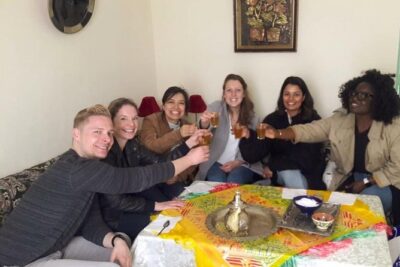
Moroccan Cooking Class & Marrakech Market Visit with Chef Khmisa
Read our review →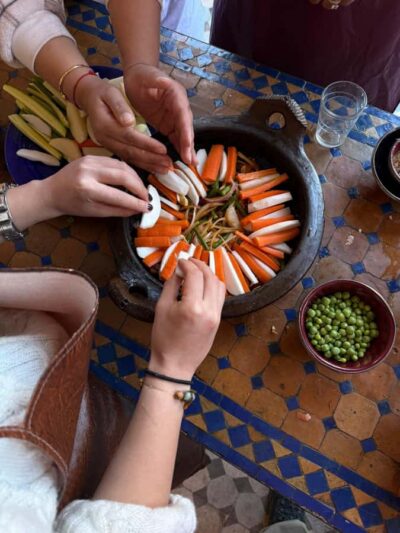
Marrakech: Moroccan Cooking Class with a Local Family
Read our review →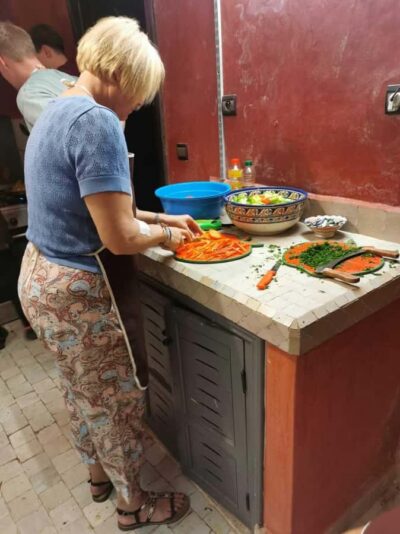
Marrakech: Moroccan Cuisine Cooking Class in Local Home
Read our review →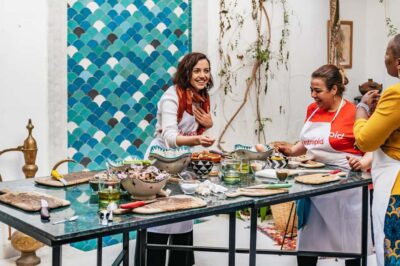
Marrakech: Tajine Cooking Class in a Traditional Riad
Read our review →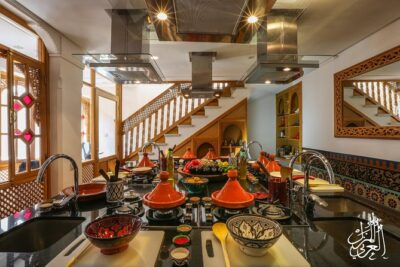
Browse the lists this tour appears in