
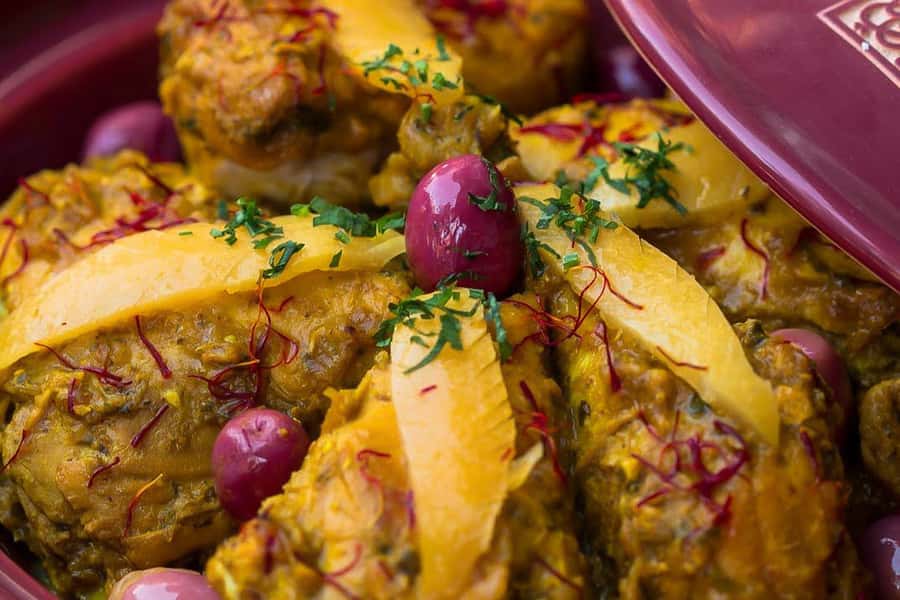
Review · MARRAKECH
Marrakesh: Private Cooking Class & Local Market Shopping
The best part of this Marrakech experience is the trip from market stall to dinner table. You meet outside Café France on Djemaa El-Fna, choose produce, herbs, spices, and meat with a guide, then use those ingredients in a hands-on tajine class. The meal is not a cooking-school sample. It is the food you helped prepare.
I like the private-group format, which gives you room to ask questions and request a vegetarian meal. I also like the local setting, where cooking takes place in a Moroccan home or charming riad rather than a polished restaurant kitchen. The main thing to watch is timing: the advertised four-hour experience can feel closer to three or three and a half hours, and not everyone may get equal time at the cutting board.
Key points to know before booking
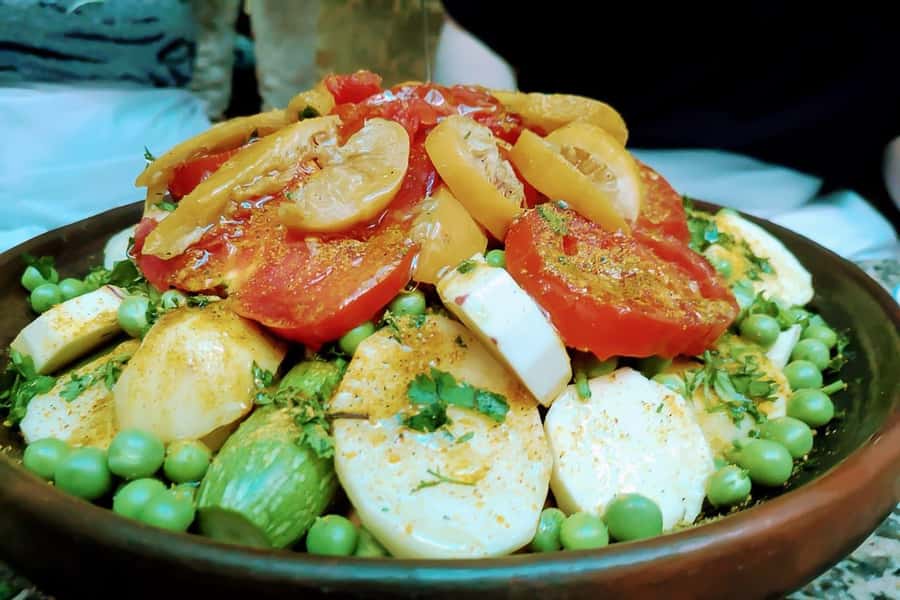
- Market shopping comes first: Select fresh ingredients in Marrakech souks and learn Arabic names for familiar herbs, spices, vegetables, and other staples.
- Tajine is the main lesson: A professional cook guides you through seasoning and cooking this classic Moroccan dish.
- The meal is part of the class: You eat the food you prepare, with lunch or dinner included.
- Local hosts add warmth: Past experiences included a welcoming home kitchen, a helpful interpreter, and a host known as Mama Tutu.
- Vegetarian requests can be accommodated: One participant received a meat-free meal after asking in advance.
- The timing needs a little caution: The listed duration is four hours, but one participant found the actual experience lasted about three to three and a half hours.
From Djemaa El-Fna to the market stalls
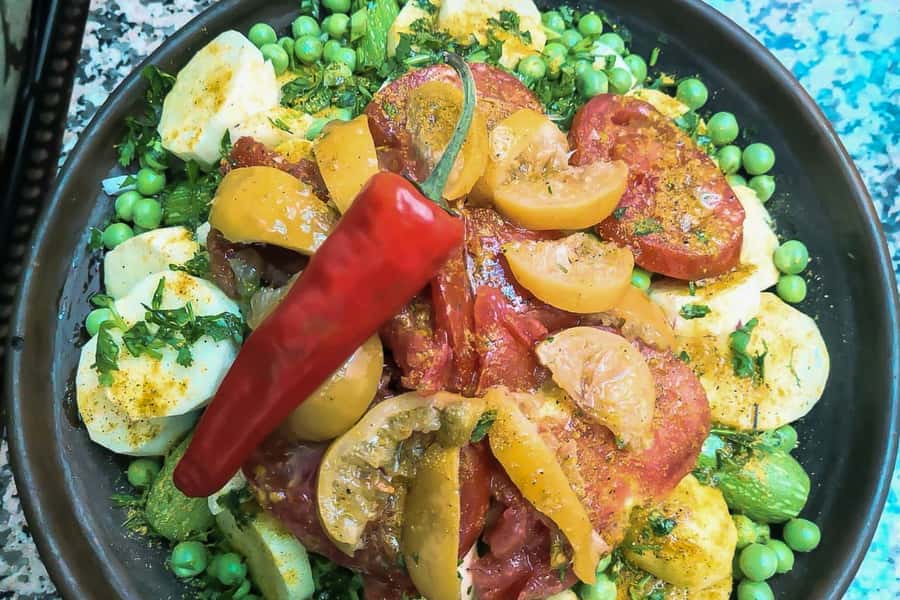
Your meeting point is easy to find if you know exactly where to look. Go to the main entrance of Djemaa El-Fna and find Café France, the three-story café on the right side of the square. This is a busy place, so allow a few minutes to locate the correct entrance and guide.
From there, you walk through Marrakech streets and local souks. The shopping is not just a quick stop to collect ingredients. It is meant to show you how Moroccan cooking begins, with decisions about freshness, quality, price, and the right combination of flavors.
You may shop for meat, vegetables, herbs, and spices used in the day’s dish. The guide can introduce the Arabic names of common ingredients, which gives you something useful to remember after you leave Morocco. Learning the local words for mint, saffron, olives, lemons, and other market goods helps you recognize them later when you shop or order food on your own.
The experience also places Moroccan ingredients in a wider setting. You hear about Taliouine saffron, Meknes mint and olives, and oranges and lemons associated with Fez. These details help explain why spices and herbs matter so much in Moroccan food. They are not simply decoration sprinkled over a finished plate. They shape the smell, color, balance, and identity of the dish.
The market portion is one of the most appealing parts for anyone who likes food with a sense of place. You are not only told that Moroccan cuisine uses cumin, saffron, mint, or preserved citrus. You see those ingredients in the setting where people buy them.
Still, shopping quality may depend on how clearly your guide explains the choices. One participant felt the interpreter handled communication while the actual instructor did not explain what she was seeking in terms of ingredient type, quality, or price. If that matters to you, ask direct questions as you shop. Ask why one herb looks better than another, how the price was decided, and which ingredients are essential rather than optional.
More Market Tour Cooking Classes in Marrakech
- Marrakech: Traditional Moroccan Cooking Class & Market Visit
★ 4.8 · 1,861 reviews - Marrakech: Moroccan Cooking Class with Market Visit and Meal
★ 4.9 · 347 reviews - Edgy 8 Dish Private, Fusion Cooking Class, Menu Plan, Market
★ 4.9 · 31 reviews
A kitchen lesson with a Moroccan host
After the market, you head to the cooking location. The setting may be a charming riad in central Marrakech or a local family home. One especially memorable arrangement took place in a mother’s kitchen, with the whole family at home. That sort of setting gives the class a more personal feel than a formal cooking studio.
The cooking is designed to be practical. You work with the ingredients purchased during the market visit and learn how to prepare a traditional Moroccan tajine. Depending on the menu and your arrangement, the meal may also include Moroccan salad or bread.
The tajine itself is both a dish and a cooking vessel. Here, the important lesson is not simply how to place food in the pot. You learn how to season it, build the flavors, and let the ingredients cook together. Moroccan cooks use herbs and spices with care, and the class gives you a chance to see how those choices affect the final plate.
The language mix is useful. Guides and hosts may speak Arabic, English, or French, and an interpreter can help connect you with the cook. One participant singled out the translator and Mama Tutu for making the class friendly and clear. Another praised the guide’s enthusiasm and the warm attitude of the women who helped with the cooking.
The class is private, but private does not always mean every person has a separate task. If you book for a group, you may need to share chopping, mixing, seasoning, or stirring. One participant enjoyed the hands-on format but felt that not everyone could take part equally in every step.
You can improve your own experience by saying early that you want to handle a particular task. Ask to season the tajine, knead the bread, prepare the salad, or arrange the vegetables. A good class should make room for participation, but a little polite insistence helps when several people are cooking together.
What you may cook and learn
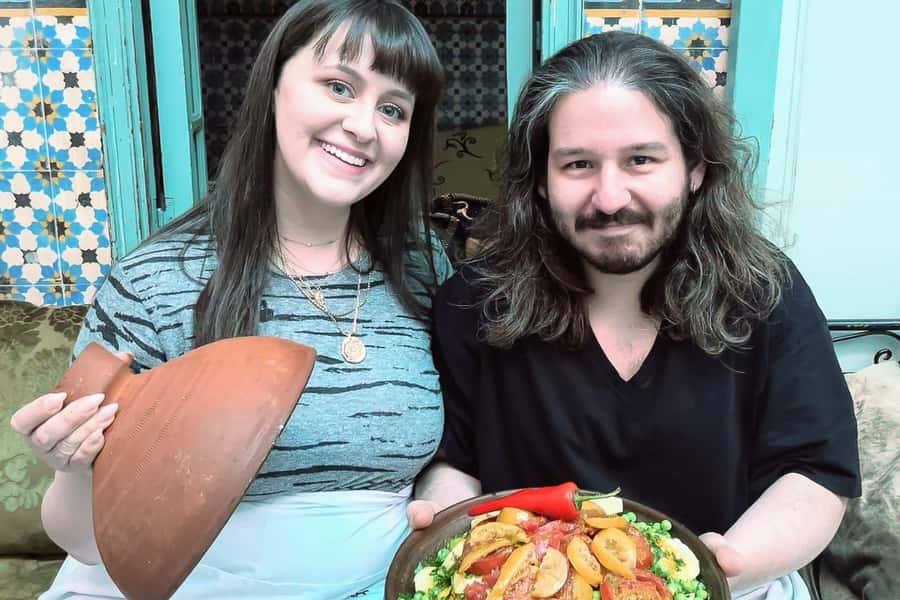
The central promise is a traditional tajine, but the food can extend beyond one pot. A participant described learning to bake Moroccan bread, make a Moroccan salad, and season and cook a tajine. This is useful because it gives you several techniques rather than one recipe alone.
The cooking also offers a lesson in adjustment. During Ramadan, the hosts were able to accommodate the schedule and meal needs of the group. If you are visiting during Ramadan or have dietary requirements, tell the organizer before the class so the meal can be planned properly.
Vegetarians have a clear reason to consider this activity. A vegetarian menu was accepted during one visit, and the group cooked according to that request. The supplied details do not promise every dietary option, so you should state your needs when booking rather than waiting until you arrive.
The recipes are sent after the workshop. That matters more than it may sound. Cooking classes can be enjoyable in the moment but hard to repeat if you leave with only a vague memory of the ingredients. A written recipe gives you a chance to recreate the tajine, bread, or salad at home.
Do not expect a professional kitchen demonstration where a chef does everything while you watch. The point is participation. You handle ingredients, follow instructions, and eat the result. If you prefer a relaxed meal with no practical work, this is probably not the right activity.
Eating the tajine you helped prepare
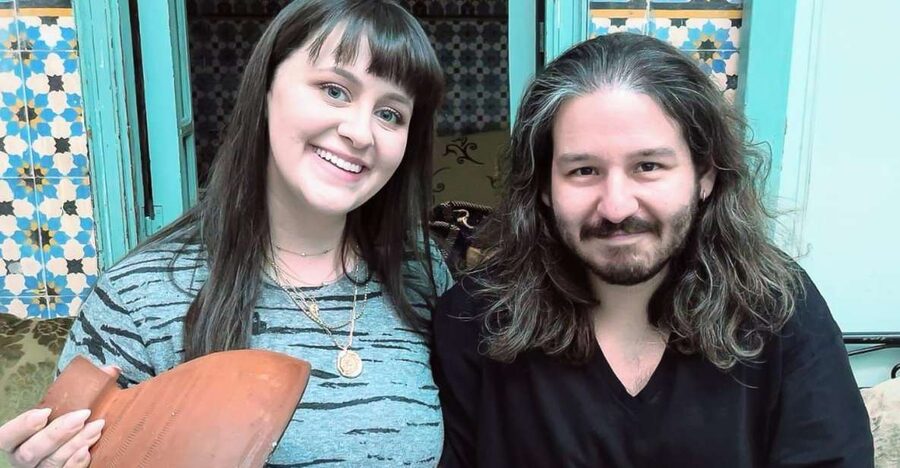
The final meal is the payoff, but it also completes the lesson. You sit down at the riad or home and eat the tajine you helped make. This gives you a better sense of how the seasoning and cooking method work together than a simple tasting would.
The food received strong praise from several participants, including one person who did not expect to enjoy tajine but ended up liking it very much. That is a useful reminder that tajine can vary widely. The blend of spices, vegetables, meat, and cooking time can produce a dish quite different from what you may have tried elsewhere.
The setting can be just as important as the plate. Eating in a Moroccan home, surrounded by the host family, creates a more direct connection with daily life. One participant described the family as welcoming and appreciated being invited into their home. Another found the home clean, the owner attentive, and the guide helpful.
The social mood may not remain the same from start to finish. One participant had a warm, relaxed time with the women who prepared the food, then felt the atmosphere changed when the owner joined the meal and demanded more attention. That is an individual experience, but it points to a practical truth: home-based activities are less controlled than restaurant meals. Personalities are part of the setting.
You may also find that the cooking team leaves once its work is finished, while another host remains for the meal. If you want the cooks to eat with you, ask about that during the class. It is better to understand the arrangement than to assume the meal will be a long family gathering.
More Market Tour Cooking Classes in Morocco
- Marrakech: Cooking Class and Market Visit
★ 4.4 · 5 reviews - Moroccan Cooking Class & Marrakech Market Visit with Chef Khmisa
★ 5.0 · 1,504 reviews - Moroccan Cooking Class with Market Visit and Meal
★ 5.0 · 196 reviews - Fez: Souk Tour and Traditional Home Cooking Class
★ 4.9 · 186 reviews
Is $81 a fair price?
At $81 per person, this is not the cheapest way to eat in Marrakech. You can find a good meal for much less, and market ingredients themselves cost only a portion of the booking price.
The value comes from the combined experience. Your fee includes a local English or French-speaking guide, the market visit, the cooking instruction, the meal, photography, and recipes afterward. You are also paying for a private group rather than being folded into a large class.
I think the price makes sense if you want more than dinner. You get an introduction to market shopping, help with local food vocabulary, practical instruction, and a meal connected to the work you just completed. The private format is especially useful for couples, families, or a small group with a shared interest in cooking.
The value is weaker if your main goal is a long, detailed market lesson. The shopping explanation may depend on how well the guide and cook communicate with one another. It is also weaker if you expect four full hours of continuous instruction. One participant found the total activity lasted only three to three and a half hours, despite expecting a longer class.
Think of the price as paying for a social and cultural activity with food at its center, not as paying for a restaurant meal with a short cooking show attached.
Timing, languages, and practical details
The stated duration is four hours, with starting times available according to the date you choose. One French-language comment asked for clearer information about whether the tajine or couscous option required three or five hours. If timing matters because of another booking, confirm the exact plan before you go.
The activity is offered in Arabic, English, and French. A live guide accompanies you, and an interpreter may help during the cooking. The language arrangement can vary in practice, so ask questions freely and request explanations as each ingredient is selected.
The activity is a private group experience. That is a good choice if you want to choose your menu, ask about spices, or avoid cooking beside strangers. It also means the pace and level of participation may depend on your own group.
Photography is included, and the recipes are sent after the workshop. Lunch or dinner is included as well. You should arrive at the stated meeting point outside Café France, not simply somewhere in the square.
Cancellation is flexible up to 24 hours before the activity for a full refund, and you can reserve now and pay later. Those terms help if your Marrakech schedule is still changing.
Who will enjoy this cooking class most?
I would recommend it to anyone who treats food as a way to understand a place. You do not need advanced cooking skills. The value is in seeing ingredients at the market, learning how Moroccan seasoning works, and preparing a meal with local help.
It suits couples and families particularly well because the private format lets you control the pace. It can also work for a small group of friends who want an activity that feels more personal than a standard restaurant visit.
Vegetarians should ask for the right menu when booking. The experience has accommodated a vegetarian request, but the available information does not promise every dietary restriction.
This may not suit you if you dislike markets, shared kitchen tasks, or uncertain social arrangements. It is also not ideal if you need a tightly timed four-hour program with every minute planned. The class can be hands-on, but participation may not be perfectly equal for everyone.
Should you book it?
Book this experience if you want to shop for Moroccan ingredients, learn a useful tajine recipe, and eat a meal prepared with your own hands. The best features are the private setting, the local market connection, the welcoming cooking hosts, and the chance to take recipes home.
Go in with realistic expectations. Confirm the starting time, menu, and expected length. Ask to take part in specific cooking steps, and ask direct questions at the market about quality and price. At $81, it offers fair value for a private food activity, but the value depends on how much you want the cultural exchange and practical lesson.
For a short, personal introduction to Moroccan home cooking, I would book it. For a strict five-hour master class, I would choose a different format or clarify the schedule first.
FAQ
Where does the cooking class meet?
The meeting point is outside Café France in Djemaa El-Fna. Enter the square through the main entrance and look for the three-story café on the right.
How long does the activity last?
The stated duration is four hours. Starting times vary by availability. One participant found the total experience lasted about three to three and a half hours, so confirm the expected timing if your schedule is tight.
What languages are available?
The activity is offered in Arabic, English, and French. A live guide leads the experience, and an interpreter may assist during the market visit and cooking class.
What food will I learn to cook?
The main lesson is traditional Moroccan tajine. Depending on the arrangement, you may also learn to prepare Moroccan salad and bread. The recipes are sent after the workshop.
Can I request a vegetarian meal?
Yes. A vegetarian request was accommodated during one class. Tell the organizer about your dietary preference when booking.
Is food included in the price?
Yes. Lunch or dinner is included, and you eat the meal prepared during the class. Photography and the recipes are also included.
More Shopping Trips in Marrakesh
- Chiang Mai: Authentic Cooking Class with Market & Farm Visit
★ 4.9 · 4,546 reviews - Barcelona: Paella Cooking Experience & Boqueria Market Tour
★ 4.8 · 3,661 reviews - Cooking Class Hoi An:Local Market, Basket Boat, Fishing & Cooking
★ 5.0 · 3,660 reviews - Hoi An Cooking Class(Market,BasketBoat Crabfishing&Cooking Class)
★ 5.0 · 3,386 reviews
More Market Tour Cooking Classes in Marrakesh
- Hanoi Cooking Class: Culture, Local Market & Meaning CSR Impact
★ 5.0 · 5,147 reviews - 5 Traditional Dishes Hanoi Cooking Class with Market Trip
★ 5.0 · 4,890 reviews - Cooking Class and Lunch at a Tuscan Farmhouse with Local Market Tour from Florence
★ 5.0 · 4,831 reviews - Chiang Mai: Cooking Class, Market & Thai Herbs Garden Tour
★ 4.9 · 4,824 reviews
Just added around Marrakesh
- Moroccan Food Cooking Class with a Local Chef in Marrakech★ 4.7 · 90 reviews
- Marrakech: 3-Hour Open-Air Moroccan Cooking Course★ 4.9 · 74 reviews
- Edgy 8 Dish Private, Fusion Cooking Class, Menu Plan, Market★ 4.9 · 31 reviews
- Moroccan cooking class in Marrakech with berber chef★ 5.0 · 16 reviews
- Marrakech: Moroccan Cooking Class for vegetarians and vegan★ 4.9 · 156 reviews
- Marrakech: Moroccan Cooking Class with Amazing Local Chef!★ 4.9 · 100 reviews
- Marrakech: Moroccan Cooking Class with Local Chef★ 4.6 · 87 reviews
- Marrakech: Cooking Class and Market Visit★ 4.4 · 5 reviews
Cooking Classes with a Market Tour, compared.
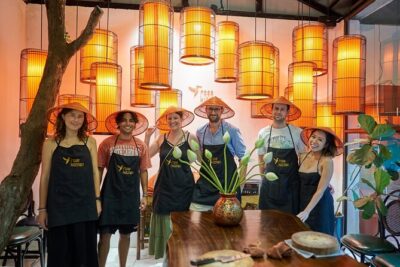
Hanoi Cooking Class: Culture, Local Market & Meaning CSR Impact
Read our review →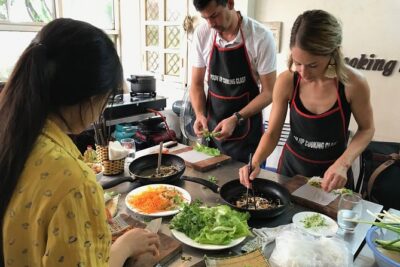
5 Traditional Dishes Hanoi Cooking Class with Market Trip
Read our review →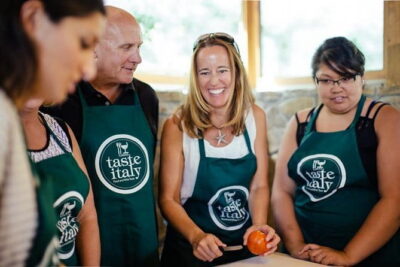
Cooking Class and Lunch at a Tuscan Farmhouse with Local Market Tour from Florence
Read our review →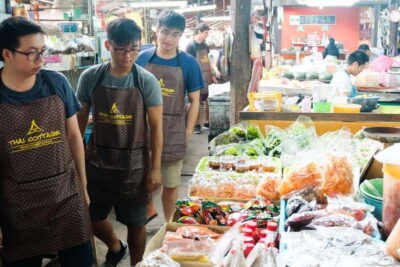
Chiang Mai: Cooking Class, Market & Thai Herbs Garden Tour
Read our review →
Chiang Mai: Authentic Cooking Class with Market & Farm Visit
Read our review →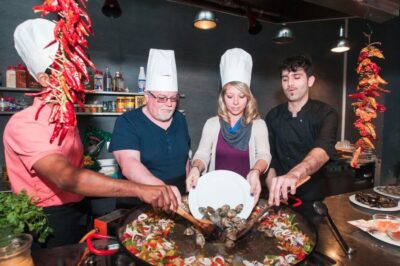
Barcelona: Paella Cooking Experience & Boqueria Market Tour
Read our review →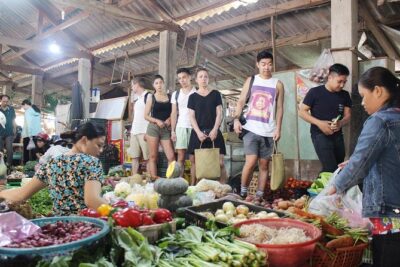
Cooking Class Hoi An:Local Market, Basket Boat, Fishing & Cooking
Read our review →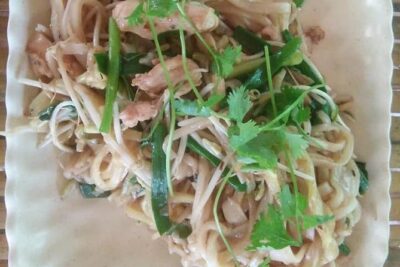
Hoi An Cooking Class(Market,BasketBoat Crabfishing&Cooking Class)
Read our review →Browse the lists this tour appears in