
Review · VERONA
Verona: Hands-on Fresh Pasta and Tiramisù Cooking Class
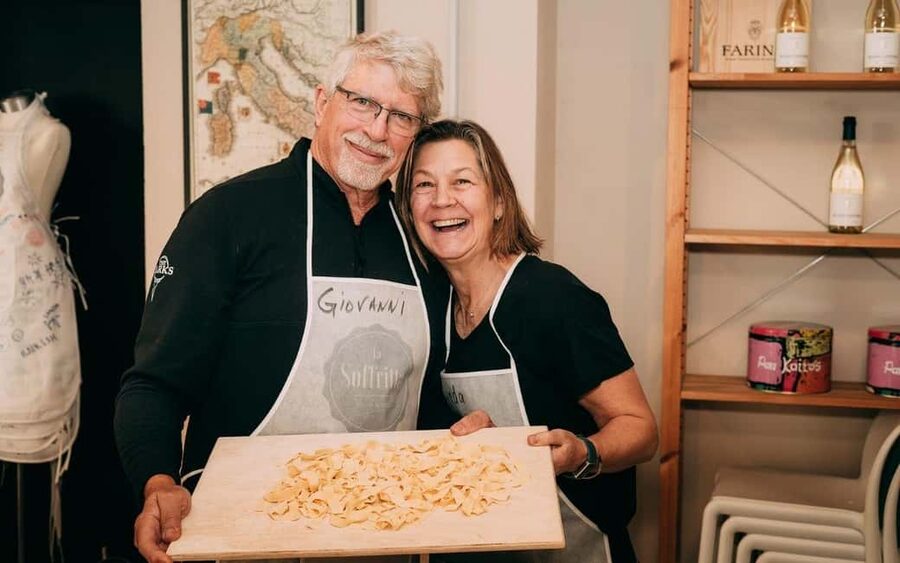
Verona’s best souvenir may be a recipe you can actually use. In this hands-on class, you work with fresh ingredients, make pasta from scratch, prepare risotto with local rice, and finish with tiramisù before sitting down to eat what you made. The cooking is simple, practical, and tied to the Italian habit of letting good ingredients do the work.
I especially like the small group of no more than 10, which gives you room to ask questions and get help at the stove. I also like the balance of instruction and lunch: you are not simply watching a chef perform, then leaving hungry. You cook, eat, share wine, and take home recipes for another round in your own kitchen.
The main consideration is the three-and-a-half-hour length. This is not a quick pasta demonstration squeezed between Verona’s Arena and a museum visit. It takes a good part of your day, and some areas may be difficult for people with reduced mobility. Children under 14 cannot join.
Key Points to Know Before You Book
- You make three Italian staples: Fresh pasta, risotto with local rice, and tiramisù form the core of the class.
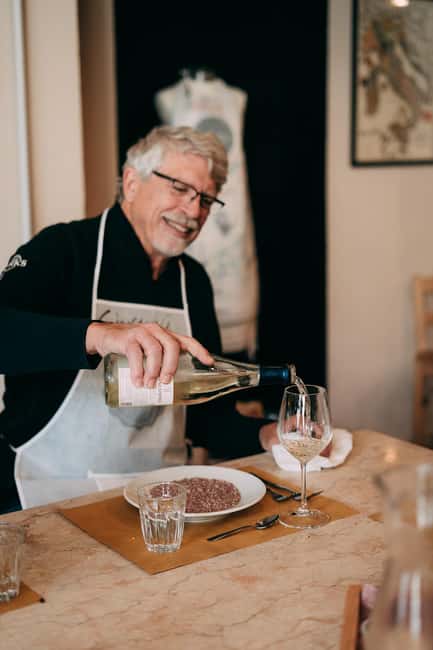
- The meal is part of the lesson: You eat the food you prepare, with lunch and Valpolicella wine included.
- The teaching feels personal: Chefs such as Cristina and Laura explain family methods, kitchen tricks, and regional differences.
- The group stays small: A maximum of 10 participants makes it easier to work directly with the chef.
- Dietary needs can be handled: Vegetarian, gluten-free, and lactose-intolerant requests are accepted when reported in advance.
- Plan around a real time commitment: Allow 3.5 hours, plus time to reach the theater meeting point.
Fresh Pasta, Risotto, and Tiramisù in One Class
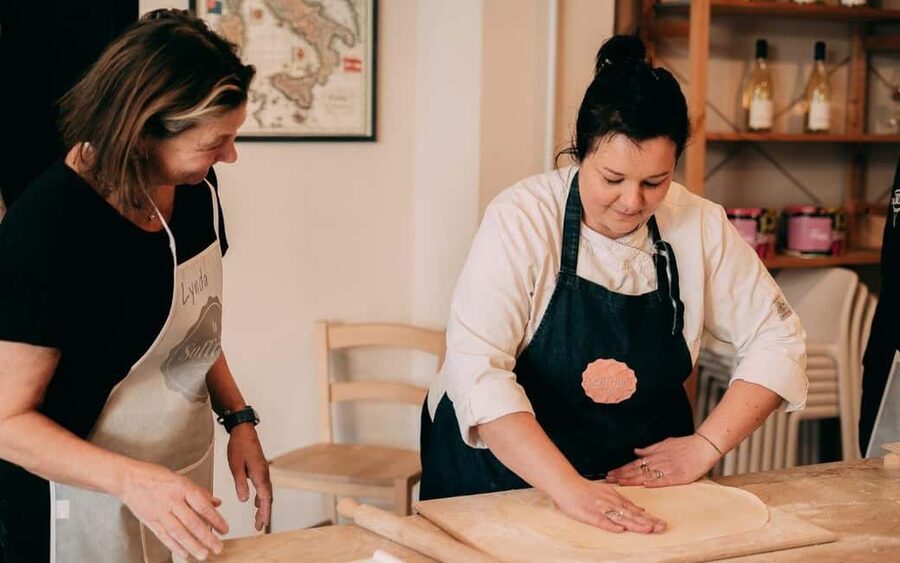
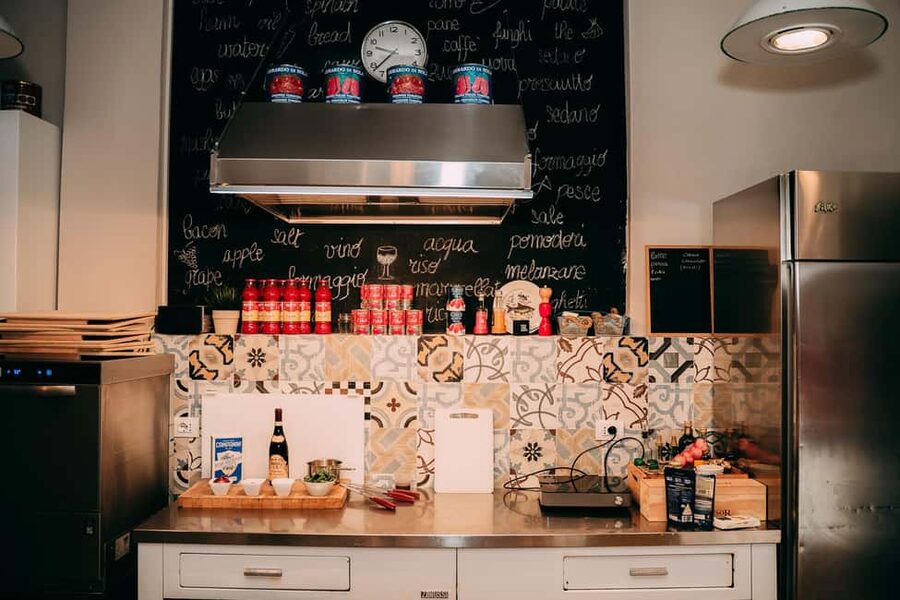
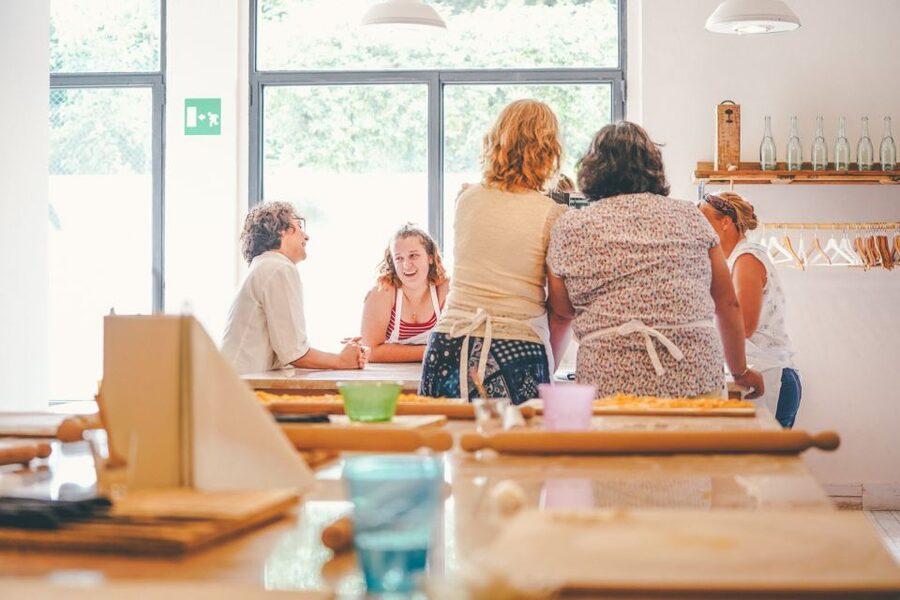
The class takes place in Verona’s historic heart, beginning at a theater where your guide waits with a yellow sign marked tour. From there, you enter a professional kitchen and get to work. Hotel pickup is not included, so you need to make your own way to the meeting point.
The class focuses on an uncomplicated Italian approach. Fresh, high-quality ingredients matter more than fancy equipment or complicated methods. That makes this useful for home cooks. You are learning a set of habits, not just copying a recipe for one afternoon.
The exact order can vary, but the class covers fresh pasta, risotto made with local rice, and tiramisù. Some sessions also begin with bruschetta. The instructors explain each stage, demonstrate the technique, and then let you take part. This is active cooking, not a seat-and-watch presentation.
That difference matters. You get flour on your hands, learn how the dough should feel, and see how a dish changes as it cooks. If you ask questions, the small group gives the chef time to answer them instead of rushing through a standard speech.
More Pasta Making Classes in Italy:
- Florence: Pasta Cooking Class with Unlimited Wine
★ 4.9 · 10,285 reviews - 3 in 1 Cooking Class near Navona: Fettuccine, Ravioli & Tiramisu
★ 5.0 · 7,376 reviews - Florence: Pasta & Tiramisu Cooking Class with Unlimited Wine
★ 4.9 · 6,708 reviews
Making Pasta the Italian Way
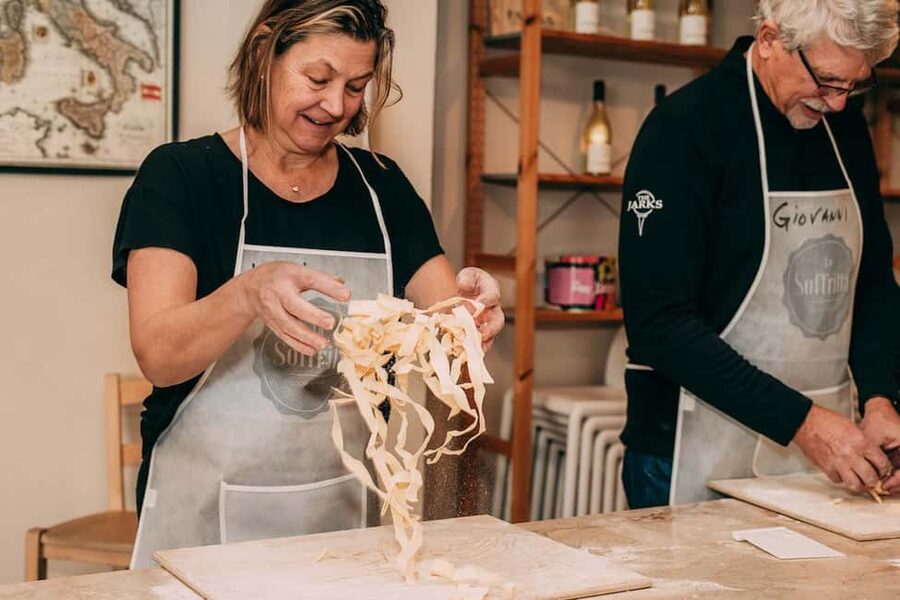
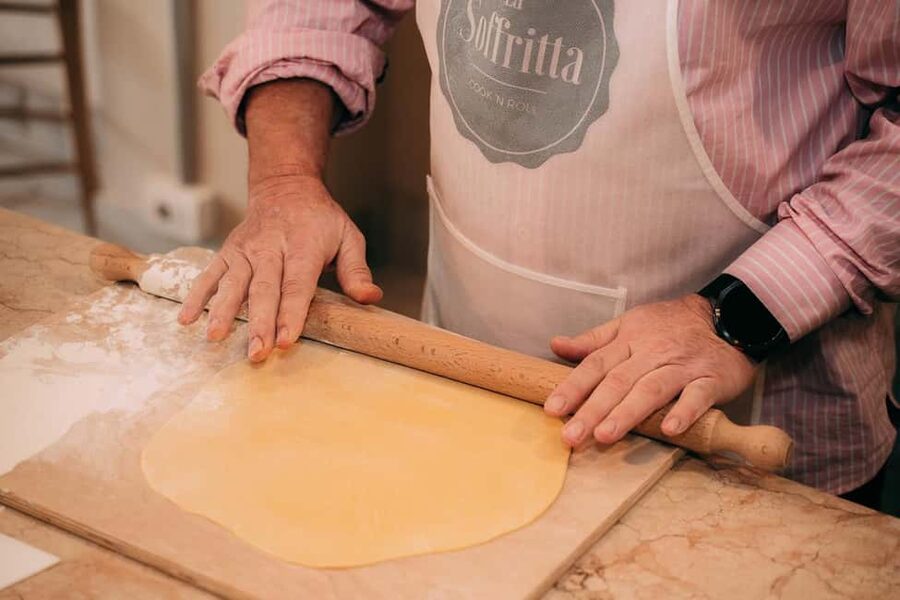
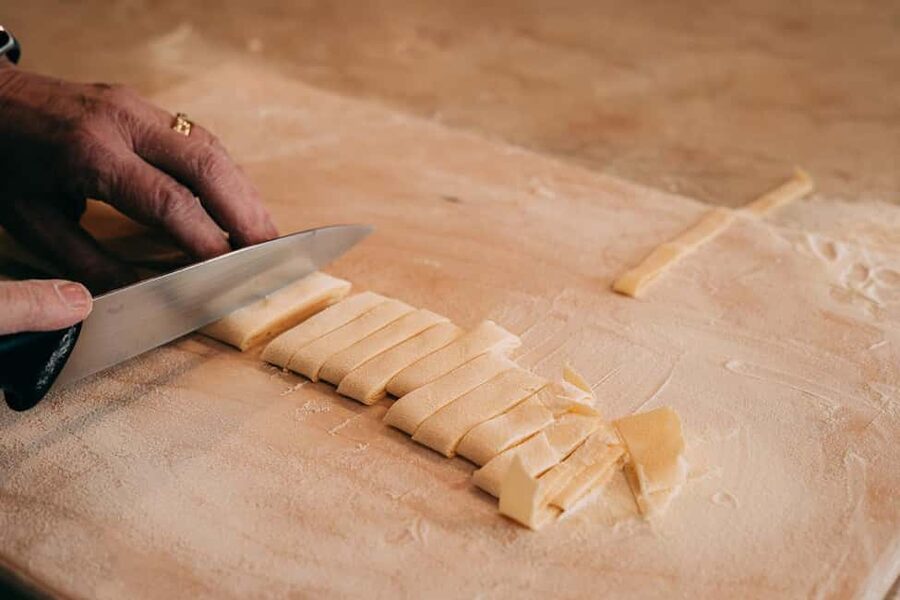
Fresh pasta is the most hands-on part of the class. You learn the basic process of turning simple ingredients into dough, then work through the steps needed to shape and cook it. The emphasis is on technique you can repeat at home.
The cooking team explains practical details, such as how to handle the dough and how to judge the right texture. These are the little points that cookbooks often describe in one sentence but that make a big difference in practice.
You should not expect a professional pasta factory or a long lesson on every shape found across Italy. The value is more direct: you make a classic dish with guidance, then eat it soon afterward. Several instructors, including Cristina and Laura, are praised for giving clear explanations and personal tips rather than simply telling you to follow instructions.
The recipe materials let you continue the lesson after Verona. You receive a recipe book, and some sessions provide a QR code with the recipes. That is a practical touch, especially if you are unlikely to remember exact quantities after a full meal and a couple of glasses of wine.
Risotto with Local Rice
Risotto gives the class a second kind of cooking lesson. Pasta teaches you about dough and shaping. Risotto teaches you about timing, texture, and patience.
The dish uses local rice, adding a connection to Veneto cooking. The chef explains the method and helps you judge when the rice is ready. This is useful even if risotto has never been your favorite dish. One participant who usually disliked risotto came away eager to make it at home, which tells you that the cooking method is part of the appeal.
Some groups prepare vegetable risotto. The precise ingredients can change, so do not book this expecting one fixed recipe every time. What remains consistent is the chance to learn the basic approach and pick up tips for future risotto dishes.
This part also shows why the class is more than a meal. You are not just told that Italian food uses simple ingredients. You see how careful cooking brings out their flavor. The dish depends less on a long ingredient list than on doing a few steps properly.
Tiramisù, the Sweet Finish
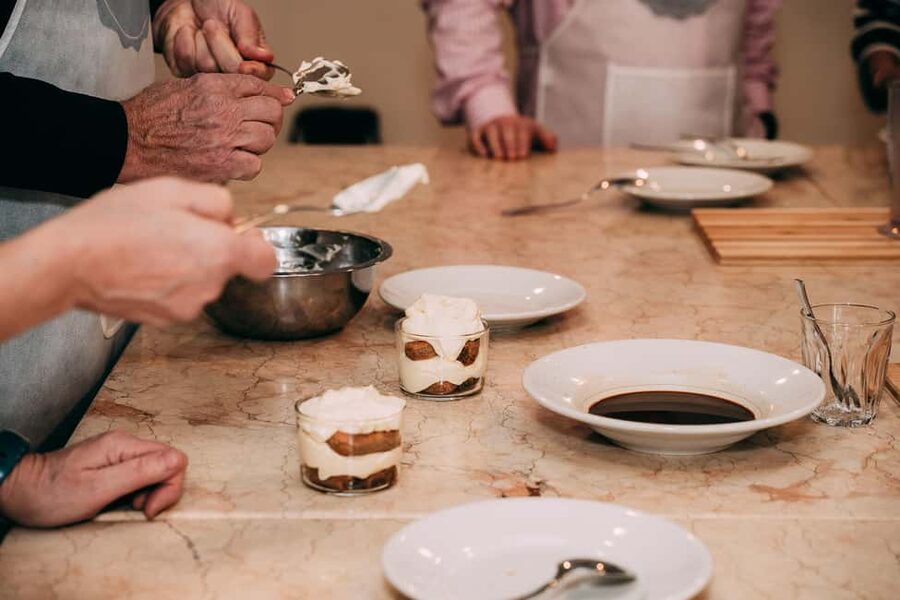
Tiramisù is likely to be the crowd favorite, and the class gives you a chance to prepare it instead of simply ordering it at a restaurant. You learn the method from the chef, assemble the dessert, and let it come together while the savory dishes are prepared.
The dessert is a good fit for a group class because it involves clear stages and does not require advanced pastry skills. The instructors guide you through the process and answer questions as you work. You then finish the meal with the tiramisù you helped make.
Several people singled out the dessert as the best tiramisù they had eaten. That is personal taste, of course, but it points to one benefit of learning the dish in Verona: you see how the chef handles each part and can ask about technique immediately.
The class does not present Italian food as difficult or mysterious. Instead, it shows you how a few familiar ingredients can become a satisfying dessert when the proportions and method are right.
More Dessert Classes in Italy:
- Rome: Pasta Making Class with Wine, Limoncello, and Dessert
★ 4.9 · 3,177 reviews - Rome: 3-in-1 Fettuccine, Ravioli, and Tiramisu Cooking Class
★ 4.9 · 2,704 reviews - Florence: Cooking Class Pasta & Tiramisu Making Unlimited Wine
★ 5.0 · 2,234 reviews - Fettuccine & Tiramisù: Cooking Class with Wine & Limoncello
★ 4.9 · 2,103 reviews
A Shared Lunch with Valpolicella Wine
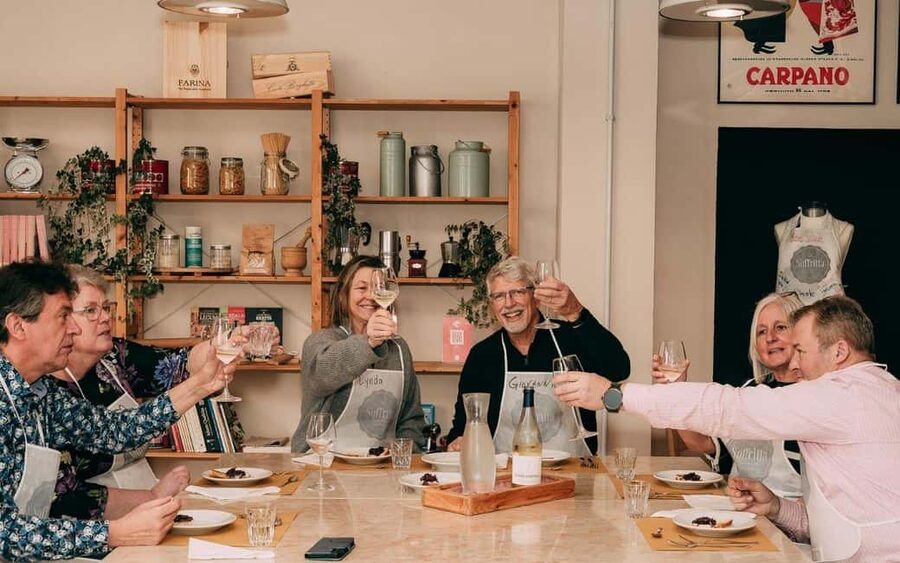
Once the cooking is finished, everyone sits down to eat. Lunch is included, along with local Valpolicella wine. The meal may include a starter such as bruschetta, followed by risotto, pasta, and tiramisù, depending on the session.
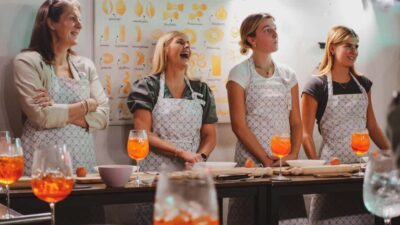
This shared table is a major part of the experience. You meet people from different countries, compare your cooking efforts, and get a chance to relax after working in the kitchen. The food is not an extra charge or a rushed sample. It is the result of the work you have just completed.
The wine adds to the meal, though this is not a wine-tasting tour. The information provided specifies lunch with wine and feedback points to two glasses per person in at least one session. If you want a detailed lesson in Valpolicella wines, choose a dedicated wine experience instead.
I like this format because it gives the class a natural ending. You do not leave immediately after the final instruction. You sit down, eat, and enjoy the social side of Italian cooking. Still, anyone who prefers a quiet, private meal should know that the shared table is part of the plan.
The Chefs Make the Difference
The teaching team can vary, but several names appear in the experience: Cristina, Laura, Krista, and Silvia. Cristina is praised for her English, enthusiasm, and practical cooking advice. Laura is described as patient and warm, with family cooking traditions learned from her grandmother and relatives. Krista and Silvia are noted for being friendly, clear, and fun.
Those details matter because a cooking class rises or falls on the instructor. A recipe can be downloaded anywhere. What you are paying for is the help that comes when dough feels wrong, rice needs more time, or you are unsure what to do next.
The instructors use humor and encouragement while keeping the class moving. They also make room for questions. One parent appreciated the extra attention given to a 15-year-old participant, while another group found the chefs especially careful with a celiac diner and cross-contamination concerns.
The class is taught in English. You do not need to be an expert cook. The structure is designed for ordinary people who want to learn, and the chef guides you through each stage.
Who Will Get the Most from This Verona Class?
This is a strong choice for couples, families with older teenagers, and solo visitors who enjoy meeting people over food. It works well for mixed skill levels because each person can take part at a comfortable pace.
Children under 14 cannot attend. Minors who are allowed to join must be accompanied by an adult, so check the age rules carefully if you are planning a family activity. The class is not suitable for wheelchair users, and some parts may be difficult for people with reduced mobility or another disability. Contact the provider if you are unsure about your own needs.
You should also tell the operator about allergies or dietary restrictions before the class. Vegetarian, gluten-free, and lactose-intolerant diets can be catered for, but the kitchen needs advance notice. This is especially important for celiac diners, since avoiding cross-contamination requires preparation rather than a last-minute request.
The class runs rain or shine. That is helpful on a wet Verona day, but it also means you should not treat the activity as a weather backup that can be canceled at the door.
Is $107.62 a Fair Price?
At $107.62 per person, this is not the cheapest meal in Verona. It can still be good value if you want instruction and a full lunch rather than just another restaurant table.
The fee includes a professional chef, ingredients, apron use, lunch, wine, and recipes. You also receive three substantial lessons in one session: pasta, risotto, and tiramisù. Add the social setting and the chance to recreate the dishes later, and the price begins to make more sense.
Value depends on what you want from your day. If your priority is a low-cost meal, spend the money at a local trattoria instead. If you want a practical activity that combines food, company, and a skill you can take home, the cost is easier to justify.
The maximum group size of 10 helps protect that value. You are not paying for a private chef, but you are also not disappearing into a crowd. The best sessions may have only a few participants, though the minimum needed to operate is two people.
Timing, Meeting Point, and Booking Details
Allow the full three and a half hours. Check the available starting times before booking, then build in enough time to reach the theater meeting point. Look for the guide holding the yellow sign with tour written on it.
The activity ends back at the meeting point. There is no hotel pickup or drop-off, so transportation to and from the class is your responsibility.
You can reserve now and pay later, which helps if your Verona schedule is still changing. Cancellation is free up to 24 hours before the activity for a full refund. Those policies are useful, but the bigger planning point is timing: do not place this class directly before a fixed museum entry or train departure.
Practical Tips for a Better Class
Tell the operator about food allergies and dietary restrictions as soon as you book. Do not wait until you arrive, especially if you need gluten-free preparation or want the kitchen to avoid cross-contamination.
Wear something comfortable for several hours of cooking. An apron is provided, but the class still involves active preparation, standing, and shared kitchen work.
Come ready to participate. You will get more from the session if you ask how the pasta dough should feel, why the risotto needs a certain cooking rhythm, or how to adjust the recipes at home.
Keep your recipe materials. The point of this class is not only to enjoy lunch in Verona. It is to give you enough confidence to make the dishes again. A recipe book or QR code is far more useful than another holiday photograph when you want to recreate the meal months later.
Should You Book This Cooking Class?
Book it if you want a social, hands-on food experience with a proper meal at the end. The best reasons are the small group, the patient English-speaking chefs, and the mix of pasta, risotto, and tiramisù in one session. Cristina, Laura, Krista, and Silvia each bring a personal teaching style, but the common thread is clear instruction and plenty of encouragement.
Skip it if you want a short activity, a private lesson, or a dedicated wine tour. Three and a half hours is a serious block of time, and the class is not suitable for children under 14 or wheelchair users.
For most food-loving visitors, this is one of the more useful ways to spend part of a Verona day. You eat well, learn techniques that travel home with you, and leave with more than a full stomach.
FAQ
How long does the Verona cooking class last?
The class lasts 3.5 hours. Check the available dates and starting times when booking.
What dishes will I make?
The class teaches fresh pasta, risotto made with local rice, and tiramisù. Some sessions also include bruschetta.
Is lunch included?
Yes. You eat the meal prepared during the class, and lunch with Valpolicella wine is included.
Is the class taught in English?
Yes. The instructor language is English.
How many people can join the class?
The class is limited to 10 participants. At least two participants are required for the activity to operate.
Can dietary restrictions be accommodated?
Vegetarian, gluten-free, and lactose-intolerant requirements can be catered for. Inform the tour operator about allergies or food intolerances in advance.
Can children attend?
Children under 14 cannot join. Minors who meet the age requirement must be accompanied by an adult.
More Hands-On Workshops in Italy
- Florence: Pasta Cooking Class with Unlimited Wine
★ 5.0 · 6,413 reviews - Naples: Pizza-Making Workshop with Drink and Appetizer
★ 4.9 · 5,411 reviews - Cooking Class and Lunch at a Tuscan Farmhouse with Local Market Tour from Florence
★ 5.0 · 4,831 reviews - Authentic Pizza Making Class in Naples with Appetizers and Drink
★ 5.0 · 3,178 reviews
Just added around Italy
- Verona: Pasta and Tiramisu Cooking Class with Fine Wine★ 4.8 · 633 reviews
- Siena: Small group Cooking Class in Chianti Farmhouse★ 5.0 · 162 reviews
- Cagliari Cooking Class: Sardinian Ravioli, Wine & Local Flavors★ 5.0 · 20 reviews
- Alghero Home Cooking Pasta Class at a Farmhouse with Wine★ 5.0 · 130 reviews
- 3-hour Tuscan Cooking Class with Wine & Oil Tasting★ 4.5 · 36 reviews
- Italian Cooking Class and Wine Tasting in Tuscany★ 5.0 · 30 reviews
- Truffle Hunting and Cooking Class★ 4.5 · 26 reviews
- Cooking Class in a Secret Courtyard – Culurgiones (Sardinian Pasta)★ 4.5 · 55 reviews
Pasta Making Classes, compared.
Florence: Pasta Cooking Class with Unlimited Wine
Read our review →
3 in 1 Cooking Class near Navona: Fettuccine, Ravioli & Tiramisu
Read our review →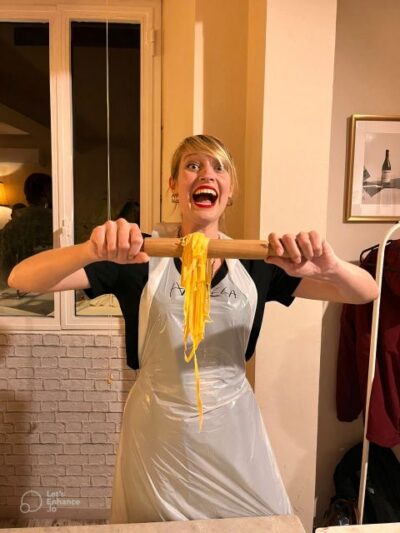
Rome: Pasta Making Class with Wine, Limoncello, and Dessert
Read our review →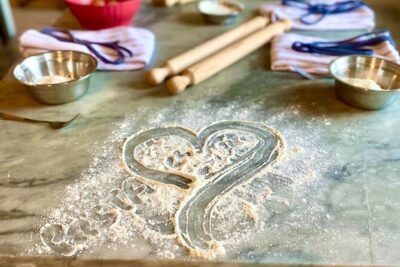
Rome Cooking Class: Make Pasta and 3 Spritz Cocktails
Read our review →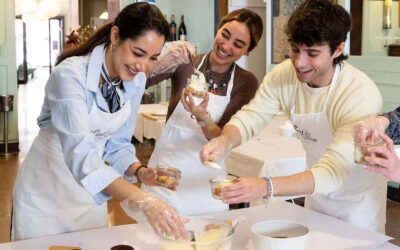
Rome: 3-in-1 Fettuccine, Ravioli, and Tiramisu Cooking Class
Read our review →
Rome: Fettuccine Pasta Cooking Class in Rome’s City Center
Read our review →Browse the lists this tour appears in