Review · ITALY
Traditional Pasta Making Class in Parma
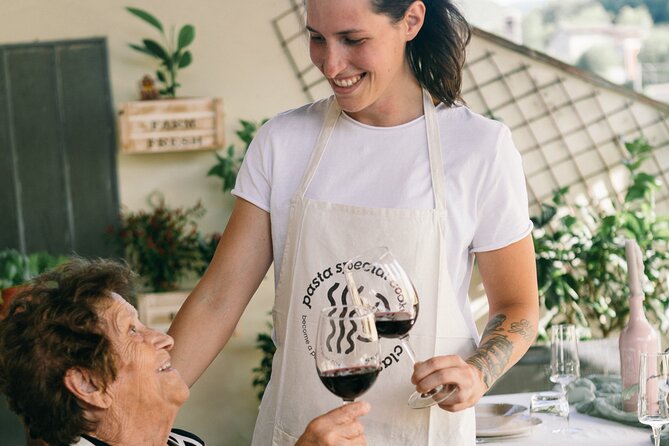
Parma’s best food lesson starts with a sheet of dough. In about two hours, you’ll turn flour and eggs into tagliatelle and ravioli, then either take your pasta home or sit down to eat it with local specialties. The cooking is hands-on, not a demonstration from the sidelines.
I like the small maximum of 12 people, which gives the class a more personal feel. I also like the choice between a practical cooking-only session and a fuller meal with an aperitif, truffle sauce, fresh truffle, wine, and tiramisu. The main consideration is that the class may be moved from central Parma to Calestano in the countryside, so confirm the meeting details before setting out.
Key Points
- Make two classic pastas: Prepare tagliatelle and handmade ravioli from scratch.
- Choose your format: Take home the pasta you make, or add a tasting and relaxed meal.
- Taste Parma’s flavors: The tasting menu includes an Italian aperitif, fresh truffle pasta, local products, and tiramisu.
- Small-group setting: The class accepts a maximum of 12 people.
- Central meeting point: The stated starting address is Borgo Scacchini 7 in central Parma, though a countryside relocation has occurred.
- Flexible booking protection: Cancel at least 24 hours before the start for a full refund.
Why Pasta Makes Sense in Parma
Parma is one of Italy’s great food cities, and fresh pasta gives you a useful way to understand it. You are not only eating a finished dish. You are handling the dough, learning how it changes under your hands, and seeing how a few simple ingredients become several different shapes.
That matters in a place like Parma, where food is part of daily life rather than just a restaurant performance. A pasta class also gives you something to do between visits to churches, museums, and food shops. It breaks up sightseeing with a practical activity and leaves you with a skill you can use at home.
The class is offered in English, so you do not need Italian to follow the basic instruction. The activity is designed for participation, not for watching a chef work alone. You should expect to spend much of the session preparing pasta alongside the instructor and the rest of the group.
More Pasta Making Classes in Italy:
- Florence: Pasta Cooking Class with Unlimited Wine
★ 4.9 · 10,285 reviews - 3 in 1 Cooking Class near Navona: Fettuccine, Ravioli & Tiramisu
★ 5.0 · 7,376 reviews - Florence: Pasta & Tiramisu Cooking Class with Unlimited Wine
★ 4.9 · 6,708 reviews
Meeting at Borgo Scacchini 7
The stated starting point is Borgo Scacchini 7, 43121 Parma, in the heart of the city. That is a handy setup if you are already exploring central Parma and want to walk to the class rather than arrange a separate excursion.
There is one important practical wrinkle. The class has been relocated to Calestano in the Parma countryside before. That change added a pleasant rural setting, but it also changed the transport question. If your confirmation gives Calestano instead of Borgo Scacchini, do not assume you can simply walk from central Parma.
Check the final address and start time before the day of the class. The booking includes a mobile ticket, and confirmation is sent at the time of booking. The activity ends at its starting point, though the start point may depend on the final arrangements for your date.
Public transportation is listed as nearby for the activity. The information does not specify a private transfer, pickup service, or exact route to a countryside venue, so you should plan only from the confirmed address.
Rolling Dough Into Tagliatelle and Ravioli
The central part of the class is the pasta-making itself. You will prepare fresh pasta from scratch and shape more than one kind. Tagliatelle gives you the long, familiar ribbons found across northern Italy, while ravioli adds the extra work of filling and sealing individual pieces.
Ravioli are especially useful for learning because the shape requires care. You need enough filling to make each piece satisfying, but not so much that the pasta will not close. Sealing the edges also shows why fresh pasta needs the right texture and handling.
The supplied experience details do not list the exact dough recipe, class-by-class sequence, or filling ingredients. They do specify that the ravioli use carefully selected seasonal ingredients. That means the contents may change with availability, so you should expect a local and seasonal approach rather than one fixed recipe promised all year.
The lesson is a good fit if you like doing rather than simply tasting. It may be less appealing if you want a polished restaurant meal with very little activity. This is a working class first, even when you choose the tasting option.
The Cooking-Only Option
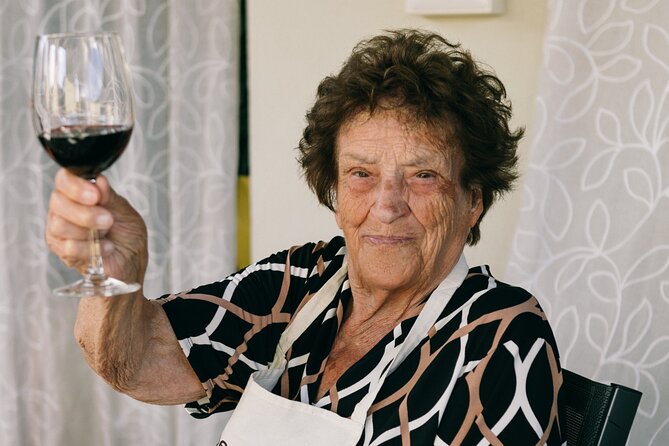
The cooking-only version focuses on the practical lesson. You make the pasta with the group and take home what you have prepared together. That makes this option useful if your accommodation has a kitchen, if you are trying to keep the rest of the day flexible, or if you care more about the technique than a long meal.
Taking the pasta with you also gives the class a clear souvenir. Instead of another small food purchase, you leave with something you made in Parma. You will need to consider how to carry or prepare it afterward, since the supplied information does not explain packaging, storage, or cooking instructions.
This choice may also suit people who have a full dinner planned. At around two hours, the lesson itself is compact, and skipping the tasting can leave you free to continue sightseeing. Check the exact departure time and selected option when booking, since the activity description presents the class-only and tasting versions as separate choices.
More Hands-On Workshops in Italy:
- Florence: Pasta Cooking Class with Unlimited Wine
★ 5.0 · 6,413 reviews - Naples: Pizza-Making Workshop with Drink and Appetizer
★ 4.9 · 5,411 reviews - Cooking Class and Lunch at a Tuscan Farmhouse with Local Market Tour from Florence
★ 5.0 · 4,831 reviews - Authentic Pizza Making Class in Naples with Appetizers and Drink
★ 5.0 · 3,178 reviews
The Tasting Option and Its Parma Flavors
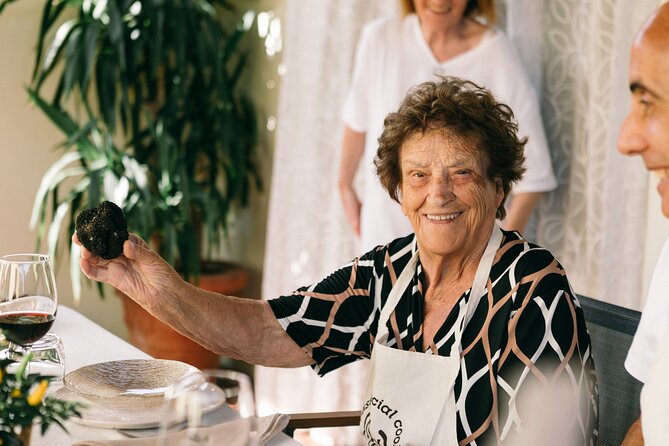
The tasting version turns the lesson into a small meal. The sample menu begins with an Italian aperitif, with several dishes prepared by the host. This gives you a chance to try more than the pasta you made and adds a social pause after the hands-on work.
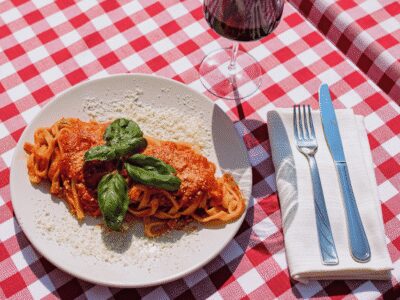
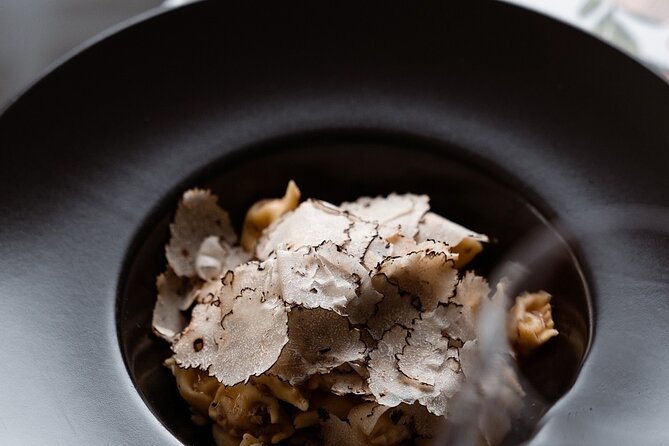
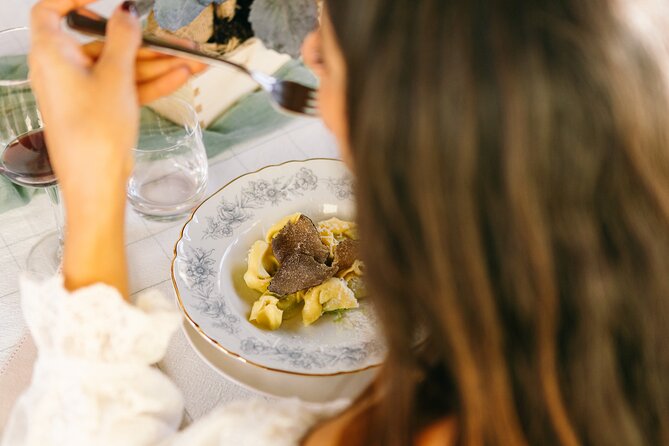
The main course is your fresh pasta, served with truffle sauce and fresh truffle. That is a more special finish than a basic butter or tomato dressing, and it gives the meal a clear connection to the food culture of the Parma area. The pasta you shape in class becomes the centerpiece of the meal, so you get to see the result almost immediately.
Dessert is homemade tiramisu. The menu specifically describes it as made by the host, which keeps the meal rooted in the same home-cooking spirit as the class. A glass of wine is also included with the tasting version, along with local products.
The exact menu can vary, especially since the ravioli filling is tied to seasonal ingredients. Treat the listed dishes as a guide to the style of the meal rather than a promise that every item will appear in exactly the same form.
A Small Group, With Room to Learn
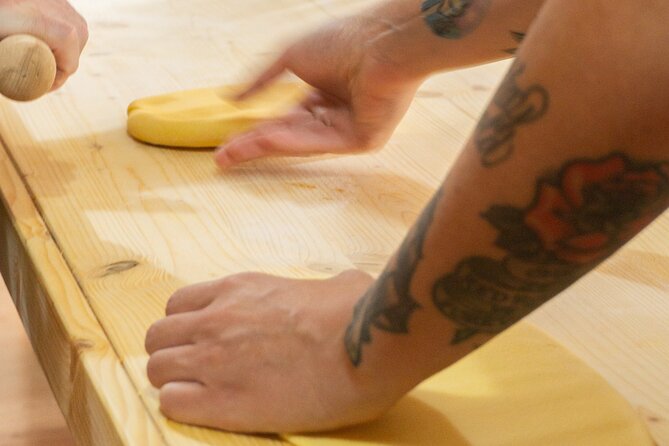
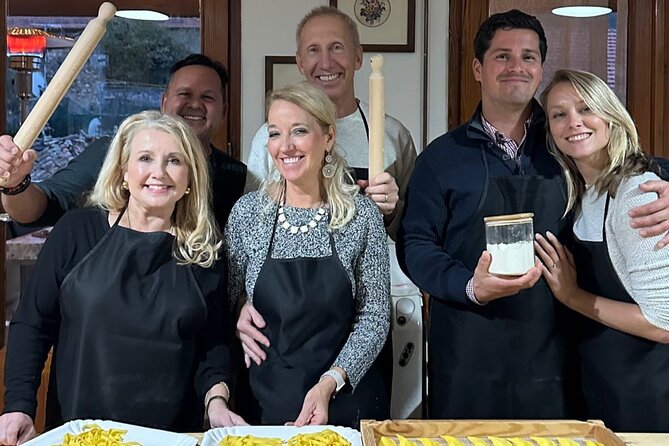
The maximum group size is 12 people. That is not a private lesson, but it is small enough to feel more manageable than a large cooking school. You should have a better chance to see the work, ask for help, and keep up with the pace.
Small groups matter most during shaping and sealing. Dough can become sticky, too dry, too thick, or too thin, and a little correction at the right moment is useful. With 12 people or fewer, the instructor can likely keep the group moving without turning the session into a crowded production line.
No individual instructor name is provided, so you cannot choose the class based on a particular chef. The activity is offered in English, which is the key language detail for booking. The focus is on the food and the shared work rather than on a formal culinary qualification.
The class is also listed as allowing service animals and being near public transportation. Those details may help with planning, but the provided information does not give a full accessibility description for the cooking area. If you need specific support with standing, seating, kitchen access, or equipment, ask the provider before reserving.
The Possible Move to Calestano
The central Parma address is convenient, but you should keep the Calestano possibility in mind. A past move placed the activity in the Parma countryside, where the setting offered open-air appeal and a more rural feel. That can make the outing more memorable, particularly if you enjoy seeing a quieter side of the area.
There is a trade-off. The countryside location may require more planning than a class in central Parma. It can affect taxi costs, public transport, and the amount of time you need around the two-hour session. The available information does not state that transportation is provided to Calestano.
For that reason, treat the meeting address as an important part of the booking, not a minor detail. Read the confirmation as soon as it arrives. If the location changes, adjust your day instead of trying to fit the class into a tight schedule between central Parma attractions.
Is $71.35 a Fair Price?
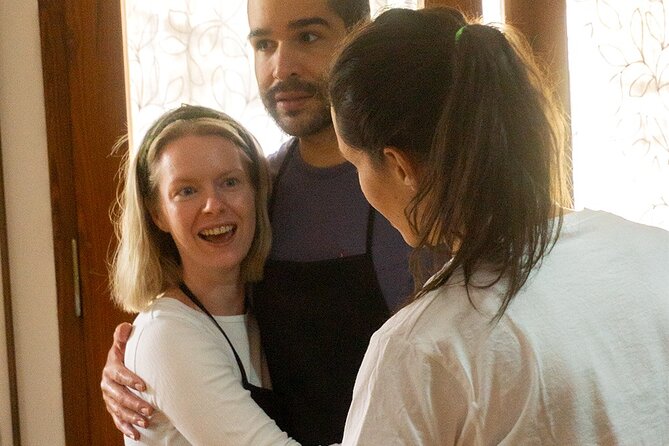
At $71.35 per person, the value depends on which version you choose. The cooking-only option gives you an English-language lesson, hands-on preparation, and the pasta you make. For someone interested in learning a regional food skill, that can be a fair use of two hours, especially compared with paying for a meal that teaches you nothing about its preparation.
The tasting option offers more. You receive the class, an aperitif, local products, fresh pasta with truffle sauce and fresh truffle, a glass of wine, and homemade tiramisu. If all of those elements are included in your selected booking, the price is easier to justify as both a lesson and a meal.
I would compare it with your plans for the day. If you already have a carefully chosen Parma lunch and a cooking lesson feels secondary, the class-only format may be enough. If you want one organized food experience that combines making and eating, the tasting version offers stronger value.
The small group also matters. You are not paying for a large public demonstration where your role is limited. You are paying for time at the worktable, personal practice, and the chance to eat what you made.
Who Will Enjoy This Class Most?
I would recommend the experience to people who want food to be an active part of their Parma visit. It suits couples, families, friends, and solo visitors who enjoy learning through their hands. The English format makes it easier to follow, and the group size keeps the activity from feeling like a mass event.
It is particularly good for anyone who likes regional cooking and wants more than a standard restaurant meal. The tagliatelle and ravioli give you two different pasta projects, while the tasting version adds enough food to make the class feel like a complete outing.
The cooking-only choice is practical for people with access to a kitchen afterward. The tasting choice is better for anyone who wants to sit down, raise a glass of wine, and finish with tiramisu without planning another meal right away.
I would hesitate to book it for a person who dislikes group activities, cannot comfortably take part in kitchen work, or has a very tight schedule that cannot absorb a possible move to Calestano. The class lasts about two hours, but transport to a countryside venue could make the total commitment longer.
Booking and Cancellation Details
You receive confirmation when you book, and the ticket can be used on a mobile device. The activity is often reserved about 20 days ahead, so popular dates may need planning rather than a last-minute decision.
Free cancellation applies if you cancel at least 24 hours before the experience’s local start time. Inside that 24-hour window, the amount paid is not refunded, and changes are not accepted. The activity also requires a minimum number of participants. If that minimum is not met and the class is canceled, you will be offered another date or experience, or receive a full refund.
The provider is Pasta Special Cooking Class. Before you set out, check the confirmation for the exact address, selected class format, and any updated meeting instructions.
Should You Book the Pasta Class?
Book this if you want to connect Parma’s food traditions with a real skill. The strongest reasons are the hands-on work, the choice of two pasta shapes, the small group, and the option to turn the lesson into a meal with truffle pasta, wine, local bites, and tiramisu.
Choose the cooking-only version if you value practice and want to take your pasta with you. Choose the tasting version if you want a social food experience and consider the meal part of the value.
My main advice is simple: confirm the location before the day. A central Parma class is easy to fit into sightseeing, while Calestano requires more transport planning. If you are comfortable with that possibility, this is a warm, practical way to spend two hours in Parma, with something useful to eat and make at the end.
FAQ
Where does the pasta-making class start?
The stated meeting point is Borgo Scacchini 7, 43121 Parma PR, Italy. A past session was relocated to Calestano in the Parma countryside, so check your confirmation for the address on your date.
Where does the activity end?
The activity ends back at the meeting point.
How long does the experience last?
The class lasts approximately two hours.
Is the class offered in English?
Yes. The experience is offered in English.
How many people can join the class?
The activity has a maximum of 12 participants.
What types of pasta will I make?
You will prepare fresh pasta, including tagliatelle and handmade ravioli.
Can I choose a cooking-only option?
Yes. The cooking-only option focuses on making pasta, and you take home the pasta made during the class.
What is included in the tasting option?
The tasting option includes local products, an Italian aperitif, a glass of wine, fresh pasta with truffle sauce and fresh truffle, and homemade tiramisu.
Is public transportation available near the activity?
The experience is listed as being near public transportation. Specific routes are not provided.
Can I cancel for a full refund?
Yes, if you cancel at least 24 hours before the local start time. Cancellations made less than 24 hours before the start are not refunded, and changes inside that period are not accepted.
Just added around Italy
- Cooking class in Umbria in any location AT YOUR PRIVATE VILLA★ 4.5 · 13 reviews
- Small Group Market tour and Cooking class in Parma★ 4.5 · 10 reviews
- Private Cooking Class in Wonderful Villa With Lunch or Dinner (Parma)★ 5.0 · 8 reviews
- Private cooking class at a local’s home with lunch or dinner in Parma★ 5.0 · 8 reviews
- Private pasta-making class at a Cesarina’s home with tasting in Parma★ 5.0 · 7 reviews
- Pasta, Truffle and Wine: hands-on class in a medieval town★ 5.0 · 95 reviews
- Authentic Sicilian Cooking Class in Palermo★ 5.0 · 33 reviews
- Sicilian Cooking Class in Palermo – Private Option★ 5.0 · 3 reviews
Pasta Making Classes, compared.
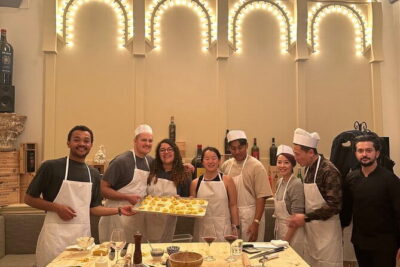
Florence: Pasta Cooking Class with Unlimited Wine
Read our review →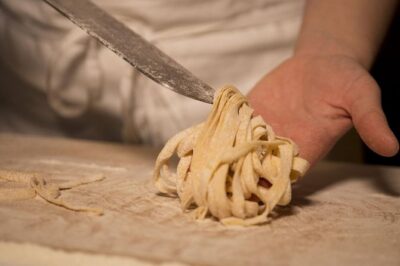
3 in 1 Cooking Class near Navona: Fettuccine, Ravioli & Tiramisu
Read our review →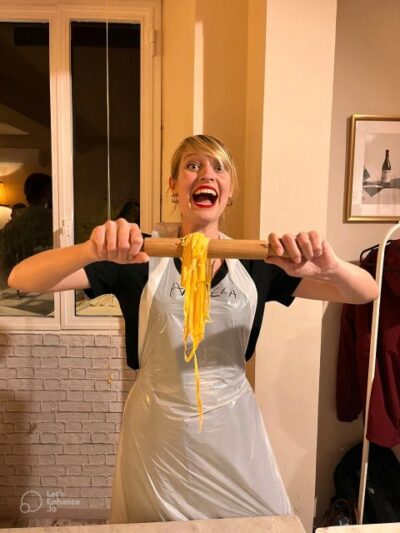
Rome: Pasta Making Class with Wine, Limoncello, and Dessert
Read our review →
Rome Cooking Class: Make Pasta and 3 Spritz Cocktails
Read our review →
Rome: 3-in-1 Fettuccine, Ravioli, and Tiramisu Cooking Class
Read our review →