Review · ITALY
Pasta Cooking class in Pompeii
Pompeii’s best food experience may happen away from the ruins, in Sabrina’s family home and garden. You’ll start with produce from the land, then learn to make pasta with flour, eggs, and the hands-on methods passed down through her family. The meal is part of the lesson, not an afterthought.
I like the small group size, capped at 10, and the personal touch of meeting Sabrina’s family, including her husband, children, and Gary the cat. I also like that you eat what you make, from ravioli or fettuccine to a homemade dessert. The main consideration is transport: the class meets at Via Messigno, outside the central archaeological site, and a transfer is not included unless you arrange one separately.
Key points to know before booking
- Family recipes in a private home: Sabrina teaches the pasta methods handed down by her mother and grandmother.
- Garden-to-table setting: Begin with seasonal vegetables from the garden before moving into the kitchen.
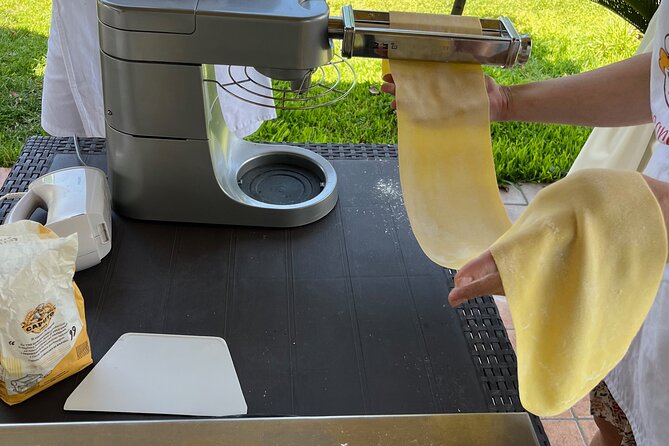
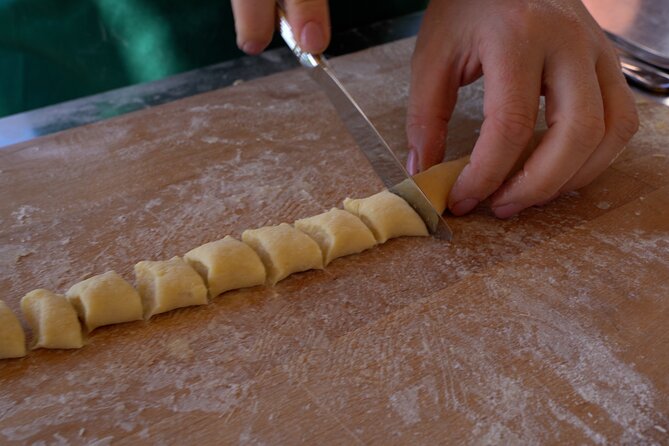
- Hands-on pasta making: Learn to mix and judge the dough, use a pasta machine, and shape ravioli and fettuccine.
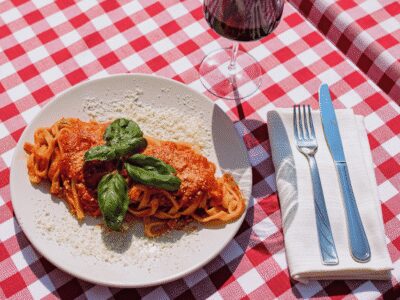
- A full meal is included: The menu features bruschetta, fresh pasta, and a homemade sweet.
- Wine and local connections: Gragnano wine from Sabrina’s uncle’s vineyard may accompany the meal.
- Small-group format: The experience allows no more than 10 people and requires at least two participants.
A home kitchen instead of another Pompeii queue
Pompeii is famous for its ancient streets, painted villas, and crowds moving through the ruins. This cooking class offers a very different side of the town. You enter a family home, walk through a small garden, and spend time around a kitchen table rather than another museum display.
That change of pace matters. After a morning among temples and volcanic stone, three hours of cooking gives you a way to connect with modern Campania. You are not only looking at the region’s past. You are handling its flour, eggs, vegetables, pasta, wine, and family customs.
Sabrina is the host, and the experience is shaped around her family’s recipes. The tone is informal and personal. You may meet her husband and children, and the family cat, Gary, has also made an appearance during the class. That detail tells you what kind of setting to expect: this is a working family home, not a polished culinary school with a large commercial kitchen.
That can be a major advantage if you want warmth and local contact. It also means you should not expect a formal demonstration with a fixed, restaurant-style script. The appeal lies in learning directly from Sabrina and eating together afterward.
More Pasta Making Classes in Italy:
- Florence: Pasta Cooking Class with Unlimited Wine
★ 4.9 · 10,285 reviews - 3 in 1 Cooking Class near Navona: Fettuccine, Ravioli & Tiramisu
★ 5.0 · 7,376 reviews - Florence: Pasta & Tiramisu Cooking Class with Unlimited Wine
★ 4.9 · 6,708 reviews
From garden vegetables to the first plate
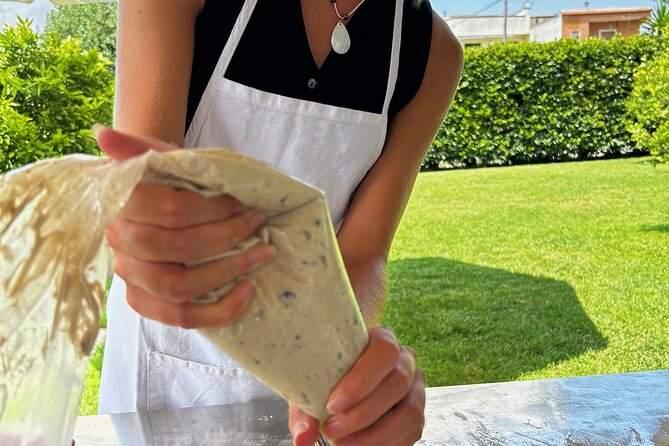
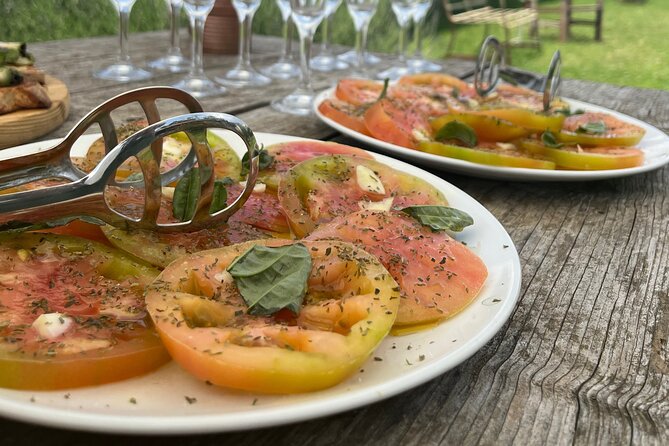
The class begins in the garden at Via Messigno, 132, in Pompeii. Sabrina introduces you to products from the land before you start cooking. The garden helps explain the food on the table, especially the seasonal vegetables used for the bruschetta starter.
This opening is simple but useful. You see that the meal is tied to what is grown nearby, rather than built around a long list of imported ingredients. You may also better understand why Italian home cooking often needs only a few good components. The focus here is not on elaborate equipment or complicated sauces.
The starter is bruschetta with seasonal garden vegetables. It gives you something to eat while the cooking gets underway, and it sets the tone for the rest of the meal. Expect a country-style beginning rather than a formal tasting course.
One detail to keep in mind is that the exact vegetables can change with the season. That is a benefit for freshness, but it also means the menu is not completely fixed. If you have strict dietary needs, ask about the day’s ingredients before booking.
Learning the feel of handmade dough
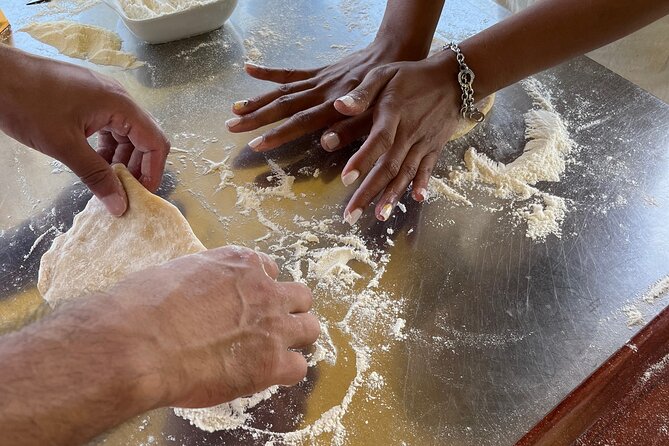
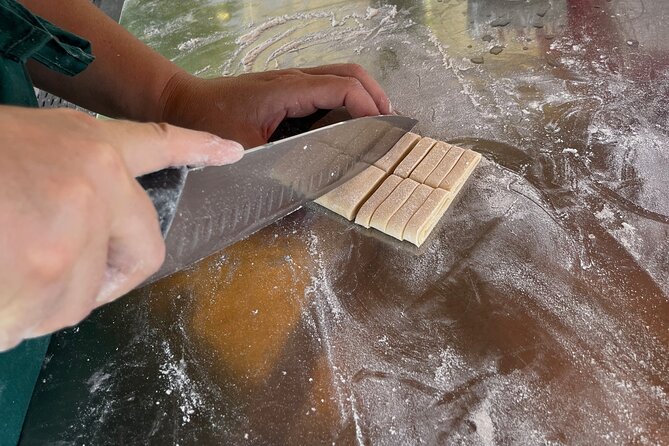
The heart of the class is fresh pasta. Sabrina teaches the basic dough made with flour and eggs, then shows you how to tell when it is ready. That last part is more useful than simply receiving a printed recipe.
Pasta dough can look easy on paper. Mix flour and eggs, knead, roll, and cut. In practice, the texture changes with moisture, flour, pressure, and time. Sabrina’s lesson focuses on feeling the dough and recognizing the right consistency. You will also learn how to roll it out and work with a pasta machine.
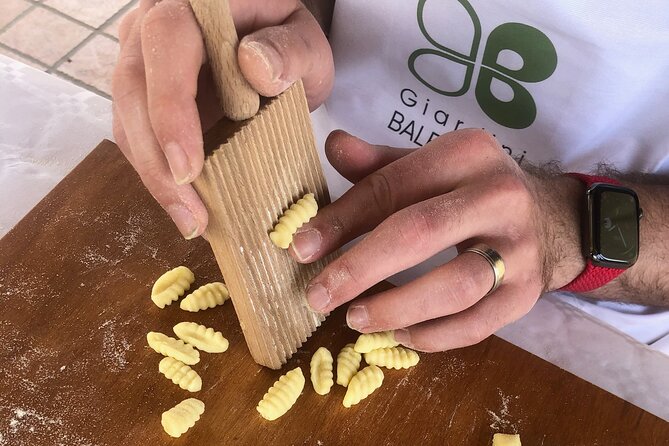
The class has included ravioli and fettuccine. Ravioli gives you practice with filling and sealing each piece, while fettuccine teaches a different approach to cutting and handling sheets of dough. One family group prepared ravioli with ricotta and spinach and paired it with a lemon sauce. Those details may vary, but they show the sort of cooking involved.
This is a good activity for people who want to do more than watch. You should expect to mix, knead, roll, shape, and help prepare the meal. Children can take part too. A family with two children found the class especially enjoyable, and another group of five included parents, a grandmother, and two young adults.
The lesson may not suit you if you want advanced culinary training. The emphasis is on traditional home technique and shared cooking, not professional certification or restaurant-level speed. For most visitors, that is the point.
Eating the pasta you made
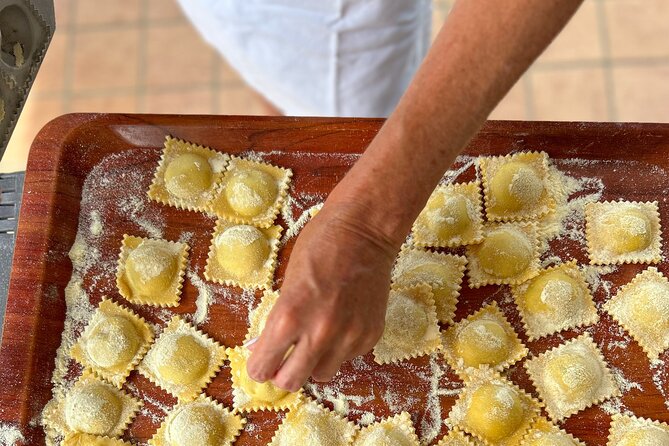
Once the pasta is ready, you sit down to eat it. This is one of the strongest parts of the experience because your meal has a clear connection to the work you just completed. You see the dough change from a few basic ingredients into a dish on the table.
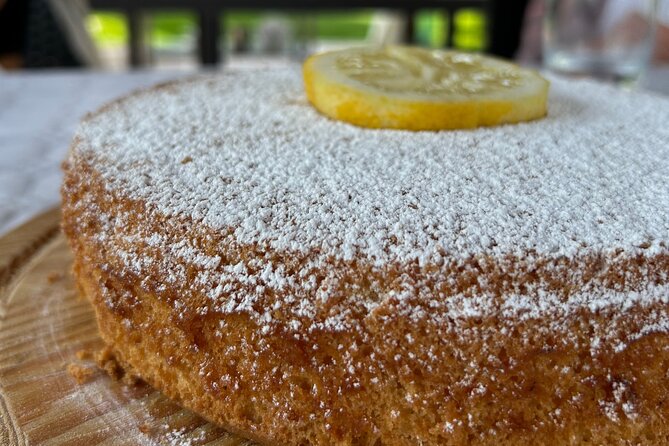
The full sample menu includes bruschetta with seasonal vegetables, fresh pasta, and a homemade dessert. The dessert is simply described as a sweet of the home, so you should not book expecting a specific cake or pastry. Previous menus have included cake, and it has been a popular part of the meal, but the exact dessert can change.
Wine may also be served. Gragnano wine from Sabrina’s uncle’s vineyard has been part of the meal, adding a local family connection to the table. Wine can make the lunch or dinner feel more like a shared Italian occasion, but remember that gratuities and any extras are not included in the listed price.
The meal is not just a reward for finishing the pasta. It is where the social side of the class comes together. You sit in the kitchen or dining area, eat the food prepared as a group, and get a sense of the family’s way of sharing a meal.
If you are traveling with children, this is a practical advantage. Young cooks often care more about eating food they helped make than sitting through a formal restaurant meal. The class gives them a clear task and a result they can taste.
More Hands-On Workshops in Italy:
- Florence: Pasta Cooking Class with Unlimited Wine
★ 5.0 · 6,413 reviews - Naples: Pizza-Making Workshop with Drink and Appetizer
★ 4.9 · 5,411 reviews - Cooking Class and Lunch at a Tuscan Farmhouse with Local Market Tour from Florence
★ 5.0 · 4,831 reviews - Authentic Pizza Making Class in Naples with Appetizers and Drink
★ 5.0 · 3,178 reviews
Why the $94.68 price can make sense
At $94.68 per person, this is not the cheapest way to eat pasta in Pompeii. You can find a simple meal for much less. The value comes from the combination of instruction, food, time in a private home, and personal contact with Sabrina’s family.
You are paying for about three hours, not just a plate of pasta. The price includes the cooking activity and the meal described in the sample menu. It also buys a small-group format, with no more than 10 participants, rather than a large class where you might spend most of the time watching someone else work.
I would judge the price favorably if you value hands-on cooking and a local setting. It is less compelling if your main goal is simply to eat fresh pasta or if your Pompeii schedule is already packed with sightseeing. You need to be willing to give the activity a full block of time.
The value also depends on how much you use the lesson at home. The techniques are practical: mixing dough, judging texture, rolling sheets, and making ravioli or fettuccine. If you recreate the pasta later, the class can keep paying off long after your trip.
Transfers are not included, so add that cost or travel time to your planning. You can request information about a transfer, but you should arrange it in advance rather than assume it comes with the booking.
Getting to Via Messigno from Pompeii
The meeting point is Via Messigno, 132, 80045 Pompei NA, Italy. The class begins and ends at the same meeting point. It is near public transportation, but the provided details do not specify the best route, walking time, or local bus number.
That makes the location a point to check before you book. If you are staying near the Pompeii ruins or train station, do not assume the home is next door. Look at the address against your hotel and sightseeing plans, then allow enough time to arrive without rushing.
A transfer can be requested for an additional arrangement, but it is not part of the advertised price. Ask the provider, Giardini Balestrieri, for current transfer information. This is especially sensible for families, groups with older relatives, or anyone carrying bags after checking out of a hotel.
The class ends back at the starting point, which helps you plan the rest of your day. You could schedule it before or after visiting Pompeii, but avoid making a tight connection with a train or timed admission. Cooking and eating are social activities, and you will not want to watch the clock through the final course.
Who will enjoy this class most
This experience is a strong match for several types of visitors:
- Families: Children can work with the dough and eat the result. A family setting makes the class less stiff than a professional kitchen.
- Couples and small groups: The intimate format gives you time to talk with Sabrina and ask questions.
- Food-focused visitors: You learn techniques that you can repeat at home, not just the name of a local dish.
- Multigenerational groups: The class has worked well for families including parents, a grandmother, and young adults.
- Visitors seeking modern Pompeii: It offers contact with local life beyond the ancient ruins.
You may want to choose another activity if you need a highly structured lesson, a guaranteed specific menu, or a class located directly beside the archaeological park. The setting is personal and flexible, but that also means some details may depend on the day’s ingredients and family routine.
Service animals are allowed. The experience has a minimum of two participants, so solo visitors should confirm availability before booking.
What the small group changes
A maximum of 10 people keeps the class from becoming a mass-market demonstration. You should have a better chance to see Sabrina’s technique up close and get practical help with the dough.
Small groups also make the meal more natural. You are not seated in a large hall with dozens of other people. You cook together, eat together, and have room for conversation. For many people, that shared table is as important as the recipe.
Still, 10 is a maximum, not a promise of a private class. If you want a one-on-one lesson, this is not advertised that way. The minimum is two people, and the group size can vary.
The family-home setting also means the experience has a personal rhythm. You may meet family members, hear about the recipes passed down through generations, and spend time in the garden before cooking. That is valuable for a cultural experience, but it is different from a quick, tightly timed food demonstration.
Booking details worth checking
Confirmation is provided at the time of booking. Free cancellation is available if you cancel at least 24 hours before the local start time. If you cancel less than 24 hours ahead, the amount paid is not refunded, and changes made within that period are not accepted.
The activity needs a minimum number of participants. If the provider cancels because that minimum is not reached, you will be offered another date or experience, or a full refund.
The advertised price does not include gratuities or a transfer. If Sabrina or her family gives you a warm, personal afternoon, a tip is optional but appropriate if you feel the service deserves it. Ask about transport before your booking is final if Via Messigno is not easy to reach from where you are staying.
Should you book the Pompeii pasta class?
Book it if you want a personal food experience rather than another standard meal. Sabrina’s garden, family kitchen, handmade pasta lesson, and shared table give you a real connection to daily life around Pompeii. The class is especially well suited to families, small groups, and anyone who wants to learn a recipe they can repeat at home.
Think twice if you have limited time, dislike group cooking, or want a class in the center of the archaeological area. The location requires planning, and the transfer is not included.
For the right visitor, the $94.68 cost is fair because it covers three hours of activity, instruction, and food in a small family setting. You leave with more than a full stomach. You leave knowing how the dough should feel, how to shape the pasta, and why a simple Italian meal can carry so much family meaning.
FAQ
Where does the pasta cooking class take place?
The class begins at Via Messigno, 132, 80045 Pompei NA, Italy, and ends back at the same meeting point.
How long does the experience last?
The cooking class lasts approximately three hours.
How much does the class cost?
The listed price is $94.68 per person.
What food is included?
The sample menu includes bruschetta with seasonal vegetables, fresh pasta, and a homemade dessert.
Will I make the pasta myself?
Yes. Sabrina teaches you how to mix and judge the dough, roll it out, and prepare handmade pasta. The class has included ravioli and fettuccine.
Is wine included?
Wine has been served during the experience, including Gragnano wine from Sabrina’s uncle’s vineyard. The supplied details do not state a separate wine inclusion policy, so ask the provider if this matters to you.
Is transportation included?
No. Transfers are not included, but you can request information about arranging one.
How many people can join?
The activity has a maximum of 10 participants and requires at least two people.
Are service animals allowed?
Yes, service animals are allowed.
Can I cancel for a full refund?
Yes, if you cancel at least 24 hours before the experience’s local start time. Cancellations made less than 24 hours in advance are not refunded.
What happens if the minimum group size is not reached?
If the provider cancels because the minimum number of participants is not met, you will be offered a different date or experience, or a full refund.
Just added around Italy
- Cesarine: Home Cooking Class & Meal with a Local in Positano★ 4.5 · 5 reviews
- Portofino Boat and Walking Tour with Pesto Cooking & Lunch★ 5.0 · 121 reviews
- Rada Rooftop Cooking Class in Positano★ 5.0 · 8 reviews
- Cooking lesson: tagliatelle, mozzarella and tiramisu★ 5.0 · 11 reviews
- Hands-on Pasta Making Class near the Amalfi Coast with Rosanna★ 5.0 · 3 reviews
- Pompeii: guided tour of the ruins and cooking class fresh pasta★ 5.0 · 8 reviews
- Pompeii Tour and Cooking Class with Mamma★ 5.0 · 34 reviews
- Italian Cooking Class with Local Mamma★ 5.0 · 7 reviews
Pasta Making Classes, compared.
Florence: Pasta Cooking Class with Unlimited Wine
Read our review →
3 in 1 Cooking Class near Navona: Fettuccine, Ravioli & Tiramisu
Read our review →
Rome: Pasta Making Class with Wine, Limoncello, and Dessert
Read our review →
Rome Cooking Class: Make Pasta and 3 Spritz Cocktails
Read our review →
Rome: 3-in-1 Fettuccine, Ravioli, and Tiramisu Cooking Class
Read our review →