Review · ITALY
Pompeii: guided tour of the ruins and cooking class fresh pasta
Pompeii’s ruins are powerful on their own, but this private experience adds a warm, hands-on afternoon in the countryside. You’ll walk through theaters, baths, shops, temples, and homes with a guide, then trade ancient streets for a family garden with views of Vesuvius and the Lattari Mountains.
I like the private format, which gives your group room to ask questions and move at a sensible pace. I also like the food connection: you don’t simply sit down to eat, you pick ingredients from the garden and learn how a Campania recipe comes together.
The main drawback is the price. At $300.40 per person, plus the €20 Pompeii entrance fee, this costs much more than a basic ruins tour. You’ll need to decide if personal attention, private transport, and a long meal with a local host are worth the premium.
Key points to know before booking
- Two very different experiences in one day: Ancient streets and frescoed houses come first, followed by cooking and lunch in the Pompeian countryside.
- A private group of no more than 10: The smaller setting makes it easier to ask questions and get help while shaping pasta or gnocchi.
- English-speaking guides vary: Clelia, Carla, Lucy, and Lello have led different departures, so your exact guide is not guaranteed.
- Garden ingredients are part of the lesson: You may help gather produce before preparing a traditional dish.
- Pompeii tickets cost extra: Admission is €20 per person and is not included in the activity price.
- Plan your timing carefully: The ruins ticket allows one entry, so arrange extra exploring before the cooking class if you want more than the guided route.
Two hours among Pompeii’s main ruins
The day begins at the Pompeii archaeological park, at Scavi di Pompei on Viale delle Ginestre. The guided visit lasts about two hours and covers many of the site’s major sights rather than wandering without a plan.
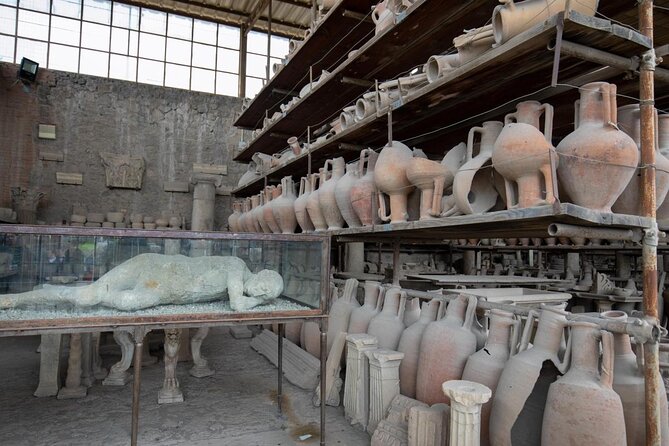
You’ll walk through the theaters, where Pompeii’s residents gathered for performances, then continue to important houses decorated with frescoes. The homes are one of the best reasons to have a guide. Painted walls, floor designs, and room layouts can look like scattered fragments when you see them alone. A good guide helps explain how the spaces worked and what their decoration tells you about daily life.
The route also includes Via dell’Abbondanza, Pompeii’s main street. Its shops and workshops give the ruins a more ordinary, human feel. You can picture people buying food, working, talking, and moving through the city instead of seeing Pompeii only as a collection of grand monuments.
The thermal baths are another stop. Their rooms and surviving details show how public bathing worked, and the setting helps you understand that Pompeii was a functioning city, not simply a wealthy neighborhood frozen in time.
You’ll also visit the brothel, the forum, the Temple of Apollo, the Temple of Jupiter, and the Basilica. That is a lot to cover in two hours, so expect a focused highlights tour rather than a full examination of every street and building.
The guides named on different departures include Clelia, Carla, Lucy, and Lello. Their roles may vary by date, but the format is consistent: you walk with an English-speaking guide who explains the site and answers questions. This is a major advantage over relying only on signs and a map, especially when the ruins feel spread out and the meaning of a building is not obvious.
The pace can be adjusted within reason. One group moved a little more slowly because someone had a foot injury, and the visit ran slightly over two hours. That suggests some flexibility, but you should still tell the host in advance about mobility concerns or a need for a slower pace.
More Pasta Making Classes in Italy:
- Florence: Pasta Cooking Class with Unlimited Wine
★ 4.9 · 10,285 reviews - 3 in 1 Cooking Class near Navona: Fettuccine, Ravioli & Tiramisu
★ 5.0 · 7,376 reviews - Florence: Pasta & Tiramisu Cooking Class with Unlimited Wine
★ 4.9 · 6,708 reviews
Why the private Pompeii format matters
Pompeii is a place where questions come naturally. Why are some houses so large? What were the shops selling? How did the baths work? What happened in the forum? In a big group, you may hesitate to interrupt or lose the guide in a crowd.
Here, the maximum group size is 10, and the tour is arranged for private groups. That does not guarantee a completely empty site, but it does give you a better chance to hear the explanations and ask about the details that interest you most.
I especially like this format for families and mixed-interest groups. One person can ask about architecture, another about food, and another about Roman daily life without holding up a large bus group. It also works well for a small group celebrating a birthday or marking a special trip, as one family did during a cruise stop.
Still, do not assume that two hours covers all of Pompeii. The ancient city is large, and this route is designed around key sights before lunch. If you want to keep exploring independently, discuss that before the day begins.
This point matters because Pompeii admission is generally for one entry during your visit. If you leave for the cooking class and later want to return, you may need to buy another ticket. One group was able to spend a little extra time at the ruins, but the afternoon schedule could not be pushed back very far.
The best plan is to request an earlier start if you already know you want additional time. That gives you a better chance to explore before the cooking class without turning lunch into a rushed affair.
From the ruins to a Pompeian garden
After the archaeological visit, private transportation takes you to the garden used for the food portion of the experience. The change of setting is part of the appeal. You move from paved ancient streets and ruined buildings to olive and citrus trees, open countryside, and views toward Vesuvius and the Lattari Mountains.
The garden is connected with the Balestrieri family, and the cooking portion is hosted by Sabrina, with help from family members such as Rosalba or Pasquale on some departures. The atmosphere is informal and personal rather than classroom-like.
You may begin by walking through the garden and learning about the plants and produce. The activity specifically uses ingredients picked there, so the garden is not just scenery. It gives you a direct link between the soil, the recipe, and the meal on your plate.
That connection is valuable in Campania, where cooking depends heavily on fresh produce, simple preparation, and local habits. You’ll see how a meal can start with what is available nearby rather than with a long list of items bought from a supermarket.
The views add to the setting, but the food and the welcome are the real reason to choose this experience. A beautiful view cannot rescue a poor cooking class. Here, the useful feature is that you get to work with the host, handle the ingredients, and eat what you prepare.
Making pasta, gnocchi, and dessert
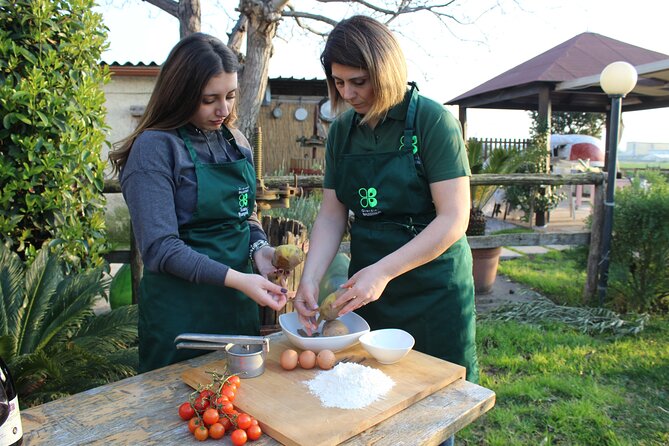
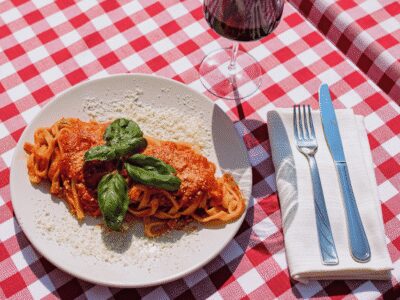
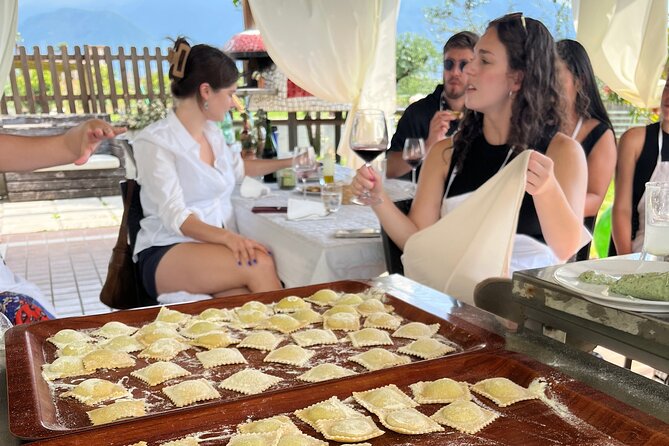
The exact recipe can vary, but the class focuses on a traditional dish from the Campania region. Sessions have included ravioli with ricotta and spinach, potato gnocchi with fresh tomato sauce, and other fresh pasta preparations.
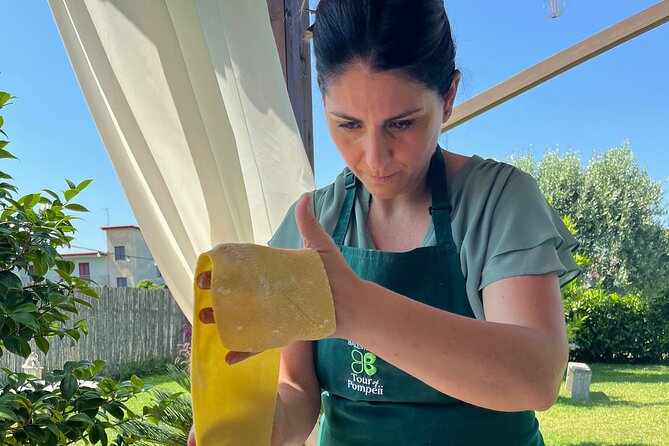
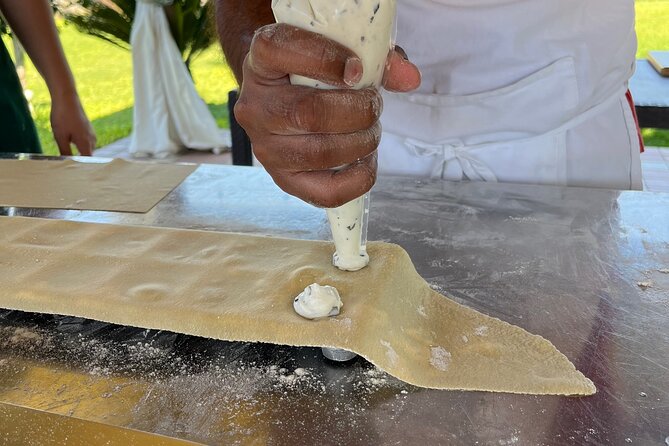
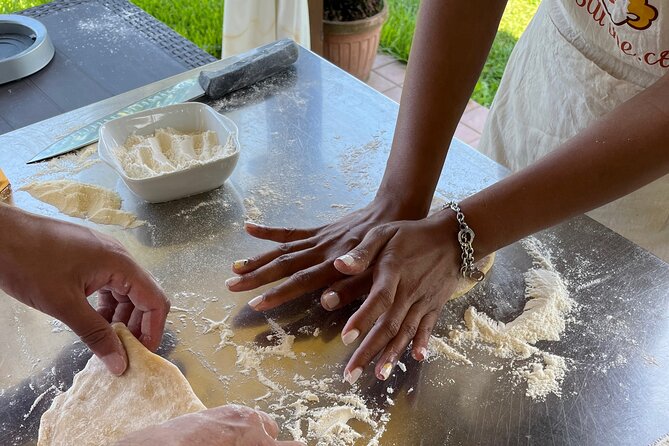
If ravioli is on your menu, Sabrina demonstrates the dough and filling, provides the tools, and helps each person shape their own pieces. The finished ravioli can be cooked and served simply with butter and sage. That kind of preparation lets the pasta itself carry the meal rather than burying it under a heavy sauce.
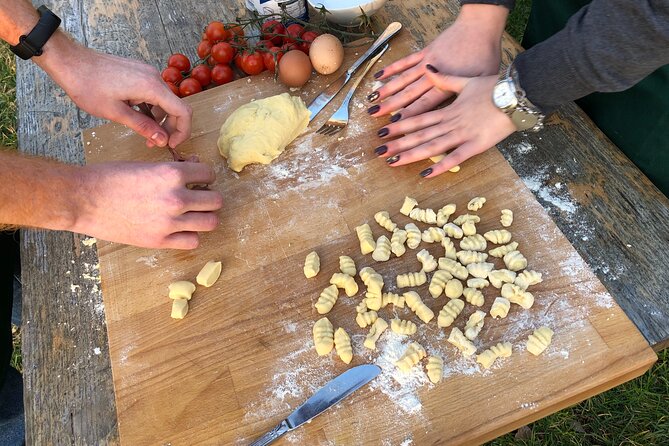
Other sessions have focused on potato gnocchi. The lesson covers the basic technique, followed by a generous meal with fresh tomato sauce. The important point is that this is a practical class, not a cooking demonstration where you sit and watch someone else do everything.
The meal may begin with bruschetta and fresh vegetables from the garden. Dessert has included lemon cake made together during the class, as well as tiramisu on another family visit. Since the activity promises a typical dish, lunch or dinner, dessert, and drinks, you can expect a full meal, but the precise menu may depend on the day and the host.
This is a good choice if you enjoy food but are not an experienced cook. The small group and personal instruction make it easier to get help with shaping pasta or working the dough. It also gives children and teenagers a job to do, which can make the ruins feel less abstract earlier in the day.
More Hands-On Workshops in Italy:
- Florence: Pasta Cooking Class with Unlimited Wine
★ 5.0 · 6,413 reviews - Naples: Pizza-Making Workshop with Drink and Appetizer
★ 4.9 · 5,411 reviews - Cooking Class and Lunch at a Tuscan Farmhouse with Local Market Tour from Florence
★ 5.0 · 4,831 reviews - Authentic Pizza Making Class in Naples with Appetizers and Drink
★ 5.0 · 3,178 reviews
Gragnano wine and the long lunch
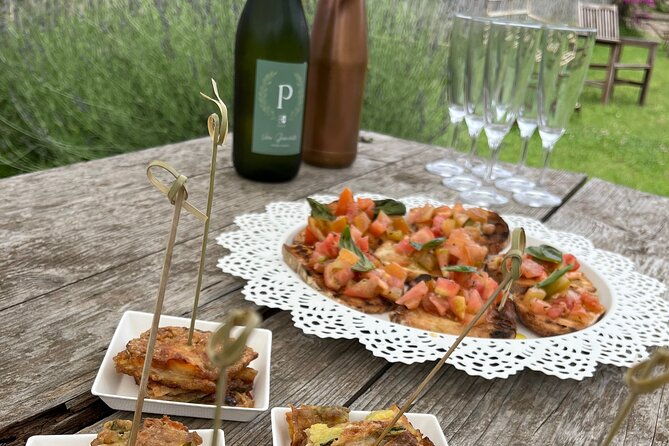
One glass of Gragnano DOC wine is included, along with still and sparkling water and soft drinks. Gragnano is a local wine from the area around the Bay of Naples, and it fits the meal better than a generic drink chosen for tourists.
The food portion lasts about three hours. That time includes the garden visit, instruction, cooking, eating, and conversation, so it is not three hours of standing at a worktable. You should arrive hungry, though the bruschetta and vegetables may come before the main dish.
Some visits have included house wine and homemade limoncello in addition to the listed drink service. Treat those as possible extras rather than guaranteed inclusions. The confirmed offering is one glass of Gragnano DOC wine, plus nonalcoholic drinks.
The meal is one of the strongest parts of the experience because it slows the day down. Pompeii can be hot, dusty, and mentally demanding. After two hours of ruins, sitting in a garden with a home-cooked meal gives you time to talk, taste, and recover.
It also makes the experience more social than a standard guided tour. You are not simply listening to a guide and moving on. You are meeting a local host, preparing food together, and sharing the finished meal.
What the $300.40 price buys you
The price is $300.40 per person, with Pompeii admission not included. Add €20 per person for the archaeological park, and remember that the price covers a five to six-hour experience rather than only the ruins visit.
That is expensive if your only goal is to see Pompeii. A basic entry ticket and a shorter group tour will cost less. You also need to compare the price with what your group values most.
You are paying for private transportation, a private or very small group setting, a guided archaeological visit, a garden cooking class, lunch or dinner, dessert, drinks, and personal attention from the host. For a group that wants both culture and food, the combination can make more sense than booking two separate activities.
I would consider it good value for a family, couple, or small group that wants a full day with different textures. You get ancient buildings in the morning and a relaxed local meal in the afternoon. You also avoid the effort of arranging transport between the ruins and the countryside.
I would be more cautious if you are traveling alone on a tight budget or if you mainly want several hours to explore Pompeii independently. The included route is substantial, but it is still a guided highlights visit followed by a scheduled meal.
The maximum group size is 10, which helps explain the price. You are not paying only for access to a cooking table. You are paying for a more personal setup, transport, and a schedule built around your group.
Timing, meeting point, and practical details
The meeting point is Scavi di Pompei, Viale delle Ginestre, 80045 Pompei. The activity ends back at the meeting point, although private transport is used during the transition to the garden.
The total duration is about five to six hours. Allow the full half-day rather than trying to fit another fixed appointment immediately afterward. The archaeological visit takes about two hours, and the garden and meal take about three hours.
The experience is offered in English. Service animals are allowed, and the meeting area is near public transportation. Most people can take part, but Pompeii involves walking over ancient streets and uneven surfaces, so you should mention any mobility issue before booking.
Confirmation is provided at booking. Free cancellation is available if you cancel at least 24 hours before the local start time. Changes or cancellations made less than 24 hours ahead are not accepted for a refund, and the activity requires a minimum number of participants to operate.
Who should book this Pompeii experience?
I would choose this for someone who wants more than an archaeological site followed by a quick lunch. It suits families, couples, food lovers, and small groups who enjoy meeting local people and trying a practical activity.
It is also a strong fit for a cruise stop, provided your port schedule leaves enough time. One cruise group had changed docking times and was still accommodated, but you should not assume every schedule change can be handled. Contact the provider quickly if your arrival time shifts.
The experience may be less suitable for a serious Pompeii specialist who wants to spend most of the day inside the ruins. The two-hour route covers major sights, but the cooking class takes up the rest of the time.
You should also think about the food pace. This is not a quick tasting. The garden visit, cooking, lunch, wine, and conversation form a large part of the day. That is a benefit if you like a relaxed meal, but not if you want to race on to Naples or the Amalfi Coast.
Should you book it?
Book this experience if you want Pompeii explained by a guide and also want a personal connection with the area’s food and families. The strongest features are the small group, the garden ingredients, the views of Vesuvius, and the chance to make a dish you then eat for lunch.
Skip it if your budget is tight, if you want maximum time at the ruins, or if the €20 entrance fee on top of the activity price bothers you. If you do book, request an early start and ask in advance about extra time inside Pompeii. That small bit of planning can make the difference between a good half-day and a rushed one.
FAQ
How long does the Pompeii and cooking experience last?
The experience lasts approximately five to six hours. The archaeological visit takes about two hours, and the garden cooking and meal portion takes about three hours.
Is the Pompeii entrance ticket included?
No. Admission to the Pompeii ruins costs €20 per person and must be paid separately.
Where does the experience begin?
It begins at Scavi di Pompei, Viale delle Ginestre, 80045 Pompei, Italy.
Where does the experience end?
The activity ends back at the meeting point.
Is transportation included?
Yes. Private transportation is included, including the transfer from the ruins to the garden.
Is the activity offered in English?
Yes. The experience is offered in English.
How many people can join the experience?
The activity has a maximum of 10 participants.
What food and drinks are included?
Lunch or dinner, dessert, still and sparkling water, soft drinks, and one glass of Gragnano DOC wine are included.
Can service animals take part?
Yes. Service animals are allowed.
Can I cancel for a full refund?
Yes, if you cancel at least 24 hours before the local start time. Cancellations or changes made less than 24 hours before the experience are not accepted for a refund.
Just added around Italy
- Cesarine: Home Cooking Class & Meal with a Local in Positano★ 4.5 · 5 reviews
- Rada Rooftop Cooking Class in Positano★ 5.0 · 8 reviews
- Cooking lesson: tagliatelle, mozzarella and tiramisu★ 5.0 · 11 reviews
- Portofino Boat and Walking Tour with Pesto Cooking & Lunch★ 5.0 · 121 reviews
- Hands-on Pasta Making Class near the Amalfi Coast with Rosanna★ 5.0 · 3 reviews
- Pompeii Tour and Cooking Class with Mamma★ 5.0 · 34 reviews
- Pasta Cooking class in Pompeii★ 5.0 · 4 reviews
- Italian Cooking Class with Local Mamma★ 5.0 · 7 reviews
Pasta Making Classes, compared.
Florence: Pasta Cooking Class with Unlimited Wine
Read our review →
3 in 1 Cooking Class near Navona: Fettuccine, Ravioli & Tiramisu
Read our review →
Rome: Pasta Making Class with Wine, Limoncello, and Dessert
Read our review →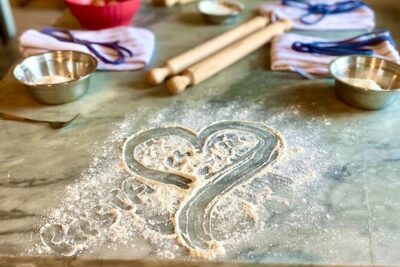

Rome Cooking Class: Make Pasta and 3 Spritz Cocktails
Read our review →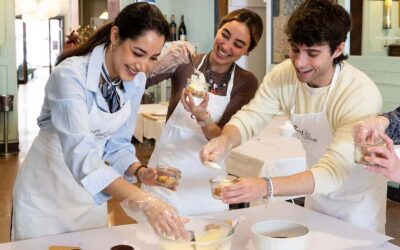
Rome: 3-in-1 Fettuccine, Ravioli, and Tiramisu Cooking Class
Read our review →