Review · ROME
Semi Private Pizza Making Class with Wine and Suppli
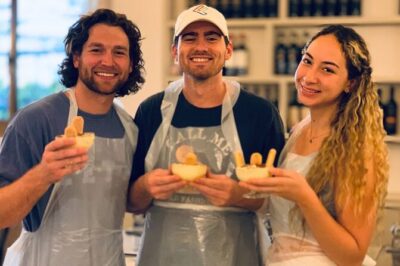
Roman food is at its best when it is simple, hot, and shared. This three-hour class lets you make three local favorites: teglia pizza, Roman-style pizza baked in a pan, supplì, crisp rice balls with tomato and mozzarella, and Nutella-filled dough pockets.
I like the personal workstations and the small-group format, which give you room to cook rather than watch a chef do all the work. I also like the mix of food and drink, from the opening prosecco and antipasti to wine and limoncello at the meal. The main drawback is the location: the school is out past the Vatican, so plan your return ride after an evening class.
Key points to know before booking
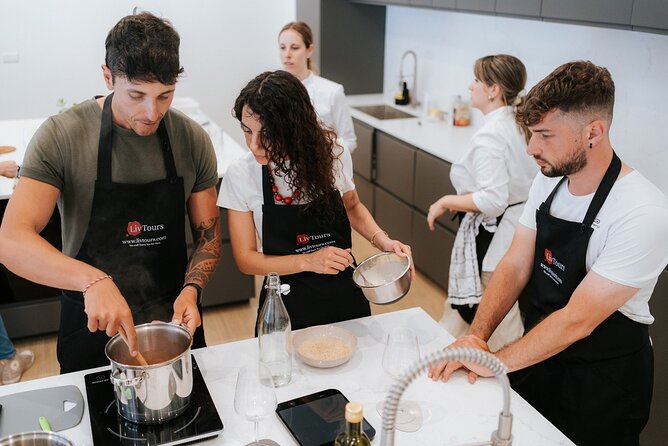
- You cook at your own station: This is hands-on, not a demonstration with a few token tasks.
- Roman dishes take center stage: You make pan-style teglia pizza, tomato-and-mozzarella supplì, and Nutella dough pockets.
- The class is led by television-trained chefs: Andrea, Dylan, or another chef from the MasterChef Italia team may lead your session.
- Food and drinks are part of the experience: Prosecco, antipasti, wine, water, and limoncello are included.
- Lunch and dinner times are available: That makes it easy to fit around sightseeing in Rome.
- The school is beyond the Vatican: It is easy to find, but arrange your return before you finish.
A Roman cooking class built around doing, not watching
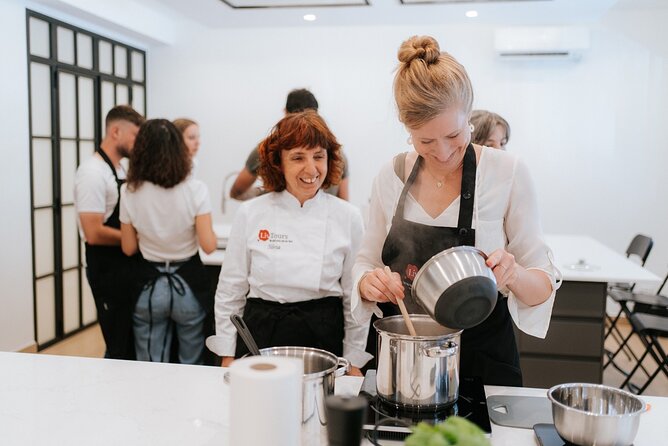
At $143.29 per person, this is not a bargain meal. It is a cooking lesson, a social evening, and dinner in one. The value depends on how much you want to take part. If you only want to eat Roman pizza, you can spend far less at a neighborhood pizzeria. If you want to learn dishes you can repeat at home, the price makes more sense.
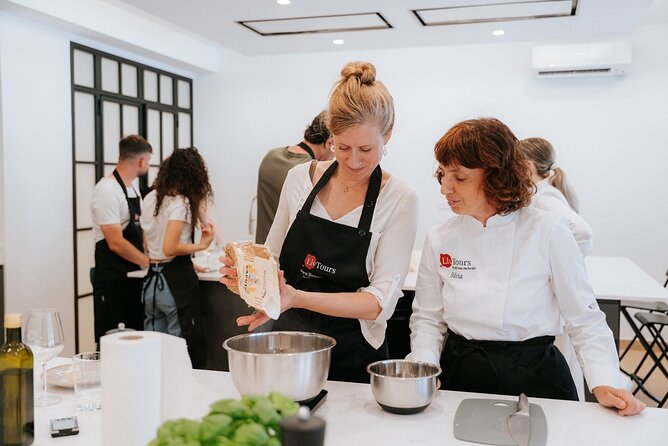
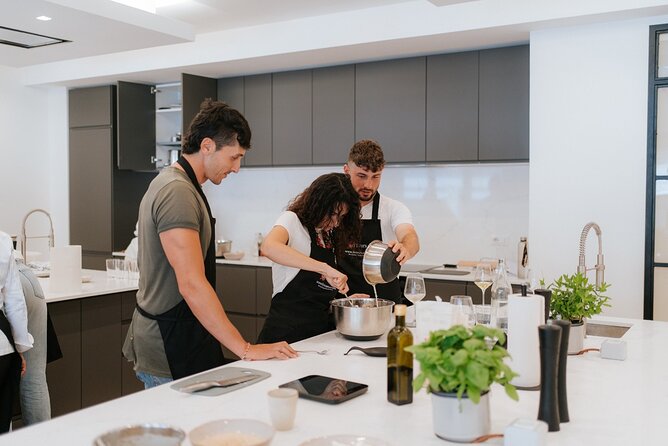
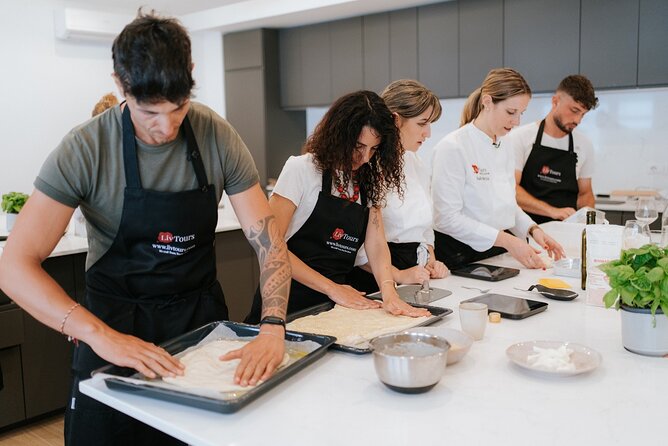
The class takes place at LivTours, Via Domenico Millelire 23, in the area beyond the Vatican. The kitchen is described as new, high-end, and custom-built, with each person receiving a professional workstation. That detail matters. You are not crowded around one counter, waiting for a turn with the flour or rolling pin.
The maximum group size is 12, though the experience is also offered as a smaller group of six or as a private session upgrade. A group of six gives you the best balance: enough people for conversation, but not so many that individual help becomes hard to get.
Chef Andrea receives especially strong praise for explaining each step clearly and checking the food as it develops. Dylan is also noted for keeping the mood relaxed, answering questions, and making the work feel easy. The exact chef can vary, but you should expect an instructor from the MasterChef Italia team rather than a standard food demonstration host.
More Cooking Classes with Wine Tasting in Italy
- Rome: Pasta Making Class with Wine, Limoncello, and Dessert
★ 4.9 · 3,177 reviews - Fettuccine & Tiramisù: Cooking Class with Wine & Limoncello
★ 4.9 · 2,103 reviews - Pasta Making & Wine Tasting with Dinner in Frascati from Rome
★ 5.0 · 1,326 reviews
Prosecco, olives, and a proper Roman welcome
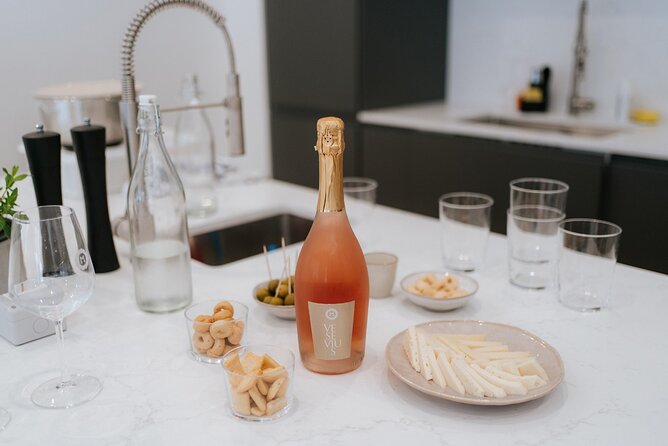
The class begins with a traditional Roman aperitivo. You receive chilled prosecco along with olives, cheeses, and cured meats. This is a smart opening because it gives everyone time to settle in before handling dough and hot oil.
The antipasti also set the tone for the meal. Roman cooking is not only about a main dish. It often starts with small, salty bites and good conversation. Here, the food is served while you meet the others and listen to the chef explain what you will make.
You can expect prosecco during the cooking portion as well, followed by wine with the meal. Water is included, and limoncello comes at the end with the dessert. Drinks are not an afterthought, so the price includes more than the ingredients and instruction.
Still, keep the format in mind. This is a social cooking class with alcohol served throughout, not a formal culinary school course. You will learn useful methods, but the atmosphere is designed to be relaxed and friendly rather than technical or exam-like.
Making Roman teglia pizza at your own workstation
The first main lesson is the dough for pizza teglia. Unlike the very thin, round pizza often associated with Naples, teglia pizza is baked in a rectangular pan and has a somewhat thicker, almost focaccia-like texture. It is still fairly light, but the pan gives it more body than a paper-thin Roman round.
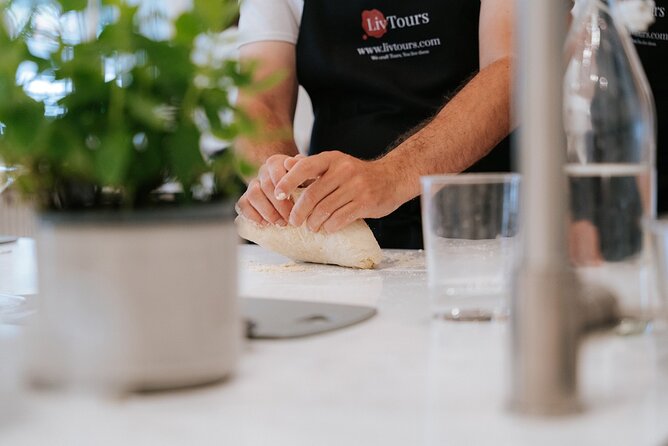
You learn to make dough that is described as smooth and silky. The chef guides you through the process, then helps you shape the pizza before it goes into the oven. Since you work at your own station, you should get a real role in the preparation rather than simply watching the chef stretch a large batch.
The class serves traditional pizza styles rather than letting everyone build an entirely individual pie. One session included a white version with pistachio crumble, meat, and cheese, along with a red-sauce version topped with mozzarella. That approach keeps the pace manageable and lets the chef control the ingredients and baking process.
Some people may prefer choosing their own toppings. If you have your heart set on a particular combination, ask about options before booking or note your preferences at checkout. The supplied details do not promise a free choice of toppings.
The value here is practical. You learn a dough style that can be made in a home kitchen without needing a wood-fired pizza oven. You also leave with a better sense of how Roman pizza differs from the thin, crisp style you may have tried elsewhere in Italy.
Supplì, Rome’s crisp rice and mozzarella snack
Next comes supplì, one of Rome’s classic street foods. It is a deep-fried rice ball filled with tomato sauce and melted mozzarella. The outside turns crisp while the center stays soft and savory.
This is a useful dish to learn because it shows a different side of Roman cooking. Pizza gets the attention, but supplì is a local staple with a strong connection to casual food stalls, takeaways, and everyday eating. It is also a good group-class dish: you shape the rice mixture, add the filling, and prepare the balls for frying under the chef’s direction.
The version taught here is a straightforward tomato rice and mozzarella filling. That simplicity is a plus for first-time cooks. You can understand the basic structure and later experiment with herbs, fillings, or seasoning at home.
The frying stage is one reason expert supervision matters. The chef handles the cooking method and helps make sure the supplì hold together. If your first attempt is not perfect, the instructor can show you how to fix the mixture or shape. This takes away some of the pressure and keeps the class fun for families and mixed-age groups.
If you dislike fried food, this part may be less appealing. It is also worth noting that cheese is central to the usual supplì filling, though the dishes can be made vegan by leaving out the cheese.
More Cooking Classes with Wine Tasting in Rome
- Rome Cooking Class: Make Pasta, Dine & Drink Wine With Local Chef
★ 5.0 · 1,263 reviews - Rome: Combo Pizza and Pasta Cooking Class with Wine
★ 4.6 · 1,180 reviews - Rome: Pasta Making with Wine Tasting and Dinner in Frascati
★ 4.9 · 979 reviews - Rome: Pizza & Tiramisu Class with Free Flowing Fine Wine
★ 5.0 · 973 reviews
Nutella pockets and limoncello to finish
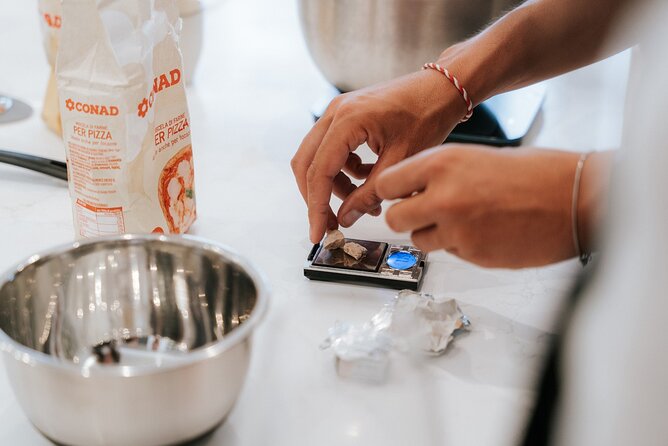
The dessert is a simple Roman-style treat made from dough filled with Nutella. These small pockets are indulgent, warm, and easy to understand, even if you do not consider yourself a baker.
This final course gives you another use for the dough techniques from the pizza lesson. You shape the pockets, add the filling, and finish the meal with a sweet bite rather than a heavy plated dessert. Limoncello is served alongside it, giving the class a familiar Italian ending.
The dessert is not meant to be a refined pastry lesson. It is a cheerful finish that works well for families and people who want to cook without spending the whole evening on complicated recipes. It also helps balance the salty antipasti, pizza, and supplì.
The cooking school provides a digital LivTours recipe book as a souvenir. That is more useful than a generic keepsake because it gives you a chance to recreate the meal after returning home. You should save the recipes before your trip ends, especially if you want to remember the details of the dough and filling methods.
What the three-hour schedule feels like
The full experience lasts about three hours. That is long enough to prepare several dishes, sit down to eat, and enjoy the social side without turning the class into an all-day commitment.
A lunch class works well if you want an activity after a morning at the Vatican. A dinner class can be a welcome change after a day of ruins, churches, and museum rooms. One family used the class as a final-night activity after several long sightseeing days, finding the cooking relaxed rather than demanding.
That makes this a good choice when your group needs a break from Rome’s major sights. You still get a local food experience, but you are doing something with your hands instead of standing in another line or reading another inscription.
The schedule may feel less ideal if you want a quick meal. Three hours is a serious time block, and the experience includes the welcome drinks, instruction, preparation, cooking, and shared meal. You should book it because you want the activity, not simply because you need dinner.
Location, transport, and the return trip
The meeting point is Via Domenico Millelire 23, 00136 Rome, and the activity ends at the same place. It is near public transportation and described as easy to find, but it is located beyond the Vatican rather than in central Rome’s busiest sightseeing area.
That location can work well if you are already visiting the Vatican area. It is less convenient if you are staying near the Trevi Fountain, Spanish Steps, or Colosseum and plan to walk home after dinner.
The most useful tip is to plan your return before class begins. You may want to arrange a pickup, keep a smartphone ready for ordering a ride, or check your public transportation route in advance. The walk back may be longer than you expect, especially after a three-hour evening activity.
The class itself does not include sightseeing or transportation around Rome. Its value is concentrated in the kitchen, food, instruction, and shared meal. Think of the location as a practical meeting point, not part of the tour’s sightseeing appeal.
Allergies, vegan options, and food choices
You should list food allergies in the additional notes box when booking. Kitchen utensils and surfaces may come into contact with peanuts, tree nuts, gluten, wheat, and other allergens, and the school cannot guarantee a completely allergen-free setting.
If you have a severe allergy, contact the provider directly before booking. Do not rely only on a note at checkout. The kitchen can take steps to reduce cross-contamination, but it does not promise a fully safe environment for serious allergies.
All dishes can be made vegan by leaving out the cheese. That is helpful, though you should still give advance notice so the chef knows what you need. The standard menu includes cheese in the antipasti, pizza, and supplì, so a vegan participant should not assume the regular plates will be automatically adjusted.
The provided information does not promise substitutions for every dietary need. If you avoid gluten, nuts, wheat, or dairy for medical reasons, ask specific questions before paying.
Who will get the most from this class
This class fits families with older children or young adults, couples who want a shared activity, and food lovers who prefer participation over a restaurant meal. It also works well for a group that wants one lighter evening after several demanding sightseeing days.
Beginners should feel comfortable here. The chefs explain the steps, answer questions, and check the food as you go. You do not need professional cooking experience, and the recipes are familiar enough to follow without a technical background.
The small-group option is best if personal help matters to you. A private upgrade may suit a celebration or a group that wants the kitchen to itself, but the standard class already keeps numbers fairly limited. The maximum is 12, and some sessions are organized for only six people.
I would be more cautious about booking if your main goal is a very thin pizza, a completely free topping choice, or a quick meal. The pizza is the Roman pan style, with a texture closer to a thin focaccia than an ultra-crisp round. That is a feature for some people and a mismatch for others.
Price, value, and cancellation
At $143.29 per person, the cost is high for a casual dinner but reasonable for a three-hour lesson with food, prosecco, wine, water, limoncello, instruction, and recipes. You are paying for the kitchen setup, the chef’s attention, and the chance to make several dishes rather than receiving one finished plate.
The experience also offers group discounts, though the exact savings are not specified. If you are booking for a family or several friends, check the total before deciding between a standard small group and private session.
Free cancellation is available if you cancel at least 24 hours before the start time. Cancellations made less than 24 hours before the class are not refunded, and late changes are not accepted. That makes an early booking sensible, but leave some flexibility if your Rome schedule is uncertain.
Should you book this Roman pizza class?
Book it if you want an active food experience, enjoy meeting people over a meal, and like the idea of learning dishes you can make again at home. The strongest reasons are the individual workstations, the friendly chef-led instruction, and the full Roman menu rather than pizza alone.
Families should pay attention to the evening transport issue, and anyone with allergies should contact LivTours before booking. If you want a thin round pizza or a fully customizable menu, this may not be your ideal class.
For everyone else, this is a well-rounded way to spend three hours in Rome. You leave with a full meal, a recipe book, and a better understanding of the city’s everyday food culture, not just another photograph of a famous monument.
FAQ
Where does the pizza-making class meet?
The class meets at LivTours, Via Domenico Millelire 23, 00136 Rome, Italy. The activity ends back at the same meeting point.
How long does the experience last?
The class lasts approximately three hours.
What food will I make?
You will prepare Roman teglia pizza, traditional supplì filled with tomato sauce and mozzarella, and Nutella-filled dough pockets.
Are drinks included?
Yes. The experience includes prosecco, wine, water, and limoncello. The opening aperitivo also includes olives, cheeses, and cured meats.
Can vegan participants join?
Yes. All dishes can be made vegan by excluding the cheese. You should provide this information when booking.
What is the cancellation policy?
You can receive a full refund if you cancel at least 24 hours before the experience start time. Cancellations or changes made less than 24 hours before the start time are not accepted for a refund.
More Hands-On Workshops in Rome
- 3 in 1 Cooking Class near Navona: Fettuccine, Ravioli & Tiramisu
★ 5.0 · 7,376 reviews - Rome Cooking Class: Make Pasta and 3 Spritz Cocktails
★ 5.0 · 2,937 reviews - Rome: 3-in-1 Fettuccine, Ravioli, and Tiramisu Cooking Class
★ 4.9 · 2,704 reviews - Rome: Fettuccine Pasta Cooking Class in Rome’s City Center
★ 4.8 · 2,414 reviews
More Pizza Making Classes in Rome
- Cooking Class in the Heart of Rome: Pizza and Tiramisu Making
★ 5.0 · 1,330 reviews - Rome: Traditional Pizza Cooking Class near Piazza Navona
★ 4.7 · 1,241 reviews - Pizza Cooking Class in Rome – Near Piazza Navona
★ 5.0 · 1,001 reviews - Rome Cooking Class: Make Pizza and Pasta with Wine & Dessert
★ 4.5 · 651 reviews
Just added around Rome
- Vegetarian Cooking class in the Roman countryside★ 5.0 · 3 reviews
- Truffle Hunting, Lunch & Cooking Class in Rome’s Countryside★ 5.0 · 21 reviews
- Trastevere Food Tour with Pasta-Making Class★ 5.0 · 5 reviews
- The Vatican Market Experience: 10 Tasting & Cooking Class★ 5.0 · 6 reviews
- Traditional Pasta Cooking Class with Tiramisu Small Group★ 5.0 · 7 reviews
- Cooking Class: Pasta & Tiramisu with a Private Italian Chef★ 5.0 · 46 reviews
- Tivoli Day Trip: Villa D’Este & Cooking Class★ 5.0 · 77 reviews
- Rome: Private Pizza Making Home cooking class with a local★ 4.5 · 7 reviews
Pizza Making Classes, compared.
Naples: Pizza-Making Workshop with Drink and Appetizer
Read our review →
Authentic Pizza Making Class in Naples with Appetizers and Drink
Read our review →
Florence Cooking Class The Art of Making Gelato & Authentic Pizza
Read our review →
Cooking Class in the Heart of Rome: Pizza and Tiramisu Making
Read our review →
Rome: Traditional Pizza Cooking Class near Piazza Navona
Read our review →
Rome: Combo Pizza and Pasta Cooking Class with Wine
Read our review →
Pizza Cooking Class in Rome – Near Piazza Navona
Read our review →