
Review · ROME
Traditional Pasta Cooking Class with Tiramisu Small Group
Fresh pasta and tiramisù make a fine Roman afternoon project. At Via dei Capocci, you begin with prosecco and a short look at how these dishes fit into Italian food culture, then make both from scratch with a chef guiding each step. The class ends at the table with the food you prepared.
I like the small-group limit of 12, which gives the chef room to correct your dough and answer questions. I also like the practical focus: you learn methods you can repeat at home, not just watch someone cook. The main consideration is timing. This begins at 4:30 pm and lasts about three hours, so it takes up much of your evening.
Key points to know
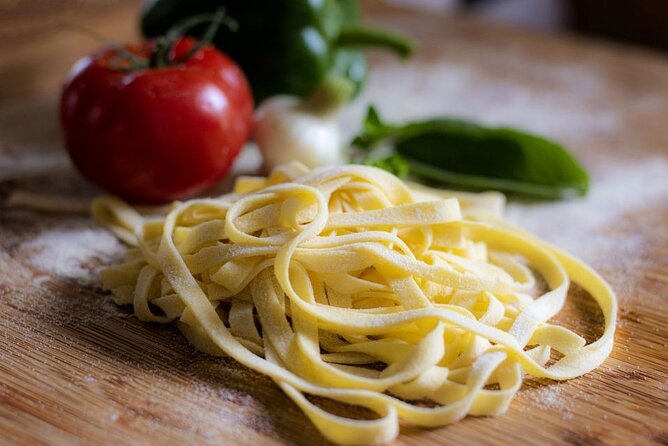
- You make two Italian staples: The class covers tiramisù first, then fresh pasta dough, shaping, and sauce.
- The group is limited to 12 people: This keeps the lesson more personal than a large demonstration.
- Chefs guide you step by step: Past sessions have been led by Alma and Stefania, both praised for patient instruction.
- Dinner is part of the lesson: You eat the pasta and tiramisù you prepared, with wine and water included.
- Prosecco starts the afternoon: The welcome drink gives the class a relaxed beginning before the practical work.
- The meeting point is central and simple: You start and finish at Via dei Capocci 26 in Rome, near public transportation.
Why a pasta class works well in Rome
Rome gives you no shortage of famous sights, but a cooking class offers a different kind of connection with the city. Instead of looking at food through a restaurant menu, you handle the ingredients, make the dough, and learn why small choices affect the final plate.
This class is especially useful if you want to bring home a skill. The recipes are not presented as a one-time performance. The chef explains the process, gives tips for choosing ingredients, and walks you through the work in order. You leave with something more useful than a food photo: a method you can try in your own kitchen.
The setting is also social without being huge. A maximum of 12 people is large enough to meet others, but small enough for the chef to move around and help. That matters when you are working with dough. A short correction at the right moment can save you from pasta that is too thick, too dry, or difficult to shape.
More Dessert Classes in Rome
- 3 in 1 Cooking Class near Navona: Fettuccine, Ravioli & Tiramisu
★ 5.0 · 7,376 reviews - Rome: Pasta Making Class with Wine, Limoncello, and Dessert
★ 4.9 · 3,177 reviews - Rome: 3-in-1 Fettuccine, Ravioli, and Tiramisu Cooking Class
★ 4.9 · 2,704 reviews
Starting at 4:30 pm with prosecco and food stories
The class begins at 4:30 pm at Via dei Capocci 26, 00184 Rome. You should allow time to reach the address, since hotel pickup is not included. The location is near public transportation, and the activity ends at the same meeting point.
The opening is gentle. You receive a glass of prosecco while the chef gives a brief introduction to pasta and tiramisù. This is not a long lecture, which is a good fit for a hands-on class. You get enough context to understand what you are making, then move quickly toward the workbench.
I like this order. Starting with a drink and a little food background gives everyone time to settle in, meet the group, and listen before handling ingredients. It also makes the afternoon feel like a meal with a lesson attached, rather than a strict cooking school session.
The class is offered in English. That is important when you are learning details such as texture, timing, and how much pressure to use. Cooking vocabulary can be hard to follow when instructions move quickly, so an English-speaking chef makes the practical parts easier to manage.
Making tiramisù before the pasta
Tiramisù comes first. The chef takes you through the preparation step by step, explaining how the ingredients come together and what helps produce a good result. Once it is prepared, the dessert is set aside while you work on the pasta.
This is a smart use of the class time. Tiramisù needs time to rest, so preparing it first means the dessert is ready by the end of the meal. You also get to compare two very different kinds of Italian cooking: a chilled layered dessert and fresh dough that needs shaping and cooking.
The lesson is designed for success rather than speed. Alma has been praised for guiding each stage with ease and enthusiasm, while Stefania has been described as patient and helpful. Those details matter because tiramisù is simple in concept but still benefits from careful instruction. You want to know what to look for at each stage, not just copy a set of movements.
The recipes also seem suited to home cooking. You are not expected to own a professional kitchen or special equipment. The necessary ingredients and cooking utensils are supplied, so you can focus on learning the process. Afterward, the useful question is not only how the dish tasted in Rome, but how you can repeat it at home.
Rolling fresh pasta and choosing a sauce
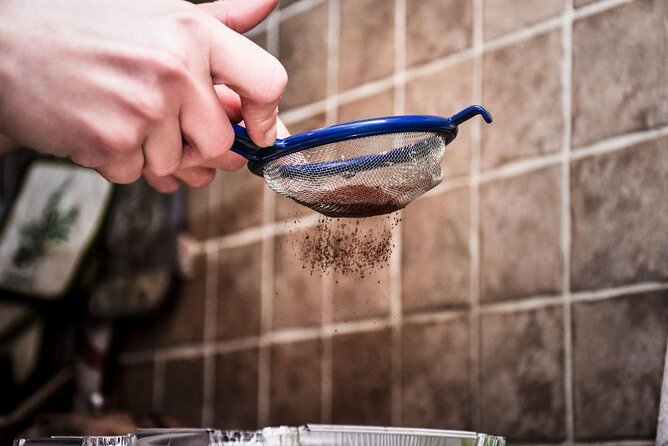
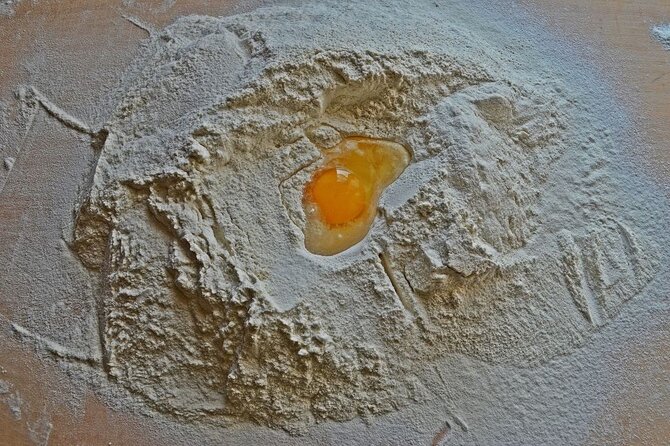
Once the tiramisù is resting, you turn to fresh pasta dough. This is the more active part of the class. You learn how to combine the ingredients, work the dough, and shape the pasta with the chef’s help.
Pasta making has a pleasing rhythm. You begin with a basic mixture, then gradually see it change as you work it. The chef can show you how the dough should feel and look, which is hard to learn from a written recipe alone. If your mixture needs more attention, a small group gives the instructor a chance to step in.
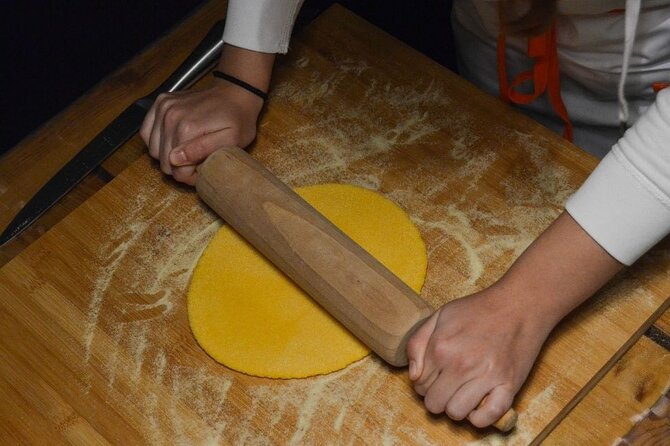
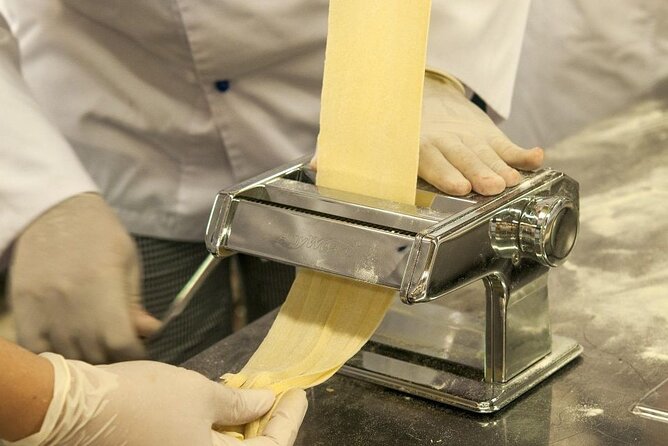
The class then moves to shaping the pasta. The exact shape can depend on the session, but the important lesson is learning how to handle fresh dough without tearing it or leaving it too thick. You are not simply watching a chef produce a perfect plate. You are doing the work yourself, with help available when you need it.
After shaping the pasta, you choose a homemade sauce to go with it. A simple tomato sauce has been served in past sessions, and it was singled out as a strong match for the fresh pasta. That simplicity is part of the appeal. Fresh pasta does not always need a heavy or complicated sauce. A straightforward tomato preparation lets you notice the texture of the noodles.
This part of the class should suit beginners well. You do not need to arrive with pasta-making experience. The chef explains the steps and gives you time to practice. If you already cook often, you can pay closer attention to dough texture, shaping, and the small tips that help produce better results at home.
More Pasta Making Classes in Rome
- Rome Cooking Class: Make Pasta and 3 Spritz Cocktails
★ 5.0 · 2,937 reviews - Rome: Fettuccine Pasta Cooking Class in Rome’s City Center
★ 4.8 · 2,414 reviews - Fettuccine & Tiramisù: Cooking Class with Wine & Limoncello
★ 4.9 · 2,103 reviews - Pasta Cooking Class Near the Colosseum with 3 Spritz Cocktails
★ 5.0 · 1,686 reviews
Sitting down to eat what you made
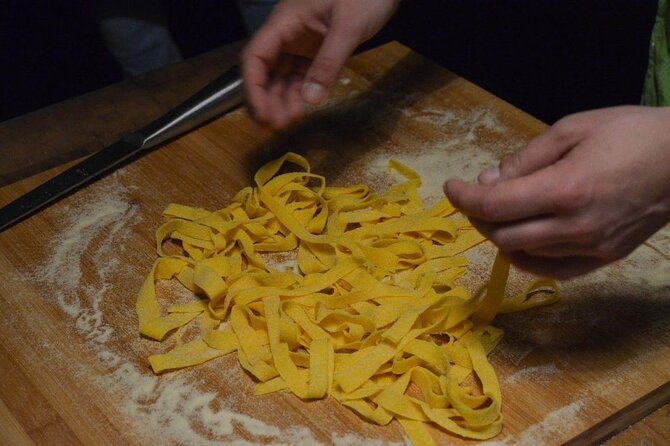
The reward comes at the end, when the pasta is cooked and the tiramisù is ready. You sit down for a meal featuring the dishes you prepared with the chef. The package includes a glass of wine and a bottle of water.
That meal changes the feel of the experience. You are not leaving with a container of ingredients or a recipe card and no chance to taste the result. You get to see how the finished pasta works with its sauce, then enjoy the dessert after it has had time to set.
One session also included coffee and limoncello alongside the meal. Those extras are not listed in the main inclusions, so I would treat them as possible additions rather than guaranteed parts of every class. The dependable inclusions are the prosecco at the beginning, wine, water, and dinner made from the pasta you prepared.
The meal is also a chance to slow down. Rome can be tiring, especially after a day of walking and sightseeing. A seated dinner at the end gives you time to talk, taste, and enjoy the result without rushing straight back into the city.
How personal is a group of 12?
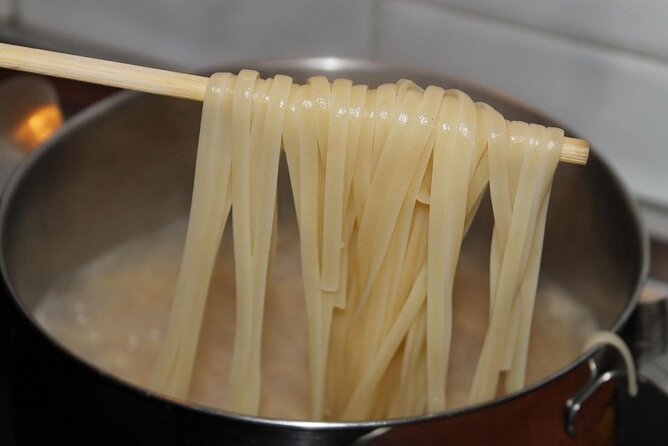
The maximum group size is 12 people. That is not a private lesson, but it is small enough to keep the chef involved with the work. You can expect a shared table and a social atmosphere, with other people preparing the same dishes beside you.
This format works well for couples, families, and friends. A couple can enjoy the class as a relaxed date, while a family gets an activity that gives everyone a job. Children may need to stay focused around ingredients and utensils, but the class is built around practical participation rather than a long talk.
The small size also helps if you are nervous about making mistakes. Pasta dough can be forgiving, but it is easier to relax when an instructor can look at your work and explain what to adjust. The class is not a competition. The goal is to make food you can eat and understand.
You should still know that a group class has limits. The chef must divide attention among up to 12 people, so you will not receive constant one-on-one teaching. If you want a completely private lesson or a highly technical culinary course, this is not that. It is a friendly, guided introduction with a meal at the end.
The value of $71.97 for three hours
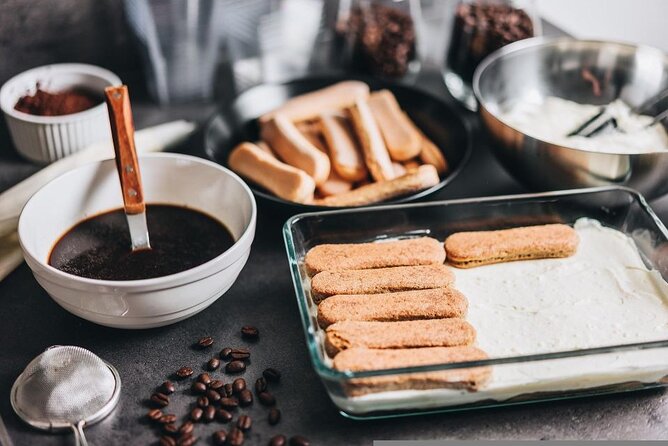
At $71.97 per person, the price includes the instruction, all ingredients, utensils, prosecco, wine, water, and the dinner you prepare. That makes the cost easier to judge than a class where drinks or food are added later.
I see the strongest value in the combination of lesson and meal. A standard dinner in Rome may give you a good plate of pasta, but it will not teach you how to make it. Here, you spend about three hours learning two dishes and then eat them. You also avoid paying separately for the ingredients and basic kitchen equipment used during the class.
The price makes the most sense if you care about participation. If you only want to eat Italian food, a restaurant is a simpler choice. If you want an activity that breaks up sightseeing and gives you a skill to take home, the fee is reasonable.
The class is also a useful option during a hot afternoon. One session was enjoyed as a way to spend time indoors and away from the heat. Since the start is at 4:30 pm, you can use the earlier part of the day for sightseeing, then shift into a slower food-focused evening.
Getting there and planning your afternoon
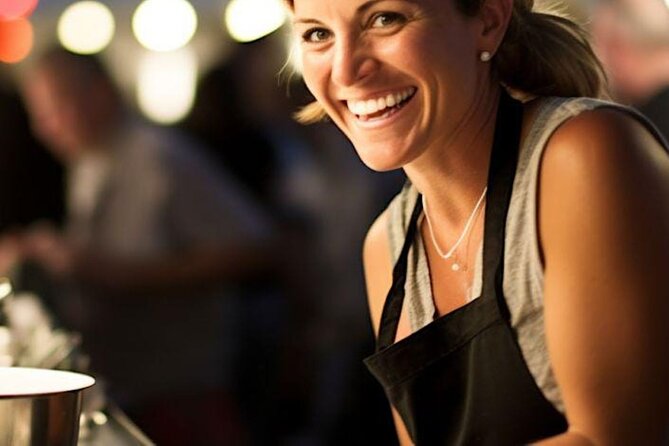
You meet at Via dei Capocci 26 in Rome at 4:30 pm. There is no hotel pickup or drop-off, and the class returns to the same address when it ends. Since the activity lasts about three hours, plan for it to finish around 7:30 pm, though the exact end time can vary.
The meeting point is near public transportation. You should still check your route before leaving, especially if you are coming from a museum, train station, or another part of Rome. A mobile ticket is provided, and confirmation arrives at booking.
The activity is offered in English. The average booking lead time is 24 days, which suggests you should reserve ahead if your dates are fixed. That is particularly wise for a small class, since only 12 places are available.
Free cancellation is available if you cancel at least 24 hours before the start time. Changes or cancellations made inside that window are not refunded. The class also requires a minimum number of participants. If the minimum is not reached and the activity is canceled, you are offered another date or experience, or a full refund.
Who should book this class?
I would recommend this for first-time visitors who want an evening activity beyond monuments and museums. It also suits repeat visitors who have already seen Rome’s major sights and want a more practical way to spend part of the day.
Food lovers will get the most from it, but you do not need serious cooking experience. The step-by-step format is aimed at helping you succeed, and the emphasis on home cooking means you can use what you learn after returning home.
Couples should find the format especially appealing. You work together, share the meal, and have an activity with more substance than simply sitting at a restaurant. Families can also enjoy it, provided everyone is comfortable with a three-hour class and hands-on kitchen work.
I would hesitate only if your Rome schedule is already packed or if you dislike group activities. The fixed 4:30 pm start and three-hour duration require a real block of time. You should also choose another option if you want advanced culinary training, a private chef, or a menu that goes beyond pasta and tiramisù.
Should you book the Roman pasta and tiramisù class?
Book it if you want to learn two classic Italian dishes, eat your own work, and spend an unhurried afternoon with a small group. The strongest parts are the patient step-by-step teaching associated with chefs such as Alma and Stefania, the practical home-cooking tips, and the fact that dinner is included.
Skip it if you only want a quick food tasting or need total flexibility in your evening. At $71.97, the class earns its price through participation, ingredients, drinks, instruction, and the meal. For a hands-on introduction to Italian cooking in Rome, it is a sensible and enjoyable choice.
FAQ
Where does the cooking class begin?
The class begins at Via dei Capocci 26, 00184 Rome, Italy.
What time does the class start?
The start time is 4:30 pm.
How long does the experience last?
The class lasts approximately three hours.
What food will I learn to make?
You will learn to make tiramisù and fresh pasta. You will also choose a homemade sauce to serve with the pasta.
Is dinner included?
Yes. You eat the pasta you prepare with the chef, along with the tiramisù made during the class.
What drinks are included?
The experience includes a glass of prosecco, a glass of wine, and a bottle of water. One account also describes coffee and limoncello, but those are not listed among the standard inclusions.
How many people can join the class?
The class has a maximum of 12 participants.
Is hotel transportation provided?
No. Hotel pickup and drop-off are not included. The activity begins and ends at Via dei Capocci 26, near public transportation.
Can I cancel for a refund?
Yes. You can cancel at least 24 hours before the start time for a full refund. Cancellations or changes made less than 24 hours before the start time are not refunded.
More Hands-On Workshops in Rome
- Rome: Pasta & Tiramisu Cooking Class near the Spanish Steps
★ 4.8 · 1,395 reviews - Rome Tipsy Cooking Class: Make Pasta and Mix 3 Spritz Cocktails
★ 5.0 · 1,357 reviews - Cooking Class in the Heart of Rome: Pizza and Tiramisu Making
★ 5.0 · 1,330 reviews - Rome Cooking Class: Make Pasta, Dine & Drink Wine With Local Chef
★ 5.0 · 1,263 reviews
Just added around Rome
- Vegetarian Cooking class in the Roman countryside★ 5.0 · 3 reviews
- Truffle Hunting, Lunch & Cooking Class in Rome’s Countryside★ 5.0 · 21 reviews
- Trastevere Food Tour with Pasta-Making Class★ 5.0 · 5 reviews
- The Vatican Market Experience: 10 Tasting & Cooking Class★ 5.0 · 6 reviews
- Cooking Class: Pasta & Tiramisu with a Private Italian Chef★ 5.0 · 46 reviews
- Tivoli Day Trip: Villa D’Este & Cooking Class★ 5.0 · 77 reviews
- Rome: Private Pizza Making Home cooking class with a local★ 4.5 · 7 reviews
- Inspirational Cooking on the Roman Chef’s Panoramic Terrace★ 5.0 · 30 reviews
Pasta Making Classes, compared.
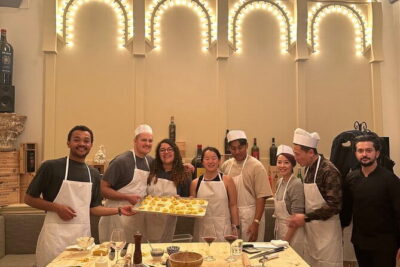
Florence: Pasta Cooking Class with Unlimited Wine
Read our review →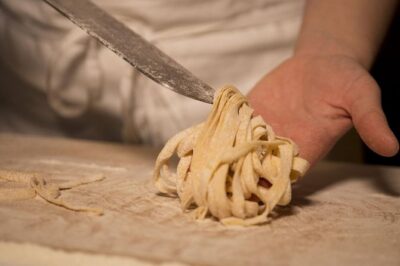
3 in 1 Cooking Class near Navona: Fettuccine, Ravioli & Tiramisu
Read our review →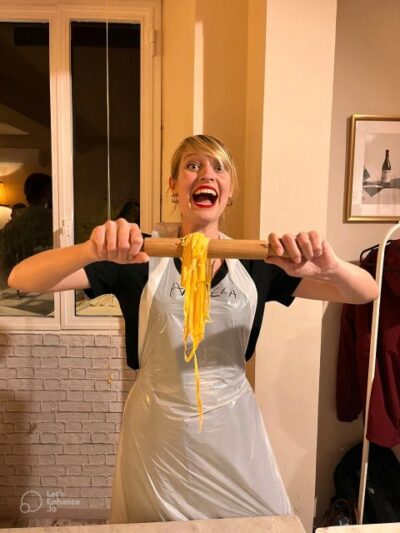
Rome: Pasta Making Class with Wine, Limoncello, and Dessert
Read our review →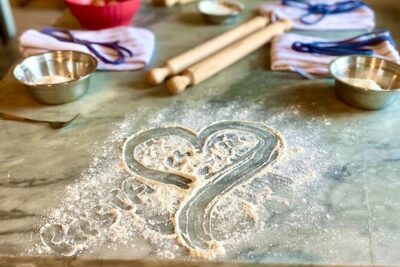
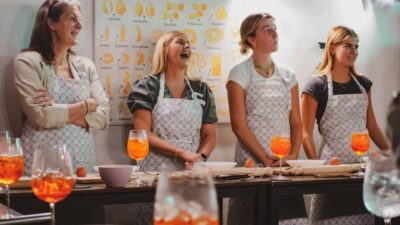
Rome Cooking Class: Make Pasta and 3 Spritz Cocktails
Read our review →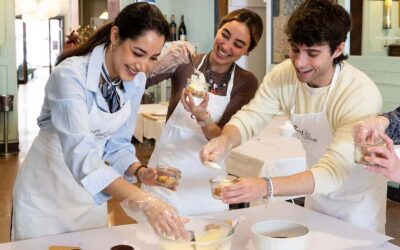
Rome: 3-in-1 Fettuccine, Ravioli, and Tiramisu Cooking Class
Read our review →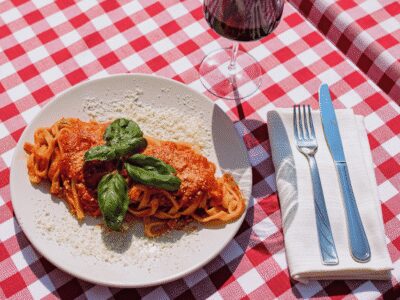
Rome: Fettuccine Pasta Cooking Class in Rome’s City Center
Read our review →Browse the lists this tour appears in