
Review · ROME
Fettuccine, Ravioli and Tiramisu Pasta Making in Rome
Making pasta from only flour and eggs is the heart of this three-hour Rome class. You prepare fettuccine, stuffed ravioli, and tiramisu, then sit down to eat what you made with a glass of wine or a non-alcoholic drink.
I like the practical mix of dishes: you learn fresh pasta, filled pasta, and a classic dessert in one sitting. I also like the choice of fettuccine sauces, including cacio e pepe, tomato and basil, or Amatriciana. The main consideration is that this is a shared cooking experience, so it may feel less suited to anyone seeking a quiet restaurant meal or a highly private lesson.
Key points to know before booking
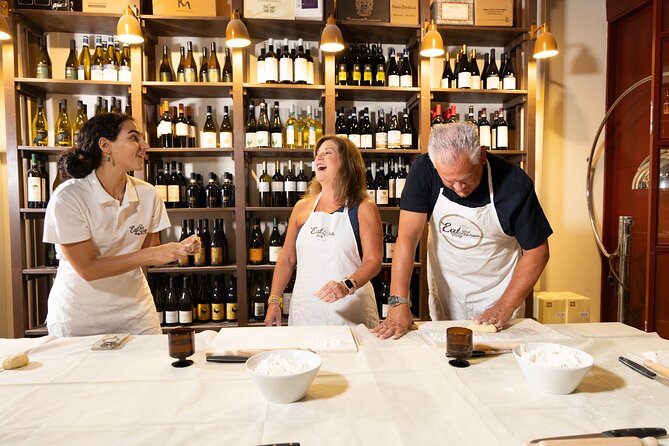
- Three Roman favorites in one class: Make fettuccine, ravioli, and tiramisu from scratch.
- A central meeting point: The class begins at Gusto Restaurant, Via Giuseppe Zanardelli 14.
- Your pasta becomes lunch or dinner: Eat fettuccine with your chosen sauce and ravioli with butter and sage.
- A friendly English-language format: Chef Andre led at least one highly praised session, with a 4.9 rating from 25 reviews.
- A useful value package: Wine or a soft drink, water, and limoncello or coffee are included.
- Easy planning: You can cancel up to 24 hours before the class for a full refund, and reserve now while paying later.
Starting at Gusto Restaurant in central Rome
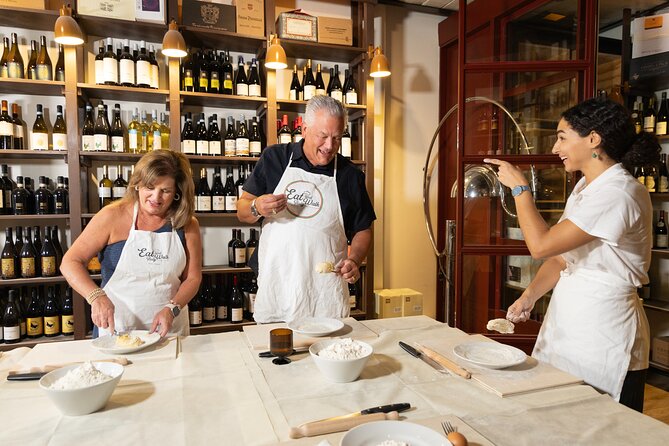
You meet your chef at Gusto Restaurant on Via Giuseppe Zanardelli 14. The directions ask you to arrive 10 minutes early, a sensible rule for any cooking class. Give yourself time to find the restaurant and settle in before the hands-on work begins.
The central location is useful if you are already sightseeing in Rome. You do not need to arrange a separate transfer to a distant cooking school, though the exact route from your hotel or earlier sightseeing stop will depend on where you are staying.
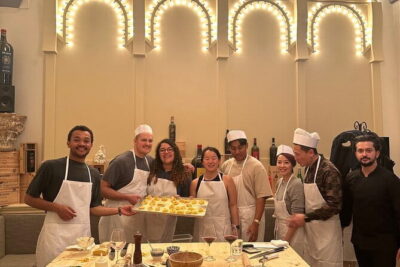
The setting is described as cozy and located in the heart of Rome. That matters here because the class is built around shared work and shared food. You are not simply watching a chef prepare a plate. You are sitting with the results of your own effort at the same restaurant.
The class is conducted in English. Chef Andre was specifically praised in one verified booking from September 2024, with the session described as fun and covering all three recipes. The overall rating is 4.9 from 25 reviews, a strong sign for anyone who wants a social cooking activity rather than a formal culinary school lesson.
More Dessert Classes in Rome
- 3 in 1 Cooking Class near Navona: Fettuccine, Ravioli & Tiramisu
★ 5.0 · 7,376 reviews - Rome: Pasta Making Class with Wine, Limoncello, and Dessert
★ 4.9 · 3,177 reviews - Rome: 3-in-1 Fettuccine, Ravioli, and Tiramisu Cooking Class
★ 4.9 · 2,704 reviews
First course: tiramisu before the pasta
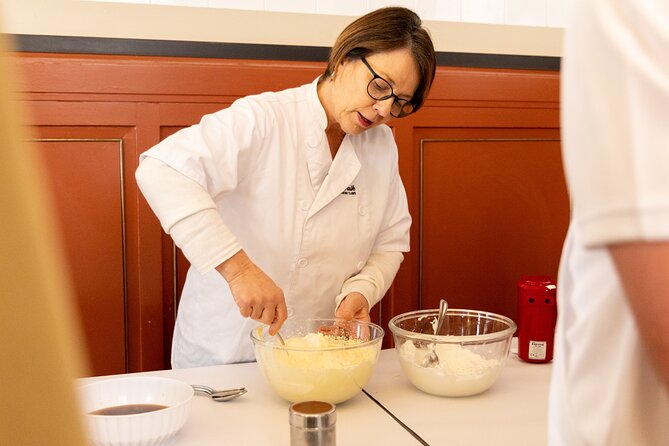
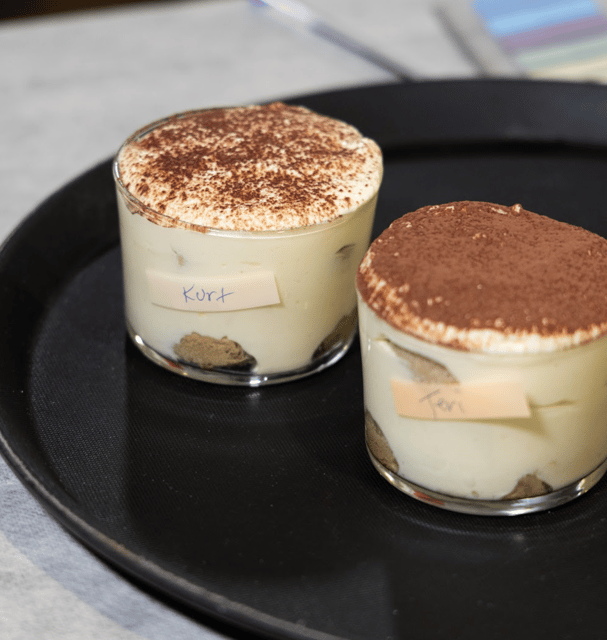
The class begins with tiramisu. You learn how to use the necessary ingredients and tools, with the chef showing you the process before you make your own dessert.
Starting with tiramisu is a practical choice. It gives the dessert time to come together before the meal, and it lets you begin with a recipe that does not require rolling or shaping pasta. You also get an early success before moving on to the more physical work.
Your own tiramisu is included in the meal. That is a small but important distinction from a demonstration class where the instructor prepares everything and you receive only a sample. Here, you take part in creating the dessert you later eat.
The available information does not specify the exact tiramisu method, portion size, or whether the dessert is chilled for a set period. You should think of this as a guided introduction rather than a professional pastry course. You will learn the basic preparation, but the focus is the complete Roman meal, not advanced dessert technique.
Rolling pasta from flour and eggs
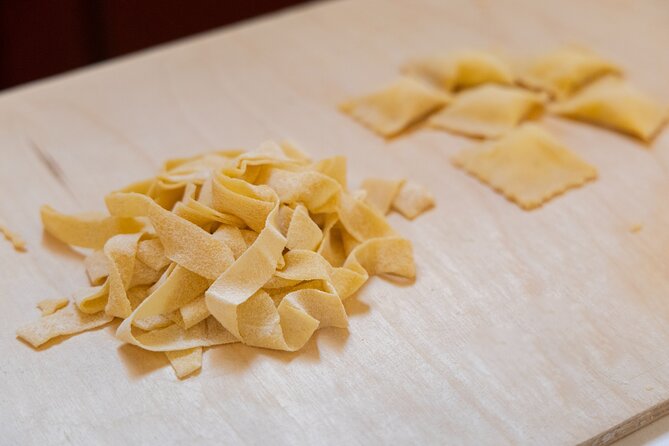
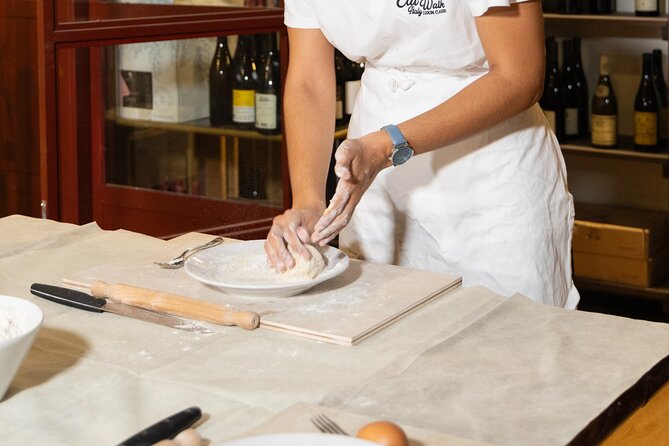
After tiramisu, the class turns to fresh pasta. You begin with flour and eggs, then work toward two different shapes: fettuccine and ravioli.
This part gives the experience its strongest value. Dried pasta is easy to buy in Italy, but making fresh pasta helps you understand the texture and effort behind the dish. You get to see how a simple dough becomes a meal through mixing, working, rolling, cutting, and filling.
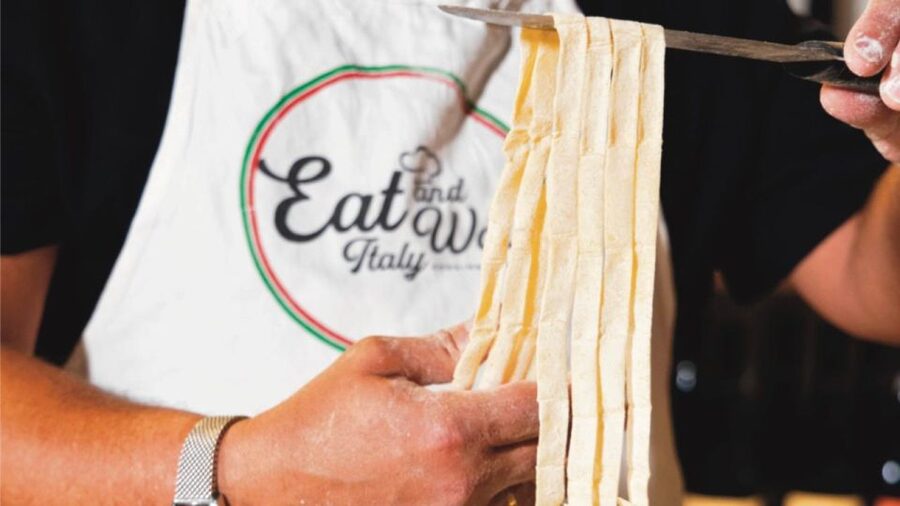
Fettuccine and ravioli also teach different skills. Fettuccine requires you to create long, even strands. Ravioli adds the extra steps of preparing a filling, placing it, sealing the pasta, and shaping individual pieces. If you want to recreate the class at home, these are useful techniques because they apply to many pasta recipes.
The supplied details do not give the group size or the exact amount of time spent on each shape. That means the pace can vary depending on the number of people attending and how quickly the group works. Arrive ready to participate rather than simply take photographs. You will get more from the class if you pay attention to texture and technique.
The chef guides you through the process, so you do not need prior pasta-making experience. Still, expect to work with your hands. If you prefer an activity with little physical participation, a standard restaurant meal may suit you better.
Choosing your fettuccine sauce
When the fresh fettuccine is ready, you choose one of three sauces:
- Tomato and basil
- Cacio e pepe
- Amatriciana
This choice gives the meal a useful Roman flavor. Cacio e pepe is built around cheese and pepper, Amatriciana offers a stronger tomato-based option, and tomato with basil is the simplest choice of the three. The activity does not state that every participant must choose the same sauce, so you should confirm the selection process with the chef if you have a strong preference.
The choice also makes the class work for different tastes. You might choose tomato and basil if you want something light and familiar. Cacio e pepe is a good pick if you want a classic Roman combination with a sharper, more savory taste. Amatriciana is the fuller option of the three.
Because your fettuccine is made during the class, the meal has a clear connection to the work you have just done. You are not learning a recipe in the morning and eating an unrelated dish later. The pasta you prepare becomes the main part of the meal.
More Pasta Making Classes in Rome
- Rome Cooking Class: Make Pasta and 3 Spritz Cocktails
★ 5.0 · 2,937 reviews - Rome: Fettuccine Pasta Cooking Class in Rome’s City Center
★ 4.8 · 2,414 reviews - Fettuccine & Tiramisù: Cooking Class with Wine & Limoncello
★ 4.9 · 2,103 reviews - Pasta Cooking Class Near the Colosseum with 3 Spritz Cocktails
★ 5.0 · 1,686 reviews
Shaping stuffed ravioli with butter and sage
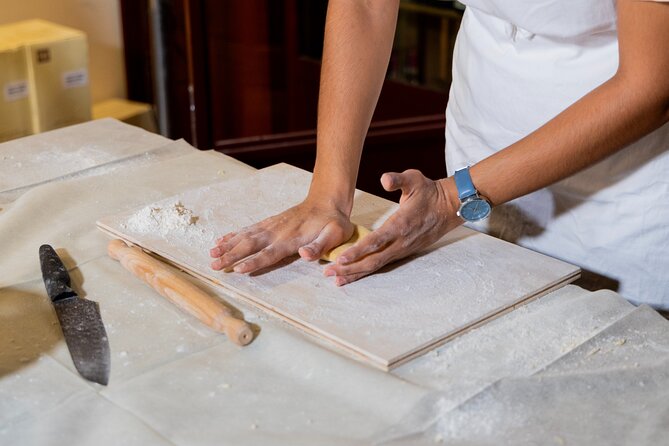
The ravioli is served with butter and sage sauce. This is a simpler pairing than the fettuccine choices, and that is helpful. The sauce allows the fresh pasta and filling to remain the focus.
Ravioli is often the most rewarding part of a pasta class because the shape requires care. Too much filling can make the pasta difficult to seal. Too little may leave the finished piece unbalanced. The chef’s guidance is useful here, particularly if you have never made filled pasta before.
The available information does not name the ravioli filling. That is worth checking if you have dietary restrictions or strong food preferences. No allergy information is provided, and the activity description does not promise substitutions.
The butter and sage sauce should appeal to anyone who wants to taste the pasta itself rather than cover it with a heavy sauce. It also gives you a basic preparation that can be repeated at home with fresh or store-bought ravioli.
Sitting down to eat with wine or coffee
The second half of the experience shifts from work to the table. You eat the fettuccine with your chosen sauce, the ravioli with butter and sage, and your tiramisu. A glass of wine or a non-alcoholic beverage is included, along with water.
The meal ends with either a glass of limoncello or coffee. This gives the class the feel of a full Italian dining experience, not just a cooking lesson with a quick taste at the end.
Alcoholic drinks are not included for participants under 18. The listed inclusions also do not cover extra food or drinks, so keep that in mind if you want additional beverages. Tips and gratuities are not included either.
I like that the class builds in time to eat together. Cooking can be rushed when it is treated only as an activity. Sitting down afterward gives you time to appreciate the results and enjoy the social side of the experience.
The exact meal portions are not specified. You should expect a substantial tasting meal based on three dishes, but do not assume it is an unlimited restaurant dinner.
What the $82 price really covers
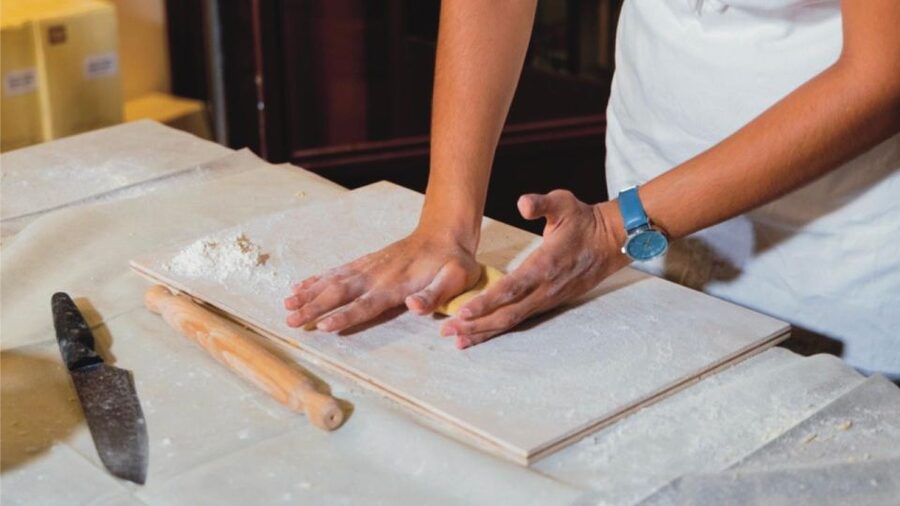
At $82 per person, the cost is higher than buying a plate of pasta in Rome, but that is not the right comparison. You are paying for three hours of instruction, the ingredients, the use of cooking tools, three prepared dishes, a drink, water, and a final limoncello or coffee.
The value is strongest if you want to learn techniques you can repeat at home. You make both long pasta and stuffed pasta, then prepare a well-known Italian dessert. That is more useful than a class focused on one dish, especially for a first cooking experience in Rome.
The price is less attractive if you mainly want a low-cost meal. A restaurant can feed you for less, and you will not have to spend three hours cooking. The class earns its price through participation, instruction, and the shared meal.
The inclusion of a wine or non-alcoholic beverage helps keep the final cost clear. Extra drinks and gratuity are separate, so budget for those only if you want them.
Who will enjoy this Rome cooking class
This experience is a good match for couples, friends, solo visitors who enjoy meeting people, and families with older children. It is not suitable for children under four, and the activity data does not provide a special children’s format.
You will likely enjoy it most if you like practical activities and want to learn something you can use after returning home. It also works well for a rainy afternoon or an evening when you want a break from monuments and museums.
The class is wheelchair accessible, which makes it an option for many visitors who need an accessible activity. You should still contact the provider directly about any specific access needs, since the available information does not describe the room layout or work surfaces.
This is not the best choice for someone who dislikes group activities, has strict food allergies that have not been confirmed in advance, or wants an advanced chef-training course. The group size, pasta filling, and exact teaching format are not provided, so ask before booking if those details matter to you.
Practical details that affect your day
Plan to arrive at least 10 minutes early at Gusto Restaurant, Via Giuseppe Zanardelli 14. The language is English, and the activity lasts three hours, with start times dependent on availability.
You can cancel up to 24 hours in advance for a full refund. The reserve-now, pay-later option can help if your Rome schedule is still changing.
Pets are not allowed. Alcoholic beverages are excluded for anyone under 18, though a non-alcoholic beverage is included.
Wear something comfortable enough for hands-on cooking. The listing does not give a dress code or equipment list, so you do not need to pack special tools. Just make sure you arrive ready to work with flour, eggs, pasta, and filling.
Should you book the fettuccine, ravioli, and tiramisu class?
Book it if you want more than a meal and like the idea of making three Italian staples in one central Rome session. The combination of fresh fettuccine, stuffed ravioli, and tiramisu gives you a broad introduction to home-style Italian cooking, while the included drink and final limoncello or coffee make the three-hour format feel complete.
I would skip it if you want a quick lunch, a private lesson, or detailed information about dietary substitutions before booking. For most visitors who want a hands-on activity with a strong food payoff, the $82 price is reasonable, especially if Chef Andre is leading the class and you value learning techniques you can repeat at home.
FAQ
Where does the pasta-making class meet?
Meet the chef at Gusto Restaurant, Via Giuseppe Zanardelli 14, in central Rome.
How long does the activity last?
The class lasts three hours.
What dishes will I make?
You will make fettuccine, stuffed ravioli, and tiramisu from scratch.
Which sauces are available for the fettuccine?
You can choose tomato and basil, cacio e pepe, or Amatriciana.
What is served with the ravioli?
The ravioli is served with butter and sage sauce.
Are drinks included?
A glass of wine or a non-alcoholic beverage, water, and either limoncello or coffee are included. Additional drinks are not included, and alcoholic beverages are not available for participants under 18.
Is the activity suitable for young children?
Children under four are not permitted. The activity is wheelchair accessible and conducted in English.
Just added around Rome
- Fettuccine, Ravioli & Tiramisu Cooking Class in Rome★ 4.6 · 12 reviews
- Fettuccine Pasta Cooking Class in Rome City Center★ 4.6 · 24 reviews
- From Rome: Pasta & Tiramisù Cooking Class near Spanish Steps★ 4.7 · 27 reviews
- Mazzano Romano: Cooking Lesson and Lunch in the Countryside★ 5.0 · 15 reviews
- Rome: Pasta, Ravioli & Tiramisu Cooking Class by Colosseum★ 5.0 · 40 reviews
- Rome: Pizza and Tiramisù Cooking Class with Glass of Wine★ 4.8 · 144 reviews
- “ROME: Lasagna Cooking Class WITH A SPRITZ SPIN★ 5.0 · 3 reviews
- Kitchen of Mamma: Pasta Cooking Class with market visit in Rome★ 5.0 · 140 reviews
Pasta Making Classes, compared.
Florence: Pasta Cooking Class with Unlimited Wine
Read our review →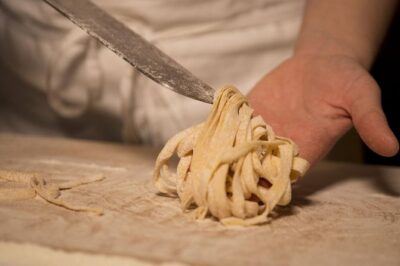
3 in 1 Cooking Class near Navona: Fettuccine, Ravioli & Tiramisu
Read our review →
Rome: Pasta Making Class with Wine, Limoncello, and Dessert
Read our review →
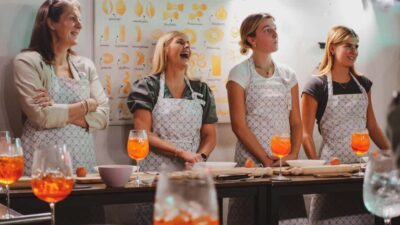
Rome Cooking Class: Make Pasta and 3 Spritz Cocktails
Read our review →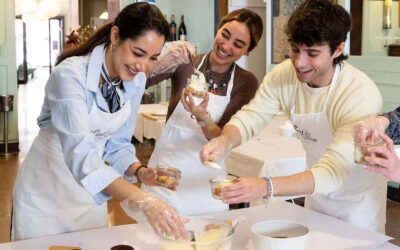
Rome: 3-in-1 Fettuccine, Ravioli, and Tiramisu Cooking Class
Read our review →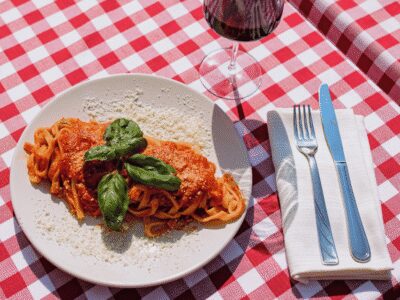
Rome: Fettuccine Pasta Cooking Class in Rome’s City Center
Read our review →Browse the lists this tour appears in