
Review · BARI
Apulian cooking class fresh pasta and focaccia
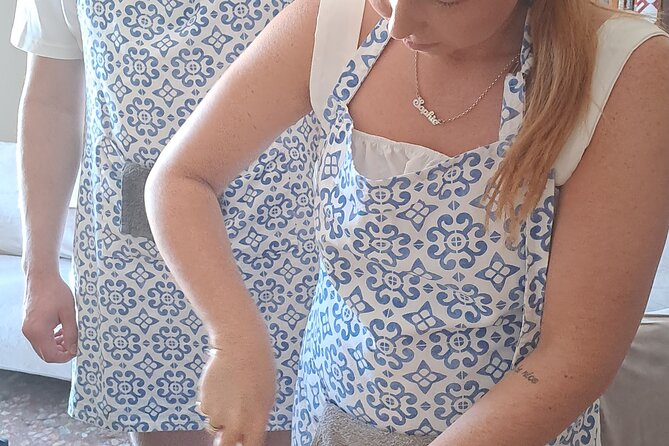
Bari’s best food lesson may be the one that gets you working with your hands. In Juanita’s home, you make Bari-style focaccia and orecchiette from scratch, then sit down to eat the results with local treats, wine, or another drink. This is not a cooking demonstration where you watch from a chair. You shape the pasta yourself, and Juanita corrects your technique as you go.
I like the small, personal setting and the useful location, about 10 minutes from Bari Centrale and close to the old town. I also like that the lesson goes beyond recipes: you learn about flour, yeast, local ingredients, and the family methods behind the food. The main consideration is time. Two and a half hours can pass quickly, especially if the class includes extra dishes or a relaxed meal.
Key points at a glance
- Make orecchiette by hand: Practice the rolling and cutting motion that creates Bari’s little ear-shaped pasta.
- Bake traditional focaccia: Prepare the dough, add tomatoes and their juices, and finish it with olive oil before baking.
- Learn in Juanita’s home: The setting feels personal, with conversation, family stories, and food served at the table.
- Eat what you prepare: Your pasta and focaccia become the main meal, joined by antipasti, sauces, and drinks.
- Convenient Bari location: Reach the class on foot from the central train station, shopping streets, and historic center.
- Take the lesson home: Recipes are provided so you can try the dishes again after your trip.
Why Bari focaccia and orecchiette make a fine cooking lesson
Apulia is a good place to learn Italian cooking because the food is direct and practical. The recipes rely on a short list of ingredients, but technique matters. A little change in dough texture, knife angle, or cooking time can affect the finished dish.
That makes this class more useful than a meal alone. You get to taste Apulian food, but you also see how it is made. The two main projects, focaccia and orecchiette, show different sides of local cooking. Focaccia teaches patience with dough and the value of good olive oil. Orecchiette teaches hand skill and repetition.
Juanita leads the class in her home near the center of Bari. She is described as warm, funny, patient, and very organized. Her teaching style suits beginners, but it also has enough detail for confident home cooks. Even experienced cooks can pick up small tips about flour, yeast, shaping, and preparation.
The tone is relaxed rather than formal. You may work, chat, drink wine, and ask questions at the same table. That makes this a good choice if you want food to open a door into local life, not just fill your stomach.
More Pasta Making Classes in Italy:
- Florence: Pasta Cooking Class with Unlimited Wine
★ 4.9 · 10,285 reviews - 3 in 1 Cooking Class near Navona: Fettuccine, Ravioli & Tiramisu
★ 5.0 · 7,376 reviews - Florence: Pasta & Tiramisu Cooking Class with Unlimited Wine
★ 4.9 · 6,708 reviews
Arriving near Bari Centrale
The meeting point is Via Domenico Nicolai 105, about 10 minutes from Bari’s central train station. It is also close to the shopping streets and major sights, including the old town, Bari Cathedral, the Basilica of Saint Nicholas, Palazzo Fizzarotti, and the Petruzzelli Theatre.
That location matters if you are fitting the class into a short stay. You can pair it with a morning walk through the historic center or use it as a midday activity before more sightseeing. One account described the walk from the old town as about 15 minutes, so allow a little extra time if you are coming from there rather than the station.
The start time is arranged with Juanita. The published operating window runs from 10 a.m. to 5 p.m., Monday through Sunday, but you should confirm the agreed start time when booking. This flexibility is useful for a cruise stop, a free afternoon, or a day built around the train schedule.
The class ends back at the meeting point. Since the food is prepared and served during the experience, you do not need to plan a separate lunch afterward.
Starting with coffee, antipasti, and conversation
The class often begins with a welcome at the table. Depending on the session, you may be offered coffee, cake, wine, champagne, or an aperitif. Antipasti can include items such as marinated zucchini with mint, roasted peppers with garlic and olive oil, mozzarella, tomatoes, salami, provolone, olives, buffalo cheese, and homemade bread.
These opening bites are more than filler while the dough is prepared. They give you a first taste of the ingredients that shape Apulian cooking: vegetables, cheese, cured meat, bread, and olive oil. They also give the group a chance to settle in before the hands-on work begins.
Juanita may share family connections to the ingredients, including olive oil from her father. That sort of detail helps explain why local cooking often depends less on complex sauces and more on the quality of basic food.
You should tell Juanita about any needs at booking. Child seats can be arranged if requested in advance. The experience has a maximum of eight people, while some sessions described an even smaller group. A smaller class gives you more time to practice shaping pasta and ask questions.
Making focaccia from dough to oven
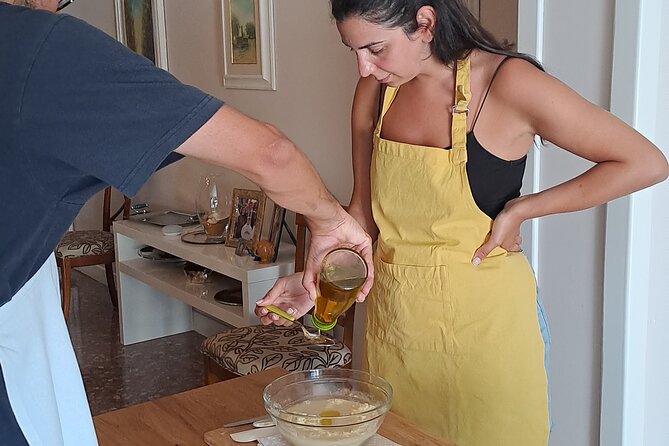
Focaccia usually comes first because the dough needs time to rest. Juanita explains the flour and yeast used for the bread, including the difference between flour suited to pizza and flour used for pasta. Fresh ingredients are part of the lesson, and the work begins with the dough rather than a premade base.
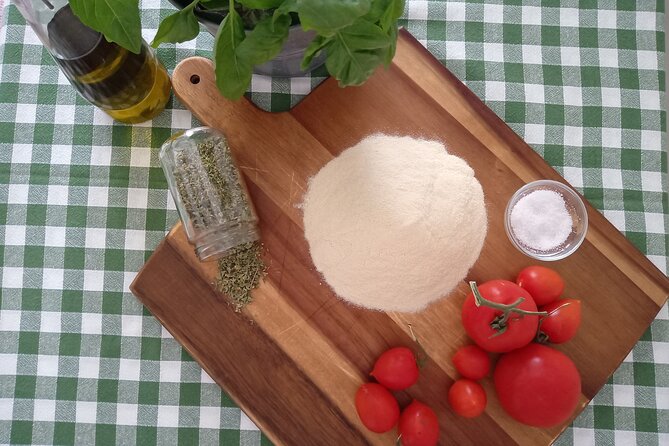
You will handle the dough and learn how it should feel as it comes together. The lesson then moves toward the traditional Bari style, with tomatoes placed over the surface and their juices worked into the bread. Olive oil finishes the preparation before the focaccia goes into the oven.
This is one of the more rewarding parts of the class because you can watch a simple mixture become a finished regional specialty. It also teaches a useful home-cooking lesson: dough needs time, and rushing it is rarely helpful.
The finished focaccia becomes part of the meal. Some people have also taken leftover pieces with them, which is a practical bonus if you are staying nearby or heading back to your accommodation. Since the class is short, you should not expect a full bakery course. The focus is one traditional preparation that you can repeat at home.
More Pizza Making Classes in Italy:
- Naples: Pizza-Making Workshop with Drink and Appetizer
★ 4.9 · 5,411 reviews - Authentic Pizza Making Class in Naples with Appetizers and Drink
★ 5.0 · 3,178 reviews - Florence Cooking Class The Art of Making Gelato & Authentic Pizza
★ 5.0 · 2,053 reviews - Cooking Class in the Heart of Rome: Pizza and Tiramisu Making
★ 5.0 · 1,330 reviews
Shaping orecchiette with a serrated knife
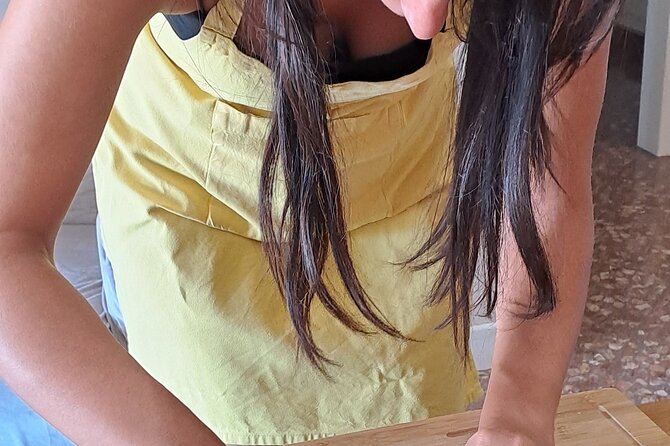
The pasta portion is the most distinctive part of the experience. Orecchiette means little ears, and the shape is closely linked with Bari and the surrounding Apulian region.
Juanita demonstrates how to form the pasta from fresh dough, then you take a turn. The basic movement looks easy when she does it. It is less simple when the knife is in your hand. You drag or roll the knife across a small piece of dough, then turn it to create the cupped shape.
This is where patience helps. Your first pieces may come out flat, thick, or uneven. That is normal, and Juanita coaches you through the motion. The class is designed around practice, not perfection. You keep making pieces until the gesture begins to feel natural.
The hands-on format matters here. Watching orecchiette being made will not give you the same feel for the dough or the pressure needed with the knife. By doing it yourself, you leave with a better chance of reproducing the technique in your own kitchen.
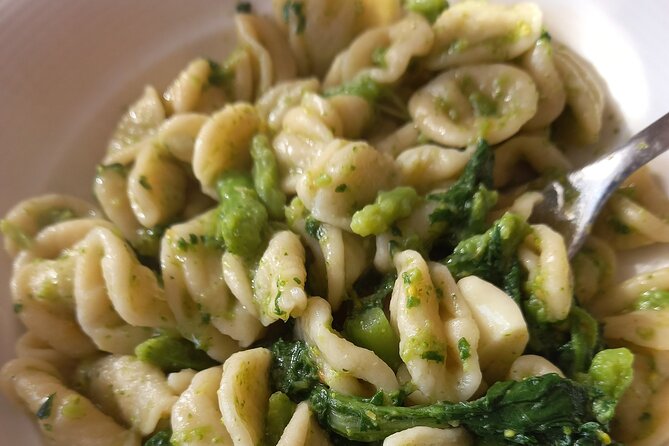
The pasta may be served with traditional cime di rapa, also known as broccoli rabe, or with another sauce chosen during the class. Other preparations have included a tomato sauce, pesto, and a sweet pepper sauce. The exact sauce can vary, so do not book this expecting one fixed menu every time.
Sitting down to the meal you made
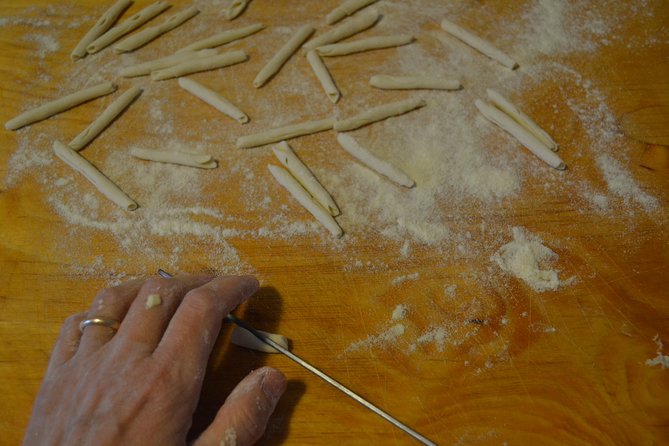
After the cooking, Juanita cooks the pasta and bakes the focaccia. You then sit down to eat the meal with the other people in the class.
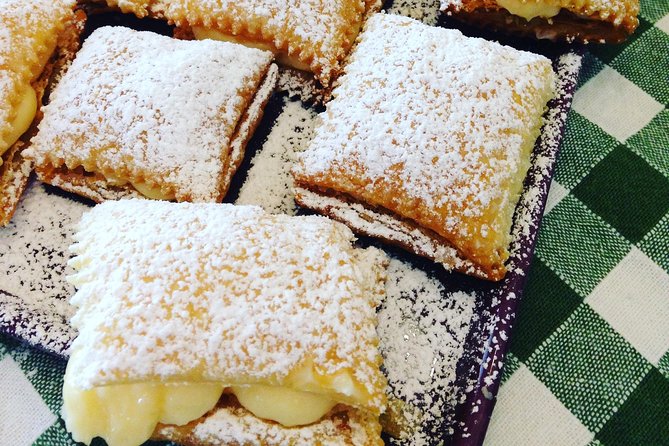
The meal can include the focaccia, fresh orecchiette, sauces, antipasti, and a drink of your choice. Wine, coffee, water, and homemade limoncello have all been part of different sessions. Tiramisu or cake may also appear, especially when the class includes an extra dessert lesson or a special occasion.
That final meal is a key part of the value. You are not simply given a certificate and sent away with raw dough. You get to taste the difference between fresh pasta and dried pasta, and you can judge the focaccia while the process is still fresh in your mind.
The meal also keeps the class social. You may share a table with a few other participants, talk with Juanita, and hear family stories about Bari and its food. If you prefer a silent, technical workshop, this may feel too informal. If you enjoy food as a social activity, the home setting is a strong reason to choose it.
What the $107.40 price gets you
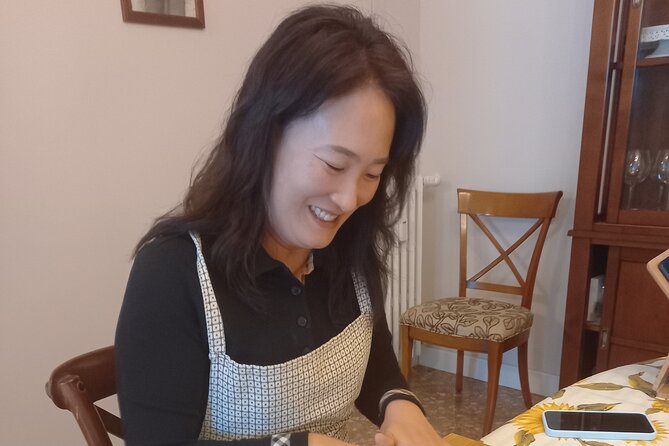
At $107.40 per person, this is not a cheap way to eat lunch in Bari. You can find less expensive meals in the city. The value comes from combining a meal, a private-home setting, instruction, ingredients, drinks, and recipes in one experience.
The class lasts about two and a half hours. That gives you enough time to make two substantial dishes, enjoy antipasti, eat lunch, and ask questions. Some sessions have lasted close to three hours, particularly when the meal includes tiramisu or extra dishes. You should treat the published duration as an estimate rather than a strict end time.
I think the price makes the most sense for people who enjoy cooking or who want a personal cultural activity in Bari. It is less compelling if your main aim is simply to eat traditional pasta at the lowest possible cost.
The recipes add lasting value. You can return home with instructions for focaccia and orecchiette instead of only photographs and memories. Juanita may also provide photos by email, giving you a useful record of the process.
Who will enjoy this class most
This experience suits couples, families, solo visitors, and small groups. A family can work side by side, and children may take part if the arrangements are discussed ahead of time. The maximum group size is eight, so the setting should remain more personal than a large commercial workshop.
Beginners should feel comfortable here. Juanita explains each step and demonstrates the pasta technique more than once when needed. You do not need to arrive with Italian cooking skills.
Experienced cooks can also get something from the lesson. The useful details include flour choices, dough handling, yeast, the correct motion for orecchiette, and the way tomatoes and olive oil affect the focaccia. The class is not aimed at professional cooks, but it is not empty entertainment either.
It is also a good fit for cruise passengers. The central location is practical, the activity lasts only part of a day, and the meal takes place at the class rather than requiring another stop. Still, check your ship’s schedule carefully and leave enough time for the return journey.
Small drawbacks to keep in mind
The home setting is part of the appeal, but it also means the experience is not a restaurant or a formal culinary school. Seating, workspace, and menu choices may depend on the size and makeup of the group.
The class is advertised for up to eight people. If you want a fully private lesson, ask about the arrangement before booking. Some sessions may be very small, while others could include more participants.
The menu is traditional, but not every detail is fixed. One class may focus on orecchiette with cime di rapa, while another may use pesto, tomato, or pepper sauce. If you have a specific dish in mind, ask Juanita in advance.
Finally, the food and drinks can make the experience run longer than the stated two and a half hours. That is pleasant if you have time, but it matters if you have a train, tour, or ship departure immediately afterward.
Booking and cancellation advice
Confirmation is provided when you book, and the ticket is mobile. The experience runs Monday through Sunday within the published 10 a.m. to 5 p.m. window, with the start time decided together.
Free cancellation is available up to 24 hours before the start time for a full refund. Changes or cancellations made less than 24 hours before the experience are not refunded. The class also requires a minimum number of participants. If that minimum is not met and the activity is canceled, you are offered another date or experience, or a full refund.
Should you book the Bari cooking class?
I would book this if you want a personal Bari experience that teaches you something useful. The strongest reasons are the hands-on pasta work, the traditional focaccia, Juanita’s friendly teaching, and the chance to eat a meal made with your own hands.
It is especially worth considering if you are staying near Bari Centrale, visiting the old town, or stopping in Bari during a cruise. The location makes it easy to fit into a day, and the recipes give the experience value after you leave Italy.
Skip it if you dislike group meals, have very little time, or only want a quick tasting. For everyone else, this is a warm, practical introduction to Apulian food, with enough technique to keep the memory alive in your own kitchen.
FAQ
Where does the Apulian cooking class take place?
The class meets at Via Domenico Nicolai 105, 70122 Bari, Italy. It is about 10 minutes from Bari Central Train Station and close to Bari’s shopping streets and historic attractions.
How long does the cooking class last?
The stated duration is approximately two hours and 30 minutes. Some sessions may last close to three hours if extra dishes or a relaxed meal are included.
What will I cook?
You will learn to make traditional Bari focaccia and fresh orecchiette pasta. Some sessions have also included ravioli, tiramisu, or other local preparations.
Will I eat the food I prepare?
Yes. The focaccia and pasta are served as part of the meal after the cooking work is finished. Antipasti and sauces may also be included.
Who teaches the class?
The class is taught by Juanita, who welcomes participants into her home and guides them through the recipes and techniques.
Is the class suitable for beginners?
Yes. Juanita demonstrates the techniques and helps participants practice, especially when shaping orecchiette. The experience is also suitable for people with more cooking experience.
How many people can join?
The activity has a maximum of eight participants. Some sessions may be smaller.
Can children take part?
Children can be accommodated, but you should request child seats at the time of booking if they are needed.
What is the cancellation policy?
You can cancel up to 24 hours before the start time for a full refund. Cancellations or changes made less than 24 hours before the start time are not refunded.
More Hands-On Workshops in Italy
- Florence: Pasta Cooking Class with Unlimited Wine
★ 5.0 · 6,413 reviews - Cooking Class and Lunch at a Tuscan Farmhouse with Local Market Tour from Florence
★ 5.0 · 4,831 reviews - Rome: Pasta Making Class with Wine, Limoncello, and Dessert
★ 4.9 · 3,177 reviews - Pastamania – Florence Pasta Making Class
★ 5.0 · 3,050 reviews
Just added around Italy
- Dining experience at a local’s home in Asti with show cooking★ 5.0 · 5 reviews
- Cesarine: Market Tour & Cooking Class at Local’s Home in Asti★ 5.0 · 4 reviews
- Traditional Sauces Class in Assisi’s Home-Style Cooking School★ 5.0 · 15 reviews
- Umbrian Regional and Traditional Cooking Class with Lunch in Assisi★ 4.5 · 5 reviews
- Umbria Traditional Cooking Class in Assisi countryside★ 5.0 · 3 reviews
- Fettuccine & Ravioli Class in Assisi’s Home-Style Cooking School★ 5.0 · 10 reviews
- Pasta Making Class with Mamma in Assisi★ 4.5 · 40 reviews
- Cooking class Cortona★ 5.0 · 8 reviews
Pasta Making Classes, compared.

Florence: Pasta Cooking Class with Unlimited Wine
Read our review →
3 in 1 Cooking Class near Navona: Fettuccine, Ravioli & Tiramisu
Read our review →
Rome: Pasta Making Class with Wine, Limoncello, and Dessert
Read our review →
Rome Cooking Class: Make Pasta and 3 Spritz Cocktails
Read our review →
Rome: 3-in-1 Fettuccine, Ravioli, and Tiramisu Cooking Class
Read our review →
Rome: Fettuccine Pasta Cooking Class in Rome’s City Center
Read our review →Browse the lists this tour appears in