
Review · ATHENS
Cook a Greek Feast Steps From the Acropolis (8-Course Meal)
The most surprising part of this eight-course cooking class is its setting: you prepare a full Greek feast just steps from the Acropolis. In about three hours, you move from homemade filo and eggplant moussaka to sesame bread rings and chilled ekmek, all in a central Athens kitchen.
I like the small maximum of 12 people, which should give you a better chance to follow the cooking and ask questions. I also like the menu’s range, from familiar tzatziki to less expected dishes such as dakos and almond feta.
The main thing to understand before booking is that this is fully plant-based. One person arrived expecting a more traditional Greek cooking class and found the vegan focus unclear at first, so read the menu carefully before you reserve.
Key points to know before booking
- Eight dishes in three hours: You prepare spanakopita, moussaka, tzatziki, fava, dakos, almond feta, koulouri, and ekmek.
- Plant-based from start to finish: Cashew béchamel, soy-based mince, almond feta, and a whipped topping replace several classic dairy or meat ingredients.
- Near the Acropolis: The class meets at SOYBIRD, Veikou 75-77, in central Athens, with the activity ending at the same address.
- Homemade filo is part of the fun: You do not simply assemble a ready-made pie. The first course includes making filo dough.
- A small English-language class: The maximum group size is 12, and instruction, cultural stories, and cooking tips are offered in English.
- Good for dietary planning: Special dietary needs can be discussed in advance, and service animals are allowed.
A Greek cooking class with the Acropolis nearby
This experience gives you something many food tours do not: time to make the food yourself. You are not simply tasting small portions while someone else does the work. You handle the ingredients, learn the methods, and sit down to a meal built during the class.
The setting adds a strong Athens connection. SOYBIRD is at Veikou 75-77, a short distance from the Acropolis. The Parthenon is close enough to shape the mood of the experience, though the class itself takes place indoors and is centered on cooking rather than sightseeing.
You should allow about three hours. That is a brisk schedule for eight courses, so expect the class to keep moving. The benefit is variety. You taste many parts of Greek food in one sitting rather than spending the whole session on a single dish.
The menu is also designed for people who do not eat meat or dairy. That makes it useful for vegans and anyone curious about modern plant-based versions of Greek classics. If you are seeking a lesson in traditional recipes with lamb, feta, or a dairy béchamel, this is not that class.
More Cooking Classes with Lunch in Greece
- Athens: Greek Cooking Class with Meal and Drinks
★ 4.9 · 171 reviews - Athens: Traditional Greek Cooking Class with Full Meal
★ 4.8 · 26 reviews - Chania Cooking Class-The Authentic Enjoy traditional Cretan meal
★ 5.0 · 339 reviews
Starting with spanakopita and homemade filo
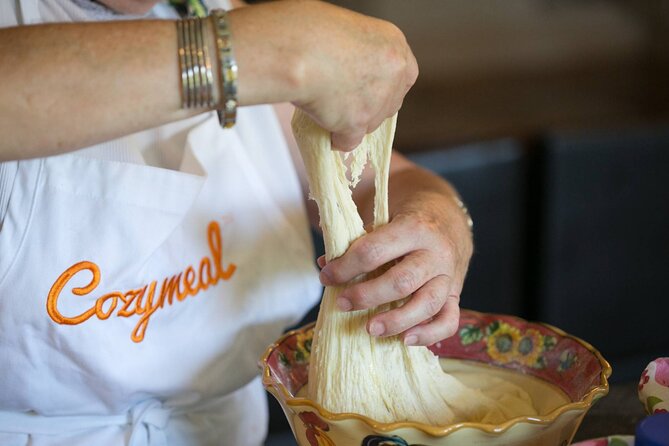
The first course is spanakopita, the familiar Greek spinach pie. Here, you make the filo dough yourself, then pair it with fresh spinach and aromatic herbs.
That homemade dough is one of the more valuable parts of the class. Filo can seem intimidating at home, and a cooking session gives you a chance to see how the dough is handled rather than relying on a packaged sheet. You also learn how herbs and greens carry much of the flavor in a plant-based version.
Spanakopita is a useful starting point because it introduces the basic rhythm of the class: prepare components, build a dish, and share the result. It is also a good test of your expectations. If you want a hands-on lesson, this course delivers that from the opening dish. If you prefer a relaxed tasting with little kitchen work, the pace may feel busy.
Moussaka with a cashew béchamel
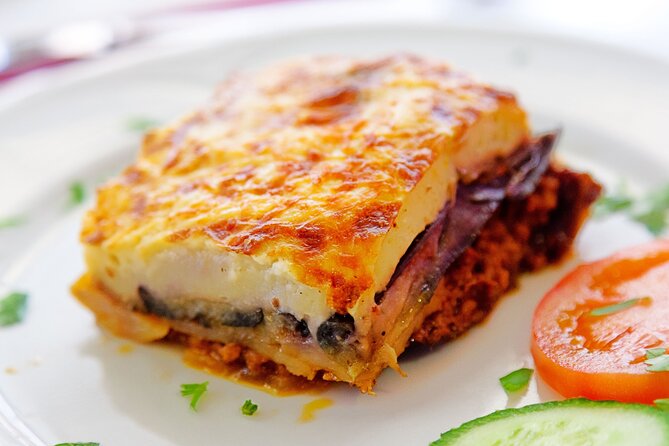
Next comes moussaka, built with layers of eggplant, soy-based ground meat, and cashew béchamel sauce. This is one of the menu’s most direct departures from the standard version many people know in Greece.
Eggplant provides the soft, savory base, while the soy mixture takes the place of minced meat. Cashews create the creamy béchamel layer without dairy. The dish is a good example of how the class approaches Greek food: it keeps the shape and spirit of a classic while changing several ingredients.
I would pay attention here if you want ideas for cooking plant-based meals at home. Moussaka can be a time-consuming dish, and the class lets you see its main parts in one session. The drawback is that the recipe may not satisfy you if your main goal is to learn the old-fashioned meat and milk version.
Tzatziki, fava, and the flavors of the Greek table

Tzatziki follows with yogurt, cucumber, garlic, olive oil, and fresh herbs. The menu identifies it as a yogurt cucumber dip, and the plant-based approach means you should expect a non-dairy yogurt option.
This is a simple dish, but it matters because tzatziki shows how Greek food often depends on a few clean flavors rather than a long list of spices. You get cool cucumber, garlic, herbs, and olive oil in one bowl. It also gives you something easy to repeat at home after the class.
Fava is next. Despite its name, Greek fava is not made from the broad beans associated with the word in some other cuisines. Here it is a yellow split-pea spread with lemon juice, onions, and olive oil, often served in the style of hummus.
This course adds a different texture and a gentle, earthy flavor to the meal. The lemon and onion keep the split peas from feeling heavy. For you, it is a useful reminder that Greek dips extend well beyond hummus and tzatziki.
More Greek Cooking Classes in Athens:
- Greek Cooking Class in Athens Including Rooftop Dinner with Acropolis View
★ 5.0 · 826 reviews - Greek Small-Group Athens Cooking Class & Dinner
★ 5.0 · 574 reviews - Athens: Greek Cooking Class & Dinner on a Rooftop
★ 5.0 · 383 reviews - Athens: Greek Cuisine Cooking Class and 3-Course Dinner
★ 4.8 · 270 reviews
Dakos brings a taste of Crete to Athens
Dakos is a Cretan specialty made with barley rusk, tomatoes, olive oil, and almond-based feta. The rusk is firm and crisp, so the juices from the tomatoes soften it while keeping some bite.
This dish gives the menu a regional angle. You are not only making the best-known Greek staples. You are also learning about a preparation linked to Crete, where barley rusks are a practical part of the local food tradition.
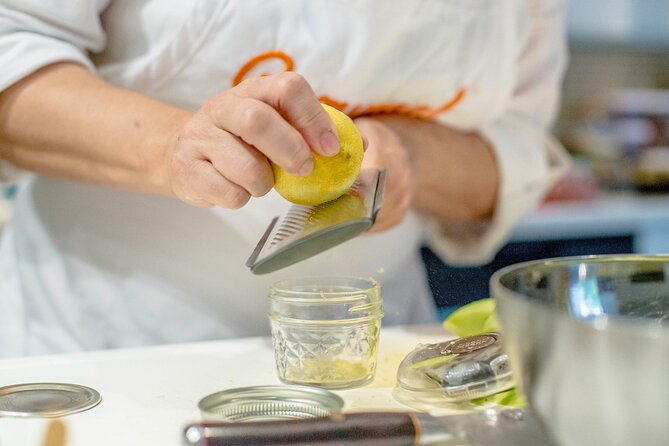
The almond feta is made in the class from almond pulp, lemon juice, and sea salt. It is creamy, bright, and designed to provide the salty note that feta usually brings. I like the fact that the class treats this as its own course rather than hiding it inside another recipe. You get to see how a plant-based cheese is built, then use it in the dakos.
Do not expect it to taste exactly like sheep’s milk feta. That is not the point. The value is in learning a workable alternative with a short ingredient list and a fresh flavor.
Making almond feta from scratch
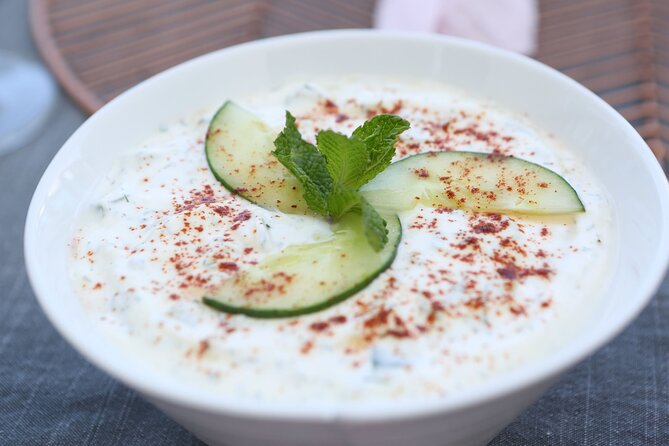
The almond feta deserves a closer look because it is one of the class’s more distinctive skills. Almond pulp, lemon juice, and sea salt form the base for the creamy cheese substitute.
If you are interested in plant-based cooking, this may be one of the most useful recipes to take home. It can be used in salads, spreads, or dishes that need a salty, creamy element. The class also helps you understand how texture can come from nuts and careful seasoning rather than dairy.
If you are not following a vegan diet, you can still enjoy this part of the lesson as a practical cooking experiment. Just keep your expectations clear. This is an alternative to feta, not a replica of the traditional cheese.
Koulouri and the pleasure of working with bread
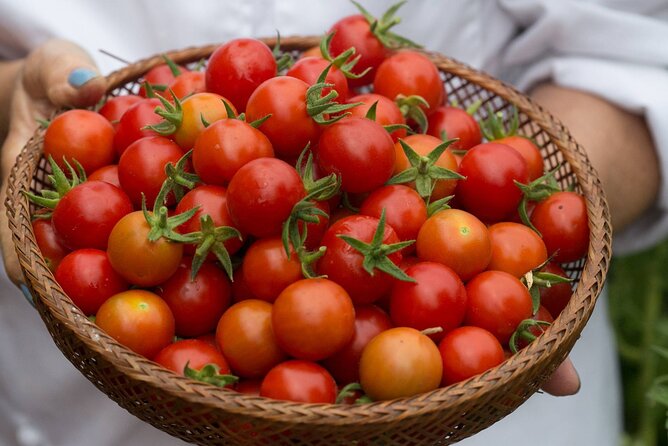
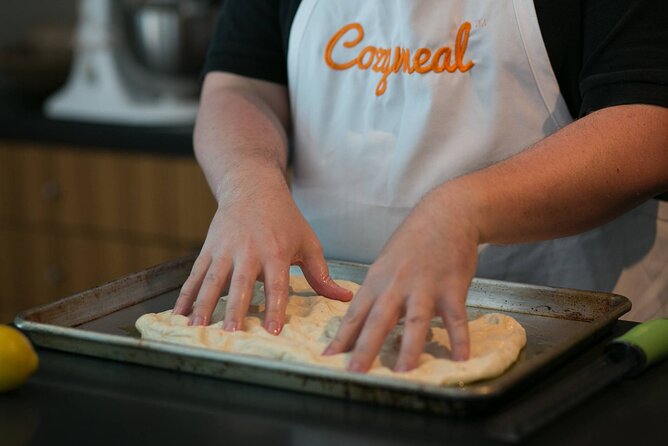
Koulouri is a Greek sesame bread ring, soft inside and crisp outside. You roll the dough in sesame seeds before baking or finishing it as directed during the class.
This course shifts the meal from dips and layered dishes to bread. The sesame coating gives the ring its familiar crunch, while the interior remains tender. It is the kind of everyday food that helps connect a cooking class to normal Greek eating rather than only special-occasion dishes.
Making bread also changes the pace of the experience. After working through vegetables, sauces, and spreads, you get a hands-on dough task with a clear final shape. For home cooks, this can be a pleasant recipe to repeat because the result is portable and easy to serve with dips.
Finishing with chilled ekmek
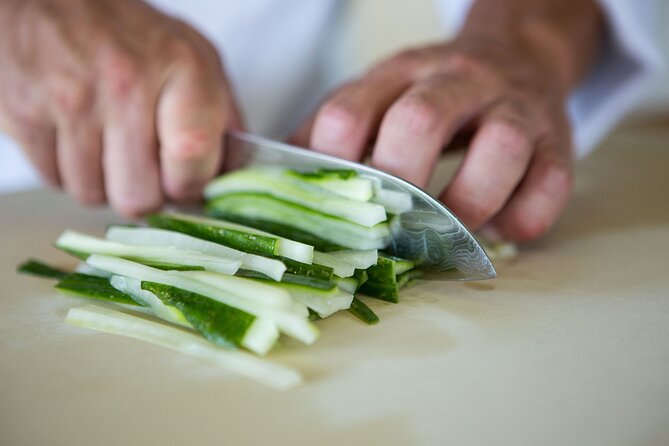
Dessert is ekmek, a chilled Greek sweet made with syrup-soaked bread, semolina cream, whipped topping, and chopped nuts.
The dish combines several textures. The bread absorbs syrup, the semolina cream adds a soft layer, and the topping and nuts provide contrast. It is a substantial finish rather than a small piece of fruit or a very light dessert.
Ekmek also rounds out the class well because it shows that plant-based Greek cooking is not limited to savory food. The version here uses a plant-based whipped topping, keeping the final course in line with the rest of the menu.
You should be aware that the dessert is assembled as part of a busy eight-course schedule. Some components may need preparation ahead of serving so they can chill properly. The important point is that you learn the structure and ingredients of the dish, then finish the meal with something sweet and distinctly Greek.
What the three-hour format means for you
Three hours is enough time to cover a lot, but not enough for a slow, private lesson on every recipe. You will likely move between dishes as components are prepared, cooked, or chilled.
That format suits you if you enjoy variety and do not mind a little kitchen activity. It is less suitable if you want long demonstrations, extensive one-to-one coaching, or a deep technical lesson on a single recipe.
The group limit of 12 helps. It is still a class rather than a private session, but the size is more manageable than a large food workshop. You should have a reasonable chance to see the demonstrations and take part in the preparation, though the amount of hands-on time can vary by dish and group.
Instruction is offered in English, and the experience includes cultural storytelling and advice for recreating the recipes at home. No individual chef name is provided, so you should book this for the menu and format rather than for a named instructor.
Is the $114.74 price good value?
At $114.74 per person, this is not a cheap lunch. You are paying for more than the food on the plate, though. The price includes an eight-course plant-based menu, instruction, kitchen time, cultural context, and a central Athens location near the Acropolis.
I see the strongest value in the number of dishes. Spanakopita, moussaka, tzatziki, fava, dakos, almond feta, koulouri, and ekmek would give you a broad introduction to Greek flavors in one sitting. You also leave with recipes and methods rather than only a memory of what you tasted.
The value is weaker if you are mainly looking for a meal. A restaurant meal would be simpler and may cost less, but it would not teach you to make filo, split-pea fava, almond feta, or sesame bread rings.
The plant-based focus is central to the price decision. If you eat vegan or want to learn dairy-free cooking, the menu is unusually focused. If you expect standard Greek dishes with meat and dairy, the cost will feel harder to justify because several key ingredients have been replaced.
Tips for the chef are not included. Transportation is also not included, so you need to make your own way to Veikou 75-77 and return from the same meeting point. The activity ends where it starts.
Who should book this Athens cooking class?
I would recommend it most strongly to:
- People who eat vegan or vegetarian and want a full Greek meal built around their needs.
- Home cooks who want practical plant-based recipes rather than a simple food tasting.
- Couples, friends, or families who enjoy preparing food together.
- Visitors staying near the Acropolis who want a central activity that does not require a long transfer.
- Anyone curious about less familiar Greek dishes such as dakos, fava, and koulouri.
I would be more cautious if you want classic meat-based moussaka, dairy feta, or a traditional culinary lesson with no substitutions. The menu is Greek in inspiration and technique, but it is deliberately modern and plant-based.
The class is designed to accommodate a range of dietary needs, so contact the provider before booking with any specific request. Confirmation is provided at booking, and service animals are allowed.
For cancellation, you can receive a full refund if you cancel at least 24 hours before the start time. Changes or cancellations made inside that window are not accepted for a refund. The class also requires a minimum number of participants, and if that minimum is not reached, you will be offered another date or experience, or a full refund.
Should you book it?
Book this class if you want to cook, not just eat, and if the plant-based menu sounds like a feature rather than a compromise. The homemade filo, almond feta, Cretan dakos, and chilled ekmek give you more variety than a standard single-dish lesson.
Skip it if the word vegan caught you by surprise or if you are hoping to learn traditional Greek recipes built around lamb, dairy feta, and a milk-based béchamel. Read the menu first, arrive ready to work, and you will get the most from the $114.74 price.
FAQ
Where does the cooking class meet?
The class begins at SOYBIRD, located at Veikou 75-77, Athina 117 41, Greece.
How long does the experience last?
The cooking class lasts approximately three hours.
Is the class offered in English?
Yes. The experience is offered in English.
Is the menu completely plant-based?
Yes. The full eight-course menu is plant-based, including cashew béchamel, soy-based ground meat, almond feta, and plant-based whipped topping.
What dishes will I prepare?
You will prepare spanakopita, moussaka with cashew béchamel, tzatziki, fava, dakos, almond feta, koulouri, and ekmek.
How many people can join the class?
The class has a maximum of 12 participants.
Can dietary needs be accommodated?
The class is designed to accommodate a variety of dietary needs. You should provide your preferences and restrictions in advance so the provider can try to tailor the experience.
Is cancellation free?
Yes, cancellation is free if made at least 24 hours before the experience start time. Cancellations or changes made less than 24 hours before the start time are not eligible for a refund.
More Cooking Classes with Lunch in Athens
- New Orleans Demonstration Cooking Class with Meal
★ 5.0 · 3,000 reviews - Pasta Making & Wine Tasting with Dinner in Frascati from Rome
★ 5.0 · 1,326 reviews - New Orleans Hands-On Cooking Class with Meal
★ 5.0 · 1,183 reviews - Palermo: Pizza and Gelato Cooking Class with Dinner and Wine
★ 4.9 · 951 reviews
Just added around Athens
- Hands On Greek Cooking Classes in Athens★ 5.0 · 7 reviews
- Athens: Traditional Vegan Cooking Class incl. Drinks★ 5.0 · 41 reviews
- Greek Meze Cooking class and dinner with an Acropolis view★ 5.0 · 41 reviews
- Pick Your Plates, Cook & Savor- Greek Cooking Class in Athens★ 5.0 · 8 reviews
- Local Home Cooking – A Taste of the Greek Islands in Athens★ 5.0 · 9 reviews
- Athens Greek Cooking Class Pita Gyros from Scratch with a Local★ 5.0 · 175 reviews
- Cooking Class at Diamond Roof Garden★ 5.0 · 14 reviews
- Athens Central Market Tour and Greek Cooking Class with Penelope★ 5.0 · 4 reviews
Greek Cooking Classes, compared.
Greek Cuisine Cooking Class in Santorini with Recipes and Wine
Read our review →
Greek Cooking Class in Athens Including Rooftop Dinner with Acropolis View
Read our review →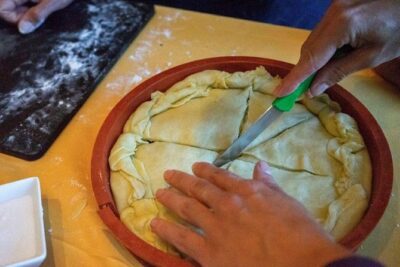
Greek Small-Group Athens Cooking Class & Dinner
Read our review →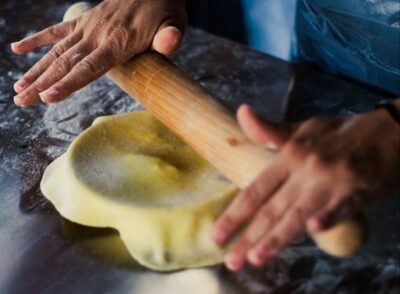
Athens: Greek Cooking Class & Dinner on a Rooftop
Read our review →
Athens: Greek Cuisine Cooking Class and 3-Course Dinner
Read our review →
Traditional Greek cooking class and lunch or dinner with an Acropolis view
Read our review →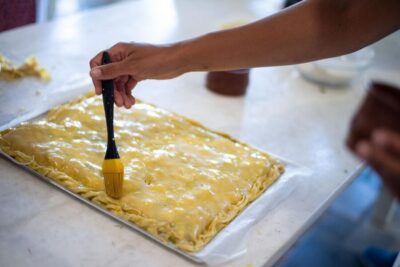
Greek Cooking Class with a Local Chef, Wine, & Meal in Drios
Read our review →
Half-Day Greek Cooking Class of Zakynthian Culture with Lunch
Read our review →Browse the lists this tour appears in