
Review · NEW ORLEANS
New Orleans Demonstration Cooking Class with Meal
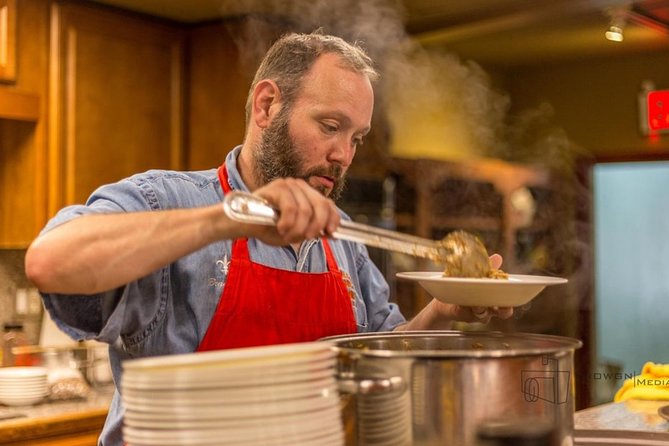
New Orleans puts its food stories right on the plate. In a converted 19th-century molasses warehouse, a local chef prepares gumbo, jambalaya, crawfish étouffée, and desserts while explaining the people and traditions behind each dish. Then you eat the results.
I like the generous spread and the lively storytelling. You do not get one token taste. Depending on the menu, you may sample several savory dishes and three or four desserts, with a local beer, iced tea, coffee, and water. I also like the practical focus on roux and seasoning, the two things that often decide whether your gumbo tastes like New Orleans or simply tastes brown.
The main consideration is size. This is a demonstration class, not a small cooking workshop, and the room can hold up to 68 people. Most classes are engaging, but a large crowd can make it harder to hear if people nearby are talking.
Key Points Before You Book
- The class takes place in a 19th-century molasses warehouse: You get a distinctive French Quarter setting rather than a modern teaching kitchen.
- You watch the chef cook, then eat a full sampling meal: There is no hands-on preparation, so you can relax and concentrate on the food and stories.
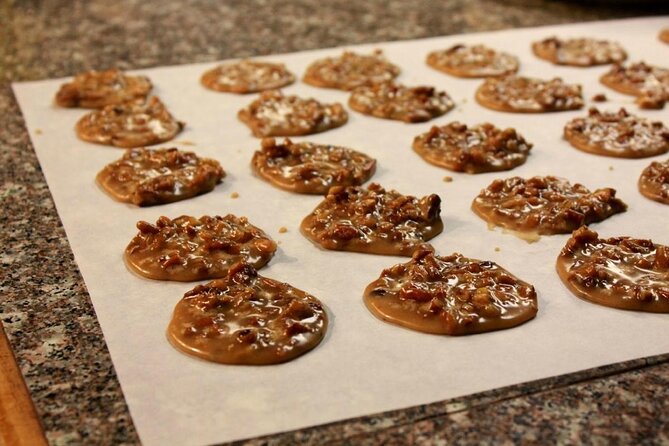
- Gumbo, jambalaya, and pralines are central lessons: The menu can also include crawfish étouffée, shrimp Creole, corn and crab bisque, bread pudding, bananas Foster, and pecan pie.
- The food lesson includes Louisiana culture: Chefs explain the difference between Cajun and Creole cooking, along with local ingredients, spices, and traditions.
- The $43 price covers more than a class: You receive the prepared food, one local beer, other drinks, recipes, and the chance to ask questions.
- Dietary help is available with advance planning: Vegan, gluten-free, and nut-free substitutions cost an additional $5 and are discussed rather than demonstrated.
Cooking in a Former Molasses Warehouse
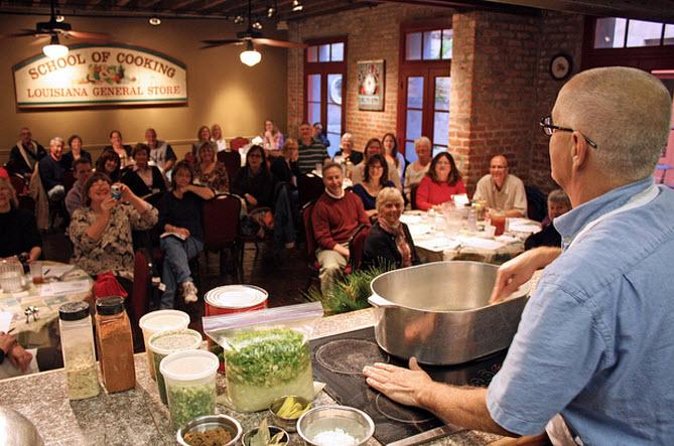
The New Orleans School of Cooking sits at 524 St. Louis Street, in the French Quarter. The building’s former life as a molasses warehouse gives the class some character before the first onion hits the pot. You are not simply sitting in a generic conference room waiting for a cooking lecture.
The setting also makes this an easy activity to pair with a day in the French Quarter. The class begins and ends at the school, so you do not spend time changing locations or figuring out a complicated meeting point. Public transportation is nearby, and the activity lasts about two hours.
Expect a seated demonstration rather than a kitchen workshop. You watch the chef prepare each dish in real time, hear the steps explained, and taste the finished food afterward. That format suits you if you would rather learn without chopping, stirring, or standing at a workstation.
It is less suitable if you want to make your own roux or handle a pan. The chef does the cooking, while you take notes, ask questions, and eat. Think of it as a cooking lesson joined to lunch, a cultural talk, and a small stage show.
More Cooking Classes with Lunch in the USA
- New Orleans Hands-On Cooking Class with Meal
★ 5.0 · 1,183 reviews - Authentic Asian Cooking Class in NYC (Includes 4-Course Meal)
★ 5.0 · 8 reviews
The Chef Makes Louisiana Cooking Easy to Follow
The chef is the heart of this experience. The school uses several presenters, so the personality and exact menu can change. Names that have been associated with recent classes include Lynn, Eric, Dianne, Vivian, Rene, Austin, Terri, and Faucheaux.
That variety can be a plus. One chef may lean harder into Louisiana history, another may focus on technique, and another may bring more jokes and stage energy. The best presenters explain each step clearly, answer questions, and keep the pace moving while the food cooks.
You will hear about the cultural mix behind Louisiana cooking and the difference between Cajun and Creole food. Do not expect a rigid academic lecture. The information comes through personal anecdotes, kitchen advice, local stories, and the kind of humor that keeps a two-hour demonstration from feeling like school.
The format rewards curiosity. Ask about the roux. Ask why a dish uses a certain spice. Ask about the small differences between Cajun and Creole cooking. The chef can often give you more useful information in response to a specific question than in the prepared talk.
A practical point: the room can be large, with as many as 68 people. Some classes have had roughly 48 people. A strong presenter can handle that size, but you will want to pay attention, especially when instructions get quiet. If people around you are carrying on side conversations, parts of the talk may be harder to catch.
Roux, Seasoning, and the Building Blocks of Gumbo
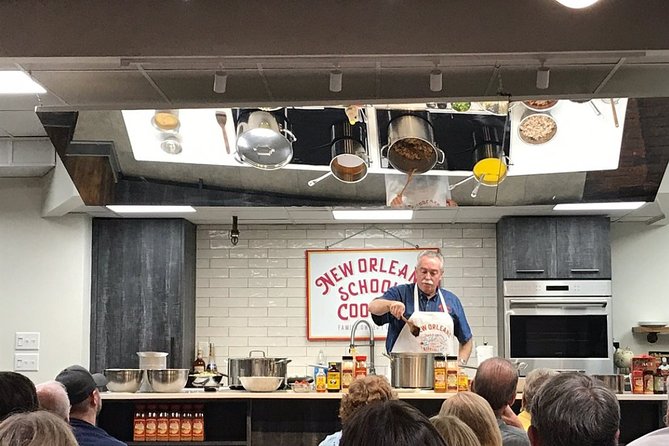
The most useful lesson is often the least flashy one: a good roux matters. The chef shows how this mixture of fat and flour develops color and flavor, and explains why it forms the base of many Louisiana dishes.
You will also learn how seasoning shapes the final dish. The food is prepared with a broad audience in mind, so it is generally not made aggressively hot. Seasoning blends are placed on the table, allowing you to add more heat or spice to your own bowl.
That approach makes sense for a big class. A dish that is painfully hot for one person may be barely warm to another. The tradeoff is that diners who expect a strong kick may find the prepared food mild. You can adjust it yourself, but you do not get a dish cooked precisely to your personal taste.
The lesson is valuable because it gives you a way to recreate the food at home. You are not just told that gumbo needs a roux. You see how the process works, receive the recipes, and leave with enough context to understand what you are trying to achieve.
The Meal: Savory Dishes First
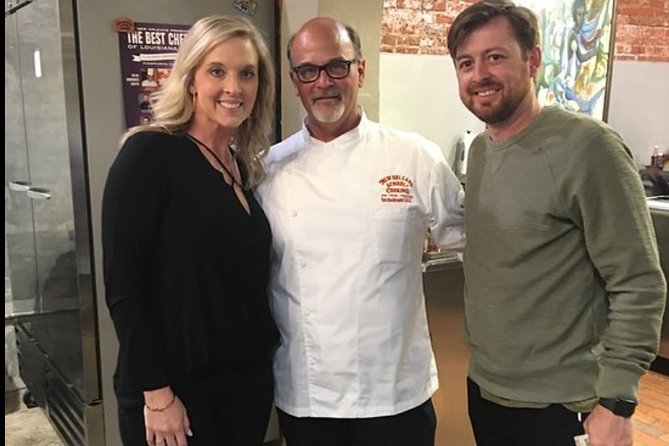
The menu changes, but the sample list gives you a good idea of the range. A class might begin with corn and crab bisque or shrimp and artichoke soup, then move into gumbo, jambalaya, shrimp or chicken Creole, and crawfish étouffée.
You receive a serving of each prepared item. The portions are described as generous, and the meal is substantial enough that you should arrive hungry. This is not a demonstration where you nibble one spoonful and need to find lunch afterward.
Gumbo offers the clearest look at the roux lesson. It is a slow-building dish with layers of seasoning and texture. Jambalaya shows a different side of Louisiana cooking, with its rice-based format and bold, hearty character. Shrimp Creole and crawfish étouffée bring seafood into the picture, although the exact combination depends on the day’s menu.
The samples also let you compare dishes instead of judging one recipe in isolation. You can taste how the same regional pantry produces different results when the cooking method changes. That makes the class useful even if you already know what gumbo is.
Corn and crab bisque can provide a gentler opening, while a soup such as shrimp and artichoke gives the chef another way to discuss local ingredients. The point is not to leave with a single signature recipe. You get a broad introduction to the kinds of food you will encounter around New Orleans.
Same place, a different menu:
- Undiscovered Charleston: Half Day Food, Wine & History Tour with Cooking Class
★ 5.0 · 948 reviews - New Orleans: Cajun and Creole Cooking Class
★ 4.9 · 730 reviews - Hands-on Cajun Roux Cooking Class in New Orleans
★ 5.0 · 356 reviews - Hands-On Hawaiian Imu Cooking and Cultural Dining Experience
★ 5.0 · 95 reviews
Desserts and the Flaming Finish

Dessert is not an afterthought here. Depending on the menu, you may try bread pudding, bananas Foster, pralines, and pecan pie.
Pralines are especially useful for understanding the local sweet tooth. They are also one of the simplest items to remember when you get home. Bread pudding and pecan pie offer familiar Southern flavors, while bananas Foster brings a bit of theater to the demonstration.
The flaming dessert is one of the more entertaining parts of the class. It gives the chef a chance to show technique while keeping the room involved. You do not need to be a serious cook to enjoy this part. The food, the visual moment, and the running commentary work together.
Because the class may prepare several dishes, the exact dessert lineup is not guaranteed. If you have your heart set on one particular sweet, check the menu when booking rather than assuming every item will appear.
Drinks Make the $43 Price Easier to Judge
The price is $43 per person. That is a fair deal when you count what is included: a two-hour demonstration, a full sampling meal, coffee, iced tea, water, one local beer, and copies of the recipes.
You are also paying for the location and the chef’s presentation. A restaurant meal may cost as much once you add drinks, but it will not explain the roux, describe the difference between Cajun and Creole food, or show you how the desserts are made.
The class is particularly good value if you are deciding between a meal and a food activity. You get both in one sitting. It also fills a useful gap in a New Orleans schedule: it is more relaxed than a long tour, but more meaningful than simply ordering another plate of food.
The value is less clear if you want hands-on instruction. You are not practicing knife skills or cooking your own portion. You are paying for an entertaining demonstration and a generous meal, not a professional culinary workshop.
Tips are not included. A 15 to 20 percent gratuity is recommended, so include that when setting your budget. Bring cash if you prefer to tip directly.
Dietary Restrictions Need Advance Attention
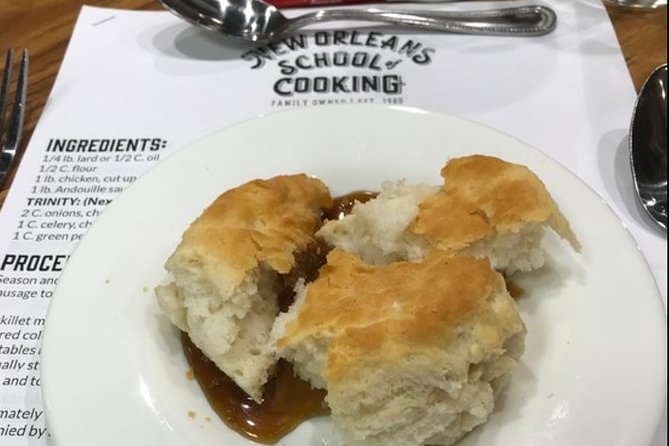
The standard dishes can contain seafood, meat, gluten, dairy, and nuts, depending on the menu. The school can accommodate certain dietary restrictions, but you need to call the reservations line after booking and tell the stewards at check-in.
For an additional $5, the school offers gumbo z’herbes and Creole z’herbes as substitutions. These are vegan, gluten-free, and nut-free. They are discussed and provided as food, but they are not the dishes demonstrated during the class, and you receive copies of the substitution recipes.
The school cannot alter the recipes being prepared for the whole room. That means you might be able to eat the soup but not the main course, depending on your restriction. Do not wait until you sit down to raise the issue.
If you have a serious allergy, ask clear questions before arriving. The supplied information confirms the available substitutions, but it does not promise that every standard dish can be made safe for every allergy.
Who Will Enjoy This Most
I would recommend this class to first-time visitors who want a quick introduction to New Orleans food without booking a full restaurant crawl. You get context, technique, local stories, and a meal in about two hours.
It also works well for couples, families, and groups of friends. One person in your party can love cooking while another simply enjoys eating. The class does not assume that you know your way around a kitchen, and the demonstration format means nobody is pressured to perform.
It is a good rainy-day or hot-afternoon option, too, since you spend the activity indoors. The school’s French Quarter location makes it easy to combine with sightseeing before or afterward.
I would hesitate if you want an intimate experience. A class of 48 or more feels public and lively rather than personal. You may need to focus to hear the chef, and questions from the room can slow the pace.
I would also hesitate if your main goal is hands-on practice. You will learn how the dishes are made, but you will not personally stir the gumbo or build the jambalaya.
Booking Timing and Cancellation
The activity is often reserved about 24 days ahead, which tells you to plan early if your dates are fixed. Confirmation arrives when you book, and the experience is offered in English with a mobile ticket.
You can cancel for a full refund up to 24 hours before the start time. Cancellations or changes made inside that window are not refunded or accepted. The school may also cancel if poor weather affects the activity or if too few people book. In those cases, you are offered another date or experience, or a full refund.
The class starts and ends at the New Orleans School of Cooking. Check the exact start time on your confirmation and allow enough time to reach 524 St. Louis Street.
Should You Book This Cooking Class?
Book it if you want to understand New Orleans food while eating a proper spread of it. The strongest reasons are the chef-led stories, the clear explanation of roux and seasoning, the large number of samples, and the recipes you can take home.
The $43 price works especially well for a visitor who wants lunch or dinner plus a cultural activity. You leave fed, with a few practical cooking ideas and a better sense of why Louisiana food tastes the way it does.
Skip it if you need a small class, hands-on practice, or a guaranteed menu item. For everyone else, this is an easygoing and useful way to give your French Quarter visit a culinary edge. Arrive hungry, listen closely, and save room for the pralines.
FAQ
Where does the New Orleans cooking class take place?
The class takes place at the New Orleans School of Cooking, 524 St. Louis Street, New Orleans, Louisiana 70130. The activity ends at the same location.
How long does the experience last?
The demonstration and meal last approximately two hours.
Is this a hands-on cooking class?
No. This is a demonstration-only class. The chef prepares the dishes while you watch, listen, ask questions, and sample the food.
What food might be served?
The menu may include corn and crab bisque, gumbo, jambalaya, shrimp or chicken Creole, crawfish étouffée, shrimp and artichoke soup, bread pudding, bananas Foster, pralines, and pecan pie. The exact menu may vary.
Are drinks included?
Yes. The price includes coffee, iced tea, water, and one local beer.
Can dietary restrictions be accommodated?
The school offers vegan, gluten-free, and nut-free gumbo z’herbes and Creole z’herbes substitutions for a $5 fee payable at check-in. You must call after booking and tell the stewards at check-in. These substitutions are discussed but are not demonstrated.
More Hands-On Workshops in the USA
- Farm to Table Cooking Class at Kulaniapia Falls
★ 4.5 · 36 reviews - Atlanta: Historic Market Food Tour and Biscuit Cooking Class
★ 4.9 · 25 reviews - Sushi Making Class at a Local Distillery in Boston
★ 5.0 · 22 reviews - New Orleans: Cooking Class & Cocktail Walking Tour
★ 4.7 · 16 reviews
Just added around the USA
- Authentic Asian Cooking Class in NYC (Includes 4-Course Meal)★ 5.0 · 8 reviews
- Sushi Making Class at a Local Distillery in Boston★ 5.0 · 22 reviews
- Sushi Making Class at a Local Brewery in Boston★ 4.5 · 3 reviews
- Hands-On Hawaiian Imu Cooking and Cultural Dining Experience★ 5.0 · 95 reviews
- Baumkuchen Campfire Baking Class★ 5.0 · 3 reviews
- Farm to Table Cooking Class at Kulaniapia Falls★ 4.5 · 36 reviews
- Thai Cooking Class in Fullerton, California★ 5.0 · 3 reviews
- San Francisco: Dumpling Cooking Class & 3-Course Dinner★ 5.0 · 10 reviews
Cooking Classes with Lunch or Dinner, compared.
Pasta Making & Wine Tasting with Dinner in Frascati from Rome
Read our review →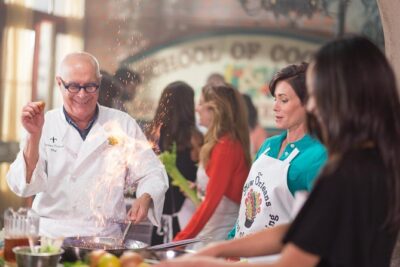
New Orleans Hands-On Cooking Class with Meal
Read our review →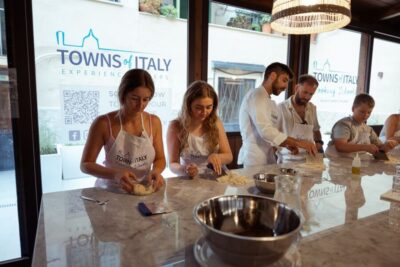
Palermo: Pizza and Gelato Cooking Class with Dinner and Wine
Read our review →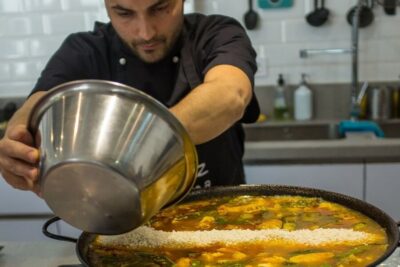
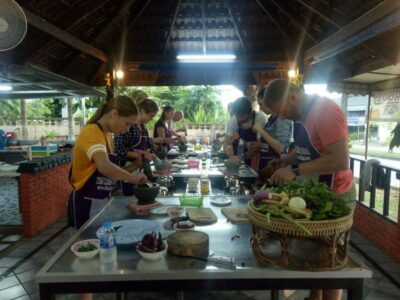
Krabi: Cooking Class at Thai Charm Cooking School with Meal
Read our review →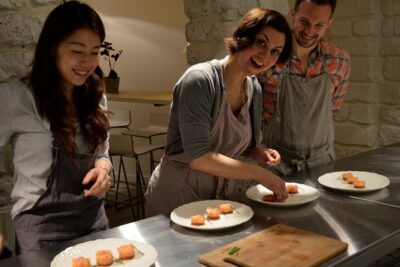
Paris Evening Cooking Class French Dinner and Market Visit Option
Read our review →
Hanoi: 5 Local Dishes Cooking Class with Meal & Market Visit
Read our review →
Paris French Cuisine Small Group Cooking Class with Lunch
Read our review →Browse the lists this tour appears in