
Review · USA
Undiscovered Charleston: Half Day Food, Wine & History Tour with Cooking Class
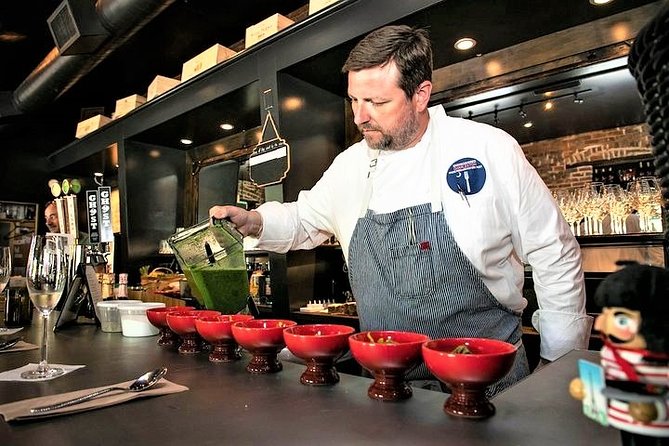
Charleston’s past makes more sense when you taste it. Chef Forrest Parker leads a 90-minute walk from the Pineapple Fountain through the historic district, then turns the history lesson into a three-course Lowcountry lunch with wine at Bistro Au Vin.
I like the smart pairing of food and place, and I like the small-group setting, capped at 11 people. Parker brings humor, cooking skill, and the hard parts of Charleston’s story to the same table. The main catch is the walking: rain, heat, and uneven city sidewalks can affect the experience, so wear sensible shoes and check the forecast.
Key points to know before booking
- Chef Forrest Parker leads the entire experience, combining culinary instruction with Charleston history.
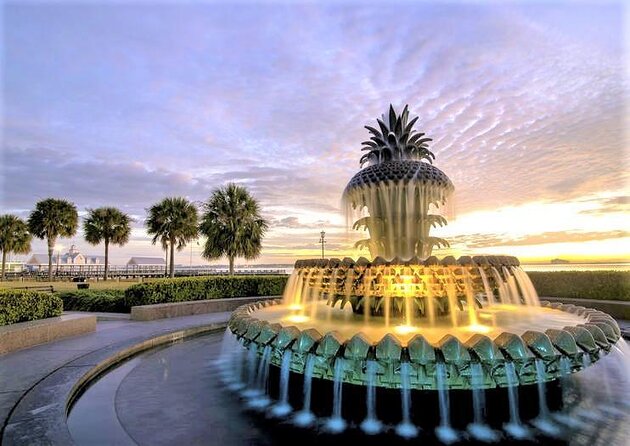
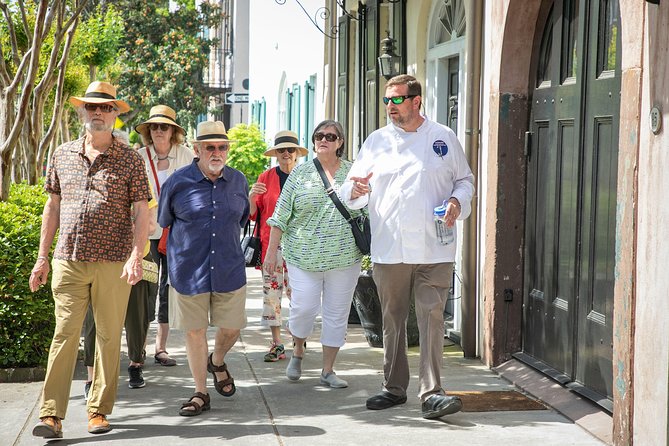
- The 90-minute walk begins at the Pineapple Fountain and includes Waterfront Park, Rainbow Row, the French Quarter, and less familiar sites.
- The cooking demonstration follows the walk, so you see how three Lowcountry dishes are made before eating them.
- Wine is paired with lunch, while sweet tea, filtered water, coffee, and tea are available instead.
- Recipes are included, giving you a practical souvenir rather than another object for your suitcase.
- The group is limited to 11 people, but you need moderate physical fitness and should report dietary needs in advance.
Why food is the right way to read Charleston
Many city walks point out grand houses, churches, and old streets, then stop there. This experience asks a more useful question: who cooked, what ingredients arrived here, and how did power, trade, migration, and forced labor shape what Charleston eats today?
That angle gives the city more texture. Lowcountry cuisine is not just shrimp and grits placed on a plate for visitors. It grew from African, European, Caribbean, and Indigenous influences, along with the crops and cooking methods that took root in coastal South Carolina.
Parker uses food as the thread. You hear about recipes tied to enslaved cooks and about the people whose skill helped shape dishes still served in Charleston. That makes the history personal, and at times uncomfortable, in a way a quick architecture tour may avoid.
I also like that Parker does not present the city as a polished postcard. His style, based on the experience details and the many comments about his humor, includes difficult truths as well as entertaining stories. You get the pretty streets, but you also get some context for how Charleston became what it is.
More Cooking Classes with Wine Tasting in the USA:
- Florence: Pasta Cooking Class with Unlimited Wine
★ 4.9 · 10,285 reviews - Florence: Pasta & Tiramisu Cooking Class with Unlimited Wine
★ 4.9 · 6,708 reviews - Florence: Pasta Cooking Class with Unlimited Wine
★ 5.0 · 6,413 reviews
Starting at the Pineapple Fountain
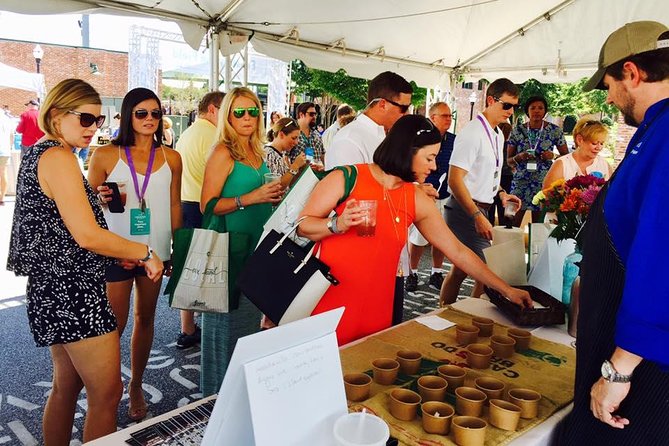
The meeting point is the Pineapple Fountain at 1 Vendue Range, beside Charleston Waterfront Park. Start time is 9:00 a.m., and the activity ends back at the meeting point after the meal and walk.
Waterfront Park is a sensible place to begin. The fountain is easy to identify, and the setting introduces you to Charleston’s relationship with water, trade, and the harbor. It also gives Parker room to set the stage before the group moves into the older streets.
This is a walking tour, not a hop-on, hop-off ride. You should expect roughly 90 minutes on foot before the cooking portion, with stops for stories and landmarks. The exact route can shift, and poor weather may cause the order to change. During one stormy outing, the meal came first and the walk followed once conditions improved.
That flexibility is useful, but do not treat the weather policy as an invitation to ignore the forecast. The experience requires good weather, and a cancellation caused by poor conditions leads to a new date or a full refund. On a hot or wet day, the walking portion may be the harder half.
Rainbow Row, the French Quarter, and the streets between
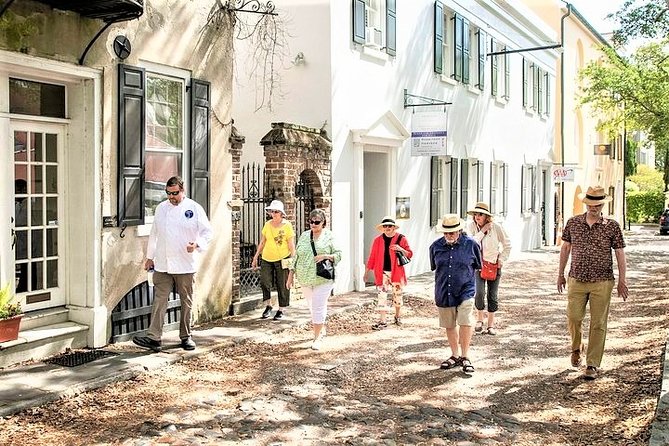
Rainbow Row is one of Charleston’s most recognizable stretches of historic houses. It is photogenic, but Parker’s approach gives you more than a quick picture stop. He connects the buildings and streets to the people, trade, labor, and food culture that made the city possible.
The route also covers the French Quarter and other well-known parts of the historic district. You will see the sights you would expect on a first visit, but the point is not simply to collect landmarks. Parker also takes the group along less familiar streets and points out places that are easy to pass without understanding.
That is one reason this tour works well early in a Charleston stay. It helps you get your bearings while giving you a food map for the rest of the trip. Afterward, you may look at a menu differently because you understand more about the ingredients and traditions behind it.
The route is described as an undiscovered path, but keep your expectations sensible. You are still walking through the central historic district, not entering restricted buildings or visiting far-flung neighborhoods. The special part is the interpretation, not a promise of secret access.
The cooking class at Bistro Au Vin
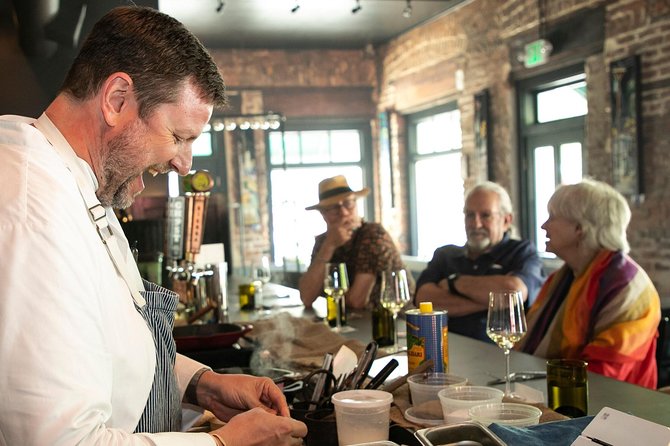
After the walk, you settle into a cozy bistro setting at Bistro Au Vin. This is not a hands-on class in which every person chops, stirs, and plates a separate dish. Parker demonstrates three of his recipes, explains the methods, and then serves the finished meal.
That format has a real advantage. You can pay attention to the techniques and stories instead of worrying about your own burner or knife. Parker has more than two decades of cooking experience, and his role as guide and chef keeps the history connected to what is happening in the kitchen.
The recipes interpret Lowcountry classics rather than simply reproducing restaurant dishes. The ingredients are described as heritage Lowcountry ingredients, and one frequently praised example is shrimp and grits. Other meals have included dishes such as gazpacho and other courses built around the food traditions of the region, though the menu can change.
The cooking demonstration is also where Parker’s personality matters most. You can expect instruction mixed with humor and practical tips for making the dishes at home. If you enjoy asking questions and watching a chef explain choices as he cooks, this will likely be more satisfying than a standard tasting tour.
If you prefer a quiet restaurant meal with no teaching or group conversation, the format may feel busy. The meal is part of a show and a lesson, not just lunch.
More Food and Drink Tours in the USA:
- Atlanta: Historic Market Food Tour and Biscuit Cooking Class
★ 4.9 · 25 reviews - New Orleans: Food Walking Tour & Cooking Class Experience
★ 5.0 · 8 reviews - Small Group Cooking Class & Market Food Tour in Florence
★ 5.0 · 1,574 reviews - Pasta Making & Wine Tasting with Dinner in Frascati from Rome
★ 5.0 · 1,326 reviews
What the three-course lunch adds
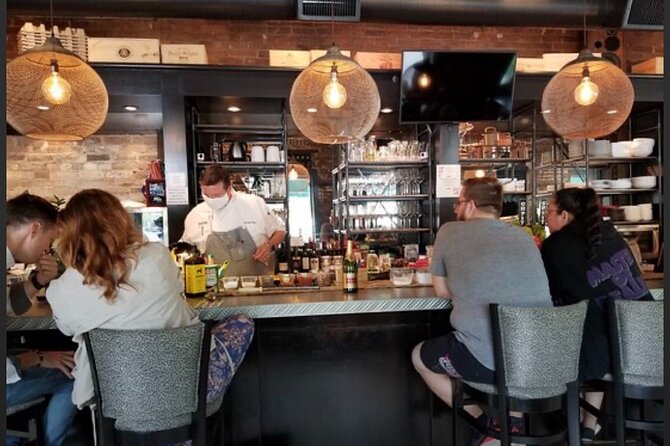
The food is the payoff, but it is not separate from the walking tour. Each course is meant to connect back to the ingredients, techniques, or people discussed earlier.
Wine is paired with the dishes in tasting pours. Additional wine is available for purchase, so you can continue drinking if you choose, but the included portion is designed to accompany the meal rather than function as an open bar.
For those who do not want wine, the alternatives include Charleston sweet tea, filtered water, coffee, and tea. That makes the lunch more flexible for non-drinkers, though you should not expect a comparable series of nonalcoholic pairings.
The meal has earned particularly strong praise for flavor and portion size. You should arrive ready to eat, since the experience is built around a full lunch rather than a few token bites. The cooking demonstration also means you may leave with ideas for dinner, not just a memory of what you ate.
I find the value strongest for people who would otherwise book both a history walk and a food experience. Here, one half-day connects the two. You get a guide, a historic district walk, a chef demonstration, a three-course meal, wine, and recipes in one package.
Recipes you can actually use at home
A good food tour should send you home with more than a full stomach. Parker provides copies of his recipes, which gives the experience a useful afterlife in your own kitchen.
That matters because Lowcountry food can seem hard to recreate when you only eat it in restaurants. Written recipes give you a starting point and help preserve the connection between the dish and the story you heard in Charleston.
Do not expect the exact same meal at home. The bistro setting, the chef’s experience, and the ingredients all play a part. Still, the recipes are a better souvenir than a generic cookbook because you saw the dishes being prepared and heard why they matter.
If you are planning a dinner for friends after your trip, this is one of the tour’s strongest extras. You can serve a dish with a Charleston connection and explain the history behind it.
Group size, pace, and the physical side
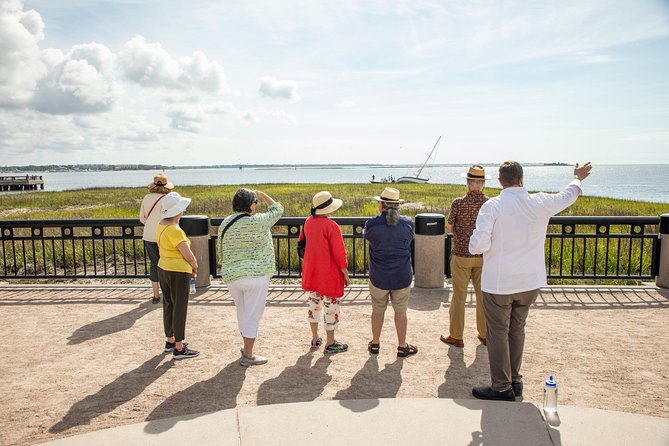
The maximum group size is 11 people. That is small enough for Parker to speak with the group rather than address a crowd, and it suits the cooking demonstration especially well. Several outings have involved groups of four to eight, though the actual size on your date can vary.
You need moderate physical fitness. The walk lasts about 90 minutes, and you should be comfortable standing and moving through city streets. Charleston’s historic core includes uneven surfaces, and the weather can make the walk more demanding.
Wear shoes that can handle a full morning on foot. Bring sun protection in warm weather, and carry rain protection if the forecast looks uncertain. Umbrellas have been provided during wet outings, but I would not rely on that as your only plan.
The 9:00 a.m. start gives you a useful first activity of the day. The full experience lasts about four hours, so you should have the rest of the afternoon free. Do not schedule a tight lunch reservation or an early afternoon excursion immediately afterward.
The activity is offered in English. Service animals are allowed, and the meeting point is near public transportation. Guests must generally be at least 21, with older teenagers allowed when accompanying parents.
Handling allergies and special diets
Parker cooks with meat, shellfish, eggs, dairy, nuts, and gluten. That matters because the standard menu may include several common allergens.
Vegetarians, vegans, pescatarians, people with dairy or nut allergies, and people with celiac disease can be accommodated when arrangements are made ahead of time. You should contact the provider directly before the tour and explain the issue clearly.
Do not wait until you sit down at the bistro. This is a chef-led meal rather than a large restaurant with a separate kitchen for every dietary request, so advance notice is essential. If you say nothing, the kitchen may not be prepared with a suitable substitute.
The same advice applies to strong dislikes and food aversions. Reasonable adjustments may be possible, but they depend on advance planning and the ingredients available for that day.
How the tour handles Charleston’s difficult past
The experience is not only about pretty houses and pleasant flavors. Parker links Lowcountry cooking to slavery, labor, cultural exchange, and the complicated forces that shaped Charleston.
That is important. A food tour can easily turn local cuisine into a cheerful list of dishes while leaving out the people whose work created those traditions. Here, the story of an enslaved chef and a recipe that still influences local menus helps show how culinary history is also social history.
You should expect a mix of humor and serious material. Parker’s style is lively, but the subject matter is not always light. I consider that a strength for anyone who wants a more honest introduction to Charleston, though visitors seeking only a relaxed sightseeing stroll may find the discussion more demanding.
The best way to approach this tour is with curiosity and respect. You are not just learning what Charleston eats. You are learning who had access to ingredients, who did the cooking, and whose contributions were remembered or overlooked.
Who will get the most from this experience
I would choose this tour for a first visit to Charleston if food is one of your main reasons for coming. It gives you a useful introduction to the historic center and a meal that helps explain the local menu.
It also suits couples, small friend groups, birthdays, family outings, and anyone who wants a shared activity instead of another restaurant reservation. The combination of walking, stories, wine, and lunch gives the morning a clear rhythm.
Food professionals and serious home cooks may enjoy Parker’s techniques and explanations. You do not need cooking experience, though. The demonstration is meant for ordinary diners who want to understand how Lowcountry dishes come together.
I would think twice if you dislike group activities, cannot walk for 90 minutes, or want an entirely hands-on cooking class. I would also avoid booking it without advance dietary planning if you have a serious allergy.
Booking, refunds, and practical value
You receive confirmation at booking, and free cancellation is available up to 24 hours before the 9:00 a.m. start time. Changes or cancellations inside that 24-hour window are not accepted for a refund.
The experience also requires a minimum number of participants. If that minimum is not met, you are offered another date or experience, or a full refund.
Since no tour price is provided here, I cannot judge the exact dollar amount. I can judge the structure: you are paying for a small-group historic walk, a chef demonstration, a three-course lunch, wine pairings, and recipes. Compared with booking separate activities, that can be strong value, especially if you care equally about Charleston’s food and its past.
The real question is how much you value the meal and the guide’s personal storytelling. If you only want a basic city walk or a quick food tasting, you may find the four-hour format longer than needed. If you want the two subjects joined together, the format earns its time.
Should you book Undiscovered Charleston?
Book it if you want Charleston explained through what people grew, traded, cooked, and ate. Chef Forrest Parker gives you the landmarks, but he also brings you into the less comfortable stories behind Lowcountry food, then shows you how those traditions work in the kitchen.
I especially like the balance: 90 minutes on foot, followed by a seated meal, with wine and recipes to take home. The main cautions are the moderate walking requirement, weather exposure, serious dietary planning, and the fact that this is a guided demonstration rather than a hands-on class.
For a first Charleston visit, a food-focused couple, or a small group marking a special occasion, I would put this high on the list. Come hungry, wear good shoes, and tell the chef about dietary needs before you arrive.
FAQ
Where does the tour begin?
The tour begins at the Pineapple Fountain at 1 Vendue Range in Charleston, South Carolina.
What time does the experience start?
The start time is 9:00 a.m.
How long does the experience last?
The activity lasts about four hours, including the 90-minute walking tour, cooking demonstration, and lunch.
What sights are included on the walk?
The route includes Charleston Waterfront Park, Rainbow Row, the French Quarter, and other parts of the historic district.
Is wine included?
Yes. Bistro Au Vin provides wine tasting pours paired with Chef Forrest Parker’s recipes. Additional wine is available for purchase. Sweet tea, filtered water, coffee, and tea are available for people who do not want wine.
Can dietary restrictions be accommodated?
Common special diets, including vegetarian, vegan, pescatarian, dairy-free, nut-free, and celiac-friendly needs, can be accommodated when arranged in advance. Contact the provider before the tour.
What is the cancellation policy?
You can cancel at least 24 hours before the start time for a full refund. Cancellations or changes made less than 24 hours before the experience are not accepted, and poor weather or an unmet minimum group size may lead to a new date or full refund.
More Hands-On Workshops in the USA
- New Orleans Demonstration Cooking Class with Meal
★ 5.0 · 3,000 reviews - New Orleans Hands-On Cooking Class with Meal
★ 5.0 · 1,183 reviews - New Orleans: Cajun and Creole Cooking Class
★ 4.9 · 730 reviews - Hands-on Cajun Roux Cooking Class in New Orleans
★ 5.0 · 356 reviews
More Food Experiences in the USA
- Athens: Food Market Visit and Cooking Class with Wine
★ 4.9 · 1,087 reviews - Vietnamese Food Cooking Class in Hanoi with Market Experience
★ 5.0 · 778 reviews - Milan: Italian Cooking Class with Food and Wine
★ 4.7 · 509 reviews - Mexican Cooking Class with Food Market Visit in Mexico City
★ 5.0 · 506 reviews
Just added around the USA
- Authentic Asian Cooking Class in NYC (Includes 4-Course Meal)★ 5.0 · 8 reviews
- Sushi Making Class at a Local Distillery in Boston★ 5.0 · 22 reviews
- Sushi Making Class at a Local Brewery in Boston★ 4.5 · 3 reviews
- Hands-On Hawaiian Imu Cooking and Cultural Dining Experience★ 5.0 · 95 reviews
- Baumkuchen Campfire Baking Class★ 5.0 · 3 reviews
- Farm to Table Cooking Class at Kulaniapia Falls★ 4.5 · 36 reviews
- Thai Cooking Class in Fullerton, California★ 5.0 · 3 reviews
- San Francisco: Dumpling Cooking Class & 3-Course Dinner★ 5.0 · 10 reviews
Cooking Classes with Wine Tasting, compared.
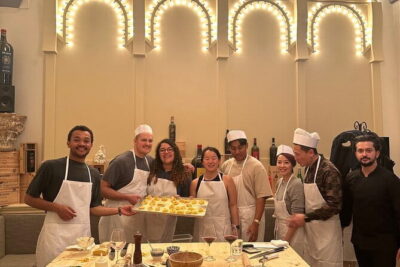
Florence: Pasta Cooking Class with Unlimited Wine
Read our review →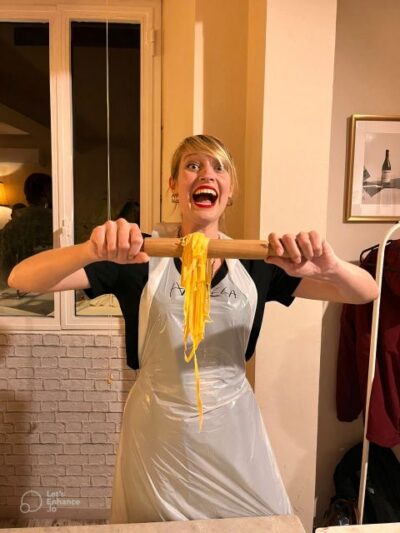
Rome: Pasta Making Class with Wine, Limoncello, and Dessert
Read our review →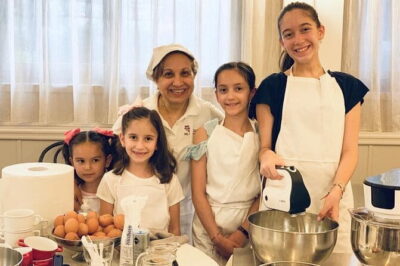
Florence: Cooking Class Pasta & Tiramisu Making Unlimited Wine
Read our review →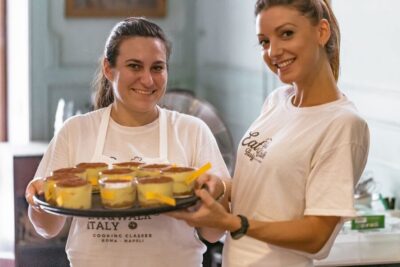
Fettuccine & Tiramisù: Cooking Class with Wine & Limoncello
Read our review →
Pasta Making & Wine Tasting with Dinner in Frascati from Rome
Read our review →
Rome Cooking Class: Make Pasta, Dine & Drink Wine With Local Chef
Read our review →
Rome: Combo Pizza and Pasta Cooking Class with Wine
Read our review →Browse the lists this tour appears in