
Review · NEW ORLEANS
New Orleans: Cajun and Creole Cooking Class
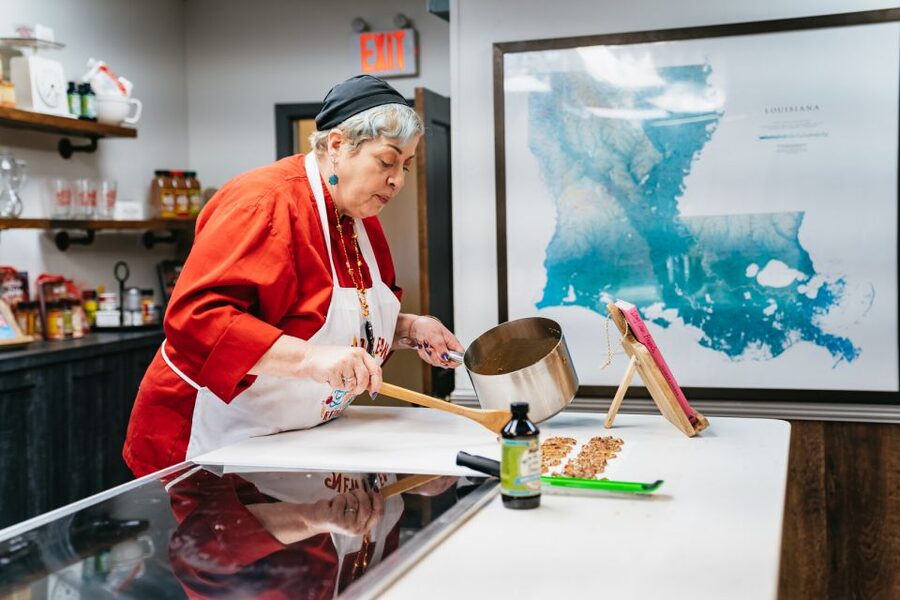
The best part of this New Orleans experience is the way a plate of gumbo becomes a lesson in the city itself. In a French Quarter cooking school inside a renovated early-1800s molasses warehouse, your chef explains how Cajun and Creole food grew from many cultures, then prepares a full meal in front of you. I like the warm, story-filled teaching, and I like that you leave with recipes, not just a full stomach. The main drawback is simple: this is a cooking demonstration, so you watch the chef rather than chop, stir, or cook yourself.
I also like the generous portions and the chance to taste local beer, iced tea, lemonade, and hot coffee during the morning class. The menu changes by day, which makes booking time worth checking. If you want hands-on practice, this is not the right class, but if you want an easy, entertaining introduction to New Orleans food, it is a strong value at $40.
Key points at a glance
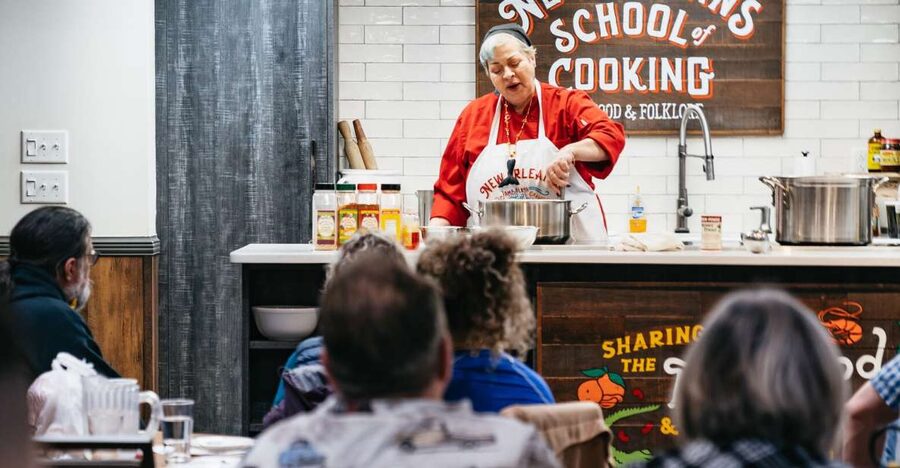
- Demonstration, not hands-on cooking: Watch an English-speaking chef prepare the dishes and explain each step.
- A different menu each day: Depending on your class time and day, you may eat gumbo, jambalaya, red beans and rice, shrimp Creole, étouffée, pralines, and more.
- Food and culture together: The chef connects recipes with New Orleans history, folklore, and local customs.
- A full meal for $40: The price includes a three or four-course Cajun and Creole meal, drinks, recipe copies, and a store coupon.
- French Quarter setting: Check in at the New Orleans School of Cooking General Store, then head into the old molasses warehouse for class.
- A useful souvenir: The recipes and coupon make it easy to bring home seasonings and try the dishes again.
A New Orleans cooking class with one important catch
The name can lead you to expect a hands-on lesson. It is not. You sit in the class and watch the chef cook, with plenty of explanation, questions, jokes, and food served along the way.
That format works well if you want to relax. You do not need to handle raw seafood, measure ingredients, or keep up with a fast kitchen demonstration. You simply watch the technique, listen to the stories, and eat the results. Several chefs lead these classes, including Austin, Lynn, Dianne, Eric, Harriet, and others, so the tone can vary from one session to another. The strongest sessions pair practical cooking advice with a lively sense of humor.
The class lasts about two to two and a half hours. That is enough time for several dishes and a proper meal, but not so long that it takes over your day in New Orleans. The morning session begins at 10:00 a.m., and the afternoon session begins at 2:00 p.m. Check the exact start time when you book.
More Hands-On Workshops in the USA:
- New Orleans Demonstration Cooking Class with Meal
★ 5.0 · 3,000 reviews - New Orleans Hands-On Cooking Class with Meal
★ 5.0 · 1,183 reviews - Undiscovered Charleston: Half Day Food, Wine & History Tour with Cooking Class
★ 5.0 · 948 reviews
Inside the old molasses warehouse
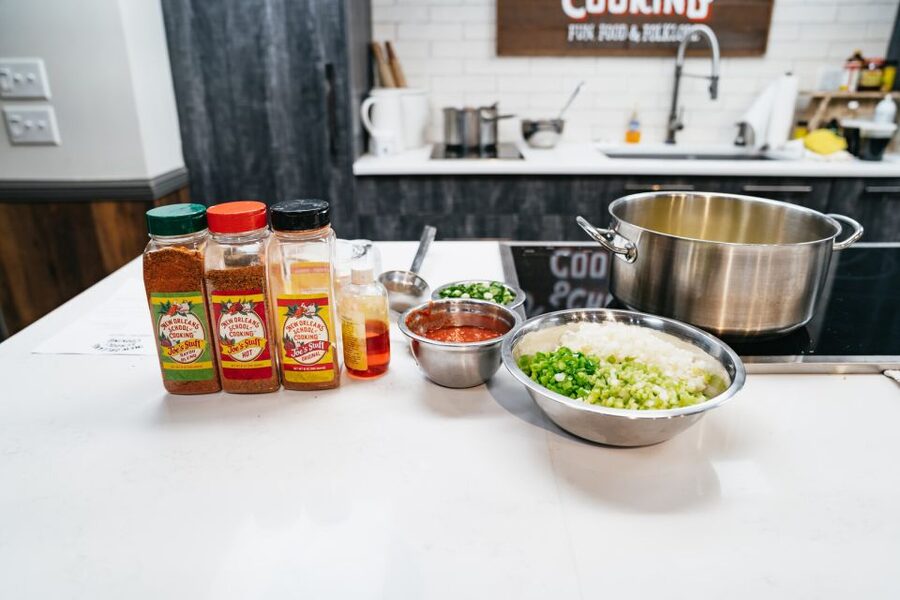
You check in at the register of the New Orleans School of Cooking General Store. The store is part of the experience, not just a waiting area. It carries locally sourced products and is the home of Joe’s Stuff Creole Seasoning, a popular blend used by local cooks and sold as an easy souvenir.
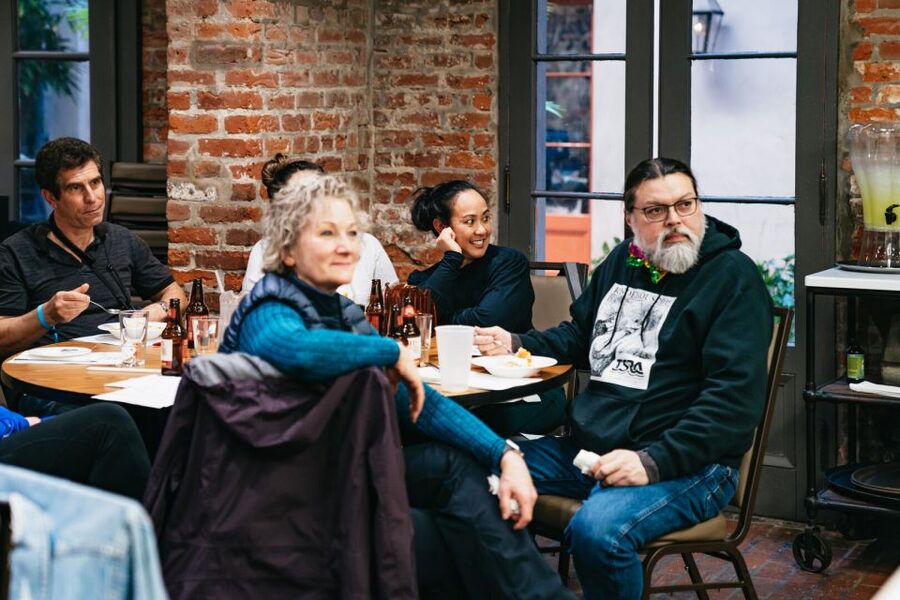
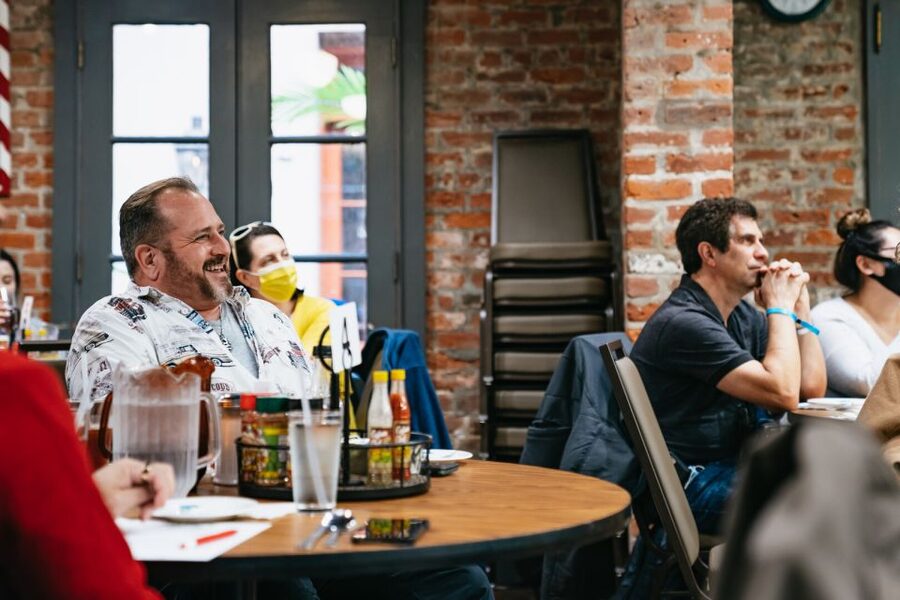
The class takes place in a renovated molasses warehouse built in the early 1800s, right in the French Quarter. That setting gives the lesson more character than a modern hotel kitchen. You are not only learning about a dish in the abstract. You are sitting in an old New Orleans building, surrounded by food products tied to the region.
You receive a coupon for the store at the end of class. I would save your shopping until then, since the coupon gives you a reason to browse after the meal. Recipe copies are also included, so you can buy a seasoning or cookbook with a clear plan for using it at home.
What happens during the cooking demonstration
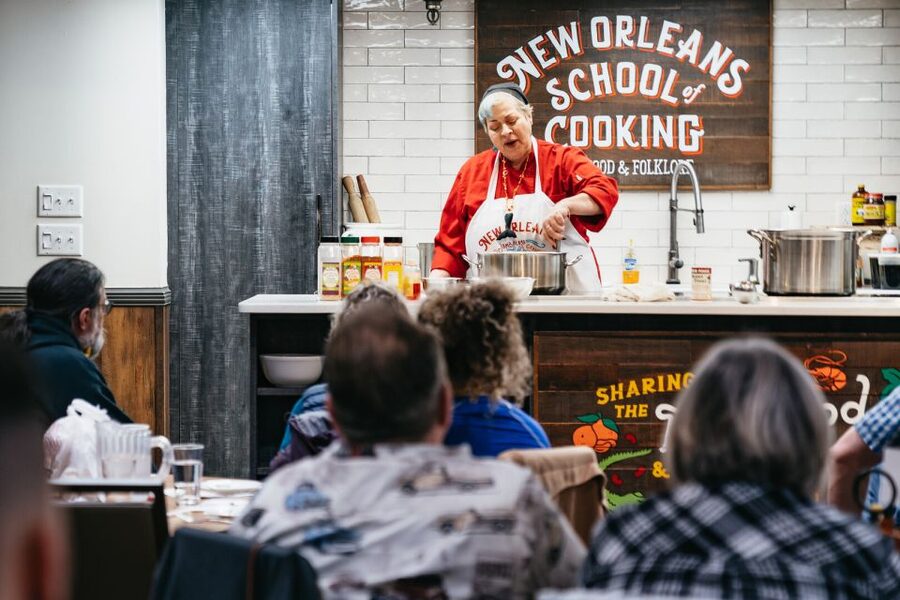
The chef prepares the dishes in stages while explaining ingredients, methods, and local food traditions. You might hear why a particular seasoning blend matters, how a dish gets its body, or how Cajun and Creole cooking differ in broad terms.
The exact flow depends on the day’s menu. Food is served as the demonstration progresses, so you are not waiting until the very end for one large plate. That is helpful because it lets you taste each dish while the chef is still discussing it.
You can ask questions during the class. The teaching is not limited to the recipe being prepared. In one session, the chef answered questions on topics beyond the dish at hand, which makes the experience useful for curious cooks and not just people who want a meal.
The chefs also provide the personality. Austin is described as high-energy and funny, while Lynn is known for a warm, engaging style. Dianne, also called Gumbo Marie, brings strong enthusiasm for the food and its story. Chef Eric has been praised for both his humor and his clear explanations. Your instructor will vary, but the class is designed around a chef who can entertain as well as cook.
The menus change every day
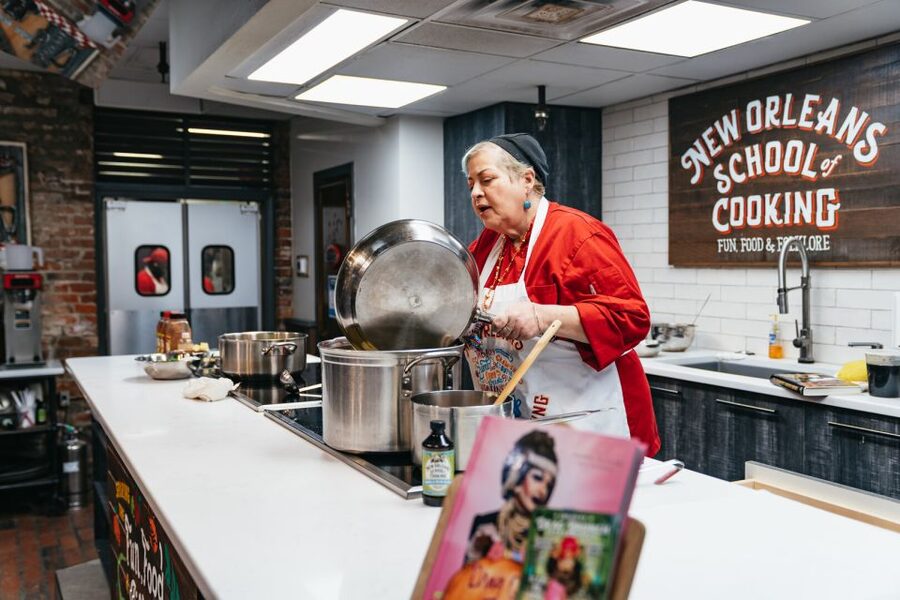
The menu schedule is one of the most useful details to check before booking. If you care about seafood, dessert, or a particular New Orleans classic, pick your day carefully.
At 10:00 a.m., the menus are:
- Saturday, Sunday, and Wednesday: Gumbo, jambalaya, bread pudding, and pralines
- Monday: Gumbo, red beans and rice, pecan pie, and pralines
- Tuesday: Gumbo, jambalaya, bananas Foster, and pralines
- Thursday: Corn and crab bisque, shrimp Creole, bananas Foster, and pralines
- Friday: Crawfish étouffée, shrimp and artichoke soup, bread pudding, and pralines
The 2:00 p.m. class offers:
- Saturday: Crawfish étouffée, shrimp and artichoke soup, and pralines
- Sunday and Tuesday: Corn and crab bisque, chicken étouffée, and pralines
- Monday, Thursday, and Friday: Gumbo, jambalaya, and pralines
- Wednesday: Gumbo, chicken Creole, and pralines
This is more than a small tasting. The meal is generally substantial enough that you should plan around it. One useful tip is to avoid eating a full meal immediately before class. Portions can be large, and the three or four-course format may cover lunch or an early dinner by itself.
A few more cooking classes around the USA worth a look
- Hands-on Cajun Roux Cooking Class in New Orleans
★ 5.0 · 356 reviews - Hands-On Hawaiian Imu Cooking and Cultural Dining Experience
★ 5.0 · 95 reviews - Farm to Table Cooking Class at Kulaniapia Falls
★ 4.5 · 36 reviews - Atlanta: Historic Market Food Tour and Biscuit Cooking Class
★ 4.9 · 25 reviews
Gumbo, jambalaya, and the dishes worth watching
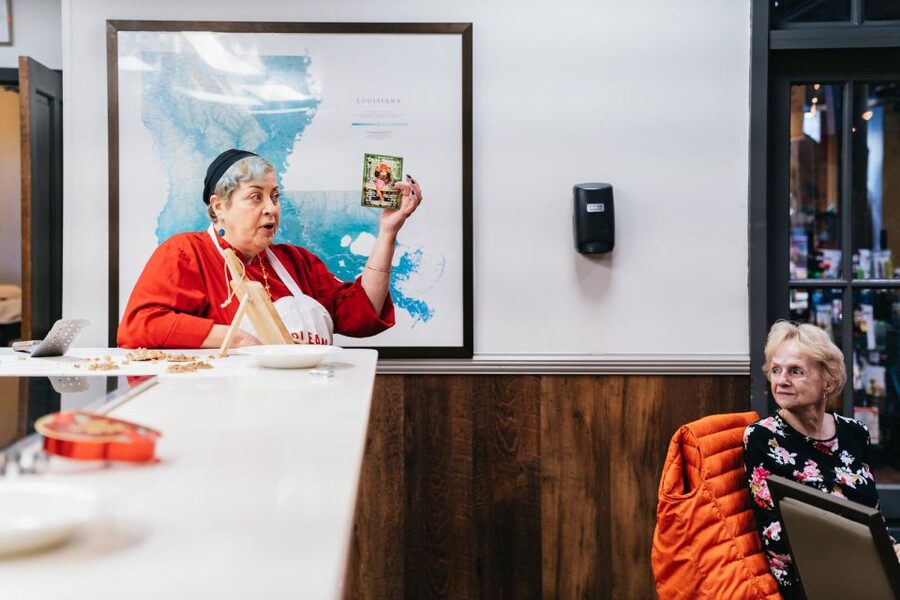
Gumbo is the regular anchor of many menus, and it gives the chef a chance to explain the long cooking process and the role of seasoning. If gumbo is high on your New Orleans list, several morning and afternoon options include it.
Jambalaya offers a different lesson in how rice, meat, seafood, and seasoning come together in one pot. It is especially useful to watch the chef explain timing, since rice dishes can turn from firm to overcooked quickly.
Étouffée, pronounced roughly as ay-too-fay, is another good reason to pay attention. The technique depends on building a flavorful sauce and coating the main ingredient without losing its texture. Depending on the day, you may see crawfish or chicken étouffée.
The classes also make room for desserts. Pralines appear on every listed afternoon menu and most morning menus. You may also receive bread pudding, pecan pie, bananas Foster, or a sweet dish made with the demonstration. The pralines are a practical finish because the recipe is easy to take home and share.
Seafood appears often, with shrimp Creole, corn and crab bisque, crawfish étouffée, and shrimp and artichoke soup. If you have a shellfish allergy, tell the school before the class and ask what accommodation is available. One class provided alternatives for people with shellfish allergies, but the supplied details do not promise the same replacement for every menu.
Vegetarian needs also deserve advance notice. A vegetarian alternative was successfully prepared in one session, but you should contact the provider rather than assume every menu can be changed.
Food, folklore, and the story of New Orleans
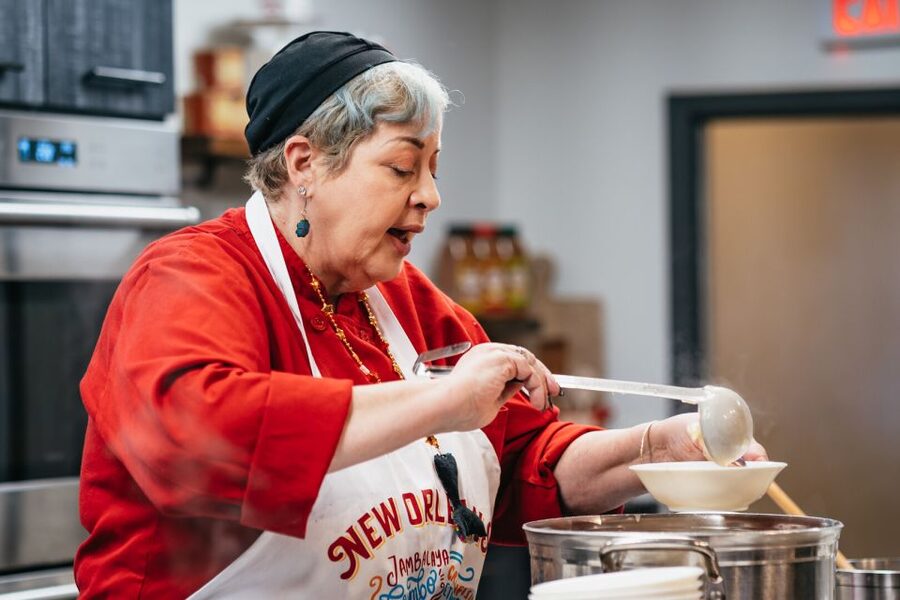
The class earns its place in a New Orleans itinerary because the food lesson is also a culture lesson. The chef explains how the city’s food traditions connect to the people who built and shaped New Orleans.
You hear about Cajun and Creole cooking, local customs, and regional folklore while watching the meal come together. The point is not to memorize a formal timeline. It is to understand why New Orleans food has so many layers, and why dishes that look simple can carry a strong sense of place.
This storytelling is where the experience rises above a basic recipe demonstration. A good chef makes the difference between watching someone stir a pot and understanding what that pot means. Dianne, Lynn, Austin, Harriet, and Eric have each been singled out for combining food instruction with history, jokes, and personal energy.
The tone is relaxed rather than academic. You get useful background, but the class also leaves room for laughter and questions. That makes it a good choice for families and mixed-age groups. A group with three teenagers found that even the younger members stayed interested, which is not a small achievement in a two-hour food lesson.
Drinks and the meal afterward
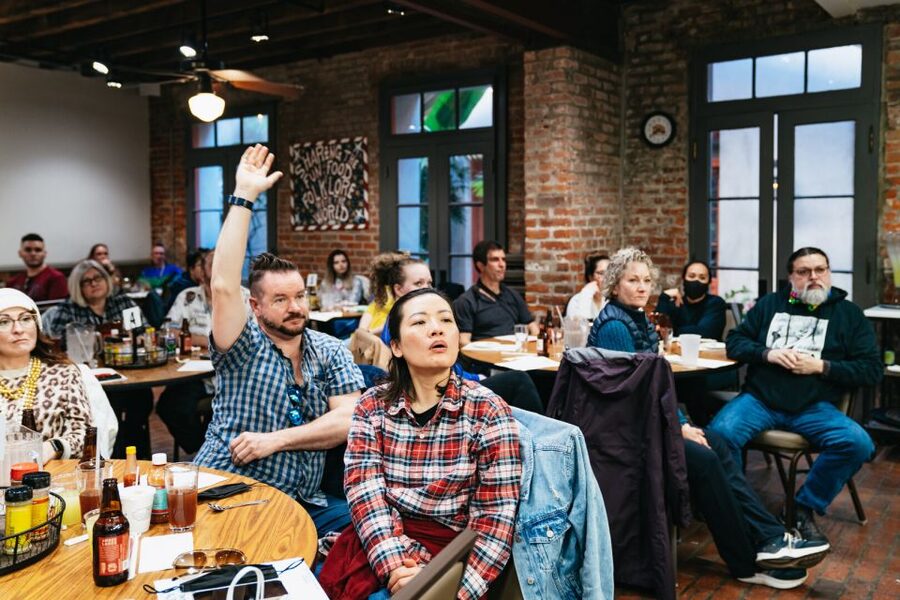
The included drinks are Dixie beer, iced tea, and lemonade. The 10:00 a.m. class also includes hot coffee. These drinks are served as part of the meal and help make the class feel like lunch rather than a lecture with a sample at the end.
Bring an appetite. The meal is one of the main reasons the $40 price works well. You are paying for instruction, but you are also receiving a substantial Cajun and Creole meal, drinks, printed recipes, and a general store coupon.
Do not bring outside drinks, since drinks are not allowed according to the activity rules. You also do not receive hotel pickup or drop-off, so you need to make your own way to the French Quarter meeting point.
Is $40 a good value?
Yes, for the right kind of class. At $40, you receive two to two and a half hours of entertainment and instruction, a three or four-course meal, several drinks, recipe copies, and a store coupon. A good restaurant meal in New Orleans can cost close to that before drinks, while this experience adds stories and cooking guidance.
The value is strongest if you plan to use the recipes afterward. The printed instructions turn the class into something you can repeat at home. The store also makes it easy to buy seasoning or other local products while the lesson is still fresh in your mind.
The value is weaker if your main goal is to practice knife skills or cook beside the chef. You are paying for demonstration, explanation, and dining, not for a workstation. That distinction matters, and the provider should make it clear when you book.
Who should book this experience?
I would recommend it to first-time visitors who want an easy introduction to New Orleans food. It gives you a useful base before you start ordering gumbo, jambalaya, étouffée, and Creole dishes around town.
It also suits couples, families, and groups with different interests. A person who loves food can focus on technique, while someone more interested in local culture can listen to the stories. Since the pace is seated and the activity is wheelchair accessible, it is a practical choice for people who want a lower-effort way to spend part of the day.
It is less suitable for an experienced home cook seeking serious hands-on training. You can ask questions and learn plenty, but you will not personally prepare the meal.
I would also book this early if you have a specific menu in mind. The day of the week controls the dishes, and the class may be especially appealing on a first day in New Orleans, when it can help you understand the food you will encounter during the rest of your visit.
Timing, access, and booking tips
You can cancel up to 24 hours before the class for a full refund, and the reserve-now, pay-later option keeps your plans flexible. The instructor teaches in English.
The meeting point is easy to describe: enter the New Orleans School of Cooking General Store and check in at the register. There is no hotel transfer, so allow time to reach the French Quarter on your own.
The class is wheelchair accessible. If you have a food allergy or dietary need, contact the school before booking and confirm what can be prepared for your menu. A vegetarian alternative and shellfish-free dishes have been provided in individual classes, but substitutions should not be treated as automatic.
Should you book the New Orleans School of Cooking class?
Book it if you want a generous meal with stories, recipes, and a local setting. The strongest features are the entertaining chefs, the changing menus, the old warehouse location, and the useful take-home recipes.
Skip it if you specifically want to cook with your own hands. In that case, look for a class that clearly includes participant preparation. For everyone else, this $40 demonstration is a friendly, practical way to get acquainted with Cajun and Creole food, especially early in a New Orleans visit.
FAQ
Is this a hands-on cooking class?
No. You watch the chef prepare the dishes and explain the steps. You do not personally cook the meal.
How long does the activity last?
The class lasts between two and two and a half hours, depending on the session.
Where do I check in?
Enter the New Orleans School of Cooking General Store and check in at the register.
What food might be served?
The menu changes by day and time. Possible dishes include gumbo, jambalaya, red beans and rice, shrimp Creole, chicken or crawfish étouffée, corn and crab bisque, pralines, bread pudding, pecan pie, and bananas Foster.
Are drinks included?
Yes. Dixie beer, iced tea, and lemonade are included. Hot coffee is also included with the 10:00 a.m. class. Outside drinks are not allowed.
Do I receive recipes to take home?
Yes. You receive copies of the recipes used during the class, along with a coupon for the general store.
Is the class wheelchair accessible?
Yes, the activity is wheelchair accessible. The instructor teaches in English.
Just added around the USA
- Authentic Asian Cooking Class in NYC (Includes 4-Course Meal)★ 5.0 · 8 reviews
- Sushi Making Class at a Local Distillery in Boston★ 5.0 · 22 reviews
- Sushi Making Class at a Local Brewery in Boston★ 4.5 · 3 reviews
- Hands-On Hawaiian Imu Cooking and Cultural Dining Experience★ 5.0 · 95 reviews
- Baumkuchen Campfire Baking Class★ 5.0 · 3 reviews
- Farm to Table Cooking Class at Kulaniapia Falls★ 4.5 · 36 reviews
- Thai Cooking Class in Fullerton, California★ 5.0 · 3 reviews
- San Francisco: Dumpling Cooking Class & 3-Course Dinner★ 5.0 · 10 reviews
Cooking Classes, compared.
Half-Day Thai Cooking Class at Organic Farm in Chiang Mai
Read our review →
Florence: Pasta Cooking Class with Unlimited Wine
Read our review →
3 in 1 Cooking Class near Navona: Fettuccine, Ravioli & Tiramisu
Read our review →
Hanoi Cooking Class: Culture, Local Market & Meaning CSR Impact
Read our review →
5 Traditional Dishes Hanoi Cooking Class with Market Trip
Read our review →
Cooking Class and Lunch at a Tuscan Farmhouse with Local Market Tour from Florence
Read our review →
Chiang Mai: Cooking Class, Market & Thai Herbs Garden Tour
Read our review →Browse the lists this tour appears in