
Review · USA
Corner Store Kauai Cooking Class
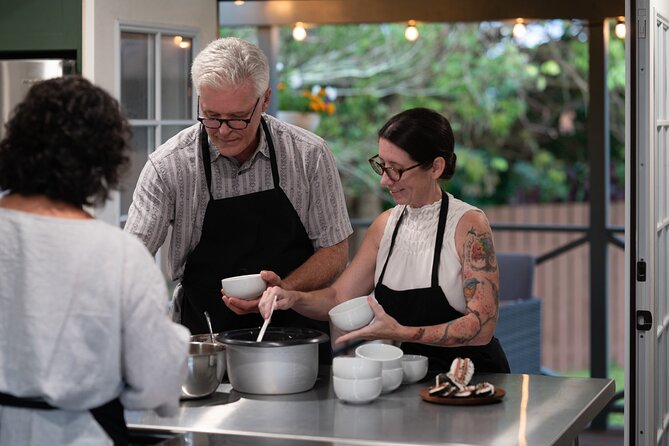
Kauai’s corner-store cooking is the focus here, not polished resort cuisine. At Aletha’s South Shore homestead, you’ll prepare musubi, somen salad, ahi poke, and mochi while learning how these everyday island foods fit into Kauai life. I like the small group of up to 12 and the way the class turns lunch into a friendly cultural lesson.
I also like that you leave with recipes and practical substitutions, so the meal does not end when your holiday does. Aletha’s daughter, Anneka, helps with the class, and the setting is a 1/3-acre property near Koloa and Poipu, with fruit trees around a small kitchen cabin. The main drawback is the non-refundable booking policy, so choose your date carefully.
Key points to know before booking
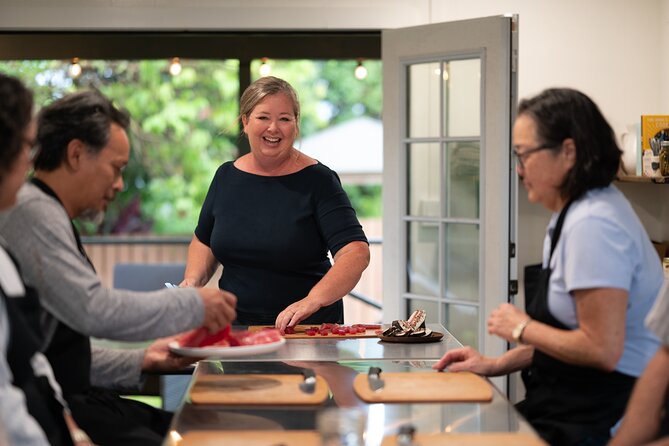
- Four local dishes in one class: Make Kauai-style musubi, somen salad, traditional ahi poke, spicy mayo poke, and butter mochi.
- A personal South Shore setting: Cook at a 1/3-acre homestead about ten minutes from Koloa and Poipu.
- Useful for home cooks: Ingredients, tools, and recipes are supplied, with alternatives suggested for hard-to-find items.
- A meal, not just a demonstration: You help assemble the food, then sit down to eat what you made.
- Small and social: The class has a maximum of 12 people, which allows room for questions and conversation.
- Plan around the rules: The class starts at 11:00 am, accepts ages 10 and older, and requires anyone age 10 to 17 to attend with a registered adult.
Why corner-store food tells you more about Kauai
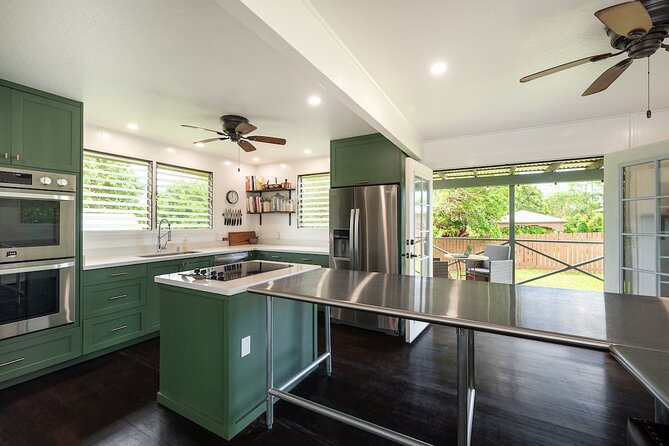
The clever idea here is to teach foods you might actually encounter at local mom-and-pop stores. These are not dishes chosen only for show. Musubi, poke, somen salad, and mochi are familiar island foods with links to Hawaii’s Japanese, Pacific, and local food traditions.
That gives the class a useful focus. You are not simply following a recipe while someone talks about Hawaii in broad terms. You are learning why simple foods matter in daily life, how local ingredients are combined, and how dishes can shift from household to household.
I especially like the contrast between the menu and the setting. Kauai is known for grand scenery, but this experience pays attention to the food people prepare for ordinary lunches, family gatherings, and quick stops at small stores. That can give you a better sense of the island than another restaurant meal designed mainly for visitors.
Aletha explains the cultural background in plain language while keeping the cooking moving. The result is part lesson, part lunch, and part social visit. If you want a polished chef’s course with restaurant-style plating, this is not that. If you want food with a local connection and a host who enjoys explaining it, the format makes good sense.
More Shopping Trips in the USA:
- Atlanta: Historic Market Food Tour and Biscuit Cooking Class
★ 4.9 · 25 reviews - Hanoi Cooking Class: Culture, Local Market & Meaning CSR Impact
★ 5.0 · 5,147 reviews - 5 Traditional Dishes Hanoi Cooking Class with Market Trip
★ 5.0 · 4,890 reviews
A three-hour class near Koloa and Poipu
The meeting point is on Koloa Road, on Kauai’s sunny South Shore. The property is about ten minutes from Koloa and Poipu, so this is easiest to pair with a day based in that part of the island.
The class begins at 11:00 am and lasts about three hours. That timing matters. You will be making a full midday meal, not sampling a few small bites between other activities. I would leave the rest of your schedule open enough to enjoy the food and conversation rather than rushing away.
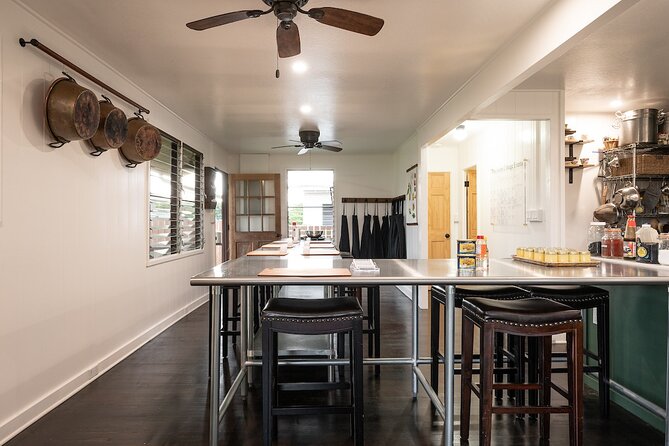
The property covers about one-third of an acre and includes lychee, avocado, orange, citrus, and banana trees. Those details help set the tone. This is a home-based class in a tropical garden setting, not a large culinary school or hotel conference room.
The group limit is 12 people. That is small enough for hands-on work, though the exact feel will depend on how many people book your date. A small class also makes it easier to ask about knife work, ingredients, substitutions, and the cultural background of a dish.
Everything needed for the class is prepared in advance. You do not need to shop for ingredients or bring cooking tools. That preparation keeps the session focused on participation instead of setup and cleanup.
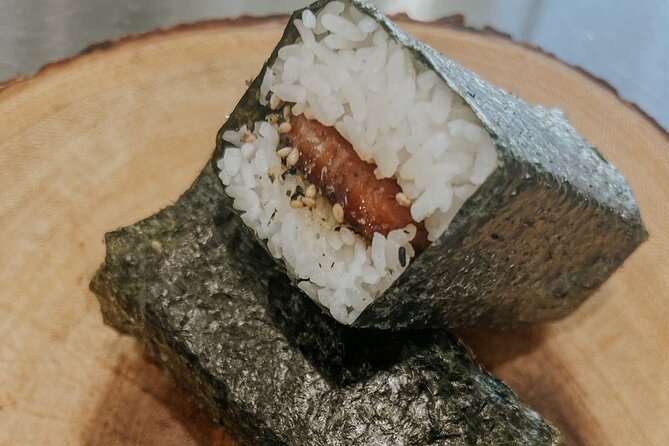
Starting with Kauai-style musubi
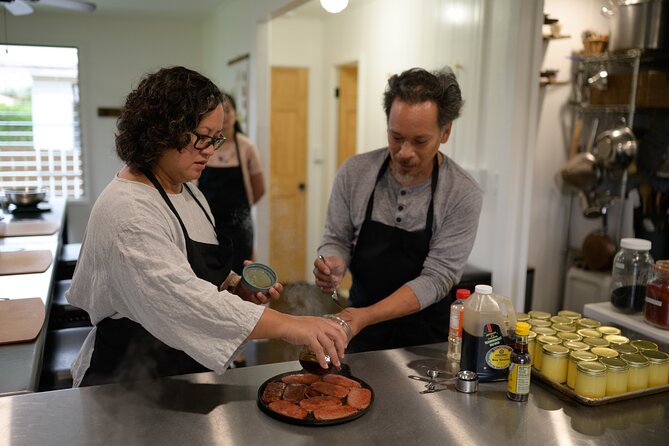
Musubi is a smart first dish because it is recognizable, filling, and easy to connect to local store culture. The class includes a vegetarian option, so the opening course is not limited to one diet.
You will take part in putting the dish together rather than simply watching Aletha work. That hands-on approach matters with musubi because the texture, shape, and balance are easier to understand when you assemble it yourself.
The class presents musubi as more than a snack. It is the sort of compact food that fits island life: portable, practical, and satisfying. The lesson can also help you understand why foods with Japanese roots became part of everyday Hawaii cooking.
I like beginning with something approachable. Even if you are not confident in the kitchen, the instructions are designed to be easy to follow. The tools and ingredients are already set out, and the process allows you to learn by doing without needing advanced cooking skills.
Somen salad brings texture and contrast
Somen salad is the second major part of the meal. It is offered as a pescatarian and vegetarian dish, making it a useful choice for mixed groups.
The dish adds a lighter, cooler element to a menu that also includes rice-based musubi and poke. Somen noodles provide a different texture, and the salad format gives you a chance to see how local meals balance freshness, seasoning, and substance.
This is also where the class can be helpful for home cooks. A dish may look simple, but the proportions and preparation determine whether it feels crisp and balanced or flat and heavy. Aletha’s instruction gives you a framework to repeat it at home.
The menu is intentionally practical. You are not learning a recipe that depends on elaborate equipment or restaurant tricks. You receive the recipe and can ask about replacements if an ingredient is difficult to find after you return home.
More Hands-On Workshops in the USA:
- New Orleans Demonstration Cooking Class with Meal
★ 5.0 · 3,000 reviews - New Orleans Hands-On Cooking Class with Meal
★ 5.0 · 1,183 reviews - Undiscovered Charleston: Half Day Food, Wine & History Tour with Cooking Class
★ 5.0 · 948 reviews - New Orleans: Cajun and Creole Cooking Class
★ 4.9 · 730 reviews
Making traditional and spicy mayo poke
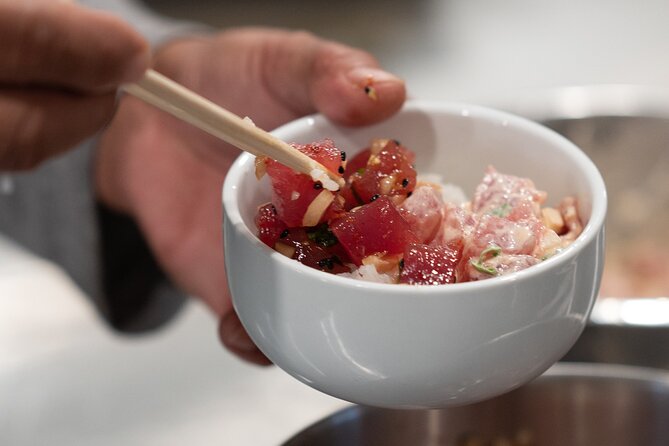
Poke is the main attraction for many people booking this class, and you get two versions. The sample menu includes traditional ahi poke and modern spicy mayo poke, both built around the same broad local food culture but with different flavor profiles.
The traditional version gives you a closer look at a classic preparation. The spicy mayo version shows how contemporary tastes have become part of the poke landscape without replacing older styles.
The class lists poke as pescatarian, so you should keep that in mind when planning around dietary needs. The musubi and somen salad have vegetarian options, but the poke portion is centered on ahi.
You participate in preparing the bowls, then eat them as part of the finished meal. This is useful because poke is sensitive to seasoning and texture. Making it yourself gives you a clearer sense of how much sauce and seasoning you prefer.
I also like that the class does not treat poke as a novelty. The food is placed in its cultural setting, alongside other local favorites. That makes the lesson more useful than a simple recipe demonstration.
Butter mochi finishes a generous meal
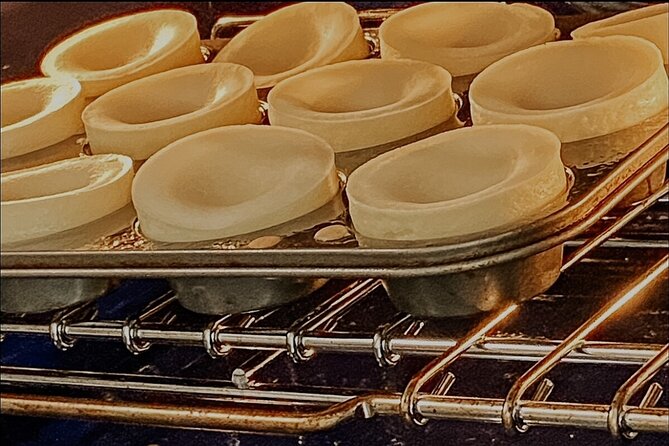
Butter mochi is the dessert, and it provides a sweet ending with a distinctly local feel. It is vegetarian, and it rounds out the menu after several savory dishes.
Mochi can be unfamiliar to some home cooks, so a guided preparation is useful. You get to see how the ingredients come together and take the finished dessert as part of the meal.
The class is designed to leave you full. The food is prepared in substantial portions, and the atmosphere is generous rather than formal. You may even be encouraged to take some home if there is extra.
That abundance is worth considering when you plan your day. Do not schedule a heavy lunch immediately afterward. The class is meant to function as your meal, and it is better enjoyed at an unhurried pace.
Aletha’s teaching style and the family feel
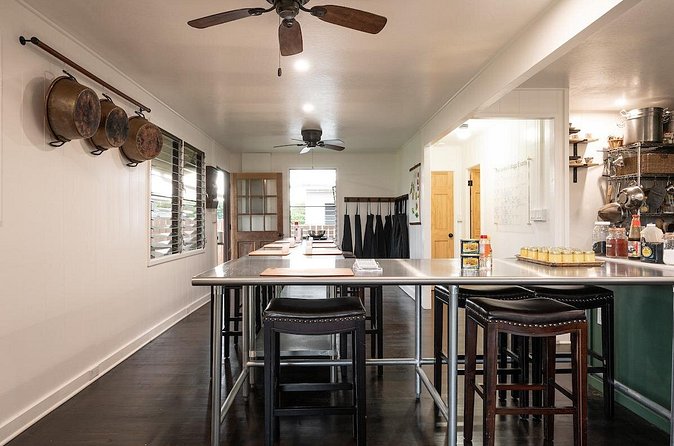
Aletha is the main host and instructor. Her style combines cooking instruction with stories about Kauai, local traditions, and Hawaiian culture. She keeps the mood warm and welcoming while maintaining an organized kitchen.
Anneka, Aletha’s daughter, also helps as the class progresses. That family presence adds to the sense that you are being welcomed into a real home setting rather than processed through a commercial activity.
The teaching is not built around chef theatrics. You get demonstrations, clear instructions, and plenty of chances to help prepare the dishes. The approach works well for people who want guidance without being talked down to.
I would recommend this class to solo visitors, couples, families with older children, and friends traveling together. It gives solo visitors a natural way to meet people, while families can share a useful activity that does not depend on hiking or beach weather.
The minimum age is 10. Anyone age 10 to 17 must attend with a registered adult, so this is not an option for younger children or for teenagers attending independently.
What the $173 price includes
At $173 per person, this is not a cheap lunch. You are paying for about three hours of instruction, a prepared cooking space, ingredients, tools, recipes, cultural context, and a complete meal in a small group.
The value improves if you were already planning to eat lunch out and would like to bring home skills as well as memories. You are getting more than four plates of food. You are learning dishes that can be repeated, and you receive alternatives for ingredients that may be difficult to locate away from Hawaii.
The price also reflects the setting. This is a limited-size, host-led class rather than a large activity with dozens of participants. The personal attention is part of what you are buying.
Still, the cost may feel high if you mainly want a quick tasting or a short cooking demonstration. You should book it for the instruction and cultural context, not only for the meal. If you value personal contact and practical recipes, the price is easier to justify.
The activity has a 5.0 rating from 18 reviews, with 100 percent recommending it. That is a small sample, so I would not treat the number as a guarantee. The repeated strengths are clear, though: warm teaching, clean organization, plentiful food, a pleasant setting, and a menu that feels connected to Kauai.
Dietary notes and practical limits
The menu includes vegetarian musubi, vegetarian or pescatarian somen salad, pescatarian ahi poke, and vegetarian mochi. That gives you useful choices, especially if your group includes people with different preferences.
The provided information does not list vegan, gluten-free, allergy, or seafood-free adaptations. If you have a serious dietary restriction, ask before booking rather than assuming the standard menu can be changed.
The class is offered in English. It includes a mobile ticket, and confirmation is provided when you book. The activity ends back at the same meeting point on Koloa Road.
Book early if the date matters to you. It is commonly reserved about 30 days ahead, and the class requires a minimum number of participants to operate. If that minimum is not reached and the activity is canceled, you are offered another date or experience, or a full refund.
Your own cancellation terms are strict. The booking is non-refundable and cannot be changed for any reason, so check your island schedule before paying.
Who will get the most from this class
You should consider it if you want:
- A food activity tied to local culture rather than a standard restaurant meal.
- A small group setting near Koloa and Poipu.
- Recipes you can use at home after your trip.
- A full lunch with several dishes instead of a brief tasting.
- An easy, social activity for a couple, family, or solo visitor.
- A way to learn about Kauai through everyday foods.
You may want to skip it if you dislike seafood, need extensive dietary customization, prefer a formal restaurant kitchen, or are looking for a low-cost activity. The three-hour length and full meal also make it a poor fit for a tightly packed morning.
Should you book the Corner Store Kauai Cooking Class?
I would book this class early in a South Shore stay, especially if you want Aletha’s practical advice about other places to visit and things to do while you still have time to use it.
The strongest reason to go is the combination of food and personal connection. You make familiar Kauai dishes with your own hands, learn why they matter, eat a generous lunch, and leave with recipes instead of only photographs.
At $173, it is a considered purchase. But for an older child, couple, solo visitor, or food-focused group that values a small setting, the class offers a fuller experience than a standard meal. Just confirm your date, plan around the 11:00 am start, and remember that the booking cannot be refunded or changed.
FAQ
Where does the Corner Store Kauai Cooking Class meet?
The class meets on Koloa Road in Koloa, Hawaii, on Kauai’s South Shore. The property is about ten minutes from Koloa and Poipu.
What time does the class begin?
The start time is 11:00 am.
How long does the cooking class last?
The experience lasts approximately three hours.
What dishes will I make?
The menu includes Kauai-style musubi, somen salad, traditional ahi poke, spicy mayo poke, and butter mochi. The sample menu lists musubi as the starter, somen salad and two poke preparations as mains, and butter mochi for dessert.
Are vegetarian or pescatarian options available?
Yes. The musubi has a vegetarian option, the somen salad is pescatarian and vegetarian, the poke is pescatarian, and the mochi is vegetarian.
What is the minimum age?
The minimum age is 10. Youth ages 10 to 17 must attend with a registered adult.
How many people can join the class?
The class has a maximum of 12 participants.
Can I cancel or change my booking?
The experience is non-refundable and cannot be changed for any reason. If the class is canceled because the minimum number of participants is not met, you are offered a different date or experience, or a full refund.
Just added around the USA
- Key West Sandbar Fishing Snorkel Catch and Cook Excursions★ 5.0 · 9 reviews
- Private Chef, Catering and Cooking Classes★ 5.0 · 7 reviews
- Private Chicago-style deep dish pizza or pasta making class★ 5.0 · 4 reviews
- Private Indian-Mexican Fusion Cooking Class with a Modern Cook in Chicago★ 5.0 · 5 reviews
- Taste the Smokies Appalachian Inspired Cooking Classes★ 5.0 · 3 reviews
- Luxury Italian Cooking Class in Tampa (Includes 4-Course Meal)★ 5.0 · 3 reviews
- Easy and Elegant French Cooking Class with Wine near Laguna Beach★ 5.0 · 8 reviews
- Italian Pasta Cooking Class in Denver (Includes 3-Course Meal)★ 5.0 · 3 reviews
Cooking Classes, compared.
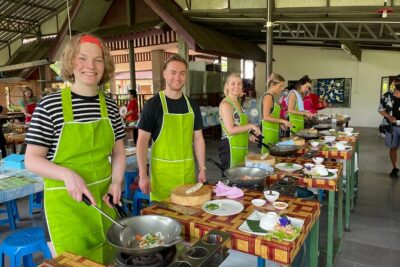
Half-Day Thai Cooking Class at Organic Farm in Chiang Mai
Read our review →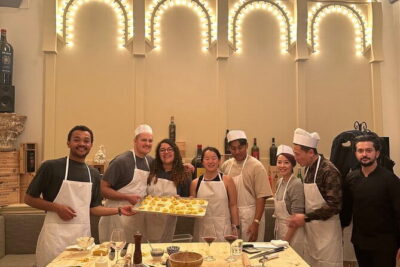
Florence: Pasta Cooking Class with Unlimited Wine
Read our review →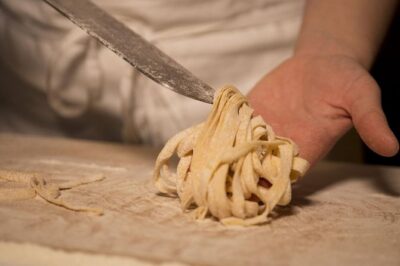
3 in 1 Cooking Class near Navona: Fettuccine, Ravioli & Tiramisu
Read our review →
Hanoi Cooking Class: Culture, Local Market & Meaning CSR Impact
Read our review →
5 Traditional Dishes Hanoi Cooking Class with Market Trip
Read our review →
Cooking Class and Lunch at a Tuscan Farmhouse with Local Market Tour from Florence
Read our review →
Chiang Mai: Cooking Class, Market & Thai Herbs Garden Tour
Read our review →Browse the lists this tour appears in