Review · MILAN
Milan: Italian Cooking Class with Food and Wine
The best part of this Milan cooking class is that you do not simply watch a chef work. You roll pasta, shape dough, prepare ingredients, and then eat the meal you helped make. Chef Ilaria keeps the class friendly and practical, with useful lessons on pasta technique, food history, and the Italian habit of wasting as little as possible.
I like the hands-on format, especially the personal workstations and the chance to make fresh pasta from scratch. I also like that wine, snacks, coffee, cooking tools, aprons, and recipes are included. The main thing to consider is that the exact menu can change, and some dishes, such as long-cooked sauces, may be prepared ahead rather than made entirely during the three-hour class.
Key points to know before booking
- Fresh pasta is the main attraction: Depending on the class menu, you may make tagliatelle, ravioli, gnocchi, or another pasta shape by hand.
- Chef Ilaria leads with humor and clear instruction: Her teaching includes practical technique, food traditions, and strong opinions about classic recipes.
- You eat the finished meal together: The class ends at the table with wine, conversation, and the dishes prepared during the session.
- Recipes go home with you: You receive the instructions needed to repeat the dishes in your own kitchen.
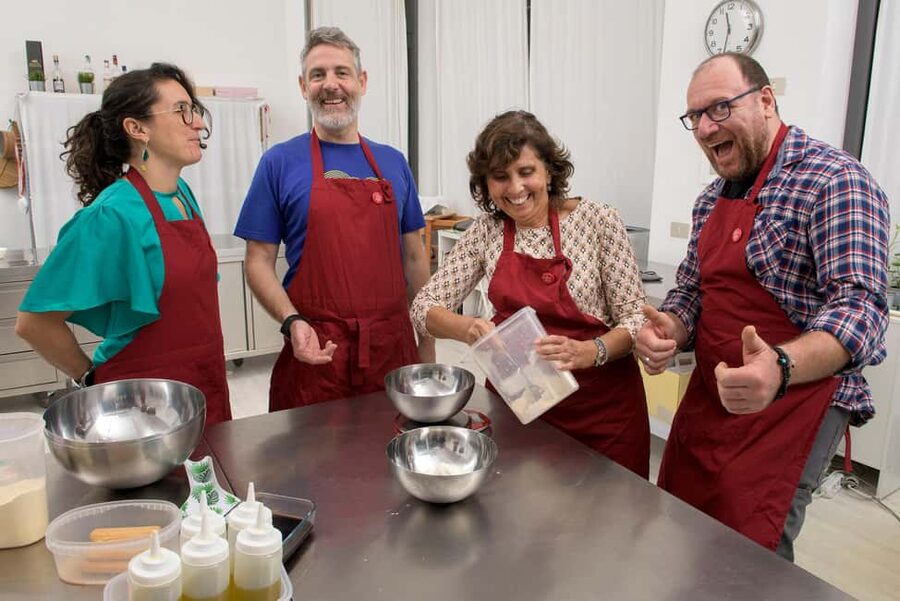
- The format is social but still practical: You work at your own desk while sharing the room with an international group.
- Plan around the restrictions: Children under 10, pets, smoking, luggage, and large bags are not allowed, and the space is not wheelchair accessible.
What the three-hour Milan cooking class is really like
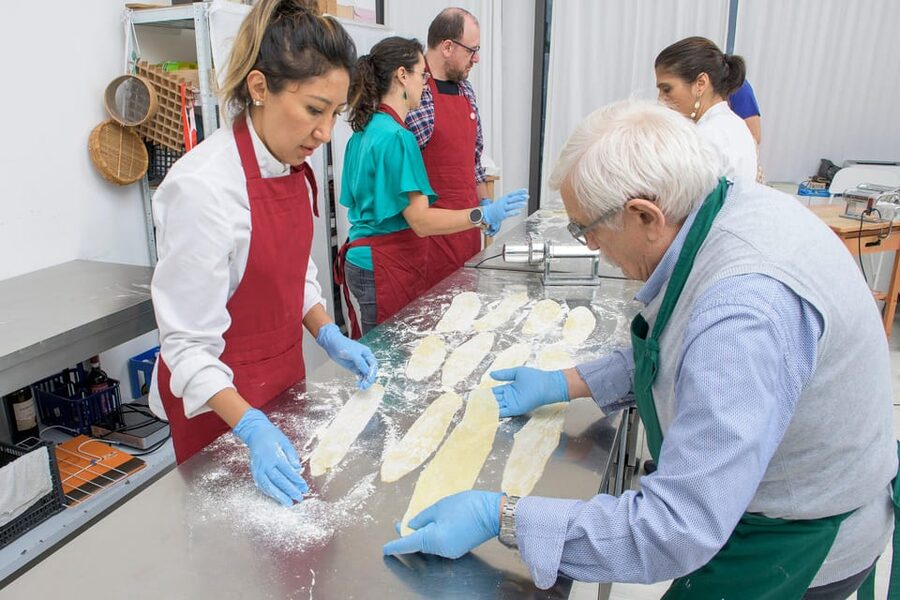
This is a compact cooking workshop at Chef and the City, a street-level shop marked by three large windows and red signs. When you arrive, ring the bell at the main window door. The class is conducted in Italian and English, and Chef Ilaria or another member of the team guides you through the work.
The session is built around three traditional Italian dishes. The menu can include combinations such as bruschetta, fresh tagliatelle, gnocchi, ravioli, tiramisù, biscotti, cantucci, apple strudel, focaccia, eggplant parmigiana, or a pasta sauce. That variety is appealing, but do not book expecting one fixed menu every time. The class changes its dishes, and the specific combination is not guaranteed.
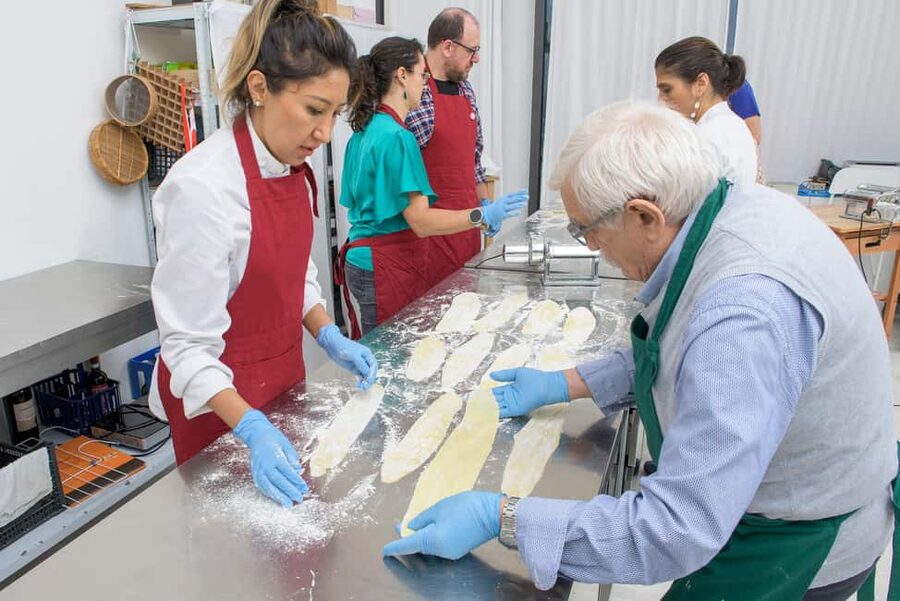
You receive a personal workstation with the cooking tools, gloves, and apron provided. This matters if you are a beginner. You are not fighting for space around one crowded counter, and you can follow each stage at your own pace while still receiving help from the chef.
The class has a professional kitchen-lab setting, so there are a few firm rules. You cannot eat or drink while cooking, and tasting ingredients during the preparation is not allowed. Tie back long hair, and leave luggage or large bags elsewhere. These rules may feel strict during a relaxed holiday activity, but they keep the workspace clean and safe.
More Cooking Classes with Wine Tasting in Italy
- Milan: Pasta and Tiramisu Cooking Class with Wine
★ 4.8 · 1,106 reviews - Milan: Pasta and Tiramisu Small Group Cooking Class with Wine
★ 5.0 · 660 reviews - Pizza Cooking Class with Tiramisù and Wine Tasting in Milan
★ 5.0 · 172 reviews
Fresh pasta, flour, and the lessons you take home
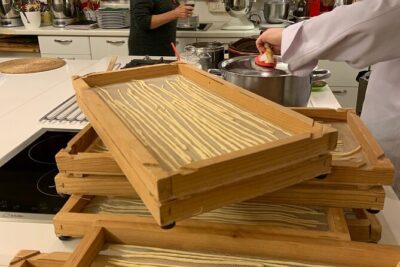
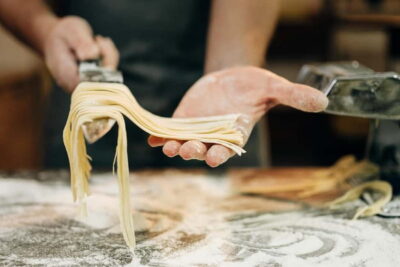
The fresh-pasta portion is the heart of the experience. You may learn how to mix and work the dough, roll it with a pasta machine, and shape it into noodles or filled pasta. The lesson is useful because it focuses on technique rather than simply handing you a finished dish.
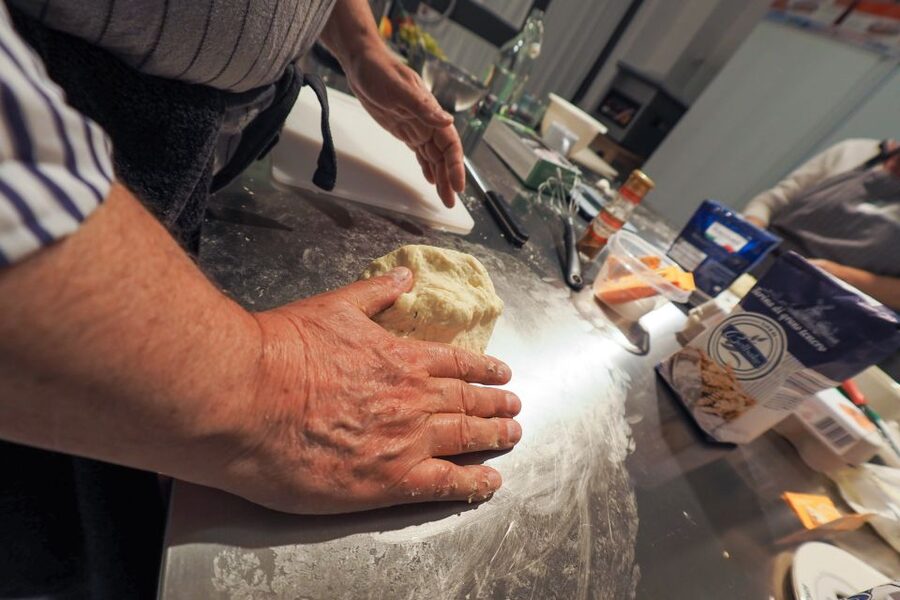
You learn how the dough should feel, how to work it, and how to handle the pasta once it has been rolled. Several participants found the pasta lesson especially practical, and one useful detail is that you may need to buy your own pasta machine if you want to repeat the process in the same way at home.
The class also gives you a clearer sense of what Italian cooking means beyond a list of ingredients. Chef Ilaria explains why certain steps matter and how texture changes when you rush or handle food incorrectly. She is also happy to correct mistakes, which is exactly what you want from a class rather than a restaurant demonstration.
Her approach can be quite traditional. For example, her view of carbonara is direct: classic carbonara does not use cream or bacon. You can change a dish at home, but she encourages you to understand the original method first. That kind of firm culinary guidance gives the class personality and helps separate regional Italian cooking from generic Italian-style food.
Antipasti, snacks, and a generous kitchen table
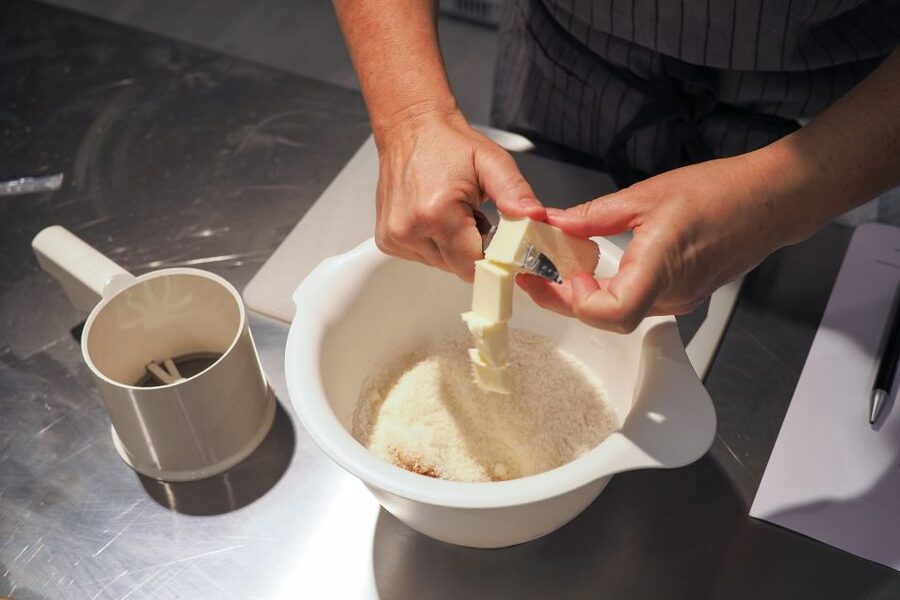
While you work, you may have light snacks such as cheese, sun-dried tomatoes, mortadella, and olives. Cookies, biscuits, candies, coffee, tea, infusions, and water are also available. These extras make the workshop feel more like an afternoon or evening in a cooking studio than a bare practical lesson.
The food is part of the value, especially at $80 per person. You are not paying only for instruction. The price includes the ingredients, cooking equipment, apron, gloves, wine, snacks, and the meal at the end. For a three-hour activity in Milan, that is a fair package if you want both a class and a sit-down dining experience.
Still, expectations matter. This is not a private lesson where a chef follows every dish from its first ingredient to its final plating just for you. You work as part of a group, and the teacher must keep the whole room moving. If you want highly technical training or a very specific recipe, ask about the menu before booking.
Dietary needs can sometimes be handled. One participant with a gluten-free diet was able to take part without losing the main experience, and the chef also took food allergies and restrictions into account. You should still state your needs when booking, since the exact level of accommodation depends on the menu and the kitchen.
The three dishes and what you may actually cook
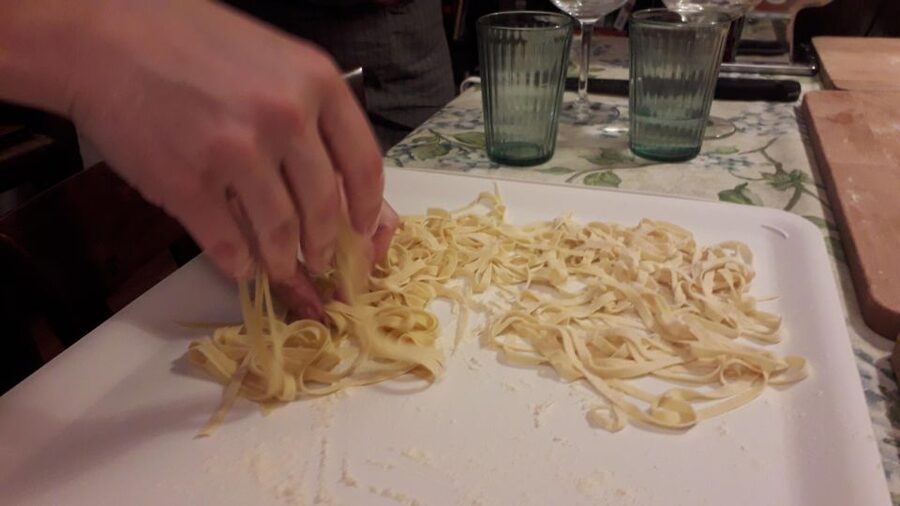
The menu is broad, so the exact dishes depend on the session. A common pattern is an appetizer, a pasta or main course, and a dessert. Bruschetta may begin the meal, followed by tagliatelle, ravioli, or gnocchi, then a sweet such as biscotti, cantucci, tiramisù, or strudel.
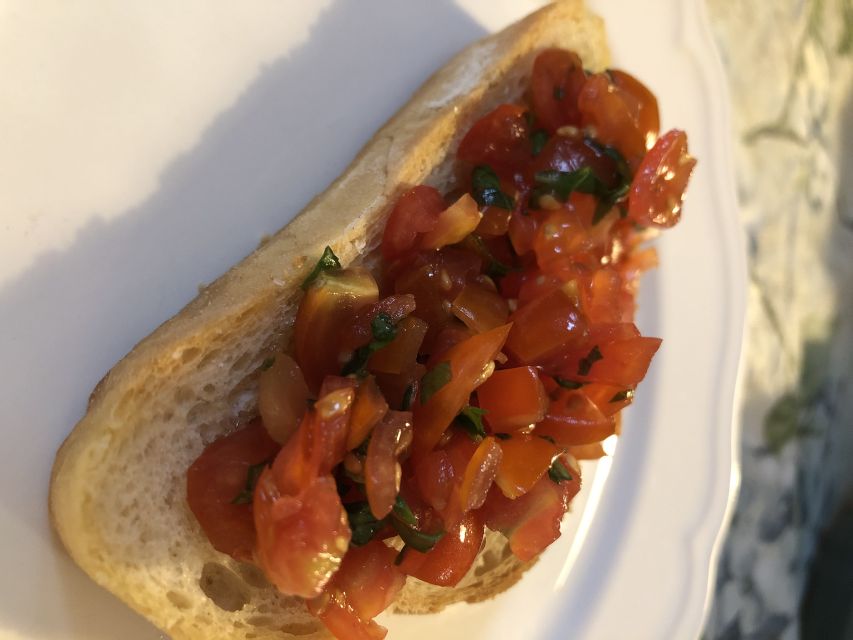
The appetizer is often the simplest part of the lesson, but it teaches an important Italian habit: good ingredients do much of the work. Bruschetta can be a useful exercise in balance, texture, and seasoning. It also gives the group something to prepare and eat without waiting for the pasta course.
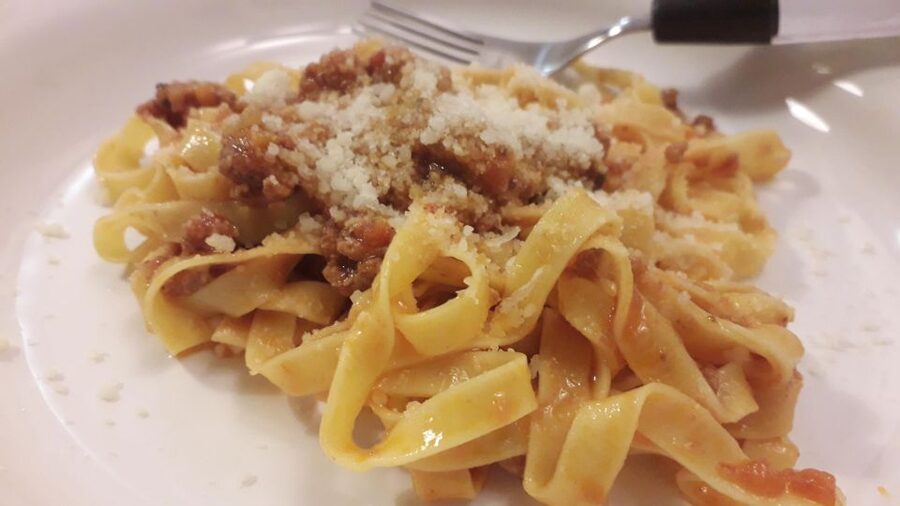
Fresh pasta usually requires the most direct involvement. If you make tagliatelle, you get the satisfaction of turning basic ingredients into a finished dish. If the class makes ravioli, the focus may shift toward filling, sealing, and shaping. Gnocchi brings a different lesson, since the texture depends on handling the dough gently.
The sauces deserve special attention. One session included homemade ragù and cacio e pepe prepared by the chef in advance. That makes sense within a three-hour schedule, since ragù takes hours to cook, but it also means you may not prepare every sauce from start to finish. You still receive the recipes, and you can make the full version at home when you have more time.
Dessert may be tiramisù, biscotti, cantucci, or strudel. The class can use these dishes to explain small but important points, such as the traditional treatment of tiramisù. If you are used to adding amaretto, for example, Chef Ilaria may correct that habit and show you the version she considers proper.
More Cooking Classes with Wine Tasting in Milan
- Milan: Pasta, Gnocchi and Tiramisù Cooking Class with Wine
★ 5.0 · 117 reviews - Pizza and Tiramisu Cooking Class with Wine in Milan
★ 4.9 · 80 reviews - Milan: Hands-On Pasta & Dessert Cooking Class & Wine Pairing
★ 5.0 · 3 reviews
Sitting down to eat what you made
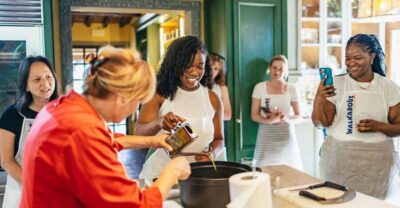
After the kitchen work, the group moves to the dining room and eats together. This is a strong finish because you can see the result of your effort immediately. The meal is not an afterthought. It is the reward for the work and a chance to compare techniques with the people at your table.
Wine is included, with both red and white available. Coffee, tea, and water are also part of the experience, and the class includes enough food to make the final meal feel substantial. You can chat with people from different countries, which gives the workshop a social side without turning it into a formal tasting.
The group atmosphere can vary. Some sessions are lively and full, while others may be very small. One small class had only two participants, which reduced the group energy but gave the pair more direct attention. If you prefer a party atmosphere, a larger session may suit you better. If you value personal help, a smaller group could be a pleasant tradeoff.
The chef and assistants help create that atmosphere. Ilaria is described as funny, energetic, welcoming, and attentive, while Fernando and other team members help organize ingredients and tools. The result is informal but not careless. The kitchen is kept clean, and the instructions are presented in a way that works for first-time cooks.
The recipes are the lasting souvenir
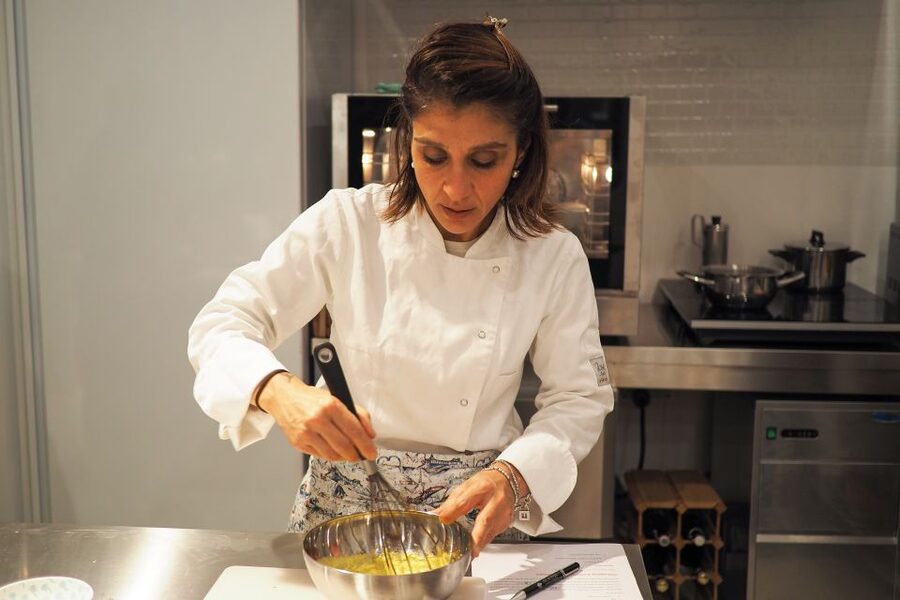
Many cooking classes are enjoyable for one evening and then disappear from your memory. The recipe packet gives this one a longer life. You can recreate the pasta, appetizer, sauces, or dessert after returning home, which adds real value to the $80 price.
The recipes are described as easy to use at home, though some require time or equipment. Ragù needs a long cooking period, and fresh pasta is easier if you have a pasta machine. That is not a flaw, but you should understand the difference between learning a recipe and having every step completed in class.
You also leave with practical habits rather than just measurements. You learn how dough should feel, how to avoid overworking it, why a sauce behaves a certain way, and how Italian cooks use ingredients with less waste. Those lessons are often more useful than a souvenir cookbook because they help you adjust when your flour, eggs, or vegetables behave differently at home.
The healthy and waste-free angle is modest but worthwhile. This is not a nutrition seminar. Instead, the chef shows how to use food sensibly, keep preparation efficient, and make traditional dishes in a modern kitchen. That is a good fit if you want Italian cooking that is practical enough for regular home meals.
Who should book this class
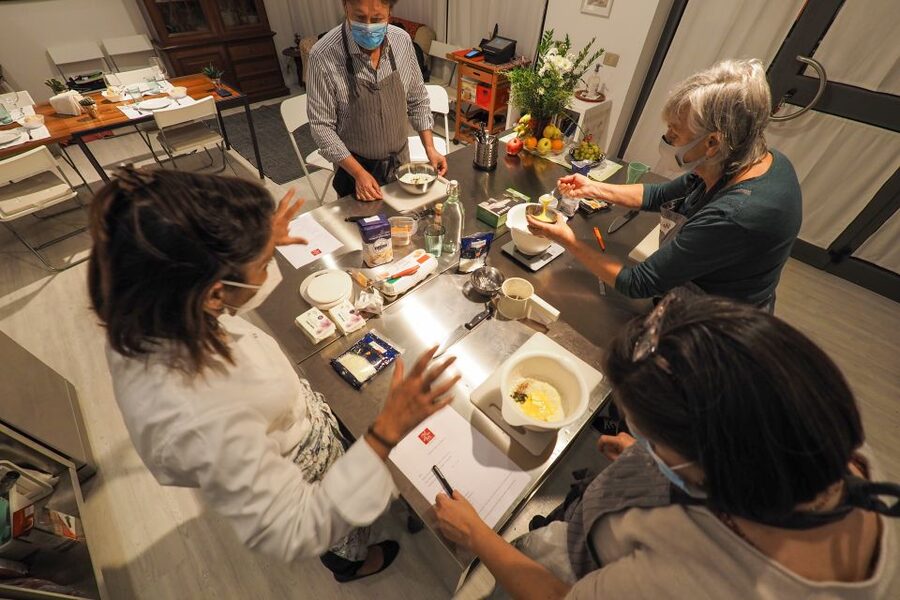
I would recommend this experience to first-time pasta makers, couples, solo visitors, families with older children, and anyone who wants an evening that is both social and useful. Children under 10 are not allowed, so this is better for older children and teenagers who can follow kitchen rules.
Solo visitors should not worry about arriving alone. The personal desk setup makes it easy to work independently, while the shared meal gives you a natural way to meet the group. The class also works well for couples, though you may prefer to book a smaller session if available.
Experienced home cooks can enjoy it too, especially if they want to compare methods or learn traditional Italian views on pasta and dessert. The class is less suitable if you want advanced restaurant training, a private chef, or complete control over the menu.
People with mobility impairments should note that the activity is not wheelchair accessible. Pets are not permitted, smoking is not allowed, and large bags or luggage cannot enter the cooking area. Plan to arrive without anything bulky.
The meeting point is easy to identify: look for the street-level Chef and the City shop with three large windows and three red signs. Ring the bell at the main window door when you arrive. Private transportation is not included, so you handle your own way to the venue.
Is the $80 price worth it?
For three hours, $80 is good value if you want a complete food experience rather than a short pasta demonstration. You receive instruction, ingredients, tools, protective clothing, snacks, wine, a cooked meal, and recipes. The social setting adds something too, especially if you want an activity that breaks up a day of museums and churches.
The value is lower if you are mainly interested in one exact dish and want to make every part yourself. Some sauces may be prepared beforehand, and the menu can change. You also need to accept that the class follows the chef’s method, particularly when it comes to traditional recipes.
The strong rating of 4.7 from 509 bookings fits the main strengths: clear teaching, friendly hosts, tasty food, a clean kitchen, and a generous amount to eat and drink. I would still read the menu as a guide rather than a promise, since the dishes vary by session.
You can cancel up to 24 hours before the activity for a full refund, and the reserve-now, pay-later option keeps your schedule flexible. The class lasts three hours, with start times depending on availability.
Should you book Chef and the City?
Book it if you want to make real food with an Italian chef, meet other people, and leave with recipes you can use at home. I especially recommend it if fresh pasta is high on your Milan wish list and you like learning by doing.
Skip it if you need wheelchair access, want to bring luggage, or expect a private lesson with a fixed menu. Also skip it if you dislike group cooking or prefer to watch quietly. For most visitors who want a warm, hands-on taste of Italian food culture, this is a practical and enjoyable use of three hours in Milan.
FAQ
How long does the Milan cooking class last?
The cooking class lasts three hours. Starting times vary, so check the available options when booking.
What food might I prepare?
The menu can include three Italian dishes such as bruschetta, tagliatelle, ravioli, gnocchi, focaccia, eggplant parmigiana, tiramisù, biscotti, cantucci, apple strudel, ragù, or cacio e pepe. The exact dishes can change.
Is wine included?
Yes. Wine is included, and both red and white wine may be available. Food, other beverages, cooking tools, gloves, and aprons are also included.
Do I receive the recipes?
Yes. The chef provides copies of the recipes so you can prepare the dishes at home.
Is the activity suitable for children?
Children under 10 are not allowed. Older children may attend if they can follow the professional kitchen rules.
Can I bring luggage or a large bag?
No. Luggage and large bags are not allowed in the cooking area. Pets and smoking are also not allowed.
Is the class wheelchair accessible?
No. The activity is not wheelchair accessible and is not suitable for people with mobility impairments.
More Food and Drink Tours in Milan
- Small Group Cooking Class & Market Food Tour in Florence
★ 5.0 · 1,574 reviews - Pasta Making & Wine Tasting with Dinner in Frascati from Rome
★ 5.0 · 1,326 reviews - Paella Cooking Class, Wine Tasting & Central Market in Valencia
★ 5.0 · 1,150 reviews - Athens: Food Market Visit and Cooking Class with Wine
★ 4.9 · 1,087 reviews
More Italian Cooking Classes in Milan
- Learn to Cook Italian Recipes with an Italian Chef
★ 5.0 · 283 reviews - only in ITALIAN – International aperitif + cooking class in Italian
★ 4.8 · 22 reviews - Cooking Class and Lunch at a Tuscan Farmhouse with Local Market Tour from Florence
★ 5.0 · 4,831 reviews - Naples: Neapolitan Pizza and Tiramisù Making Class
★ 4.8 · 839 reviews
Just added around Milan
- Small Group Cozy Cooking Class in a Typical Milanese Home★ 4.8 · 27 reviews
- Pizza and Tiramisu Cooking Class with Wine in Milan★ 4.9 · 80 reviews
- only in ITALIAN – International aperitif + cooking class in Italian★ 4.8 · 22 reviews
- Milan: Private Cooking Class at a Local’s Home★ 5.0 · 9 reviews
- Milan: Market and Cooking Class at a Local’s Home★ 4.0 · 5 reviews
- Milan: Cooking Class for Families with Children★ 5.0 · 5 reviews
- Milan: Pasta, Gnocchi and Tiramisù Cooking Class with Wine★ 5.0 · 117 reviews
- Milan: Hands-On Pasta & Dessert Cooking Class & Wine Pairing★ 5.0 · 3 reviews
Italian Cooking Classes, compared.
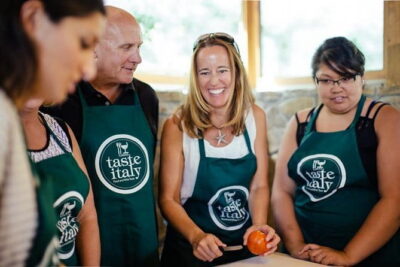
Cooking Class and Lunch at a Tuscan Farmhouse with Local Market Tour from Florence
Read our review →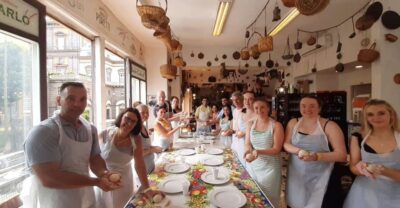
Naples: Neapolitan Pizza and Tiramisù Making Class
Read our review →
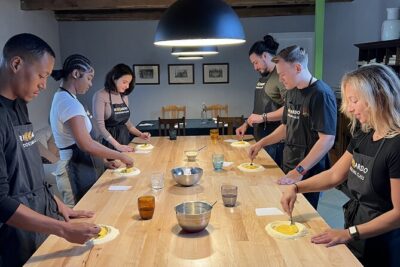
Rome Pasta Making Class with Italian Sauces and Wine Included
Read our review →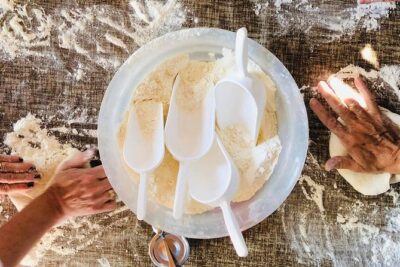
Florence: Cooking Class at a Tuscan Farm & Local Market Tour
Read our review →