Review · MILAN
Milan: Pasta and Tiramisu Small Group Cooking Class with Wine
Fresh pasta and tiramisu are the stars here, but the real treat is learning them in a working Milan restaurant rather than watching a polished cooking show. You make the dough, roll and cut it, prepare the dessert, then sit down for the meal.
I like the small maximum of 12 people, which gives the chef room to help with sticky dough and uneven pasta cuts. I also like the relaxed social side: Prosecco on arrival, wine with lunch or dinner, and a table shared with people who came for the same reason.
The main thing to understand is that you may not eat only the exact pasta you made. The restaurant cooks the pasta, and one less-satisfied participant reported that portions were combined. If owning every noodle from dough to plate matters to you, ask about the serving process at the start.
Key points to know before booking
- You make two Italian classics: fresh pasta and tiramisu, with hands-on work at your own station.
- The class lasts about three hours: enough time for instruction, preparation, and a sit-down meal.
- The group is capped at 12 people: a useful size for questions and conversation.
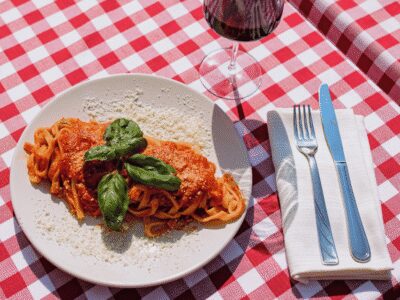
- The menu is substantial: fettuccine with tomato sauce, ricotta and spinach ravioli with butter and sage, tiramisu, Prosecco, wine, and soft drinks.
- The teacher can vary: Francesco, Mimmo, Memmo, Federico, Alba, and other hosts have led sessions.
- The price is $83.44: fair if you value the lesson, drinks, and full meal, but less appealing if you mainly want dinner.
Fresh pasta, tiramisu, and a Milan night out
This is not a sightseeing tour with a cooking demonstration tacked on. You spend the heart of the experience at a work station, learning the basic logic behind fresh pasta before sitting down to eat what the kitchen prepares.
The setting is a convenient restaurant in central Milan, with public transportation nearby. Some sessions have taken place at a restaurant near the Navigli canals, an area known for its evening dining atmosphere. The exact feel can depend on the assigned venue and the chef on duty.
The class is offered in English and takes about three hours. That pace matters. You are not rushing through a 60-minute demonstration, but you are also not committing an entire day to cooking. It fits neatly into a Milan itinerary, especially on a day when you want a break from churches, museums, and cobbled streets.
The experience has earned a 4.9 rating from 661 ratings, with 98 percent of participants recommending it. Those numbers suggest strong consistency, but they should not hide the one important limitation: this is part cooking lesson and part restaurant meal, and the restaurant side can affect the timing.
More Cooking Classes with Wine Tasting in Italy
- Milan: Pasta and Tiramisu Cooking Class with Wine
★ 4.8 · 1,106 reviews - Milan: Italian Cooking Class with Food and Wine
★ 4.7 · 509 reviews - Pizza Cooking Class with Tiramisù and Wine Tasting in Milan
★ 5.0 · 172 reviews
Arriving with Prosecco and an apron
At the meeting point, you enter the restaurant, receive a welcome glass of Prosecco, and get introduced to the kitchen environment. This opening gives the class a pleasant start. You are not left standing around wondering where to go or what happens next.
The welcome also helps loosen up a group of strangers. A cooking class can feel awkward for the first few minutes, especially when people are paired at shared work areas. A drink in hand and a clear first task usually get conversation moving.
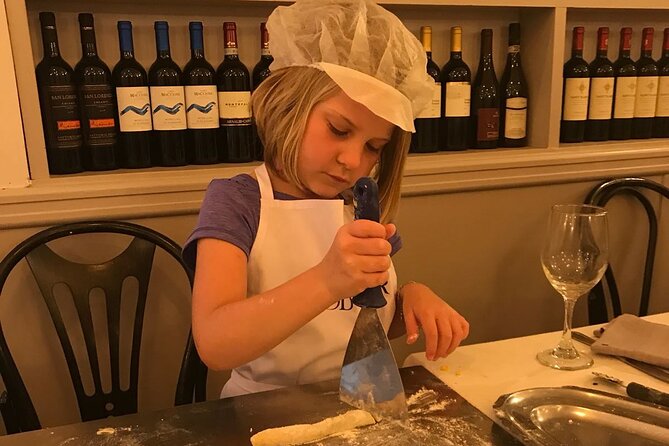
You then tie on an apron and go to your station. The class is designed for families, couples, and solo participants of different ages. A 12-year-old has reportedly managed the work independently, and families with children aged 9, 7, and 5 have taken part successfully.
That does not mean every child will have the same experience. Pasta dough needs patience and physical effort, while tiramisu includes several steps that require careful measuring and mixing. Still, the format gives children something real to do rather than asking them to sit quietly while a chef works.
Learning the logic behind pasta dough
The pasta lesson begins with dough. The chef explains how to make it, which flour to use, and the difference between pasta fresca, or fresh pasta, and pasta secca, or dried pasta.
This is one of the most useful parts of the class because it gives you a framework you can use at home. You learn that pasta is not just a matter of dumping ingredients into a bowl and hoping for the best. Texture, flour choice, and handling all affect the final result.
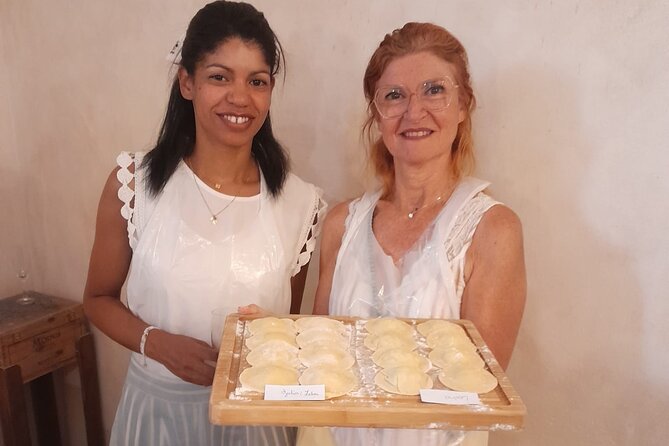
You make your own dough, roll it out, and cut it into noodles. Depending on the session, you may also help shape ravioli. Several instructors have been praised for being patient and for showing techniques clearly. Francesco has been described as lively and funny, while Mimmo and Memmo have received praise for patient instruction and practical tips. The teacher can change, so book this for the format rather than for one particular chef.
The work is hands-on, but it is not a private lesson. The chef demonstrates, explains, and moves around the table to help. You should expect guidance rather than constant one-to-one attention.
That distinction is important. A small group of 12 is manageable, but it is still a group. If your dough needs help at the same moment as someone else’s, you may wait briefly. The social setting is part of the appeal, though, and many people enjoy comparing their pasta shapes and laughing at the less-than-perfect ones.
Two pasta dishes with different personalities
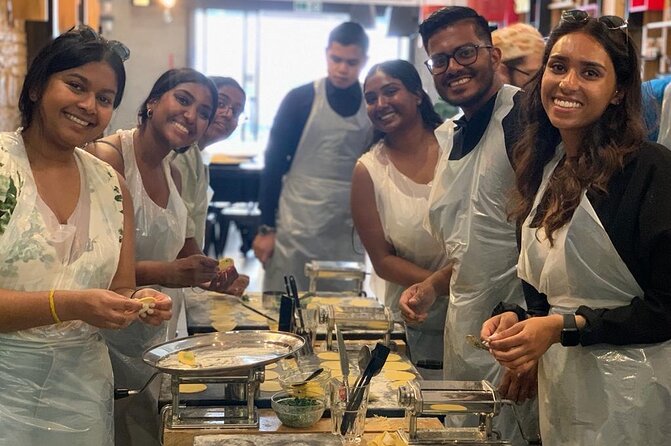
The planned meal includes fettuccine with tomato sauce and ricotta and spinach ravioli with butter and sage. These are useful choices for a lesson because they show two different pasta styles.
Fettuccine teaches the pleasure of a simple noodle and sauce combination. Tomato sauce may sound basic, but it lets you notice the texture of fresh noodles. Ravioli adds a second skill: working with filling and delicate pasta sheets.
The butter and sage sauce is a classic match for ricotta and spinach ravioli. It is lighter and more restrained than a heavy cream sauce, so the filling remains the main flavor. Participants can also request sauce choices in some sessions. One especially useful tip from the class experience is to try amatriciana with the red wine if it is available.
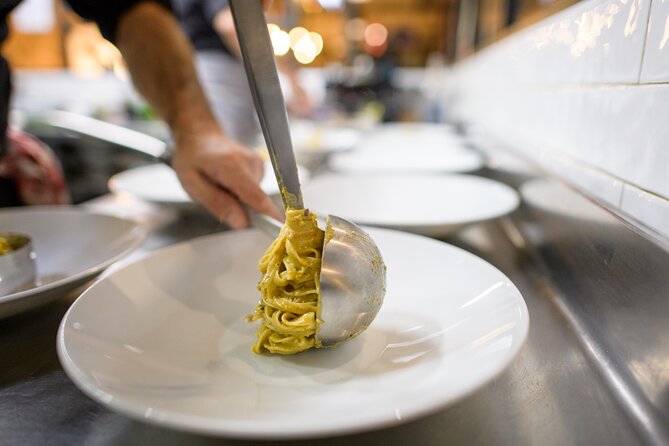
Here is the catch: you may prepare the pasta, but the kitchen handles the final cooking. One dissatisfied participant found that the prepared pasta was combined with portions from the rest of the group rather than served as an individual batch.
That practice may be a practical way for the restaurant to serve a full table, but it can reduce the feeling that you made a dish from beginning to end. If you want to eat your own exact pasta, ask the chef how portions will be handled before the cooking begins. The lesson remains hands-on, but the final kitchen step is not always yours.
More Cooking Classes with Wine Tasting in Milan
- Milan: Pasta, Gnocchi and Tiramisù Cooking Class with Wine
★ 5.0 · 117 reviews - Pizza and Tiramisu Cooking Class with Wine in Milan
★ 4.9 · 80 reviews - Milan: Hands-On Pasta & Dessert Cooking Class & Wine Pairing
★ 5.0 · 3 reviews
Tiramisu is the sweet, forgiving finale
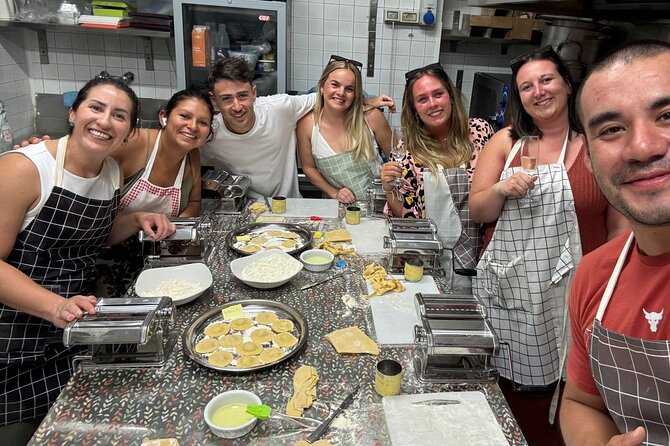
After the pasta work, you learn how to prepare tiramisu. This is a good second recipe because it requires different skills from pasta. Instead of kneading and rolling, you work with the mascarpone mixture and assemble the dessert.
The class focuses on technique and preparation rather than simply placing a finished dessert in front of you. You get to see how the components come together, and you can take the method home for future dinners.
Tiramisu is also forgiving. If your layers are not perfectly even, the dessert still tends to taste good. One participant admitted to eating too much of the mascarpone filling before assembly, leaving less for the top. That is exactly the kind of small kitchen mishap that makes a class feel human rather than staged.
The dessert is served after the pasta meal. It gives the evening a clear finish and means you are not paying for a lesson only to leave hungry.
Sitting down for pasta, wine, and conversation
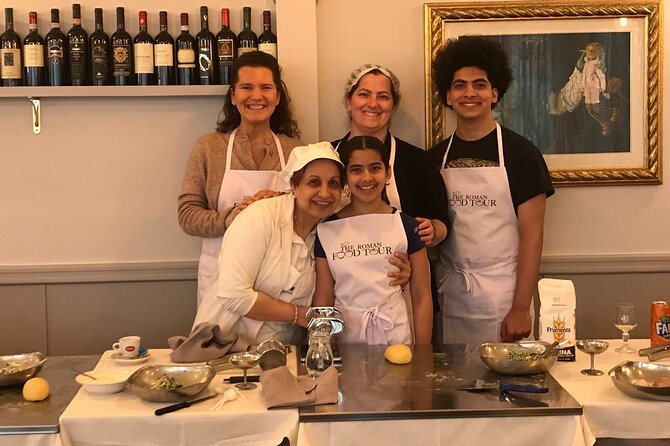
Once the preparation is finished, everyone sits together for lunch or dinner. The included drinks are a welcome glass of Prosecco, red wine, white wine, and non-alcoholic beverages. The meal includes the fresh pasta dishes and tiramisu.
This is where the experience shifts from class to social meal. You have spent time working beside people you did not know, and the shared table gives you a chance to compare results and talk about Milan.
The food has generally been praised, and several chefs have been credited with making the class lively and comfortable. The restaurant atmosphere can be a real asset, especially in an evening session near the Navigli canals. You get a meal, a drink, and a chance to sit down after standing at the work station.
Service is the weak point in the most critical account. One participant found the explanations too long, the restaurant service slow, and the final meal underwhelming. The concern was that the venue also serves regular diners, which can stretch the kitchen and delay the class meal.
That criticism is worth taking seriously. The experience is not a tightly controlled studio lesson. It takes place in a functioning restaurant, and restaurant timing can be uneven. If you have theater tickets, a train to catch, or a strict evening plan, leave plenty of room after the scheduled three hours.
How the group size changes the experience
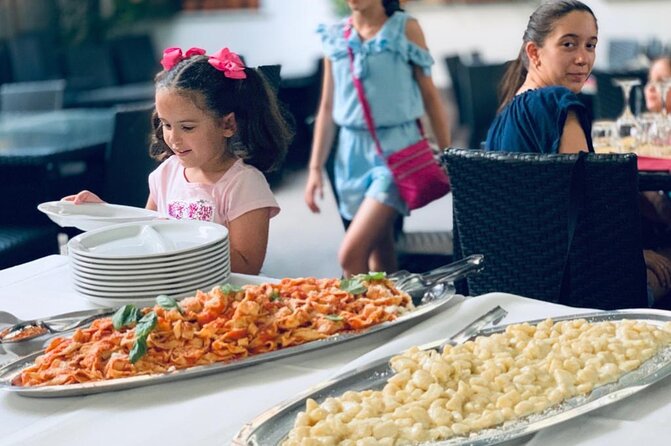
A maximum of 12 people strikes a useful balance. You get the energy of a shared activity without being placed in a huge class where the chef demonstrates from across the room.
For couples, the format gives you an activity that feels more memorable than simply booking another dinner. For solo participants, it removes some of the awkwardness of dining alone and creates an easy way to meet people.
Families can also make good use of the class. Children get to handle ingredients and see a meal develop in front of them. The activity is more active than a museum visit, though young children may need help with dough and close supervision around the work station.
The social mood depends on the people in your session. Some groups warm up quickly, while others stay quieter. The chef has an important role here. Francesco has been praised for engaging the whole table, and other instructors have been described as friendly, funny, and supportive.
You should expect an English-speaking class, but the teaching style may vary from one chef to another. The instructors named in participant accounts include Francesco, Alba, Federico, Mimmo, and Memmo. Do not assume you can request a particular person unless the booking information specifically allows it.
Is $83.44 good value in Milan?
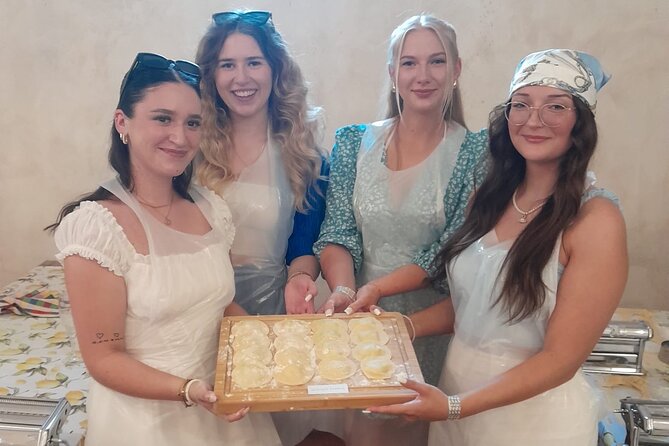
At $83.44 per person, this is not the cheapest way to eat pasta in Milan. You can find a restaurant meal for less, especially if you skip the lesson and drinks.
The value improves when you count the full package. You receive about three hours of activity, instruction in two recipes, a sit-down meal, tiramisu, Prosecco, red and white wine, and non-alcoholic drinks. You also leave with techniques you can repeat at home.
I would consider it good value for someone who wants a food-centered activity and a proper meal in one booking. It is less attractive for someone who only wants to taste local food or who already cooks pasta regularly.
The price also makes sense for a family looking for one shared activity. Four separate restaurant meals plus a cooking lesson elsewhere could cost more. For a couple, it works well as an afternoon or evening date that produces a meal rather than just another reservation.
Tips are not included. You should budget separately for gratuity if the service and instruction deserve it.
Timing, location, and practical planning
The restaurant is in central Milan and near public transportation, making this easier to fit into a city visit than a class outside town. Confirmation is provided when you book, and the experience is available with a mobile ticket.
The advertised duration is approximately three hours. Start times may be arranged for lunch or dinner, so check the exact time on your confirmation and avoid scheduling something immediately afterward.
The activity is booked, on average, 26 days ahead. That pattern suggests planning early is wise, especially if you need a particular date or are visiting during a busy period. The group limit of 12 also means a popular session can fill before a large restaurant dining room would.
Cancellation is free up to 24 hours before the start time. Cancel at least 24 hours ahead for a full refund. Changes or cancellations inside that window are not accepted for a refund.
Who should book this pasta class?
I would recommend it to you if you want to do more than eat in Milan. It suits people who like practical activities, families who want children involved, and couples looking for a relaxed food experience.
It is also a good fit for solo participants. The shared station and final meal create natural conversation, and the group is small enough that you are unlikely to disappear into a crowd.
You may want to skip it if you are seeking a formal culinary school lesson, a private chef, or complete control over the final dish. The restaurant prepares the pasta for service, and the pace can slow when the venue is busy.
I would also think twice if you have a tight schedule. The advertised three hours may not include much margin for slow restaurant service. Food classes are best enjoyed when you have time to linger.
Should you book it?
Book this class if you want a social Milan activity that combines cooking, dinner, dessert, and wine. The strongest parts are the patient instruction, the chance to make dough and tiramisu yourself, and the friendly atmosphere created by a group of no more than 12.
Go in with realistic expectations. You are learning practical techniques, not training as a professional chef, and the restaurant may cook or combine the pasta before serving it. If that arrangement does not bother you, the $83.44 price is reasonable for a three-hour food experience with drinks and a full meal.
If you are unsure, ask one question before booking: will the pasta I prepare be cooked and served separately? The answer will tell you whether this class matches the kind of hands-on experience you want.
FAQ
How long does the cooking class last?
The experience lasts approximately three hours, including the cooking lesson and the final lunch or dinner.
Where does the cooking class take place?
It takes place in a convenient restaurant in central Milan, near public transportation. Some sessions have been held at a restaurant near the Navigli canals.
What food will I prepare?
You will learn to prepare fresh pasta and tiramisu. The planned pasta menu includes fettuccine with tomato sauce and ricotta and spinach ravioli with butter and sage.
Is a meal included?
Yes. Lunch or dinner with pasta and tiramisu is included.
Are drinks included?
Yes. Prosecco, red wine, white wine, and non-alcoholic drinks are included.
Is the class offered in English?
Yes. The class is offered in English.
How many people can join the class?
The maximum group size is 12 participants.
Is the activity suitable for children?
Yes. The experience is described as suitable for families and people of all ages. Children aged 5, 7, 9, and 12 have taken part in the class.
Can I eat the exact pasta I make?
The class includes hands-on pasta preparation, but the restaurant may cook and combine pasta portions before serving. Ask the chef about the serving arrangement at the beginning.
What happens if I need to cancel?
You can cancel for a full refund up to 24 hours before the start time. Cancellations or changes made less than 24 hours before the start time are not refunded or accepted.
More Pasta Making Classes in Milan
- Florence: Pasta Cooking Class with Unlimited Wine
★ 4.9 · 10,285 reviews - 3 in 1 Cooking Class near Navona: Fettuccine, Ravioli & Tiramisu
★ 5.0 · 7,376 reviews - Florence: Pasta & Tiramisu Cooking Class with Unlimited Wine
★ 4.9 · 6,708 reviews - Florence: Pasta Cooking Class with Unlimited Wine
★ 5.0 · 6,413 reviews
More Dessert Classes in Milan
- Milan Cooking Class: Authentic Pizza & Gelato Making
★ 5.0 · 582 reviews - Milan Culinary Experience: Pasta & Gelato or Tiramisù Class
★ 5.0 · 337 reviews - Milan: Pasta, Ravioli, and Gelato Class in a Glamorous Home
★ 4.9 · 268 reviews - Milan: Pasta & Tiramisu Cooking Class with Premium Products
★ 5.0 · 255 reviews
Just added around Milan
- Small Group Cozy Cooking Class in a Typical Milanese Home★ 4.8 · 27 reviews
- Pizza and Tiramisu Cooking Class with Wine in Milan★ 4.9 · 80 reviews
- only in ITALIAN – International aperitif + cooking class in Italian★ 4.8 · 22 reviews
- Milan: Private Cooking Class at a Local’s Home★ 5.0 · 9 reviews
- Milan: Cooking Class for Families with Children★ 5.0 · 5 reviews
- Milan: Pasta, Gnocchi and Tiramisù Cooking Class with Wine★ 5.0 · 117 reviews
- Milan: Market and Cooking Class at a Local’s Home★ 4.0 · 5 reviews
- Milan: Hands-On Pasta & Dessert Cooking Class & Wine Pairing★ 5.0 · 3 reviews
Pasta Making Classes, compared.
Florence: Pasta Cooking Class with Unlimited Wine
Read our review →
3 in 1 Cooking Class near Navona: Fettuccine, Ravioli & Tiramisu
Read our review →
Rome: Pasta Making Class with Wine, Limoncello, and Dessert
Read our review →
Rome Cooking Class: Make Pasta and 3 Spritz Cocktails
Read our review →
Rome: 3-in-1 Fettuccine, Ravioli, and Tiramisu Cooking Class
Read our review →