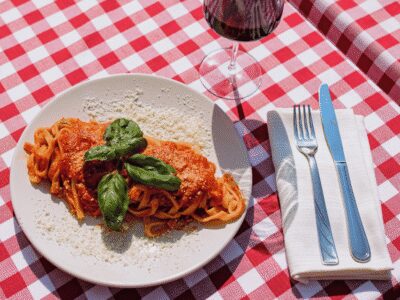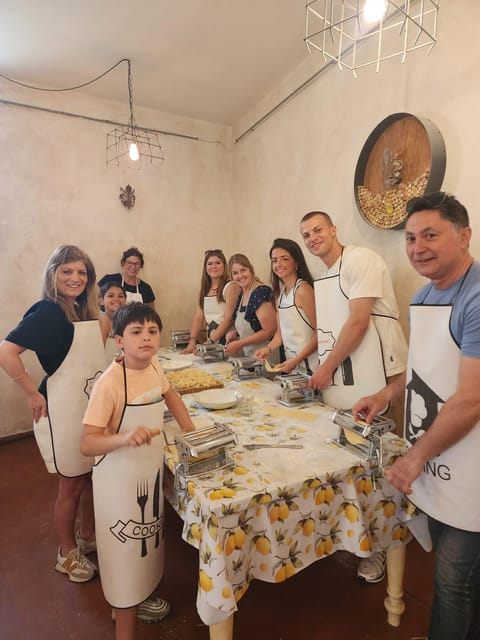
Review · MILAN
Milan: Pasta and Tiramisu Cooking Class with Wine
The best part of this Milan class is that you do not just eat Italian food, you make the pasta yourself. You will work at your own station, learn how flour and dough behave, prepare tiramisu, and then sit down to eat what the kitchen cooks for you.
I like the welcome Prosecco and the chance to see how a local restaurant kitchen works before you start. I also like the useful detail in the lesson, including the difference between fresh and dried pasta and which flour suits the dough. The main drawback is group size: a class of 15 to 20 people can make personal questions harder to ask.
Key points at a glance
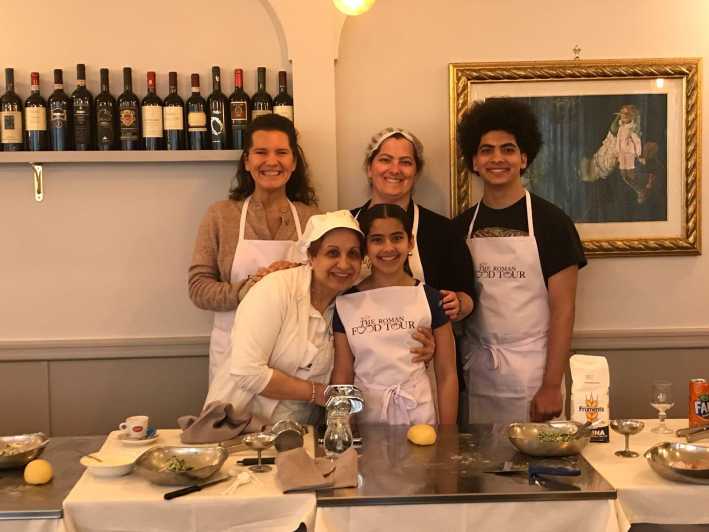
- Fresh pasta from scratch: Learn how to mix and work the dough, rather than simply watching a chef.
- Your own workstation: Having a dedicated place to prepare pasta makes the class more hands-on.
- Tiramisu is part of the lesson: You make the dessert before sitting down to eat.
- Prosecco and wine included: Start with a welcome glass, then enjoy wine with the finished meal.
- A social Milan activity: The class suits couples, friends, and families with older children who like a lively group setting.
- Check dietary restrictions carefully: Substitutions may be possible, but traditional instruction uses gluten, dairy, and eggs, with no guarantee against cross-contamination.
What the three-hour Milan class is really like
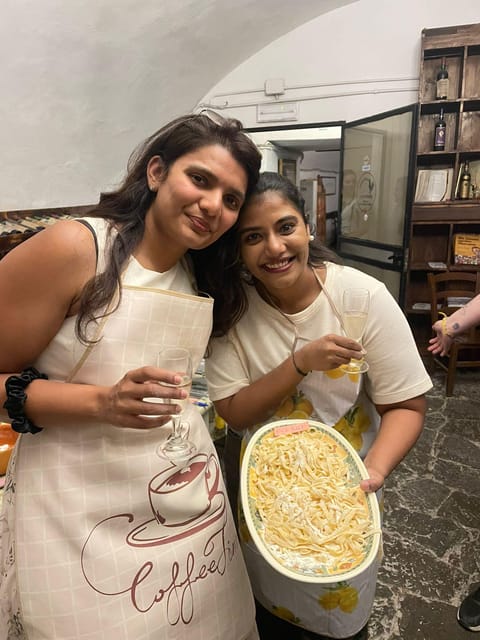
This is a practical cooking class held in a locally popular Milan restaurant. You arrive at the stated meeting point, which can vary depending on the option you book, and receive a glass of Prosecco. That small opening drink helps turn the class into an evening out rather than a formal lesson.
You then go behind the scenes to see how the restaurant operates before taking an apron and heading to your workstation. The setup matters. You are not standing at the back of a room watching a demonstration from a distance. You get space to work with the ingredients yourself, which makes the lesson more useful when you return home.
The activity lasts three hours, usually as either a lunch or dinner experience depending on the starting time you choose. Check the available times before booking, especially if you are fitting the class between Milan sights. This is a substantial meal and a full activity, not a quick pasta demonstration.
More Cooking Classes with Wine Tasting in Italy
- Milan: Pasta and Tiramisu Small Group Cooking Class with Wine
★ 5.0 · 660 reviews - Milan: Italian Cooking Class with Food and Wine
★ 4.7 · 509 reviews - Pizza Cooking Class with Tiramisù and Wine Tasting in Milan
★ 5.0 · 172 reviews
Starting with flour, dough, and fresh pasta
The pasta lesson begins with the basics. You learn how to prepare the dough, what kind of flour to use, and how fresh pasta differs from dried pasta. These details may sound simple, but they are the part you will find most useful later. Good pasta depends on texture, moisture, and handling, not just on following a recipe line by line.
The instructor gives step-by-step guidance, so you can follow along even if you rarely cook. One participant who had given up making pasta said the class gave them the confidence to try again. That is a good measure of the lesson’s value: it aims to make the process feel possible, not mysterious.
You should expect to get involved with the dough rather than producing a perfect restaurant shape on your first try. Pasta making is a tactile skill. You learn by noticing whether the dough feels too dry, too soft, or ready to work. The instructor can show the method, but your own hands still have to learn it.
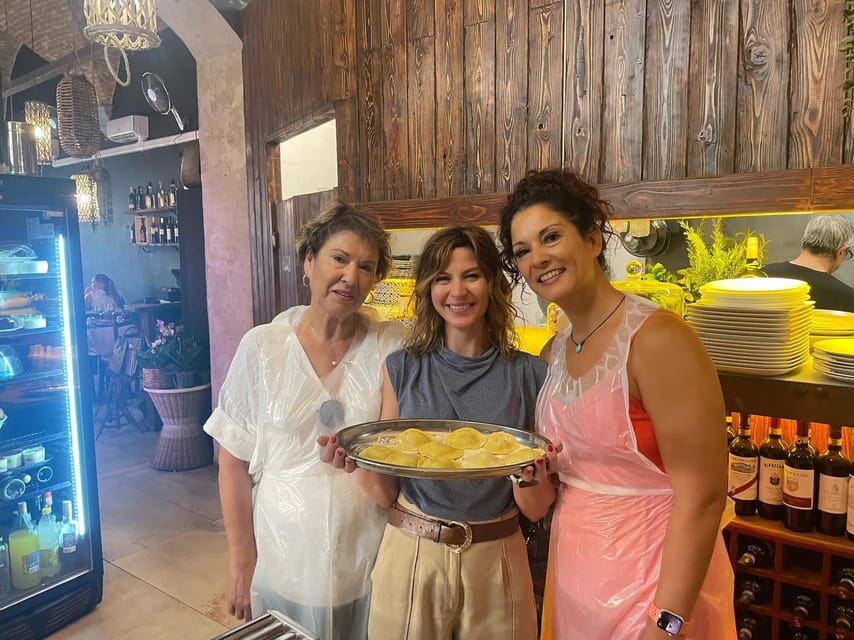
The class focuses on some of the region’s best-known pasta dishes. The exact pasta shapes and sauces can depend on the class format, but you will prepare fresh pasta and see it finished with sauces by the kitchen. One especially useful detail is that the staff cook the pasta and add the sauces after the hands-on part, so you can focus on the preparation without worrying about managing every pan yourself.
Tiramisu before the main meal
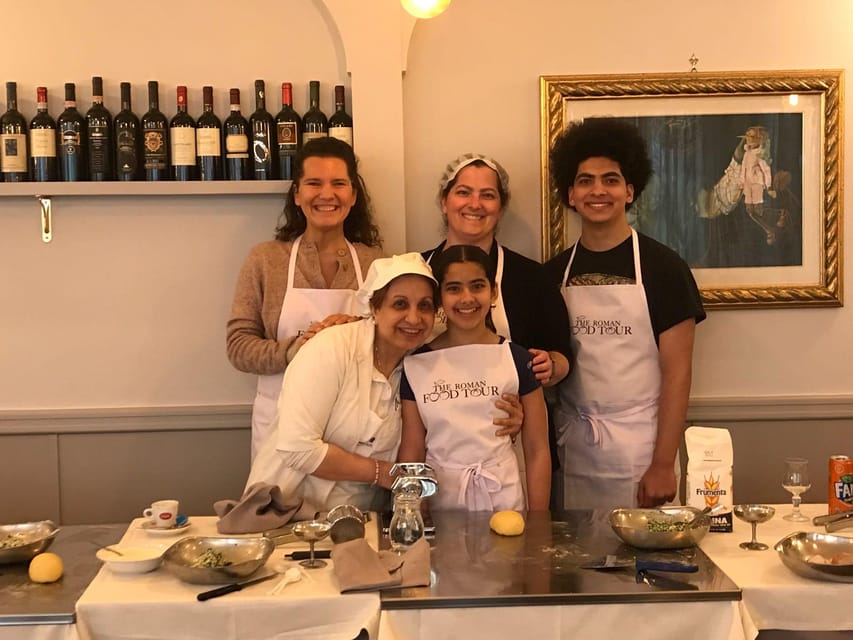
The dessert lesson gives the class a second rhythm. After learning pasta, you prepare tiramisu and hear about the elements that make the dessert work. You are not simply handed a portion at the end. You take part in making one of Italy’s most familiar desserts.
The order may vary. One class participant described making tiramisu first, followed by two types of pasta. Do not be surprised if your session follows that sequence. Either way, the dessert is part of the cooking rather than an afterthought.
Tiramisu is a smart choice for a group class because it is recognizable, enjoyable, and less physically demanding than pasta dough. It also gives you a recipe you can repeat at home with ordinary kitchen equipment. The finished dessert forms part of the meal, so you get to see the result of your work rather than carrying it away uncooked.
Sitting down to eat what you made
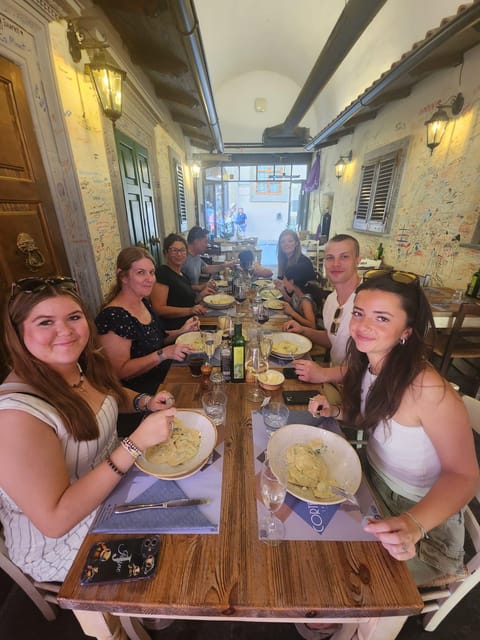
After the hands-on work, everyone sits together for lunch or dinner. The restaurant kitchen cooks the pasta and adds the sauces, then you eat the dishes you prepared. This is where the class shifts from lesson to shared meal.
The food is reported as plentiful, with pasta and tiramisu both included. The sauces receive particular praise, so the meal is not just a bowl of plain pasta that you made yourself. The kitchen does the final cooking and seasoning, which lets you enjoy a proper plate while still knowing how the pasta began.
Wine is served with the meal. You also receive a welcome glass of Prosecco at the beginning, making the drinks a meaningful part of the experience rather than a token extra. You should not expect a detailed wine course, though. The focus is cooking, eating, and meeting other people over the table.
The social side is one of the class’s strongest features. You work near other participants, share the meal, and have a natural reason to talk. Chef Mimo has been singled out for making the session welcoming, and hosts such as Damiano help give the class an upbeat feel. The tone sounds more like a friendly group evening than a quiet, highly technical workshop.
More Cooking Classes with Wine Tasting in Milan
- Milan: Pasta, Gnocchi and Tiramisù Cooking Class with Wine
★ 5.0 · 117 reviews - Pizza and Tiramisu Cooking Class with Wine in Milan
★ 4.9 · 80 reviews - Milan: Hands-On Pasta & Dessert Cooking Class & Wine Pairing
★ 5.0 · 3 reviews
Group size and the level of instruction
The class can include around 15 to 20 people. That is large enough to create a fun atmosphere, but it changes how much individual attention you receive. You may need to watch closely and ask questions promptly, since the instructor cannot spend a long time at every workstation.
This is the main tradeoff. A small private class would likely offer more correction and more time to discuss flour, dough, and technique. Here, you get a livelier social setting and a lower price, but less one-to-one teaching.
That does not mean the instruction is weak. The class provides a clear explanation of the process, and the hosts are described as welcoming and effective. Still, if your main goal is to master advanced pasta technique, you should keep the group format in mind. If your goal is to cook, eat, drink wine, and enjoy Milan with other people, the size may work in your favor.
Having your own workstation helps soften the effect of the larger group. You are not sharing one central table for every task. You can handle the ingredients directly and follow the process at your own place.
What the $61 price includes
At $61 per person, the class offers a three-hour activity with an instructor, fresh pasta, tiramisu, Prosecco, and wine. It also includes the meal you prepare, with the restaurant finishing the pasta and serving it with sauce.
That is solid value if you want both dinner and an activity. In Milan, a standard restaurant meal can use a good part of this budget, while this class adds instruction, a welcome drink, and a social evening. The value is strongest for visitors who would otherwise pay separately for a meal and a cooking experience.
The price is less compelling if you dislike group activities or mainly want a quiet restaurant dinner. You are paying for participation, not just food. The class takes three hours, and some of that time is spent listening, waiting for the next step, or working alongside other people.
I would also count the practical lesson as part of the price. You leave with methods you can use again, including how to approach the dough and how fresh pasta differs from dried pasta. That makes this more useful than a meal with a short kitchen visit attached.
Who will enjoy this class most
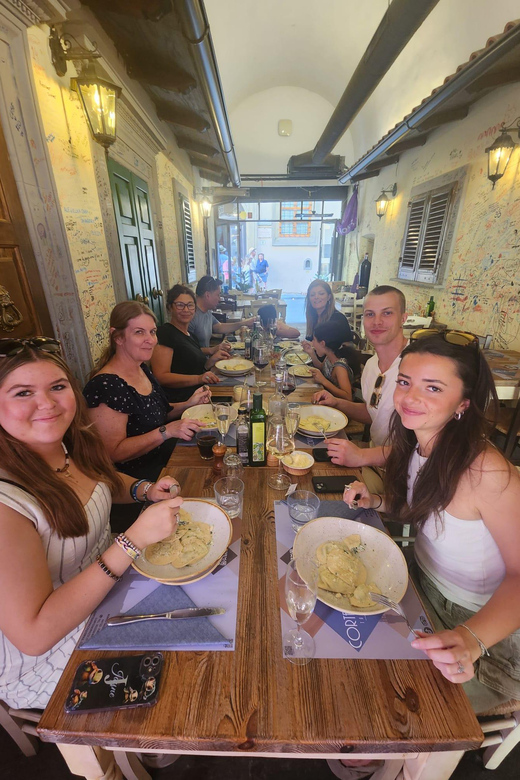
This is a good choice for couples and friends who want an evening with a clear focus. It also suits solo visitors who enjoy meeting people at a shared table. The social format gives you an easy way to spend time with others without having to arrange your own group.
Families can consider it too. One session was described as enjoyable for both adults and children, and younger participants can take part at their own workstation. The official restrictions exclude children under three, babies under one year, and people whose dietary needs make the traditional recipes unsuitable.
You do not need to be a keen cook. In fact, beginners may get the most from the class because the instruction starts with basic ingredients and techniques. If you already make pasta often, you may find the lesson less demanding, but the meal and group atmosphere can still make it worthwhile.
Food lovers should note that the class is not designed as a quiet tasting menu. You will be making food, handling dough, and eating in a group. Bring a willingness to participate rather than expecting the restaurant staff to do everything for you.
Dietary needs and the traditional recipes
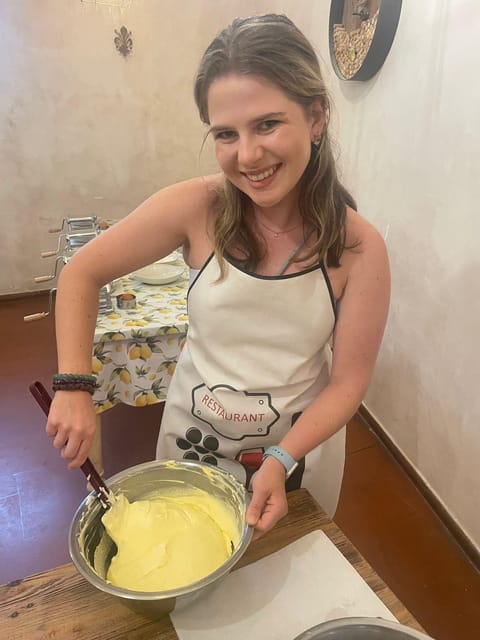
The class can offer substitutions for some allergies and food preferences, and vegetarian options are available on request. You should provide your dietary information when booking, not after you arrive.
There is an important limitation. The teaching remains based on traditional recipes containing gluten, dairy, and eggs, and the provider cannot guarantee a completely cross-contamination-free environment. You will also sample the dishes prepared during the class.
The information says dietary options may include vegetarian, vegan, lactose-intolerant, and other diets, but it also lists vegans, people with gluten intolerance, and people with lactose intolerance as not suitable. Because those details do not fully agree, contact the provider before booking if any of these restrictions apply to you.
For a mild preference, a substitution may be workable. For a serious allergy or strict medical diet, you should treat the class as unsuitable unless the provider confirms that the necessary precautions can be met. The traditional instruction will still center on pasta and tiramisu made with the usual ingredients.
Timing the class during a Milan stay
Three hours is long enough to feel like a proper evening, so plan around it. If you book a dinner session, you will likely finish with the meal already taken care of. A lunch session can work well on a sightseeing day, but leave enough time to reach the meeting point and settle in.
The meeting point may vary with the option booked. Read the exact booking details carefully and confirm the location before setting out. This matters in Milan, where a wrong assumption about the venue can turn a relaxed cooking class into a hurried arrival.
The activity is conducted in English. That makes the recipe explanations accessible to English-speaking visitors, though a lively group can still make it useful to stand where you can see the instructor clearly and listen for each step.
You can cancel up to 24 hours in advance for a full refund, and the reserve-now, pay-later option keeps your plans flexible. Those terms are useful if you are building a Milan itinerary around changing museum times or train plans.
Should you book the Milan pasta and tiramisu class?
Book it if you want a hands-on meal with a social mood, especially if you like the idea of making fresh pasta and tiramisu in the same session. The $61 price is fair because it covers three hours, instruction, drinks, and the food you prepare and eat.
Choose another type of class if you want private coaching, a very small group, or strict control over food preparation. The 15 to 20 person format can limit individual questions, and the gluten, dairy, and egg-based recipes make this a poor fit for serious dietary restrictions.
For most visitors, this works best as an easygoing Milan evening. You get practical cooking skills, a welcome Prosecco, wine with dinner, and a chance to meet people without sacrificing a proper meal. Chef Mimo and the other hosts help keep the mood friendly, while your own workstation gives you enough hands-on work to make the class feel worthwhile.
FAQ
How long does the Milan pasta and tiramisu class last?
The class lasts three hours. Starting times vary, so check the available options when booking.
How much does the cooking class cost?
The listed price is $61 per person.
What food do I prepare?
You prepare fresh pasta from scratch and make tiramisu. The lesson covers pasta dough, flour choices, the difference between fresh and dried pasta, and the dessert preparation.
Do I eat the food I make?
Yes. You sample the dishes prepared during the class, then sit down for lunch or dinner. The restaurant staff cook the pasta and add the sauces.
Are drinks included?
Yes. You receive a welcome glass of Prosecco and enjoy fine wine with the meal.
Is the class taught in English?
Yes. The instructor language is English.
Can vegetarians join?
Vegetarian options are available upon request. Tell the activity provider about your dietary needs when booking.
Can people with allergies or food restrictions participate?
Substitutions may be available for some allergies and food preferences, but the traditional instruction uses gluten, dairy, and eggs. Cross-contamination cannot be ruled out, so share your restrictions in advance and confirm that the class is safe for your needs.
Is the class suitable for children?
Children under three are not permitted, and babies under one year are not suitable for the activity. Older children may enjoy the hands-on format, but the class remains a group cooking experience.
More Pasta Making Classes in Milan
- Florence: Pasta Cooking Class with Unlimited Wine
★ 4.9 · 10,285 reviews - 3 in 1 Cooking Class near Navona: Fettuccine, Ravioli & Tiramisu
★ 5.0 · 7,376 reviews - Florence: Pasta & Tiramisu Cooking Class with Unlimited Wine
★ 4.9 · 6,708 reviews - Florence: Pasta Cooking Class with Unlimited Wine
★ 5.0 · 6,413 reviews
More Dessert Classes in Milan
- Milan Cooking Class: Authentic Pizza & Gelato Making
★ 5.0 · 582 reviews - Milan Culinary Experience: Pasta & Gelato or Tiramisù Class
★ 5.0 · 337 reviews - Milan: Pasta, Ravioli, and Gelato Class in a Glamorous Home
★ 4.9 · 268 reviews - Milan: Pasta & Tiramisu Cooking Class with Premium Products
★ 5.0 · 255 reviews
Just added around Milan
- Small Group Cozy Cooking Class in a Typical Milanese Home★ 4.8 · 27 reviews
- Pizza and Tiramisu Cooking Class with Wine in Milan★ 4.9 · 80 reviews
- only in ITALIAN – International aperitif + cooking class in Italian★ 4.8 · 22 reviews
- Milan: Private Cooking Class at a Local’s Home★ 5.0 · 9 reviews
- Milan: Cooking Class for Families with Children★ 5.0 · 5 reviews
- Milan: Pasta, Gnocchi and Tiramisù Cooking Class with Wine★ 5.0 · 117 reviews
- Milan: Market and Cooking Class at a Local’s Home★ 4.0 · 5 reviews
- Milan: Hands-On Pasta & Dessert Cooking Class & Wine Pairing★ 5.0 · 3 reviews
Pasta Making Classes, compared.
Florence: Pasta Cooking Class with Unlimited Wine
Read our review →
3 in 1 Cooking Class near Navona: Fettuccine, Ravioli & Tiramisu
Read our review →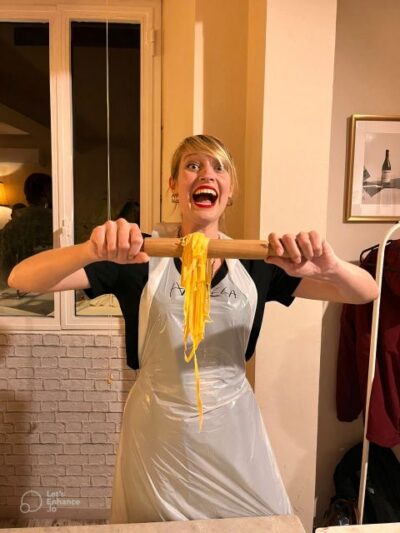
Rome: Pasta Making Class with Wine, Limoncello, and Dessert
Read our review →
Rome Cooking Class: Make Pasta and 3 Spritz Cocktails
Read our review →
Rome: 3-in-1 Fettuccine, Ravioli, and Tiramisu Cooking Class
Read our review →