Review · ITALIAN
Rome Pasta Making Class with Italian Sauces and Wine Included
Fresh pasta is the main event here, not a token activity between restaurant courses. In about three hours, you work with dough, shape several pasta styles, prepare classic sauces, and sit down to eat the results. Chef Riccardo and his team keep the class small, with no more than 10 people.
I like the mix of hands-on work and useful cooking advice. You learn why a sauce works, how to judge pasta dough, and why cooking by taste matters more than blindly following quantities. I also like the relaxed family setting, with wine at the meal and coffee afterward. The main consideration is the location: the meeting point is in Gianicolense, outside Rome’s most famous central sights, so you need to allow time to reach it.
Key things to know before booking
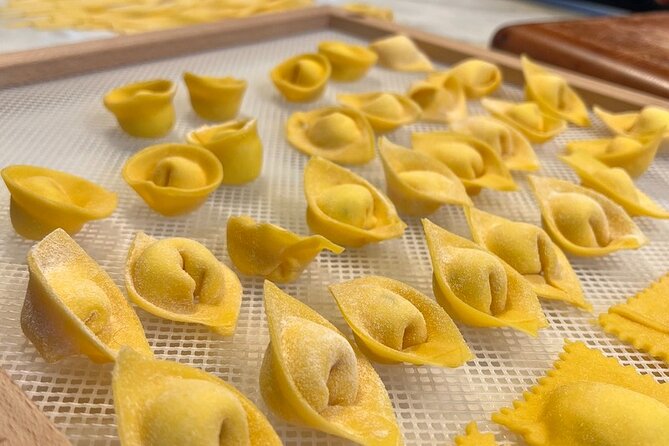
- Three pasta styles in one class: You may prepare ravioli, fettuccine, spaghetti alla chitarra, tortellini, or other traditional shapes, depending on the class.
- Three sauces with Roman character: Carbonara, arrabbiata, butter and sage, cacio e pepe, and gricia-style sauces may feature in the menu.
- A true hands-on format: You make the dough, roll it, cut it, and shape filled pasta rather than simply watching a demonstration.
- Small groups matter: The maximum is 10 people, creating more time for individual help from the instructor.
- Wine and coffee are included: The class ends with a shared meal made from your work, accompanied by complimentary wine and coffee.
- Private options allow more flexibility: A private class can be arranged for vegetarian, vegan, gluten-free, dairy-free, or special menus.
Making pasta from scratch in a Roman kitchen
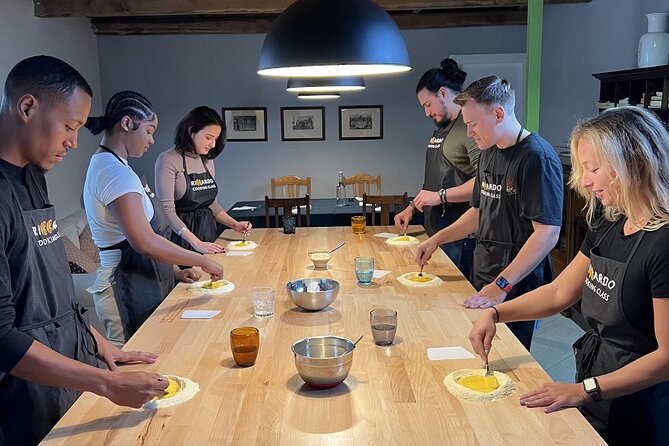
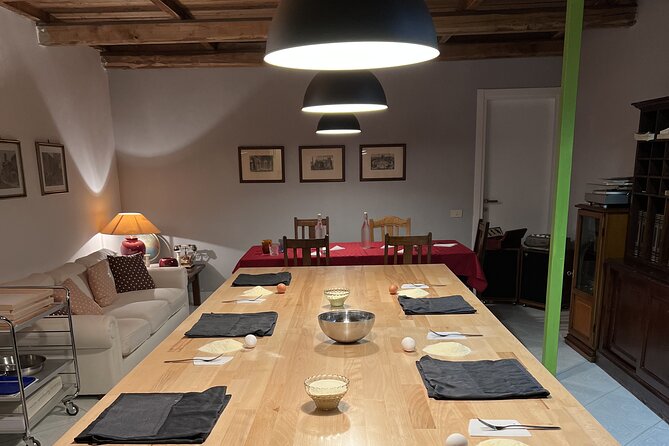
The class begins at either Riccardo’s grandmother’s house or The Cooking Lab, with the exact setting tied to your booking. The meeting point provided for this experience is Circonvallazione Gianicolense, 418, in Rome’s 00151 postal area.
That detail matters. This is not a cooking demonstration staged in a restaurant dining room while you sit at a distance. The stated aim is a family-style class, and the format puts you at the work surface with the chef and the other people in the group.
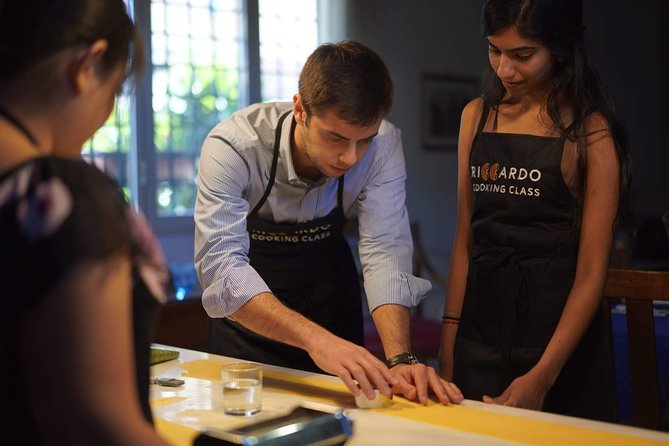
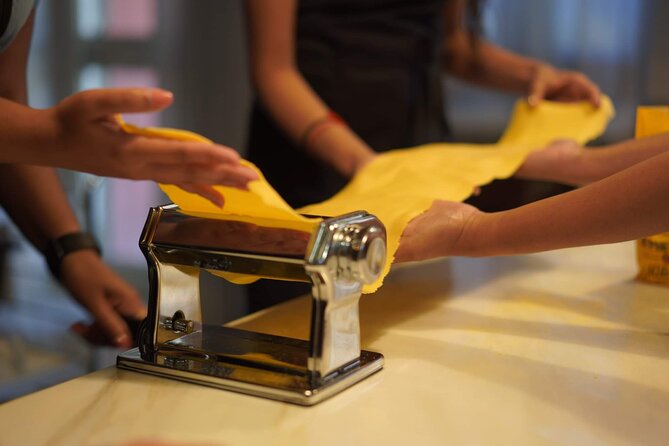
You start with pasta dough and learn the basic steps needed to turn simple ingredients into workable dough. The useful part is the attention to feel. The instructors explain how the dough should behave, how to roll it, and how to shape it without treating the recipe as a rigid formula.
That is especially helpful if you are new to pasta making. The method can look easy when someone else does it, but dough changes with handling and small differences in ingredients. Good instruction helps you understand what to look for instead of simply copying a set number of minutes or measurements.
The class also works for capable home cooks. Some participants have found the tips about tools, technique, and seasoning useful even when they already cook regularly. You will not need to arrive with special skills, and beginners are given direct help rather than being left to guess.
More Cooking Classes with Wine Tasting in Italy
- Rome: Pasta Making Class with Wine, Limoncello, and Dessert
★ 4.9 · 3,177 reviews - Fettuccine & Tiramisù: Cooking Class with Wine & Limoncello
★ 4.9 · 2,103 reviews - Pasta Making & Wine Tasting with Dinner in Frascati from Rome
★ 5.0 · 1,326 reviews
Three pasta shapes, three different lessons
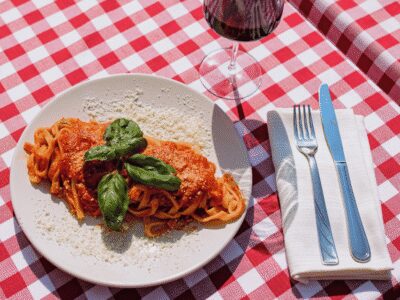
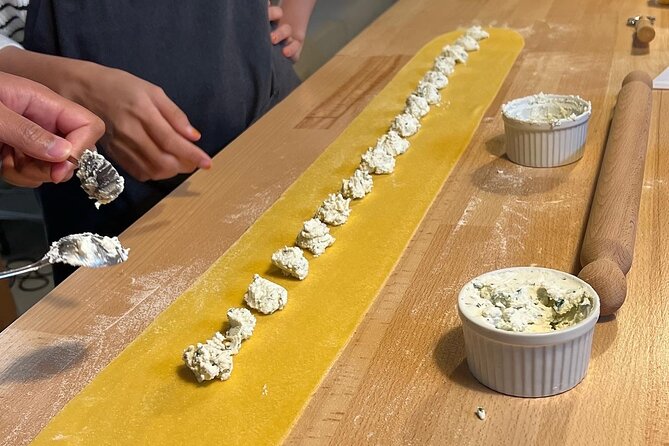
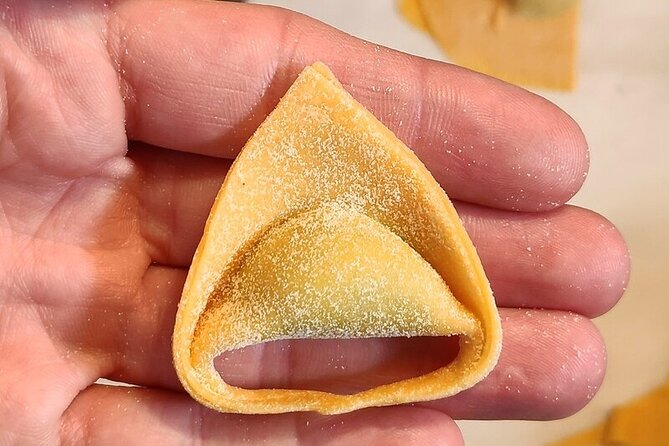
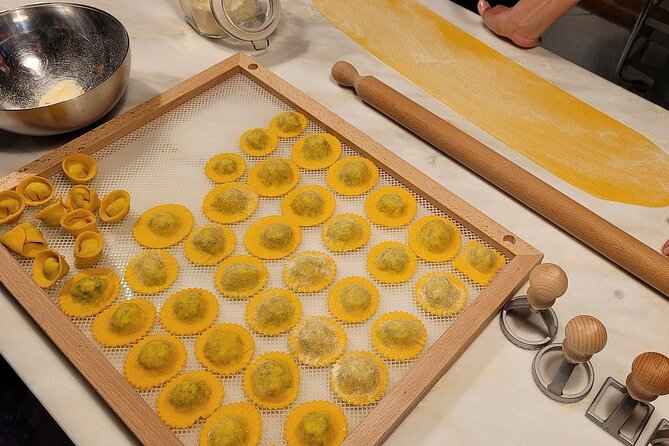
The menu is built around several types of pasta. A typical class may include ricotta-filled ravioli, fresh fettuccine, and spaghetti alla chitarra. Other traditional shapes, including tortellini and cappelletti, can also be part of the program.
Each style teaches something different. Ravioli introduces filling, sealing, and portion control. You need enough filling to make the pasta satisfying, but not so much that the edges refuse to close. Fettuccine teaches rolling and cutting a broad noodle. Spaghetti alla chitarra adds a different texture and method, using the traditional guitar-like cutter.
The variety is one of the strongest parts of the class. You are not making one batch of dough, eating it, and leaving. You see how the same basic idea becomes several forms, each suited to a different sauce.
The hands-on nature also gives the class a social rhythm. People work beside one another, compare shapes, and share the small triumphs and mishaps that come with fresh dough. Families, couples, and friends can take part together, while solo participants have a natural way to meet the rest of the group.
Do not expect every piece to look restaurant-perfect. That is part of the point. The skills are practical and repeatable, not designed only for a polished photo. By the end, you should have a clearer sense of how to make pasta at home without special professional training.
Roman sauces are more than an afterthought
The sauce work gives the class its Roman focus. Depending on the menu and dietary needs, you may prepare carbonara, arrabbiata, butter and sage, cacio e pepe, or a gricia-style sauce.
Carbonara teaches balance and timing. The sauce must cling to the pasta without becoming heavy or scrambled. Cacio e pepe and gricia-style preparations are also deceptively simple, relying on good technique, proper mixing, and careful seasoning rather than a long list of ingredients.
Arrabbiata brings a sharper, tomato-based contrast. Butter and sage is simpler and especially suited to ravioli, where you want the sauce to support the filling rather than hide it.
One of the most useful lessons is the instruction to cook by taste, not only by quantity. That advice transfers well to your own kitchen. Pasta water, cheese, butter, and seasoning can vary, so tasting helps you adjust the final dish instead of assuming the written amount will always be right.
The chef also shares background about the sauces and explains why traditional Roman recipes are prepared in particular ways. This gives the cooking more context without turning the class into a lecture. You learn the story behind the food while keeping your hands busy.
Meet the instructors: Riccardo, William, and Leo
The class is associated with Chef Riccardo and his team. Different sessions may be led by Riccardo, William, Leo, or another instructor from the cooking school.
The teaching style described for the class is warm, funny, and direct. William is praised for guiding people carefully and keeping the activity lively. Leo is noted for patience, humor, and close attention to the group. Riccardo is the central name behind the school and is also described as a strong teacher.
That variety can be a benefit. You are not booking a silent recipe lesson. The instructors answer questions, offer tips as you work, and help people who are handling pasta dough for the first time.
The tone is informal, but the work is organized. The kitchen facilities are described as clean and well arranged, and the instruction covers tools as well as recipes. You may leave knowing not only how to make the dishes, but also which pasta-making equipment is useful and how to handle it.
The class is taught in English, so it is suited to visitors who want instruction they can follow in detail. With a maximum of 10 participants, the chef has a reasonable chance to correct technique and answer questions. A much larger class would make the rolling and shaping stages less personal.
More Cooking Classes with Wine Tasting in Rome
- Rome Cooking Class: Make Pasta, Dine & Drink Wine With Local Chef
★ 5.0 · 1,263 reviews - Rome: Combo Pizza and Pasta Cooking Class with Wine
★ 4.6 · 1,180 reviews - Rome: Pasta Making with Wine Tasting and Dinner in Frascati
★ 4.9 · 979 reviews - Rome: Pizza & Tiramisu Class with Free Flowing Fine Wine
★ 5.0 · 973 reviews
The meal at the end is part of the lesson
After the cooking, you eat the pasta you made together. Wine is included with the meal, and coffee is also provided.
This changes the feel of the experience. You are not simply handed a certificate or sent away with uncooked dough. You see the full path from ingredients to finished meal, then get to judge the result yourself.
The shared table also makes the class feel less like a formal course. People have time to talk, compare their pasta shapes, and enjoy the food without rushing back to sightseeing. Several class formats are described as suitable for a relaxed evening, while a morning session can work well if you want a substantial meal before continuing your day.
Come hungry. The listed menu includes several pasta preparations, and the portions are intended to form a complete meal. Wine is part of the experience, so this may not be the best choice immediately before a long museum visit or a tightly scheduled activity.
Coffee at the end is a small but welcome touch. It gives you a natural finish after the meal and helps mark the shift from cooking lesson back to the rest of your Rome plans.
What the $95.53 price really covers
At $95.53 per person, this is not a cheap lunch. It is also more than a short pasta demonstration. The price covers about three hours of instruction, the ingredients, multiple pasta styles, several sauces, the meal you prepare, wine, and coffee.
The value comes from the amount of participation. If you only want to eat pasta, Rome has plenty of restaurants at many price points. If you want to learn a skill, enjoy an organized meal, and spend time in a small group, the class offers more for the money.
The practical test is simple: ask yourself if you would use the recipes at home. The class is strongest for people who want techniques they can repeat. The emphasis on dough, shaping, sauce balance, and tasting gives you more lasting value than a meal where someone else does all the work.
It can also be good value for families and couples looking for a shared activity. Group discounts are available, and a private format may make sense if your party wants a custom menu. The private option can also address dietary needs in a way that a standard group menu may not.
Dietary needs and private class choices
The regular class includes vegetarian options, but you should inform the provider about allergies or dietary restrictions before attending.
For more specific needs, a private class can be arranged with recipes such as gluten-free, dairy-free, vegan, gnocchi, risotto, or tiramisu. This is important: do not assume that every special request will fit into the standard class. The supplied information specifically connects the wider menu choices and dietary flexibility with private bookings.
A private class may also suit a group that wants a customized menu rather than the usual pasta and sauces. You can ask about the desired recipes when booking, but the arrangement needs to be made in advance.
Getting to Gianicolense and planning your time
The stated meeting point is Circonvallazione Gianicolense, 418, 00151 Rome. The activity ends back at the meeting point, and the area is near public transportation.
Allow extra time to get there. Gianicolense is not the same area as the Colosseum, Trevi Fountain, or Pantheon, so this class works best when you plan it as the main activity for that part of the day. Avoid booking a major timed attraction immediately afterward unless you have a generous buffer.
The duration is approximately three hours, but you should also include travel time to and from the meeting point. Confirmation is sent at booking, so check the meeting instructions carefully and make sure you know which class venue applies to your reservation.
The class is offered in English and accepts mobile tickets. The maximum group size is 10, though a private arrangement may be possible for your party.
Who will enjoy this class most
I would recommend it first to anyone who wants a real activity rather than another stop on a sightseeing checklist. You work with your hands, eat a complete meal, and leave with techniques that can be used at home.
It is a strong choice for:
- Couples looking for a shared Rome experience
- Families with older children or teenagers
- Home cooks who want to improve pasta technique
- Beginners who prefer patient, direct instruction
- Food lovers who want Roman sauces explained clearly
- Private groups needing vegetarian, vegan, gluten-free, or dairy-free planning
The class is less suitable if you dislike group activities, do not want to cook, or need a tightly timed schedule. It also may not suit someone seeking a fully private dining experience unless they book the private option.
The atmosphere is social and interactive. That is a strength for most people, but it means you should expect conversation, shared work surfaces, and some variation in cooking speed.
Booking advice and cancellation terms
This experience is often reserved well ahead of time, with an average booking lead of about 44 days. If your Rome dates are fixed, booking early is sensible, especially for a small group or a private class.
Free cancellation is available if you cancel at least 24 hours before the start time. Cancellations or changes made less than 24 hours before the class are not refunded or accepted, and the cut-off follows Rome local time.
Check food restrictions, the meeting point, and the desired class format before paying. Those three details will do the most to prevent surprises.
Should you book the Rome pasta class?
Book it if you want to learn by doing. The combination of three pasta styles, Roman sauces, wine, coffee, and direct instruction gives you a full experience rather than a quick cooking photo opportunity.
I especially like the focus on repeatable skills. You learn to roll, cut, shape, taste, and adjust, with help from instructors such as Riccardo, William, and Leo. The main tradeoff is the Gianicolense location and the need to plan around a three-hour class.
For most food-focused visitors, couples, families, and curious home cooks, this is a worthwhile use of part of a Rome day. Choose the private class if dietary needs or a custom menu are central to your plans. Otherwise, the small English-language group class offers a friendly, practical way to turn Roman pasta from something you order into something you can make.
FAQ
How long does the pasta-making class last?
The class lasts approximately three hours.
What pasta can you make during the class?
Depending on the class, you may make ravioli, fettuccine, tortellini, cappelletti, spaghetti alla chitarra, and other traditional pasta shapes.
Which sauces are included?
Possible sauces include carbonara, arrabbiata, butter and sage, cacio e pepe, and gricia-style sauce. The exact combination can vary based on the menu and dietary needs.
Is wine included?
Yes. Complimentary wine is served with the meal you prepare. Coffee is also included.
Is the class taught in English?
Yes. The experience is offered in English.
Where does the class meet?
The stated meeting point is Circonvallazione Gianicolense, 418, 00151 Rome, Italy. The class may take place at Riccardo’s grandmother’s house or at The Cooking Lab.
How many people can join the class?
The maximum group size is 10 people.
Can the class accommodate dietary restrictions?
Vegetarian options are available. Gluten-free, dairy-free, vegan, and other special menus can be arranged for a private class. You should provide allergy and dietary information in advance.
Can I cancel for a full refund?
Yes, if you cancel at least 24 hours before the experience begins. Cancellations or changes made less than 24 hours before the start time are not refunded or accepted.
More Italian Cooking Classes in Rome
- Rome Small Group Pasta Making Class with Wine and Italian Chef
★ 5.0 · 295 reviews - Rome: Pasta-Making Class with Italian Spritzes
★ 4.8 · 229 reviews - Rome: Neapolitan Pizza Cooking Class in Front of the Vatican
★ 4.8 · 137 reviews - Rome: Fresh Pasta-Making Class with Italian Chef and Wine
★ 5.0 · 79 reviews
More Pasta Making Classes in Rome
- 3 in 1 Cooking Class near Navona: Fettuccine, Ravioli & Tiramisu
★ 5.0 · 7,376 reviews - Rome Cooking Class: Make Pasta and 3 Spritz Cocktails
★ 5.0 · 2,937 reviews - Rome: 3-in-1 Fettuccine, Ravioli, and Tiramisu Cooking Class
★ 4.9 · 2,704 reviews - Rome: Fettuccine Pasta Cooking Class in Rome’s City Center
★ 4.8 · 2,414 reviews
Just added around Rome
- Testaccio: Home Cooking Cacio e Pepe, Amatriciana, Carbonara★ 4.9 · 57 reviews
- Super Fun Pasta and Gelato Cooking Class by the Vatican★ 5.0 · 6 reviews
- Spritz and Spaghetti Traditional Cooking Class in Rome★ 4.9 · 30 reviews
- Rome: Vatican Food Tours, Cooking classes & Free Tours★ 4.9 · 11 reviews
- ROME:Hands-On Lasagna & Marsala Tiramisu Cooking Experience”★ 5.0 · 3 reviews
- Rome: Trastevere Pasta Making Class★ 4.9 · 33 reviews
- Rome: Traditional Pasta and Tiramisu Cooking Class★ 5.0 · 4 reviews
- Rome: Small Group Pasta cooking class near Piazza Navona★ 4.9 · 8 reviews
Pasta Making Classes, compared.
Florence: Pasta Cooking Class with Unlimited Wine
Read our review →
3 in 1 Cooking Class near Navona: Fettuccine, Ravioli & Tiramisu
Read our review →
Rome: Pasta Making Class with Wine, Limoncello, and Dessert
Read our review →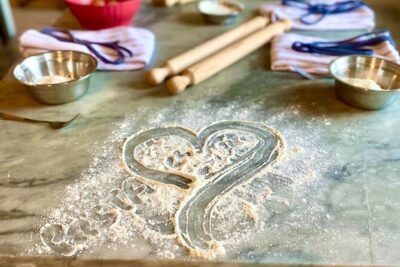
Rome Cooking Class: Make Pasta and 3 Spritz Cocktails
Read our review →
Rome: 3-in-1 Fettuccine, Ravioli, and Tiramisu Cooking Class
Read our review →