
Review · USA
Farm to Table Cooking Class at Kulaniapia Falls
The best part of this farm-to-table cooking class is that lunch starts in the soil. You walk through Kulaniapia Farms, pick much of what you will eat, then carry it to a kitchen with views toward Hilo Bay and Mauna Kea. The farm sits beside Kulaniapia Falls, so the setting gives this four-hour class more than a cooking lesson.
I like the small group size, capped at eight, and the fact that more than 90 percent of the meal comes from produce grown on the property. I also like the easy pace: you can see the gardens, feed goats, sample bananas and coffee, and take a short walk toward the river. The main thing to consider is that your hands-on cooking time may vary. Some sessions have had staff do much of the actual cooking after participants helped prepare the ingredients.
Key points to know before booking
- Harvest your own lunch: Seasonal vegetables from the farm make up most of the meal.
- A scenic Hilo setting: Prepare food in a refurbished barn with views of Hilo Bay, Mauna Kea, and nearby Kulaniapia Falls.
- Small, personal group: The class accepts no more than eight people, with four to six feeling especially comfortable.
- Plant-based menu: The main course changes with the farm’s harvest, so expect fresh produce rather than a fixed menu.
- Wear proper shoes: Closed-toe, flat tennis shoes work best on uneven ground and weedy paths.
- Allow four hours: The 9:30 a.m. start leaves time for the farm walk, harvesting, food preparation, lunch, and nearby scenery.
Starting at Kulaniapia Falls at 9:30 a.m.
Your morning begins at 100 Kulaniapia Drive in Hilo. The activity starts at 9:30 a.m. and ends back at the same meeting point, so plan your own transportation to and from the farm. There is no separate transfer included in the information provided.
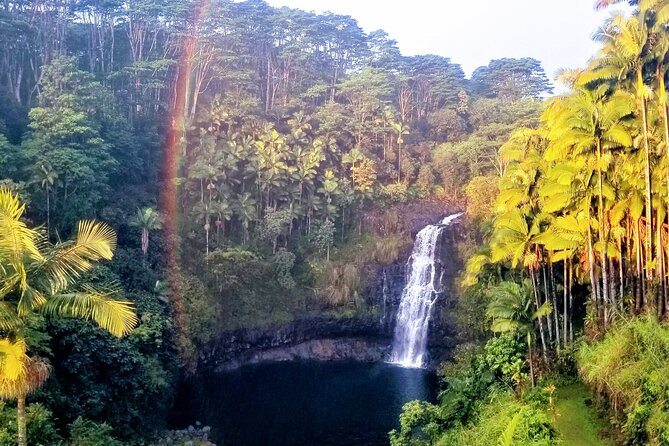
The setting does some of the work before the class begins. Kulaniapia Farms is part of the grounds at the Inn at Kulaniapia Falls, where you can see bamboo gardens and the waterfall area. A friendly farm dog may be part of your welcome, adding to the relaxed, lived-in feel of the place.
You should arrive ready to walk outdoors. The paths can be uneven, and parts of the farm may be weedy. Flat, closed-toe shoes are more useful than sandals or dress shoes, even if the morning begins with a tidy kitchen visit.
This is not a rushed class built around a strict restaurant schedule. The four-hour timing gives the group room to move from the gardens to the kitchen and then sit down for lunch. That slower rhythm is a good fit if you want to learn where food comes from, not simply watch someone prepare a plate.
More Farm Cooking Classes in the USA:
- Half-Day Thai Cooking Class at Organic Farm in Chiang Mai
★ 5.0 · 19,087 reviews - Cooking Class and Lunch at a Tuscan Farmhouse with Local Market Tour from Florence
★ 5.0 · 4,831 reviews - Chiang Mai: Authentic Cooking Class with Market & Farm Visit
★ 4.9 · 4,546 reviews
Walking the gardens and choosing the harvest
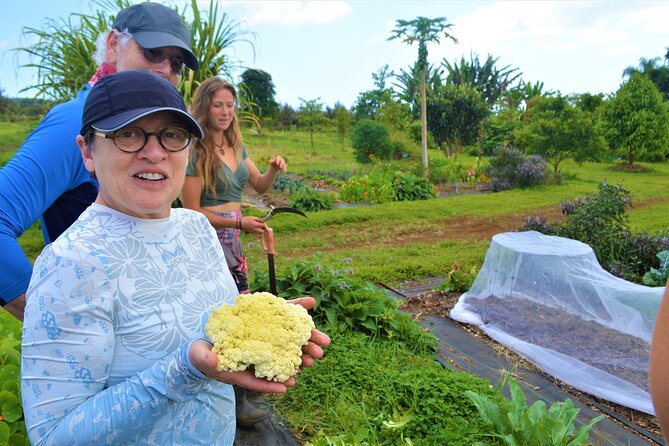
The farm tour is the heart of the activity. A member of the Kulaniapia community leads you through the gardens and explains how the tropical farm grows food in volcanic soil. You help select vegetables at their best, then use those ingredients in the meal.
The exact harvest depends on the season. That means the menu is not a fixed list of dishes that arrives unchanged every day. Instead, the produce guides what you prepare. The stated plan is for farm-grown ingredients to account for more than 90 percent of your lunch.
That approach makes the class more useful than a standard cooking demonstration. You see the vegetables in the ground, learn what looks ready to pick, and handle the ingredients before they reach the cutting board. I like this connection between the farm walk and the meal because it explains the farm-to-table idea in practical terms.
The morning may include small extras that make the visit feel personal. You might feed the goats, collect eggs, eat a banana directly from the tree, or sample locally grown coffee, depending on the day and the staff leading your group. These details are not listed as a guaranteed part of the menu, so treat them as possible additions rather than promised stops.
Guides have included Natalie, Davey, Adrian, and Ayden. The staff can change, but the strongest sessions have paired an enthusiastic farm guide with a confident cook. Natalie has led the garden portion, while Davey has handled the cooking in one session. Adrian has been praised for keeping the group laughing from the egg collection through the meal preparation, and Ayden has brought energy to the farm walk.
Because the class depends partly on the person leading it, the tone may vary. One guide may spend more time on growing methods, while another may focus on cooking or conversation. That flexibility suits a casual farm visit, though it may disappoint you if you expect a formal culinary school lesson.
Preparing a plant-based meal in the barn kitchen
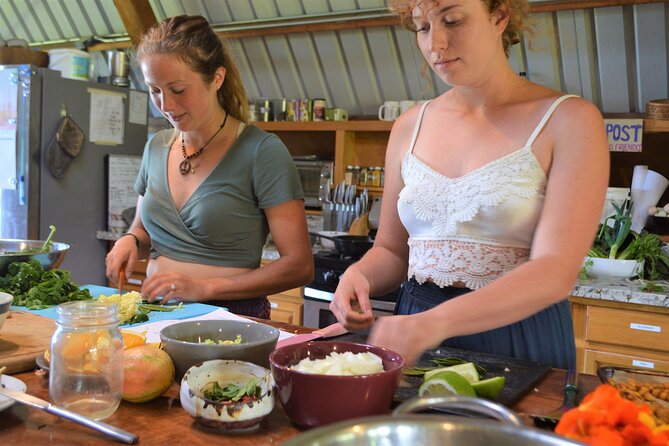
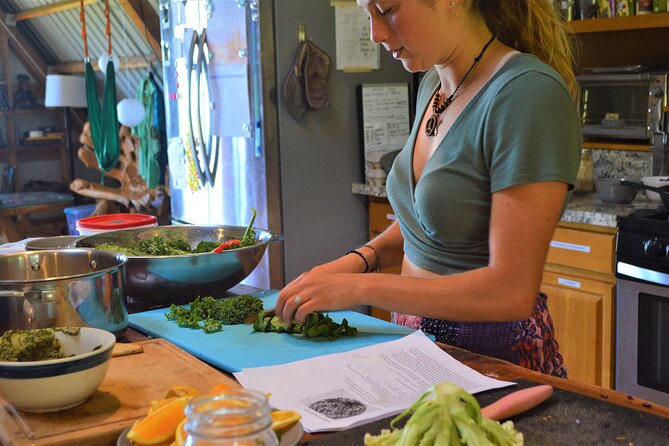
After the harvest, you return to a refurbished barn and prepare lunch. The kitchen is on the second floor and has wide views toward the ocean, Hilo Bay, and Mauna Kea. The room gives you a pleasant change of scene after the outdoor walk, while the open view keeps the farm close at hand.
The main menu is simply listed as farm-fresh produce, because the ingredients change with the season. You should expect a plant-based lunch built around what you picked rather than a detailed, fixed recipe. The class aims to send you home with recipes and more confidence using fresh vegetables in your own kitchen.
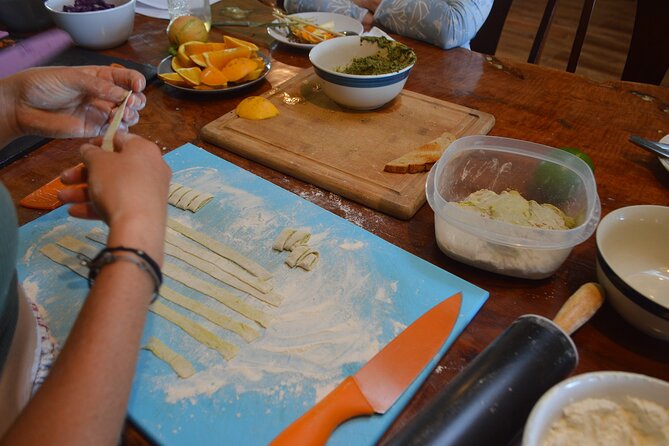
You will have the supplies needed to harvest and prepare the meal. The practical value is in seeing how a cook turns a varied farm basket into lunch. You can ask questions, work with the ingredients, and learn techniques that do not require special equipment.
The amount of direct cooking is the one part I would clarify before booking if that matters greatly to you. Some sessions have involved plenty of chopping, selecting, and preparation, but a staff member has handled the actual cooking. Other sessions have offered more instruction from the chef, with participants learning new ideas even when they already cook often at home.
So, think of this as a farm visit with a cooking component, not necessarily a fully hands-on chef class from start to finish. If you want to practice every stage of a recipe yourself, your experience may depend on the guide and the group. If you care more about fresh ingredients, relaxed instruction, and a meal made from the morning’s harvest, the format works well.
Lunch made from the morning’s harvest
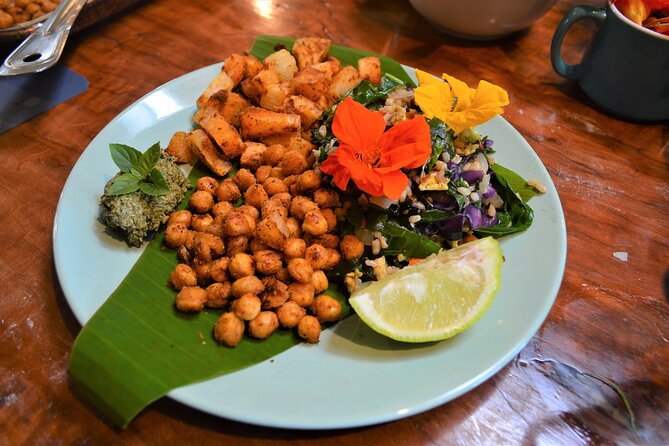
The meal is the payoff, but it is also a lesson in seasonality. You do not pick vegetables as a side activity and then eat an unrelated lunch. The produce you help harvest forms the basis of the meal, with nearly the entire lunch coming from the farm in some sessions.
That makes the food feel unusually fresh. You have seen the plants, chosen the ingredients, and taken part in the preparation. Even simple vegetables gain more meaning when you know exactly where they came from.
The food has received strong praise, but the class is not designed around elaborate restaurant dishes. The pleasure is in the ingredients and the setting. You sit down after the work, enjoy what the group prepared, and take away recipes that may help you use more fresh produce at home.
The plant-based focus is important. If you are looking for a meat, seafood, or dessert-centered cooking class, this is not the right match. If you enjoy vegetables or want a gentle introduction to plant-based cooking, the format gives you a clear starting point.
Dietary details beyond the plant-based menu are not provided, so contact the provider before booking if you have allergies or strict dietary needs. Do not assume that every ingredient can be replaced during a seasonal class.
More Hands-On Workshops in the USA:
- New Orleans Demonstration Cooking Class with Meal
★ 5.0 · 3,000 reviews - New Orleans Hands-On Cooking Class with Meal
★ 5.0 · 1,183 reviews - Undiscovered Charleston: Half Day Food, Wine & History Tour with Cooking Class
★ 5.0 · 948 reviews - New Orleans: Cajun and Creole Cooking Class
★ 4.9 · 730 reviews
The waterfall, bamboo gardens, and river walk
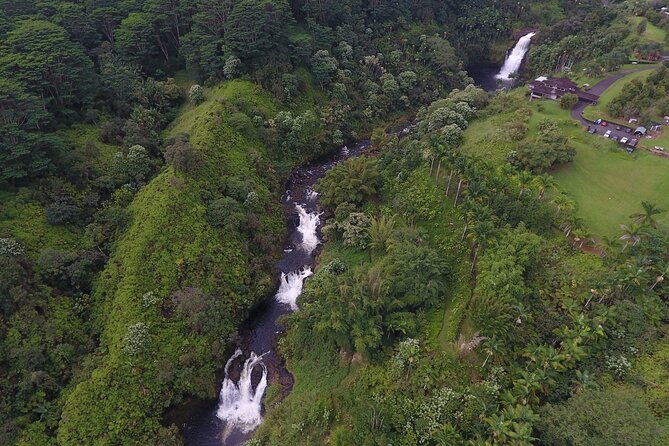
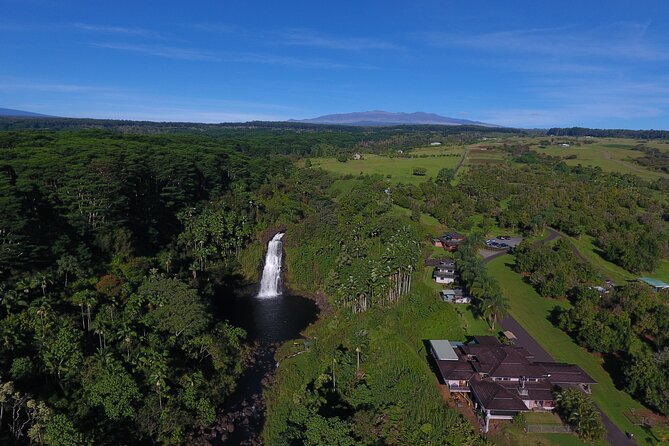
Kulaniapia Falls gives the morning a sense of place that a city cooking studio cannot match. You may see the waterfall before or after lunch, and the property includes bamboo gardens. A short walk toward the river has also been part of the morning for some groups.
The views from the barn are another strong point. While you prepare food, you can look toward Hilo Bay and Mauna Kea. The combination of ocean views, tropical plantings, volcanic soil, and falling water helps explain why this class feels like a Big Island outing rather than a single indoor activity.
Keep your expectations practical. The waterfall and river walk are part of the setting, not a separate guided waterfall excursion with a long route or adventure activity. You are booking the farm and cooking class, with time for nearby scenery included around it.
That distinction matters if you have limited time on the Big Island. This activity gives you food, gardens, views, and a waterfall setting in one morning, but it will not replace a full day of hiking or sightseeing elsewhere on Hilo’s east side.
Is the $169 price good value?
At $169 per person, this is not a cheap lunch. You are paying for a four-hour small-group activity, instruction, farm access, the produce you harvest, the meal, and the setting. A normal meal alone would cost much less, but it would not include the farm walk or the chance to help create it.
The small group improves the value. With a maximum of eight people, you have a better chance to ask questions and take part than you would in a large demonstration. Groups of four to six seem especially comfortable, while a full group of eight may feel busier around the preparation area.
The price makes the most sense for you if you value an activity as much as the food. It is a good pick for couples, families, friends, and solo visitors who enjoy meeting people and learning through doing. It is less convincing if you want a long, technical cooking lesson or a large multi-course meal.
Gratuity is not included. A tip of about $20 per guest is typical for this activity, so include that in your working budget. The total cost is easier to justify when you treat the class as a half-day outing at a scenic farm, not simply as lunch.
The experience is often booked about 46 days ahead, which suggests that you should reserve early if your Hilo schedule is fixed. Confirmation is provided at booking, and free cancellation is available up to 24 hours before the start time. If the minimum number of participants is not reached and the activity is canceled, you are offered another date or experience, or a full refund.
Who will enjoy this class most?
I would choose this class for someone who likes food with a story. You will enjoy it if you want to see tropical crops, pick ingredients, eat a plant-based meal, and spend a morning in a small group.
It also suits families, provided everyone is comfortable walking on uneven ground. The goats, bananas, waterfall, and garden setting give children more to notice than a standard indoor class, though the four-hour length may be long for very young children.
Couples and friends get a pleasant shared activity without the pressure of a formal restaurant lesson. Solo visitors can also fit in well because the group is small and the work naturally gives people something to talk about.
I would hesitate if you need guaranteed, extensive cooking practice. The class can be very hands-on, but the balance between participant preparation and staff-led cooking may change. I would also think twice if you dislike outdoor paths, seasonal menus, or plant-based food.
Practical details that will improve your morning
Book ahead, especially if you have only one free morning in Hilo. The class starts at 9:30 a.m., lasts about four hours, and returns to the starting point.
Wear flat, closed-toe shoes with a sole that can handle uneven ground. You will walk through farm areas rather than staying on smooth paved paths.
Bring a relaxed attitude toward the menu. The produce is seasonal, and the meal is shaped by what is ready to harvest. That is part of the point, but it also means you should not expect a fixed dish list.
If cooking is your main reason for booking, ask how much participant cooking is planned for your date. The answer may depend on the guide, the group, and the day’s harvest.
Should you book the Kulaniapia Falls cooking class?
Book it if you want a scenic, small-group morning that connects a farm walk with a fresh plant-based lunch. The waterfall, bamboo gardens, ocean views, and volcanic soil give the class a strong sense of place, while the harvest makes the food feel personal.
The class is not the best choice for a strict culinary student who wants to handle every cooking step. But for a relaxed Big Island activity with good food, useful recipes, and a real connection to local growing, $169 can be fair value. Wear proper shoes, allow the full morning, and reserve well ahead if your dates are limited.
FAQ
Where does the cooking class meet?
It meets at Kulaniapia Farms, 100 Kulaniapia Drive, Hilo, Hawaii 96720. The activity ends back at the same meeting point.
What time does the class start?
The class starts at 9:30 a.m.
How long does the activity last?
It lasts approximately four hours.
How many people can join the class?
The maximum group size is eight people.
What kind of food will we prepare?
You will prepare a fresh, plant-based lunch using seasonal farm produce. More than 90 percent of the meal is expected to come from the farm.
Is lunch included?
Yes. Lunch is included, and you will make it together using produce harvested during the activity.
What should I wear?
Wear closed-toe, flat shoes such as tennis shoes. The farm has uneven ground and some weedy areas.
Can I cancel for a full refund?
Yes, if you cancel at least 24 hours before the experience start time. Cancellations or changes made less than 24 hours before the start are not accepted for a refund.
Just added around the USA
- Authentic Asian Cooking Class in NYC (Includes 4-Course Meal)★ 5.0 · 8 reviews
- Sushi Making Class at a Local Distillery in Boston★ 5.0 · 22 reviews
- Sushi Making Class at a Local Brewery in Boston★ 4.5 · 3 reviews
- Hands-On Hawaiian Imu Cooking and Cultural Dining Experience★ 5.0 · 95 reviews
- Baumkuchen Campfire Baking Class★ 5.0 · 3 reviews
- Thai Cooking Class in Fullerton, California★ 5.0 · 3 reviews
- San Francisco: Dumpling Cooking Class & 3-Course Dinner★ 5.0 · 10 reviews
- New Orleans: Cooking Class & Cocktail Walking Tour★ 4.7 · 16 reviews
Farm & Countryside Cooking Classes, compared.
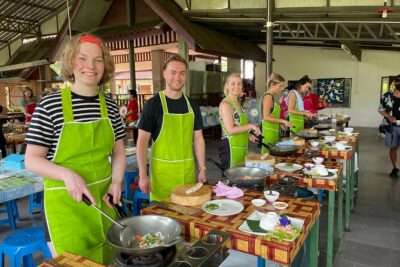
Half-Day Thai Cooking Class at Organic Farm in Chiang Mai
Read our review →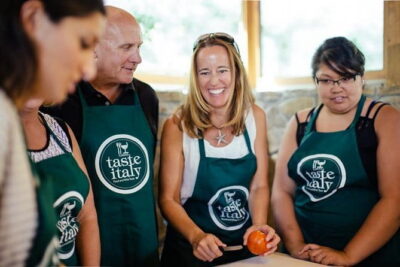
Cooking Class and Lunch at a Tuscan Farmhouse with Local Market Tour from Florence
Read our review →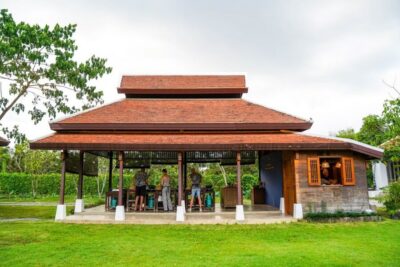
Chiang Mai: Authentic Cooking Class with Market & Farm Visit
Read our review →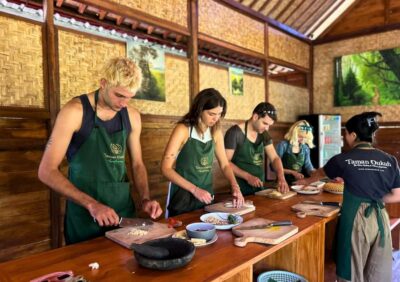
Ubud: Balinese Cooking Class at an Organic Farm
Read our review →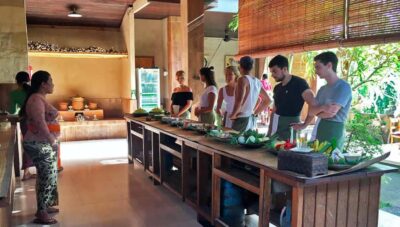
Ubud: Authentic Cooking Class in a Local Village
Read our review →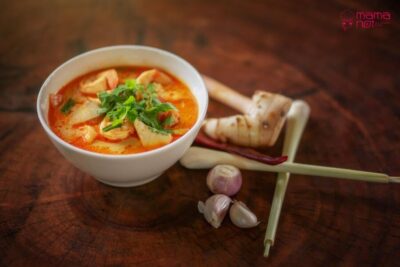
Chiang Mai: Cooking Class with Organic Farm at Mama Noi
Read our review →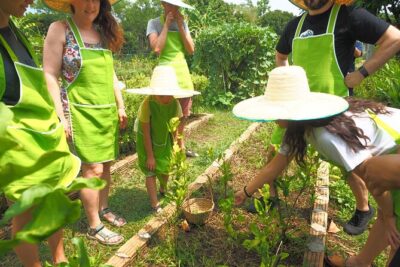

Hands-On Cooking Class & Farmhouse Tour on the Amalfi Coast
Read our review →Browse the lists this tour appears in