Review · COOKING CLASSES
Explore local Market matatu ride & Make Kenyan Cuisines with a home cook
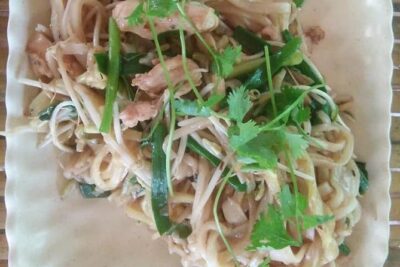
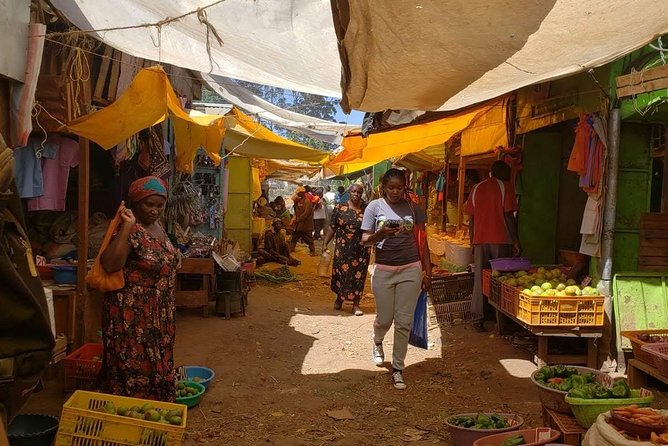
The best part of this Nairobi experience is the matatu ride to the market. You are not simply driven from one polished stop to another. You ride local transport, meet vendors, help choose fresh produce, then take those ingredients into Josephine’s home for a five-course Kenyan and Indian cooking session.
I like the private format and the clear hands-on focus. Josephine gives your group her full attention, and you do the chopping, seasoning, and cooking instead of watching from the edge of a large class. I also like the way the meal begins at the market, since you see where the ingredients come from before sitting down to eat them.
The main consideration is comfort and pace. A matatu is practical local transport, not a private vehicle, and the four-hour session involves travel, shopping, cooking, and a full meal. Tell Josephine about food intolerances before you arrive, and confirm the start details carefully since hotel pickup is not included.
Key points to know
- A real matatu ride: Travel to and from the market by Nairobi’s familiar local bus system.
- Market shopping with Josephine: Help select fresh produce and interact with vendors before cooking.
- Private home setting: Your group cooks and eats in Josephine’s home, not in a large commercial classroom.
- Five-course meal: Expect Kenyan and Indian influences, including curries and ugali, a cornmeal staple.
- Family-friendly guidance: Josephine has experience cooking with her own child and can work patiently with children.
- Useful inclusions: Equipment, ingredients, market transport, water, fruit, lunch, tea, and coffee are provided.
Start near Westlands, then ride like a local
The experience begins at the stated meeting point near Westlands, with the activity information also identifying the start as P.O. Box 66283 in Nairobi. The practical detail matters here: hotel pickup and drop-off are not included, so you need to arrange your own way to the starting point.
From there, Josephine takes your group toward a local market by matatu. This is not just a transfer. The ride gives you a small but useful look at daily Nairobi transport, and it places the cooking lesson in a wider setting. You see the city through the same basic system many residents use, rather than spending the whole morning in a private car.
I would allow a little flexibility around the journey. The experience lasts about four hours, but public transport and market activity can affect the rhythm of the day. The matatu ride may be one of the most memorable parts for you, but it is worth knowing that it is less controlled than private transport.
The experience is also listed with a mobile ticket, which keeps arrival simple once you have the meeting details. Ask for any final directions you need before the day, especially if you are staying away from Westlands.
More Market Tour Cooking Classes in the world:
- Hanoi Cooking Class: Culture, Local Market & Meaning CSR Impact
★ 5.0 · 5,147 reviews - 5 Traditional Dishes Hanoi Cooking Class with Market Trip
★ 5.0 · 4,890 reviews - Cooking Class and Lunch at a Tuscan Farmhouse with Local Market Tour from Florence
★ 5.0 · 4,831 reviews
Choosing produce at a Nairobi market
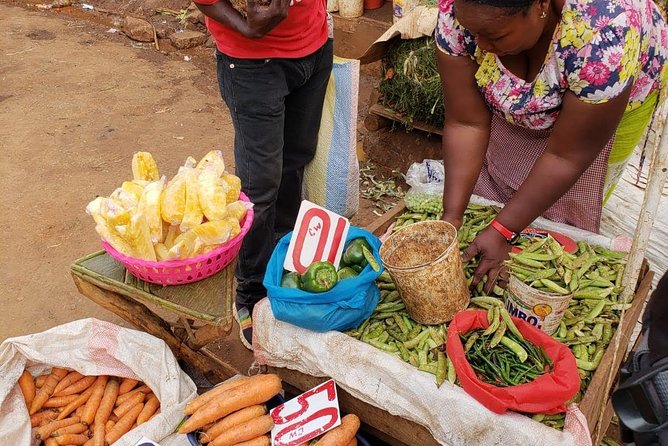
At the market, you help buy the fresh ingredients used in the meal. That small step changes the cooking class from a prepared demonstration into a connected food experience. You can see the produce before it reaches the kitchen, interact with local vendors, and understand that Kenyan home cooking begins with everyday shopping decisions.
Josephine guides the selection, so you are not expected to know every ingredient or judge what is best. This is especially useful if you are unfamiliar with Kenyan produce, spices, or the way ingredients are used in East African and Indian-style cooking.
The market portion also gives you a chance to ask questions about food and daily life. The activity promises interaction with vendors, but it does not specify a particular market name or a fixed list of ingredients. The final dishes may therefore depend on what is fresh and suitable on the day.
That flexibility is a strength if you want a genuine home meal rather than a tightly scripted cooking show. If you need a specific dish, have a serious allergy, or follow a restricted diet, contact Josephine in advance. The information specifically asks you to share food intolerances before the experience.
Cooking in Josephine’s home
After shopping, you continue to Josephine’s home on David Osieli Road, where the activity ends. The home setting is the heart of the experience. You are not only learning recipes. You are seeing how food is prepared and served in a Kenyan household, with the meal taking place in a peaceful private setting.
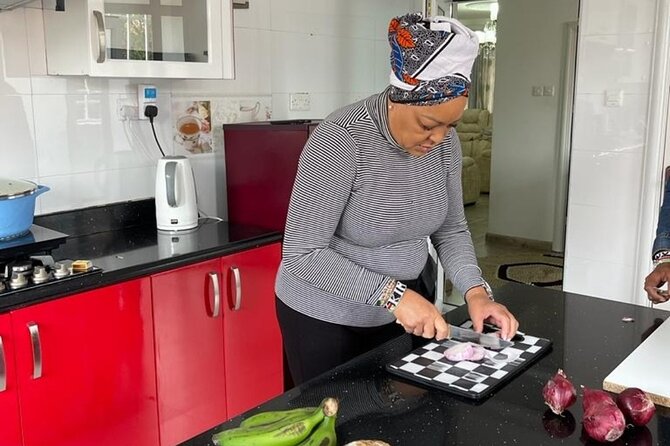
Josephine describes cooking as her passion and works from a large collection of family recipes. The useful point for you is her step-by-step approach. You should expect to get involved, handle the ingredients, and learn how spices are combined rather than simply watch her cook.
The session is designed for your party alone. That gives Josephine time to adjust her explanations and answer questions without a room full of other people waiting their turn. A private class can also feel easier for families or friends who want to work at their own speed.
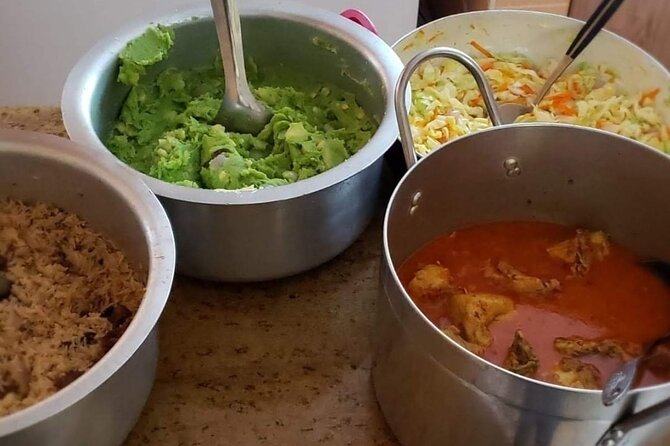
The class includes cooking equipment, so you do not need to bring utensils or other supplies. Ingredients are provided through the market shopping portion. Water, fruit, bottled water, coffee, and tea are also included, along with lunch.
Kenyan and Indian flavors on one table
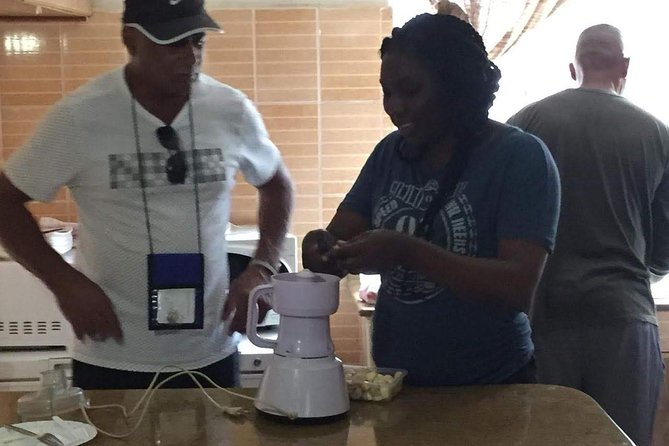
The meal combines Kenyan and Indian influences. That pairing makes sense in Nairobi, where Indian cooking has long influenced local food habits, but the experience keeps its focus on home cooking rather than restaurant presentation.
You may prepare dishes such as curries and ugali. Ugali is made from cornmeal and is one of the most familiar staples in Kenyan cooking. Its simple appearance can be misleading: learning how it is cooked, shaped, and served helps you understand how a basic starch supports a larger meal.
The promised meal has five courses, though the exact menu is not provided in advance. That is another reason to share food intolerances before booking. You can ask Josephine what dishes are likely to be prepared and whether adjustments are possible.
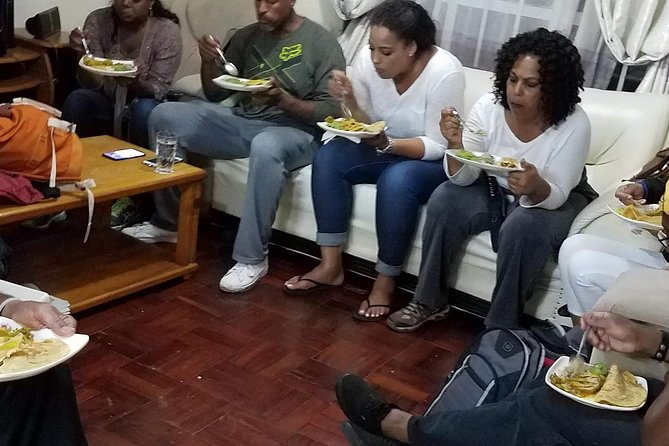
I like the fact that you eat what you cook. The meal is not an afterthought or a small sample at the end. You sit down for lunch in the home, with fruit, water, tea, and coffee included. The result feels closer to being welcomed into someone’s kitchen than attending a standard demonstration.
More Shopping Trips in the world:
- Chiang Mai: Cooking Class, Market & Thai Herbs Garden Tour
★ 4.9 · 4,824 reviews - Chiang Mai: Authentic Cooking Class with Market & Farm Visit
★ 4.9 · 4,546 reviews - Barcelona: Paella Cooking Experience & Boqueria Market Tour
★ 4.8 · 3,661 reviews - Cooking Class Hoi An:Local Market, Basket Boat, Fishing & Cooking
★ 5.0 · 3,660 reviews
A good option for families and small private groups
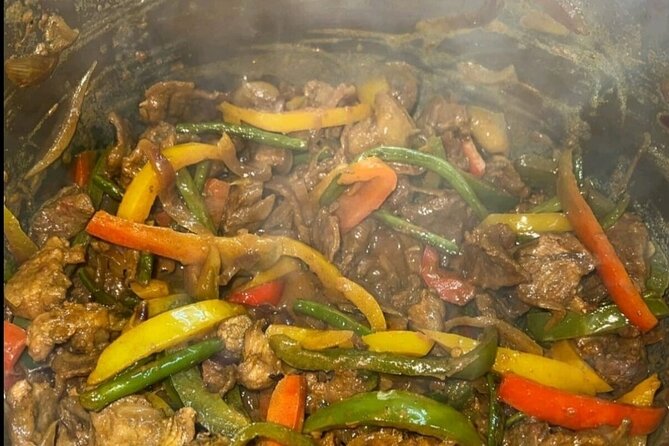
The private format suits couples, families, and friends who want a relaxed food activity. Josephine has a child of her own and has been praised for working well with children, which makes this a sensible choice for parents looking for a cultural activity that does not depend on a formal museum visit or a long walking route.
Children can take part in simple kitchen tasks, though the available information does not spell out age limits or a separate children’s menu. You should still tell Josephine about your group before arrival if children have allergies, dietary restrictions, or special needs.
The activity says most people can participate and notes that it is near public transportation. It does not provide detailed accessibility information for the matatu, market, or home. If you use a wheelchair, have limited mobility, or need a specific accommodation, ask before booking rather than assuming the route will be suitable.
The four-hour length is also worth considering. It is long enough for a proper market visit, cooking lesson, and lunch, but it may feel full for very young children or anyone who dislikes several stages in one outing.
What the $60 price covers
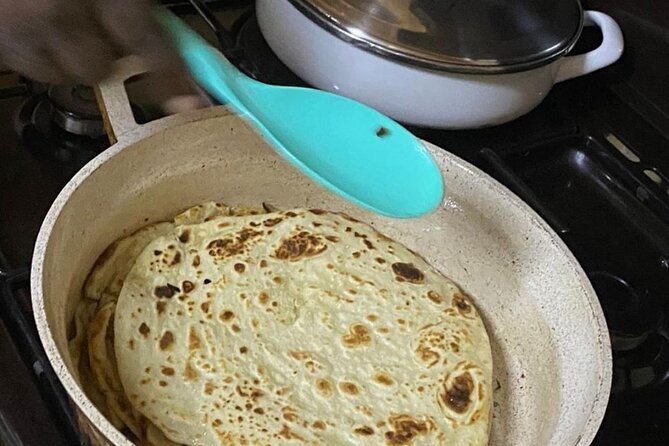
At $60 per person, the cost needs to be judged against what is included. You are paying for about four hours, private instruction, market transport, cooking equipment, ingredients, a five-course Kenyan and Indian meal, lunch, fruit, water, tea, and coffee.
That is a stronger value than a simple restaurant meal because the price also covers personal teaching and the chance to take part in food shopping. You are getting both a meal and a cultural activity, with your group receiving Josephine’s undivided attention.
The value is strongest for people who care about food and personal contact. If you only want to taste Kenyan dishes, a restaurant may be simpler and less expensive. If you want to know how the meal is made, meet vendors, ride a matatu, and spend time in a home, the price is easier to justify.
Remember to add the cost of reaching the meeting point. Hotel pickup and drop-off are not part of the package, so you need to manage that portion of the day yourself.
Practical details before you book
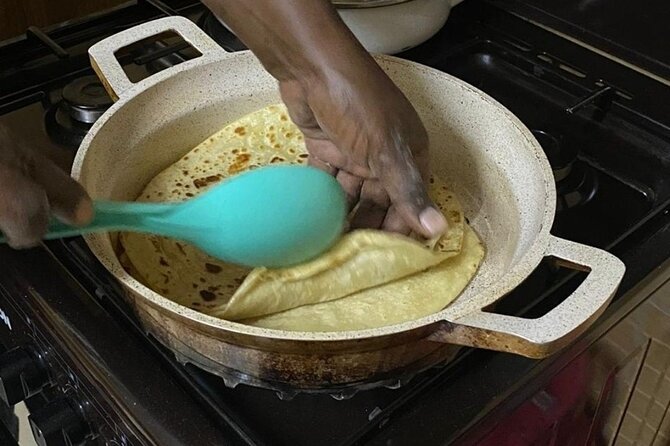
The experience is offered as a private activity, so only your group participates. That is helpful if you want the pace shaped around your party or prefer not to cook with strangers.
Confirmation is provided at the time of booking, and the ticket is mobile. The stated start point is in Nairobi, with the activity ending on David Osieli Road. Since the information gives both Westlands as the initial meeting area and a postal address for the start, I would check the exact meeting instructions before setting out.
You should not need to bring ingredients, cookware, or refreshments. Bring only what you need for a four-hour outing and wear clothes you do not mind cooking in. The host specifically warns that you will get your hands dirty, so this is not the place for a spotless, formal outfit.
Free cancellation is available if you cancel at least 24 hours before the start time. A cancellation within 24 hours is not refunded, and changes made in that final period are not accepted. The cut-off follows Nairobi local time.
The strongest reasons to choose this experience
Josephine is the central reason this activity feels personal. She is described as patient, funny, kind, and attentive, with the ability to explain Kenyan culture while guiding the cooking. Those qualities matter more here than polished facilities because the success of a home class depends on how comfortable you feel asking questions and joining in.
The other major strength is the sequence. You ride a matatu, shop for produce, cook the meal, and eat it in the same private setting. Each stage supports the next, so the day has a clear purpose rather than a collection of unrelated stops.
I also like that the activity does not ask you to choose between cultural contact and practical instruction. You get both. You learn about ingredients and spices, but you also see how a host welcomes people, prepares food, and shares a meal at home.
The possible weakness is the lack of a fixed menu and detailed transport information. Some people want to know every dish and every stop ahead of time. Here, you should expect a flexible home-cooking experience instead.
Should you book this Nairobi cooking class?
Book it if you want direct contact with Nairobi daily life, enjoy cooking with your hands, and value a private setting over a polished tourist venue. It is particularly well suited to families, couples, and small groups who want a meal they helped create.
Think twice if you need private transport, a guaranteed menu, hotel pickup, or detailed accessibility arrangements. The matatu ride and flexible market shopping are major parts of the appeal, but they also mean the experience is less controlled than a standard cooking school.
For most food-focused visitors, the combination is persuasive: a local bus ride, a market visit, Josephine’s patient instruction, and a five-course meal in a Kenyan home. At $60, it offers solid value when you want to understand the food as well as eat it.
FAQ
How long does the experience last?
The activity lasts approximately four hours.
What is the price per person?
The stated price is $60 per person.
Is the cooking class private?
Yes. Only your group participates in the activity.
Where does the experience start?
The experience starts near Westlands in Nairobi. The stated start information gives P.O. Box 66283, Nairobi, Kenya. Check your confirmation for the precise meeting instructions.
Where does the experience end?
The stated ending point is David Osieli Road, Nairobi, Kenya.
Is hotel pickup and drop-off included?
No. Hotel pickup and drop-off are not included.
What food is included?
You receive a five-course Kenyan and Indian meal, including dishes such as curries and ugali. Lunch, fruit, water, bottled water, coffee, and tea are also included.
Do I need to bring cooking equipment or ingredients?
No. Cooking equipment and ingredients are provided. You should tell Josephine about any food intolerance before the experience.
Can I cancel for a full refund?
Yes, if you cancel at least 24 hours before the experience start time. Cancellations within 24 hours are not refunded, and changes within that period are not accepted.
Just added around the world
- Naples Pizza Cooking Class in Local Restaurant★ 5.0 · 10 reviews
- Pasta and Tiramisu Cooking Class with Local Chef in Naples★ 5.0 · 58 reviews
- Naples Pizza Cooking Class★ 4.5 · 9 reviews
- Pizza-Making Class with Local Top-Rated Chef with Drink in Naples★ 5.0 · 27 reviews
- Irpinia Tour of the Vineyards, Cooking Class and Wine-Tasting★ 5.0 · 52 reviews
- Neapolitan pasta homemade Cooking Lesson★ 4.5 · 4 reviews
- Dining Experience at a local’s Home in Castellammare di Stabia with Show Cooking★ 5.0 · 6 reviews
- Homemade Pasta And Seafood Cooking Class with Dinner★ 5.0 · 5 reviews
Cooking Classes with a Market Tour, compared.
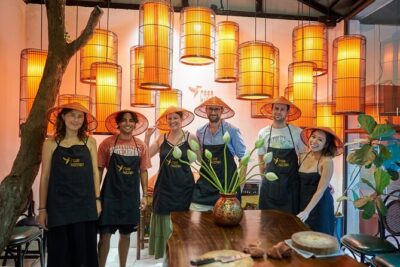
Hanoi Cooking Class: Culture, Local Market & Meaning CSR Impact
Read our review →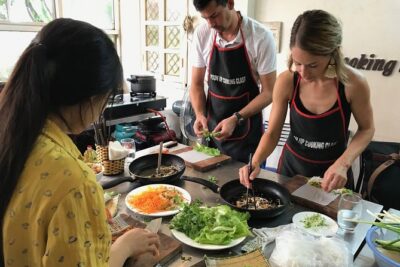
5 Traditional Dishes Hanoi Cooking Class with Market Trip
Read our review →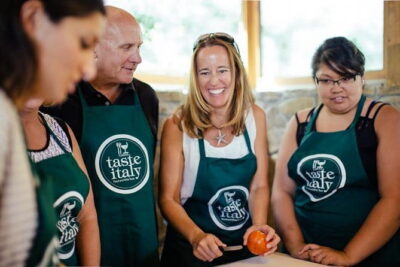
Cooking Class and Lunch at a Tuscan Farmhouse with Local Market Tour from Florence
Read our review →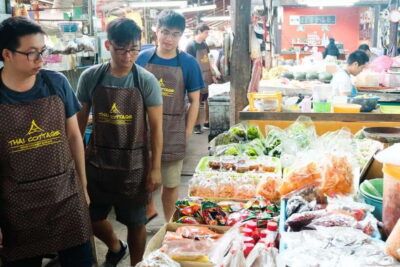
Chiang Mai: Cooking Class, Market & Thai Herbs Garden Tour
Read our review →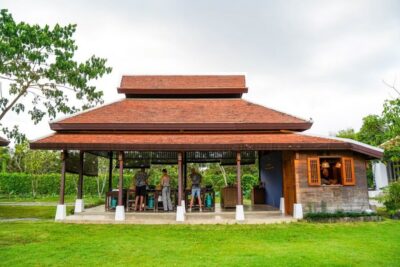
Chiang Mai: Authentic Cooking Class with Market & Farm Visit
Read our review →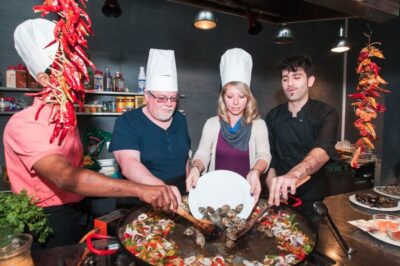
Barcelona: Paella Cooking Experience & Boqueria Market Tour
Read our review →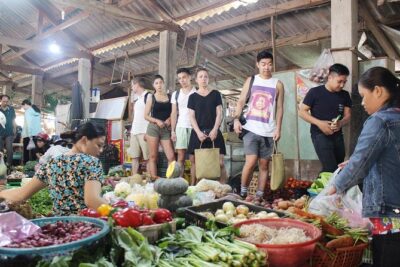
Cooking Class Hoi An:Local Market, Basket Boat, Fishing & Cooking
Read our review →