
Review · ROME
Fettuccine, Ravioli and Tiramisu Pasta Making in Rome
Making pasta in Rome is more satisfying than simply ordering another plate of it. In this three-hour cooking class, you prepare tiramisu, roll pasta dough, shape fettuccine, and fill ravioli before sitting down to eat what you made. The class takes place in a real restaurant in central Rome, not in a staged kitchen built only for demonstrations.
I like two things right away: you learn three useful Italian dishes in one sitting, and the meal afterward includes your own pasta, a drink, water, and either coffee or limoncello. The main consideration is group size. The limit is 18 people, though one class was described as having about 20, so personal help can vary when the room is full.
Key points at a glance
- Three dishes from scratch: Make tiramisu, fettuccine, and ricotta-filled ravioli during one class.
- Several pasta sauces: Choose amatriciana, cacio e pepe, or tomato and basil for the fettuccine.
- A meal is built in: Eat the pasta and dessert you prepared, with wine or a soft drink.
- Friendly named instructors: Classes may be led by chefs such as Lori, Dani, Tommo, Carlotta, Maria, Furio, or Alessia.
- Good for families: Children aged 7, 10, and 12 were able to take part and enjoy the low-stress format.
- Central meeting point: Begin at Via Giuseppe Zanardelli 14, near public transportation, and finish at the same location.
What happens during the three-hour class
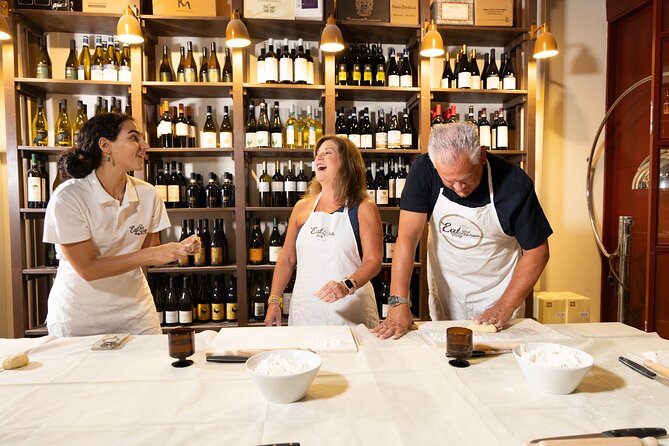
The class is designed as a compact food lesson followed by dinner. You do not spend the whole time watching a chef work. You handle the ingredients, shape the food, and then sit down to eat.
The order begins with tiramisu, followed by fresh pasta. That order makes practical sense. Tiramisu needs time to rest before serving, while the pasta can be cooked closer to the meal. The session finishes with fettuccine and ravioli, then everyone eats together.
Timing can run a little shorter or longer than three hours. One family finished in just over two and a half hours, while the advertised duration is approximately three hours. If you have a timed museum visit immediately afterward, leave some breathing room.
More Dessert Classes in Rome
- 3 in 1 Cooking Class near Navona: Fettuccine, Ravioli & Tiramisu
★ 5.0 · 7,376 reviews - Rome: Pasta Making Class with Wine, Limoncello, and Dessert
★ 4.9 · 3,177 reviews - Rome: 3-in-1 Fettuccine, Ravioli, and Tiramisu Cooking Class
★ 4.9 · 2,704 reviews
Making tiramisu first
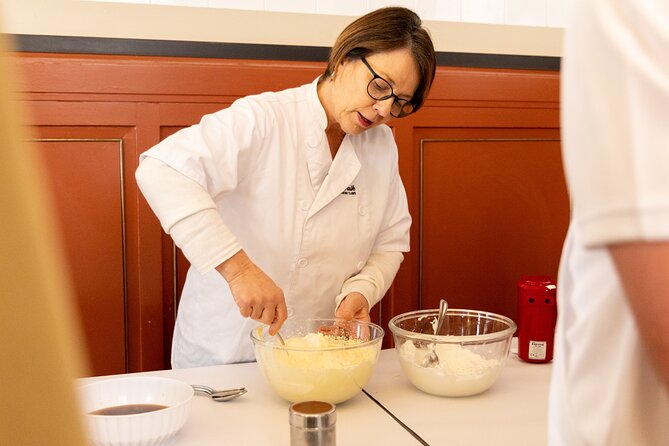
The tiramisu portion uses the familiar building blocks: savoiardi biscuits, mascarpone, cocoa, and the creamy mixture that holds the layers together. You prepare your own dessert rather than merely watching someone pipe it into a glass.
This is the easiest part of the class for most beginners. It also gives children an early task while the chef explains the rest of the meal. A family with children aged 7, 10, and 12 found the class manageable, and the format is suitable for mixed ages because the work is broken into clear steps.
Do not expect a pastry-school lesson. The point is to learn a traditional home-style method and enjoy the result later. You will not be making the mascarpone from scratch, and the class does not include making the pasta sauces. Those sauces are prepared separately.
Rolling dough for fettuccine
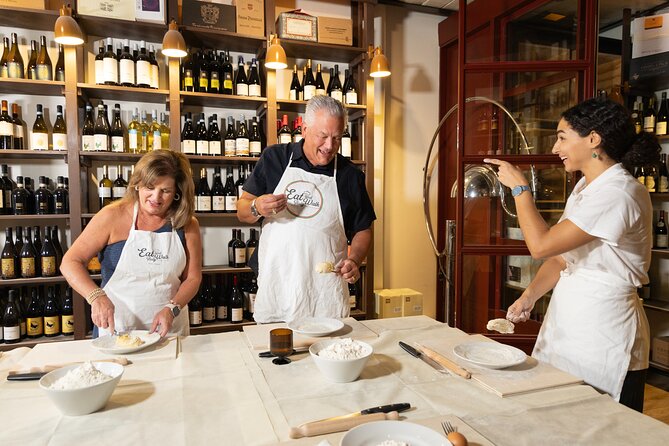
The pasta work is the heart of the experience. With the chef’s guidance, you knead the dough, roll it, and cut it into fettuccine. This is where the class becomes more useful than a standard food tour. You leave with a basic method you can repeat in your own kitchen.
The instructors focus on getting the dough right. Chef Lori is especially noted for checking each person’s dough and making sure the texture is workable. That kind of correction matters. Fresh pasta dough can feel too dry, too sticky, or too tough, and a small adjustment early on saves frustration later.
The process is hands-on, but it is not presented as a test. Chef Tommo has been described as precise, lighthearted, and easy to follow, while Chef Alessia is praised for making pasta seem simple. That combination is helpful if you have never made pasta before or if you have tried once and ended up with a flour-covered kitchen and questionable noodles.
Once cut, the fettuccine becomes the first pasta course. You choose one sauce from:
- Amatriciana
- Cacio e pepe
- Tomato and basil
The sauce choice gives you a small taste of Roman cooking styles. Cacio e pepe is the simplest in appearance but can be tricky to balance. Amatriciana brings a stronger, savory flavor. Tomato and basil is the most straightforward option for younger diners or anyone who prefers a mild sauce.
Because the sauce is not made during the class, do not book this expecting a full lesson in Roman sauce technique. The focus is the pasta itself.
Filling ricotta and Parmigiano ravioli
After the fettuccine, you prepare stuffed ravioli filled with ricotta and Parmigiano. This adds a second pasta skill: sealing a filled shape without leaving air pockets or letting the filling spill out.
The ravioli is served with butter and sage. It is a simple pairing that lets the fresh pasta and cheese filling do most of the work. Compared with the more assertive amatriciana, butter and sage offers a gentler finish and shows how Italian cooking often relies on a few well-matched ingredients.
This stage can take a little more patience than fettuccine. You need enough filling to taste it, but not so much that the ravioli refuses to close. The chef circulates to help, and the class is set up so you can copy the technique rather than guess your way through it.
The result is not a restaurant-style performance where a professional does everything for you. Shapes may vary from one person to the next. That is part of the charm, and it gives you a practical skill you can try again at home.
More Pasta Making Classes in Rome
- Rome Cooking Class: Make Pasta and 3 Spritz Cocktails
★ 5.0 · 2,937 reviews - Rome: Fettuccine Pasta Cooking Class in Rome’s City Center
★ 4.8 · 2,414 reviews - Fettuccine & Tiramisù: Cooking Class with Wine & Limoncello
★ 4.9 · 2,103 reviews - Pasta Cooking Class Near the Colosseum with 3 Spritz Cocktails
★ 5.0 · 1,686 reviews
Sitting down to eat what you made
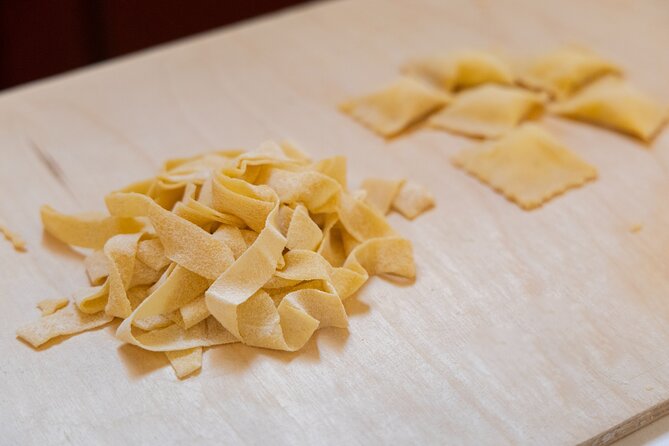
The cooking is followed by a proper shared meal in the restaurant. Your fettuccine is served as the first course with your chosen sauce, followed by the ravioli with butter and sage, then your tiramisu.
Included drinks are a glass of wine or a soft drink, plus water. You can finish with either a shot of limoncello or hot coffee. Extra food and drinks cost more, so keep that in mind if you arrive hungry or want additional wine.
I like this setup because you get both instruction and a meal. A cooking class that ends with a tiny sample can feel poor value, especially after a full day of sightseeing. Here, the food you prepare forms the main meal, and the social table gives you time to talk with the other people in the class.
The meal also helps the class feel less rushed. You can compare pasta shapes, ask the chef questions, and enjoy the evening without needing to find another restaurant afterward.
The chefs make the difference
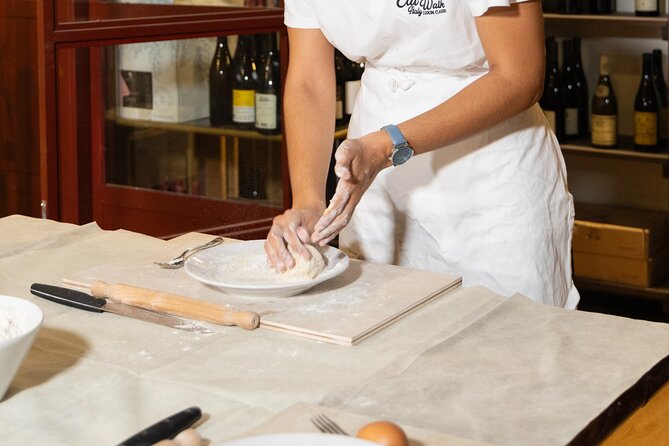
The exact chef depends on the date and class schedule. Named instructors connected with the experience include Lori, Dani, Tommo, Carlotta, Maria, Furio, and Alessia.
That changing lineup means you should not book around one particular chef unless the operator confirms who will lead your session. Still, the teaching style described across the experience is consistent: clear instructions, help at the worktable, and an informal tone.
Chef Lori is a strong choice for families because she keeps children involved without requiring the adults to stop constantly and supervise them. Chef Dani is patient and checks that each person understands the steps. Chef Tommo brings humor while keeping the instructions precise. Chef Carlotta combines cooking information with a relaxed mood, and Chef Maria is described as especially enthusiastic and helpful.
These details matter more than fancy equipment. A pasta class succeeds when the chef notices that your dough is wrong, shows you how to fix it, and keeps the group moving. The strongest feedback centers on that personal help.
Group size, atmosphere, and family fit
The maximum listed group size is 18 people. That is not an intimate private lesson, but it is small enough for a chef to circulate and check work if the session is well managed.
One class had about 20 people, so group size may occasionally press against or slightly exceed the stated limit. In a full room, you may wait briefly for help, especially during dough preparation or ravioli shaping. If close individual attention is your top priority, a smaller private class would be a better format.
The social side is part of the appeal. You cook beside people from different places, then eat at the same table. The class works well for couples, families, and solo visitors who want a friendly activity rather than another guided walk.
Children seem to fit naturally into the format. The class is described as low stress, and the work has enough variety to hold the attention of school-age children. Very young children may need more direct help, but the provided information specifically supports the class for families with children aged 7, 10, and 12.
Location and timing in central Rome
The meeting point is Via Giuseppe Zanardelli 14, 00186 Rome. The location is near public transportation, and the activity ends back at the meeting point.
Allow extra time to find the door. One poor experience involved a participant arriving early, finding a closed metal door, and waiting beyond the scheduled start before someone appeared. This was an isolated serious problem against a very strong overall rating, but it is practical advice: arrive with the address saved on your phone, keep your booking confirmation available, and do not assume the restaurant entrance will be obvious from the street.
The activity is offered in English and uses a mobile ticket. Confirmation is provided when you book. Since the experience is in central Rome, it can fit nicely between sightseeing stops, but I would not place it immediately after a major timed attraction. Rome traffic, museum exits, and a wrong turn can quickly eat up a 15-minute buffer.
Is $84.69 a fair price?
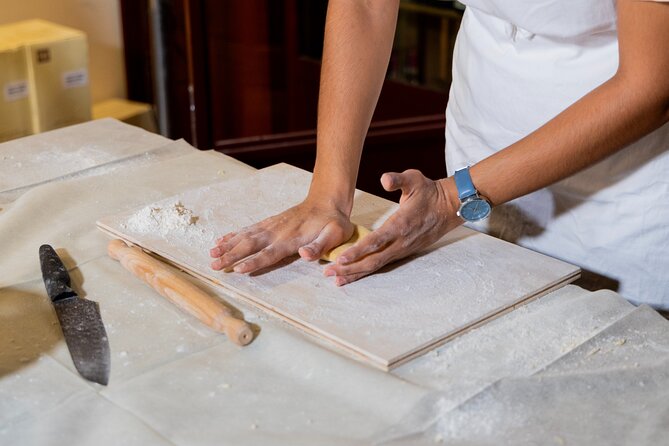
At $84.69 per person, this is not the cheapest meal in Rome. You can find a plate of pasta for far less. But the price covers more than dinner: instruction, ingredients, three separate dishes, a restaurant setting, a drink, water, and coffee or limoncello.
The value is strongest if you want to learn a repeatable skill. You make two types of pasta, learn a tiramisu method, and get a complete meal at the end. The class also replaces a few hours of sightseeing with an activity you can remember and recreate.
The value is weaker if you mainly want to eat. You do not make the sauces, and a substantial part of the price pays for the lesson and group experience. An excellent restaurant meal without instruction may suit you better if you would rather spend your evening at the table.
The class is often booked well ahead, with an average booking lead time of 41 days. That suggests planning ahead is sensible, especially if your Rome dates are fixed.
What to know before you book
Wear clothes you do not mind cooking in. The supplied details do not specify aprons, kitchen facilities, or dietary substitutions, so ask the operator directly if you have allergies or strict dietary needs.
Come ready to participate. This is not a demonstration where you sit back with a camera. You will knead, roll, cut, fill, layer, and eat. The hands-on work is the reason to choose it.
The experience has a five-star rating from 365 reviews and is recommended by 99 percent of customers, but the one serious report about a missed class should not be ignored. Free cancellation is available up to 24 hours before the start time. Cancel within 24 hours and the payment is not refunded, and late changes are not accepted.
Who should choose this Roman cooking class?
I would choose this class for:
- Couples who want a relaxed dinner with an activity attached
- Families with school-age children
- First-time pasta makers
- Solo visitors who enjoy meeting people over food
- Anyone who wants Roman recipes they can try at home
- Sightseers needing a break from churches, ruins, and museums
I would look elsewhere if you want a private lesson, a small group guaranteed below 18 people, or detailed instruction in sauces. The class teaches pasta and tiramisu well, but it is not a full Roman cuisine course.
Should you book it?
Book this experience if you want to make your own meal, not simply eat one. The best parts are the hands-on pasta work, the chance to prepare ravioli and tiramisu in the same session, and the easy social meal afterward.
The main tradeoffs are the potentially full group, the fact that sauces are not made in class, and the need to be careful with the meeting point. For most families, couples, and food-focused visitors, $84.69 is reasonable because you receive both dinner and a useful memory you can take home. If you are already planning a restaurant meal, replace that reservation with this class and the price makes more sense.
FAQ
How long does the cooking class last?
The experience lasts approximately three hours. One class finished in just over two and a half hours, so allow some flexibility around the stated duration.
Where does the activity begin?
The meeting point is Via Giuseppe Zanardelli 14, 00186 Rome, Italy.
Where does the activity end?
The activity ends back at the meeting point.
Is the class offered in English?
Yes. The class is offered in English.
What food will I make?
You will prepare fettuccine, ricotta and Parmigiano ravioli, and tiramisu.
Which fettuccine sauces can I choose?
You can choose amatriciana, cacio e pepe, or tomato and basil.
Are the sauces made during the class?
No. Making the sauce is not included.
What drinks are included?
You receive a glass of wine or a soft drink, water, and your choice of hot coffee or a shot of limoncello. Extra drinks and food are not included.
What is the cancellation policy?
You can cancel at least 24 hours before the start time for a full refund. Cancellations and changes made within 24 hours are not accepted and are not refunded.
Just added around Rome
- Testaccio: Home Cooking Cacio e Pepe, Amatriciana, Carbonara★ 4.9 · 57 reviews
- Super Fun Pasta and Gelato Cooking Class by the Vatican★ 5.0 · 6 reviews
- Spritz and Spaghetti Traditional Cooking Class in Rome★ 4.9 · 30 reviews
- Rome: Vatican Food Tours, Cooking classes & Free Tours★ 4.9 · 11 reviews
- ROME:Hands-On Lasagna & Marsala Tiramisu Cooking Experience”★ 5.0 · 3 reviews
- Rome: Traditional Pasta and Tiramisu Cooking Class★ 5.0 · 4 reviews
- Rome: Small Group Pasta cooking class near Piazza Navona★ 4.9 · 8 reviews
- Rome: Trastevere Pasta Making Class★ 4.9 · 33 reviews
Pasta Making Classes, compared.
Florence: Pasta Cooking Class with Unlimited Wine
Read our review →
3 in 1 Cooking Class near Navona: Fettuccine, Ravioli & Tiramisu
Read our review →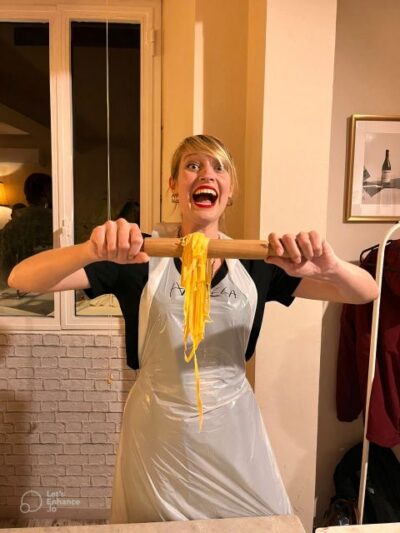
Rome: Pasta Making Class with Wine, Limoncello, and Dessert
Read our review →
Rome Cooking Class: Make Pasta and 3 Spritz Cocktails
Read our review →
Rome: 3-in-1 Fettuccine, Ravioli, and Tiramisu Cooking Class
Read our review →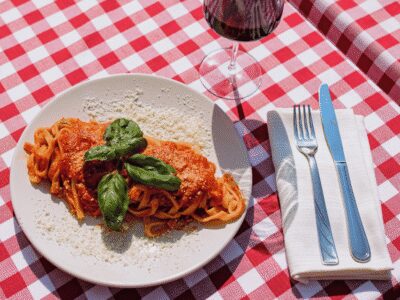
Rome: Fettuccine Pasta Cooking Class in Rome’s City Center
Read our review →Browse the lists this tour appears in