
Review · ATHENS
Local Home Cooking – A Taste of the Greek Islands in Athens
Five Greek recipes, an art-filled home, and a meal shared around a beautifully set table: this is a cooking class with a strong sense of place. Christo, a professional cook from Corfu, and Fotini, a self-taught cook, guide you through dishes from the islands and other parts of Greece.
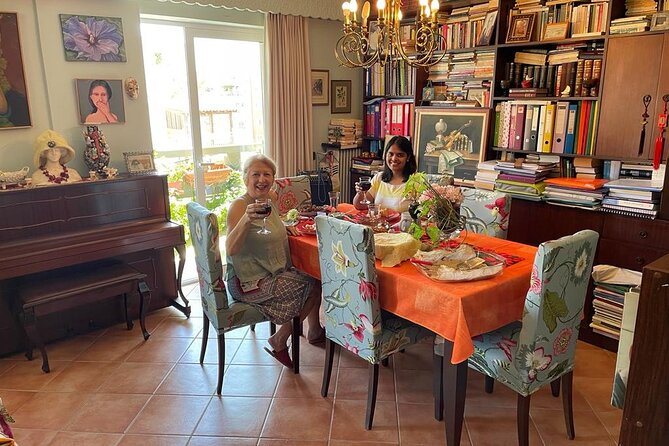
I especially like the island-focused menu, which includes parsley and caper salad from Syros and a black-eyed pea salad from Kimolos. I also like the warm, private setting, where original paintings, antiques, and vintage décor make the class feel more like a visit to a stylish Greek home than a standard food lesson. The main consideration is the price, $140 per person, and the fact that transportation is not included.
Key points at a glance
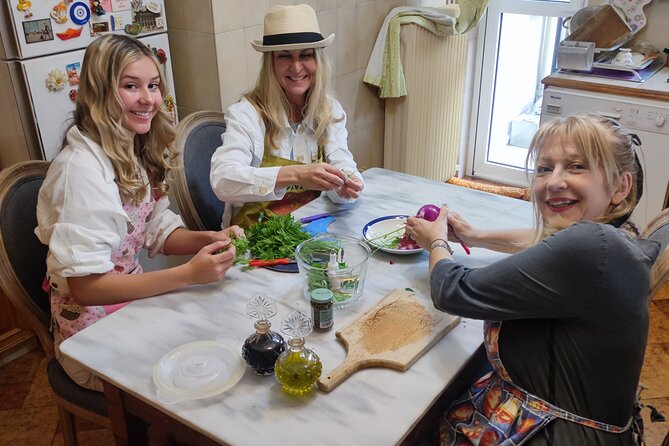
- Five traditional recipes: Prepare salads, feta pie, spiced meatballs, and a cocoa dessert.
- Greek island flavors: Taste recipes linked to Syros, Kimolos, and Corfu, along with dishes from elsewhere in Greece.
- Two personable hosts: Christo leads the cooking with professional experience, while Fotini brings a self-taught cook’s passion and a polished home setting.
- A three-hour private visit: Only your group takes part, making the pace more personal than a large class.
- Lunch or dinner: Choose the time that best fits your Athens plans.
- Shared table afterward: Eat what you make with one or two glasses of Greek wine, plus coffee, tea, or soda.
A Greek cooking class with a home at its center
Many cooking classes in Athens take place in commercial kitchens or restaurants. This one begins in a private home in Nea Smyrni, a southern Athens neighborhood, and that changes the mood from the start.
The home is filled with original paintings, antiques, and vintage pieces. The décor is not a side note. It is part of the experience, giving you plenty to look at while ingredients are prepared and food cooks. The dining room is set with the same care, so the final meal feels like a hosted occasion rather than a quick bite after class.
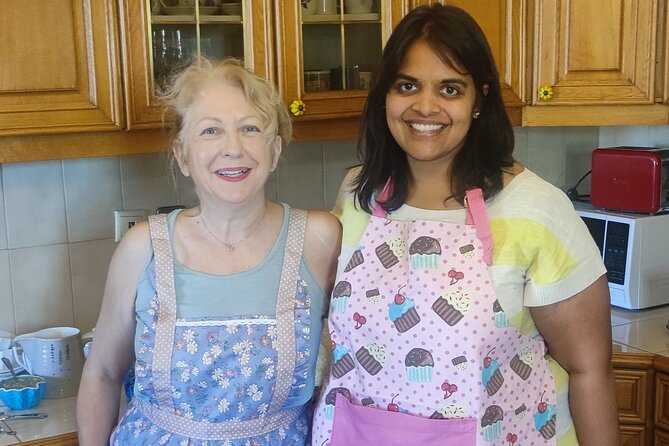
Christo and Fotini share the work. Christo comes from Corfu and is a professional cook. Fotini is self-taught and brings a personal, home-based approach to Greek food. Together, they offer both technique and context. You are not simply handed a recipe and told to copy it. You also hear how Greek food developed through local produce, island traditions, and the movement of people and ideas around the country.
The class is offered in English and lasts about three hours. Since it is private, only your group participates. That matters if you want to ask questions, work at a comfortable pace, or spend more time talking about a recipe that catches your interest.
More Home Cooking Classes in Greece
- Mykonos: Group Cooking Class at the Home of a Local Family
★ 5.0 · 166 reviews - Rethymno: Chrysoula’s Cretan Home Cooking Lessons
★ 5.0 · 98 reviews - Mykonos Home Cooking Class & Traditional Greek Meal with Angelina
★ 5.0 · 54 reviews
Starting with Greek food history
The cooking begins with an overview of Greek culinary history. This introduction helps connect the menu to the country itself.
Greek cuisine is not one fixed collection of dishes. Islands have their own ingredients and habits, while mainland regions use different combinations of grains, vegetables, herbs, meat, and dairy. Geography matters. Caper plants thrive in dry island conditions, legumes store well, and cheese pies reflect the long importance of sheep and goat milk in Greek cooking.
That background gives the recipes more meaning. When you prepare a caper salad from Syros or a black-eyed pea dish from Kimolos, you are not just learning two more things to put on a table. You are seeing how local ingredients and practical cooking shaped island food.
I like this historical opening because it gives you something to remember beyond the meal. A recipe is easier to recall when you know why it belongs to a particular place.
The class is suited to food-focused visitors who want more than a quick demonstration. If you prefer to spend all your Athens time among ancient monuments, the history talk may feel like an extra commitment. But if food is part of how you understand a country, this opening adds real value.
Maidanosalata from Syros
One of the first island recipes is maidanosalata, a traditional preparation from Syros. Its main ingredients are parsley, onion, caper, and garlic.
This is a useful introduction to the kind of food that makes Greek island cooking appealing. The recipe uses a short list of forceful ingredients rather than a complicated technique. Parsley gives it freshness, onion adds bite, capers bring a salty, sharp note, and garlic supplies warmth.
You will learn how these ingredients are brought together into a dish that can work as a starter or a side. The capers are especially important because they point directly to the dry island setting and the way Greek cooks make strong flavors from simple local products.
For you, this may be one of the most practical recipes to take home. It does not depend on rare equipment or an elaborate shopping list. It also shows how a small dish can carry a clear regional identity.
Tebelopita and the Greek pie tradition
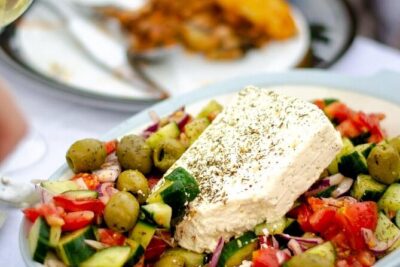
The menu also includes tebelopita, a traditional Greek pie made with feta cheese. Greek pies vary widely from region to region, and a feta-filled pie gives you a taste of that larger tradition.
The attraction here is both flavor and method. Feta brings salt and tang, while the pastry turns a few basic ingredients into a dish that feels substantial. Preparing a pie also gives the class a hands-on task that is different from mixing a salad or shaping meatballs.
The available information does not specify the exact pastry method or baking time, so you should expect guidance from the hosts rather than a rigid, printed demonstration. That is a plus if you like to learn by doing, though it may be less useful if you want a highly technical baking workshop.
This dish also works well in a shared meal. It can be eaten as a starter or alongside the other preparations, giving the final table a satisfying mix of textures.
More Greek Cooking Classes in Athens:
- Greek Cooking Class in Athens Including Rooftop Dinner with Acropolis View
★ 5.0 · 826 reviews - Greek Small-Group Athens Cooking Class & Dinner
★ 5.0 · 574 reviews - Athens: Greek Cooking Class & Dinner on a Rooftop
★ 5.0 · 383 reviews - Athens: Greek Cuisine Cooking Class and 3-Course Dinner
★ 4.8 · 270 reviews
Papoudia salad from Kimolos
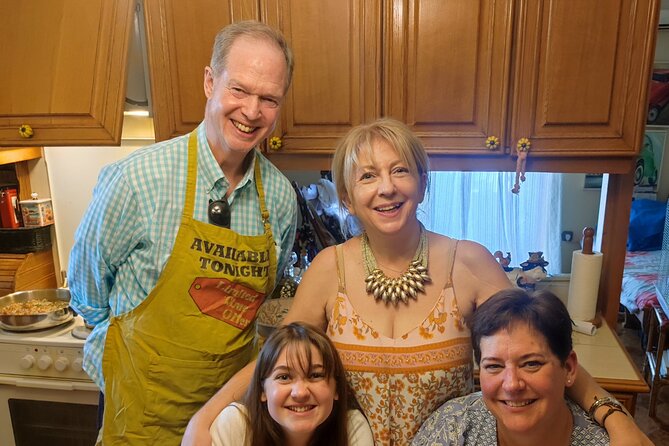
Papoudia salad brings the cuisine of Kimolos to the table. It combines black-eyed peas, rice, and vegetables.
This recipe shows another side of island food. Beans and rice are filling, affordable ingredients, and they become especially useful in dishes that can feed a household without relying on large amounts of meat. The vegetables add color and freshness, while the legumes provide substance.
I like the contrast between this salad and the maidanosalata. The Syros dish relies on herbs, capers, onion, and garlic. The Kimolos dish is more filling and grain-based. Together, they show why Greek island cooking cannot be reduced to one familiar plate of grilled meat, olives, and feta.
You also get a better sense of how everyday Greek food works. The menu includes dishes that could begin a meal, accompany a main course, or form part of a larger family spread. That makes the class more useful than a session built only around showy dishes.
Soutzoukakia, Greek meatballs in the oven
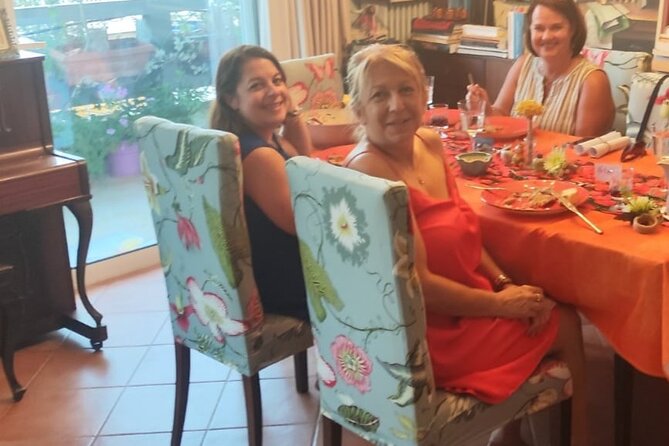
Soutzoukakia are Greek meatballs made with several spices and baked in the oven with tomato sauce and potatoes.
This is the heartiest part of the menu. The spices give the meatballs their character, while the tomato sauce provides moisture and a familiar Greek flavor. Potatoes cook with the dish, making it feel like a complete home meal rather than a small tasting portion.
Christo’s professional cooking background should be especially helpful here. Meatballs look easy, but seasoning, shaping, and cooking them properly all affect the result. You can watch how the mixture is handled and ask questions as you work.
The dish also balances the lighter salads and the feta pie. By the time you sit down, the menu has a clear rhythm: sharp and herbal flavors, a cheesy pie, a substantial salad, a spiced main dish, and a sweet finish.
Mossaiko for dessert
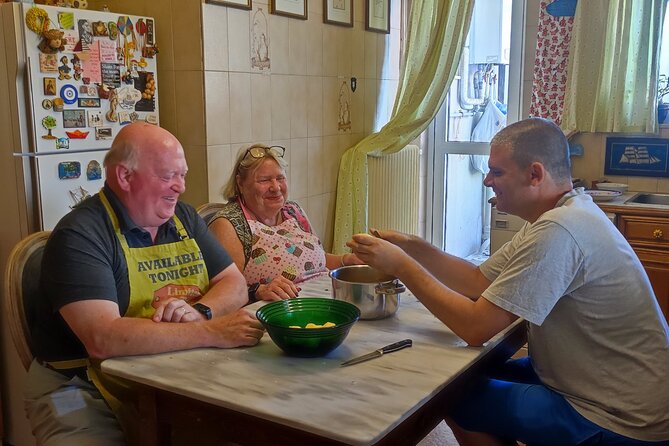
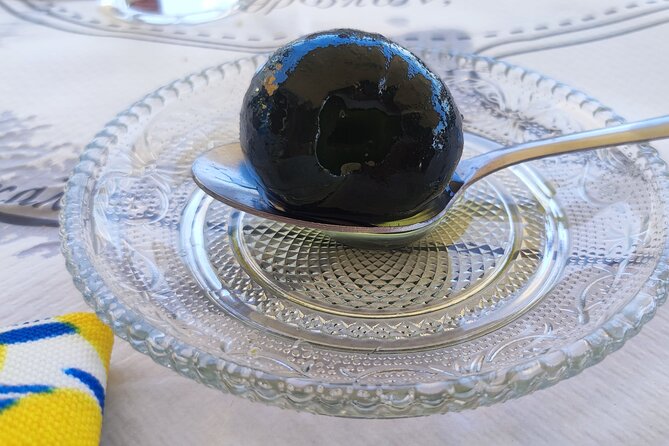
Dessert is mossaiko, a traditional Greek sweet made with cocoa.
The menu does not provide a full ingredient list, so you should not arrive expecting a pastry lesson or a complex plated dessert. Instead, this is a chance to finish with a familiar homemade Greek sweet after preparing the savory dishes.
Mossaiko is a fitting ending because it is linked to home cooking rather than restaurant ceremony. After working through five recipes, you sit down to something comforting and straightforward.
The shared dessert also helps the meal feel complete. You are not only learning separate recipes. You are building a full Greek menu, then eating it together in the hosts’ dining room.
Sitting down to a private Greek meal
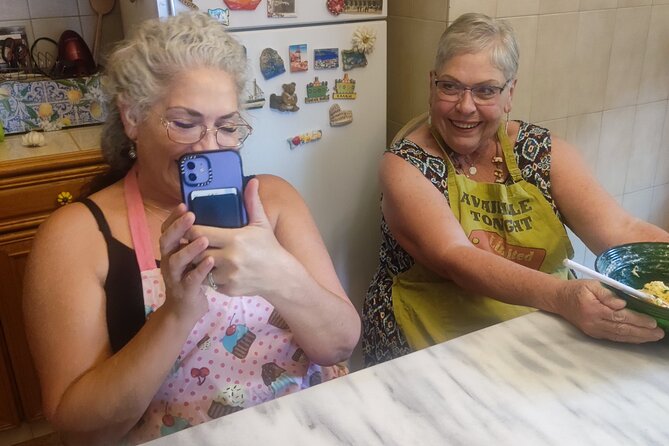
Once the cooking is finished, you eat in the home with Greek wine. The experience includes one or two glasses for adults who are at least 18, along with coffee or tea and soda.
The table setting is an important part of the evening. The dining room is described as elegant, with art and antiques around you, and the table is arranged with care. This gives the final meal a more formal feel without losing the warmth of a home visit.
That mix is one of the strongest reasons to book. The class is not only about taking food off a hot tray and leaving. You have time to talk with Christo and Fotini and enjoy what you made in a relaxed setting.
You should also keep your expectations practical. This is a three-hour activity, not a full-day culinary course. You will learn five recipes and hear about Greek food traditions, but the focus is on a shared experience rather than advanced chef training.
The private format makes conversation easier. If you are traveling as a couple, family, or small group, you can enjoy a meal that feels personal. Solo visitors are also welcome in principle, since the activity is private, though the exact group arrangements should be confirmed when booking.
What $140 includes
At $140 per person, this is not a budget meal. You are paying for more than the food itself, though.
The price includes the cooking class, ingredients for five recipes, the meal afterward, one or two glasses of wine, and nonalcoholic drinks. It also covers the hosts’ time, the private setting, the historical introduction, and the personal instruction.
I would judge the value based on what you want from Athens. If you are looking only for dinner, you can find cheaper options. If you want a private cultural activity that combines cooking, conversation, food history, and a meal in an art-filled home, the price is easier to justify.
The setting is also different from a standard restaurant. You are not simply buying a plate of food. You are spending about three hours with two hosts, preparing the menu yourself, and then eating it in their home.
Vegetarian food is available, which makes the class more flexible. The sample menu includes meatballs, so you should state your dietary needs when booking rather than assume the menu will be changed automatically.
Timing, meeting point, and practical planning
You can choose a lunchtime or dinnertime class. That is useful in Athens, where a morning visit to the Acropolis, an afternoon museum, or an evening walk can shape your schedule.
The meeting point is Ikoniou 100 in Nea Smyrni, Athens 171 23. The activity ends back at the same meeting point. Private transportation is not included, so you need to plan your own way there and back.
The experience is near public transportation, but no exact route or travel time is provided. Check your route before leaving, especially if you are coming from central Athens and have a fixed museum reservation or ferry connection later in the day.
Confirmation is provided at booking. Service animals are allowed, and most people can take part. The class is offered in English.
The cancellation policy is strict: the booking is non-refundable and cannot be changed for any reason. I would book only after your Athens plans are firm.
Who will enjoy this most
You should consider this experience if you:
- Plan meals around local food and want to understand how Greek recipes developed.
- Prefer a private activity to a large cooking group.
- Like meeting local hosts in a home rather than eating only in restaurants.
- Enjoy hands-on work and do not mind spending several hours on one meal.
- Want a break from museums and archaeological sites without leaving Athens.
- Appreciate art, antiques, and a carefully arranged dining room.
- Need a vegetarian option.
It may not suit you if you want a fast class, a professional kitchen setting, or advanced technical training. It is also less appealing if you dislike shared meals, home visits, or a menu built around traditional dishes rather than personal menu choices.
Should you book this Greek cooking experience?
Book it if you want Athens food with a personal face. The strongest parts are the private home, the five-dish menu, the island connections, and the chance to sit down with Christo and Fotini after cooking.
I would give it priority for a food-focused afternoon or evening, especially if you have already seen the main ancient sights and want a quieter cultural experience. The $140 price is fair for a private class with drinks and a full meal, but it is too high if you are measuring value by dinner alone.
Check your transport to Nea Smyrni, confirm any dietary needs, and book only when your schedule is settled. If those details work for you, this offers a thoughtful way to taste Greece beyond the usual restaurant menu.
FAQ
Where does the cooking experience take place?
It takes place at Estia Neas Smyrnis in Athens. The meeting address is Ikoniou 100, Nea Smirni 171 23, Greece.
How long does the experience last?
The activity lasts approximately three hours.
Is the class offered at lunchtime or dinnertime?
Yes. You can choose a lunchtime or dinnertime class.
Who leads the cooking class?
Christo, a professional cook from Corfu, and Fotini, a passionate self-taught cook, lead the experience.
What dishes will I prepare?
The sample menu includes maidanosalata from Syros, tebelopita with feta cheese, mossaiko made with cocoa, papoudia salad from Kimolos, and soutzoukakia baked with tomato sauce and potatoes.
Are drinks included?
Yes. Coffee or tea and soda are included. Adults aged 18 and over can have one or two glasses of wine.
Is a vegetarian option available?
Yes, a vegetarian option is available.
Is transportation included?
No. Private transportation is not included. The activity starts and ends at the meeting point in Nea Smyrni.
Can I cancel or change my booking?
No. The experience is non-refundable and cannot be changed for any reason.
More Home Cooking Classes in Athens
- Khmer Cooking Class at a Local’s Home in Krong Siem Reap
★ 5.0 · 2,731 reviews - Local Home Korean Cooking Class & Market Adventure in Seoul
★ 5.0 · 1,024 reviews - Marrakech: Moroccan Cooking Class with a Local Family
★ 4.9 · 668 reviews - Mexican Cooking from Scratch in a Local Home in Tulum
★ 5.0 · 585 reviews
Just added around Athens
- Hands On Greek Cooking Classes in Athens★ 5.0 · 7 reviews
- Athens: Traditional Vegan Cooking Class incl. Drinks★ 5.0 · 41 reviews
- Greek Meze Cooking class and dinner with an Acropolis view★ 5.0 · 41 reviews
- Pick Your Plates, Cook & Savor- Greek Cooking Class in Athens★ 5.0 · 8 reviews
- Athens Greek Cooking Class Pita Gyros from Scratch with a Local★ 5.0 · 175 reviews
- Cooking Class at Diamond Roof Garden★ 5.0 · 14 reviews
- Athens Central Market Tour and Greek Cooking Class with Penelope★ 5.0 · 4 reviews
- Cooking Class with Aspasia in the Heart of Athens★ 4.5 · 8 reviews
Greek Cooking Classes, compared.
Greek Cuisine Cooking Class in Santorini with Recipes and Wine
Read our review →
Greek Cooking Class in Athens Including Rooftop Dinner with Acropolis View
Read our review →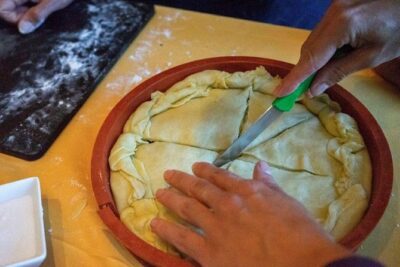
Greek Small-Group Athens Cooking Class & Dinner
Read our review →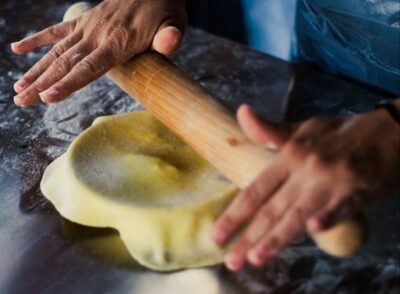
Athens: Greek Cooking Class & Dinner on a Rooftop
Read our review →
Athens: Greek Cuisine Cooking Class and 3-Course Dinner
Read our review →
Traditional Greek cooking class and lunch or dinner with an Acropolis view
Read our review →
Greek Cooking Class with a Local Chef, Wine, & Meal in Drios
Read our review →
Half-Day Greek Cooking Class of Zakynthian Culture with Lunch
Read our review →Browse the lists this tour appears in