
Review · ITALY
Parma: Private Pasta-Making Class at a Local’s Home
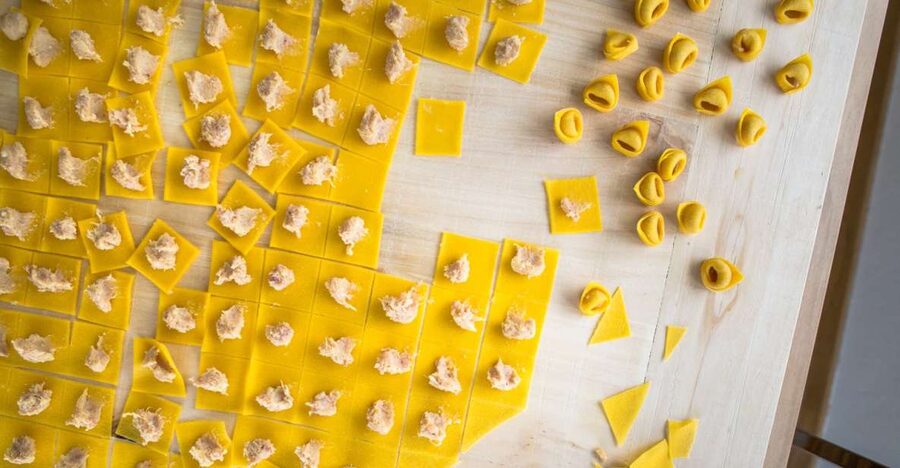
The best part of this Parma pasta class is the setting: you cook in a local person’s home, not in a polished restaurant kitchen. You’ll work through three regional pasta recipes, then sit down with your host to eat what you made. I like the private format and the chance to ask questions at your own pace. I also like that the meal includes local wine, coffee, and every dish prepared during the lesson.
The main thing to consider is the price, $164.26 per person. That is a serious outlay for a three-hour activity, but it covers a private class, ingredients, three pasta dishes, and drinks. You also receive the home address only after booking, so leave room in your plans to sort out the final meeting details.
Key points at a glance
- Three recipes in one class: You learn several regional pasta preparations rather than making only one dish.
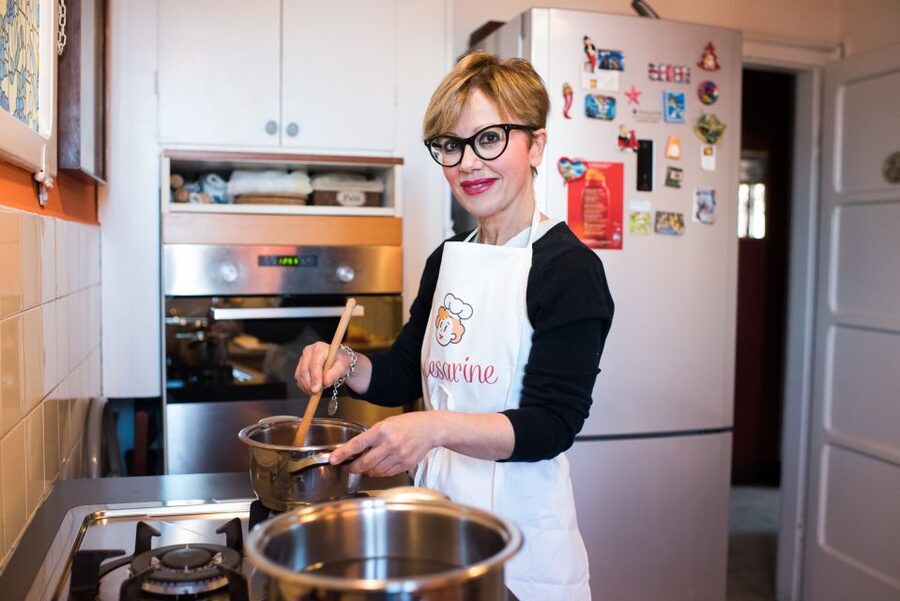
- A real home setting: Your host welcomes you into a private residence, creating a more personal meal than a standard group cooking school.
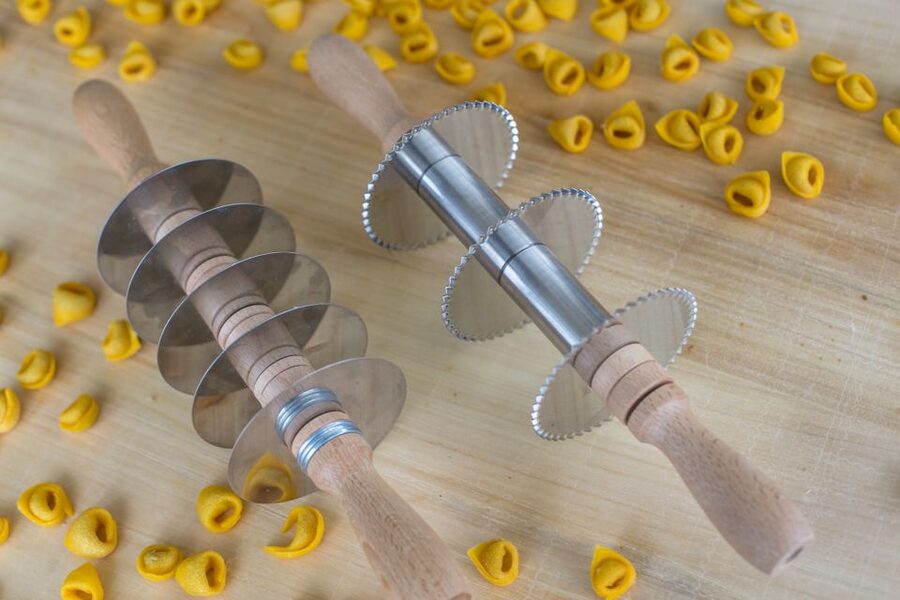
- Private instruction: You receive your own workstation, utensils, and ingredients, with room for questions and hands-on practice.
- Hosts with a personal touch: Past classes have been led by cooks including Maria, Cristina, and Maria Christina, with Enzo sometimes joining the meal.
- Wine served with your pasta: Local red and white wines accompany the food, along with water and coffee.
- Flexible dietary planning: Vegetarian, vegan, and gluten-free requests can be arranged if you give notice when booking.
Cooking pasta in a Parma home
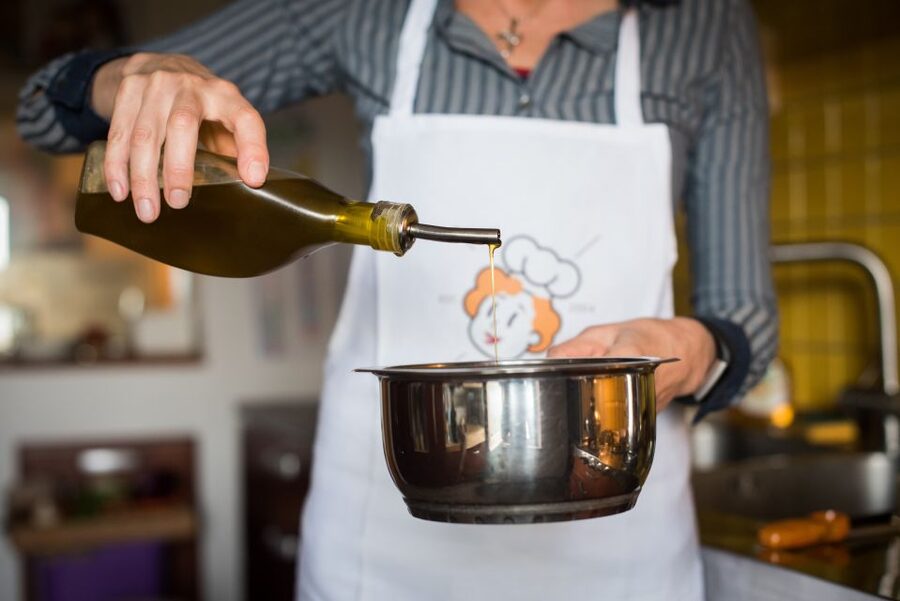
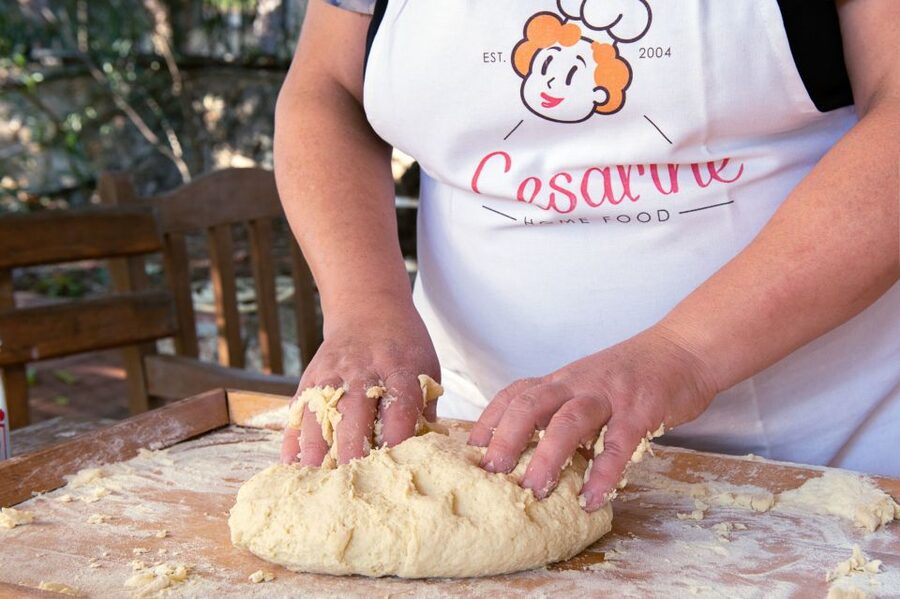
Parma is one of Emilia-Romagna’s great food cities, and this class gives you a practical way to meet that food culture at the kitchen table. You are not simply watching a demonstration. You work with the dough, follow the recipes, and eat the results while they are still the focus of the meal.
The class lasts three hours. That is enough time for a relaxed lesson and a proper tasting, without taking up an entire day of sightseeing. Morning sessions usually begin at 10:00 AM, while afternoon sessions usually begin at 5:00 PM. Availability controls the exact start time, so check the schedule before building the rest of your Parma day around it.
The host’s home is the meeting point and the finishing point. After booking, you receive the full address and a mobile number by email. On arrival, you ring the doorbell. This arrangement is personal, but it also means you should not expect a public landmark or a clearly marked cooking school. Save the address and contact details before you set out.
More Pasta Making Classes in Italy:
- Florence: Pasta Cooking Class with Unlimited Wine
★ 4.9 · 10,285 reviews - 3 in 1 Cooking Class near Navona: Fettuccine, Ravioli & Tiramisu
★ 5.0 · 7,376 reviews - Florence: Pasta & Tiramisu Cooking Class with Unlimited Wine
★ 4.9 · 6,708 reviews
Your own station, tools, and ingredients
Each participant has a workstation equipped with utensils and all the ingredients needed for the lesson. That matters because you spend the class doing the work rather than standing behind someone else and trying to see over a crowded counter.
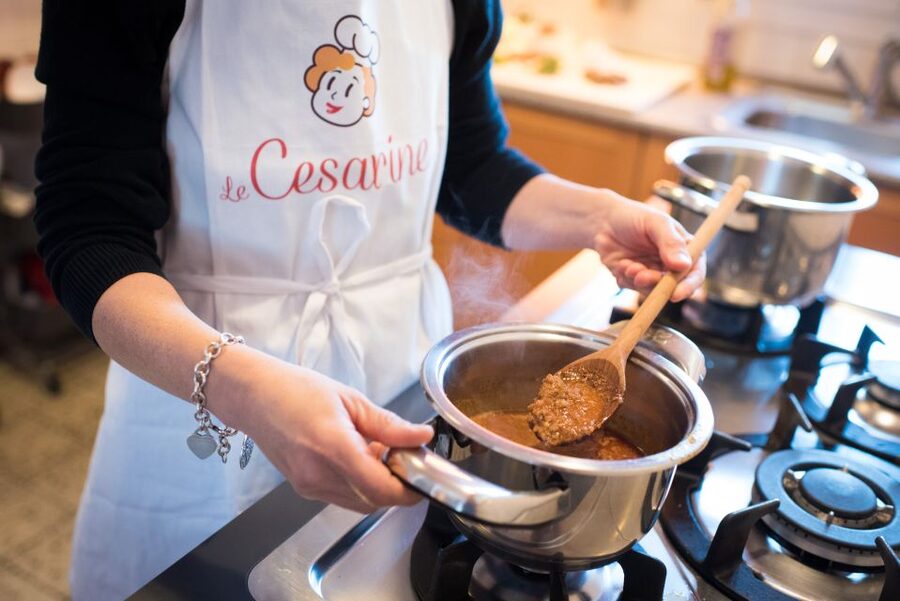
Your host guides you through three authentic regional recipes. The precise recipes can vary with the local cook, so do not book this expecting a fixed menu. That variation is part of the appeal. Family cookbooks and household methods can show you how pasta is actually made in the area, rather than giving you a generic recipe designed for a large class.
I like this format for cooks who want useful skills to take home. You can ask about texture, timing, shaping, and the small adjustments that are hard to learn from a printed recipe. The instruction is available in English or Italian, and the private group format gives you more space to stop and clarify a step.
The class is also suitable for different skill levels. You do not need to arrive as an accomplished cook. The point is to put your hands to the ingredients and learn through the process. At the same time, an experienced home cook may appreciate the chance to compare methods with someone who uses these recipes in a family setting.
Three regional recipes, then lunch or dinner
The meal is the second half of the class, not an afterthought. Once the pasta is ready, you taste all three dishes you prepared around the table. This gives the session a clear rhythm: work first, eat together afterward.
You receive water, local red and white wines, and coffee. The wine is a useful part of the meal because it lets you sample the food in the way an Italian host might serve it at home. If you do not drink wine, water is included, but the provided details do not state whether nonalcoholic alternatives beyond water can be arranged. Ask the local partner if that matters to you.
The menu is not described in advance beyond the three local pasta dishes, so diners looking for a particular specialty should ask before booking. This is a small tradeoff for a class that uses the host’s own regional recipes. You get a personal menu, but not the same predictable dish list offered by a restaurant or formal culinary school.
The meal also gives you time to talk. This is where the home setting earns its keep. Food prepared at a shared table naturally opens the door to questions about family cooking, local habits, and the recipes in the host’s collection. The supplied information does not promise a full cultural talk, but the format leaves room for a genuine connection with the people teaching you.
The hosts make the difference
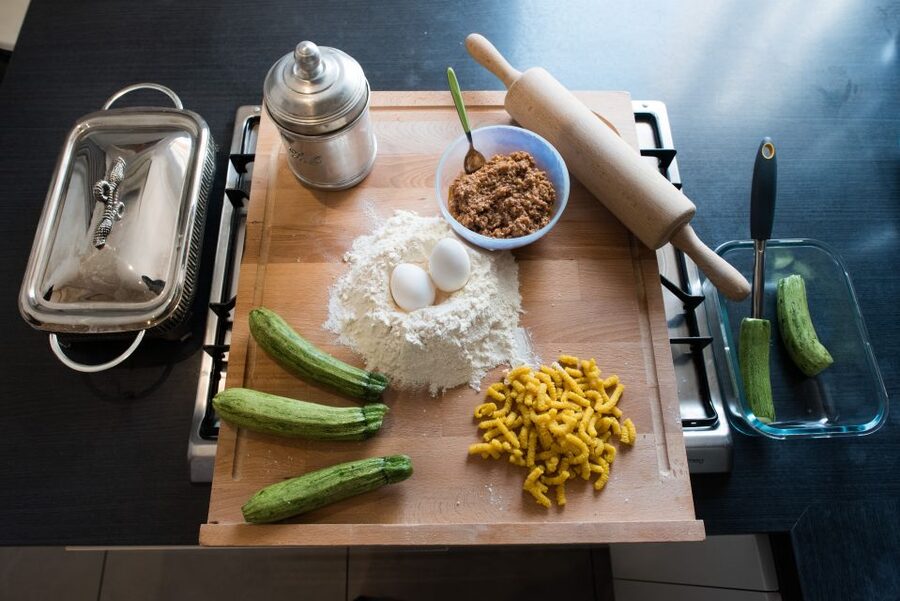
The cooking quality matters, but the personality of the host can shape the whole afternoon or evening. The class has been led by cooks such as Maria, Cristina, and Maria Christina. Their teaching styles may differ, which is worth remembering because this is a host-led home experience rather than a single branded kitchen with one fixed instructor.
Maria Christina is described as having a clear routine for guiding people through pasta production. That can be helpful if you prefer a lesson with a steady order and plenty of direction. She is also noted for using fresh ingredients and for being patient and considerate during the class.
One session with Maria included her husband, Enzo, at the meal. That kind of family participation is one of the pleasures of eating in a private home, although it should not be treated as a guaranteed part of every booking. Cristina is another possible host, and her approach is described as kind, patient, and attentive to cooking traditions.
I would choose this class if the human side of food matters as much to you as the recipe itself. If you want a highly standardized lesson with a fixed menu, timed stations, and a commercial kitchen, this may feel less predictable. If you prefer an intimate table and a teacher who can adjust the pace, the private format is a strong fit.
More Hands-On Workshops in Italy:
- Florence: Pasta Cooking Class with Unlimited Wine
★ 5.0 · 6,413 reviews - Naples: Pizza-Making Workshop with Drink and Appetizer
★ 4.9 · 5,411 reviews - Cooking Class and Lunch at a Tuscan Farmhouse with Local Market Tour from Florence
★ 5.0 · 4,831 reviews - Authentic Pizza Making Class in Naples with Appetizers and Drink
★ 5.0 · 3,178 reviews
What $164.26 per person really buys
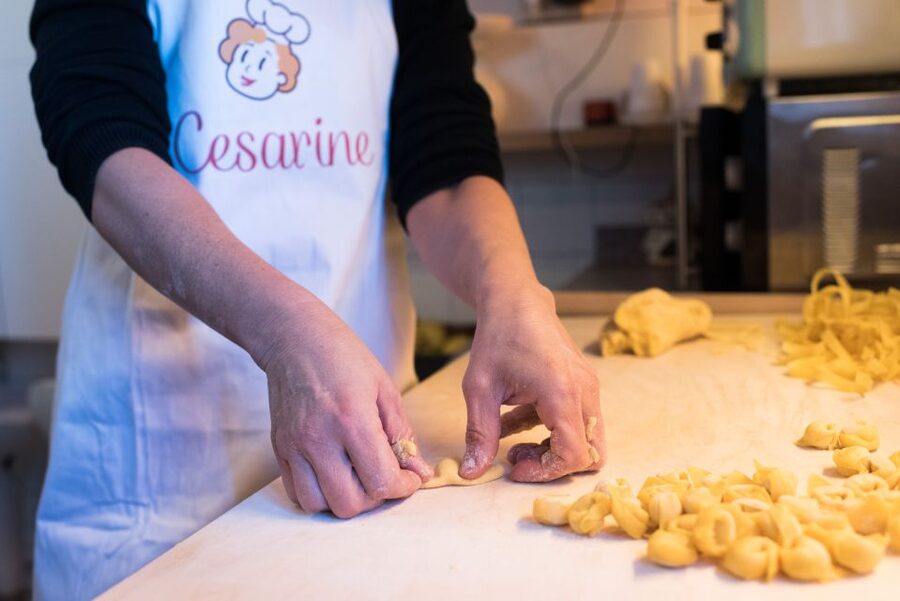
At $164.26 per person, this is not a budget meal. You are paying for more than pasta and wine, though. The fee includes a three-hour cooking class, all required ingredients and utensils, a tasting of three pasta dishes, water, local red and white wine, and coffee.
The private group arrangement is important when judging the price. You are not sharing a large class with strangers, and each participant has a dedicated workstation. For a couple, family, or small private party, that can make the cost feel more reasonable because the teacher’s attention is directed at your group.
I would compare it with the cost of a special restaurant meal plus a separate cooking activity. Here, the meal and the instruction are joined together, and you take away recipes and techniques rather than only a bill and a full stomach. Still, value depends on your priorities. If you mainly want an inexpensive meal, choose a trattoria. If you want food, instruction, and personal contact in one sitting, the fee is easier to justify.
The price does not include details about transport to the home, so plan to reach the meeting point yourself unless the local partner tells you otherwise. Since the address arrives only after booking, do not assume you can judge its convenience from the main city map beforehand.
Planning your morning or afternoon
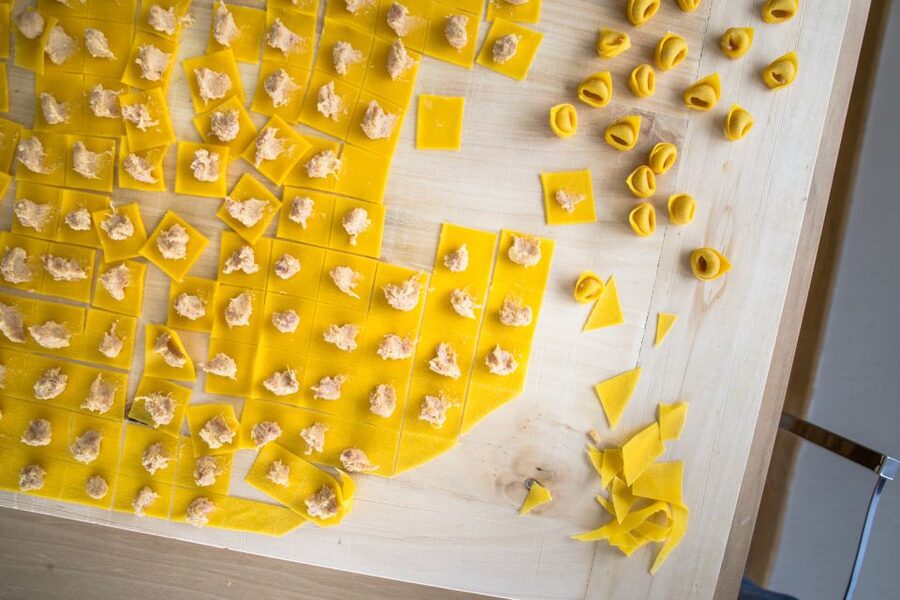
The two usual start times make this easy to fit into a Parma visit. A 10:00 AM class should finish around early afternoon, while a 5:00 PM class should carry you into the evening meal period. Since the activity ends back at the home, allow time afterward to return to your accommodation or continue your plans.
Tell the host about dietary needs when you book. Vegetarian, vegan, and gluten-free requests can be accommodated upon request, but advance notice is essential. The more specific your needs, the more useful it is to provide them before the class rather than at the door.
The private format may also suit families or friends who want to cook together without being placed with an unknown group. The available information does not give a minimum age or a specific maximum group size, so ask about those points if you are booking for children or a larger party.
The class is available in English and Italian. If your Italian is limited, English instruction is offered. If you speak Italian, you may enjoy the chance to use it in a relaxed household setting, but you do not need it to take part.
Who will enjoy this class most
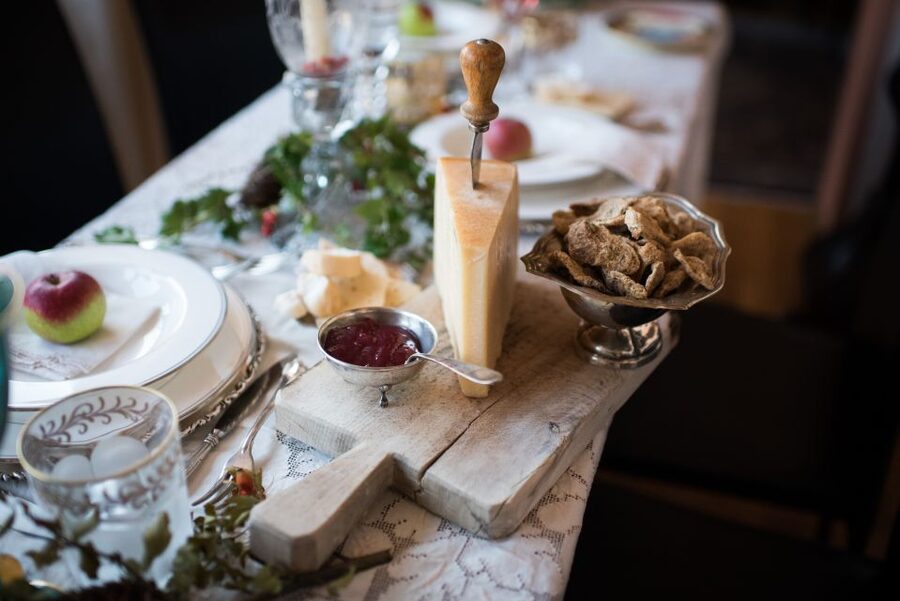
I would recommend this activity to you if you value local contact and want to learn by doing. It suits couples, friends, and families who enjoy sitting down to a shared meal after a hands-on activity.
It is also a good choice for anyone who wants more than a cooking demonstration. You get your own tools and ingredients, prepare three dishes, and taste the full result. That makes the experience useful for both curious beginners and home cooks who want regional ideas.
You may want to skip it if your schedule is extremely tight, if the $164.26 price is above your activity budget, or if you need a fully fixed menu confirmed before booking. The private-home address is also supplied only after purchase, so people who prefer a public, easy-to-find venue may find the arrangement less convenient.
For a special occasion, the class has a strong appeal. A shared meal in a host’s home can feel more personal than another restaurant reservation, especially when the host’s family takes part in the table conversation. Just remember that named hosts and family participation can vary by booking.
Useful booking details before you commit
Free cancellation is available up to 24 hours before the activity for a full refund. You can also reserve now and pay later, which helps if your Parma schedule is still changing.
The exact address and the host’s mobile number are sent by email after booking. Check your confirmation carefully, and keep those details handy on the day. The host’s home is both the start and end point, and you should ring the doorbell when you arrive.
Ask about your preferred start time if 10:00 AM or 5:00 PM does not work. Some flexibility may be possible when you contact the local partner in advance, but it is not automatic.
Should you book the Parma pasta class?
Book it if you want a private, hands-on food experience with three regional recipes and a meal in a local home. The strongest reasons are the personal instruction, the dedicated workstation, and the chance to eat everything you prepare with wine and coffee.
I would hesitate only if you are focused on low cost, need a guaranteed menu, or dislike arranging your way to a private address. For most food-focused visitors, the class offers a memorable way to spend three hours in Parma, with enough cooking to feel worthwhile and enough time at the table to make it social.
FAQ
How long does the Parma pasta-making class last?
The class lasts three hours.
Where does the cooking class take place?
It takes place in your host’s private home. The full address and a mobile number are sent by email after booking.
Where does the activity end?
The activity ends back at the host’s home, which is also the meeting point.
What time does the class usually begin?
The class usually begins at 10:00 AM or 5:00 PM. Some flexibility may be possible if you contact the local partner in advance.
How many pasta recipes will I prepare?
You will learn and prepare three authentic regional pasta recipes.
What is included with the meal?
The experience includes a tasting of the three pasta dishes you prepare, water, local red and white wines, and coffee.
Is the class private?
Yes. It is offered for a private group.
Which languages are available?
Instruction is available in English and Italian.
Can dietary requirements be accommodated?
Yes. Vegetarian, vegan, gluten-free, and other dietary requirements can be accommodated upon request. Tell the local partner about your needs when booking.
Just added around Italy
- Perugia: Cooking Class at a Local’s Home★ 5.0 · 3 reviews
- Pescara: Authentic Cooking Class at a Local’s Home★ 5.0 · 4 reviews
- Pasta Cooking Class in a Garden near Pompeii★ 5.0 · 10 reviews
- Pasta Cooking Experience in Florence★ 4.8 · 139 reviews
- Pasta & Tiramisù: Cook, Lunch & Beach Day in Amalfi Coast!★ 5.0 · 12 reviews
- Pasta Cooking Class with Pesto Sauce Making in Rome Center★ 4.6 · 9 reviews
- Partinico: Pizza-Making Class on an Organic Farm with Wine★ 5.0 · 4 reviews
- Parma: Private Cooking Class at a Local’s Home★ 5.0 · 3 reviews
Pasta Making Classes, compared.
Florence: Pasta Cooking Class with Unlimited Wine
Read our review →
3 in 1 Cooking Class near Navona: Fettuccine, Ravioli & Tiramisu
Read our review →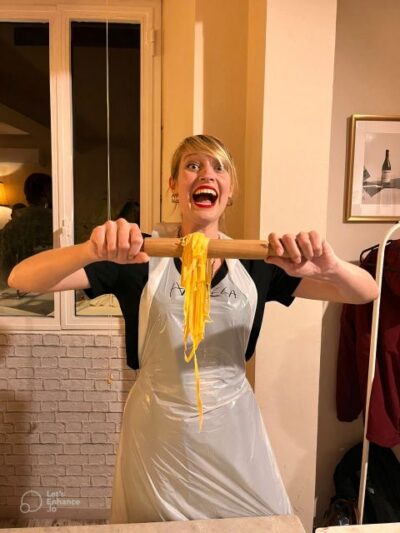
Rome: Pasta Making Class with Wine, Limoncello, and Dessert
Read our review →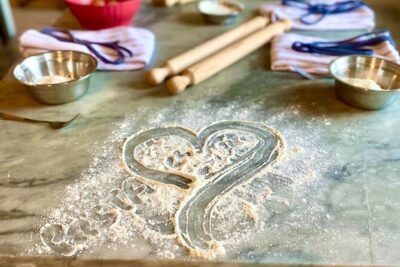
Rome Cooking Class: Make Pasta and 3 Spritz Cocktails
Read our review →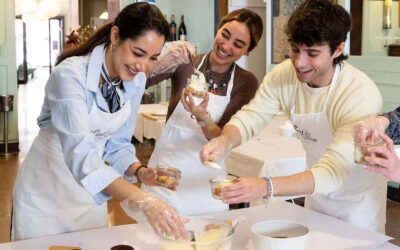
Rome: 3-in-1 Fettuccine, Ravioli, and Tiramisu Cooking Class
Read our review →
Rome: Fettuccine Pasta Cooking Class in Rome’s City Center
Read our review →Browse the lists this tour appears in