Review · ROME
Pasta and tiramisù Cooking class with Wine at Piazza Navona
The best part of this class is that you make the pasta by hand, using the old Roman formula of flour and one egg. You knead, roll, and shape the dough, then sit down in the restaurant to eat it with sauce, wine, and your own tiramisu.
I like the small, friendly teaching style, especially for families and first-time cooks. I also like that you receive recipes to use at home, along with a limoncello toast and certificate. The main consideration is that you prepare the pasta and dessert, but the restaurant staff prepare the sauces. Vegans and wheelchair users should choose another activity.
Key points at a glance
- Fresh pasta from two simple ingredients: You work with flour and egg, then knead, roll, and shape the dough yourself.
- Tiramisu comes first: Making the dessert early gives it time to chill before your meal.
- Chefs keep the class easygoing: Alfons, Lucas, and Ricardo have been praised for patience, humor, and clear instruction, though the chef may vary.
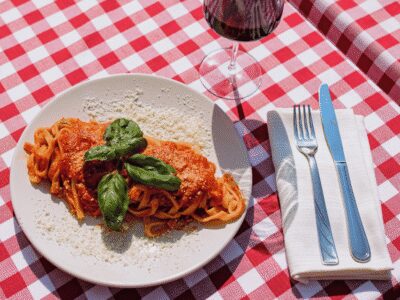
- You eat in the restaurant afterward: Your pasta is cooked and served with a sauce, followed by tiramisu and wine.
- Good for families: Children under seven may join free when sharing a workstation with an adult.
- A practical Roman souvenir: You leave with recipes, a participation certificate, and skills you can repeat at home.
Making pasta by hand near Piazza Navona
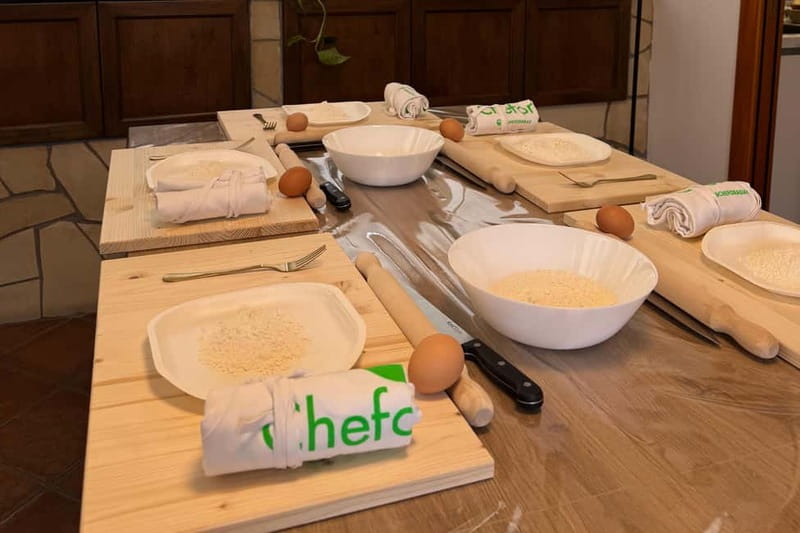
This is a cooking class in the heart of Rome, close to Piazza Navona. The setting matters because you can pair the two-hour session with a walk through one of the city’s most appealing central districts, rather than spending a half-day traveling across town for the lesson.
The class focuses on two Italian staples: fresh pasta and tiramisu. That is a sensible combination. Pasta gives you a hands-on savory task, while tiramisu offers a different set of skills involving texture, mixing, and timing.
You do not need to be an experienced cook. The instructions are designed for beginners, and the chef demonstrates each step before you try it. If you already cook at home, you will still pick up useful details about dough texture, pasta shapes, and the consistency of the tiramisu mixture.
The class is sold as a group activity, but the size may vary. Some sessions have been small enough to feel nearly private, while others have included families and couples. That can work in your favor: a small group allows more personal help, while a larger one may feel more social.
More Cooking Classes with Wine Tasting in Italy
- Rome: Pasta Making Class with Wine, Limoncello, and Dessert
★ 4.9 · 3,177 reviews - Fettuccine & Tiramisù: Cooking Class with Wine & Limoncello
★ 4.9 · 2,103 reviews - Pasta Making & Wine Tasting with Dinner in Frascati from Rome
★ 5.0 · 1,326 reviews
Why the tiramisu starts the lesson
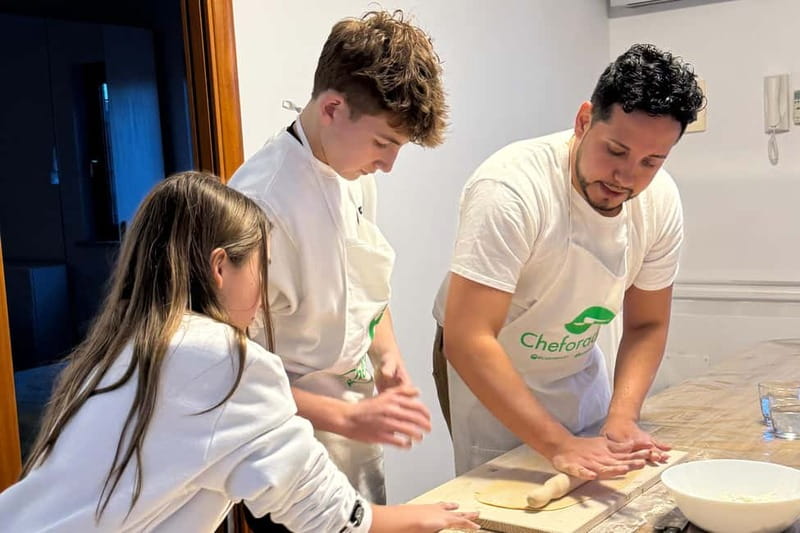
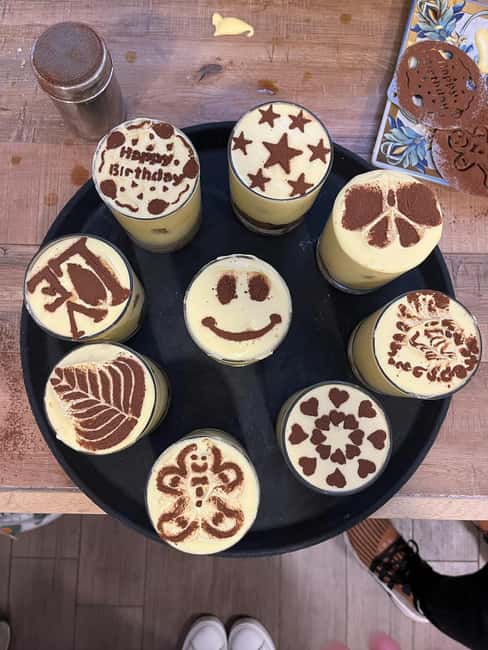
The class may begin with tiramisu rather than pasta. This is not just a way to change the order of the menu. The dessert needs time to rest and chill, so preparing it first gives the flavors and texture time to develop while you work on the pasta.
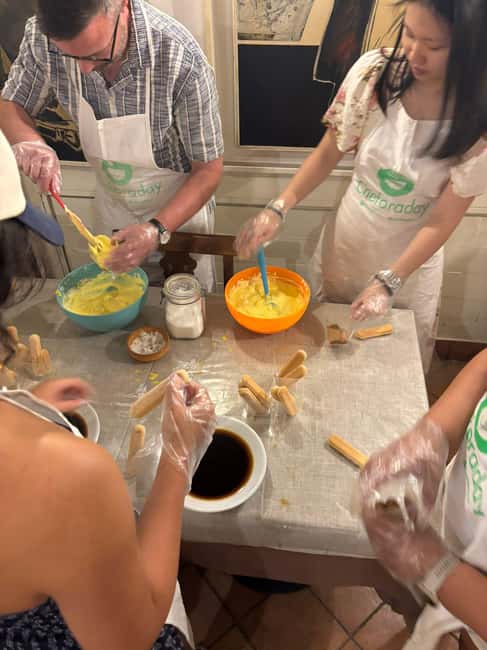
You help prepare a classic tiramisu using fresh ingredients and the original Italian recipe. The chef guides the group through the process, and participants may be invited to mix different parts of the dessert. This keeps the activity shared rather than turning it into a demonstration where you only watch.
The chef also uses tasting as part of the instruction. You can check the mixture as you go, which helps you understand what the right texture should be. That is useful when you make the recipe later without someone beside you to correct you.
For families, this is one of the stronger parts of the class. Children can help with mixing and simple preparation, and the chefs have been especially good at bringing younger participants into the activity. Children under seven may attend free, but they must share a workstation with an accompanying adult.
The practical drawback is that recipes and ingredients are not described in detail before booking. If you have an allergy or dietary need, tell the provider in advance. Vegans cannot take this class.
The pasta lesson: flour, egg, and patient hands
After the tiramisu, you turn to the pasta. The dough is made from flour and egg, following a traditional Italian method rather than relying on prepared dough or a machine-made demonstration.
You knead the mixture, working it until it becomes smooth enough to roll. The chef shows you how to handle the dough and explains why a gentle touch matters. One useful lesson repeated in the classes is that pasta dough needs to be massaged rather than roughly beaten.
You then roll and shape the pasta. The exact shape can depend on the lesson and the group, but fettuccine is included in several descriptions of the activity. The chef may also demonstrate other shapes, giving you a better sense of how one dough can become several kinds of pasta.
This is the part where the class feels most like a real workshop. You are not simply watching a chef prepare lunch. Your hands are covered in flour, your dough may look uneven at first, and you get immediate help when something does not seem right.
That said, your finished pasta is not necessarily prepared entirely by you from start to finish. After the group completes the dough and shapes the pasta, the restaurant kitchen handles the sauce and cooks the meal. The sauce preparation is not part of the lesson. This is important if you are looking for a full restaurant-kitchen course.
Choosing the sauce and eating your own work
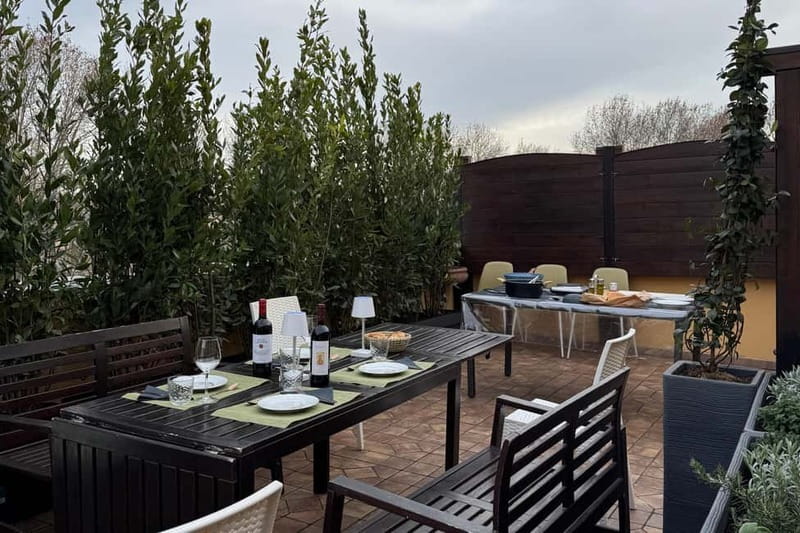
Once the pasta is ready, you select a sauce from the available choices. The kitchen staff prepare it, then your pasta is served restaurant-style. Carbonara has been a popular choice in past classes, but the available sauces may depend on the session.
This arrangement gives you the best of two formats. You get the fun and satisfaction of making the pasta, but you do not have to wait around while a cooking group tries to prepare every sauce separately. It also means the final dish is handled by a restaurant team familiar with timing and service.
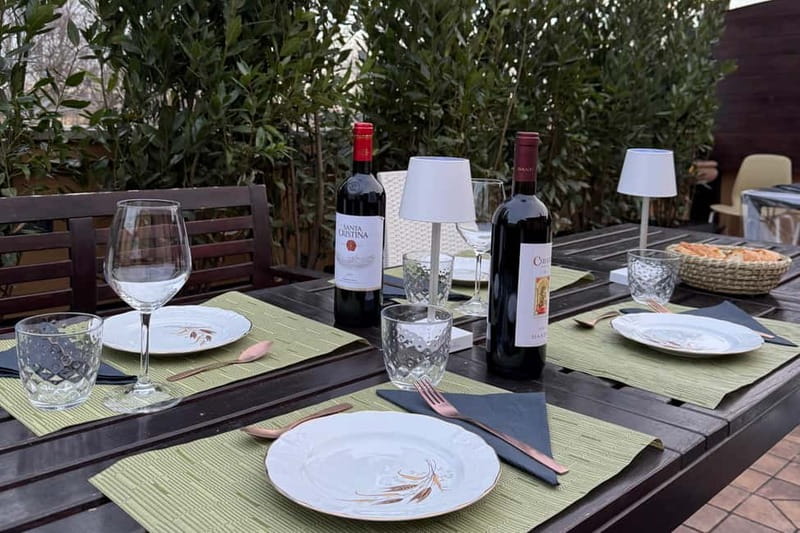
Your meal includes the fresh pasta with sauce, tiramisu, water, and red or white wine. A limoncello toast finishes the class. Extra food and additional drinks cost more, so do not assume that the included meal covers a full evening of dining beyond the dishes prepared in class.
The food is served after the practical work, which gives the class a pleasant rhythm. You cook first, then relax at the table. If you book this as your main meal, arrive ready to eat, but do not expect a large multi-course dinner.
One small detail adds to the group atmosphere: participants may write their names on paper tags to identify their pasta portions. It is a simple touch, but useful when several people are working side by side.
More Cooking Classes with Wine Tasting in Rome
- Rome Cooking Class: Make Pasta, Dine & Drink Wine With Local Chef
★ 5.0 · 1,263 reviews - Rome: Combo Pizza and Pasta Cooking Class with Wine
★ 4.6 · 1,180 reviews - Rome: Pasta Making with Wine Tasting and Dinner in Frascati
★ 4.9 · 979 reviews - Rome: Pizza & Tiramisu Class with Free Flowing Fine Wine
★ 5.0 · 973 reviews
The chefs make the difference
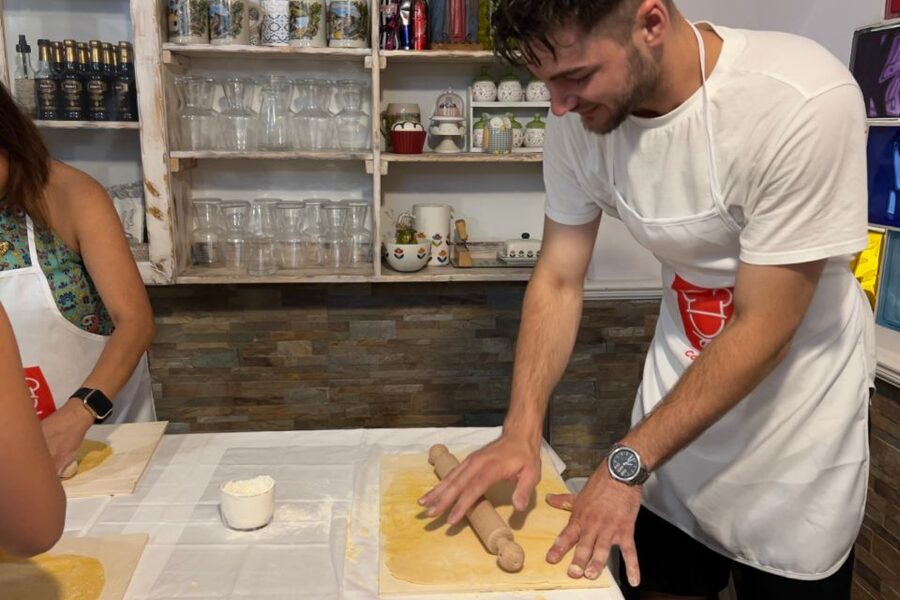
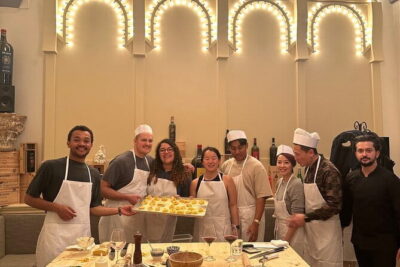
The teaching style is a major reason to book this class. In past sessions, Alfons, also referred to as Alfonso, has been praised for being patient, funny, and attentive. He has worked well with both adults and children, and he has sometimes offered suggestions for restaurants and places to visit in Rome after the lesson.
Lucas has also led lively classes, bringing energy and humor without making beginners feel awkward. Ricardo has been praised for making people feel welcome from the moment they arrive and for involving different participants in the tiramisu preparation.
The instructor for your date may be someone else, and the class is offered in English and Spanish. Still, the repeated pattern is clear: the lesson depends heavily on the chef’s personality. That is normal for a small cooking class. A good instructor can turn a simple recipe into a memorable afternoon, while a quieter group may get a more focused lesson.
The teaching is not formal culinary school instruction. You are learning useful home-cooking techniques, Italian food traditions, and the logic behind the recipes. The tone is relaxed and social, with plenty of encouragement.
You can ask questions as you work. That makes the class a good fit if you want to understand why a step matters rather than merely copy a list of instructions.
A strong choice for families in Rome
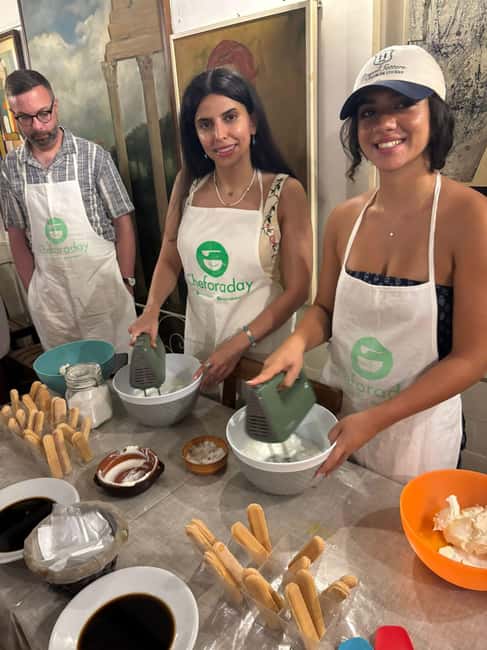
Families have a lot to gain from this activity. The session lasts two hours, which is long enough to feel worthwhile but short enough for children to manage. Younger children can share an adult’s workstation, and the chefs have made a point of giving children active jobs rather than leaving them on the sidelines.
The food is also familiar enough for many children to enjoy. Fresh pasta and tiramisu are easier to sell to a young audience than a formal museum visit or a long historical tour. At the same time, adults get a real activity rather than simply supervising.
The class has worked well for children around ages four through fourteen in past sessions. That does not guarantee every child will enjoy every step, but the hands-on format gives families a better chance of holding their attention.
Parents should remember that this is still a working food activity. Small children need to share a station with an adult, and the group must arrive on time. If your children are tired after a full day of sightseeing, book the class at a time when they are most likely to participate.
Couples and solo visitors can enjoy it too. A small group can make the activity feel personal, and a quiet session may even become a private class if the minimum number is not reached. However, do not book on the assumption that a private lesson is guaranteed.
Is $55 a fair price?
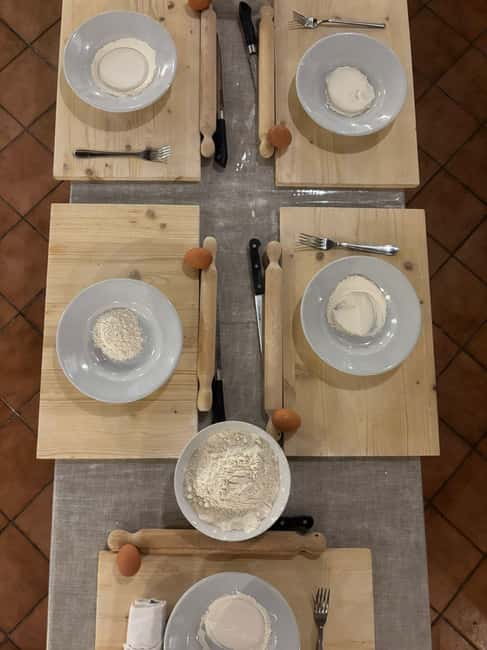
At $55 per person, the value is solid if you want both an activity and a meal near central Rome. The price includes the instructor, ingredients, equipment, fresh pasta, sauce, tiramisu, water, wine, limoncello, recipes, and a certificate.
The comparison is not simply between $55 and the price of a plate of pasta. You are also paying for two hours of guided instruction, food preparation, a restaurant setting, and the chance to repeat the dishes at home.
The value is best for you if you enjoy participating in your meal. If you only want to eat pasta near Piazza Navona, a restaurant will be simpler and may cost less. If you want to learn a Roman cooking tradition while spending relaxed time with a chef, the class makes more sense.
The recipes add lasting value. You can take them home and try again, which gives the activity a life beyond your Roman holiday. The certificate is more of a souvenir than a serious qualification, but it is a pleasant reminder of the session.
Extra drinks and food are not included. Take-away olive oil, limoncello, cheese, and cold cuts are also excluded. Keep that in mind if you are tempted by additional items at the restaurant.
What the two hours feel like
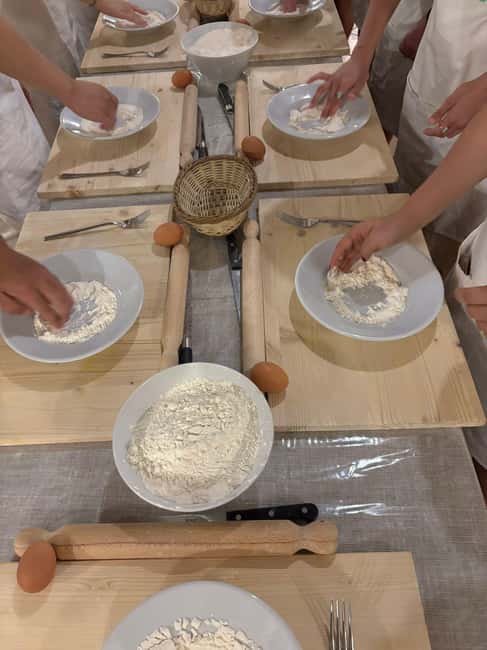
The class moves through a clear sequence:
- You arrive, wash your hands, and get settled at the workstation.
- You help make the tiramisu, with the chef explaining the ingredients and texture.
- You prepare the pasta dough with flour and egg.
- You knead, roll, and shape the pasta.
- The restaurant staff prepare the sauce and cook the pasta.
- You sit down to eat the pasta and tiramisu.
- Wine and a limoncello toast complete the meal.
The pace is active but not meant to feel rushed. A well-run session starts on time and finishes within the stated two-hour period, which matters if you have evening plans or a timed attraction afterward.
Arrive 15 minutes early. Late arrivals may not be admitted and could be moved to the next available session, with a €15 rescheduling fee per person. This is one place where Rome’s relaxed street life should not influence your timing. Find the meeting point early, especially if you are coming from a busy sightseeing schedule.
The minimum number of participants must be reached. If it is not, you will be offered another date or a full refund. That is a standard group-activity condition, but it is worth remembering if the class is central to a tightly planned day.
Who should book this cooking class?
I would choose this class for families, couples, first-time pasta makers, and anyone who wants a food activity close to Piazza Navona. It is especially good for people who enjoy learning by doing and want a meal at the end rather than a purely instructional workshop.
It also suits visitors who want a quieter break from monuments. Rome can fill a day with churches, ruins, and crowded streets. Two hours at a kitchen workstation gives you a different way to connect with Italian culture.
I would be more cautious if you are vegan, use a wheelchair, need a fully private class, or want to learn how to prepare the sauces as well as the pasta. The class does not cover sauce preparation, and access is not suitable for wheelchair users.
The wine and limoncello make the activity more appealing for adults, while children can join the food preparation. If anyone in your group does not drink alcohol, water is available throughout the class.
Should you book it?
Book it if you want a friendly, practical food lesson with a proper meal at the end. The strongest reasons are the hands-on pasta work, the child-friendly teaching, the recipes to take home, and the warm style associated with chefs such as Alfons, Lucas, and Ricardo.
Do not book it expecting a complete professional cooking course or a lesson on sauce-making. The restaurant staff handle the sauces, and the class is built around pasta dough and tiramisu.
For $55, I think it is a good Rome activity, particularly for families and couples who want something more memorable than another restaurant meal. Arrive early, bring an appetite, and treat it as both a cooking lesson and a relaxed lunch or dinner near Piazza Navona.
FAQ
How long does the cooking class last?
The class lasts two hours.
Where does the activity take place?
It takes place in Rome’s Lazio region, near Piazza Navona.
What languages does the instructor speak?
The class is offered in English and Spanish.
What food will I make?
You will make fresh pasta from flour and egg, along with classic tiramisu.
Who prepares the pasta sauce?
The restaurant staff prepare the sauces. Sauce preparation is not part of the participant lesson.
Is wine included?
Yes. Red or white wine is included, along with water and a limoncello toast.
Can children join the class?
Yes. Children under seven may join free, but they must share a workstation with an accompanying adult.
Is the class suitable for vegans or wheelchair users?
No. The activity is not suitable for vegans or wheelchair users.
More Pasta Making Classes in Rome
- Rome Cooking Class: Make Pasta and 3 Spritz Cocktails
★ 5.0 · 2,937 reviews - Rome: Fettuccine Pasta Cooking Class in Rome’s City Center
★ 4.8 · 2,414 reviews - Pasta Cooking Class Near the Colosseum with 3 Spritz Cocktails
★ 5.0 · 1,686 reviews - Enjoy Spritz and Pasta Making in Piazza Navona
★ 5.0 · 1,681 reviews
More Dessert Classes in Rome
- 3 in 1 Cooking Class near Navona: Fettuccine, Ravioli & Tiramisu
★ 5.0 · 7,376 reviews - Rome: 3-in-1 Fettuccine, Ravioli, and Tiramisu Cooking Class
★ 4.9 · 2,704 reviews - Rome: Pasta & Tiramisu Cooking Class near the Spanish Steps
★ 4.8 · 1,395 reviews - Cooking Class in the Heart of Rome: Pizza and Tiramisu Making
★ 5.0 · 1,330 reviews
Just added around Rome
- Testaccio: Home Cooking Cacio e Pepe, Amatriciana, Carbonara★ 4.9 · 57 reviews
- Super Fun Pasta and Gelato Cooking Class by the Vatican★ 5.0 · 6 reviews
- Spritz and Spaghetti Traditional Cooking Class in Rome★ 4.9 · 30 reviews
- Rome: Vatican Food Tours, Cooking classes & Free Tours★ 4.9 · 11 reviews
- ROME:Hands-On Lasagna & Marsala Tiramisu Cooking Experience”★ 5.0 · 3 reviews
- Rome: Traditional Pasta and Tiramisu Cooking Class★ 5.0 · 4 reviews
- Rome: Small Group Pasta cooking class near Piazza Navona★ 4.9 · 8 reviews
- Rome: Trastevere Pasta Making Class★ 4.9 · 33 reviews
Pasta Making Classes, compared.
Florence: Pasta Cooking Class with Unlimited Wine
Read our review →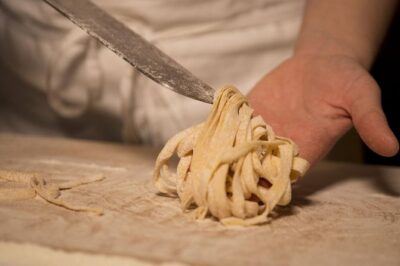
3 in 1 Cooking Class near Navona: Fettuccine, Ravioli & Tiramisu
Read our review →
Rome: Pasta Making Class with Wine, Limoncello, and Dessert
Read our review →
Rome Cooking Class: Make Pasta and 3 Spritz Cocktails
Read our review →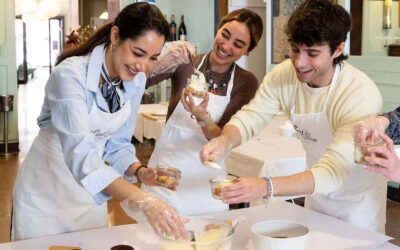
Rome: 3-in-1 Fettuccine, Ravioli, and Tiramisu Cooking Class
Read our review →